Oil shock forces markets to rethink rates, risk and growth
Day’s Recap
“
”
Supporting Articles
Oil reached about $99 a barrel after Iran's Revolutionary Guard attacked U.S. military targets, including a base in Jordan, following U.S. strikes on Iranian tankers. Analysts warned that further shipping disruption could push crude toward $120.
10:17 PMEconomic Times
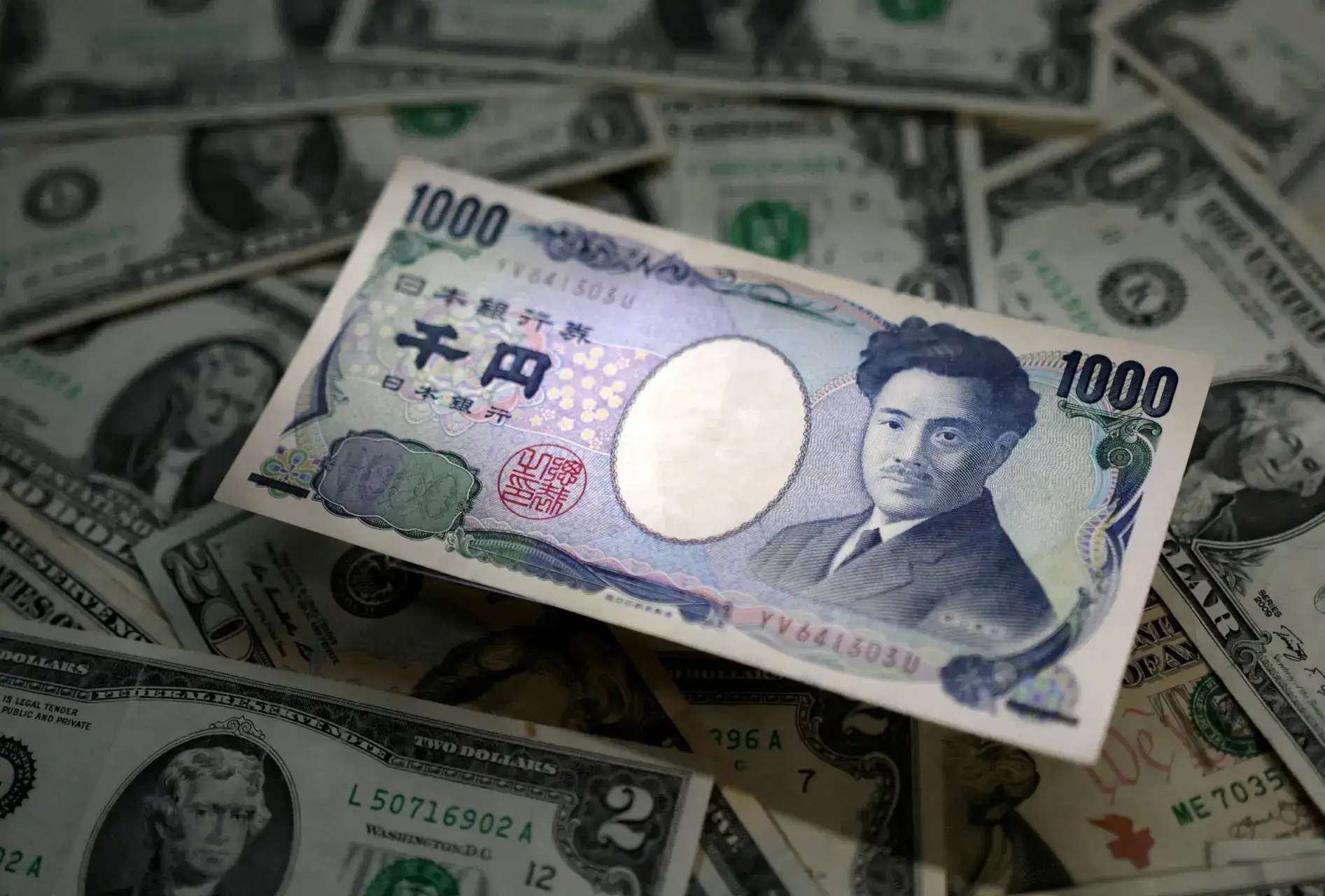
The yen strengthened toward its highest level since February as oil prices approached $100 amid escalating Middle East tensions. The dollar weakened against major currencies while investors awaited U.S. inflation data for clues on central-bank policy.
10:14 PMEconomic Times
US stock futures were little changed after all three major indexes fell in the previous session. Brent crude rose above $99 a barrel, keeping energy markets at the center of the trading outlook.
4:16 PMCNBC
Gold prices fell as higher crude prices increased inflation concerns and traders raised expectations for a Federal Reserve rate increase. The Bank of England was expected to keep rates unchanged.
10:05 PMEconomic Times
Industrial shares reversed after reaching record highs as rising oil prices and a pullback in artificial intelligence stocks weighed on the sector. Weak technical signals, higher production costs, and more expensive borrowing point to further downside, although the selloff may be nearing exhaustion.
9:44 PMEconomic Times
The Dow dropped nearly 630 points as rising oil prices pressured equities. Investors will focus on market commentary and corporate leadership appearances at Goldman Sachs's conference in the next session.
7:24 PMCNBC
Strategists disagree over whether the yen's latest advance can continue. The Bank of Japan is leaning toward a quarter-point rate increase this month as price pressures build.
10:20 PMBloomberg Markets
Japanese retail investors are increasing bets against the yen even as the currency reaches its strongest levels in months. Their positioning runs against the recent rally.
10:03 PMBloomberg Markets
A rapid rise in the yen could unwind the carry trade, in which investors borrow cheaply in Japan to fund purchases of higher returning assets. That reversal could trigger a broad stock selloff, with highly valued US technology and AI companies especially exposed.
2:33 PMMarketWatch
Stocks weakened after Labor Day as investors prepared for a possible Federal Reserve rate hike, described as the first since 2023. The shift could end the period in which equities advanced with relatively little resistance from monetary policy.
4:54 PMMarketWatch
Markets remain divided over the Federal Reserve's next policy move, with producer and consumer price reports likely to influence the decision. Small differences in inflation data could determine whether policymakers lean toward easing or holding rates steady.
7:22 AMCNBC
Commodity prices are volatile and pushing headline inflation higher, but the Federal Reserve remains focused on underlying, or core, inflation when setting policy. That focus is one reason the central bank has not adopted a more hawkish stance.
12:28 PMHousing Wire
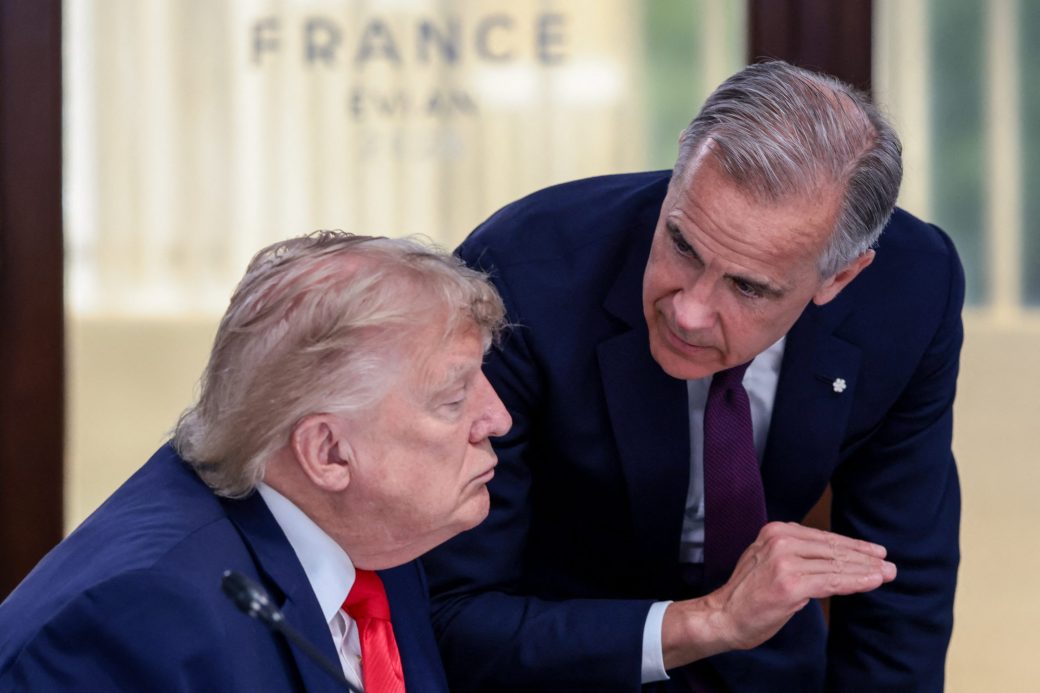
Canadian Prime Minister Mark Carney said Ottawa had no choice but to retaliate against U.S. tariffs. He accused Washington of seeking dependency rather than a genuine economic partnership with Canada.
10:33 PMThe New York Times
Oxford economists estimate that Prime Minister Mark Carney's retaliatory tariffs will slow Canada's economic growth and raise consumer prices. Public support for the policy remains strong, driven in part by anger toward President Donald Trump.
4:36 PMFortune
Canada has imposed counter-tariffs on $20 billion worth of US products, escalating a dispute that threatens the stability of the world's largest bilateral trading relationship.
10:46 AMBBC
China's exports are rising sharply, putting the country on track for a record trade surplus as Beijing expands its role in AI infrastructure. Trade is expected to feature prominently in a planned late-September meeting between Xi Jinping and Donald Trump.
11:12 AMFortune
China’s exports are surging, putting the country on course for a record annual trade surplus. The data arrived before a crucial meeting between Donald Trump and Xi Jinping on extending their tariff truce.
1:15 AMFinancial Times
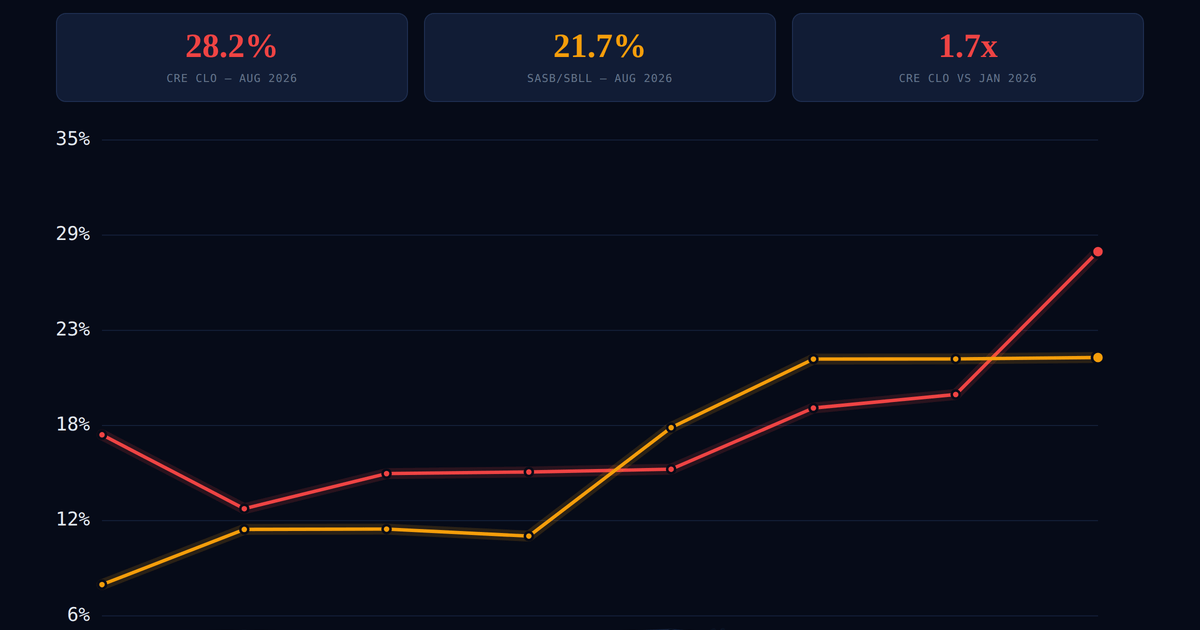
The distress rate for commercial real estate collateralized loan obligations rose from 19% in July to 28% in August, the sharpest monthly increase among major deal types this year. Distress in single-asset, single-borrower commercial mortgage-backed securities remained near 22%.
9:24 AMHousing Wire
China's wholesale inflation exceeded expectations in August, while consumer-price gains matched forecasts. Much of the producer-price increase reflected higher commodity costs and favorable base effects rather than stronger household demand.
11:07 PMCNBC
The ringgit fell to a 10-month low against the Singapore dollar as foreign investors sold Malaysian stocks. Singapore's currency drew support from a more hawkish monetary-policy stance.
9:16 PMBloomberg Markets
Bank of Korea Governor Rhee Chang Yong said foreign-exchange intervention can help calm market volatility. He expressed surprise that recent intervention appeared to come mainly from Japan and the US rather than a broader G7 effort including European countries.
9:07 PMBloomberg Markets
10:17 PMEconomic Times
Oil Price Today (September 9): Crude oil at $99 as Iran attacks US base in Jordan. Can liquid gold hit $120?
Summary
Oil reached about $99 a barrel after Iran's Revolutionary Guard attacked U.S. military targets, including a base in Jordan, following U.S. strikes on Iranian tankers. Analysts warned that further shipping disruption could push crude toward $120.
The immediate price move reflects a higher probability of supply disruption, not a confirmed loss
Unlock the full First Pass Analysis to get a better understanding of why this story matters
Why it matters
The market is now pricing the possibility that a military escalation will become a lasting energy shock.
Yen stands tall as dollar wobbles, oil's run towards $100 chills sentiment
Summary
The yen strengthened toward its highest level since February as oil prices approached $100 amid escalating Middle East tensions. The dollar weakened against major currencies while investors awaited U.S. inflation data for clues on central-bank policy.
The yen's advance signals a defensive shift in currency markets as investors seek safety and
Unlock the full First Pass Analysis to get a better understanding of why this story matters
Why it matters
Currency moves now depend on whether markets treat higher oil as a reason for higher rates or a warning of weaker global growth.
Dow tumbles 400 points, posting 3-day slide as rates jump and Brent crude tops $101
Summary
US stock futures were little changed after all three major indexes fell in the previous session. Brent crude rose above $99 a barrel, keeping energy markets at the center of the trading outlook.
The muted futures action points to a market waiting for a new catalyst after the
Unlock the full First Pass Analysis to get a better understanding of why this story matters
Why it matters
A sustained oil surge would challenge both equity valuations and the disinflation narrative supporting easier monetary policy.
Gold subdued on inflation worries, rate hike expectations
Summary
Gold prices fell as higher crude prices increased inflation concerns and traders raised expectations for a Federal Reserve rate increase. The Bank of England was expected to keep rates unchanged.
Gold's decline shows that rising inflation is currently boosting rate expectations more than demand for
Unlock the full First Pass Analysis to get a better understanding of why this story matters
Why it matters
Gold is signaling that markets remain focused on the rate consequences of the oil shock rather than only its geopolitical risks.
Industrial stocks lose momentum as Iran war, AI reversal take toll
Summary
Industrial shares reversed after reaching record highs as rising oil prices and a pullback in artificial intelligence stocks weighed on the sector. Weak technical signals, higher production costs, and more expensive borrowing point to further downside, although the selloff may be nearing exhaustion.
The sector has shifted from momentum-led gains to a margin and valuation test. Manufacturers face
Unlock the full First Pass Analysis to get a better understanding of why this story matters
Why it matters
Industrial stocks are becoming a direct gauge of whether the oil shock remains contained or spreads into corporate earnings.
Wednesday's big stock stories: What’s likely to move the market in the next trading session
Summary
The Dow dropped nearly 630 points as rising oil prices pressured equities. Investors will focus on market commentary and corporate leadership appearances at Goldman Sachs's conference in the next session.
The immediate market shift is from geopolitical risk to higher energy costs, with oil adding
Unlock the full First Pass Analysis to get a better understanding of why this story matters
Why it matters
Higher oil prices can weaken stocks through both profit pressure and renewed fears of tighter monetary policy.
Wall Street Strategists Are Split on Outlook for Yen’s Rally
Summary
Strategists disagree over whether the yen's latest advance can continue. The Bank of Japan is leaning toward a quarter-point rate increase this month as price pressures build.
Expected BOJ tightening gives the yen a stronger policy foundation, but markets remain divided on
Unlock the full First Pass Analysis to get a better understanding of why this story matters
Why it matters
The yen rally has moved from a short-term trade to a test of Japan's changing monetary regime.
Japan’s Retail Traders Add to Yen Shorts as Currency Rallies
Summary
Japanese retail investors are increasing bets against the yen even as the currency reaches its strongest levels in months. Their positioning runs against the recent rally.
Retail short positions create fuel for a further squeeze if the yen keeps rising, forcing
Unlock the full First Pass Analysis to get a better understanding of why this story matters
Why it matters
Retail positioning adds a potential volatility amplifier to an already crowded yen trade.
Why a stronger Japanese currency could spell trouble for AI and technology stocks
Summary
A rapid rise in the yen could unwind the carry trade, in which investors borrow cheaply in Japan to fund purchases of higher returning assets. That reversal could trigger a broad stock selloff, with highly valued US technology and AI companies especially exposed.
The decisive shift is a stronger yen that raises the cost of carry trade positions
Unlock the full First Pass Analysis to get a better understanding of why this story matters
Why it matters
A currency move in Japan could become a funding shock for the most crowded trades in global markets.
Stocks stumble after Labor Day. This year’s easy gains may be over.
Summary
Stocks weakened after Labor Day as investors prepared for a possible Federal Reserve rate hike, described as the first since 2023. The shift could end the period in which equities advanced with relatively little resistance from monetary policy.
The market is moving from a favorable liquidity backdrop toward a test of whether earnings
Unlock the full First Pass Analysis to get a better understanding of why this story matters
Why it matters
A new rate-hike cycle would challenge the assumptions that have supported the recent equity rally.
Why the Fed's interest rate call could come down to a few hundredths of a percentage point
Summary
Markets remain divided over the Federal Reserve's next policy move, with producer and consumer price reports likely to influence the decision. Small differences in inflation data could determine whether policymakers lean toward easing or holding rates steady.
The Fed's margin for error has narrowed because markets already price competing policy paths. A
Unlock the full First Pass Analysis to get a better understanding of why this story matters
Why it matters
A few inflation datapoints could reset expectations for interest rates, currencies, and risk assets.
Commodity inflation is hot, but Fed is still focused on core inflation
Summary
Commodity prices are volatile and pushing headline inflation higher, but the Federal Reserve remains focused on underlying, or core, inflation when setting policy. That focus is one reason the central bank has not adopted a more hawkish stance.
The Fed is treating commodity shocks as less durable than persistent price pressures in core
Unlock the full First Pass Analysis to get a better understanding of why this story matters
Why it matters
The distinction between headline and core inflation determines whether commodity shocks change the path of interest rates.
Carney Says Retaliation Against U.S. Tariffs Was Unavoidable
Summary
Canadian Prime Minister Mark Carney said Ottawa had no choice but to retaliate against U.S. tariffs. He accused Washington of seeking dependency rather than a genuine economic partnership with Canada.
Canada's response marks a shift from managing trade friction to openly contesting the terms of
Unlock the full First Pass Analysis to get a better understanding of why this story matters
Why it matters
The conflict threatens to turn deep economic integration into a source of leverage and vulnerability for both countries.
How Canada decided to hurt its own economy, raise its inflation—and most Canadians approved because they’re so angry at Trump
Summary
Oxford economists estimate that Prime Minister Mark Carney's retaliatory tariffs will slow Canada's economic growth and raise consumer prices. Public support for the policy remains strong, driven in part by anger toward President Donald Trump.
The tariffs turn trade policy into a political tradeoff: Canada accepts weaker growth and higher
Unlock the full First Pass Analysis to get a better understanding of why this story matters
Why it matters
Canada's policy shows how political pressure can sustain economically damaging trade measures even when voters ultimately bear much of the cost.
Carney says US trade war 'will come at a cost' as Canada strikes back on tariffs
Summary
Canada has imposed counter-tariffs on $20 billion worth of US products, escalating a dispute that threatens the stability of the world's largest bilateral trading relationship.
The immediate shift is from threatened retaliation to active trade restrictions. Canadian importers, US exporters,
Unlock the full First Pass Analysis to get a better understanding of why this story matters
Why it matters
A bilateral trade fight between Canada and the US can quickly raise prices and damage industries built around cross-border commerce.
Canada’s retaliatory tariffs on $20bn of US goods take effect
Summary
Canada has imposed dollar-for-dollar retaliatory tariffs on $20 billion of US goods, covering about 700 products across multiple industries. The measures come as trade tensions between the two countries escalate.
The tariffs widen the economic cost of the dispute beyond the initial US measures and
Unlock the full First Pass Analysis to get a better understanding of why this story matters
Why it matters
A bilateral tariff dispute is now imposing direct costs across one of the world’s most integrated trading relationships.
China on pace for ‘new record-high trade surplus’ this year as exports jump 25%—part of its efforts to become a ‘major player in AI infrastructure’
Summary
China's exports are rising sharply, putting the country on track for a record trade surplus as Beijing expands its role in AI infrastructure. Trade is expected to feature prominently in a planned late-September meeting between Xi Jinping and Donald Trump.
China's export surge increases the pressure on trading partners already worried about excess industrial capacity
Unlock the full First Pass Analysis to get a better understanding of why this story matters
Why it matters
A larger Chinese surplus could intensify trade tensions just as Beijing seeks to establish itself across strategic technology supply chains.
China’s export surge sets stage for record annual surplus
Summary
China’s exports are surging, putting the country on course for a record annual trade surplus. The data arrived before a crucial meeting between Donald Trump and Xi Jinping on extending their tariff truce.
China’s stronger export position gives Beijing leverage in negotiations but also increases pressure from trading
Unlock the full First Pass Analysis to get a better understanding of why this story matters
Why it matters
A larger Chinese surplus could intensify protectionist pressure even if US-China tariffs remain temporarily contained.
The distress rate for commercial real estate collateralized loan obligations rose from 19% in July to 28% in August, the sharpest monthly increase among major deal types this year. Distress in single-asset, single-borrower commercial mortgage-backed securities remained near 22%.
The jump indicates that stress is spreading within CRE CLO portfolios, where refinancing needs and
Unlock the full First Pass Analysis to get a better understanding of why this story matters
Why it matters
Rising CRE CLO distress could increase losses for lenders and investors as property refinancing becomes more difficult.
China's wholesale inflation tops estimates in August on commodity costs, tech demand as consumer price increases meet forecast
Summary
China's wholesale inflation exceeded expectations in August, while consumer-price gains matched forecasts. Much of the producer-price increase reflected higher commodity costs and favorable base effects rather than stronger household demand.
The data do not yet show broad-based reflation because factory-gate prices are rising without a
Unlock the full First Pass Analysis to get a better understanding of why this story matters
Why it matters
China's inflation rebound looks more like a supply and comparison effect than a demand-led recovery.
Ringgit Falls to Lowest Versus Singapore Dollar Since November
Summary
The ringgit fell to a 10-month low against the Singapore dollar as foreign investors sold Malaysian stocks. Singapore's currency drew support from a more hawkish monetary-policy stance.
Capital is moving away from Malaysian assets while Singapore's policy settings reinforce demand for the
Unlock the full First Pass Analysis to get a better understanding of why this story matters
Why it matters
The ringgit's weakness reflects both domestic outflows and a widening policy gap with Singapore.
Bank of Korea Governor Rhee Chang Yong said foreign-exchange intervention can help calm market volatility. He expressed surprise that recent intervention appeared to come mainly from Japan and the US rather than a broader G7 effort including European countries.
Rhee's remarks frame intervention as a tool for containing disorderly moves, not necessarily for reversing
Unlock the full First Pass Analysis to get a better understanding of why this story matters
Why it matters
Asian central banks may intervene more readily to manage volatility, even without a unified G7 operation.
A curated list of other prominent stories from this day.
Poland’s reclassification from an emerging market to a developed economy could broaden access to its stock market for global investors. The market has performed strongly while remaining cheaper than the S&P 500.
6:50 PMMarketWatch
A commodity hedge can protect a company’s reported profit while creating immediate cash demands for its treasury operation. The mismatch arises when market moves trigger collateral or settlement payments before the underlying commercial benefit is realized.
6:13 PMFinextra
As Venezuela's National Assembly considers ways to end the world's highest inflation rate, two economists warn against copying Peru's monetary framework. They argue that Venezuela's conditions require a different approach.
5:27 PMFortune
Mark Hulbert presents a contrarian case that the U.S. stock market could continue rising through the midterm election period.
4:23 PMMarketWatch
Louis-Vincent Gave argues that US assets are preferable during strong economic periods, but China offers better protection during the relatively rare periods of severe market stress.
10:28 AMFortune
Offshore renminbi borrowing has reached a record nearly $150 billion this year, with issuance of dim sum and panda bonds exceeding $149 billion.
12:33 AMFinancial Times
Hedge fund Millennium is seeking a tax arrangement to expand its presence in Geneva, as Swiss cantons compete to attract wealthy individuals and financial firms.
12:00 AMFinancial Times
Many countries now spend more servicing government debt than on defence, including the United States, France and the United Kingdom.
12:00 AMFinancial Times
6:50 PMMarketWatch
How to invest in a booming stock market that’s way cheaper than the S&P 500
Summary
Poland’s reclassification from an emerging market to a developed economy could broaden access to its stock market for global investors. The market has performed strongly while remaining cheaper than the S&P 500.
The classification change can bring new institutional demand through developed-market indexes and mandates, increasing liquidity
Unlock the full First Pass Analysis to get a better understanding of why this story matters
Why it matters
A benchmark change could redirect global capital toward Polish equities and make the market a more prominent alternative to expensive US stocks.
A commodity hedge can protect a company’s reported profit while creating immediate cash demands for its treasury operation. The mismatch arises when market moves trigger collateral or settlement payments before the underlying commercial benefit is realized.
The key risk is liquidity, not hedge effectiveness: a position can offset future price exposure
Unlock the full First Pass Analysis to get a better understanding of why this story matters
Why it matters
Accounting protection does not guarantee cash protection, making liquidity planning essential when commodity prices swing sharply.
Peru’s monetary system would not work in Venezuela
Summary
As Venezuela's National Assembly considers ways to end the world's highest inflation rate, two economists warn against copying Peru's monetary framework. They argue that Venezuela's conditions require a different approach.
The decisive issue is institutional credibility, not the design of a monetary system on paper.
Unlock the full First Pass Analysis to get a better understanding of why this story matters
Why it matters
Venezuela's debate shows that monetary stabilization depends as much on institutions and political constraints as on the currency model chosen.
When things go bad, you want to be in China, says Gavekal’s Louis-Vincent Gave
Summary
Louis-Vincent Gave argues that US assets are preferable during strong economic periods, but China offers better protection during the relatively rare periods of severe market stress.
The key shift is from viewing China only as a growth bet to treating it
Unlock the full First Pass Analysis to get a better understanding of why this story matters
Why it matters
Portfolio protection may require exposure to markets that look less attractive during normal conditions.
Hedge fund Millennium seeks tax deal to boost Geneva presence
Summary
Hedge fund Millennium is seeking a tax arrangement to expand its presence in Geneva, as Swiss cantons compete to attract wealthy individuals and financial firms.
Tax competition is giving large financial firms bargaining power over local governments. A deal could
Unlock the full First Pass Analysis to get a better understanding of why this story matters
Why it matters
Competition for mobile capital is reshaping Switzerland’s local tax policies and financial centres.