
The gap between US and Chinese borrowing costs has reached its widest level on record as Treasury yields rise. The divergence could accelerate shifts in capital between the world's two largest economies.
11:54 PMFinancial Times99 stories from 9 sources
Supporting Articles
The gap between US and Chinese borrowing costs has reached its widest level on record as Treasury yields rise. The divergence could accelerate shifts in capital between the world's two largest economies.
11:54 PMFinancial Times
Treasury Secretary Scott Bessent challenged traders betting against the yen and signaled confidence in the direction of Japanese policy. U.S. authorities have reportedly made their first yen purchases in three decades and plan to expand Treasury buybacks.
9:04 PMEconomic Times
Scott Bessent is presenting a forceful challenge to currency markets, signaling confidence that policy can withstand bets against the administration's preferred direction for the dollar. The framing places market positioning and official credibility at the center of the story.
6:06 AMFortune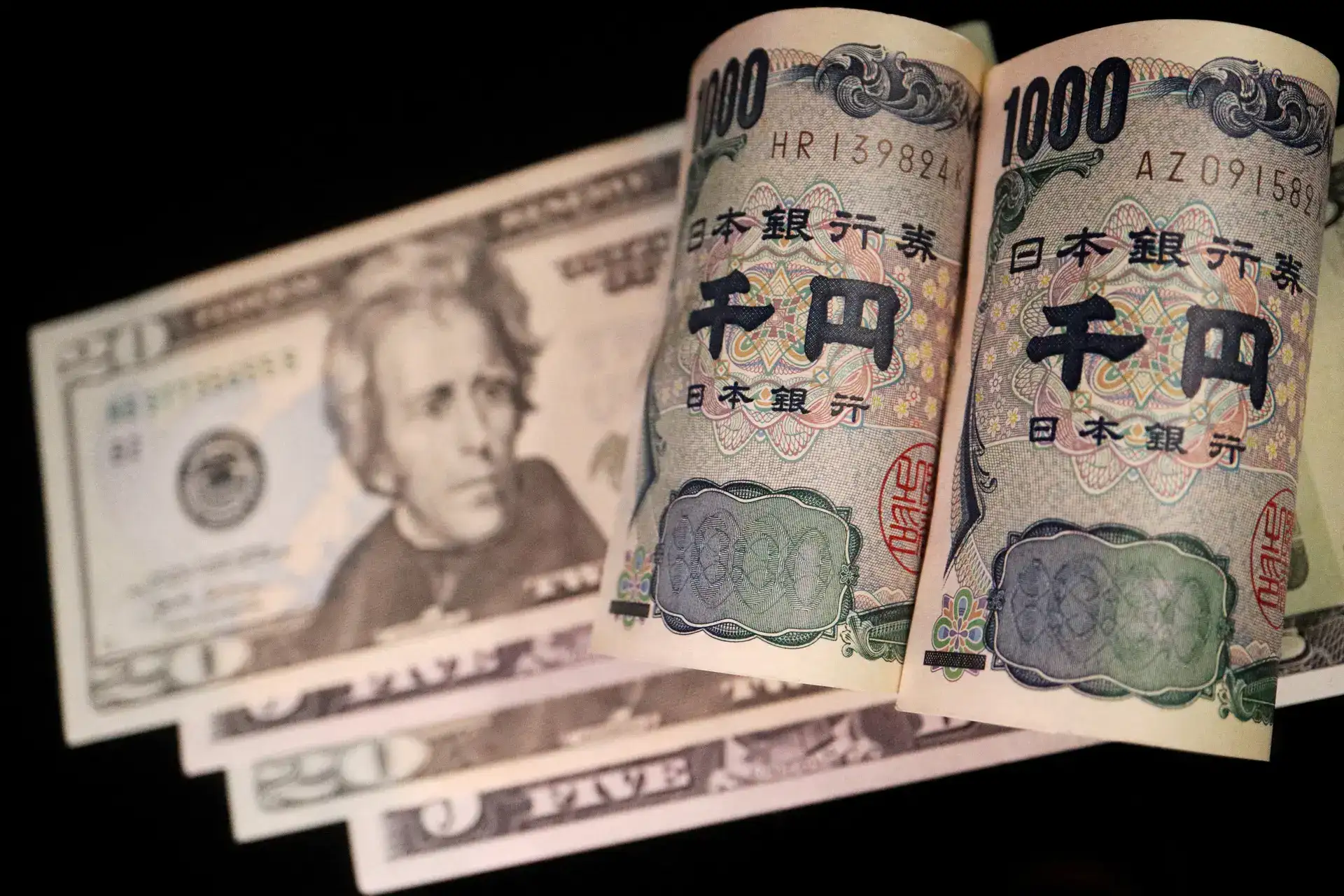
Currencies held mostly steady as higher oil prices pushed global bond yields to their highest levels since last year. Investors are awaiting U.S. inflation data while anticipating possible rate hikes from the European Central Bank and the Bank of Japan.
10:17 PMEconomic Times
The Dow fell more than 400 points as Treasury yields rose and oil reached its highest settlement level since May. Investors are turning to the next session’s economic and corporate developments for signs of whether the pressure will persist.
7:14 PMCNBCUS stock futures were little changed after all three major indexes fell in the previous session. Brent crude rose above $99 a barrel, keeping energy markets at the center of the trading outlook.
4:16 PMCNBC
Two upcoming inflation reports will shape expectations for whether the Federal Reserve could raise interest rates. Consumer and wholesale prices have begun to accelerate again, putting renewed focus on the inflation outlook.
12:18 PMMarketWatch
The Treasury Department said it would buy back $6 billion in U.S. government debt, more than previously announced, as it seeks to contain bond yields. The market response remained muted.
3:27 PMMarketWatch
Higher bond yields are increasing borrowing costs for governments, companies and households across the global economy.
3:00 PMAl Jazeera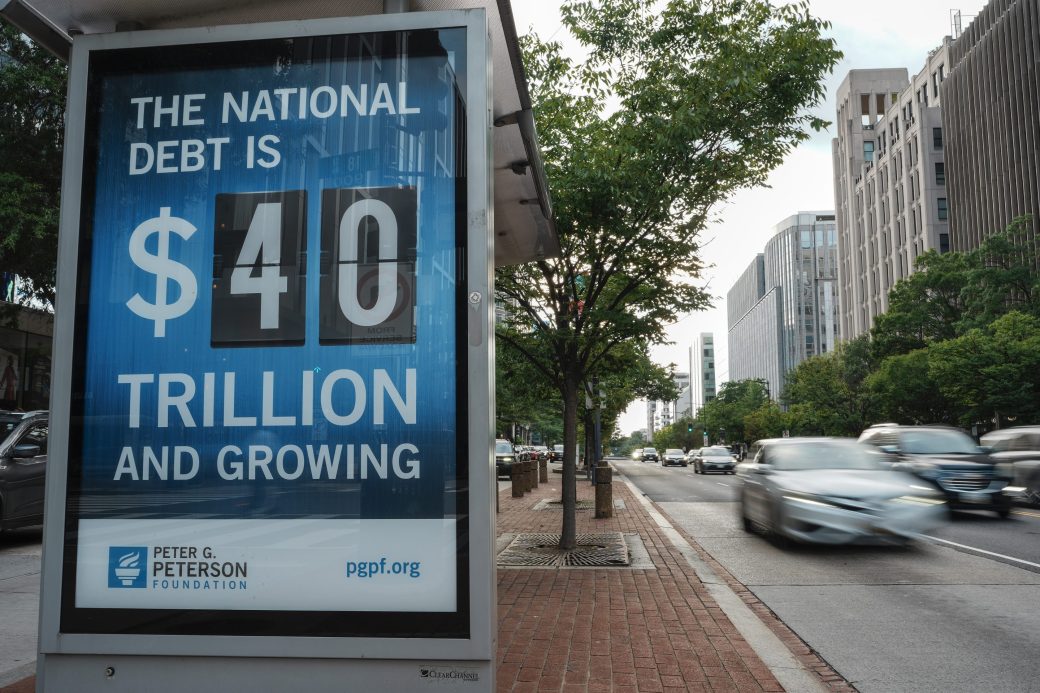
US national debt grew at an average rate of about $7.35 billion a day over the past year, equivalent to $5.11 million a minute. The increase works out to roughly $117,279 for every American.
6:16 AMFortune
Treasury basis trades can amplify market stress because leveraged investors finance small price differences with short-term borrowing. The article argues that the US government has the authority, incentive and capacity to close the structural gap that makes the trade vulnerable.
7:35 AMFinancial Times
Chinese regulators are telling investment banks to avoid an excessive rush of new listings and to keep IPO valuations restrained. The policy aims to strengthen investor confidence in the stock market.
8:45 PMFinancial TimesChina's exports to the United States rose 34 percent in August, extending a broader export upswing for a fifth consecutive month. Apparel and textile shipments also grew, but at a slower pace than the AI-related products driving much of the trade expansion.
8:00 AMWWDSummary
The gap between US and Chinese borrowing costs has reached its widest level on record as Treasury yields rise. The divergence could accelerate shifts in capital between the world's two largest economies.
The decisive shift is the unprecedented yield gap, which makes US assets relatively more attractive
Unlock the full First Pass Analysis to get a better understanding of why this story mattersWhy it matters
A wider US-China yield gap can redirect global money, pressure the renminbi and reshape demand for both countries' bonds.
2 stories · 2 sources
Summary
Treasury Secretary Scott Bessent challenged traders betting against the yen and signaled confidence in the direction of Japanese policy. U.S. authorities have reportedly made their first yen purchases in three decades and plan to expand Treasury buybacks.
The United States is signaling a more direct role in the yen market, raising the
Unlock the full First Pass Analysis to get a better understanding of why this story mattersWhy it matters
Explicit U.S. support for the yen could disrupt one of the most crowded trades in global currency markets.
3 stories · 3 sources
Summary
Scott Bessent is presenting a forceful challenge to currency markets, signaling confidence that policy can withstand bets against the administration's preferred direction for the dollar. The framing places market positioning and official credibility at the center of the story.
The key risk is that rhetoric cannot substitute for a coherent currency policy. If traders
Unlock the full First Pass Analysis to get a better understanding of why this story mattersWhy it matters
A direct contest between officials and currency traders can turn dollar policy into a source of wider market volatility.
Summary
Currencies held mostly steady as higher oil prices pushed global bond yields to their highest levels since last year. Investors are awaiting U.S. inflation data while anticipating possible rate hikes from the European Central Bank and the Bank of Japan.
Higher energy costs are tightening financial conditions before central banks have resolved the inflation outlook.
Unlock the full First Pass Analysis to get a better understanding of why this story mattersWhy it matters
Oil-driven inflation is turning interest-rate expectations into the main short-term driver of currencies and bond markets.
Summary
The Dow fell more than 400 points as Treasury yields rose and oil reached its highest settlement level since May. Investors are turning to the next session’s economic and corporate developments for signs of whether the pressure will persist.
Rising yields and oil are attacking stocks through both valuation and earnings expectations. Higher borrowing
Unlock the full First Pass Analysis to get a better understanding of why this story mattersWhy it matters
The combination of higher yields and oil creates a two-front challenge for stocks.
Summary
US stock futures were little changed after all three major indexes fell in the previous session. Brent crude rose above $99 a barrel, keeping energy markets at the center of the trading outlook.
The muted futures action points to a market waiting for a new catalyst after the
Unlock the full First Pass Analysis to get a better understanding of why this story mattersWhy it matters
A sustained oil surge would challenge both equity valuations and the disinflation narrative supporting easier monetary policy.
Summary
Two upcoming inflation reports will shape expectations for whether the Federal Reserve could raise interest rates. Consumer and wholesale prices have begun to accelerate again, putting renewed focus on the inflation outlook.
The reports now carry asymmetric risk: a hot reading could revive hike expectations, while a
Unlock the full First Pass Analysis to get a better understanding of why this story mattersWhy it matters
The data could reset rate expectations and move bonds, currencies and equities at once.
Summary
The Treasury Department said it would buy back $6 billion in U.S. government debt, more than previously announced, as it seeks to contain bond yields. The market response remained muted.
The larger buyback still appears too small to materially change the supply-demand balance in the
Unlock the full First Pass Analysis to get a better understanding of why this story mattersWhy it matters
A limited buyback leaves borrowing costs exposed to continued pressure from heavy government debt issuance.
Summary
Higher bond yields are increasing borrowing costs for governments, companies and households across the global economy.
The rise in yields is broadening financial pressure beyond sovereign debt markets and into corporate
Unlock the full First Pass Analysis to get a better understanding of why this story mattersWhy it matters
Global yields are tightening financial conditions even where central banks have not raised policy rates.
Summary
US national debt grew at an average rate of about $7.35 billion a day over the past year, equivalent to $5.11 million a minute. The increase works out to roughly $117,279 for every American.
The pace of borrowing raises pressure on future budgets, especially if interest costs continue to
Unlock the full First Pass Analysis to get a better understanding of why this story mattersWhy it matters
Rapid debt growth narrows the government's room to respond to recessions, wars or financial shocks.
Summary
Treasury basis trades can amplify market stress because leveraged investors finance small price differences with short-term borrowing. The article argues that the US government has the authority, incentive and capacity to close the structural gap that makes the trade vulnerable.
The core shift is from treating basis-trade volatility as a private-market risk to recognizing it
Unlock the full First Pass Analysis to get a better understanding of why this story mattersWhy it matters
A disorderly unwind of basis trades could transmit stress from leveraged funds into the Treasury market and broader global finance.
Summary
Chinese regulators are telling investment banks to avoid an excessive rush of new listings and to keep IPO valuations restrained. The policy aims to strengthen investor confidence in the stock market.
The key change is a tighter official focus on IPO supply and pricing rather than
Unlock the full First Pass Analysis to get a better understanding of why this story mattersWhy it matters
China is using control over equity supply to stabilize sentiment and rebuild trust in public markets.
Summary
China's exports to the United States rose 34 percent in August, extending a broader export upswing for a fifth consecutive month. Apparel and textile shipments also grew, but at a slower pace than the AI-related products driving much of the trade expansion.
The rebound shows that US-China trade remains resilient despite tariffs and strategic tensions. Its composition
Unlock the full First Pass Analysis to get a better understanding of why this story mattersWhy it matters
China's export strength is returning, but its dependence on technology-led demand could intensify US scrutiny and tariff risks.
A curated list of other prominent stories from this day.

Commodities are increasingly being considered as a long-term portfolio allocation rather than only a cyclical trade or inflation hedge. Gold offers protection against currency and geopolitical risks, while copper benefits from structural demand linked to electrification, artificial intelligence and data centres.
11:37 PMEconomic Times
Indian investors increasingly need international exposure, but buying a few well-known US technology stocks does not create a diversified global portfolio. A broader approach requires exposure across countries, sectors, currencies and asset classes.
11:27 PMEconomic TimesThe Bank of Korea called for closer monitoring of overseas derivatives linked to Korean chipmakers, warning that rapid growth in leveraged positions could intensify domestic market swings. It cited trades by hedge fund Situational Awareness as a recent source of volatility.
11:00 PMBloomberg MarketsTreasury Secretary Scott Bessent plans to deliver a Republican convention speech in Dallas, prompting questions about whether a more overt political role could affect investor confidence in him.
10:54 PMCNBCA top-performing Chinese fund manager argues that the recent selloff in optical-component stocks has strengthened the investment case for the sector. The companies are tied to one of the strongest segments of the artificial intelligence trade.
10:30 PMBloomberg Markets
Gold prices were little changed as traders awaited US inflation data that could influence expectations for Federal Reserve policy. Geopolitical tensions, shifting economic indicators, and the outlook for European interest rates remain important drivers for the metal.
10:21 PMEconomic Times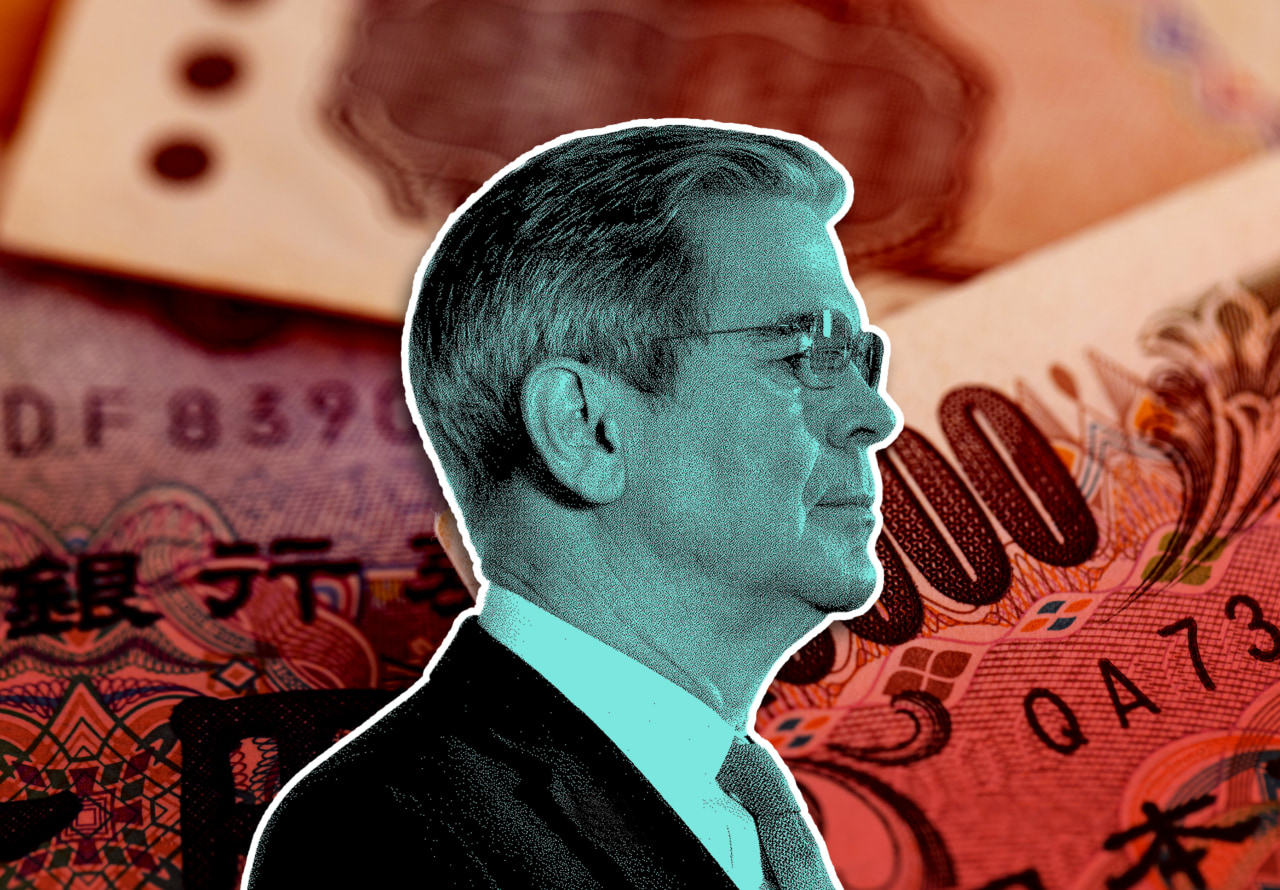
A stronger yen and higher Treasury yields are emerging as risks to the stock-market rally. The concern is that policy interventions associated with Treasury Secretary Scott Bessent could unsettle currency and bond markets at the same time.
5:17 PMMarketWatchWith stocks near record highs and bonds under pressure, advisers are urging investors to rebalance portfolios back toward their intended risk levels.
5:14 PMCNBC
The article argues that the baby boom generation helped create an unprecedented US debt burden through decades of influence across the presidency, Congress and corporate leadership, leaving future generations to absorb the costs.
2:47 PMFortune
US small-cap stocks have fallen below a closely watched technical level as Treasury yields rise ahead of the Federal Reserve’s policy meeting. The move signals growing concern that higher rates will pressure smaller companies.
12:09 PMMarketWatch
U.S. households added $18 billion in credit in July across credit cards and longer-term loans. Consumer credit grew at a seasonally adjusted annual rate of 4.2%, according to the Federal Reserve’s latest data.
11:41 AMPYMNTS
Nearly four in ten young Argentine borrowers are behind on their debts, while almost half the population owes money. Households are increasingly using loans to cover groceries and other routine expenses as living costs outpace incomes.
10:14 AMFortune
The article examines the industries, workers and consumers bearing the costs of the escalating US-Canada trade conflict. It frames the dispute through the economic damage created by tariffs and retaliation.
6:58 AMAl Jazeera
Kevin Warsh could become an effective Federal Reserve chair if he keeps monetary policy focused on its established objectives and maintains institutional discipline. His performance would depend less on ideology than on how clearly he defines the Fed’s mandate and conducts policy.
12:00 AMFinancial TimesSummary
Commodities are increasingly being considered as a long-term portfolio allocation rather than only a cyclical trade or inflation hedge. Gold offers protection against currency and geopolitical risks, while copper benefits from structural demand linked to electrification, artificial intelligence and data centres.
The investment case is splitting between defensive commodities such as gold and growth-linked commodities such
Unlock the full First Pass Analysis to get a better understanding of why this story mattersWhy it matters
Commodities can broaden diversification, but investors must distinguish between safe-haven exposure and bets on industrial demand.
Summary
Indian investors increasingly need international exposure, but buying a few well-known US technology stocks does not create a diversified global portfolio. A broader approach requires exposure across countries, sectors, currencies and asset classes.
The key issue is concentration disguised as diversification: familiar US technology names can leave investors
Unlock the full First Pass Analysis to get a better understanding of why this story mattersWhy it matters
Global exposure can reduce country-specific risk only when investors diversify beyond a narrow basket of popular US stocks.
Summary
The Bank of Korea called for closer monitoring of overseas derivatives linked to Korean chipmakers, warning that rapid growth in leveraged positions could intensify domestic market swings. It cited trades by hedge fund Situational Awareness as a recent source of volatility.
Korea’s chip exposure is increasingly being amplified through offshore derivatives rather than cash equities alone.
Unlock the full First Pass Analysis to get a better understanding of why this story mattersWhy it matters
Derivatives are adding a faster transmission channel between global speculative capital and Korea’s concentrated technology market.
Summary
Treasury Secretary Scott Bessent plans to deliver a Republican convention speech in Dallas, prompting questions about whether a more overt political role could affect investor confidence in him.
Bessent's political positioning now carries a market cost if investors view him as more partisan
Unlock the full First Pass Analysis to get a better understanding of why this story mattersWhy it matters
The Treasury secretary's perceived independence can influence confidence in US fiscal and economic policy.
Summary
A top-performing Chinese fund manager argues that the recent selloff in optical-component stocks has strengthened the investment case for the sector. The companies are tied to one of the strongest segments of the artificial intelligence trade.
The key change is valuation, not the underlying AI theme: weaker share prices have made
Unlock the full First Pass Analysis to get a better understanding of why this story mattersWhy it matters
The sector's next move will test whether China’s AI rally can broaden beyond headline chip and software names.
Summary
Gold prices were little changed as traders awaited US inflation data that could influence expectations for Federal Reserve policy. Geopolitical tensions, shifting economic indicators, and the outlook for European interest rates remain important drivers for the metal.
The immediate catalyst is the inflation report, because it will shape the path of real
Unlock the full First Pass Analysis to get a better understanding of why this story mattersWhy it matters
Gold is trading at the intersection of inflation risk, central-bank policy, and persistent geopolitical demand for protection.
Summary
A stronger yen and higher Treasury yields are emerging as risks to the stock-market rally. The concern is that policy interventions associated with Treasury Secretary Scott Bessent could unsettle currency and bond markets at the same time.
The danger is a cross-market shock rather than a single bad policy announcement. A stronger
Unlock the full First Pass Analysis to get a better understanding of why this story mattersWhy it matters
Currency and bond volatility could transmit quickly into stocks if policy intervention disrupts global carry trades.
Summary
With stocks near record highs and bonds under pressure, advisers are urging investors to rebalance portfolios back toward their intended risk levels.
The market's divergence has likely pushed many portfolios above their planned equity exposure and below
Unlock the full First Pass Analysis to get a better understanding of why this story mattersWhy it matters
Portfolio risk can drift sharply during cross-asset moves, making discipline more important than short-term market timing.
Summary
The article argues that the baby boom generation helped create an unprecedented US debt burden through decades of influence across the presidency, Congress and corporate leadership, leaving future generations to absorb the costs.
The core shift is from borrowing as a temporary policy tool to debt as a
Unlock the full First Pass Analysis to get a better understanding of why this story mattersWhy it matters
The debt burden is becoming an intergenerational allocation problem, not only a question of fiscal accounting.
Summary
US small-cap stocks have fallen below a closely watched technical level as Treasury yields rise ahead of the Federal Reserve’s policy meeting. The move signals growing concern that higher rates will pressure smaller companies.
Small caps face greater exposure to refinancing costs and weaker balance sheets than large companies,
Unlock the full First Pass Analysis to get a better understanding of why this story mattersWhy it matters
Small-cap weakness shows how higher bond yields are moving from the fixed-income market into corporate financing and equity risk.
Summary
U.S. households added $18 billion in credit in July across credit cards and longer-term loans. Consumer credit grew at a seasonally adjusted annual rate of 4.2%, according to the Federal Reserve’s latest data.
Borrowing is accelerating even as households take on larger future payment obligations. That credit is
Unlock the full First Pass Analysis to get a better understanding of why this story mattersWhy it matters
The data point to a consumer economy that remains active but increasingly dependent on credit.
Summary
Nearly four in ten young Argentine borrowers are behind on their debts, while almost half the population owes money. Households are increasingly using loans to cover groceries and other routine expenses as living costs outpace incomes.
Argentina's adjustment is pushing younger voters who backed Javier Milei toward heavier reliance on credit
Unlock the full First Pass Analysis to get a better understanding of why this story mattersWhy it matters
Rising consumer distress is turning Argentina's economic overhaul into a direct test of Milei's political durability.
Summary
The article examines the industries, workers and consumers bearing the costs of the escalating US-Canada trade conflict. It frames the dispute through the economic damage created by tariffs and retaliation.
Tariffs shift costs through supply chains rather than confining them to foreign exporters. North American
Unlock the full First Pass Analysis to get a better understanding of why this story mattersWhy it matters
A trade fight between closely linked economies can impose broad domestic costs even when governments present tariffs as leverage.
Summary
Kevin Warsh could become an effective Federal Reserve chair if he keeps monetary policy focused on its established objectives and maintains institutional discipline. His performance would depend less on ideology than on how clearly he defines the Fed’s mandate and conducts policy.
The key test is whether Warsh separates policy decisions from political pressure and communicates a
Unlock the full First Pass Analysis to get a better understanding of why this story mattersWhy it matters
A credible chair can keep inflation expectations and borrowing costs anchored even when policy becomes restrictive.
Make it yours
Pick your topics, set your cadence, and receive your personalized First Pass in your inbox. It’s that simple!
