US inflation accelerated to 3.7% as fuel prices rebounded amid the Iran war. The increase adds pressure on consumers and voters ahead of the midterm elections.
4:06 PMFinancial Times118 stories from 13 sources
Supporting Articles
US inflation accelerated to 3.7% as fuel prices rebounded amid the Iran war. The increase adds pressure on consumers and voters ahead of the midterm elections.
4:06 PMFinancial Times
September consumer prices rose more than expected, leaving inflation well above the Federal Reserve's target. The increase disappointed shoppers hoping for relief from rising costs.
3:11 PMWWD
Gasoline prices rose 9.1% in September, helping push the Consumer Price Index up 0.6% for the month and 3.7% from a year earlier. Prices increased 1.1% in the third quarter, even as appliances, furniture, and some food categories became cheaper.
2:04 PMPYMNTS
U.S. inflation increased ahead of the midterm elections, adding uncertainty over whether the Federal Reserve will raise interest rates further.
11:31 AMAl Jazeera
US consumer prices rose 3.7% in the year to September, above expectations. Higher motor fuel costs were the main force behind the acceleration.
11:26 AMBBC
US inflation data showed gasoline prices up 34.2% year over year and shelter costs rising 0.4% month over month. The hotter reading raised the possibility that the Federal Reserve could bring a rate increase forward to October.
10:04 AMHousing WireThe Taiwan dollar and South Korean won weakened sharply after an overnight selloff in US semiconductor shares spread across Asian markets. The decline reduced demand for currencies linked to the artificial-intelligence supply chain.
10:57 PMBloomberg Markets
Inflation fears and higher borrowing costs are exposing differences within the AI investment trade. Investors are questioning whether more expensive financing could slow the massive spending required to build AI infrastructure.
7:36 PMMarketWatch
South Korea halted program trading for five minutes after the KOSPI plunged more than 7%, led by steep losses in Samsung Electronics and SK Hynix. Foreign investors sold shares as the index extended its longest losing streak since September 2024.
10:05 PMEconomic Times
China’s exports grew last month at their fastest pace in almost any month since the end of the global financial crisis. The surge is putting the country’s trade surplus on course for a record.
11:41 AMThe New York Times
China's exports rose 36.3 percent in September, the fastest increase since the pandemic period, as demand linked to artificial intelligence boosted shipments. The jump points to strong external demand despite broader concerns about China's economy.
5:05 AMAl JazeeraIndia’s 10-year government bond yield rose to 7.41%, its highest level in more than three years, as markets increased bets on further Reserve Bank of India rate hikes.
10:31 PMBloomberg Markets
Brent crude fell $1.50, or 1.41%, to $104.55 a barrel, while US West Texas Intermediate declined $1.02, or 1.07%, to $94.07. Both benchmarks gave back gains from the previous session despite heightened tensions in the Middle East.
10:13 PMEconomic TimesThe Philippine peso fell beyond 63 per dollar for the first time, increasing pressure on the central bank to support the currency.
10:18 PMBloomberg MarketsChinese lithium futures extended their selloff as concerns grew that battery demand will not meet earlier expectations.
10:56 PMBloomberg MarketsSummary
US inflation accelerated to 3.7% as fuel prices rebounded amid the Iran war. The increase adds pressure on consumers and voters ahead of the midterm elections.
Higher fuel costs are reviving inflation at a politically sensitive moment. The shock raises the
Unlock the full First Pass Analysis to get a better understanding of why this story mattersWhy it matters
Energy-driven inflation can weaken consumer confidence and reshape the economic debate before the midterms.
2 stories · 2 sources
Summary
September consumer prices rose more than expected, leaving inflation well above the Federal Reserve's target. The increase disappointed shoppers hoping for relief from rising costs.
The hotter CPI reduces confidence that inflation is cooling in a straight line and strengthens
Unlock the full First Pass Analysis to get a better understanding of why this story mattersWhy it matters
Persistent inflation can keep rates high for longer and weaken both household demand and market valuations.
Summary
Gasoline prices rose 9.1% in September, helping push the Consumer Price Index up 0.6% for the month and 3.7% from a year earlier. Prices increased 1.1% in the third quarter, even as appliances, furniture, and some food categories became cheaper.
Energy is reopening the inflation problem just as households have less room to absorb higher
Unlock the full First Pass Analysis to get a better understanding of why this story mattersWhy it matters
A gasoline-led inflation rebound can squeeze consumers and delay interest-rate relief at the same time.
Summary
U.S. inflation increased ahead of the midterm elections, adding uncertainty over whether the Federal Reserve will raise interest rates further.
The hotter inflation reading narrows the Fed's room to support growth and keeps rate hikes
Unlock the full First Pass Analysis to get a better understanding of why this story mattersWhy it matters
Persistent U.S. inflation could drive tighter global financial conditions and deepen market volatility.
Summary
US consumer prices rose 3.7% in the year to September, above expectations. Higher motor fuel costs were the main force behind the acceleration.
The surprise came from fuel, not necessarily a broad-based reacceleration across the economy. That distinction
Unlock the full First Pass Analysis to get a better understanding of why this story mattersWhy it matters
Markets must judge whether the inflation jump is temporary fuel volatility or the start of wider price pressure.
Summary
US inflation data showed gasoline prices up 34.2% year over year and shelter costs rising 0.4% month over month. The hotter reading raised the possibility that the Federal Reserve could bring a rate increase forward to October.
Energy and shelter pushed inflation higher in components that affect both headline prices and household
Unlock the full First Pass Analysis to get a better understanding of why this story mattersWhy it matters
A rate hike brought forward would increase the risk of a sharper slowdown as households and businesses face higher financing costs.
Summary
The Taiwan dollar and South Korean won weakened sharply after an overnight selloff in US semiconductor shares spread across Asian markets. The decline reduced demand for currencies linked to the artificial-intelligence supply chain.
The immediate shift is from enthusiasm for AI exporters to caution about semiconductor valuations and
Unlock the full First Pass Analysis to get a better understanding of why this story mattersWhy it matters
The AI trade is now affecting Asian currencies, not just equity valuations.
Summary
Inflation fears and higher borrowing costs are exposing differences within the AI investment trade. Investors are questioning whether more expensive financing could slow the massive spending required to build AI infrastructure.
The AI trade is no longer moving as a single momentum group: companies with clear
Unlock the full First Pass Analysis to get a better understanding of why this story mattersWhy it matters
A prolonged rate shock could separate durable AI cash flows from speculative infrastructure spending and narrow the market’s leadership.
2 stories · 2 sources
Summary
South Korea halted program trading for five minutes after the KOSPI plunged more than 7%, led by steep losses in Samsung Electronics and SK Hynix. Foreign investors sold shares as the index extended its longest losing streak since September 2024.
The halt marks a disorderly repricing rather than a routine pullback. Foreign selling and concentrated
Unlock the full First Pass Analysis to get a better understanding of why this story mattersWhy it matters
A forced trading pause signals acute stress in one of Asia's most important semiconductor markets.
Summary
China’s exports grew last month at their fastest pace in almost any month since the end of the global financial crisis. The surge is putting the country’s trade surplus on course for a record.
The export jump shows China is relying heavily on external demand while domestic consumption remains
Unlock the full First Pass Analysis to get a better understanding of why this story mattersWhy it matters
China’s export strength could bolster its economy while widening trade imbalances and provoking a stronger international response.
Summary
China's exports rose 36.3 percent in September, the fastest increase since the pandemic period, as demand linked to artificial intelligence boosted shipments. The jump points to strong external demand despite broader concerns about China's economy.
The export surge shows that AI-related supply chains are providing China with a powerful source
Unlock the full First Pass Analysis to get a better understanding of why this story mattersWhy it matters
Stronger Chinese exports can lift global supply chains while intensifying disputes over trade, industrial capacity and technology access.
Summary
India’s 10-year government bond yield rose to 7.41%, its highest level in more than three years, as markets increased bets on further Reserve Bank of India rate hikes.
The yield move shows investors demanding more compensation for inflation and policy risk. Higher borrowing
Unlock the full First Pass Analysis to get a better understanding of why this story mattersWhy it matters
India’s rising benchmark yield signals tighter financial conditions in one of the world’s fastest-growing major economies.
Summary
Brent crude fell $1.50, or 1.41%, to $104.55 a barrel, while US West Texas Intermediate declined $1.02, or 1.07%, to $94.07. Both benchmarks gave back gains from the previous session despite heightened tensions in the Middle East.
Supply expectations and market positioning outweighed the immediate risk of a Middle East disruption. The
Unlock the full First Pass Analysis to get a better understanding of why this story mattersWhy it matters
Oil markets remain vulnerable to a sharp price rebound if regional tensions translate into physical supply losses.
Summary
The Philippine peso fell beyond 63 per dollar for the first time, increasing pressure on the central bank to support the currency.
The breach raises the cost of imported fuel, food and other goods, adding to inflation
Unlock the full First Pass Analysis to get a better understanding of why this story mattersWhy it matters
The peso’s record weakness could force Philippine policymakers into a more defensive stance on rates and foreign-exchange intervention.
Summary
Chinese lithium futures extended their selloff as concerns grew that battery demand will not meet earlier expectations.
The decline signals that traders are reassessing the pace of electric vehicle and energy storage
Unlock the full First Pass Analysis to get a better understanding of why this story mattersWhy it matters
Lithium is becoming a gauge of whether the battery boom is slowing from its previously assumed pace.
A curated list of other prominent stories from this day.

Tunisia's economic record under President Kais Saied is being tested by rising prices, high unemployment, and growing public debt. The pressures challenge his promises of economic improvement.
10:42 PMAl Jazeera
The dollar retreated from an 18-month high after Federal Reserve officials moderated expectations for an October rate increase despite stronger-than-expected inflation. Falling Treasury yields also weighed on the currency against the euro and sterling.
10:02 PMEconomic Times
Gold recovered modestly to $4,114.57 an ounce after falling to a one-week low. Higher US consumer prices, driven largely by gasoline, have lifted expectations of a possible rate increase, with markets pricing a 32% chance this month.
10:00 PMEconomic Times
Over most of U.S. history, an all-stock portfolio and a 60-40 stock-bond mix produced similar trailing 30-year returns. The comparison challenges the assumption that taking substantially more equity risk reliably delivers better long-term results.
6:25 PMMarketWatch
Small-cap stocks have fallen 10% in two months after reaching a record high, marking a rapid reversal from recent strength. The decline underscores how quickly this part of the market can lose momentum.
5:54 PMMarketWatch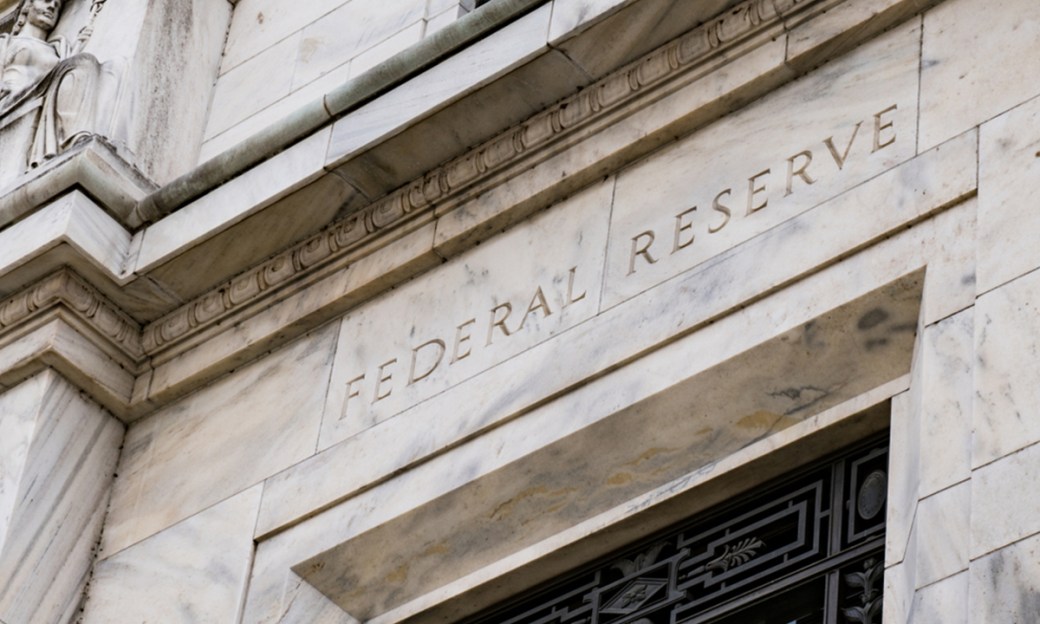
The Federal Reserve’s October Beige Book found economic activity increased in nine of its 12 districts, while consumer spending held up unevenly and showed less momentum in some regions. The report also indicated that consumer confidence is weakening even as households continue to support growth.
5:18 PMPYMNTSUS Treasury yields edged lower as investors awaited the latest consumer price index report. Markets are also preparing for several other economic releases that could reshape expectations for Federal Reserve policy.
4:03 PMCNBCU.S. inflation has remained elevated for years, raising concern that households may begin to treat persistent price increases as normal.
1:20 PMCNBCFannie Mae has materially increased its forecast for U.S. mortgage rates in 2027 compared with its previous estimate.
1:08 PMCNBCThe article urges financial-market participants to prepare for the approaching end of the T-plus-1 transition period and the operational requirements that follow.
11:16 AMFinextra
Potash is a key fertilizer mineral, and US farmers rely heavily on imports, especially from Canada. Trade tensions and purchases from Belarus are adding uncertainty to fertilizer costs.
10:36 AMAl Jazeera
European defence stocks are signaling heightened geopolitical concern and stronger expectations for government spending. But even large orders take time to translate into increased production by defence contractors.
7:59 AMFinancial Times
Mexican avocado importers argue that proposed seasonal limits on Mexican fruit would disrupt a supply chain built around decades of rising US demand. They contend that restricting imports would reduce supply and raise prices for American consumers.
7:30 AMFortuneSummary
Tunisia's economic record under President Kais Saied is being tested by rising prices, high unemployment, and growing public debt. The pressures challenge his promises of economic improvement.
Persistent inflation and joblessness suggest that political consolidation has not produced a durable economic recovery.
Unlock the full First Pass Analysis to get a better understanding of why this story mattersWhy it matters
Tunisia's fiscal strain could deepen social discontent and constrain its economic policy choices.
Summary
The dollar retreated from an 18-month high after Federal Reserve officials moderated expectations for an October rate increase despite stronger-than-expected inflation. Falling Treasury yields also weighed on the currency against the euro and sterling.
The dollar's reaction shows that policy expectations matter more than the inflation surprise alone. Traders
Unlock the full First Pass Analysis to get a better understanding of why this story mattersWhy it matters
Upcoming US data will decide whether the dollar's pullback becomes a correction or a broader reversal.
Summary
Gold recovered modestly to $4,114.57 an ounce after falling to a one-week low. Higher US consumer prices, driven largely by gasoline, have lifted expectations of a possible rate increase, with markets pricing a 32% chance this month.
The immediate pressure on gold is shifting from inflation protection to interest-rate risk, as firmer
Unlock the full First Pass Analysis to get a better understanding of why this story mattersWhy it matters
Gold remains caught between persistent inflation demand and the prospect of higher US yields.
Summary
Over most of U.S. history, an all-stock portfolio and a 60-40 stock-bond mix produced similar trailing 30-year returns. The comparison challenges the assumption that taking substantially more equity risk reliably delivers better long-term results.
The key shift is that diversification has historically imposed little long-term return penalty while reducing
Unlock the full First Pass Analysis to get a better understanding of why this story mattersWhy it matters
Equity-heavy portfolios may be taking substantially more risk for returns that have historically been comparable to a balanced allocation.
Summary
Small-cap stocks have fallen 10% in two months after reaching a record high, marking a rapid reversal from recent strength. The decline underscores how quickly this part of the market can lose momentum.
The decisive change is the move from record-setting performance to correction territory in a short
Unlock the full First Pass Analysis to get a better understanding of why this story mattersWhy it matters
The sharp reversal exposes the risks of chasing small-cap momentum when financing conditions and economic expectations can change quickly.
Summary
The Federal Reserve’s October Beige Book found economic activity increased in nine of its 12 districts, while consumer spending held up unevenly and showed less momentum in some regions. The report also indicated that consumer confidence is weakening even as households continue to support growth.
Spending remains an economic support, but declining confidence points to a less durable foundation for
Unlock the full First Pass Analysis to get a better understanding of why this story mattersWhy it matters
The economy is still expanding, but weaker confidence raises the risk that consumer demand will lose momentum before policymakers can ease financial conditions.
Summary
US Treasury yields edged lower as investors awaited the latest consumer price index report. Markets are also preparing for several other economic releases that could reshape expectations for Federal Reserve policy.
The CPI report is the immediate test for the bond market's rate outlook. A cooler
Unlock the full First Pass Analysis to get a better understanding of why this story mattersWhy it matters
The inflation report can quickly reset expectations for US rates and reprice assets across global markets.
Summary
U.S. inflation has remained elevated for years, raising concern that households may begin to treat persistent price increases as normal.
The key shift is from temporary inflation to embedded expectations, which can make price and
Unlock the full First Pass Analysis to get a better understanding of why this story mattersWhy it matters
Entrenched inflation expectations would make disinflation slower and monetary policy more restrictive.
Summary
Fannie Mae has materially increased its forecast for U.S. mortgage rates in 2027 compared with its previous estimate.
The revision signals that higher borrowing costs may persist well beyond the current policy cycle.
Unlock the full First Pass Analysis to get a better understanding of why this story mattersWhy it matters
Higher mortgage rates would extend pressure on affordability and keep the housing market constrained.
Summary
The article urges financial-market participants to prepare for the approaching end of the T-plus-1 transition period and the operational requirements that follow.
The central issue is execution: firms that have not upgraded trade processing, settlement controls, and
Unlock the full First Pass Analysis to get a better understanding of why this story mattersWhy it matters
Settlement changes can expose weaknesses in market infrastructure and create avoidable liquidity and counterparty risks.
Summary
Potash is a key fertilizer mineral, and US farmers rely heavily on imports, especially from Canada. Trade tensions and purchases from Belarus are adding uncertainty to fertilizer costs.
The central vulnerability is dependence on a concentrated supply chain for an essential farm input.
Unlock the full First Pass Analysis to get a better understanding of why this story mattersWhy it matters
Fertilizer trade policy can move from a farm-sector issue to a broader inflation problem.
Summary
European defence stocks are signaling heightened geopolitical concern and stronger expectations for government spending. But even large orders take time to translate into increased production by defence contractors.
Defence shares are pricing urgent demand faster than the industry can deliver it. The gap
Unlock the full First Pass Analysis to get a better understanding of why this story mattersWhy it matters
Europe may commit more money to defence without quickly gaining the military capacity those budgets promise.
Summary
Mexican avocado importers argue that proposed seasonal limits on Mexican fruit would disrupt a supply chain built around decades of rising US demand. They contend that restricting imports would reduce supply and raise prices for American consumers.
The central economic consequence is a likely supply squeeze, not simply a change in sourcing.
Unlock the full First Pass Analysis to get a better understanding of why this story mattersWhy it matters
Limits on Mexican avocados would turn a producer-protection measure into a visible food-price issue for US households.
Make it yours
Pick your topics, set your cadence, and receive your personalized First Pass in your inbox. It’s that simple!