
Chip stocks are approaching their weakest stretch in 16 months as investors grow less patient with the cost of AI investment. Attention is turning to Anthropic's investor day for evidence that spending can produce durable returns.
5:02 PMMarketWatch91 stories from 8 sources
Supporting Articles
Chip stocks are approaching their weakest stretch in 16 months as investors grow less patient with the cost of AI investment. Attention is turning to Anthropic's investor day for evidence that spending can produce durable returns.
5:02 PMMarketWatch
The Nasdaq fell as semiconductor stocks extended their decline, with the PHLX chip index hit by concerns about intensifying competition. Bank earnings were mixed, with results from Citigroup and Goldman Sachs adding to the market's uneven tone, even as analysts remained positive on AI-related demand.
4:13 PMEconomic Times
South Korean equities are falling as investors question the durability of semiconductor profitability. The market remains highly sensitive to the industry's cycle, and skepticism is rising over how long strong earnings can last.
7:44 AMMarketWatch
Gold held steady in early Asian trading as investors waited for US consumer price data that could influence the Federal Reserve's rate path. Fed officials signaled that persistent inflation and strong growth could keep upward pressure on rates and bond yields, while other precious metals edged lower.
10:00 PMEconomic Times
The dollar weakened as traders reassessed the timing of further US rate increases and awaited inflation data and comments from Federal Reserve officials. The euro edged higher despite regional budget concerns that continued to affect bond yields.
9:57 PMEconomic Times
Gold held a two-day decline after a Federal Reserve official indicated that another rate increase may be needed this year, while further tightening may not be necessary in 2027. The comments balanced near-term pressure on bullion with a more supportive longer-term outlook.
8:08 PMBloomberg MarketsNew York Fed President John Williams expects one more rate increase in 2026 but no further hike in 2027 as inflation pressures ease. His outlook conflicts with market pricing that anticipates a more restrictive path.
3:46 PMCNBCEconomists expect September consumer prices to rise 0.6% from the prior month and 3.6% from a year earlier. The data would indicate renewed acceleration in inflation.
2:05 PMCNBC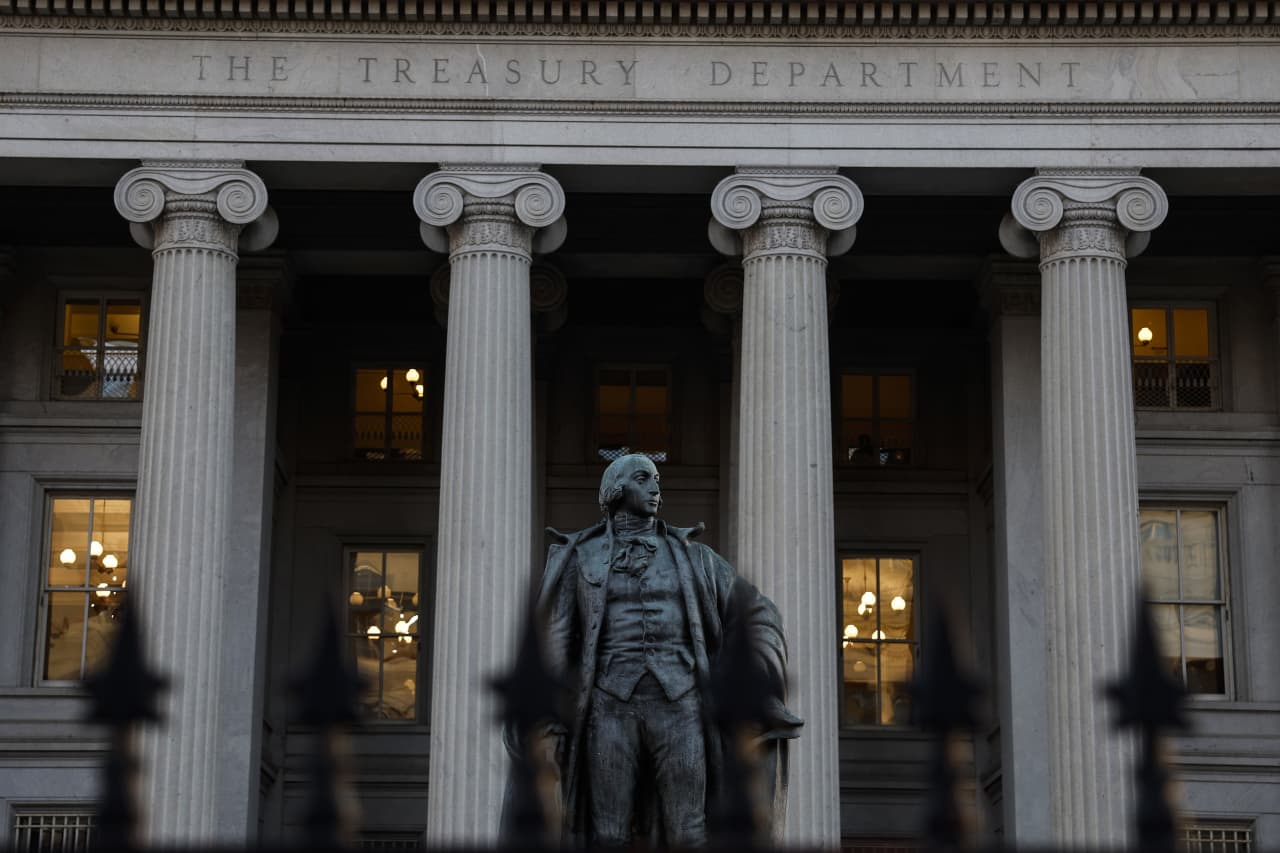
Higher bond yields could benefit savers and investors who can lock in attractive income, but they also reflect growing concern about economic weakness outside the AI boom. The prospect of 6% yields raises questions about both opportunity and risk.
4:15 PMMarketWatchAfter six years of favoring other assets, BlackRock now sees opportunities in government bonds. The shift reflects a more attractive risk-reward balance in sovereign debt.
7:28 AMMarketWatch
Investors are directing record amounts into government bond funds as US borrowing costs reach their highest levels in decades. They are accepting recent Treasury losses to secure higher income from longer-term debt.
12:00 AMFinancial Times
China's exports jumped 36%, driven by a sharp increase in AI-related shipments. Imports also rose substantially as higher oil prices increased the country's energy bill.
11:56 PMFinancial TimesChina’s exports and imports both exceeded expectations in September, according to customs data released Wednesday. The stronger trade figures indicate broader momentum in external commerce and domestic import demand.
11:41 PMCNBCIndia’s central bank is extending its efforts to support the rupee beyond financial markets, increasing pressure on importers as the currency weakens. The measures now reach businesses that depend on foreign exchange to pay for goods and services.
10:43 PMBloomberg Markets
The rupee strengthened after banks complied with new currency-derivative rules requiring them to hold a 20% reserve against foreign-exchange risks. The measures aim to curb speculative trading while banks reassess the cost of hedging dollar exposure.
9:11 PMEconomic Times
The RBI's six measures have lifted the rupee by about 150 paise and raised the cost of holding large foreign-exchange derivative positions. They also restrict speculative trading in rupee derivatives and increase the reserve requirement for major currency exposures.
8:23 PMEconomic Times
The IMF raised its 2026 global growth forecast to 3.1% but warned that growth is increasingly concentrated, with 32 countries accounting for 95% of the expansion. The AI boom and higher energy costs are widening the gap between economies.
10:13 AMFortune
The IMF expects the economies of the Middle East and Central Asia to contract in 2026 as the war involving the United States, Israel and Iran disrupts the region. Iraq, Bahrain, Kuwait and Qatar face projected double digit GDP declines.
1:59 AMAl JazeeraWorkers at BHP’s Escondida copper mine in Chile are set to strike after union leaders said wage negotiations failed before the deadline. The mine is the world’s largest copper operation.
9:05 PMBloomberg MarketsSummary
Chip stocks are approaching their weakest stretch in 16 months as investors grow less patient with the cost of AI investment. Attention is turning to Anthropic's investor day for evidence that spending can produce durable returns.
The market is shifting from rewarding AI exposure to demanding proof of monetization and productivity
Unlock the full First Pass Analysis to get a better understanding of why this story mattersWhy it matters
AI spending has become an earnings test, not an automatic reason for investors to bid up semiconductor stocks.
Summary
The Nasdaq fell as semiconductor stocks extended their decline, with the PHLX chip index hit by concerns about intensifying competition. Bank earnings were mixed, with results from Citigroup and Goldman Sachs adding to the market's uneven tone, even as analysts remained positive on AI-related demand.
The immediate shift is from AI enthusiasm to scrutiny of chip-sector competition and valuations. Semiconductor
Unlock the full First Pass Analysis to get a better understanding of why this story mattersWhy it matters
The AI trade is becoming more selective, raising the risk that chip stocks drag broader technology indexes lower.
Summary
South Korean equities are falling as investors question the durability of semiconductor profitability. The market remains highly sensitive to the industry's cycle, and skepticism is rising over how long strong earnings can last.
Korea's concentration in chip companies has turned a sector-level reassessment into a market-wide selloff. The
Unlock the full First Pass Analysis to get a better understanding of why this story mattersWhy it matters
South Korea shows how dependence on the semiconductor cycle can amplify shifts in global technology sentiment.
Summary
Gold held steady in early Asian trading as investors waited for US consumer price data that could influence the Federal Reserve's rate path. Fed officials signaled that persistent inflation and strong growth could keep upward pressure on rates and bond yields, while other precious metals edged lower.
The CPI release is the immediate catalyst because a hotter reading would raise real yields
Unlock the full First Pass Analysis to get a better understanding of why this story mattersWhy it matters
Gold's next move depends less on safe-haven demand than on whether inflation pushes US yields higher.
Summary
The dollar weakened as traders reassessed the timing of further US rate increases and awaited inflation data and comments from Federal Reserve officials. The euro edged higher despite regional budget concerns that continued to affect bond yields.
The dollar's recent rally is losing momentum as markets shift from AI optimism and lower
Unlock the full First Pass Analysis to get a better understanding of why this story mattersWhy it matters
CPI and Fed guidance now set the direction for the dollar, global bond yields, and cross-border risk appetite.
Summary
Gold held a two-day decline after a Federal Reserve official indicated that another rate increase may be needed this year, while further tightening may not be necessary in 2027. The comments balanced near-term pressure on bullion with a more supportive longer-term outlook.
The immediate rate-hike signal limits gold’s recovery by keeping real yields and the dollar supported.
Unlock the full First Pass Analysis to get a better understanding of why this story mattersWhy it matters
Gold remains caught between higher near-term yields and a potentially clearer path to a later policy pause.
Summary
New York Fed President John Williams expects one more rate increase in 2026 but no further hike in 2027 as inflation pressures ease. His outlook conflicts with market pricing that anticipates a more restrictive path.
The disagreement sets up a test between official guidance and investor expectations. If inflation moderates,
Unlock the full First Pass Analysis to get a better understanding of why this story mattersWhy it matters
The gap between the Fed's projected path and market pricing will shape borrowing costs and asset valuations well beyond the next policy meeting.
Summary
Economists expect September consumer prices to rise 0.6% from the prior month and 3.6% from a year earlier. The data would indicate renewed acceleration in inflation.
A hotter reading would make it harder for the Federal Reserve to ease policy and
Unlock the full First Pass Analysis to get a better understanding of why this story mattersWhy it matters
The inflation report could reset expectations for interest rates and determine whether recent market optimism can hold.
Summary
Higher bond yields could benefit savers and investors who can lock in attractive income, but they also reflect growing concern about economic weakness outside the AI boom. The prospect of 6% yields raises questions about both opportunity and risk.
A move to 6% yields would improve returns for new bond buyers while inflicting losses
Unlock the full First Pass Analysis to get a better understanding of why this story mattersWhy it matters
High yields would create a powerful income opportunity while signaling a broader repricing of economic and market risk.
Summary
After six years of favoring other assets, BlackRock now sees opportunities in government bonds. The shift reflects a more attractive risk-reward balance in sovereign debt.
The change signals that bond yields have risen enough to draw a major asset manager
Unlock the full First Pass Analysis to get a better understanding of why this story mattersWhy it matters
A broad return to bonds could redirect capital away from equities and reshape expectations for borrowing costs.
Summary
Investors are directing record amounts into government bond funds as US borrowing costs reach their highest levels in decades. They are accepting recent Treasury losses to secure higher income from longer-term debt.
The inflows show that yield levels are beginning to outweigh concerns about further price declines.
Unlock the full First Pass Analysis to get a better understanding of why this story mattersWhy it matters
Treasury demand is strengthening even as high yields reveal deeper concerns about US debt and inflation.
Summary
China's exports jumped 36%, driven by a sharp increase in AI-related shipments. Imports also rose substantially as higher oil prices increased the country's energy bill.
AI demand is now providing a powerful lift to China's external trade, even as the
Unlock the full First Pass Analysis to get a better understanding of why this story mattersWhy it matters
China's trade strength is broadening around AI hardware, but high commodity costs could reduce the benefit to domestic growth.
Summary
China’s exports and imports both exceeded expectations in September, according to customs data released Wednesday. The stronger trade figures indicate broader momentum in external commerce and domestic import demand.
The simultaneous strength in exports and imports suggests China’s trade engine is receiving support from
Unlock the full First Pass Analysis to get a better understanding of why this story mattersWhy it matters
A stronger trade performance improves China’s near-term growth outlook but could intensify scrutiny from trading partners.
Summary
India’s central bank is extending its efforts to support the rupee beyond financial markets, increasing pressure on importers as the currency weakens. The measures now reach businesses that depend on foreign exchange to pay for goods and services.
The rupee’s decline is turning importers into a direct channel for the RBI’s defense of
Unlock the full First Pass Analysis to get a better understanding of why this story mattersWhy it matters
Rupee support is beginning to affect operating costs across India’s real economy, not just currency traders.
Summary
The rupee strengthened after banks complied with new currency-derivative rules requiring them to hold a 20% reserve against foreign-exchange risks. The measures aim to curb speculative trading while banks reassess the cost of hedging dollar exposure.
The immediate effect is tighter market positioning and less speculative pressure against the rupee. That
Unlock the full First Pass Analysis to get a better understanding of why this story mattersWhy it matters
The RBI is trading some market liquidity and hedging efficiency for greater control over rupee volatility.
Summary
The RBI's six measures have lifted the rupee by about 150 paise and raised the cost of holding large foreign-exchange derivative positions. They also restrict speculative trading in rupee derivatives and increase the reserve requirement for major currency exposures.
The measures work by making leveraged bets against the rupee more expensive and forcing banks
Unlock the full First Pass Analysis to get a better understanding of why this story mattersWhy it matters
The RBI has bought the rupee breathing room, but tighter market rules cannot replace stronger underlying currency fundamentals.
Summary
The IMF raised its 2026 global growth forecast to 3.1% but warned that growth is increasingly concentrated, with 32 countries accounting for 95% of the expansion. The AI boom and higher energy costs are widening the gap between economies.
The upgrade masks a distribution problem: aggregate growth is holding up while most countries capture
Unlock the full First Pass Analysis to get a better understanding of why this story mattersWhy it matters
A more uneven expansion raises the risk of divergent interest rates, currencies, trade policies, and political responses across the global economy.
Summary
The IMF expects the economies of the Middle East and Central Asia to contract in 2026 as the war involving the United States, Israel and Iran disrupts the region. Iraq, Bahrain, Kuwait and Qatar face projected double digit GDP declines.
The forecast turns the conflict into a broad regional economic shock, with energy producers among
Unlock the full First Pass Analysis to get a better understanding of why this story mattersWhy it matters
The war is shifting from a geopolitical crisis into a major regional growth and energy shock.
Summary
Workers at BHP’s Escondida copper mine in Chile are set to strike after union leaders said wage negotiations failed before the deadline. The mine is the world’s largest copper operation.
A strike at Escondida would threaten supply from a mine with an outsized role in
Unlock the full First Pass Analysis to get a better understanding of why this story mattersWhy it matters
A prolonged shutdown could lift copper prices and raise input costs for manufacturers and the energy-transition industry.
A curated list of other prominent stories from this day.
China’s producer prices rose at their fastest pace since June 2022, exceeding the 4.5% economists expected and accelerating from 3.8% the previous month. The data points to stronger price pressure at the factory gate.
11:14 PMCNBC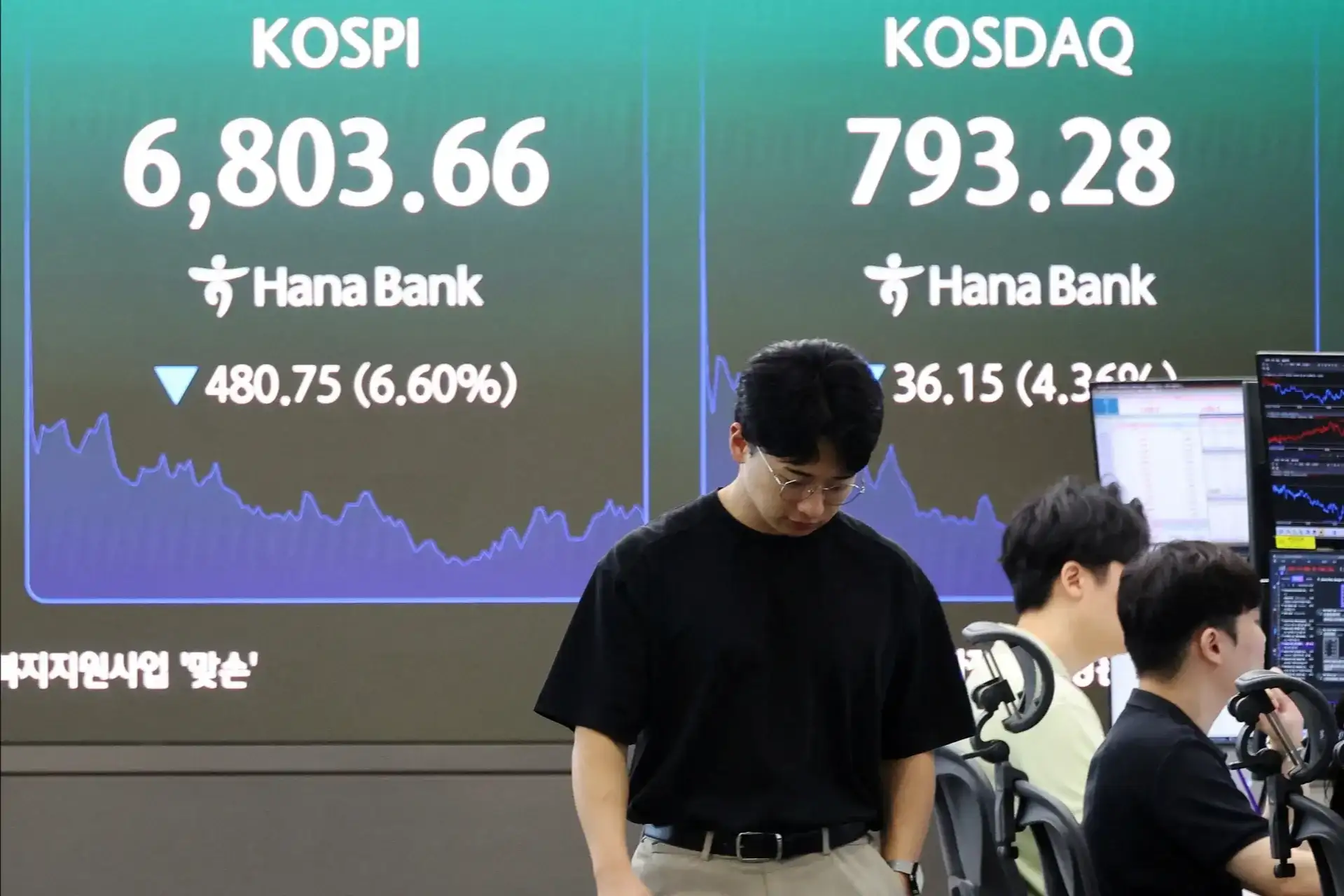
The MSCI Asia Pacific equities index rose 0.2% after New York Fed President John Williams maintained that one more rate hike was appropriate this year but saw no need for further tightening in 2027. US stocks ended little changed, semiconductor shares remained under pressure, and Microsoft reached a record while oil prices advanced.
9:01 PMEconomic TimesHong Kong’s Securities and Futures Commission warned banks and other intermediaries against arrangements that could artificially inflate demand for initial public offerings. The regulator is examining practices that may distort IPO allocations or pricing.
8:56 PMBloomberg MarketsSingapore's third-quarter GDP growth eased from a four-year high but exceeded economists' 5% forecast. The result points to slower momentum without a sharp loss of resilience.
8:28 PMCNBCAllan Gray, which manages $29 billion, prefers Nigerian equities to South Korean stocks as a way to diversify from the market concentration created by the artificial-intelligence boom. The preference reflects a search for exposure outside the dominant technology trade.
8:00 PMBloomberg MarketsThe Hong Kong dollar is nearing the weak end of its trading band while the banking system’s aggregate balance remains near historical lows. Strategists warn that defending the currency could create sharper swings in interbank borrowing costs.
7:48 PMBloomberg MarketsTIPS remain an attractive inflation hedge, but investors can also use commodities and infrastructure funds to protect purchasing power. Each option offers different exposure to inflation and different risks.
4:52 PMCNBCPaul Tudor Jones warned that the stock market could face a difficult 2027 as corporate buybacks and mergers and acquisitions lose their support for equities.
3:21 PMCNBC
Existing home sales rose 1.5% month over month and exceeded forecasts. The data largely reflect contracts made before mortgage rates climbed sharply in recent weeks.
2:20 PMHousing Wire
The four-year stock-market rally, powered in part by the AI boom, has shifted more U.S. household wealth toward equities and away from housing. The gains have also raised the cost of money.
8:44 AMMarketWatchSummary
China’s producer prices rose at their fastest pace since June 2022, exceeding the 4.5% economists expected and accelerating from 3.8% the previous month. The data points to stronger price pressure at the factory gate.
The larger-than-expected increase suggests China’s industrial price cycle is gaining momentum rather than merely stabilizing.
Unlock the full First Pass Analysis to get a better understanding of why this story mattersWhy it matters
A stronger producer-price reading could shift expectations about China’s policy support and the outlook for global goods inflation.
Summary
The MSCI Asia Pacific equities index rose 0.2% after New York Fed President John Williams maintained that one more rate hike was appropriate this year but saw no need for further tightening in 2027. US stocks ended little changed, semiconductor shares remained under pressure, and Microsoft reached a record while oil prices advanced.
The Fed signal eased fears of an open-ended tightening cycle, but the semiconductor selloff shows
Unlock the full First Pass Analysis to get a better understanding of why this story mattersWhy it matters
Markets are balancing a less aggressive rate outlook against renewed energy-cost pressure and weakness in key technology shares.
Summary
Hong Kong’s Securities and Futures Commission warned banks and other intermediaries against arrangements that could artificially inflate demand for initial public offerings. The regulator is examining practices that may distort IPO allocations or pricing.
The warning puts banks and intermediaries on notice that manufactured demand will draw regulatory scrutiny.
Unlock the full First Pass Analysis to get a better understanding of why this story mattersWhy it matters
A tougher stance could improve IPO market integrity while reducing the headline demand that supports new listings.
Summary
Singapore's third-quarter GDP growth eased from a four-year high but exceeded economists' 5% forecast. The result points to slower momentum without a sharp loss of resilience.
The key shift is moderation from an unusually strong base, not a miss that signals
Unlock the full First Pass Analysis to get a better understanding of why this story mattersWhy it matters
Singapore remains resilient, but the slowdown makes external demand and regional trade conditions more important for the next quarter.
Summary
Allan Gray, which manages $29 billion, prefers Nigerian equities to South Korean stocks as a way to diversify from the market concentration created by the artificial-intelligence boom. The preference reflects a search for exposure outside the dominant technology trade.
The shift favors Nigeria as a diversification market rather than as a direct competitor to
Unlock the full First Pass Analysis to get a better understanding of why this story mattersWhy it matters
Investor demand is broadening beyond AI leaders, but higher diversification potential comes with greater emerging-market execution risk.
Summary
The Hong Kong dollar is nearing the weak end of its trading band while the banking system’s aggregate balance remains near historical lows. Strategists warn that defending the currency could create sharper swings in interbank borrowing costs.
The combination of a pressured currency and limited cash reserves leaves Hong Kong’s money market
Unlock the full First Pass Analysis to get a better understanding of why this story mattersWhy it matters
Currency defense could transmit stress into Hong Kong’s funding market through volatile short-term interest rates.
Summary
TIPS remain an attractive inflation hedge, but investors can also use commodities and infrastructure funds to protect purchasing power. Each option offers different exposure to inflation and different risks.
Inflation protection works best as a mix rather than a single trade because TIPS, commodities,
Unlock the full First Pass Analysis to get a better understanding of why this story mattersWhy it matters
Persistent inflation can erode balanced portfolios, making the choice and mix of hedges as important as the decision to hedge.
Summary
Paul Tudor Jones warned that the stock market could face a difficult 2027 as corporate buybacks and mergers and acquisitions lose their support for equities.
The key risk is a fading source of demand rather than an immediate earnings collapse.
Unlock the full First Pass Analysis to get a better understanding of why this story mattersWhy it matters
A reversal in corporate equity demand could remove an important cushion beneath already expensive US stocks.
2 stories · 2 sources
Summary
Existing home sales rose 1.5% month over month and exceeded forecasts. The data largely reflect contracts made before mortgage rates climbed sharply in recent weeks.
The stronger sales figure is backward-looking and provides limited evidence that housing demand can withstand
Unlock the full First Pass Analysis to get a better understanding of why this story mattersWhy it matters
The housing market may be heading into a sharper slowdown just as the latest data still appear resilient.
Summary
The four-year stock-market rally, powered in part by the AI boom, has shifted more U.S. household wealth toward equities and away from housing. The gains have also raised the cost of money.
Equity exposure now carries more weight in household balance sheets, making investors and consumers more
Unlock the full First Pass Analysis to get a better understanding of why this story mattersWhy it matters
A market correction could hit household wealth and the broader economy more directly than in a housing-led cycle.
Make it yours
Pick your topics, set your cadence, and receive your personalized First Pass in your inbox. It’s that simple!