Treasuries rose as trading resumed after a long weekend, with falling Asian equities driving demand for safer assets. The move came as investors responded to renewed market stress in Asia.
10:22 PMBloomberg Markets97 stories from 8 sources
Supporting Articles
Treasuries rose as trading resumed after a long weekend, with falling Asian equities driving demand for safer assets. The move came as investors responded to renewed market stress in Asia.
10:22 PMBloomberg Markets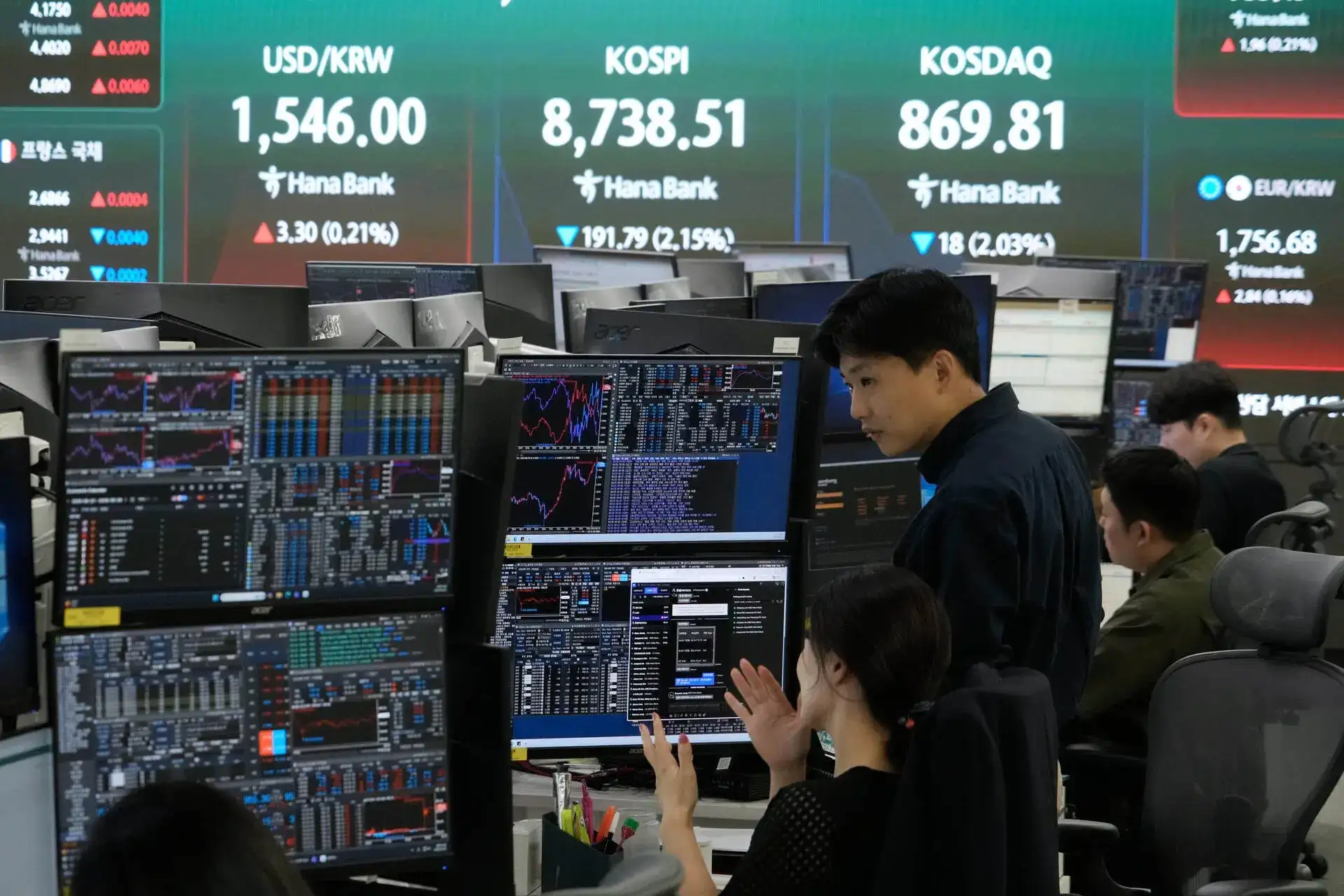
Asian equities fell as chip stocks extended a global sell-off, with South Korean shares dropping more than 3% and the MSCI Asia Pacific Index declining 0.3%. Investors are now focused on U.S. corporate earnings and inflation data after declines in U.S. chip stocks and the Nasdaq 100.
8:42 PMEconomic Times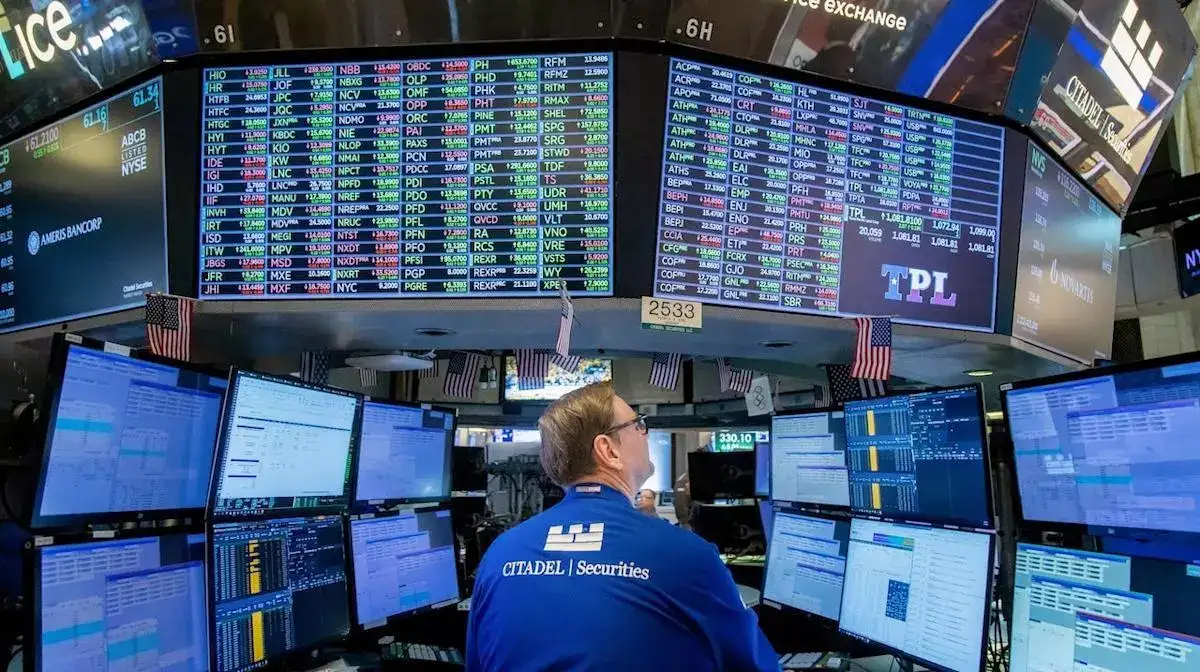
The Nasdaq fell as oil prices surged after attacks on a Saudi airport, while investors prepared for major bank earnings and new economic data. The S&P 500 and Dow finished mixed, and energy stocks outperformed as inflation concerns returned.
4:09 PMEconomic Times
The IMF warned that major economies are heading toward their largest budget deficits since the Covid-19 pandemic and called for urgent action to rebuild public finances.
11:35 PMFinancial Times
Major economies have so far absorbed the Iran shock without a sharp growth collapse, but rising public debt is becoming the dominant concern ahead of IMF and World Bank meetings. Resilient activity is masking a weaker policy position for future crises.
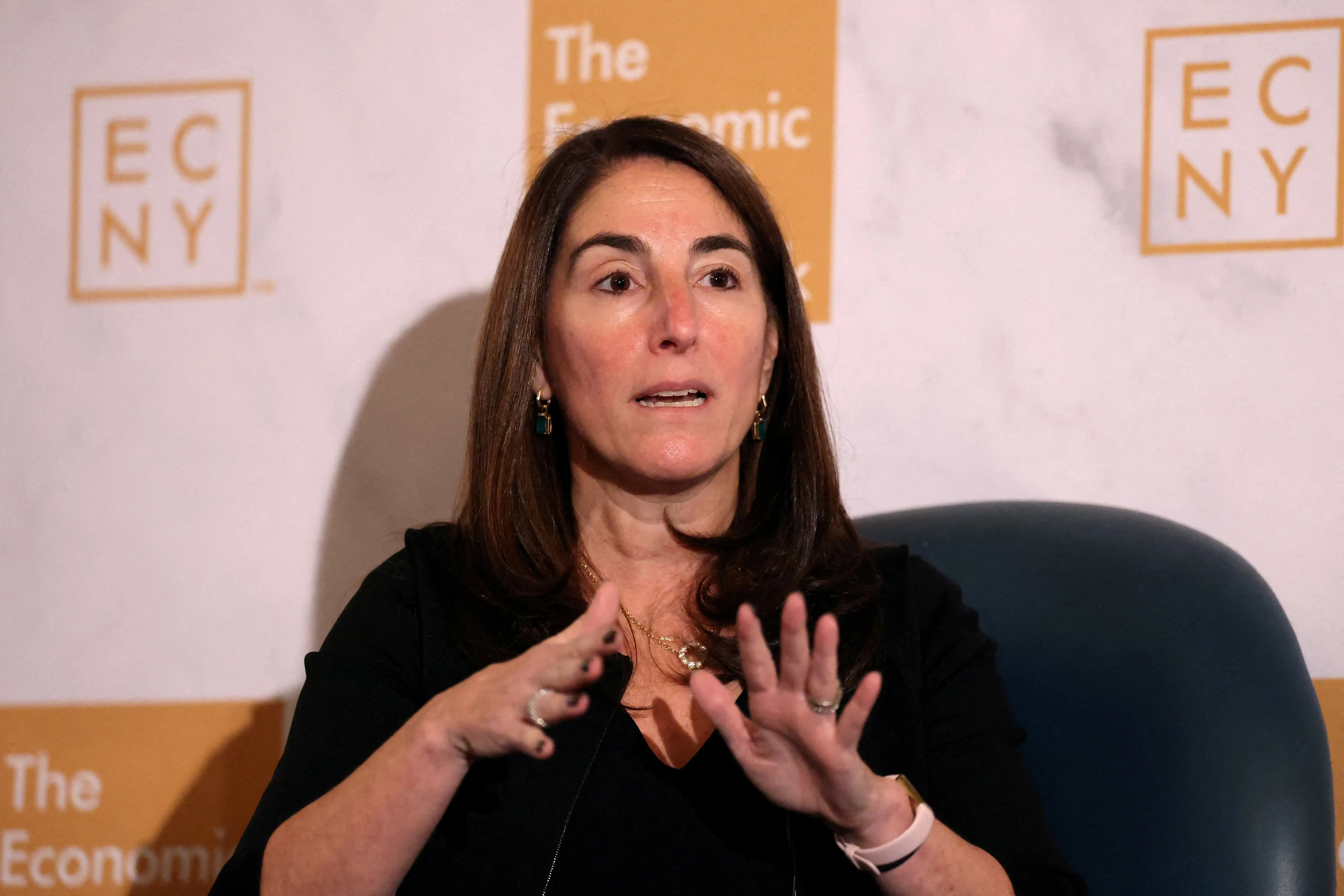
12:00 AMFinancial TimesCleveland Fed President Beth Hammack said tighter monetary policy may be necessary to bring inflation down and prevent an inflationary mindset from taking hold.
10:58 PMCNBCIndia’s economy has grown faster than many peers, including China, yet the rupee has weakened every year since 2018. The contrast reflects pressures beyond growth, including trade vulnerabilities, capital flows and the currency’s broader dollar exposure.
11:50 PMBloomberg MarketsThe rupee posted Asia’s strongest gain after the Reserve Bank of India widened currency restrictions to support the currency. The intervention comes as high oil prices and foreign investor outflows weigh on the rupee.
11:36 PMBloomberg MarketsIndia’s benchmark 10-year bond yield rose to its highest level since March 2023. The move reflects pressure from efforts to support the rupee alongside persistent inflation concerns.
10:36 PMBloomberg Markets
The IMF raised its outlook for the United Kingdom, citing stronger growth linked to the artificial intelligence boom and positioning Britain among the beneficiaries of the technology cycle.
10:00 PMFinancial Times
The IMF sees a widening split in the global economy, with countries less exposed to the oil shock and better positioned to benefit from artificial intelligence demand pulling ahead while others lag.
10:00 PMMarketWatch
IMF Managing Director Kristalina Georgieva said AI investment is helping keep global growth near 3 percent. She also warned that AI could disrupt labor markets and force changes to taxation and education.
10:37 AMPYMNTSThe options market is pricing sizable moves for financial stocks as major banks prepare to report earnings. Investors are focused on how higher interest rates are affecting bank profits and outlooks despite the sector's flat performance for the year.
9:27 AMCNBC
Analysts expect Wall Street's exceptional trading performance to slow when banks report third-quarter results after a strong start to the year.
12:00 AMFinancial Times
The dollar index held near an 18-month high as fresh attacks on energy facilities in the Middle East and Ukraine increased geopolitical concerns. The euro and pound remained relatively resilient, while Bitcoin, ether, and Brent crude declined.
10:04 PMEconomic Times
Gold prices eased as investors awaited U.S. inflation data that could shape expectations for interest rates. A strong dollar is also weighing on bullion, while markets expect the Federal Reserve to hold rates this month but are considering a possible hike in December.
10:02 PMEconomic Times
The share of Asian companies unable to service their debt has doubled since 2008, according to the IMF. These so-called zombie companies remain operational despite weak earnings and heavy debt burdens.
11:19 PMFinancial TimesSummary
Treasuries rose as trading resumed after a long weekend, with falling Asian equities driving demand for safer assets. The move came as investors responded to renewed market stress in Asia.
The immediate shift is toward safety, not a reassessment of US monetary policy. If the
Unlock the full First Pass Analysis to get a better understanding of why this story mattersWhy it matters
Treasury demand is becoming an early gauge of whether the Asian equity decline remains contained or turns into a wider risk-off move.
Summary
Asian equities fell as chip stocks extended a global sell-off, with South Korean shares dropping more than 3% and the MSCI Asia Pacific Index declining 0.3%. Investors are now focused on U.S. corporate earnings and inflation data after declines in U.S. chip stocks and the Nasdaq 100.
The market is shifting from a concentrated chip-sector correction to a broader test of whether
Unlock the full First Pass Analysis to get a better understanding of why this story mattersWhy it matters
The combination of inflation data and earnings could decide whether pressure on Asian technology stocks spreads across global equities.
Summary
The Nasdaq fell as oil prices surged after attacks on a Saudi airport, while investors prepared for major bank earnings and new economic data. The S&P 500 and Dow finished mixed, and energy stocks outperformed as inflation concerns returned.
The oil spike has added a fresh inflation risk just as markets are assessing corporate
Unlock the full First Pass Analysis to get a better understanding of why this story mattersWhy it matters
Markets are now balancing earnings optimism against an energy shock that could revive inflation and interest-rate fears.
Summary
The IMF warned that major economies are heading toward their largest budget deficits since the Covid-19 pandemic and called for urgent action to rebuild public finances.
Persistent deficits are becoming a central risk for governments already facing higher borrowing costs and
Unlock the full First Pass Analysis to get a better understanding of why this story mattersWhy it matters
A broad fiscal squeeze could become the next major drag on global growth and bond markets.
Summary
Major economies have so far absorbed the Iran shock without a sharp growth collapse, but rising public debt is becoming the dominant concern ahead of IMF and World Bank meetings. Resilient activity is masking a weaker policy position for future crises.
The decisive shift is from immediate shock management to the longer-term debt constraint. High public
Unlock the full First Pass Analysis to get a better understanding of why this story mattersWhy it matters
The global economy may be growing, but shrinking fiscal room leaves it more vulnerable to the next geopolitical or financial shock.
Summary
Cleveland Fed President Beth Hammack said tighter monetary policy may be necessary to bring inflation down and prevent an inflationary mindset from taking hold.
Hammack is treating inflation expectations and behavior as a policy risk, not just a backward-looking
Unlock the full First Pass Analysis to get a better understanding of why this story mattersWhy it matters
The Fed could keep policy restrictive even as growth weakens if inflation expectations show signs of becoming entrenched.
2 stories · 2 sources
Summary
India’s economy has grown faster than many peers, including China, yet the rupee has weakened every year since 2018. The contrast reflects pressures beyond growth, including trade vulnerabilities, capital flows and the currency’s broader dollar exposure.
Strong growth has not translated into currency strength because India still depends heavily on imported
Unlock the full First Pass Analysis to get a better understanding of why this story mattersWhy it matters
The rupee shows why rapid economic growth does not automatically improve a country’s exchange rate.
Summary
The rupee posted Asia’s strongest gain after the Reserve Bank of India widened currency restrictions to support the currency. The intervention comes as high oil prices and foreign investor outflows weigh on the rupee.
The RBI is shifting from passive defense to broader market management as external pressures intensify.
Unlock the full First Pass Analysis to get a better understanding of why this story mattersWhy it matters
The rupee’s weakness is becoming a policy constraint for India, raising imported inflation risks.
Summary
India’s benchmark 10-year bond yield rose to its highest level since March 2023. The move reflects pressure from efforts to support the rupee alongside persistent inflation concerns.
Indian bonds are being squeezed from both sides: defending the currency can tighten domestic liquidity,
Unlock the full First Pass Analysis to get a better understanding of why this story mattersWhy it matters
The pressure tests India’s ability to stabilize the rupee without worsening borrowing conditions or slowing growth.
Summary
The IMF raised its outlook for the United Kingdom, citing stronger growth linked to the artificial intelligence boom and positioning Britain among the beneficiaries of the technology cycle.
The upgrade reflects expectations that AI investment and related productivity gains will lift British growth.
Unlock the full First Pass Analysis to get a better understanding of why this story mattersWhy it matters
AI is improving Britain’s near term growth outlook, but the durability of the benefit depends on economy wide productivity gains.
Summary
The IMF sees a widening split in the global economy, with countries less exposed to the oil shock and better positioned to benefit from artificial intelligence demand pulling ahead while others lag.
Growth is increasingly separating according to exposure to energy costs, technology investment, and external shocks
Unlock the full First Pass Analysis to get a better understanding of why this story mattersWhy it matters
A K-shaped recovery means global averages will conceal sharply different conditions for countries, companies, and households.
Summary
IMF Managing Director Kristalina Georgieva said AI investment is helping keep global growth near 3 percent. She also warned that AI could disrupt labor markets and force changes to taxation and education.
AI is already supporting aggregate growth, but its gains and disruptions will not be shared
Unlock the full First Pass Analysis to get a better understanding of why this story mattersWhy it matters
The central economic question is shifting from whether AI raises productivity to who absorbs its transition costs.
Summary
The options market is pricing sizable moves for financial stocks as major banks prepare to report earnings. Investors are focused on how higher interest rates are affecting bank profits and outlooks despite the sector's flat performance for the year.
The implied volatility suggests earnings could reset expectations for the entire financial sector, not just
Unlock the full First Pass Analysis to get a better understanding of why this story mattersWhy it matters
Bank earnings will test whether higher rates are still a profit tailwind or have become a broader credit and funding threat.
Summary
Analysts expect Wall Street's exceptional trading performance to slow when banks report third-quarter results after a strong start to the year.
The expected slowdown marks a shift from unusually favorable trading conditions toward more normal revenue
Unlock the full First Pass Analysis to get a better understanding of why this story mattersWhy it matters
Bank results will show whether Wall Street's momentum reflects a lasting improvement or a temporary trading windfall.
Summary
The dollar index held near an 18-month high as fresh attacks on energy facilities in the Middle East and Ukraine increased geopolitical concerns. The euro and pound remained relatively resilient, while Bitcoin, ether, and Brent crude declined.
Geopolitical risk is reinforcing demand for the dollar even as other markets move unevenly. A
Unlock the full First Pass Analysis to get a better understanding of why this story mattersWhy it matters
A sustained dollar rally would raise funding costs globally and increase pressure on emerging-market currencies and debt.
Summary
Gold prices eased as investors awaited U.S. inflation data that could shape expectations for interest rates. A strong dollar is also weighing on bullion, while markets expect the Federal Reserve to hold rates this month but are considering a possible hike in December.
The inflation report is the immediate test for gold because it could shift expectations for
Unlock the full First Pass Analysis to get a better understanding of why this story mattersWhy it matters
The data will help determine whether gold's pullback is a temporary dollar effect or the start of a broader repricing of rate expectations.
Summary
The share of Asian companies unable to service their debt has doubled since 2008, according to the IMF. These so-called zombie companies remain operational despite weak earnings and heavy debt burdens.
The rise in zombie firms signals that years of cheap credit may have kept unproductive
Unlock the full First Pass Analysis to get a better understanding of why this story mattersWhy it matters
More zombie companies could suppress productivity and turn higher rates into a broader regional credit problem.
A curated list of other prominent stories from this day.
Some Chinese college graduates are choosing farming over corporate work as competition for jobs intensifies. They are applying smartphones, digital tools and technical skills to agricultural businesses.
2:00 AMThe New York TimesApril LaRusse of BNY Investments said it is too early to call a peak in Treasury yields. She argued that market pricing for roughly three rate hikes may be excessive, leaving room for a bond rally if the Middle East conflict eases or labor-market data weakens.
8:50 PMBloomberg MarketsAustralia’s securities regulator temporarily barred Fidante Partners from offering units in a fund run with Ares Management. The action forms part of a wider crackdown on private credit risks facing retail investors.
8:40 PMBloomberg MarketsSingapore Prime Minister Lawrence Wong rejected the idea that weakening the currency would provide an easy boost to the country's competitiveness.
8:39 PMCNBC
Investors are questioning whether the current bull market has run too long, but historical evidence does not show that bull markets end simply because of age. Market longevity alone provides little guidance on when a reversal will occur.
6:27 PMMarketWatch
Brazilian stocks are rising as optimism around the country’s presidential election attracts investors seeking alternatives to heavy US technology exposure. The rally reflects growing interest in markets outside the dominant US equity trade.
6:00 PMMarketWatch
The global equity release market is projected to reach $52 billion by 2035, with North America expected to account for much of the growth. The forecast reflects rising demand for products that let homeowners access housing wealth without selling their properties.
2:49 PMHousing WireOlder Americans report greater financial confidence as data show that older households hold more wealth and draw more income from investments. Their spending may be helping sustain consumer demand.
1:23 PMCNBC
The IMF found that tokenized securities show investor demand for round-the-clock trading and fractional ownership. Its analysis also found that liquidity, price stability and investor protections remain insufficient for broader adoption of tokenized stocks.
11:57 AMPYMNTSPrediction markets indicate that inflation may have peaked in 2026 but is unlikely to fall quickly. Traders see little chance that core inflation will reach 2.2% this year.
11:37 AMCNBC
A highly rated fund manager has identified three stock picks, including companies unfamiliar to many US investors and one positioned around the revival of struggling American malls.
9:12 AMMarketWatch
Small-cap stocks are enduring one of their longest losing streaks in years, but Citigroup's Stuart Kaiser recommends buying call options on the Russell 2000 ETF ahead of September's consumer-price report.
7:30 AMMarketWatchSummary
Some Chinese college graduates are choosing farming over corporate work as competition for jobs intensifies. They are applying smartphones, digital tools and technical skills to agricultural businesses.
The shift reflects a weak white-collar labor market and a broader revaluation of rural work
Unlock the full First Pass Analysis to get a better understanding of why this story mattersWhy it matters
Graduate migration into agriculture offers a pressure valve for unemployment while testing whether rural businesses can deliver viable incomes.
Summary
April LaRusse of BNY Investments said it is too early to call a peak in Treasury yields. She argued that market pricing for roughly three rate hikes may be excessive, leaving room for a bond rally if the Middle East conflict eases or labor-market data weakens.
The key opportunity is a reversal in rate expectations, not a confirmed change in the
Unlock the full First Pass Analysis to get a better understanding of why this story mattersWhy it matters
Current rate pricing leaves bonds vulnerable to a sharp rally if inflation fears fade or labor-market weakness emerges.
Summary
Australia’s securities regulator temporarily barred Fidante Partners from offering units in a fund run with Ares Management. The action forms part of a wider crackdown on private credit risks facing retail investors.
Regulatory scrutiny has moved from general concern to direct limits on product distribution. Asset managers
Unlock the full First Pass Analysis to get a better understanding of why this story mattersWhy it matters
Australia’s intervention could accelerate broader efforts to impose bank-like safeguards on private-credit products sold to households.
Summary
Singapore Prime Minister Lawrence Wong rejected the idea that weakening the currency would provide an easy boost to the country's competitiveness.
Singapore is choosing macroeconomic stability over a cheaper exchange rate as its primary competitive tool.
Unlock the full First Pass Analysis to get a better understanding of why this story mattersWhy it matters
Singapore's position signals that policymakers remain wary of using currency depreciation to offset weaker external demand.
Summary
Investors are questioning whether the current bull market has run too long, but historical evidence does not show that bull markets end simply because of age. Market longevity alone provides little guidance on when a reversal will occur.
The relevant test is whether earnings, liquidity, and valuations can continue supporting gains, not how
Unlock the full First Pass Analysis to get a better understanding of why this story mattersWhy it matters
Treating duration as a sell signal could cause investors to exit a rally prematurely while missing the risks that actually end it.
Summary
Brazilian stocks are rising as optimism around the country’s presidential election attracts investors seeking alternatives to heavy US technology exposure. The rally reflects growing interest in markets outside the dominant US equity trade.
The shift is a rotation toward cheaper, more cyclical assets with domestic political catalysts. Election
Unlock the full First Pass Analysis to get a better understanding of why this story mattersWhy it matters
Brazil’s rally shows how investors may broaden portfolios when US technology valuations and concentration risks become harder to ignore.
Summary
The global equity release market is projected to reach $52 billion by 2035, with North America expected to account for much of the growth. The forecast reflects rising demand for products that let homeowners access housing wealth without selling their properties.
North America's expected dominance points to housing wealth becoming an increasingly important source of household
Unlock the full First Pass Analysis to get a better understanding of why this story mattersWhy it matters
A larger equity release market could support household spending while increasing sensitivity to housing downturns and borrowing costs.
Summary
Older Americans report greater financial confidence as data show that older households hold more wealth and draw more income from investments. Their spending may be helping sustain consumer demand.
Boomer wealth is cushioning consumption from pressure on wages and credit-sensitive households. That support could
Unlock the full First Pass Analysis to get a better understanding of why this story mattersWhy it matters
A wealth-supported consumer sector could delay the slowdown policymakers expect from restrictive interest rates.
Summary
The IMF found that tokenized securities show investor demand for round-the-clock trading and fractional ownership. Its analysis also found that liquidity, price stability and investor protections remain insufficient for broader adoption of tokenized stocks.
Demand is emerging faster than the market infrastructure needed to support it safely. Issuers and
Unlock the full First Pass Analysis to get a better understanding of why this story mattersWhy it matters
Tokenized equities have a credible use case, but weak market plumbing could limit growth or amplify losses.
Summary
Prediction markets indicate that inflation may have peaked in 2026 but is unlikely to fall quickly. Traders see little chance that core inflation will reach 2.2% this year.
The market view implies disinflation will continue slowly rather than return rapidly to the Federal
Unlock the full First Pass Analysis to get a better understanding of why this story mattersWhy it matters
Sticky core inflation could keep bond yields elevated and push back expectations for rate cuts.
Summary
A highly rated fund manager has identified three stock picks, including companies unfamiliar to many US investors and one positioned around the revival of struggling American malls.
The recommendations point toward a contrarian strategy focused on overlooked assets and businesses rather than
Unlock the full First Pass Analysis to get a better understanding of why this story mattersWhy it matters
The picks show where active managers see value after investors have written off challenged parts of the economy.
Summary
Small-cap stocks are enduring one of their longest losing streaks in years, but Citigroup's Stuart Kaiser recommends buying call options on the Russell 2000 ETF ahead of September's consumer-price report.
The trade assumes a favorable inflation surprise could trigger a sharp rebound in rate-sensitive small
Unlock the full First Pass Analysis to get a better understanding of why this story mattersWhy it matters
Small caps offer a concentrated bet on whether inflation data will revive expectations for easier monetary policy.
Make it yours
Pick your topics, set your cadence, and receive your personalized First Pass in your inbox. It’s that simple!