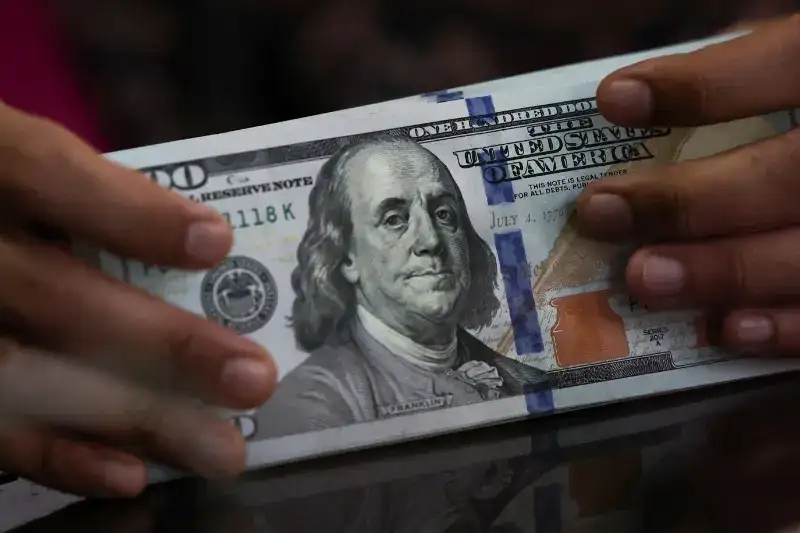
Brent crude has risen above $100 a barrel as war involving Iran disrupts shipping through the Strait of Hormuz. The chokepoint is central to global energy flows, making any disruption especially consequential.
12:36 PMAl Jazeera98 stories from 7 sources
Supporting Articles
Brent crude has risen above $100 a barrel as war involving Iran disrupts shipping through the Strait of Hormuz. The chokepoint is central to global energy flows, making any disruption especially consequential.
12:36 PMAl Jazeera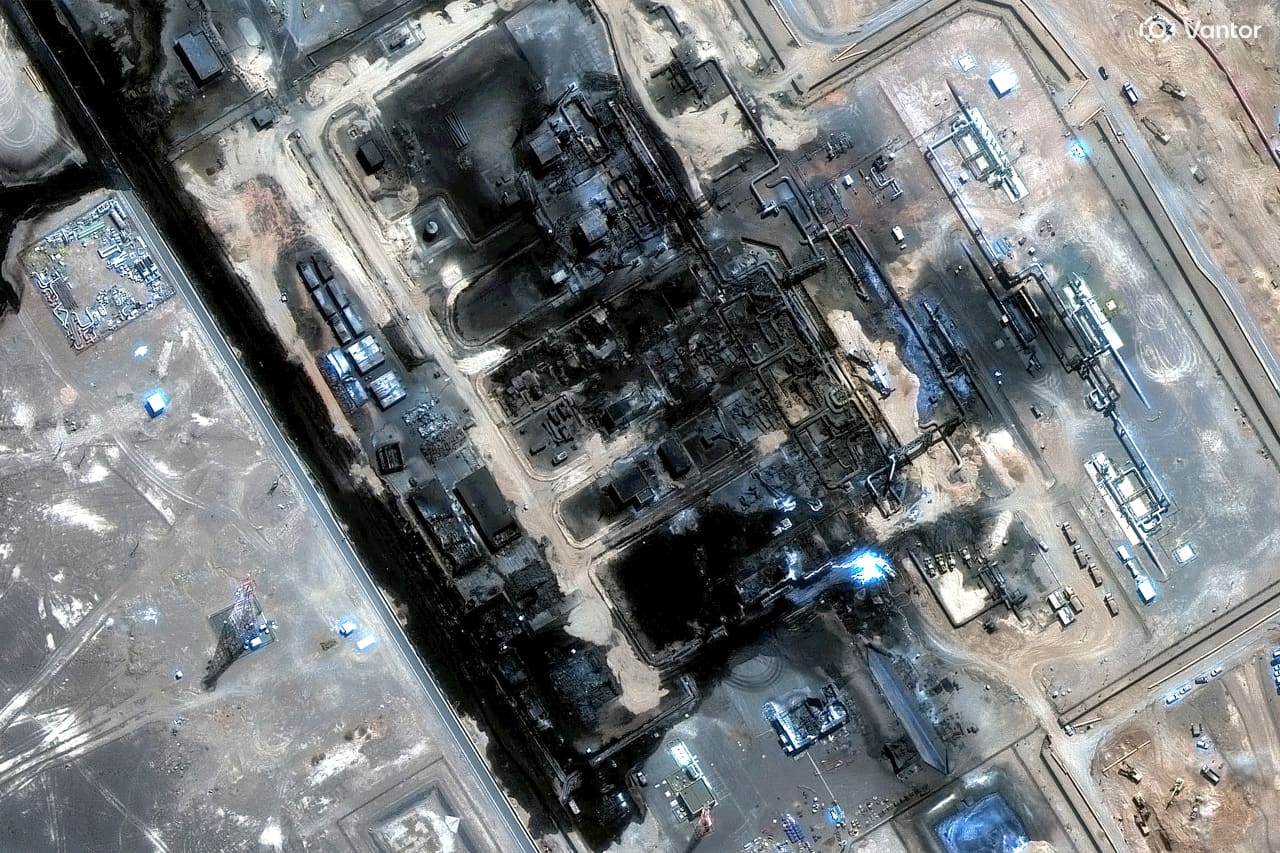
Oil prices rose after Saudi Arabia closed its East-West pipeline following damage attributed to drone attacks, pushing Brent and West Texas Intermediate above key levels and prompting JPMorgan strategists to reassess market risks.
7:59 AMMarketWatch
The benchmark 10-year Treasury yield briefly reached 5%, its highest level since 2007, as oil prices rose, concerns about artificial intelligence grew and investors sought safer assets elsewhere.
4:47 PMMarketWatch
The 10-year Treasury yield reached 5%, extending a period of sharp bond-market volatility. Analysts point to opportunities in income-producing assets as investors reassess where to earn returns.
3:35 PMCNBC
The 10-year Treasury yield moved above 5% for the first time since 2023 as a prolonged war constrained oil supplies and pushed energy prices higher. US debt has risen above 100% of gross domestic product, adding to investor concerns about fiscal sustainability.
1:30 PMFortuneInvestors are increasingly pricing the possibility of additional interest-rate hikes this year. That expectation could produce an unusual market reaction when the Fed announces its decision and updates its policy outlook.
3:49 PMCNBCTraders were pricing in more than a 92% probability of an interest-rate increase and more than a 75% chance of another hike in December. The outlook sets the stage for a difficult confirmation or policy battle involving Warsh.
3:47 PMCNBC
Federal Reserve Chair Kevin Warsh faces pressure to respond to renewed inflation warnings with higher interest rates, despite the risk of provoking President Trump. Investors increasingly expect the Fed to raise rates.
12:00 AMFinancial Times
Asian equities edged lower after Wall Street retreated, with the MSCI Asia Pacific index falling 0.1% and stocks in Japan and South Korea weakening. The Philadelphia Semiconductor Index dropped 5.9%, its steepest decline in more than two months, as Nvidia and Intel fell.
9:01 PMEconomic Times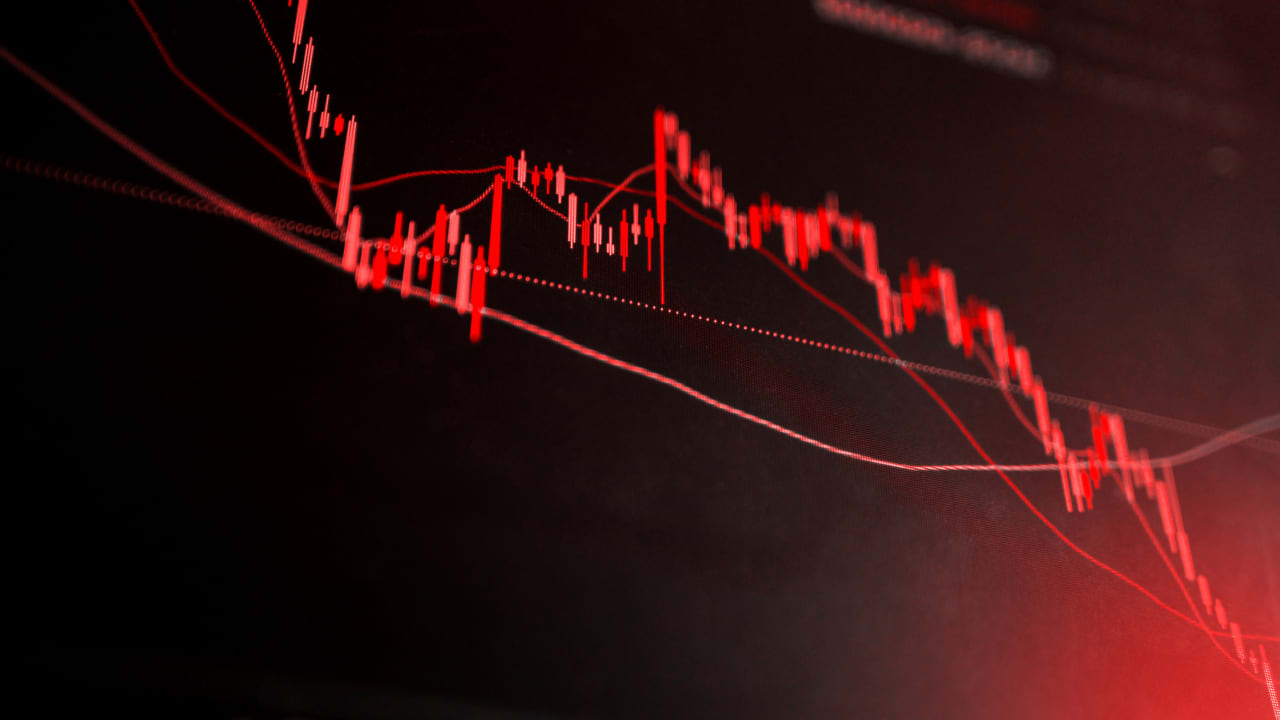
Cracks are appearing in the AI trade as investors confront growing fears about the technology's long-term risks. Those concerns are emerging when the broader stock market is particularly vulnerable to further pressure.
7:19 PMMarketWatch
Semiconductor stocks that once offered investors a straightforward way to benefit from AI spending have become vulnerable to broader market concerns. A slower pace of AI development may not immediately reduce infrastructure investment, but other risks argue for caution among chip investors.
5:11 PMMarketWatchThe Cboe VIX rose to 18, signaling increased concern across equity markets. The move comes as investors weigh higher Treasury yields against growing doubts about the pace and durability of AI-related growth.
2:01 PMCNBC
Volatile trading and heightened market speculation have revived concerns that the AI investment boom may be entering a late stage. Investors are watching Federal Reserve policy for a potential trigger that could test high AI-related valuations.
11:54 AMFortuneIndia's government bond yield premium over US Treasuries has fallen to its narrowest level in 22 years. August inflation data could limit how long the Reserve Bank of India can keep policy unchanged.
10:33 PMBloomberg Markets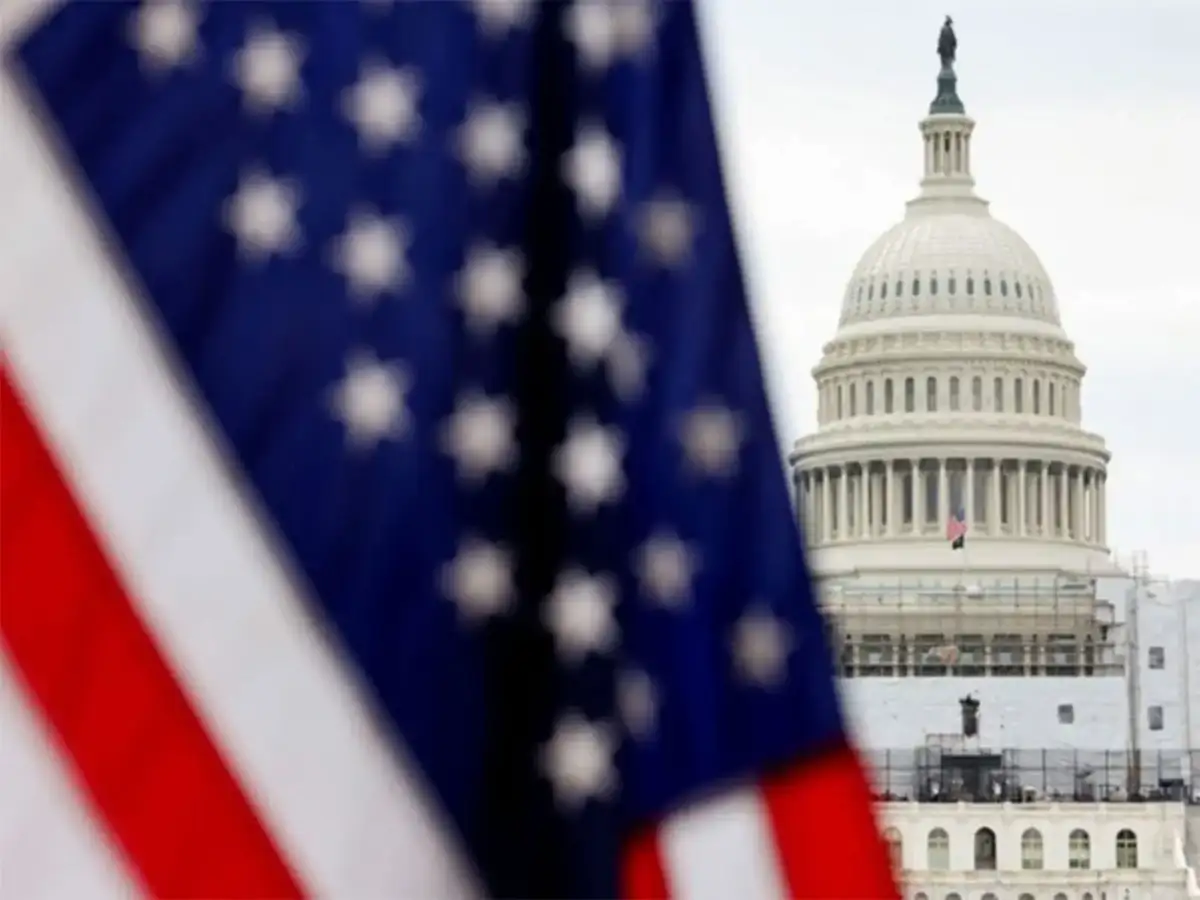
A possible Federal Reserve rate hike and US 10-year yields approaching 5% threaten to renew selling in Indian equities. Higher global risk-free rates could reduce foreign investors’ appetite for emerging markets and increase pressure on domestic investors.
8:59 PMEconomic TimesDemand at Japan’s 20 year government bond auction exceeded its 12 month average as higher yields attracted more buyers.
11:40 PMBloomberg MarketsSouth Korea's first after-hours trading session produced sharp, erratic moves dominated by retail investors. The early volatility exposed the difficulty of building a market structure that can attract global participation.
9:33 PMBloomberg Markets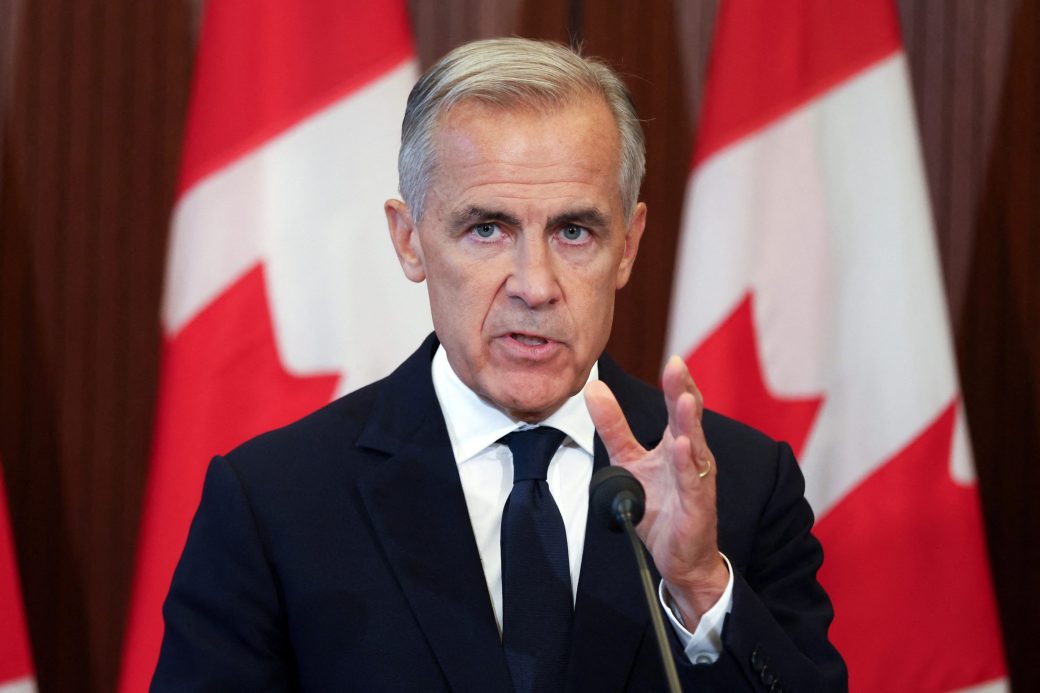
Mark Carney is pitching Canada to global investors as an investment destination defined by more than its proximity to the United States. He emphasized the country's reliability, respect for the rule of law, and ability to attract investors specifically because of Canada's own strengths.
6:50 PMFortuneSummary
Brent crude has risen above $100 a barrel as war involving Iran disrupts shipping through the Strait of Hormuz. The chokepoint is central to global energy flows, making any disruption especially consequential.
The price surge reflects a supply and logistics shock, not merely stronger demand. Higher fuel
Unlock the full First Pass Analysis to get a better understanding of why this story mattersWhy it matters
Oil above $100 can transmit a regional conflict into household budgets, corporate costs and global monetary policy.
Summary
Oil prices rose after Saudi Arabia closed its East-West pipeline following damage attributed to drone attacks, pushing Brent and West Texas Intermediate above key levels and prompting JPMorgan strategists to reassess market risks.
The pipeline closure has shifted oil markets from gradual repricing to a potential supply shock,
Unlock the full First Pass Analysis to get a better understanding of why this story mattersWhy it matters
Oil's surge can reshape sector leadership and interest-rate expectations across the stock market.
Summary
The benchmark 10-year Treasury yield briefly reached 5%, its highest level since 2007, as oil prices rose, concerns about artificial intelligence grew and investors sought safer assets elsewhere.
A 5% yield resets the cost of capital across the economy, pressuring stocks, housing and
Unlock the full First Pass Analysis to get a better understanding of why this story mattersWhy it matters
The 10-year Treasury is a global pricing benchmark, so a sustained move above 5% would tighten financial conditions far beyond the bond market.
3 stories · 3 sources
Summary
The 10-year Treasury yield reached 5%, extending a period of sharp bond-market volatility. Analysts point to opportunities in income-producing assets as investors reassess where to earn returns.
The 5% yield resets the competition between Treasuries and riskier income assets such as corporate
Unlock the full First Pass Analysis to get a better understanding of why this story mattersWhy it matters
A 5% risk-free yield changes how investors price nearly every income-oriented asset.
Summary
The 10-year Treasury yield moved above 5% for the first time since 2023 as a prolonged war constrained oil supplies and pushed energy prices higher. US debt has risen above 100% of gross domestic product, adding to investor concerns about fiscal sustainability.
Higher oil prices can keep inflation elevated while higher yields increase the government's debt-service burden
Unlock the full First Pass Analysis to get a better understanding of why this story mattersWhy it matters
The threat is not just more expensive energy, but a simultaneous squeeze on monetary policy, government finances and private borrowing.
Summary
Investors are increasingly pricing the possibility of additional interest-rate hikes this year. That expectation could produce an unusual market reaction when the Fed announces its decision and updates its policy outlook.
The market may respond more to the path of rates than to the immediate decision.
Unlock the full First Pass Analysis to get a better understanding of why this story mattersWhy it matters
The Fed’s communication, not just its rate decision, will set the next direction for stocks and bonds.
Summary
Traders were pricing in more than a 92% probability of an interest-rate increase and more than a 75% chance of another hike in December. The outlook sets the stage for a difficult confirmation or policy battle involving Warsh.
Markets have largely priced the immediate hike, so the larger market risk lies in the
Unlock the full First Pass Analysis to get a better understanding of why this story mattersWhy it matters
A near-certain hike leaves the next decision and the credibility of the policy path as the main market catalysts.
Summary
Federal Reserve Chair Kevin Warsh faces pressure to respond to renewed inflation warnings with higher interest rates, despite the risk of provoking President Trump. Investors increasingly expect the Fed to raise rates.
The Fed's inflation response is becoming a test of its independence as markets price a
Unlock the full First Pass Analysis to get a better understanding of why this story mattersWhy it matters
A rate hike would reshape expectations for bonds, equities and the Fed's relationship with the White House.
Summary
Asian equities edged lower after Wall Street retreated, with the MSCI Asia Pacific index falling 0.1% and stocks in Japan and South Korea weakening. The Philadelphia Semiconductor Index dropped 5.9%, its steepest decline in more than two months, as Nvidia and Intel fell.
The semiconductor selloff shows that investors are reassessing the valuation and earnings outlook for AI-linked
Unlock the full First Pass Analysis to get a better understanding of why this story mattersWhy it matters
Weakness in AI and semiconductor leaders can spread across global equity markets because the sector has driven much of the recent rally.
2 stories · 2 sources
Summary
Cracks are appearing in the AI trade as investors confront growing fears about the technology's long-term risks. Those concerns are emerging when the broader stock market is particularly vulnerable to further pressure.
The shift is from unquestioned enthusiasm toward scrutiny of whether AI can sustain its market
Unlock the full First Pass Analysis to get a better understanding of why this story mattersWhy it matters
A loss of confidence in the AI trade could amplify weakness across an already fragile stock market.
Summary
Semiconductor stocks that once offered investors a straightforward way to benefit from AI spending have become vulnerable to broader market concerns. A slower pace of AI development may not immediately reduce infrastructure investment, but other risks argue for caution among chip investors.
The key change is in market positioning, not necessarily in AI demand: crowded expectations have
Unlock the full First Pass Analysis to get a better understanding of why this story mattersWhy it matters
AI exposure no longer guarantees safety in chip stocks, even if industry spending remains strong.
Summary
The Cboe VIX rose to 18, signaling increased concern across equity markets. The move comes as investors weigh higher Treasury yields against growing doubts about the pace and durability of AI-related growth.
The VIX jump suggests that bond-market pressure and AI uncertainty are now reinforcing each other
Unlock the full First Pass Analysis to get a better understanding of why this story mattersWhy it matters
The interaction between higher rates and weaker AI confidence could turn a sector correction into a broader equity pullback.
Summary
Volatile trading and heightened market speculation have revived concerns that the AI investment boom may be entering a late stage. Investors are watching Federal Reserve policy for a potential trigger that could test high AI-related valuations.
Higher interest rates would raise the cost of financing the companies and infrastructure behind the
Unlock the full First Pass Analysis to get a better understanding of why this story mattersWhy it matters
AI's next test may come from capital markets rather than technical performance.
Summary
India's government bond yield premium over US Treasuries has fallen to its narrowest level in 22 years. August inflation data could limit how long the Reserve Bank of India can keep policy unchanged.
The compressed spread leaves foreign investors with less compensation for holding rupee debt, while a
Unlock the full First Pass Analysis to get a better understanding of why this story mattersWhy it matters
A thinner yield advantage could weaken overseas demand for Indian debt just as inflation complicates the domestic rate outlook.
Summary
A possible Federal Reserve rate hike and US 10-year yields approaching 5% threaten to renew selling in Indian equities. Higher global risk-free rates could reduce foreign investors’ appetite for emerging markets and increase pressure on domestic investors.
The decisive risk is the widening return gap between US assets and Indian equities. Foreign
Unlock the full First Pass Analysis to get a better understanding of why this story mattersWhy it matters
US yields are becoming a direct valuation and capital-flow threat for Indian markets.
Summary
Demand at Japan’s 20 year government bond auction exceeded its 12 month average as higher yields attracted more buyers.
Investors are showing greater willingness to absorb long duration Japanese debt at yields that better
Unlock the full First Pass Analysis to get a better understanding of why this story mattersWhy it matters
The auction suggests higher yields are beginning to restore demand in Japan’s long end, an important test for market stability.
Summary
South Korea's first after-hours trading session produced sharp, erratic moves dominated by retail investors. The early volatility exposed the difficulty of building a market structure that can attract global participation.
The session suggests that extending trading hours does not automatically create deeper liquidity or better
Unlock the full First Pass Analysis to get a better understanding of why this story mattersWhy it matters
A volatile after-hours market could undermine Seoul's effort to make its equities more accessible to global capital.
Summary
Mark Carney is pitching Canada to global investors as an investment destination defined by more than its proximity to the United States. He emphasized the country's reliability, respect for the rule of law, and ability to attract investors specifically because of Canada's own strengths.
Canada is positioning institutional reliability as an economic asset rather than treating access to the
Unlock the full First Pass Analysis to get a better understanding of why this story mattersWhy it matters
Canada is trying to turn political and institutional stability into a competitive advantage in the global competition for capital.
2 stories · 2 sources
A curated list of other prominent stories from this day.
Thailand’s vice finance minister said the baht’s recent decline should support exports and tourism, two major engines of the economy.
11:38 PMBloomberg Markets
An oil shock linked to the conflict in West Asia has pushed headline inflation higher across major economies, prompting a renewed global shift toward tighter monetary policy. The Federal Reserve and Bank of England are expected to raise rates, while the European Central Bank has already delivered two increases since the conflict began.
10:10 PMEconomic Times
Gold declined as rising crude prices increased inflation concerns ahead of the Federal Reserve's policy decision. Treasury yields near five percent also weighed on US equities and other precious metals, including silver and platinum.
10:06 PMEconomic TimesCopper steadied near $14,000 a ton after fresh deliveries to exchange-tracked warehouses signaled that the supply squeeze may be easing. The inventory flow offers some relief to consumers and traders facing tight availability.
10:03 PMBloomberg MarketsUS stocks fell Monday as oil prices climbed and the 10-year Treasury yield briefly moved above 5%, leaving traders focused on energy costs, interest rates and the next session's market catalysts.
7:17 PMCNBC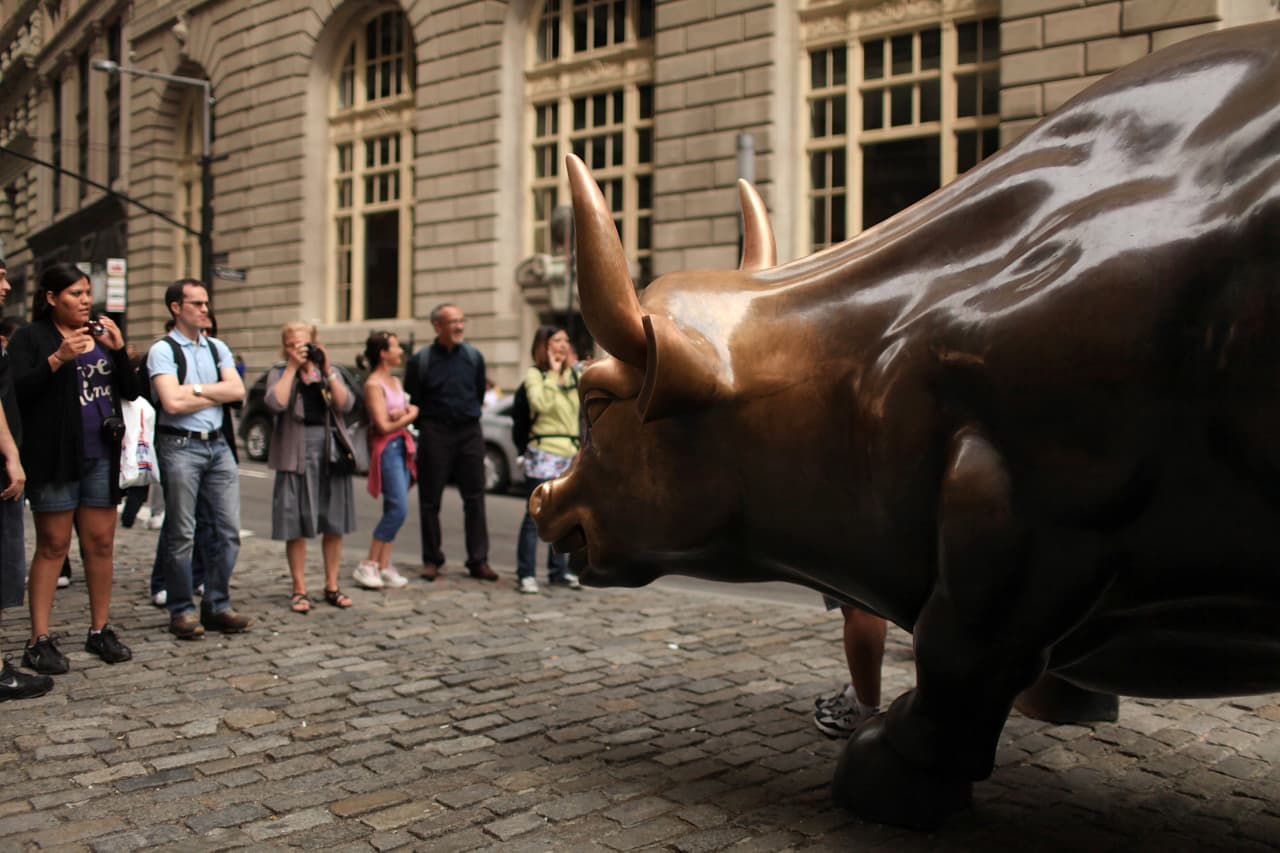
Historical market patterns suggest stocks can continue rising even when the Federal Reserve increases interest rates, but investors may need to adjust portfolios if rate hikes persist.
9:45 AMMarketWatch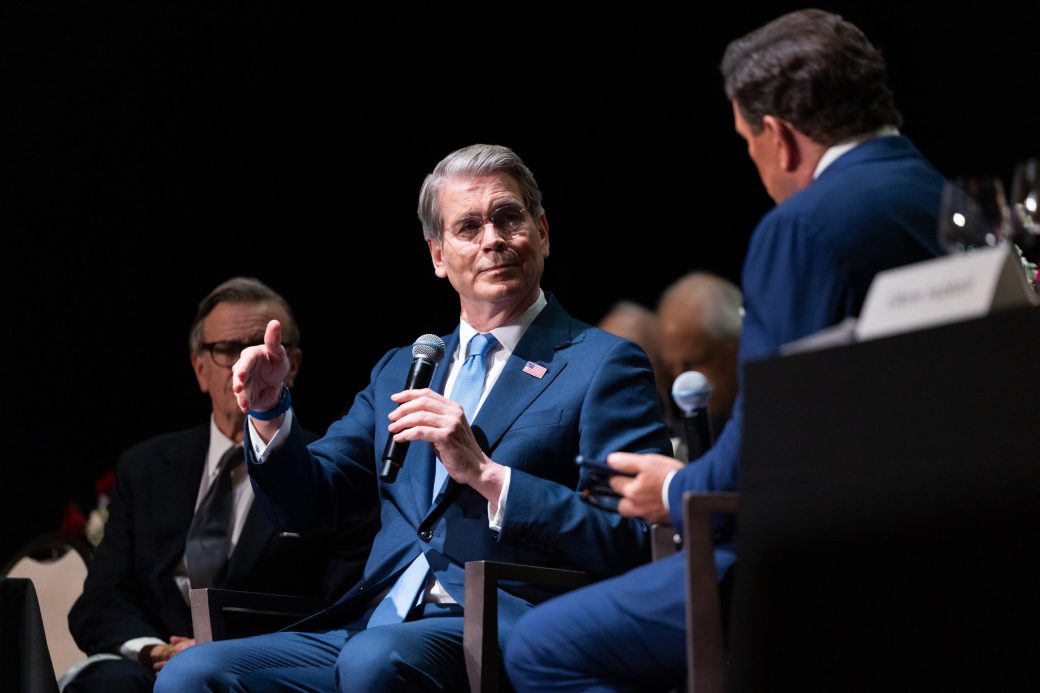
Scott Bessent argued that bond markets have brought down more governments than military force, underscoring the discipline imposed by rising borrowing costs. The article considers how that view could shape the policy space available to Fed nominee Warsh this week.
7:19 AMFortune
The UK chancellor must use favorable circumstances while demonstrating firm control of fiscal policy. Maintaining the confidence of lenders remains essential for the country's economic stability.
12:00 AMFinancial TimesSummary
Thailand’s vice finance minister said the baht’s recent decline should support exports and tourism, two major engines of the economy.
A weaker currency improves price competitiveness for Thai goods and makes the country cheaper for
Unlock the full First Pass Analysis to get a better understanding of why this story mattersWhy it matters
Thailand is using currency weakness as a potential growth buffer while accepting greater exposure to imported costs.
Summary
An oil shock linked to the conflict in West Asia has pushed headline inflation higher across major economies, prompting a renewed global shift toward tighter monetary policy. The Federal Reserve and Bank of England are expected to raise rates, while the European Central Bank has already delivered two increases since the conflict began.
The oil shock is forcing central banks to prioritize inflation control even as higher energy
Unlock the full First Pass Analysis to get a better understanding of why this story mattersWhy it matters
A synchronized tightening cycle would raise global funding costs and increase the risk of a sharper slowdown.
Summary
Gold declined as rising crude prices increased inflation concerns ahead of the Federal Reserve's policy decision. Treasury yields near five percent also weighed on US equities and other precious metals, including silver and platinum.
The jump in yields has raised the opportunity cost of holding gold, which generates no
Unlock the full First Pass Analysis to get a better understanding of why this story mattersWhy it matters
Gold faces pressure from both higher real yields and weaker expectations for near-term monetary easing.
Summary
Copper steadied near $14,000 a ton after fresh deliveries to exchange-tracked warehouses signaled that the supply squeeze may be easing. The inventory flow offers some relief to consumers and traders facing tight availability.
The new warehouse stocks challenge the scarcity narrative that helped drive copper higher. If deliveries
Unlock the full First Pass Analysis to get a better understanding of why this story mattersWhy it matters
Copper's next move will depend on whether rising exchange inventories mark a lasting supply improvement or only a pause in a broader squeeze.
Summary
US stocks fell Monday as oil prices climbed and the 10-year Treasury yield briefly moved above 5%, leaving traders focused on energy costs, interest rates and the next session's market catalysts.
The combination of expensive oil and a 5% Treasury yield gives markets little room for
Unlock the full First Pass Analysis to get a better understanding of why this story mattersWhy it matters
The oil-yield combination is becoming the central test for equity valuations and sector leadership.
Summary
Historical market patterns suggest stocks can continue rising even when the Federal Reserve increases interest rates, but investors may need to adjust portfolios if rate hikes persist.
The key distinction is between a limited rate adjustment and a prolonged tightening cycle. Investors
Unlock the full First Pass Analysis to get a better understanding of why this story mattersWhy it matters
The Fed's path matters less than how long restrictive policy lasts.
Summary
Scott Bessent argued that bond markets have brought down more governments than military force, underscoring the discipline imposed by rising borrowing costs. The article considers how that view could shape the policy space available to Fed nominee Warsh this week.
The decisive constraint is the bond market, not simply the Fed's formal authority over short-term
Unlock the full First Pass Analysis to get a better understanding of why this story mattersWhy it matters
The episode shows that any new Fed leadership must manage investor confidence in government debt as closely as the policy rate.
Summary
The UK chancellor must use favorable circumstances while demonstrating firm control of fiscal policy. Maintaining the confidence of lenders remains essential for the country's economic stability.
Investor confidence now depends less on luck than on whether the government can show credible
Unlock the full First Pass Analysis to get a better understanding of why this story mattersWhy it matters
The UK's financing costs depend on whether markets view its economic management as disciplined and durable.
Make it yours
Pick your topics, set your cadence, and receive your personalized First Pass in your inbox. It’s that simple!