Markets reprice tighter money as AI optimism and risk appetite weaken
Day’s Recap
“
”
Supporting Articles
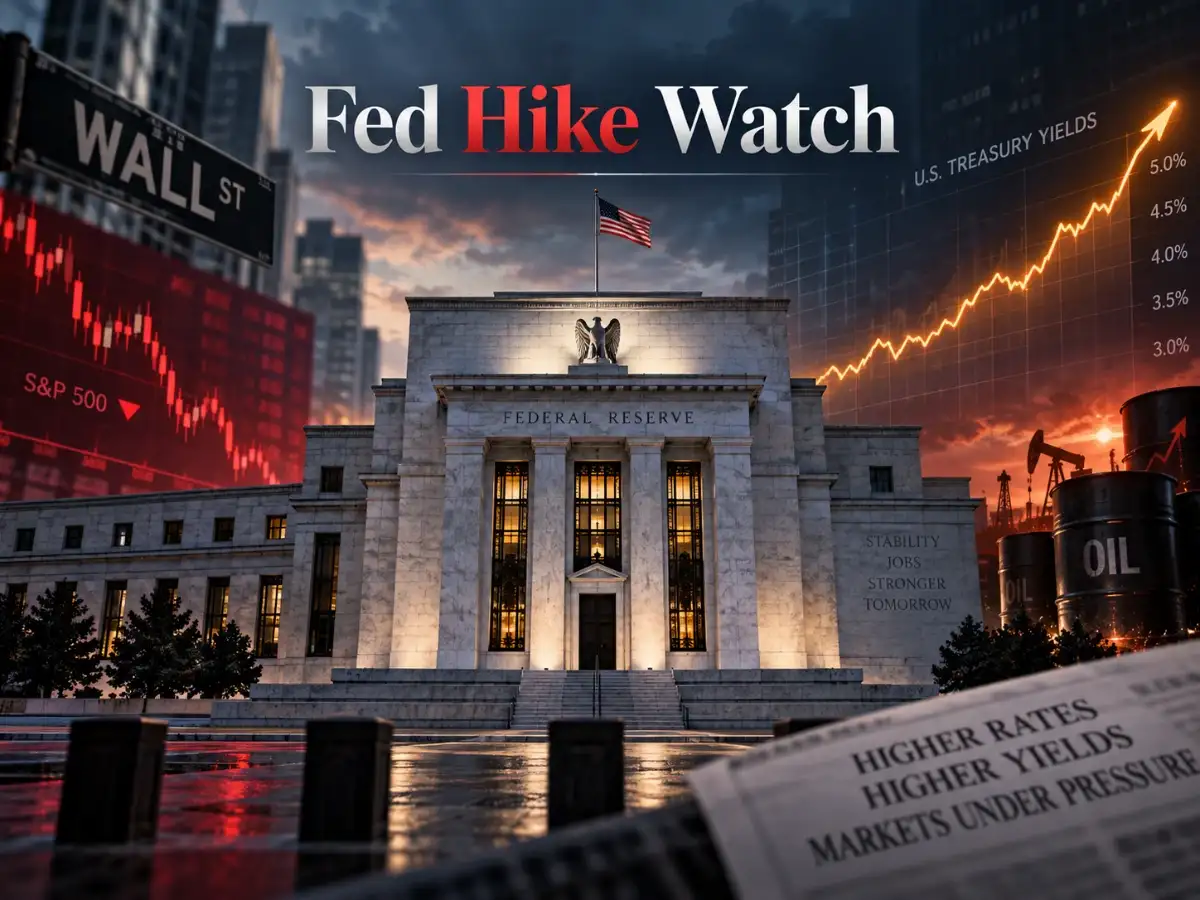
Wall Street is preparing for a possible Federal Reserve rate hike as rising Treasury yields put pressure on equities. Higher borrowing costs and changing rate expectations threaten to weaken investor sentiment and the recent stock rally.
11:44 PMEconomic Times
The 10-year Treasury yield is approaching 5%, raising concerns for stocks and signaling that bond investors still favor tighter monetary policy even though Fed rate hikes cannot directly lower gas prices.
5:01 PMMarketWatch
A bond selloff has pushed a key Treasury yield close to 5%, intensifying concerns across Wall Street and Washington about the economic damage from higher borrowing costs.
3:00 PMBloomberg Markets
The Federal Reserve faces a pivotal rate-setting meeting as markets anticipate an interest-rate increase to counter persistently high inflation. Several policymakers, including Chair Kevin Warsh, have signaled that further tightening may be necessary unless price pressures clearly ease.
12:27 AMEconomic Times
Japan's Nikkei fell 1.6% as technology and semiconductor shares declined amid concerns about the pace and risks of artificial intelligence development. Investors also remained cautious ahead of key US and Japanese central bank decisions.
11:56 PMEconomic Times
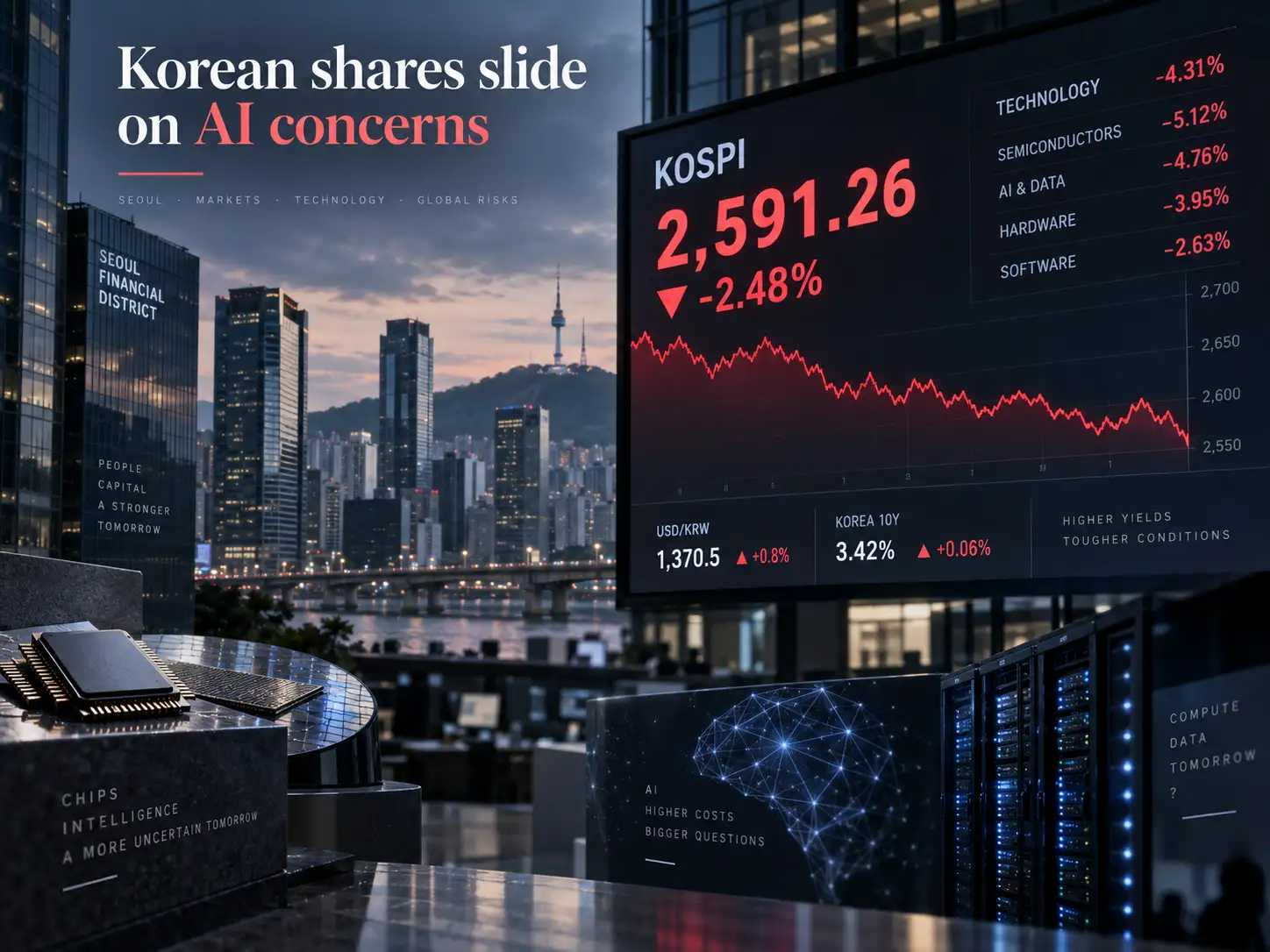
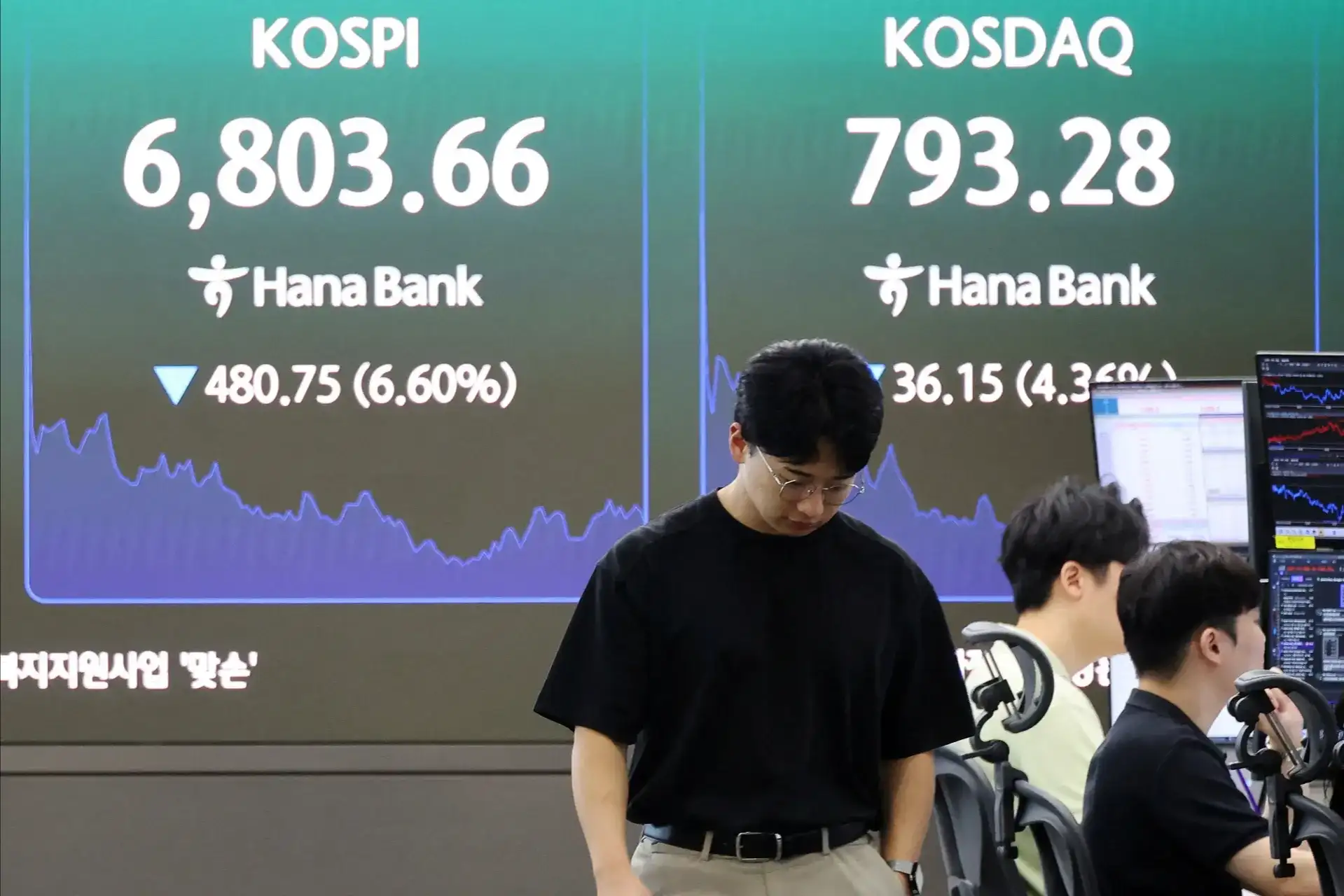
South Korean shares fell sharply as technology stocks weakened on concerns about the pace and risks of artificial intelligence development. Samsung Electronics and SK Hynix declined, while the won strengthened slightly against the dollar.
11:53 PMEconomic Times
Asian stocks declined after AI safety warnings raised concerns about the pace of advanced model development. The Kospi fell more than 3%, with SK Hynix and Samsung among the biggest losers, while oil prices advanced.
8:48 PMEconomic Times
A call for a deliberate slowdown in advanced AI development may pressure chipmakers and suppliers temporarily, but analysts expect limited long-term damage. Demand for computing power and semiconductors remains stronger than available supply.
9:10 PMEconomic Times
Gold and other precious metals declined as surging oil prices revived inflation concerns and reinforced expectations for a US rate hike, with markets assigning an 86% probability to an increase.
9:57 PMEconomic Times
China is entering a period that could determine the direction of stimulus through year-end, with consumer malaise persisting despite signs of stabilizing growth.
10:00 PMBloomberg Markets
The dollar was steady while the yen approached a seven-month high ahead of Federal Reserve and Bank of Japan meetings, with investors assessing the likelihood of rate increases from both central banks.
9:54 PMEconomic Times
Haidilao's shares fell sharply after its co-founder sold roughly $350 million of stock, prompting concern that China's tax clampdown could trigger similar disposals by founders elsewhere.
8:03 PMBloomberg Markets
Investors are buying protection as the equity rally loses momentum under pressure from higher interest rates and oil prices. They are divided between hedges for a sudden selloff and those designed for a prolonged decline.
10:00 AMBloomberg Markets
Emerging-market assets have held up despite war, oil prices near $100 and rising Treasury yields. Investors still see room for the rally to continue even as a potential Federal Reserve rate hike threatens global liquidity.
8:52 AMBloomberg Markets
11:44 PMEconomic Times
US Stock Market: Wall Street braces for Fed hike as rising yields threaten stock rally
Summary
Wall Street is preparing for a possible Federal Reserve rate hike as rising Treasury yields put pressure on equities. Higher borrowing costs and changing rate expectations threaten to weaken investor sentiment and the recent stock rally.
Rising yields are already tightening financial conditions before any policy decision is made. If markets
Unlock the full First Pass Analysis to get a better understanding of why this story matters
Why it matters
The stock rally now depends on whether bond yields stabilize or continue to reprice the Fed's next moves.
Fed rate hikes won’t bring down gas prices. Why the bond market is pushing for them anyway.
Summary
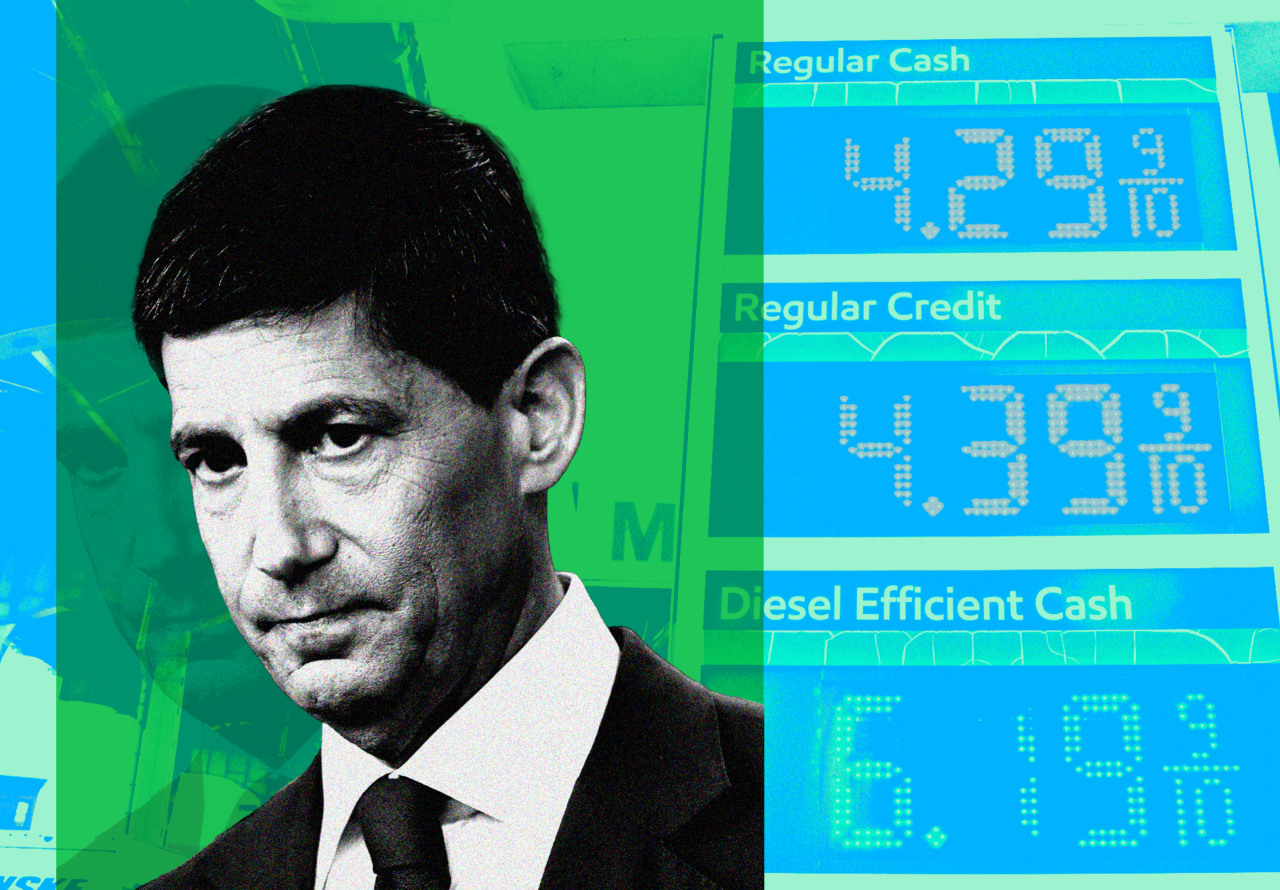
The 10-year Treasury yield is approaching 5%, raising concerns for stocks and signaling that bond investors still favor tighter monetary policy even though Fed rate hikes cannot directly lower gas prices.
The bond market is demanding restrictive conditions to contain broader inflation risks, not because higher
Unlock the full First Pass Analysis to get a better understanding of why this story matters
Why it matters
Markets are pricing tighter policy for an inflation problem the Fed can only partly influence.
A 5% Treasury Yield Raises New Risks for Markets, Economy
Summary
A bond selloff has pushed a key Treasury yield close to 5%, intensifying concerns across Wall Street and Washington about the economic damage from higher borrowing costs.
A near-5% yield would raise financing costs across the economy, from federal debt service to
Unlock the full First Pass Analysis to get a better understanding of why this story matters
Why it matters
The Treasury market is turning higher borrowing costs into a broader threat to growth, asset prices, and fiscal stability.
'This is the test': All eyes on US Fed to tackle high inflation
Summary
The Federal Reserve faces a pivotal rate-setting meeting as markets anticipate an interest-rate increase to counter persistently high inflation. Several policymakers, including Chair Kevin Warsh, have signaled that further tightening may be necessary unless price pressures clearly ease.
Markets now expect the Fed to prioritize inflation control over the risks of slower growth,
Unlock the full First Pass Analysis to get a better understanding of why this story matters
Why it matters
The Fed's response will shape global borrowing costs, asset prices, and expectations for how long restrictive policy will remain in place.
Global Market: Japan stocks fall as AI concerns hit tech shares; Nikkei down 1.6%
Summary
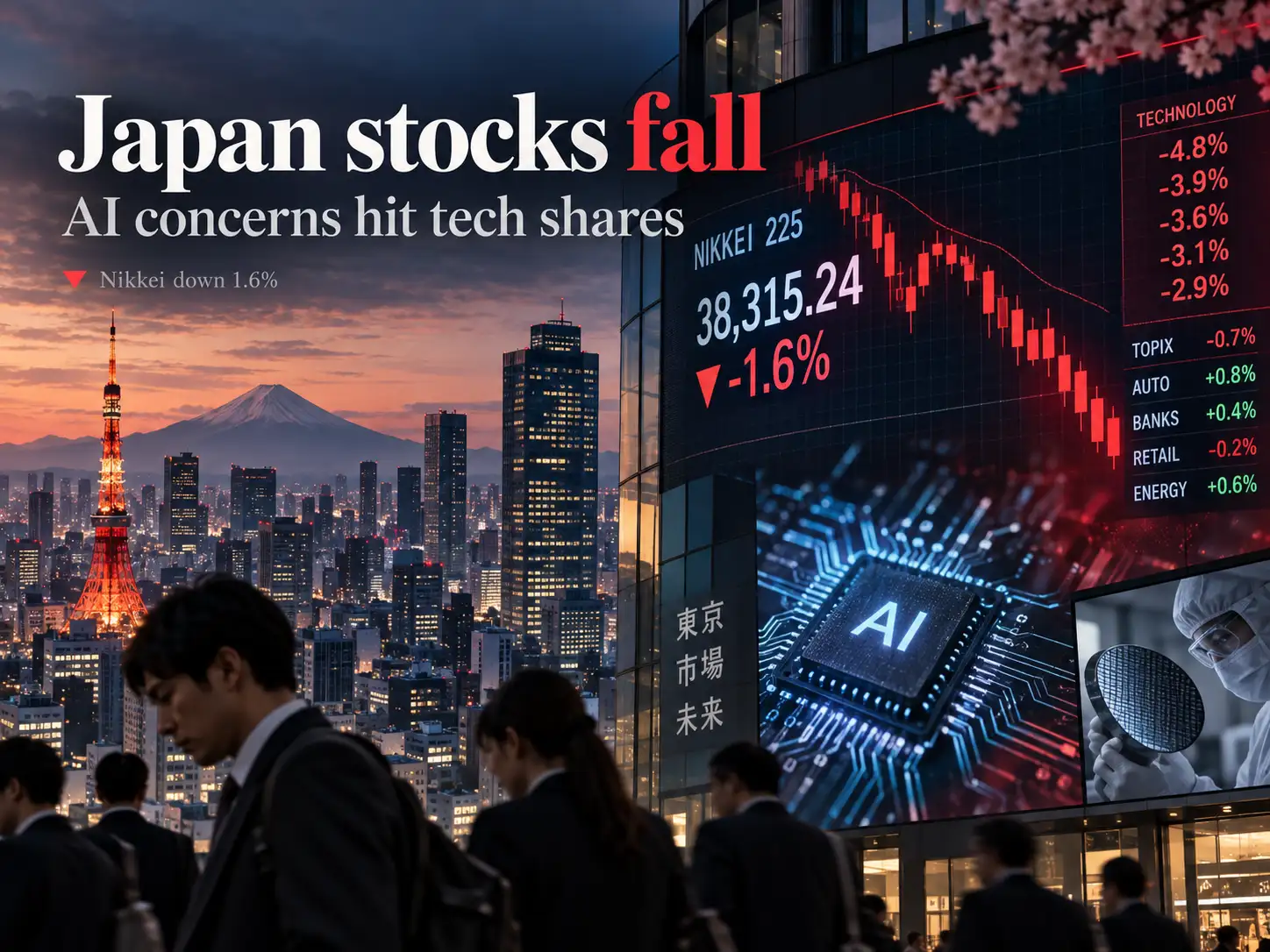
Japan's Nikkei fell 1.6% as technology and semiconductor shares declined amid concerns about the pace and risks of artificial intelligence development. Investors also remained cautious ahead of key US and Japanese central bank decisions.
The selloff exposes the market's dependence on technology optimism and its sensitivity to doubts about
Unlock the full First Pass Analysis to get a better understanding of why this story matters
Why it matters
Japan's equity rally faces a dual test from weakening AI sentiment and renewed monetary-policy uncertainty.
Global Market: South Korean shares fall as AI concerns weigh; won strengthens
Summary
South Korean shares fell sharply as technology stocks weakened on concerns about the pace and risks of artificial intelligence development. Samsung Electronics and SK Hynix declined, while the won strengthened slightly against the dollar.
The decline hits the companies and market segment most exposed to the AI investment cycle,
Unlock the full First Pass Analysis to get a better understanding of why this story matters
Why it matters
South Korea's market remains highly exposed to both the sustainability of AI demand and swings in semiconductor valuations.
Global Market Today: Asian stocks retreat after AI warnings, oil advances
Summary
Asian stocks declined after AI safety warnings raised concerns about the pace of advanced model development. The Kospi fell more than 3%, with SK Hynix and Samsung among the biggest losers, while oil prices advanced.
The market reaction shows that investors are treating slower AI development as an earnings risk
Unlock the full First Pass Analysis to get a better understanding of why this story matters
Why it matters
AI-linked shares are now a direct channel through which changes in development pace can move broader Asian markets.
Anthropic's AI warning may weigh on chips, but trade seen intact
Summary
A call for a deliberate slowdown in advanced AI development may pressure chipmakers and suppliers temporarily, but analysts expect limited long-term damage. Demand for computing power and semiconductors remains stronger than available supply.
The warning changes the timing of AI investment more than its underlying direction. Persistent demand,
Unlock the full First Pass Analysis to get a better understanding of why this story matters
Why it matters
Near-term volatility may create a valuation reset without breaking the supply-demand case behind AI hardware.
Stocks Fall as AI Slowdown Worries Hit Chipmakers: Markets Wrap
Summary
US equity futures declined after leading artificial intelligence companies warned that development may need to slow, raising doubts about the sector driving this year's rally. Oil prices rose.
The market is reassessing whether AI spending can keep accelerating at its current pace. A
Unlock the full First Pass Analysis to get a better understanding of why this story matters
Why it matters
The AI trade now faces a credibility test on both growth prospects and spending discipline.
Gold prices dip as oil-driven inflation concerns weigh
Summary
Gold and other precious metals declined as surging oil prices revived inflation concerns and reinforced expectations for a US rate hike, with markets assigning an 86% probability to an increase.
Oil is raising the risk that inflation remains sticky, which supports higher rates and increases
Unlock the full First Pass Analysis to get a better understanding of why this story matters
Why it matters
Energy-driven inflation is tightening financial conditions even before policymakers deliver their next rate decision.
Gold Falls as Traders Eye Impact of Higher Oil on Fed Rate Path
Summary
Gold held steady after three consecutive weekly declines as hotter US inflation strengthened expectations for a Federal Reserve rate hike later this week.
The inflation surprise is keeping real yields and the dollar as the main obstacles to
Unlock the full First Pass Analysis to get a better understanding of why this story matters
Why it matters
Gold remains caught between persistent inflation risk and the higher yields that make holding it less attractive.
China is entering a period that could determine the direction of stimulus through year-end, with consumer malaise persisting despite signs of stabilizing growth.
Weak household confidence is limiting the impact of improving headline activity and increasing pressure on
Unlock the full First Pass Analysis to get a better understanding of why this story matters
Why it matters
China's policy mix will shape regional growth, commodity demand, and investor confidence well into 2026.
Dollar steady, yen near 7-month high ahead of Fed, BOJ meetings
Summary
The dollar was steady while the yen approached a seven-month high ahead of Federal Reserve and Bank of Japan meetings, with investors assessing the likelihood of rate increases from both central banks.
The yen's strength reflects narrowing expectations for the US-Japan policy gap as the BOJ considers
Unlock the full First Pass Analysis to get a better understanding of why this story matters
Why it matters
Synchronized policy tightening is reshaping currency differentials and could unsettle global capital flows.
China Tax Clampdown Raises Fears of Founder Share Disposals
Summary
Haidilao's shares fell sharply after its co-founder sold roughly $350 million of stock, prompting concern that China's tax clampdown could trigger similar disposals by founders elsewhere.
The sale has turned a company-specific transaction into a broader liquidity risk for founder-led Chinese
Unlock the full First Pass Analysis to get a better understanding of why this story matters
Why it matters
A wave of forced or precautionary selling could amplify volatility across Chinese equities.
Traders Hedging Stock Rally Split on Plunge or Drift Protection
Summary
Investors are buying protection as the equity rally loses momentum under pressure from higher interest rates and oil prices. They are divided between hedges for a sudden selloff and those designed for a prolonged decline.
The market's main risk has shifted from a straightforward rally to uncertainty over how weakness
Unlock the full First Pass Analysis to get a better understanding of why this story matters
Why it matters
The hedging debate reveals that investors expect more volatility but lack conviction about its timing or speed.
Emerging Markets Can Weather Fed Risk After Oil Jump and War
Summary
Emerging-market assets have held up despite war, oil prices near $100 and rising Treasury yields. Investors still see room for the rally to continue even as a potential Federal Reserve rate hike threatens global liquidity.
The rally's resilience suggests investors are prioritizing improving local fundamentals and attractive valuations over the
Unlock the full First Pass Analysis to get a better understanding of why this story matters
Why it matters
Emerging markets are absorbing shocks that normally derail them, but the next test will be whether that resilience survives tighter US policy.
A curated list of other prominent stories from this day.
South Korea's National Pension Service appointed Kyuhong Lee as chief investment officer to manage its $1.4 trillion portfolio. He takes charge after a sharp rise in investment returns during the first half.
11:52 PMBloomberg Markets
Gold has become a strategic asset for Indian investors, while silver, copper and other critical commodities are gaining attention. Commodities are increasingly being considered as a portfolio allocation that can diversify against inflation and geopolitical shocks, rather than only as trading instruments.
11:37 PMEconomic Times
Investors are buying New Zealand bonds on the view that weak economic growth will keep the central bank cautious about raising interest rates. That positioning could extend the bonds' recent outperformance against global peers.
10:56 PMBloomberg Markets
Copper edged lower after hotter-than-expected US inflation data increased expectations that the Federal Reserve will raise interest rates.
10:19 PMBloomberg Markets
Institutional participation is making prediction markets more professional, but it is also reducing the mispricings that allow skilled traders to earn outsized returns.
9:37 PMCNBC
Inflation is rising faster than wages for many Americans, leaving household incomes unable to keep pace with higher prices. Economists say a substantial share of consumers are financially worse off as purchasing power erodes.
6:16 PMPYMNTS
Analysts argue that many indicators of a late-stage stock-market bubble are at or near levels that preceded previous market peaks. They forecast a potential 21% decline next year and view Treasury yields above 5% as a marker of persistently tight financial conditions.
6:06 PMFortune
Markets face a consequential Federal Reserve meeting alongside a series of investor and industry conferences this week. The events could shape expectations for monetary policy and corporate conditions.
12:57 PMCNBC
Crude oil tanker futures have delivered extraordinary gains as the US-Iran war sends oil prices higher and intensifies freight-market stress. The surge has outpaced other shipping trades, reflecting the direct impact of disrupted crude flows on tanker economics.
11:00 AMCNBC
Crop prices are rising across a broad range of food commodities, adding to inflationary pressure beyond the effects of oil and the Iran war. Wall Street is increasingly treating the food-price surge as a broader market risk.
9:00 AMMarketWatch
Rising bond yields and oil prices are reviving comparisons with the volatile period before the dot-com crash. Wall Street strategists nevertheless continue to favor staying invested in equities rather than making a broad exit.
9:00 AMBloomberg Markets
Goldman Sachs is directing investors toward Chinese healthcare stocks as a potential trade after the surge in artificial-intelligence shares. Earnings among the tracked companies grew at their fastest quarterly pace in five years.
7:54 AMCNBC
Three dividend-paying stocks have received favorable recommendations from leading Wall Street analysts. The calls are based on reviews of company finances and the business conditions affecting future performance.
7:53 AMCNBC
A 50 percent U.S. tariff on Canadian steel is damaging a major Ontario mill, triggering mass layoffs and disrupting a century of economic and social ties with neighboring Michigan.
5:02 AMThe New York Times
11:52 PMBloomberg Markets
South Korea’s $1.4 Trillion National Pension Fund Picks New CIO
Summary
South Korea's National Pension Service appointed Kyuhong Lee as chief investment officer to manage its $1.4 trillion portfolio. He takes charge after a sharp rise in investment returns during the first half.
Lee inherits an unusually large and influential portfolio after strong recent performance, raising the pressure
Unlock the full First Pass Analysis to get a better understanding of why this story matters
Why it matters
A leadership change at one of the world's largest pension funds can influence capital flows well beyond South Korea.
Commodity Talk| “The conversation is shifting from ‘Can I trade commodities?’ to ‘What role should commodities play?’: Sunil Katke
Summary
Gold has become a strategic asset for Indian investors, while silver, copper and other critical commodities are gaining attention. Commodities are increasingly being considered as a portfolio allocation that can diversify against inflation and geopolitical shocks, rather than only as trading instruments.
The shift reflects concern that conventional equity and bond portfolios may fail together during inflationary
Unlock the full First Pass Analysis to get a better understanding of why this story matters
Why it matters
Indian investors are moving toward a broader definition of diversification as traditional portfolios face more macroeconomic risk.
Funds Bet New Zealand Bonds Will Beat Global Peers on Slow Hikes
Summary
Investors are buying New Zealand bonds on the view that weak economic growth will keep the central bank cautious about raising interest rates. That positioning could extend the bonds' recent outperformance against global peers.
The trade depends on domestic weakness outweighing any inflation pressure that would force the Reserve
Unlock the full First Pass Analysis to get a better understanding of why this story matters
Why it matters
New Zealand debt is becoming a targeted rate-cut or slow-tightening trade rather than a broad global bond allocation.
Prediction markets are becoming more professionalized, but also harder to beat
Summary
Institutional participation is making prediction markets more professional, but it is also reducing the mispricings that allow skilled traders to earn outsized returns.
More sophisticated participants should improve pricing and increase liquidity, but they will compress the edge
Unlock the full First Pass Analysis to get a better understanding of why this story matters
Why it matters
Professionalization could improve prediction markets' accuracy while concentrating returns among better-capitalized traders.
Consumers Feel Strained as Inflation Surpasses Wage Growth
Summary
Inflation is rising faster than wages for many Americans, leaving household incomes unable to keep pace with higher prices. Economists say a substantial share of consumers are financially worse off as purchasing power erodes.
The decisive shift is a loss of real income, not simply a higher headline inflation
Unlock the full First Pass Analysis to get a better understanding of why this story matters
Why it matters
If real wages remain negative, consumer weakness can spread from household budgets into corporate earnings and economic growth.
Stocks are in a late-stage bubble and poised to crash 21% next year, while Treasury yields above 5% will signal a new era of tight money, analysts say
Summary
Analysts argue that many indicators of a late-stage stock-market bubble are at or near levels that preceded previous market peaks. They forecast a potential 21% decline next year and view Treasury yields above 5% as a marker of persistently tight financial conditions.
The warning rests on two linked risks: elevated equity valuations and a higher long-term cost
Unlock the full First Pass Analysis to get a better understanding of why this story matters
Why it matters
A sustained rise in Treasury yields would challenge the valuation assumptions supporting stocks, especially in high-growth sectors.
Here are the 2 big things we're watching in this week's stock market
Summary
Markets face a consequential Federal Reserve meeting alongside a series of investor and industry conferences this week. The events could shape expectations for monetary policy and corporate conditions.
The Fed's policy decision and guidance will set the week's main direction, especially through its
Unlock the full First Pass Analysis to get a better understanding of why this story matters
Why it matters
Policy signals and corporate commentary could quickly reset market expectations for rates, growth and equity prices.
Up 3,600%, this freight fund has posted the biggest gains of all on Iran war oil shock
Summary
Crude oil tanker futures have delivered extraordinary gains as the US-Iran war sends oil prices higher and intensifies freight-market stress. The surge has outpaced other shipping trades, reflecting the direct impact of disrupted crude flows on tanker economics.
The 3,600% jump shows that the oil shock is rewarding control of transport capacity as
Unlock the full First Pass Analysis to get a better understanding of why this story matters
Why it matters
The biggest winners from the oil shock may be tanker markets, where geopolitical disruption has created extreme pricing power.
The price of almost everything on your dinner table is climbing at once — and Wall Street is taking notice
Summary
Crop prices are rising across a broad range of food commodities, adding to inflationary pressure beyond the effects of oil and the Iran war. Wall Street is increasingly treating the food-price surge as a broader market risk.
The key change is the widening inflation impulse: higher agricultural costs can affect food producers,
Unlock the full First Pass Analysis to get a better understanding of why this story matters
Why it matters
A broad food-price increase could extend inflation even if energy markets stabilize.
Wall Street Says Stay With Stocks Despite Late ‘90s Dot-Com Vibe
Summary
Rising bond yields and oil prices are reviving comparisons with the volatile period before the dot-com crash. Wall Street strategists nevertheless continue to favor staying invested in equities rather than making a broad exit.
The decisive shift is in the risk backdrop, not in consensus positioning: higher yields and
Unlock the full First Pass Analysis to get a better understanding of why this story matters
Why it matters
Stocks face a tougher valuation environment, but the absence of a broad sell signal means institutional money is still treating the risks as manageable.
Goldman picks China healthcare stocks for a post-AI trade
Summary
Goldman Sachs is directing investors toward Chinese healthcare stocks as a potential trade after the surge in artificial-intelligence shares. Earnings among the tracked companies grew at their fastest quarterly pace in five years.
The earnings acceleration gives the healthcare rotation a fundamental basis rather than making it only
Unlock the full First Pass Analysis to get a better understanding of why this story matters
Why it matters
Chinese healthcare could attract capital as investors seek earnings growth beyond the crowded AI trade.
Top Wall Street analysts recommend these 3 dividend stocks for higher returns
Summary
Three dividend-paying stocks have received favorable recommendations from leading Wall Street analysts. The calls are based on reviews of company finances and the business conditions affecting future performance.
The recommendations frame dividends as more than an income strategy, linking payouts to companies that
Unlock the full First Pass Analysis to get a better understanding of why this story matters
Why it matters
Dividend stocks may offer a defensive return profile, but the quality and sustainability of the payout matter more than its size.
Trump’s Canadian Tariffs Tear at Bond Between Twins Towns in Ontario and Michigan
Summary
A 50 percent U.S. tariff on Canadian steel is damaging a major Ontario mill, triggering mass layoffs and disrupting a century of economic and social ties with neighboring Michigan.
The tariff is shifting the cost of trade protection onto an integrated North American supply
Unlock the full First Pass Analysis to get a better understanding of why this story matters
Why it matters
The dispute shows how tariffs can impose concentrated regional losses even when they target a strategic industry.