
The 10-year U.S. Treasury yield reached 5.02 percent, its highest level since the 2007 global financial crisis, as oil prices climbed.
7:36 AMAl Jazeera125 stories from 10 sources
Supporting Articles
The 10-year U.S. Treasury yield reached 5.02 percent, its highest level since the 2007 global financial crisis, as oil prices climbed.
7:36 AMAl Jazeera
Global stocks are selling off as investors confront a bond market described as entering a new era of risk.
6:33 AMFortune
Government bonds around the world sold off as rising US Treasury yields set the tone for global markets. Japan's 10-year yield moved above 3%, extending the repricing of sovereign debt.
2:01 AMFinancial Times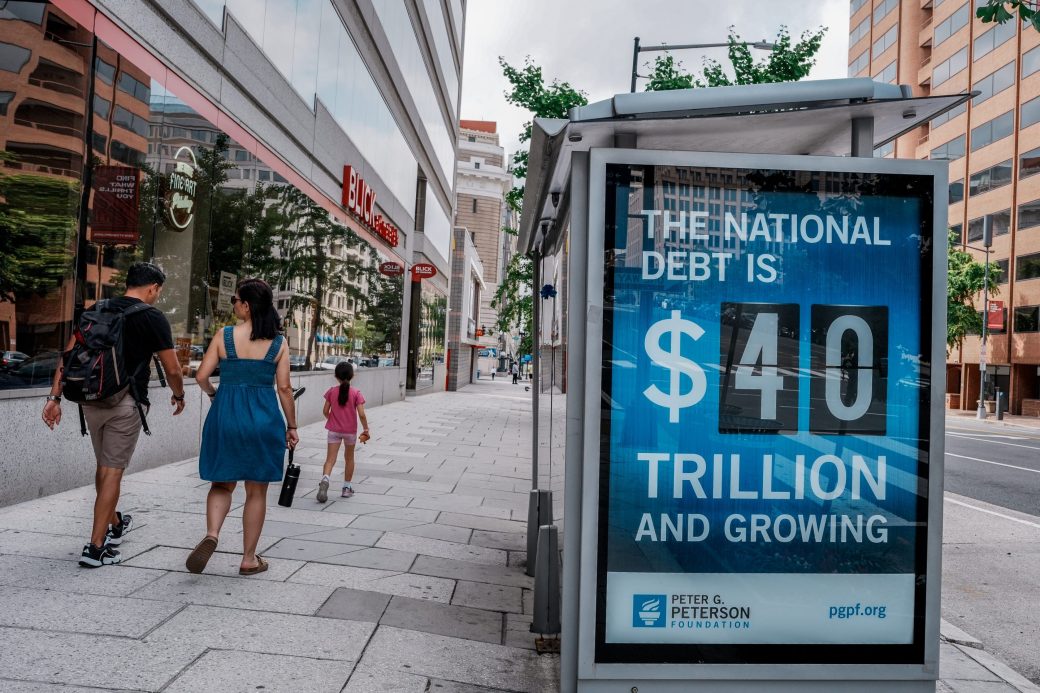
The 10-year Treasury yield has reached 5%, prompting fiscal hawks to warn that the United States could face a debt crisis once viewed as unlikely. Higher yields raise the government's interest burden and intensify concerns about the sustainability of federal borrowing.
6:48 AMFortune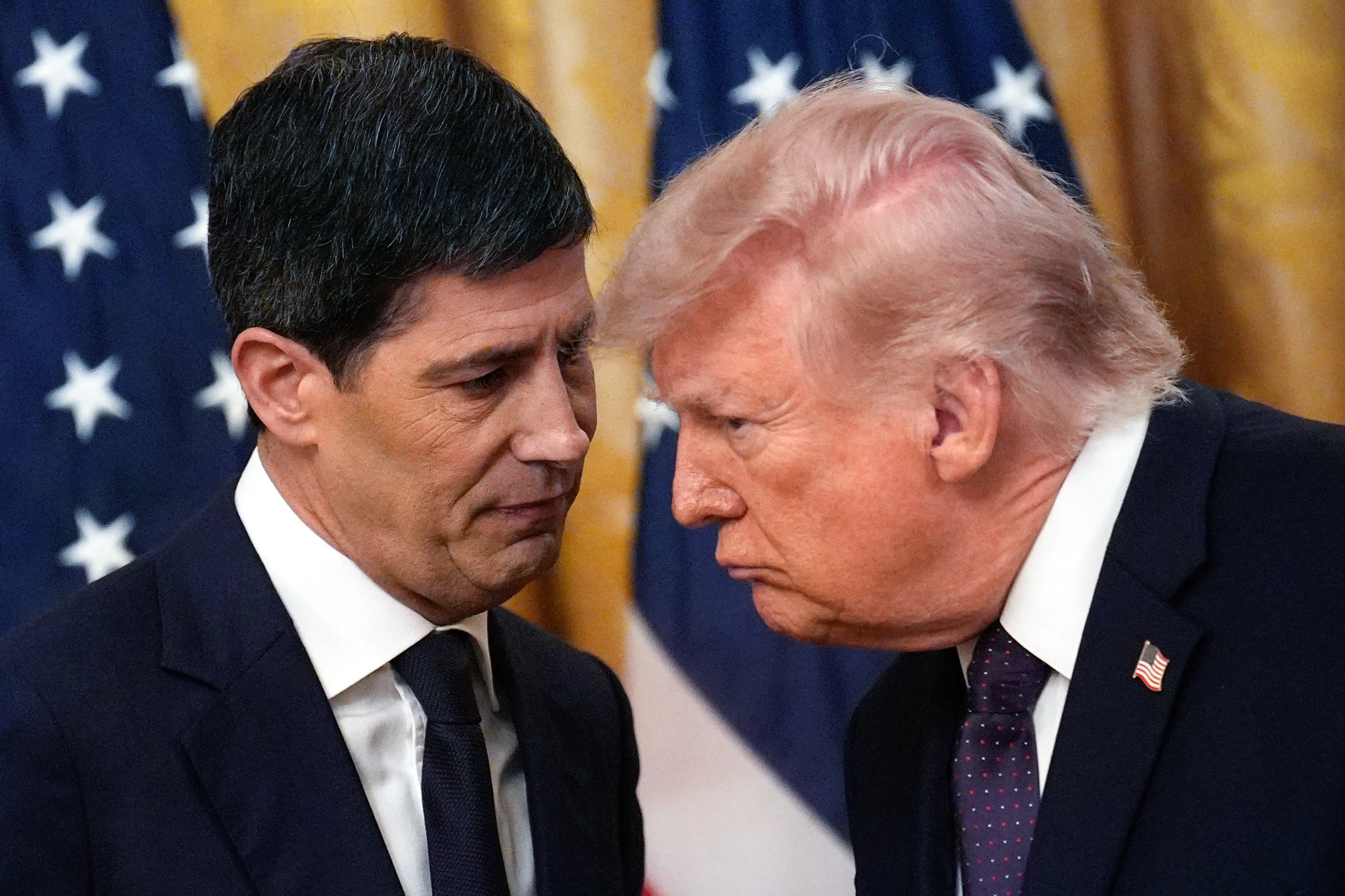
The Federal Reserve is expected to raise interest rates for the first time since 2023 as persistent inflation and stronger-than-expected data keep price pressures elevated. Officials may signal additional hikes, while internal dissent could shape the decision and test Chairman Kevin Warsh's relationship with President Donald Trump.
11:41 PMEconomic Times
Bond traders have built bearish positions ahead of the Federal Reserve meeting as markets prepare for a possible rate hike. Those expectations are adding pressure to equities and raising volatility across asset markets.
8:58 PMBloomberg MarketsCensus Bureau data show that Americans’ incomes increased and poverty declined in 2025. The improvement comes as the Federal Reserve considers rate increases that could slow economic growth.
5:31 PMCNBC
Markets largely expect the Federal Reserve to raise its benchmark interest rate on Wednesday. The main concern is whether the move marks the beginning of a broader tightening cycle rather than a one-time adjustment.
3:50 PMMarketWatchStocks fell for a second straight session as the 10-year Treasury yield reached its highest level since 2007. Investors were focused on the next market-moving developments, including commentary from DoubleLine's Jeffrey Gundlach.
7:10 PMCNBC
The Dow Jones Industrial Average recorded its weakest performance during the first 10 days of September since 2008. The decline adds to concerns that seasonal weakness is combining with broader pressure on stocks.
4:20 PMMarketWatch
The dollar held recent gains as traders priced in a likely 25-basis-point Federal Reserve rate hike. The yen strengthened sharply amid intervention concerns and repatriation flows, while the won and yuan moved unevenly.
10:42 PMEconomic Times
The rupee is expected to remain within a narrow medium-term range as stepped-up Reserve Bank of India intervention suppresses volatility. Stronger FCNR(B) inflows and large foreign exchange reserves have strengthened the central bank's ability to manage imbalances.
10:00 PMEconomic Times
The average locked 30-year mortgage rate rose to 7.28% as the 10-year Treasury yield approached 5%. Mortgage rates increased by about 22 basis points over two weeks ahead of the expected Federal Reserve rate hike.
2:32 PMHousing Wire
Historically, new Federal Reserve rate-hike cycles have not led to lower mortgage rates, although current market conditions differ from past episodes. The relationship depends more on long-term Treasury yields and investor expectations than on the Fed’s short-term policy rate alone.
2:19 PMHousing Wire
Oil prices fell after U.S. crude inventories unexpectedly increased, outweighing concerns over Saudi Arabia's suspension of Yanbu loadings after an East-West pipeline attack. Protests disrupted some Libyan oil operations, but national production remained broadly stable.
10:37 PMEconomic Times
China's domestic indicators are weakening, led by a sharp slump in investment. The deterioration is increasing pressure on policymakers to expand stimulus spending.
12:18 AMFinancial Times
Gold prices remained subdued as traders positioned for an expected Federal Reserve rate hike. Middle East tensions and volatile oil prices added uncertainty, but markets focused primarily on the Fed's policy language.
10:45 PMEconomic TimesSummary
The 10-year U.S. Treasury yield reached 5.02 percent, its highest level since the 2007 global financial crisis, as oil prices climbed.
The move combines renewed energy inflation with a sharp repricing of the world's benchmark borrowing
Unlock the full First Pass Analysis to get a better understanding of why this story mattersWhy it matters
A 5 percent 10-year yield can become a global valuation anchor and intensify stress in leveraged markets.
Summary
Global stocks are selling off as investors confront a bond market described as entering a new era of risk.
The decisive shift is the loss of bonds as a reliable stabilizer for equity portfolios.
Unlock the full First Pass Analysis to get a better understanding of why this story mattersWhy it matters
A prolonged bond repricing would challenge portfolio diversification and raise borrowing costs worldwide.
Summary
Government bonds around the world sold off as rising US Treasury yields set the tone for global markets. Japan's 10-year yield moved above 3%, extending the repricing of sovereign debt.
The sell-off is spreading through global borrowing markets rather than remaining a US-specific move. Higher
Unlock the full First Pass Analysis to get a better understanding of why this story mattersWhy it matters
A synchronized bond sell-off can raise borrowing costs for households, companies and governments across major economies.
Summary
The 10-year Treasury yield has reached 5%, prompting fiscal hawks to warn that the United States could face a debt crisis once viewed as unlikely. Higher yields raise the government's interest burden and intensify concerns about the sustainability of federal borrowing.
The decisive shift is that debt costs are rising fast enough to turn fiscal deterioration
Unlock the full First Pass Analysis to get a better understanding of why this story mattersWhy it matters
A sustained 5% yield would make US debt more expensive to service and could tighten financial conditions worldwide.
Summary
The Federal Reserve is expected to raise interest rates for the first time since 2023 as persistent inflation and stronger-than-expected data keep price pressures elevated. Officials may signal additional hikes, while internal dissent could shape the decision and test Chairman Kevin Warsh's relationship with President Donald Trump.
A renewed tightening cycle would raise borrowing costs across the economy and challenge markets that
Unlock the full First Pass Analysis to get a better understanding of why this story mattersWhy it matters
Higher rates would pressure growth, asset valuations, and government borrowing while intensifying the political conflict over monetary policy.
Summary
Bond traders have built bearish positions ahead of the Federal Reserve meeting as markets prepare for a possible rate hike. Those expectations are adding pressure to equities and raising volatility across asset markets.
The prospect of tighter policy is shifting risk away from stocks and toward higher yields,
Unlock the full First Pass Analysis to get a better understanding of why this story mattersWhy it matters
Markets are pricing a broader tightening shock, not just a single Fed decision.
Summary
Census Bureau data show that Americans’ incomes increased and poverty declined in 2025. The improvement comes as the Federal Reserve considers rate increases that could slow economic growth.
The stronger household data gives policymakers evidence that demand can withstand tighter financial conditions, but
Unlock the full First Pass Analysis to get a better understanding of why this story mattersWhy it matters
Better income and poverty figures strengthen the case for tighter policy while increasing the risk of overcorrecting.
Summary
Markets largely expect the Federal Reserve to raise its benchmark interest rate on Wednesday. The main concern is whether the move marks the beginning of a broader tightening cycle rather than a one-time adjustment.
The decisive risk is the path after Wednesday, not the initial hike. Additional increases would
Unlock the full First Pass Analysis to get a better understanding of why this story mattersWhy it matters
Markets are repricing the full tightening cycle, making future Fed guidance as important as the rate decision itself.
Summary
Stocks fell for a second straight session as the 10-year Treasury yield reached its highest level since 2007. Investors were focused on the next market-moving developments, including commentary from DoubleLine's Jeffrey Gundlach.
The 10-year yield is now the dominant pressure point for equities because it raises borrowing
Unlock the full First Pass Analysis to get a better understanding of why this story mattersWhy it matters
A sustained break higher in long-term yields could overwhelm company-specific catalysts and extend the equity selloff.
Summary
The Dow Jones Industrial Average recorded its weakest performance during the first 10 days of September since 2008. The decline adds to concerns that seasonal weakness is combining with broader pressure on stocks.
The market has moved from isolated volatility to a historically poor start to a typically
Unlock the full First Pass Analysis to get a better understanding of why this story mattersWhy it matters
A sharp early-month decline can reinforce selling and make already fragile investor confidence harder to repair.
Summary
The dollar held recent gains as traders priced in a likely 25-basis-point Federal Reserve rate hike. The yen strengthened sharply amid intervention concerns and repatriation flows, while the won and yuan moved unevenly.
US rate expectations are keeping the dollar supported against major currencies and tightening financial conditions
Unlock the full First Pass Analysis to get a better understanding of why this story mattersWhy it matters
A prolonged US tightening cycle could pressure Asian currencies and increase the cost of servicing dollar-denominated debt.
Summary
The rupee is expected to remain within a narrow medium-term range as stepped-up Reserve Bank of India intervention suppresses volatility. Stronger FCNR(B) inflows and large foreign exchange reserves have strengthened the central bank's ability to manage imbalances.
RBI intervention, rather than market fundamentals alone, is now anchoring the rupee's trading range. That
Unlock the full First Pass Analysis to get a better understanding of why this story mattersWhy it matters
A managed rupee limits imported inflation and market volatility, while increasing the importance of RBI policy and reserve use.
Summary
The average locked 30-year mortgage rate rose to 7.28% as the 10-year Treasury yield approached 5%. Mortgage rates increased by about 22 basis points over two weeks ahead of the expected Federal Reserve rate hike.
Mortgage costs are rising before the Fed acts, showing that bond-market repricing is already transmitting
Unlock the full First Pass Analysis to get a better understanding of why this story mattersWhy it matters
Higher mortgage rates raise monthly payments and can further lock buyers and existing homeowners out of the market.
Summary
Historically, new Federal Reserve rate-hike cycles have not led to lower mortgage rates, although current market conditions differ from past episodes. The relationship depends more on long-term Treasury yields and investor expectations than on the Fed’s short-term policy rate alone.
The key issue is whether markets believe higher rates will control inflation without triggering a
Unlock the full First Pass Analysis to get a better understanding of why this story mattersWhy it matters
A Fed pivot or pause will not automatically make mortgages cheaper if long-term yields remain high.
Summary
Oil prices fell after U.S. crude inventories unexpectedly increased, outweighing concerns over Saudi Arabia's suspension of Yanbu loadings after an East-West pipeline attack. Protests disrupted some Libyan oil operations, but national production remained broadly stable.
The price decline shows that near-term U.S. supply data currently carries more weight than the
Unlock the full First Pass Analysis to get a better understanding of why this story mattersWhy it matters
The market is treating the Saudi disruption as manageable for now, leaving the duration of the outage as the key price variable.
Summary
China's domestic indicators are weakening, led by a sharp slump in investment. The deterioration is increasing pressure on policymakers to expand stimulus spending.
The investment decline points to a broader loss of confidence that lower borrowing costs alone
Unlock the full First Pass Analysis to get a better understanding of why this story mattersWhy it matters
A weak investment cycle could drag on Chinese demand and weigh on the wider Asian and commodity economies tied to it.
Summary
Gold prices remained subdued as traders positioned for an expected Federal Reserve rate hike. Middle East tensions and volatile oil prices added uncertainty, but markets focused primarily on the Fed's policy language.
The expected hike raises the opportunity cost of holding non-yielding gold and keeps pressure on
Unlock the full First Pass Analysis to get a better understanding of why this story mattersWhy it matters
Gold faces competing forces, with tighter US policy weighing on demand while geopolitical risk provides support.
2 stories · 2 sources
A curated list of other prominent stories from this day.
Contemporary Amperex Technology shares suffered their sharpest two-day decline in more than a year as investors assessed a weaker third-quarter outlook and speculation of production cuts. The battery maker's shares fell 10% over the two sessions.
11:37 PMBloomberg MarketsCopper prices steadied as traders assessed rising inventories and narrower market spreads before the Federal Reserve’s rate decision. The easing supply concerns offset some support from expectations of resilient demand.
10:29 PMBloomberg MarketsIndonesia’s new finance minister took office after the dismissal of the previous minister, bringing extensive experience from the finance ministry and its fiscal policy agency. The appointment comes as the government faces the task of reinforcing confidence in its fiscal management.
9:53 PMCNBCThe New Zealand Superannuation Fund returned 14.2% in the year through June, helped by gains in global equities. It outperformed despite holding less than some peers in technology stocks, which led the market during the period.
8:24 PMBloomberg MarketsBRICS leaders have promoted the use of local currencies in trade to reduce reliance on the dollar. Actual progress remains limited, reflecting the dollar’s deep liquidity, broad acceptance and entrenched role in global finance.
7:28 PMCNBC
Prime Minister Mark Carney is hosting a major global investment summit to attract capital to Canada during a trade conflict with the United States. He is presenting the country as a stable destination for global finance.
6:46 PMBBC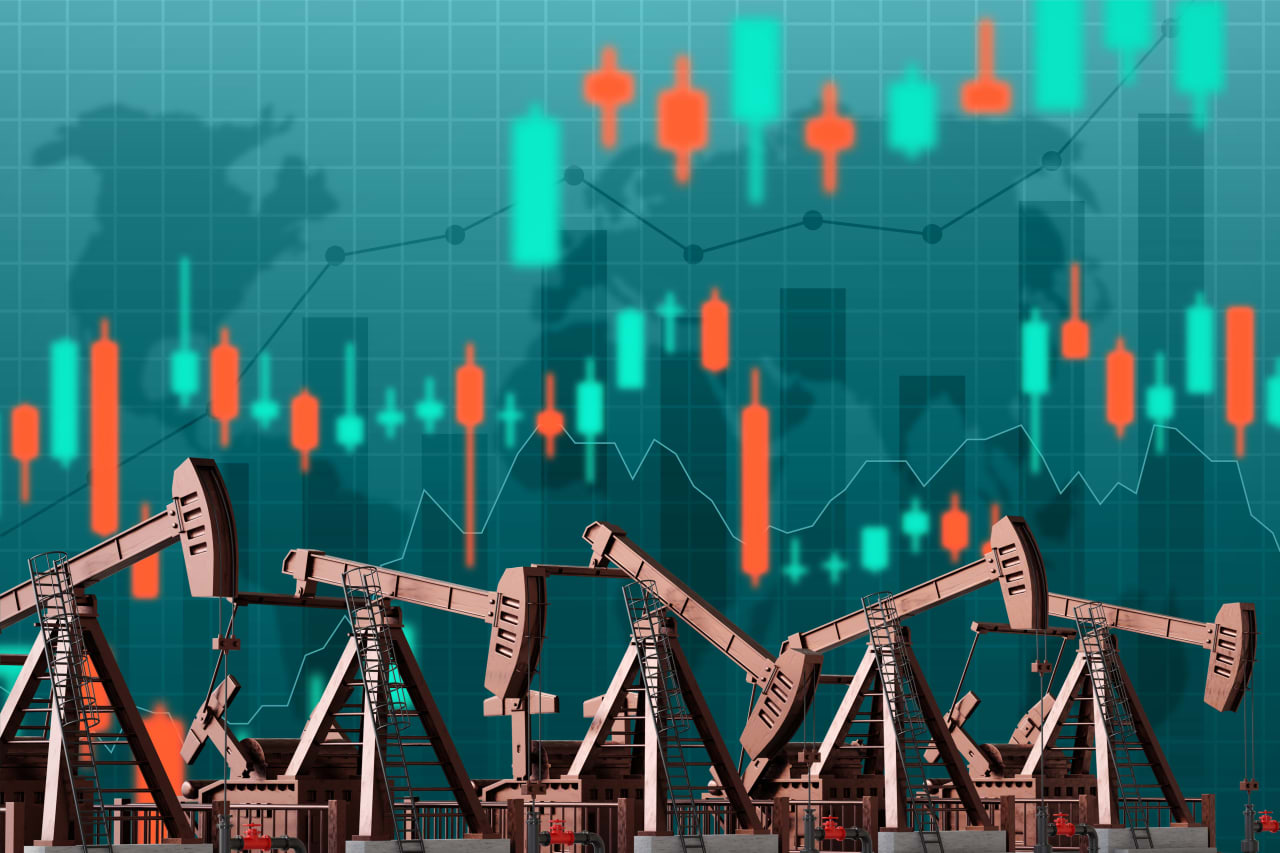
Rising oil prices are exerting greater influence over global financial markets and increasing investor anxiety. The market’s sensitivity reflects oil’s broad impact on inflation, growth and corporate costs.
5:00 PMMarketWatch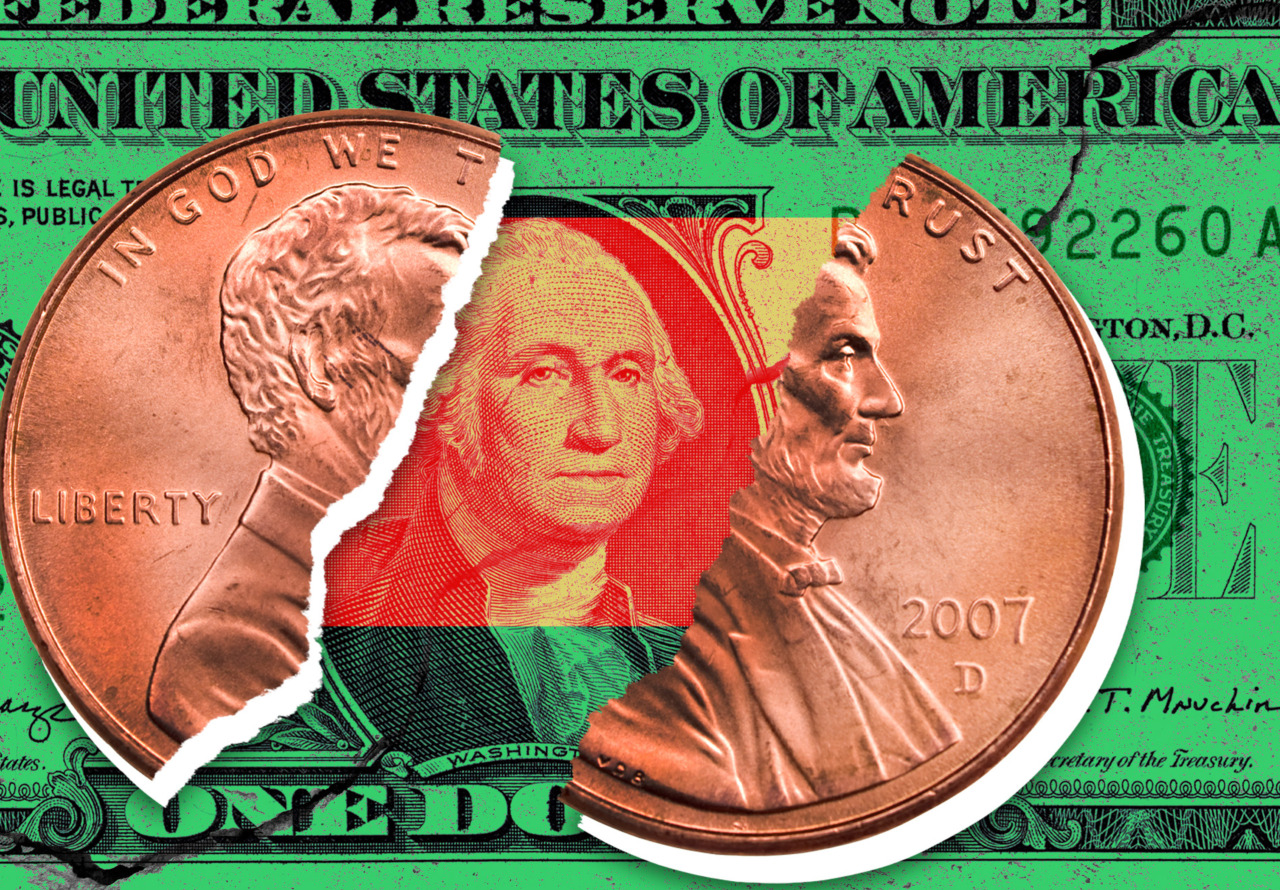
The article argues that eliminating the penny addresses a symptom rather than the broader problem of inflation. It questions whether the declining purchasing power of the dollar will prompt similar debates over other denominations.
6:29 AMMarketWatch
A Federal Reserve rate hike could lift yields on savings accounts, certificates of deposit and other cash holdings, benefiting retirees and savers who rely on interest income. Higher rates would also increase borrowing costs, especially for people carrying credit-card balances.
5:00 PMMarketWatchIndexing capital gains for inflation could reduce taxes on nominal gains, but applying the change would create substantial complexity. Individual investors could face difficult calculations, inconsistent treatment across assets, and higher compliance burdens.
3:48 PMCNBC
Foreign investors directed more capital into US equities than into Treasuries, a pattern seen only rarely this century outside the pandemic period and its aftermath and the global financial crisis. The shift marks a preference for American corporate assets over government debt.
12:00 AMFinancial TimesSummary
Contemporary Amperex Technology shares suffered their sharpest two-day decline in more than a year as investors assessed a weaker third-quarter outlook and speculation of production cuts. The battery maker's shares fell 10% over the two sessions.
Investors are shifting focus from CATL's dominant market position to the risk of slowing electric-vehicle
Unlock the full First Pass Analysis to get a better understanding of why this story mattersWhy it matters
CATL's selloff points to mounting pressure across the electric-vehicle supply chain, not just a company-specific setback.
Summary
Copper prices steadied as traders assessed rising inventories and narrower market spreads before the Federal Reserve’s rate decision. The easing supply concerns offset some support from expectations of resilient demand.
Higher inventories reduce the immediate risk of a physical copper shortage and weaken the case
Unlock the full First Pass Analysis to get a better understanding of why this story mattersWhy it matters
Copper is facing less supply pressure just as monetary policy could weaken demand across the global economy.
Summary
Indonesia’s new finance minister took office after the dismissal of the previous minister, bringing extensive experience from the finance ministry and its fiscal policy agency. The appointment comes as the government faces the task of reinforcing confidence in its fiscal management.
The minister’s institutional background may help restore policy continuity, but credibility will depend on controlling
Unlock the full First Pass Analysis to get a better understanding of why this story mattersWhy it matters
Indonesia’s borrowing costs and currency stability will depend on whether the new minister can turn experience into credible fiscal discipline.
Summary
The New Zealand Superannuation Fund returned 14.2% in the year through June, helped by gains in global equities. It outperformed despite holding less than some peers in technology stocks, which led the market during the period.
The result shows that broad equity exposure can generate strong returns without concentrated bets on
Unlock the full First Pass Analysis to get a better understanding of why this story mattersWhy it matters
The performance validates diversification as technology leadership narrows the margin between broad exposure and concentrated portfolios.
Summary
BRICS leaders have promoted the use of local currencies in trade to reduce reliance on the dollar. Actual progress remains limited, reflecting the dollar’s deep liquidity, broad acceptance and entrenched role in global finance.
Political support for de-dollarization has not yet produced a comparable financial infrastructure or a currency
Unlock the full First Pass Analysis to get a better understanding of why this story mattersWhy it matters
The dollar’s dominance faces political resistance, but practical alternatives remain underdeveloped.
Summary
Prime Minister Mark Carney is hosting a major global investment summit to attract capital to Canada during a trade conflict with the United States. He is presenting the country as a stable destination for global finance.
Canada is using geopolitical and trade uncertainty to compete for investment that might otherwise remain
Unlock the full First Pass Analysis to get a better understanding of why this story mattersWhy it matters
Canada is trying to turn political uncertainty into an investment advantage while reducing its vulnerability to US trade pressure.
2 stories · 2 sources
Summary
Rising oil prices are exerting greater influence over global financial markets and increasing investor anxiety. The market’s sensitivity reflects oil’s broad impact on inflation, growth and corporate costs.
Oil has become a larger macroeconomic risk because price swings now transmit quickly into inflation
Unlock the full First Pass Analysis to get a better understanding of why this story mattersWhy it matters
Oil volatility can reshape expectations across nearly every major asset market.
Summary
The article argues that eliminating the penny addresses a symptom rather than the broader problem of inflation. It questions whether the declining purchasing power of the dollar will prompt similar debates over other denominations.
Removing low-value coins can reduce administrative costs, but it does not restore purchasing power or
Unlock the full First Pass Analysis to get a better understanding of why this story mattersWhy it matters
The debate over coinage offers a visible reminder that inflation changes everyday money before policymakers acknowledge its full effects.
Summary
A Federal Reserve rate hike could lift yields on savings accounts, certificates of deposit and other cash holdings, benefiting retirees and savers who rely on interest income. Higher rates would also increase borrowing costs, especially for people carrying credit-card balances.
The shift favors cash-rich households while penalizing borrowers. Retirees may earn more on low-risk savings,
Unlock the full First Pass Analysis to get a better understanding of why this story mattersWhy it matters
The same rate hike that improves returns on cash can squeeze households with expensive revolving debt.
Summary
Indexing capital gains for inflation could reduce taxes on nominal gains, but applying the change would create substantial complexity. Individual investors could face difficult calculations, inconsistent treatment across assets, and higher compliance burdens.
The core problem is that inflation-adjusted taxation would require a reliable history of purchase prices,
Unlock the full First Pass Analysis to get a better understanding of why this story mattersWhy it matters
Inflation indexing could lower tax bills in theory while making capital-gains reporting harder and less equal in practice.
Summary
Foreign investors directed more capital into US equities than into Treasuries, a pattern seen only rarely this century outside the pandemic period and its aftermath and the global financial crisis. The shift marks a preference for American corporate assets over government debt.
The flow suggests investors still view US companies, particularly large technology firms, as the stronger
Unlock the full First Pass Analysis to get a better understanding of why this story mattersWhy it matters
Foreign capital is favoring growth assets over the safest US debt, challenging the usual foundation of Treasury demand.
Make it yours
Pick your topics, set your cadence, and receive your personalized First Pass in your inbox. It’s that simple!
