
Debt has moved to the center of Wall Street's attention after years of warnings, with global markets increasingly signaling that borrowing levels may have become unsustainable.
3:25 PMFortune21 stories from 7 sources
Supporting Articles
Debt has moved to the center of Wall Street's attention after years of warnings, with global markets increasingly signaling that borrowing levels may have become unsustainable.
3:25 PMFortune
U.K. bond yields have reached 5.81% and German yields 3.76%, compared with 5.27% for a comparable U.S. bond, giving global investors more alternatives to Treasury debt.
9:58 AMFortune
Treasury Secretary Scott Bessent's bond-market measures may offer short-term relief, but they cannot override persistent inflation, rising federal debt and the forces that determine long-term yields.
9:11 AMBloomberg Markets
Scott Bessent's efforts to influence bond-market conditions have left investors questioning the government's intentions and the sustainability of its approach. Market participants remain wary that official intervention could distort pricing rather than resolve underlying concerns.
12:00 AMFinancial Times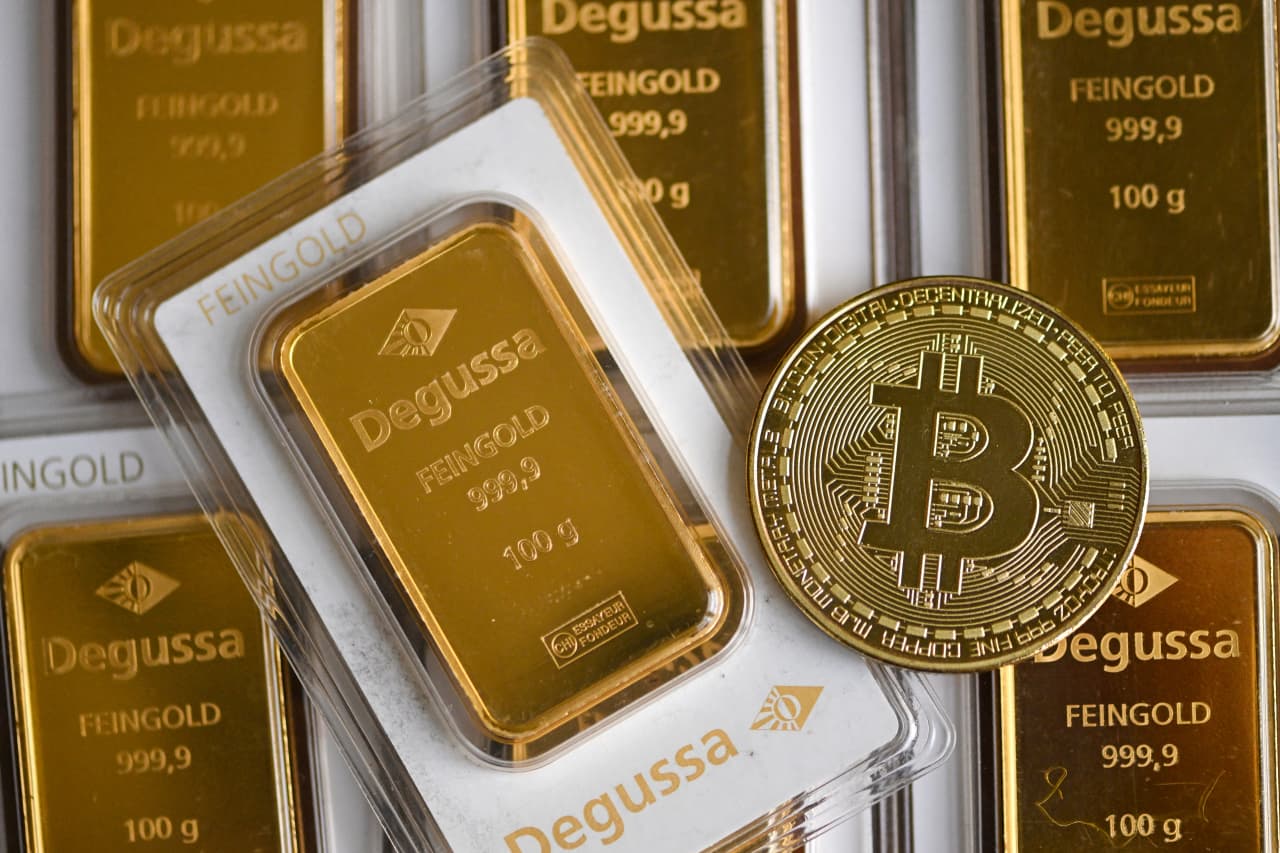
Gold and cryptocurrencies rose while the U.S. dollar weakened after the Treasury Department announced plans to double its bond buybacks.
9:00 AMMarketWatch
Bitcoin rose nearly 23% in a week to about $78,000, while Ethereum and other major cryptocurrencies also gained. ETF inflows, expectations for a softer US dollar, Treasury buybacks, and reduced Federal Reserve tightening supported the rally, though analysts warned of profit-taking and selling by long-term holders.
4:22 AMEconomic Times
Gold gained 5% this week to nearly $4,603, marking its third consecutive weekly advance and its highest level in three months. A weaker US dollar, Treasury buybacks, stable-rate expectations, central-bank demand, and currency concerns supported prices, though the World Gold Council expects near-term trading to remain rangebound.
2:44 AMEconomic Times
Gold has regained momentum as a weaker dollar, expectations of monetary easing and geopolitical tensions support demand. Central-bank buying, Chinese purchases and upcoming Indian festive and wedding demand add to the bullish case, despite the risk of short-term corrections.
12:18 AMEconomic Times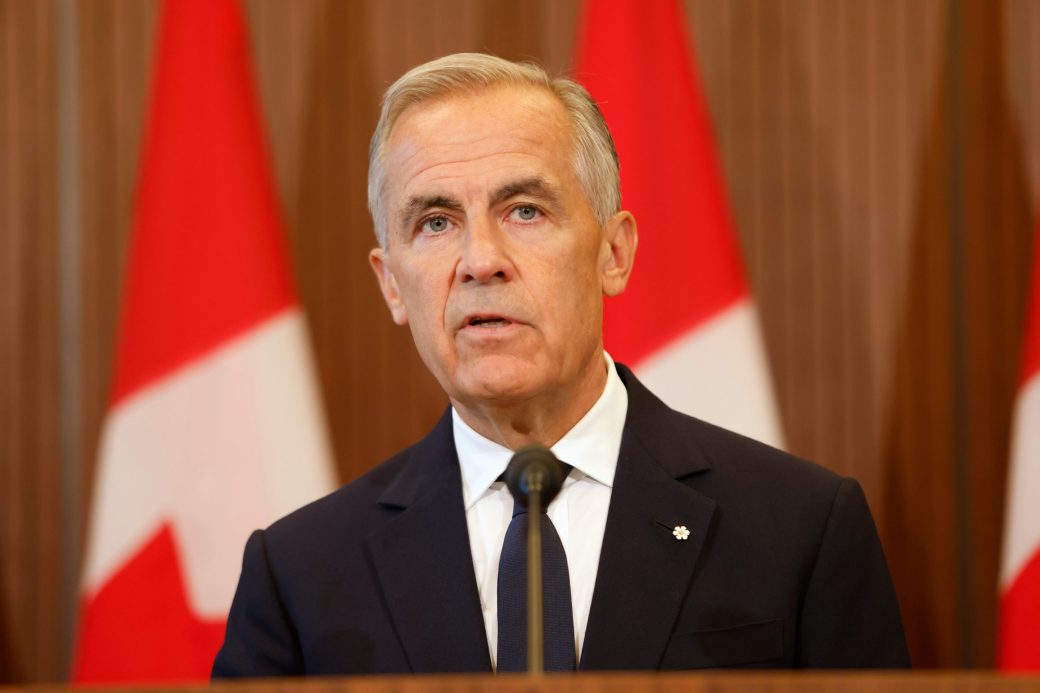
Canada’s Mark Carney accused the United States of weaponizing economic integration as Washington prepared 50% tariffs on $20 billion of Canadian goods. Canada set September 8 as the start date for retaliatory measures.
5:27 PMFortune
The US imposed 50% tariffs on key Canadian sectors after trade talks broke down. The measures will raise costs and pressure Canada’s exporters, but are not expected to cripple the broader economy.
4:01 AMAl JazeeraCompanies financing data centers are increasingly raising billions from investors focused on junk bonds, including for debt that carries investment-grade ratings.
3:00 PMBloomberg Markets
Germany's mandatory pension schemes for doctors, lawyers and dentists, which collectively manage about €300 billion, face mounting questions over their exposure to private markets and how those investments were managed.
12:00 AMFinancial Times
India's potential inclusion in the Bloomberg Global Aggregate Bond Index remains delayed because investors still need easier operational access to its debt market. Inclusion could attract $15 billion to $25 billion in foreign inflows and broaden the country's bond investor base.
12:12 AMEconomic TimesSummary
Debt has moved to the center of Wall Street's attention after years of warnings, with global markets increasingly signaling that borrowing levels may have become unsustainable.
The decisive shift is from concern about debt in theory to market pressure on borrowers,
Unlock the full First Pass Analysis to get a better understanding of why this story mattersWhy it matters
A repricing of debt could become a broad market shock rather than a problem confined to heavily leveraged borrowers.
Summary
U.K. bond yields have reached 5.81% and German yields 3.76%, compared with 5.27% for a comparable U.S. bond, giving global investors more alternatives to Treasury debt.
The U.S. no longer offers an uncontested yield advantage, which can reduce foreign demand for
Unlock the full First Pass Analysis to get a better understanding of why this story mattersWhy it matters
Higher overseas yields make Treasury financing more sensitive to global capital flows and the credibility of U.S. fiscal policy.
Summary
Treasury Secretary Scott Bessent's bond-market measures may offer short-term relief, but they cannot override persistent inflation, rising federal debt and the forces that determine long-term yields.
The key constraint is that Treasury can influence market conditions but cannot control the fundamentals
Unlock the full First Pass Analysis to get a better understanding of why this story mattersWhy it matters
Investors should treat Treasury support as a volatility tool, not a durable substitute for fiscal and monetary discipline.
Summary
Scott Bessent's efforts to influence bond-market conditions have left investors questioning the government's intentions and the sustainability of its approach. Market participants remain wary that official intervention could distort pricing rather than resolve underlying concerns.
Investor skepticism is the decisive constraint: governments can influence bonds briefly, but they cannot command
Unlock the full First Pass Analysis to get a better understanding of why this story mattersWhy it matters
Attempts to manage bond markets through intervention risk weakening the confidence needed to finance large deficits.
Summary
Gold and cryptocurrencies rose while the U.S. dollar weakened after the Treasury Department announced plans to double its bond buybacks.
Markets interpreted the buyback expansion as a more supportive liquidity signal, reducing the appeal of
Unlock the full First Pass Analysis to get a better understanding of why this story mattersWhy it matters
The reaction shows how Treasury market operations can quickly affect cross-asset positioning beyond government bonds.
Summary
Bitcoin rose nearly 23% in a week to about $78,000, while Ethereum and other major cryptocurrencies also gained. ETF inflows, expectations for a softer US dollar, Treasury buybacks, and reduced Federal Reserve tightening supported the rally, though analysts warned of profit-taking and selling by long-term holders.
The rally reflects improving liquidity expectations and stronger institutional demand, rather than a crypto-specific catalyst
Unlock the full First Pass Analysis to get a better understanding of why this story mattersWhy it matters
Bitcoin’s rebound shows how quickly crypto prices can respond to changing liquidity expectations and institutional flows.
Summary
Gold gained 5% this week to nearly $4,603, marking its third consecutive weekly advance and its highest level in three months. A weaker US dollar, Treasury buybacks, stable-rate expectations, central-bank demand, and currency concerns supported prices, though the World Gold Council expects near-term trading to remain rangebound.
Gold’s rise combines softer dollar expectations with persistent demand for reserve diversification and protection against
Unlock the full First Pass Analysis to get a better understanding of why this story mattersWhy it matters
Gold is benefiting from both macro liquidity expectations and structural central-bank demand, but near-term upside remains uncertain.
Summary
Gold has regained momentum as a weaker dollar, expectations of monetary easing and geopolitical tensions support demand. Central-bank buying, Chinese purchases and upcoming Indian festive and wedding demand add to the bullish case, despite the risk of short-term corrections.
Gold's rally now rests on both cyclical support from rates and the dollar and structural
Unlock the full First Pass Analysis to get a better understanding of why this story mattersWhy it matters
Gold is increasingly serving as both a monetary hedge and a strategic alternative to dollar-based reserves.
Summary
Canada’s Mark Carney accused the United States of weaponizing economic integration as Washington prepared 50% tariffs on $20 billion of Canadian goods. Canada set September 8 as the start date for retaliatory measures.
The tariff dispute has shifted from negotiation to open economic retaliation, with both governments treating
Unlock the full First Pass Analysis to get a better understanding of why this story mattersWhy it matters
A rupture between two deeply integrated economies could disrupt supply chains and normalize economic coercion among allies.
Summary
The US imposed 50% tariffs on key Canadian sectors after trade talks broke down. The measures will raise costs and pressure Canada’s exporters, but are not expected to cripple the broader economy.
The tariffs shift the dispute from negotiation to a direct hit on Canadian trade, with
Unlock the full First Pass Analysis to get a better understanding of why this story mattersWhy it matters
The dispute threatens Canada’s trade-dependent sectors even if it does not trigger a nationwide economic crisis.
Summary
Companies financing data centers are increasingly raising billions from investors focused on junk bonds, including for debt that carries investment-grade ratings.
The shift shows how demand for AI infrastructure debt has pulled high-yield investors into safer
Unlock the full First Pass Analysis to get a better understanding of why this story mattersWhy it matters
AI infrastructure is reshaping credit markets and could amplify losses if expected returns fail to materialize.
Summary
Germany's mandatory pension schemes for doctors, lawyers and dentists, which collectively manage about €300 billion, face mounting questions over their exposure to private markets and how those investments were managed.
The losses or valuation concerns affect professional pensioners whose retirement savings were placed in less
Unlock the full First Pass Analysis to get a better understanding of why this story mattersWhy it matters
Problems in these schemes could expose broader weaknesses in the governance and pricing of private assets.
Summary
India's potential inclusion in the Bloomberg Global Aggregate Bond Index remains delayed because investors still need easier operational access to its debt market. Inclusion could attract $15 billion to $25 billion in foreign inflows and broaden the country's bond investor base.
The main obstacle is market infrastructure, not investor demand or India's long-term credit appeal. A
Unlock the full First Pass Analysis to get a better understanding of why this story mattersWhy it matters
Index inclusion could materially expand foreign demand for Indian bonds while accelerating the market's connection to global capital.
A curated list of other prominent stories from this day.
New Zealand’s opposition Labour Party says it would restore the Reserve Bank’s dual mandate if it wins the Nov. 7 election. The framework would require the central bank to pursue both price stability and sustainable employment.
9:59 PMBloomberg MarketsSouth Korean retail investors are turning to complex structured products offering coupons as high as 40% after a historic stock-market selloff. Their demand shows that some risk-seeking traders remain focused on boosting returns despite the broader market turmoil.
8:00 PMBloomberg Markets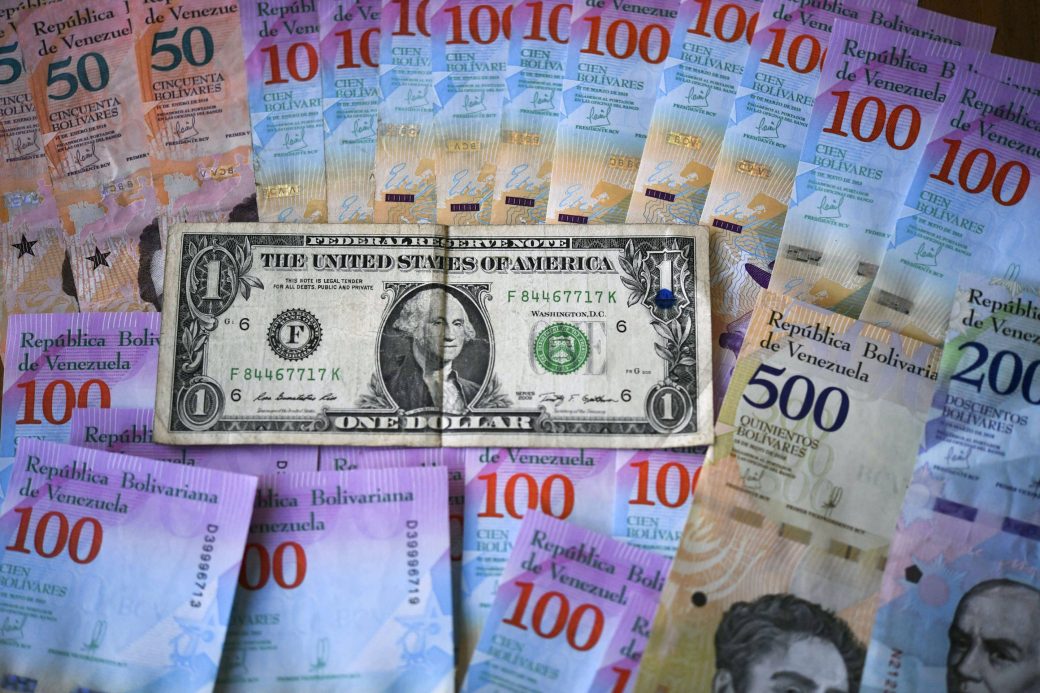
Economist Steve Hanke says Venezuela could restore economic stability by abandoning the bolivar and adopting the U.S. dollar, a shift he describes as the largest currency change since the euro's introduction. He argues that controlling inflation must come before broader economic recovery.
7:11 PMFortuneThe Jackson Hole Symposium will draw close attention as Fed Chairman Kevin Marsh prepares to deliver his first annual address at the gathering.
3:40 PMBloomberg MarketsLow-cost S&P 500 index funds remain a strong foundation for long-term wealth building, but investors are encouraged to add other assets to diversify portfolios and reduce volatility.
9:26 AMCNBC
Historical data show a strong pattern of stock-market gains after midterm elections, offering a favorable backdrop for equities this year.
8:00 AMMarketWatchInvestors identify different threats to markets, ranging from macroeconomic shocks to geopolitical and valuation risks. They broadly agree that portfolios should diversify beyond the assets and sectors that have led recent gains.
1:00 AMCNBC
The administration's economic agenda faces mounting pressure from higher energy prices linked to the Iran war and worsening US fiscal conditions. Rising debt, mortgage costs and diesel prices are increasing the strain on households and policymakers.
12:00 AMFinancial TimesSummary
New Zealand’s opposition Labour Party says it would restore the Reserve Bank’s dual mandate if it wins the Nov. 7 election. The framework would require the central bank to pursue both price stability and sustainable employment.
A Labour victory could broaden the RBNZ’s policy brief and make employment outcomes a more
Unlock the full First Pass Analysis to get a better understanding of why this story mattersWhy it matters
The election introduces a potential shift in how markets assess New Zealand’s monetary-policy independence and inflation risk.
Summary
South Korean retail investors are turning to complex structured products offering coupons as high as 40% after a historic stock-market selloff. Their demand shows that some risk-seeking traders remain focused on boosting returns despite the broader market turmoil.
The continued appetite for high coupons suggests the selloff has not eliminated speculative demand, but
Unlock the full First Pass Analysis to get a better understanding of why this story mattersWhy it matters
Retail demand for complex high-yield products can turn market volatility into concentrated losses even after the initial equity rout fades.
Summary
Economist Steve Hanke says Venezuela could restore economic stability by abandoning the bolivar and adopting the U.S. dollar, a shift he describes as the largest currency change since the euro's introduction. He argues that controlling inflation must come before broader economic recovery.
The decisive change would be the loss of Venezuela's monetary independence, with inflation policy effectively
Unlock the full First Pass Analysis to get a better understanding of why this story mattersWhy it matters
A move to the dollar would reshape Venezuela's economic policy while offering a potential break from chronic inflation.
Summary
The Jackson Hole Symposium will draw close attention as Fed Chairman Kevin Marsh prepares to deliver his first annual address at the gathering.
The speech could reset expectations for US monetary policy, particularly if Marsh signals a change
Unlock the full First Pass Analysis to get a better understanding of why this story mattersWhy it matters
A single policy signal at Jackson Hole could reprice global markets.
Summary
Low-cost S&P 500 index funds remain a strong foundation for long-term wealth building, but investors are encouraged to add other assets to diversify portfolios and reduce volatility.
The concentration of recent gains in the largest U.S. companies has increased the risk that
Unlock the full First Pass Analysis to get a better understanding of why this story mattersWhy it matters
Strong recent performance has made portfolio concentration easier to miss just as valuation and leadership risks become more important.
Summary
Historical data show a strong pattern of stock-market gains after midterm elections, offering a favorable backdrop for equities this year.
The postmidterm pattern reflects a tendency for political uncertainty to decline after the vote, but
Unlock the full First Pass Analysis to get a better understanding of why this story mattersWhy it matters
Seasonal optimism can support stocks, but it should not replace analysis of rates, profits and policy risk.
Summary
Investors identify different threats to markets, ranging from macroeconomic shocks to geopolitical and valuation risks. They broadly agree that portfolios should diversify beyond the assets and sectors that have led recent gains.
The shared message is that concentration has become a larger portfolio risk as market leadership
Unlock the full First Pass Analysis to get a better understanding of why this story mattersWhy it matters
Investors are shifting from chasing momentum to managing concentration and cross-asset risk.
Summary
The administration's economic agenda faces mounting pressure from higher energy prices linked to the Iran war and worsening US fiscal conditions. Rising debt, mortgage costs and diesel prices are increasing the strain on households and policymakers.
War-driven inflation and a deteriorating fiscal position are working against efforts to deliver stronger growth
Unlock the full First Pass Analysis to get a better understanding of why this story mattersWhy it matters
The combination of expensive energy, high financing costs and rising debt narrows the administration's room to maneuver.
Make it yours
Pick your topics, set your cadence, and receive your personalized First Pass in your inbox. It’s that simple!