US fiscal credibility becomes the market’s central fault line
Day’s Recap
“
”
Supporting Articles
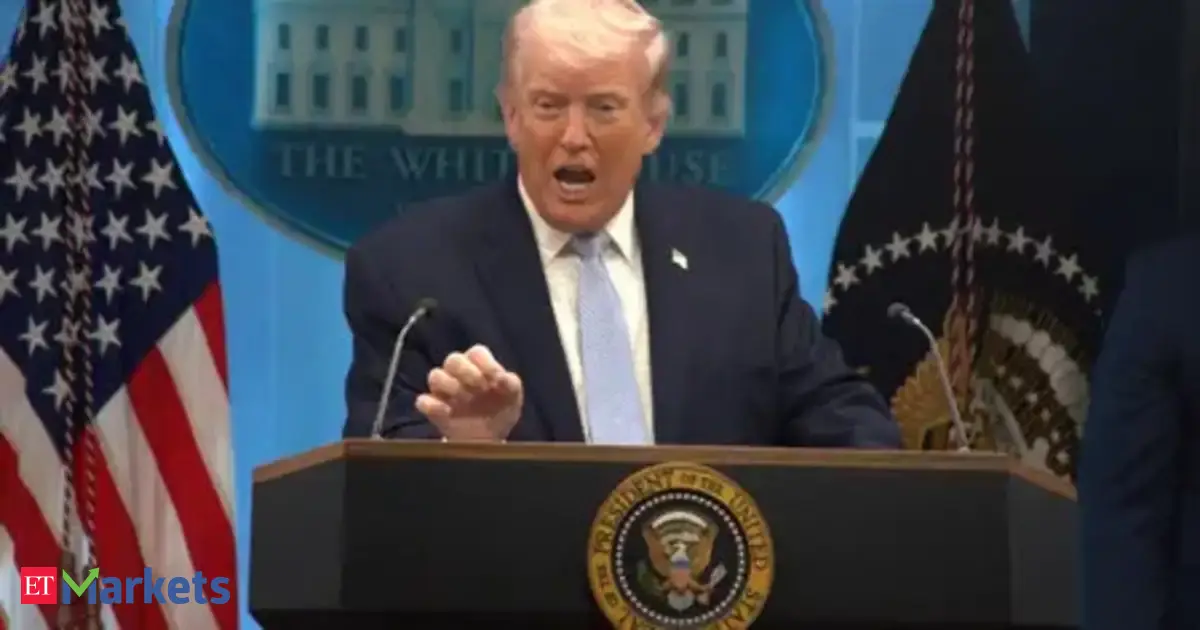
Donald Trump said he did not instruct Treasury Secretary Scott Bessent to intervene in the bond market and that Bessent acted independently. The government's decision to buy back twice as many bonds as initially expected briefly pushed yields lower before most of the decline reversed.
11:49 PMEconomic Times
The Treasury's plan to expand its debt buybacks sent long dated yields sharply lower before they rebounded the following day. The reversal underscored how quickly bond market moves can affect savings, investments, and borrowing costs.
4:27 PMBloomberg Markets
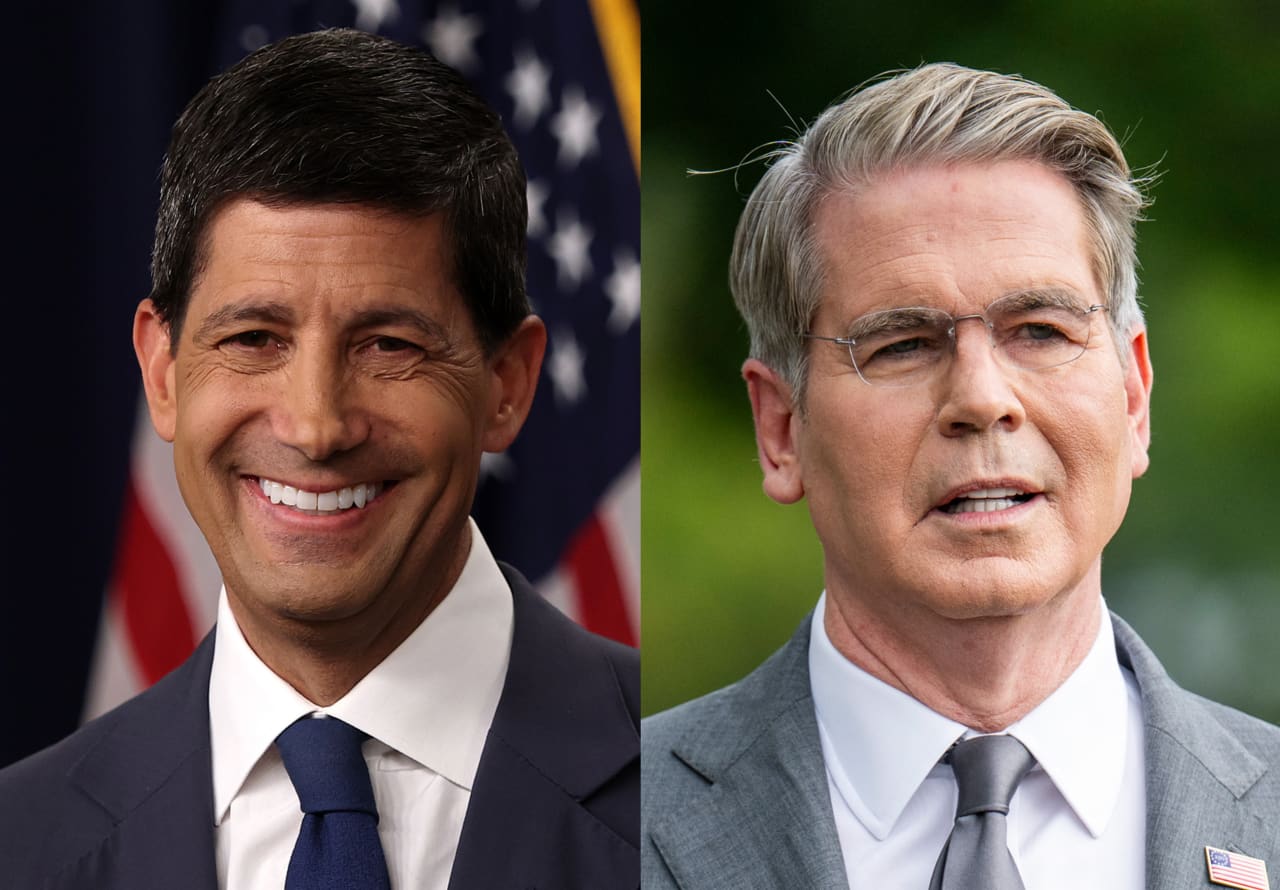
Treasury Secretary Scott Bessent intervened in Treasury markets to reduce the government’s borrowing costs. Experts said the move weakens Federal Reserve Chairman Kevin Warsh’s credibility and complicates the Fed’s control over interest-rate policy.
4:11 PMMarketWatch
The administration’s effort to reassure investors about the bond market relies on claims that may play well politically but do not withstand market scrutiny. Investors can test those claims against yields, prices and fiscal arithmetic.
9:50 AMMarketWatch
US national debt has surpassed $40 trillion for the first time and continues to rise rapidly. The growing liability will ultimately be borne by American taxpayers.
7:19 PMAl Jazeera
US public debt has passed $40 trillion, rising by roughly one-third in less than five years as lawmakers leave historically large fiscal deficits largely unaddressed. Rebecca Patterson says the trajectory is becoming increasingly difficult to sustain.
4:31 PMBloomberg Markets
The United States reached a major debt milestone, prompting renewed questions about the durability of the world's largest economy. The central concern is whether rising obligations will eventually constrain growth and economic policy.
4:38 AMBBC
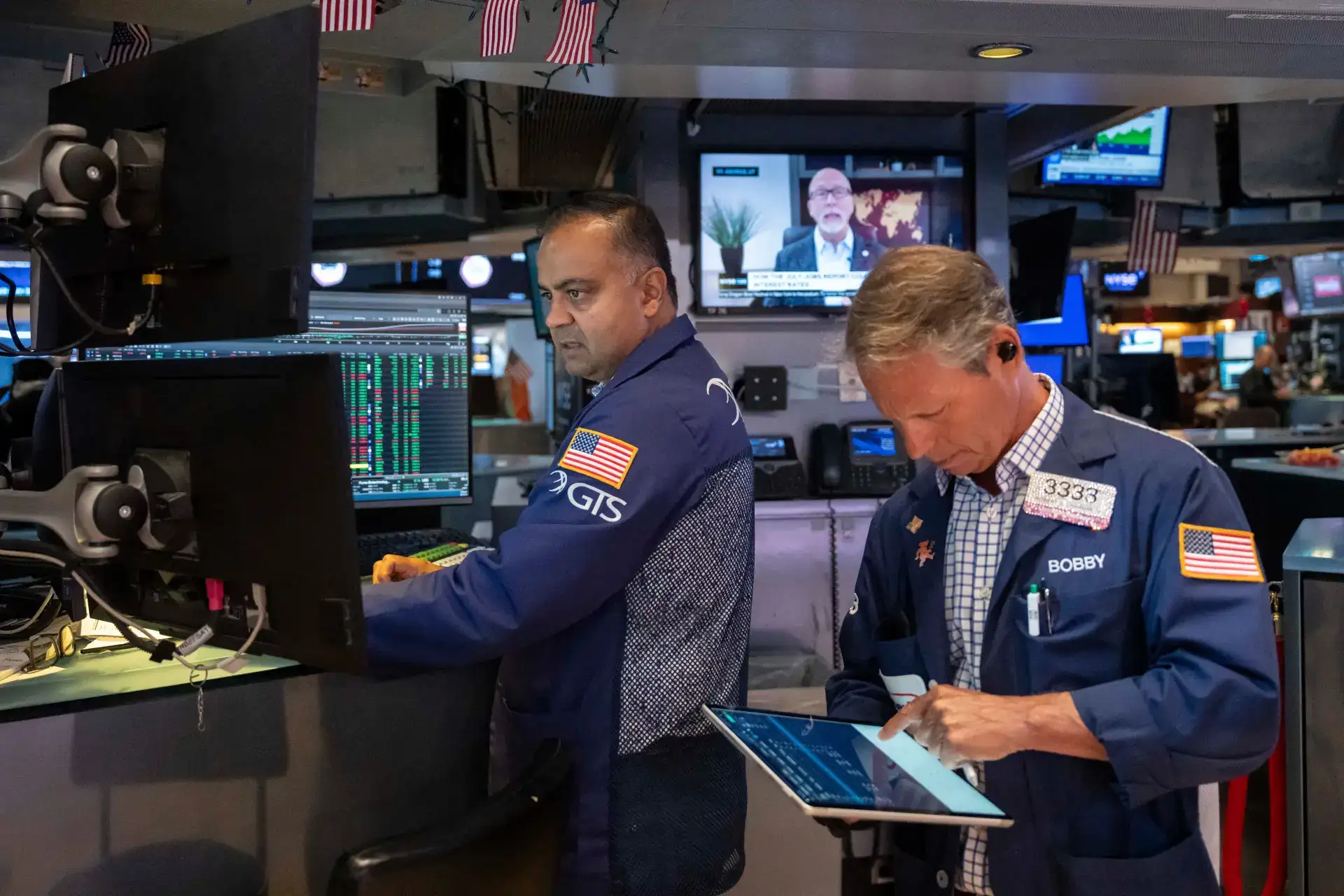
Nvidia's earnings and the Federal Reserve's Jackson Hole symposium could reset expectations for both AI investment and interest rates. Rising global bond yields are already pressuring stocks by increasing borrowing costs and lifting the return investors demand from equities.
11:47 PMEconomic Times
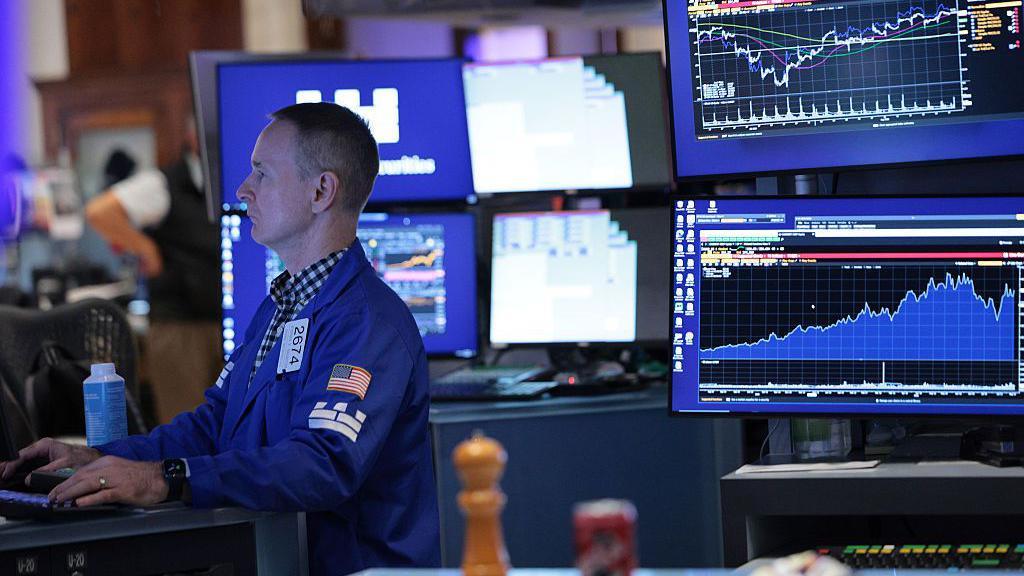
US stock futures were little changed after a sharp sell-off that pushed the Dow down 700 points, its worst session since July 29. The decline followed a renewed rise in Treasury yields.
6:53 PMCNBC
Bitcoin and gold have surged as Treasury Secretary Scott Bessent’s intervention in the bond market weighs on the dollar, with bitcoin on track for its strongest week in more than three years.
5:46 PMFinancial Times
Ray Dalio said the Treasury's debt buyback announcement fits a broader pattern that could precede a US debt crisis. He recommended gold and Bitcoin as potential protections against fiscal deterioration and currency weakness.
4:19 PMCNBC
Bitcoin is on course for a roughly 20% weekly gain as investor confidence returns to the cryptocurrency market. Several supportive factors have combined to reverse recent weakness and drive a broad improvement in sentiment.
4:04 PMCNBC
Bitcoin rose to about $78,200, while Hyperliquid posted a record run as active traders increasingly used its platform for leveraged crypto bets. The shift suggests speculative activity is expanding beyond the largest digital asset.
3:26 PMFortune
Citadel has transferred more than 80% of the aggregate risk tied to the stock portfolio it acquired from Situational Awareness, the AI-focused hedge fund led by Leopold Aschenbrenner. The transaction followed Citadel's deal last month to purchase the fund's holdings.
4:53 PMBloomberg Markets
European consumers lowered their median inflation expectations in July, with one-year expectations falling from 3.0% to 2.9% and three-year expectations from 2.8% to 2.7%, according to the European Central Bank. The decline came despite uncertainty linked to the war in the Middle East.
12:21 PMPYMNTS
A court accepted a liquidation petition against an Evergrande property-development unit after founder Hui Ka Yan was sentenced to life in prison. The collapse leaves creditors facing an estimated $300 billion in claims despite the founder's loss of wealth.
9:40 AMFortune
UK credit-card defaults have reached their highest level in 17 years, indicating that households are losing the financial buffers that helped them manage the cost-of-living squeeze. Rising missed payments point to mounting stress among borrowers.
4:36 AMFinextra
11:49 PMEconomic Times
Trump says he did not direct Bessent to intervene in bond market
Summary
Donald Trump said he did not instruct Treasury Secretary Scott Bessent to intervene in the bond market and that Bessent acted independently. The government's decision to buy back twice as many bonds as initially expected briefly pushed yields lower before most of the decline reversed.
The reversal in yields shows that bond buybacks can influence prices temporarily but cannot override
Unlock the full First Pass Analysis to get a better understanding of why this story matters
Why it matters
The episode tests whether Treasury operations can stabilize borrowing conditions without undermining confidence in market pricing.
Bond Market Swings Affect Your Savings, Investments
Summary
The Treasury's plan to expand its debt buybacks sent long dated yields sharply lower before they rebounded the following day. The reversal underscored how quickly bond market moves can affect savings, investments, and borrowing costs.
The buyback plan changed expectations about near term Treasury supply, but it did not resolve
Unlock the full First Pass Analysis to get a better understanding of why this story matters
Why it matters
A short lived policy shock showed that Treasury market volatility can move directly into household finances and broader asset prices.
Here’s how Bessent’s newly activist Treasury Department is undercutting the Fed’s Warsh
Summary
Treasury Secretary Scott Bessent intervened in Treasury markets to reduce the government’s borrowing costs. Experts said the move weakens Federal Reserve Chairman Kevin Warsh’s credibility and complicates the Fed’s control over interest-rate policy.
Treasury has moved from managing government financing to actively influencing market conditions, creating a direct
Unlock the full First Pass Analysis to get a better understanding of why this story matters
Why it matters
A blurred boundary between Treasury financing and Fed policy could make borrowing costs more volatile and weaken confidence in U.S. economic management.
Scott Bessent is ‘playing with fire’ as the Treasury’s debt buyback risks putting the dollar in a devaluation spiral like the yen, economist warns
Summary
An economist warned that Treasury debt buybacks could weaken confidence in the dollar by reinforcing expectations of currency debasement. The warning compares the risk with Japan’s difficulty stabilizing the yen after a prolonged decline.
The core risk is not the buyback program alone but how markets interpret it alongside
Unlock the full First Pass Analysis to get a better understanding of why this story matters
Why it matters
A loss of confidence in the dollar would raise US financing costs and transmit inflation and volatility across global markets.
Trump, Vance and Bessent try to calm the bond market with ‘alternative facts’
Summary
The administration’s effort to reassure investors about the bond market relies on claims that may play well politically but do not withstand market scrutiny. Investors can test those claims against yields, prices and fiscal arithmetic.
The bond market is rejecting political messaging that conflicts with measurable borrowing and inflation risks.
Unlock the full First Pass Analysis to get a better understanding of why this story matters
Why it matters
Bond investors’ loss of confidence can increase government borrowing costs and spread into mortgages, corporate debt and equity valuations.
US debt tops $40 trillion, Americans left with the bill
Summary
US national debt has surpassed $40 trillion for the first time and continues to rise rapidly. The growing liability will ultimately be borne by American taxpayers.
The $40 trillion threshold makes the scale of US borrowing impossible to treat as a
Unlock the full First Pass Analysis to get a better understanding of why this story matters
Why it matters
US borrowing at this scale could limit future spending priorities and increase the fiscal burden on households.
'Something Has To Give' On US Fiscal Policy: Patterson
Summary
US public debt has passed $40 trillion, rising by roughly one-third in less than five years as lawmakers leave historically large fiscal deficits largely unaddressed. Rebecca Patterson says the trajectory is becoming increasingly difficult to sustain.
The decisive shift is the scale and speed of debt accumulation without a corresponding policy
Unlock the full First Pass Analysis to get a better understanding of why this story matters
Why it matters
Washington is postponing fiscal choices while the cost of postponement keeps rising.
The United States reached a major debt milestone, prompting renewed questions about the durability of the world's largest economy. The central concern is whether rising obligations will eventually constrain growth and economic policy.
The debt milestone increases pressure to reconcile high government borrowing with the economy's ability to
Unlock the full First Pass Analysis to get a better understanding of why this story matters
Why it matters
Higher debt narrows the room for the U.S. to respond to the next economic shock.
Wall Street Week Ahead: Nvidia earnings, Jackson Hole to test pillars of stock rally
Summary
Nvidia's earnings and the Federal Reserve's Jackson Hole symposium could reset expectations for both AI investment and interest rates. Rising global bond yields are already pressuring stocks by increasing borrowing costs and lifting the return investors demand from equities.
Higher yields are challenging the valuation support behind the stock rally, making Nvidia's results and
Unlock the full First Pass Analysis to get a better understanding of why this story matters
Why it matters
The week could determine whether the rally absorbs higher rates or begins to unwind.
Big week coming up with PCE, Nvidia earnings and then Jackson Hole. Here's what to expect
Summary
Markets face a dense run of potential catalysts next week, including the US personal consumption expenditures report, Nvidia's earnings, and the Jackson Hole central banking conference. The data and events could reset expectations for inflation, technology profits, and interest rates.
The PCE report will shape bets on Federal Reserve policy, while Nvidia's results will test
Unlock the full First Pass Analysis to get a better understanding of why this story matters
Why it matters
Three closely watched events could move both rate expectations and the market's confidence in the AI-led rally.
Dow surges 500 points Friday, but index posts back-to-back weekly losses
Summary
US stock futures were little changed after a sharp sell-off that pushed the Dow down 700 points, its worst session since July 29. The decline followed a renewed rise in Treasury yields.
Higher yields are again acting as the market’s primary pressure point by raising discount rates
Unlock the full First Pass Analysis to get a better understanding of why this story matters
Why it matters
The sell-off shows that Treasury market volatility remains capable of quickly overturning bullish momentum in US equities.
Bitcoin and gold surge as Bessent’s intervention in bond market hits dollar
Summary
Bitcoin and gold have surged as Treasury Secretary Scott Bessent’s intervention in the bond market weighs on the dollar, with bitcoin on track for its strongest week in more than three years.
The simultaneous rally in bitcoin and gold points to demand for assets outside the traditional
Unlock the full First Pass Analysis to get a better understanding of why this story matters
Why it matters
Alternative assets are becoming a direct outlet for concern over US fiscal management and dollar credibility.
Ray Dalio says Bessent move is sign that a debt crisis is getting closer; recommends gold and bitcoin
Summary
Ray Dalio said the Treasury's debt buyback announcement fits a broader pattern that could precede a US debt crisis. He recommended gold and Bitcoin as potential protections against fiscal deterioration and currency weakness.
Dalio's warning reflects concern that policymakers are using market operations to manage the symptoms of
Unlock the full First Pass Analysis to get a better understanding of why this story matters
Why it matters
A prominent investor is framing routine Treasury management as evidence of a deeper solvency and currency risk.
Bitcoin surges 22% for the week as investor optimism floods back
Summary
Bitcoin is on course for a roughly 20% weekly gain as investor confidence returns to the cryptocurrency market. Several supportive factors have combined to reverse recent weakness and drive a broad improvement in sentiment.
The decisive shift is a rapid return of risk appetite after a period of caution.
Unlock the full First Pass Analysis to get a better understanding of why this story matters
Why it matters
Bitcoin's surge shows how quickly sentiment can reprice crypto markets, even before the durability of the recovery is clear.
Bitcoin soars to nearly $80,000—but crypto’s new favorite coin, Hyperliquid, is stealing its thunder
Summary
Bitcoin rose to about $78,200, while Hyperliquid posted a record run as active traders increasingly used its platform for leveraged crypto bets. The shift suggests speculative activity is expanding beyond the largest digital asset.
Hyperliquid’s momentum reflects demand for leverage and trading infrastructure, not simply broader adoption of crypto
Unlock the full First Pass Analysis to get a better understanding of why this story matters
Why it matters
Leverage can amplify both the rally and the eventual losses across crypto markets.
Citadel has transferred more than 80% of the aggregate risk tied to the stock portfolio it acquired from Situational Awareness, the AI-focused hedge fund led by Leopold Aschenbrenner. The transaction followed Citadel's deal last month to purchase the fund's holdings.
Citadel moved quickly to reduce its exposure after taking on the portfolio, suggesting the deal
Unlock the full First Pass Analysis to get a better understanding of why this story matters
Why it matters
The rapid risk transfer shows how distressed hedge-fund assets can be sold without leaving the buyer fully exposed to the underlying positions.
Citadel offloads 80% of portfolio scooped up from Situational Awareness
Summary
Ken Griffin's Citadel has sold more than $4 billion in block trades in recent weeks, unloading about 80% of a portfolio acquired from Situational Awareness. The transactions represent a rapid reduction of the position.
The scale and speed of the sales suggest Citadel is actively reshaping the portfolio rather
Unlock the full First Pass Analysis to get a better understanding of why this story matters
Why it matters
Citadel's rapid disposal shows how large institutional trades can become a meaningful source of supply in affected securities.
European Consumers’ Inflation Expectations Ease Despite Middle East War Uncertainty
Summary
European consumers lowered their median inflation expectations in July, with one-year expectations falling from 3.0% to 2.9% and three-year expectations from 2.8% to 2.7%, according to the European Central Bank. The decline came despite uncertainty linked to the war in the Middle East.
The drop suggests consumers have not yet priced a renewed inflation shock into their medium-term
Unlock the full First Pass Analysis to get a better understanding of why this story matters
Why it matters
Anchored expectations reduce pressure on the ECB to tighten policy, but geopolitical energy risks remain a clear upside threat.
China’s onetime richest man has lost everything but creditors are still owed $300 billion
Summary
A court accepted a liquidation petition against an Evergrande property-development unit after founder Hui Ka Yan was sentenced to life in prison. The collapse leaves creditors facing an estimated $300 billion in claims despite the founder's loss of wealth.
The case shows that the destruction of a property tycoon's fortune does not resolve the
Unlock the full First Pass Analysis to get a better understanding of why this story matters
Why it matters
Evergrande's collapse remains a test of how China contains property-sector losses without triggering broader financial contagion.
The Pressure Valve Breaks: UK Credit Card Defaults Rise to a 17-Year High Since Global Market Crisis
Summary
UK credit-card defaults have reached their highest level in 17 years, indicating that households are losing the financial buffers that helped them manage the cost-of-living squeeze. Rising missed payments point to mounting stress among borrowers.
The decisive shift is from households absorbing higher costs to lenders bearing more visible credit
Unlock the full First Pass Analysis to get a better understanding of why this story matters
Why it matters
Credit-card defaults offer an early warning that elevated living costs are moving from household strain into financial-system risk.
A curated list of other prominent stories from this day.
The discussion examines where investors may find opportunities in fixed income while the Reserve Bank of India remains alert to geopolitical risks, crude prices and global monetary policy. Bond returns therefore depend on both domestic conditions and external shocks.
11:59 PMEconomic Times
Markets are preparing for the Jackson Hole symposium, where central bankers will confront inflation pressures amplified by rising oil prices. Investors will also watch Nvidia's earnings for signals on AI spending, a possible South Korean rate hike and an Icelandic vote on renewed European Union membership talks.
11:53 PMEconomic Times
Artificial intelligence is contributing to economic gains across Asia, but economists warn that those benefits are not being shared evenly. Southeast Asia may experience only a temporary boost rather than sustained growth from the AI boom.
5:00 PMFortune
Market commentators examined the sharp swings in US Treasury yields, their effects on personal finance, and the political debate around fiscal policy. They also discussed growing skepticism toward parts of the artificial intelligence trade.
4:23 PMBloomberg Markets
Yields on Treasury inflation-protected securities are near their highest levels in two decades. Those elevated real yields can support stronger retirement-income strategies than investors could build when inflation-adjusted returns were near zero.
4:11 PMMarketWatch
The material provided identifies this as part of a weekend-read package focused on the relationship between the Treasury and the Federal Reserve, alongside items on sports betting, Apple and Nvidia. It does not provide the article’s specific argument about risks to personal finances.
2:15 PMMarketWatch
Executives from traditional exchanges, crypto firms, and prediction-market platforms disagreed over how regulators should address manipulation and insider trading in event contracts. The debate exposed a widening divide over whether existing derivatives rules adequately fit newer prediction-market models.
11:50 AMPYMNTS
A bond-market shock has revived the connection between political power and fiscal capacity after the unusually benign conditions of the 2010s. Governments now face greater pressure from investors when borrowing needs rise or fiscal credibility weakens.
10:10 AMFinancial Times
The US and Israel’s war on Iran has unsettled global financial and energy markets. The disruption is weakening market confidence before any clear economic outcome has emerged from the campaign.
9:47 AMAl Jazeera
The article treats the question of Jane Street’s identity and importance as more consequential than a basic company profile. Its framing suggests that the firm’s role in markets warrants closer scrutiny despite its limited public visibility.
8:30 AMFinancial Times
11:59 PMEconomic Times
ETMarkets Smart Talk | Bonds aren’t boring: Where Devang Shah sees the best fixed-income opportunities
Summary
The discussion examines where investors may find opportunities in fixed income while the Reserve Bank of India remains alert to geopolitical risks, crude prices and global monetary policy. Bond returns therefore depend on both domestic conditions and external shocks.
Fixed-income opportunities are becoming more selective as oil prices and global rates complicate the outlook
Unlock the full First Pass Analysis to get a better understanding of why this story matters
Why it matters
Indian bond strategies now depend as much on global energy and rate conditions as on domestic monetary policy.
Markets are preparing for the Jackson Hole symposium, where central bankers will confront inflation pressures amplified by rising oil prices. Investors will also watch Nvidia's earnings for signals on AI spending, a possible South Korean rate hike and an Icelandic vote on renewed European Union membership talks.
Central-bank guidance and Nvidia's results are the week's main market catalysts because they could reset
Unlock the full First Pass Analysis to get a better understanding of why this story matters
Why it matters
The week combines rate-setting signals, a major technology earnings test and political events capable of moving regional markets.
The AI boom is lifting economies across Asia. But for Southeast Asia, it might just be a ‘short-term blip’
Summary
Artificial intelligence is contributing to economic gains across Asia, but economists warn that those benefits are not being shared evenly. Southeast Asia may experience only a temporary boost rather than sustained growth from the AI boom.
The decisive shift is that AI is creating a widening gap between economies positioned to
Unlock the full First Pass Analysis to get a better understanding of why this story matters
Why it matters
Uneven AI gains could widen Asia's economic divide and leave Southeast Asia dependent on a boom it does not control.
US Yields Soar, AI Pushback, Playing Politics: Roundtable
Summary
Market commentators examined the sharp swings in US Treasury yields, their effects on personal finance, and the political debate around fiscal policy. They also discussed growing skepticism toward parts of the artificial intelligence trade.
The market is tying together risks that were previously treated separately: rising yields, fiscal uncertainty,
Unlock the full First Pass Analysis to get a better understanding of why this story matters
Why it matters
The combination of rate volatility and AI skepticism threatens the two pillars supporting much of the current market rally.
Retirees: This investment gives you a guaranteed 5% safe withdrawal rate
Summary
Yields on Treasury inflation-protected securities are near their highest levels in two decades. Those elevated real yields can support stronger retirement-income strategies than investors could build when inflation-adjusted returns were near zero.
Higher TIPS yields improve the case for funding retirement spending with inflation-protected government bonds, but
Unlock the full First Pass Analysis to get a better understanding of why this story matters
Why it matters
The bond market is offering retirees materially better inflation-adjusted income than it has for much of the past decade.
The Treasury, the Fed and the threat to your money
Summary
The material provided identifies this as part of a weekend-read package focused on the relationship between the Treasury and the Federal Reserve, alongside items on sports betting, Apple and Nvidia. It does not provide the article’s specific argument about risks to personal finances.
The title points to concern over institutional conflict between fiscal authorities and the central bank,
Unlock the full First Pass Analysis to get a better understanding of why this story matters
Why it matters
Treasury-Fed tensions can reach households through interest rates, inflation and the value of savings.
CFTC Roundtable Exposes Regulatory Rift Over Prediction-Market Risks
Summary
Executives from traditional exchanges, crypto firms, and prediction-market platforms disagreed over how regulators should address manipulation and insider trading in event contracts. The debate exposed a widening divide over whether existing derivatives rules adequately fit newer prediction-market models.
The core dispute is no longer whether prediction markets need oversight, but which market rules
Unlock the full First Pass Analysis to get a better understanding of why this story matters
Why it matters
Unresolved rules around manipulation and insider trading could limit institutional participation and invite tougher enforcement.
A bond-market shock has revived the connection between political power and fiscal capacity after the unusually benign conditions of the 2010s. Governments now face greater pressure from investors when borrowing needs rise or fiscal credibility weakens.
The decisive change is the return of market discipline through interest rates. States with limited
Unlock the full First Pass Analysis to get a better understanding of why this story matters
Why it matters
Higher borrowing costs are becoming a constraint on geopolitics as well as economic policy.
Trump’s ‘economic D-Day’ claims first victim: Not Iran, but US markets
Summary
The US and Israel’s war on Iran has unsettled global financial and energy markets. The disruption is weakening market confidence before any clear economic outcome has emerged from the campaign.
Markets are absorbing geopolitical risk through higher volatility across energy and financial assets. The immediate
Unlock the full First Pass Analysis to get a better understanding of why this story matters
Why it matters
The market reaction shows that economic coercion can impose costs on the initiator before it changes an adversary’s behavior.
The article treats the question of Jane Street’s identity and importance as more consequential than a basic company profile. Its framing suggests that the firm’s role in markets warrants closer scrutiny despite its limited public visibility.
Jane Street’s influence appears to exceed its public profile, making the firm itself a subject
Unlock the full First Pass Analysis to get a better understanding of why this story matters
Why it matters
A low-profile trading firm can still become central to how markets function and how regulators assess risk.