
Brent crude rose as renewed attacks reduced expectations that the Strait of Hormuz would reopen soon. The disruption revived concerns about the reliability of energy supplies moving through the key shipping route.
11:41 PMAl Jazeera92 stories from 9 sources
Supporting Articles
Brent crude rose as renewed attacks reduced expectations that the Strait of Hormuz would reopen soon. The disruption revived concerns about the reliability of energy supplies moving through the key shipping route.
11:41 PMAl Jazeera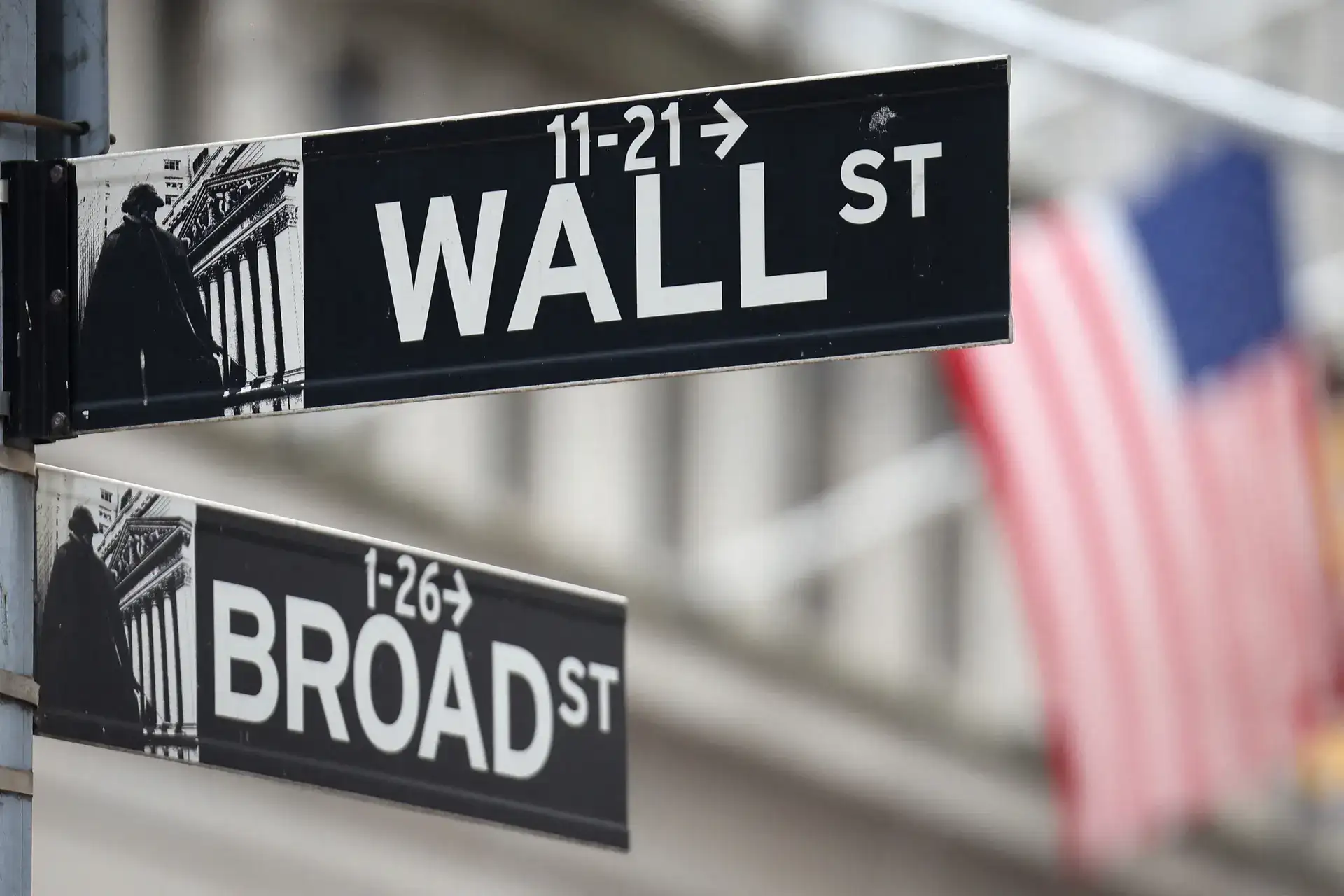
U.S. stocks closed lower as optimism over a peace agreement involving Iran faded, while Brent crude remained near a one-week high. Amazon and Alphabet weighed on major indexes, and investors awaited inflation data for clues about Federal Reserve policy.
4:08 PMEconomic Times
U.S. stocks declined after Iran said the Strait of Hormuz would remain closed, reinforcing fears of a prolonged disruption to global energy flows. Analysts remain divided over how the shock will affect inflation and interest rates in the near term.
3:57 PMFortune
US stock futures were little changed as investors assessed signs that the Strait of Hormuz could reopen while remaining doubtful that the US and Iran can reach a broader settlement.
1:49 PMCNBC
The VIX has fallen to levels seen before the war even as oil returns to about $90 a barrel, prompting warnings that investors may be underpricing Middle East risks.
8:20 AMFinancial Times
Yen traders are increasing their use of options ahead of key US inflation data, reflecting uncertainty over the currency’s next move.
10:30 PMBloomberg Markets
Gold rose as investors awaited US inflation data, with oil-related inflation risks from Middle East unrest keeping markets cautious. Traders also reduced expectations for a Federal Reserve rate hike next month after recent labor-market data, while India considers extending rules for bullion vault managers.
10:06 PMEconomic Times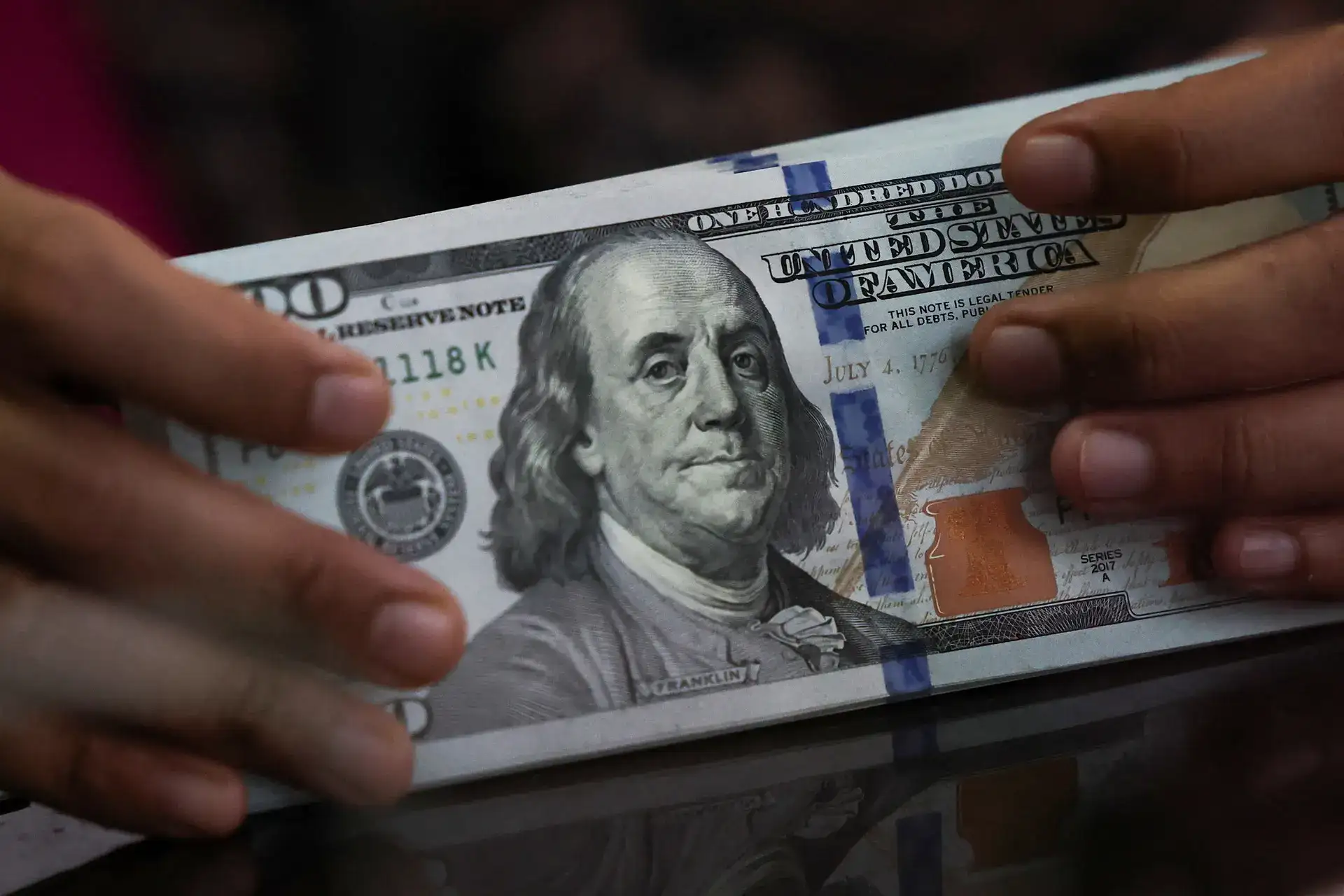
The dollar held steady as investors awaited US inflation data for signals about the Federal Reserve’s interest-rate path. Oil edged higher after attacks on shipping routes, while the yen remained near monthly lows despite coordinated intervention and cryptocurrencies slipped.
9:58 PMEconomic Times
July’s consumer price index is expected to show only a modest increase. The report will provide the next major test of whether inflation is cooling enough to influence the Fed’s policy path.
2:34 PMCNBC
A weak jobs report alone may not deter the Federal Reserve from raising interest rates, but a second consecutive month of subdued inflation could challenge that course.
10:49 AMMarketWatch
Wells Fargo's sentiment indicator reached 1.4 in August, its highest level since January 2018. The reading has prompted a warning to hedge ahead of the July consumer price index report as the market's sell trigger reaches an eight year high.
6:50 AMMarketWatch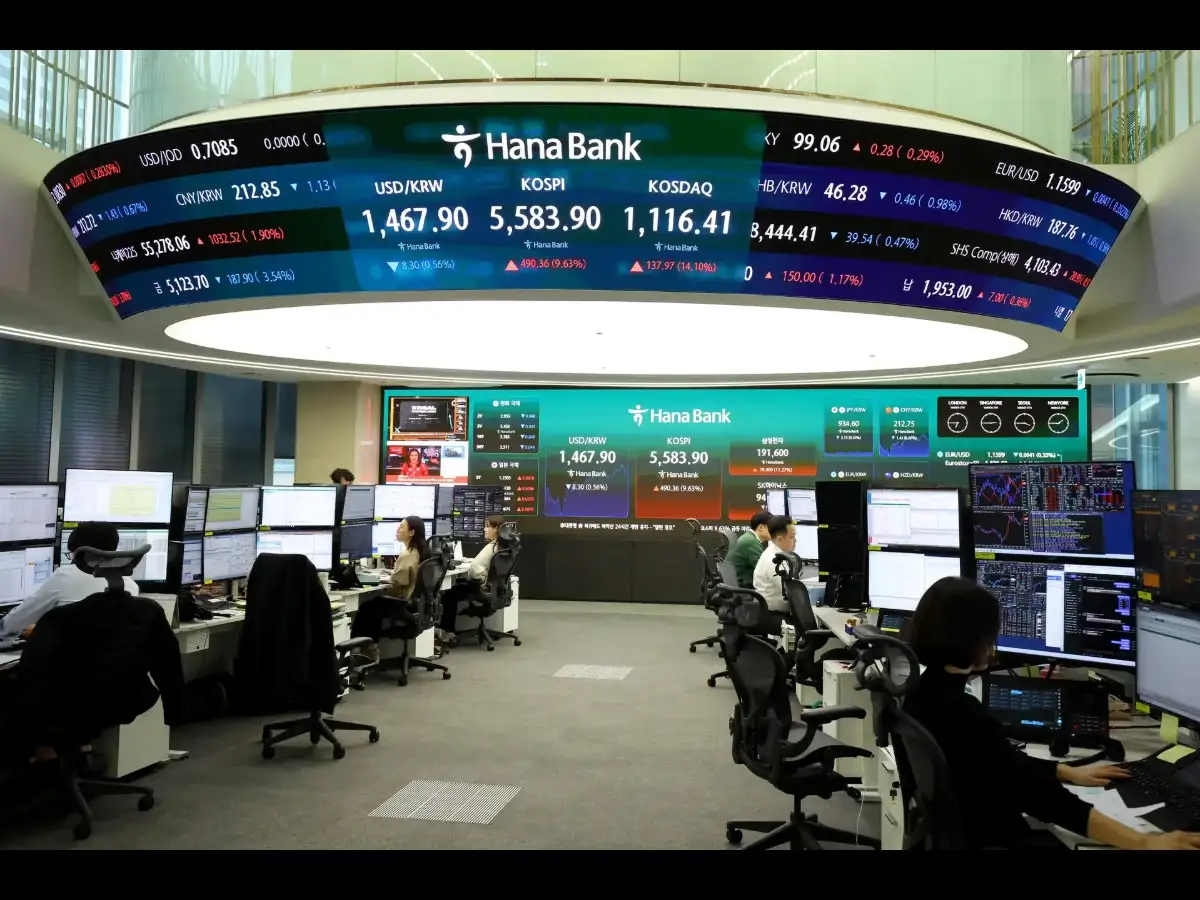
South Korea’s Kospi rose 3.46% for a third consecutive session as strong expectations for AI infrastructure demand lifted chipmakers. Samsung Electronics gained 6.16% and SK Hynix rose 3.86%, while foreign investors bought 899.6 billion won of Korean equities and the won weakened slightly.
11:54 PMEconomic TimesSamsung Electronics and SK Hynix shares extended gains as investors returned to chip stocks and weighed a report that Singapore’s Temasek plans to invest in both companies.
11:37 PMBloomberg MarketsSouth Korea’s 30-year government bond yield reached a record as higher energy prices and weaker demand from life insurers pressured the debt market.
10:55 PMBloomberg Markets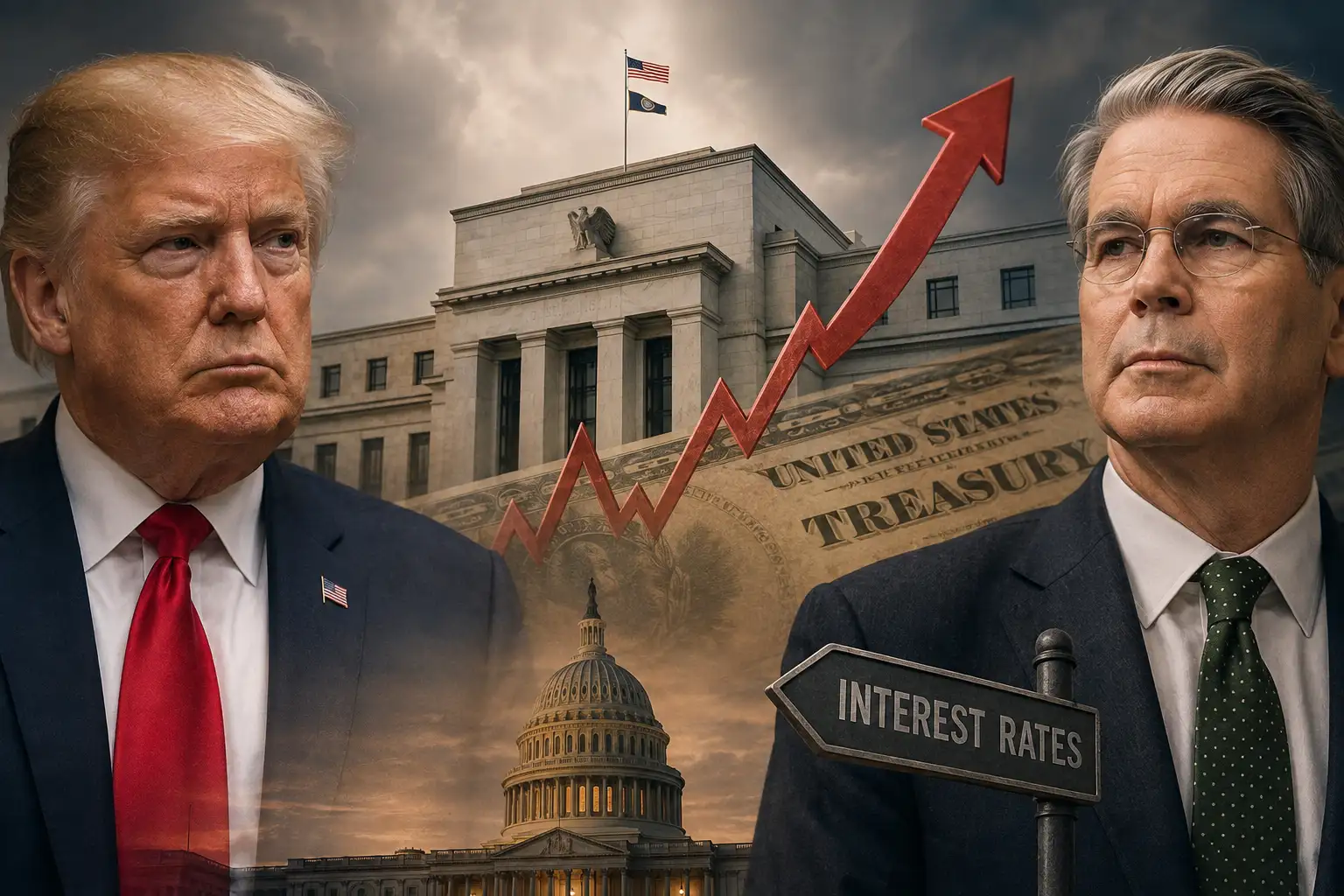
A sharp rise in US Treasury yields is intensifying a policy conflict: President Trump wants lower rates, while Treasury Secretary Bessent is focused on inflation and bond-market stability. The Federal Reserve faces pressure to weigh tighter policy against the risk that lower rates would reignite inflation.
10:16 PMEconomic Times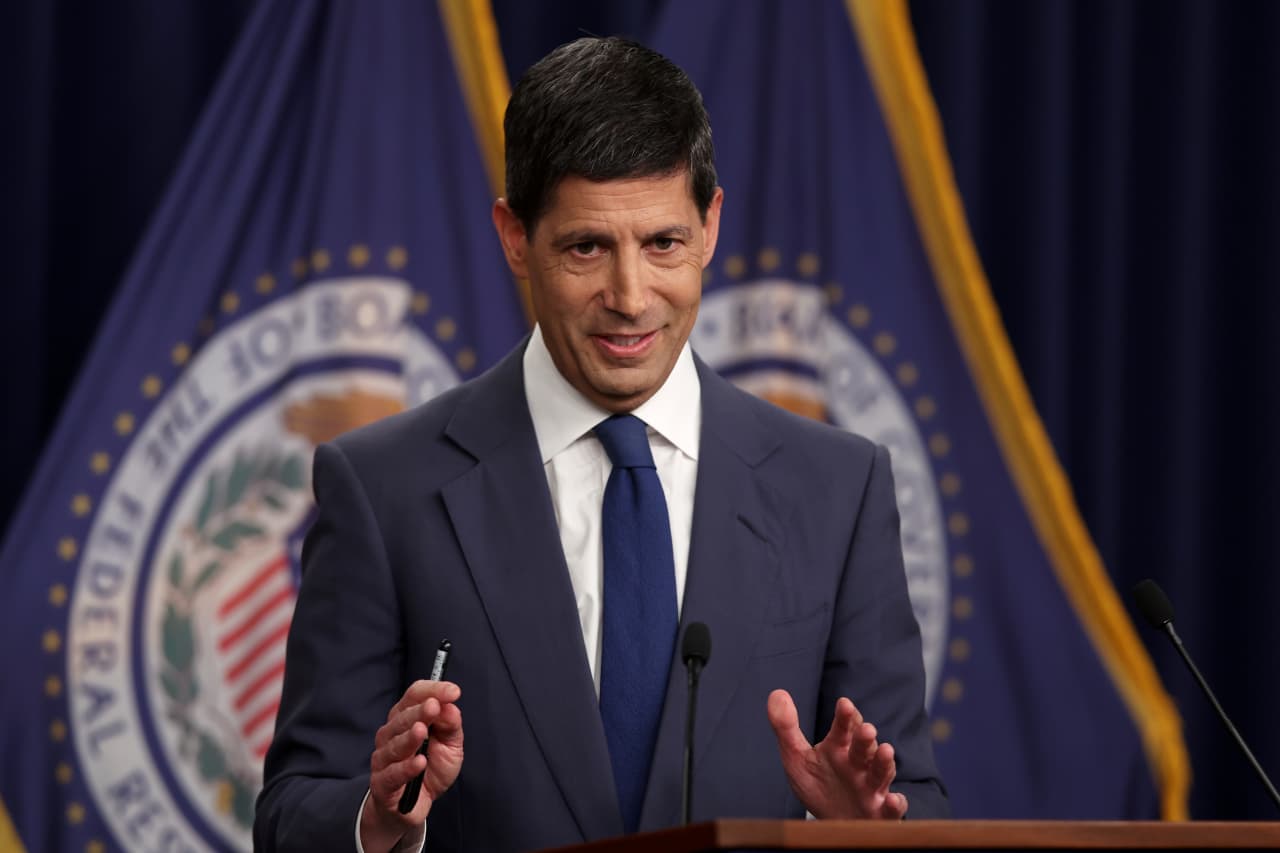
The article argues that returning inflation to the Federal Reserve's 2% target will not resolve the United States' debt burden. Sustained inflation may instead be needed to reduce the real value of government liabilities, even at the cost of weaker purchasing power.
10:21 AMMarketWatch
The Congressional Budget Office reported that net interest on public debt reached $963 billion between October 2025 and July 2026. The figures underscore the scale of federal borrowing costs alongside spending to support the currency of a major lender.
6:49 AMFortune
Investors directed $2.3 billion into collateralized loan obligations in July, attracted by yields above those available in safer bond markets.
3:12 PMCNBC
Private credit firms are scaling back payment-in-kind provisions, which let borrowers defer cash interest and add it to their loan balance. The feature had become a common concession used to make financing more flexible for borrowers.
2:17 PMPYMNTSChina authorized Deutsche Bank to settle yuan transactions in Europe, making it the first foreign lender to receive that role and expanding the currency’s overseas clearing network.
11:16 PMBloomberg Markets
CME is partnering with Silicon Data to launch two futures contracts tied to AI computing power on Oct. 5, pending regulatory review. The products would give market participants a way to trade and hedge exposure to compute prices.
2:09 PMCNBCSummary
Brent crude rose as renewed attacks reduced expectations that the Strait of Hormuz would reopen soon. The disruption revived concerns about the reliability of energy supplies moving through the key shipping route.
The market is repricing the risk that the disruption will last, rather than treating it
Unlock the full First Pass Analysis to get a better understanding of why this story mattersWhy it matters
A sustained Hormuz disruption would transmit geopolitical risk directly into inflation, growth and interest-rate markets.
Summary
U.S. stocks closed lower as optimism over a peace agreement involving Iran faded, while Brent crude remained near a one-week high. Amazon and Alphabet weighed on major indexes, and investors awaited inflation data for clues about Federal Reserve policy.
The market is repricing geopolitical risk through higher oil prices and lower expectations for a
Unlock the full First Pass Analysis to get a better understanding of why this story mattersWhy it matters
Stocks are now vulnerable to a feedback loop in which weaker diplomacy lifts oil, inflation, and interest-rate risks at the same time.
Summary
U.S. stocks declined after Iran said the Strait of Hormuz would remain closed, reinforcing fears of a prolonged disruption to global energy flows. Analysts remain divided over how the shock will affect inflation and interest rates in the near term.
The continued closure raises the risk that an energy supply disruption will feed directly into
Unlock the full First Pass Analysis to get a better understanding of why this story mattersWhy it matters
A prolonged Hormuz closure could turn an energy shock into a broader inflation and growth problem.
Summary
US stock futures were little changed as investors assessed signs that the Strait of Hormuz could reopen while remaining doubtful that the US and Iran can reach a broader settlement.
The market is pricing partial relief on the immediate energy threat without assuming the geopolitical
Unlock the full First Pass Analysis to get a better understanding of why this story mattersWhy it matters
The Strait's status remains a direct swing factor for oil prices, inflation expectations, and risk appetite.
Summary
The VIX has fallen to levels seen before the war even as oil returns to about $90 a barrel, prompting warnings that investors may be underpricing Middle East risks.
The gap between subdued equity volatility and elevated oil prices suggests markets are treating the
Unlock the full First Pass Analysis to get a better understanding of why this story mattersWhy it matters
Low volatility is masking a geopolitical risk that could reprice inflation, bonds, and equities at the same time.
Summary
Yen traders are increasing their use of options ahead of key US inflation data, reflecting uncertainty over the currency’s next move.
The lack of directional conviction is shifting activity toward derivatives, where traders can hedge exposure
Unlock the full First Pass Analysis to get a better understanding of why this story mattersWhy it matters
Options activity signals that markets expect the inflation data to produce a meaningful currency move, even if its direction remains unclear.
Summary
Gold rose as investors awaited US inflation data, with oil-related inflation risks from Middle East unrest keeping markets cautious. Traders also reduced expectations for a Federal Reserve rate hike next month after recent labor-market data, while India considers extending rules for bullion vault managers.
Gold is benefiting from competing forces: softer rate expectations support the metal, while geopolitical and
Unlock the full First Pass Analysis to get a better understanding of why this story mattersWhy it matters
Gold’s next move depends on whether inflation data reinforces falling rate expectations or revives pressure for tighter policy.
Summary
The dollar held steady as investors awaited US inflation data for signals about the Federal Reserve’s interest-rate path. Oil edged higher after attacks on shipping routes, while the yen remained near monthly lows despite coordinated intervention and cryptocurrencies slipped.
Markets are holding major currencies in a narrow range because the inflation report could reset
Unlock the full First Pass Analysis to get a better understanding of why this story mattersWhy it matters
The CPI data is the immediate catalyst for the dollar, yen and global rates, with geopolitical risk complicating the policy signal.
Summary
July’s consumer price index is expected to show only a modest increase. The report will provide the next major test of whether inflation is cooling enough to influence the Fed’s policy path.
A modest reading would support the case for holding rates steady, but it may not
Unlock the full First Pass Analysis to get a better understanding of why this story mattersWhy it matters
Even a small CPI surprise can reset expectations for Fed policy and move Treasury yields.
Summary
A weak jobs report alone may not deter the Federal Reserve from raising interest rates, but a second consecutive month of subdued inflation could challenge that course.
The inflation report now carries more policy weight than the disappointing labor data because it
Unlock the full First Pass Analysis to get a better understanding of why this story mattersWhy it matters
The report could decide whether the Fed prioritizes persistent inflation or emerging weakness in employment.
Summary
Wells Fargo's sentiment indicator reached 1.4 in August, its highest level since January 2018. The reading has prompted a warning to hedge ahead of the July consumer price index report as the market's sell trigger reaches an eight year high.
The decisive risk is crowded optimism ahead of an inflation data release that can quickly
Unlock the full First Pass Analysis to get a better understanding of why this story mattersWhy it matters
Strong bullish positioning can amplify the market reaction to even a modestly hot inflation reading.
Summary
South Korea’s Kospi rose 3.46% for a third consecutive session as strong expectations for AI infrastructure demand lifted chipmakers. Samsung Electronics gained 6.16% and SK Hynix rose 3.86%, while foreign investors bought 899.6 billion won of Korean equities and the won weakened slightly.
The rally shows that AI demand is still overriding broader caution in the region, with
Unlock the full First Pass Analysis to get a better understanding of why this story mattersWhy it matters
Korean equities are becoming a concentrated bet on the durability of the global AI hardware cycle.
Summary
Samsung Electronics and SK Hynix shares extended gains as investors returned to chip stocks and weighed a report that Singapore’s Temasek plans to invest in both companies.
The rally combines a rebound from last month’s selloff with a potentially important institutional endorsement,
Unlock the full First Pass Analysis to get a better understanding of why this story mattersWhy it matters
The report adds a new demand signal to a semiconductor rebound already driven by renewed risk appetite.
Summary
South Korea’s 30-year government bond yield reached a record as higher energy prices and weaker demand from life insurers pressured the debt market.
The yield surge reflects both inflation risk from oil and a structural loss of demand
Unlock the full First Pass Analysis to get a better understanding of why this story mattersWhy it matters
Korea’s bond stress is shifting from a market move into a broader test of inflation control and domestic funding costs.
Summary
A sharp rise in US Treasury yields is intensifying a policy conflict: President Trump wants lower rates, while Treasury Secretary Bessent is focused on inflation and bond-market stability. The Federal Reserve faces pressure to weigh tighter policy against the risk that lower rates would reignite inflation.
The yield-curve move shows that markets are challenging calls for cheaper money even as the
Unlock the full First Pass Analysis to get a better understanding of why this story mattersWhy it matters
Higher yields can undercut both fiscal plans and political demands for easier credit by raising borrowing costs across the economy.
Summary
The article argues that returning inflation to the Federal Reserve's 2% target will not resolve the United States' debt burden. Sustained inflation may instead be needed to reduce the real value of government liabilities, even at the cost of weaker purchasing power.
The debt constraint now limits how durable a strict disinflation policy can be. Policymakers face
Unlock the full First Pass Analysis to get a better understanding of why this story mattersWhy it matters
The debt outlook makes the Fed's inflation promise a test of fiscal credibility as much as monetary policy.
Summary
The Congressional Budget Office reported that net interest on public debt reached $963 billion between October 2025 and July 2026. The figures underscore the scale of federal borrowing costs alongside spending to support the currency of a major lender.
Rising interest costs are narrowing the fiscal room available for new programs, tax relief, or
Unlock the full First Pass Analysis to get a better understanding of why this story mattersWhy it matters
Debt service is becoming a structural constraint on US fiscal policy, not merely a budget line item.
Summary
Investors directed $2.3 billion into collateralized loan obligations in July, attracted by yields above those available in safer bond markets.
The inflow shows that demand for income remains strong even as investors accept greater exposure
Unlock the full First Pass Analysis to get a better understanding of why this story mattersWhy it matters
The flows suggest investors are still willing to trade credit risk for income, leaving the market more exposed to a downturn.
Summary
Private credit firms are scaling back payment-in-kind provisions, which let borrowers defer cash interest and add it to their loan balance. The feature had become a common concession used to make financing more flexible for borrowers.
The pullback signals tighter lender discipline as concerns grow over borrowers accumulating debt instead of
Unlock the full First Pass Analysis to get a better understanding of why this story mattersWhy it matters
Less access to PIK financing could expose weakness in heavily indebted private companies and increase restructuring risk.
Summary
China authorized Deutsche Bank to settle yuan transactions in Europe, making it the first foreign lender to receive that role and expanding the currency’s overseas clearing network.
The appointment gives European institutions a more direct channel for yuan payments and strengthens China’s
Unlock the full First Pass Analysis to get a better understanding of why this story mattersWhy it matters
China is widening the yuan’s institutional reach without needing to remove the barriers that limit full global use.
Summary
CME is partnering with Silicon Data to launch two futures contracts tied to AI computing power on Oct. 5, pending regulatory review. The products would give market participants a way to trade and hedge exposure to compute prices.
Standardized futures would turn computing capacity into a financial benchmark rather than a purely negotiated
Unlock the full First Pass Analysis to get a better understanding of why this story mattersWhy it matters
Financial markets are beginning to treat AI compute as a commodity with a price risk that can be hedged.
A curated list of other prominent stories from this day.
JPMorgan raised its target for Singapore equities, citing resilient economic growth and a smaller valuation gap with developed-market peers.
11:46 PMBloomberg MarketsGoTo Group may be removed from MSCI indexes after a sharp share-price decline made the stock difficult to trade.
11:43 PMBloomberg Markets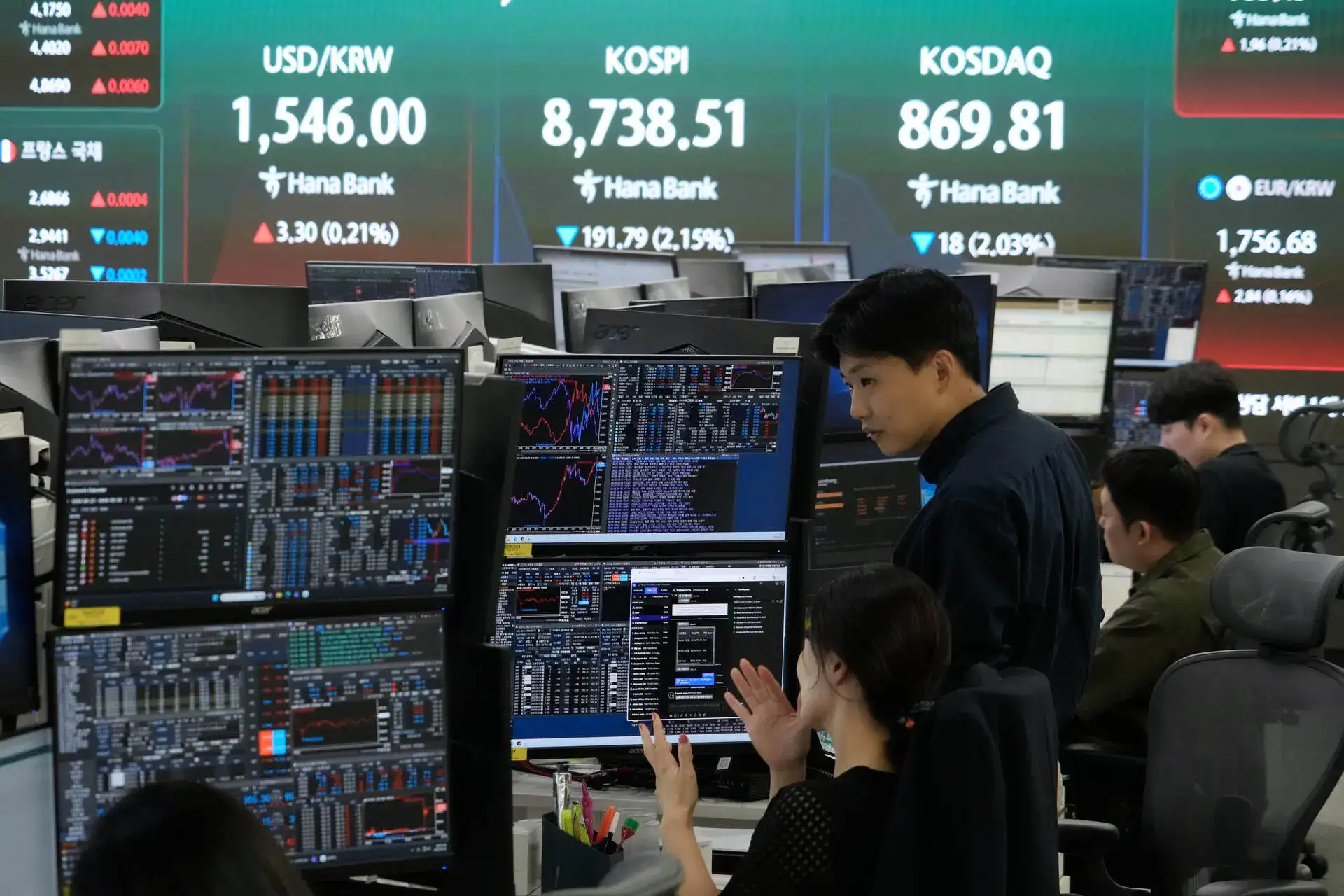
Asian stocks traded unevenly as oil prices extended gains on hopes for progress toward a Middle East agreement. Technology shares, led by CoreWeave after an upgraded forecast, strengthened, while gold pulled back from a two-month high and investors awaited US inflation data.
9:02 PMEconomic Times
Jim Cramer said investors can assess market conditions by tracking three indicators: bonds, oil and Nvidia.
6:15 PMCNBC
US credit card balances rose to $1.26 trillion, according to New York Fed research on household debt. The increase occurred alongside a persistent divide between financially resilient households and borrowers facing greater strain.
2:23 PMCNBC
JPMorgan CEO Jamie Dimon argued that US military power is essential to maintaining the dollar's reserve-currency role. He warned that a loss of strategic strength could undermine US security and global monetary influence.
12:00 PMFortune
Mortgage rates remain close to 7% across borrower credit profiles, according to locked loan data. A weak July jobs report could discourage policymakers from pursuing the higher-rate path some market observers have anticipated.
11:48 AMHousing Wire
Historical market patterns point to an unusually strong period ahead for US stocks, even as investors question whether the AI-led bull market is nearing exhaustion. The seasonal signal conflicts with concerns about elevated valuations and a nearly four-year rally.
11:40 AMMarketWatch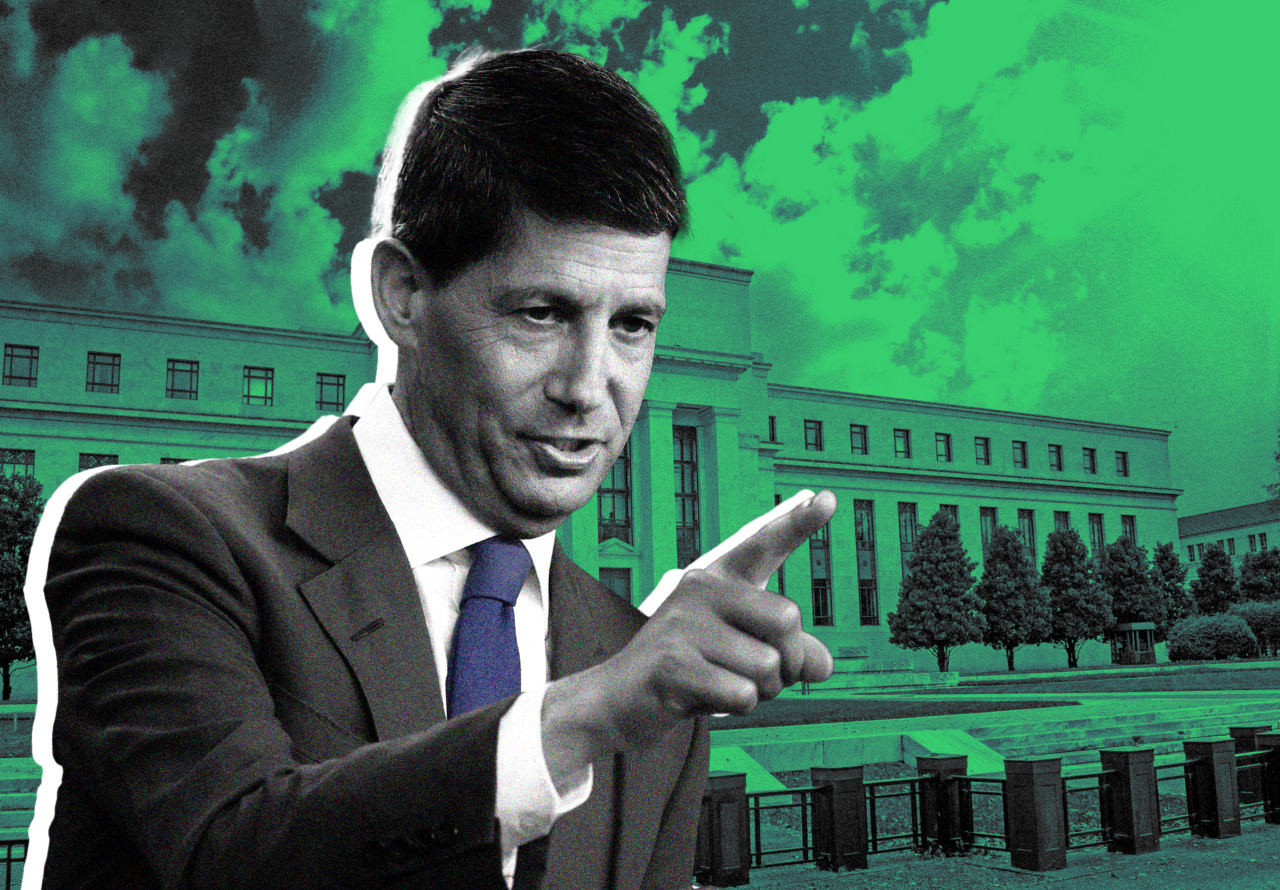
Canada's experience after the global financial crisis offers a precedent for the volatility that can follow a Federal Reserve approach with less explicit forward guidance, as proposed by Kevin Warsh.
8:16 AMMarketWatchSummary
JPMorgan raised its target for Singapore equities, citing resilient economic growth and a smaller valuation gap with developed-market peers.
The upgrade rests on improving fundamentals rather than a purely technical rebound. Stronger growth can
Unlock the full First Pass Analysis to get a better understanding of why this story mattersWhy it matters
Singapore equities are moving from a value-recovery trade toward a broader growth and earnings case.
Summary
GoTo Group may be removed from MSCI indexes after a sharp share-price decline made the stock difficult to trade.
The immediate risk is forced selling if MSCI excludes GoTo, adding pressure to a stock
Unlock the full First Pass Analysis to get a better understanding of why this story mattersWhy it matters
An index removal could turn a liquidity problem into a larger, self-reinforcing selloff.
Summary
Asian stocks traded unevenly as oil prices extended gains on hopes for progress toward a Middle East agreement. Technology shares, led by CoreWeave after an upgraded forecast, strengthened, while gold pulled back from a two-month high and investors awaited US inflation data.
Markets remain caught between geopolitical risk and uncertainty over the Federal Reserve's rate path. Higher
Unlock the full First Pass Analysis to get a better understanding of why this story mattersWhy it matters
The next inflation reading could determine whether oil-driven price pressure outweighs continued enthusiasm for technology stocks.
Summary
Jim Cramer said investors can assess market conditions by tracking three indicators: bonds, oil and Nvidia.
The framework links the main forces shaping risk assets: bond yields signal financing conditions, oil
Unlock the full First Pass Analysis to get a better understanding of why this story mattersWhy it matters
Watching these three markets together can help investors distinguish broad economic support from concentrated equity speculation.
Summary
US credit card balances rose to $1.26 trillion, according to New York Fed research on household debt. The increase occurred alongside a persistent divide between financially resilient households and borrowers facing greater strain.
Rising balances are supporting consumer spending, but they also point to growing reliance on revolving
Unlock the full First Pass Analysis to get a better understanding of why this story mattersWhy it matters
Credit growth is cushioning consumption now but could become a drag if repayment pressure spreads beyond weaker households.
Summary
JPMorgan CEO Jamie Dimon argued that US military power is essential to maintaining the dollar's reserve-currency role. He warned that a loss of strategic strength could undermine US security and global monetary influence.
The warning links dollar dominance to geopolitical credibility, not just market depth, economic size or
Unlock the full First Pass Analysis to get a better understanding of why this story mattersWhy it matters
The dollar's long-term advantage may depend as much on geopolitical power as on financial fundamentals.
Summary
Mortgage rates remain close to 7% across borrower credit profiles, according to locked loan data. A weak July jobs report could discourage policymakers from pursuing the higher-rate path some market observers have anticipated.
A cooling labor market reduces the immediate risk of further rate increases, but it does
Unlock the full First Pass Analysis to get a better understanding of why this story mattersWhy it matters
Mortgage affordability will depend on whether labor-market weakness becomes strong enough to pull down broader interest rates.
Summary
Historical market patterns point to an unusually strong period ahead for US stocks, even as investors question whether the AI-led bull market is nearing exhaustion. The seasonal signal conflicts with concerns about elevated valuations and a nearly four-year rally.
Seasonality may support equities, but it cannot resolve the market's dependence on continued AI earnings
Unlock the full First Pass Analysis to get a better understanding of why this story mattersWhy it matters
Investors face a clash between a supportive seasonal pattern and a rally increasingly vulnerable to high expectations.
Summary
Canada's experience after the global financial crisis offers a precedent for the volatility that can follow a Federal Reserve approach with less explicit forward guidance, as proposed by Kevin Warsh.
Reducing guidance would give the Fed more flexibility but shift greater responsibility onto incoming data
Unlock the full First Pass Analysis to get a better understanding of why this story mattersWhy it matters
A less predictable Fed could increase bond-market volatility and weaken the policy signal that anchors investor expectations.
Make it yours
Pick your topics, set your cadence, and receive your personalized First Pass in your inbox. It’s that simple!