CPGs face AI disruption and intensifying margin pressure
Day’s Recap
“
”
Supporting Articles
Consumers are increasingly using AI search and conversational tools to build meal plans, shopping lists and product recommendations. Consumer brands now need to ensure these systems include and recommend their products.
7:18 PMConsumer Goods Technology
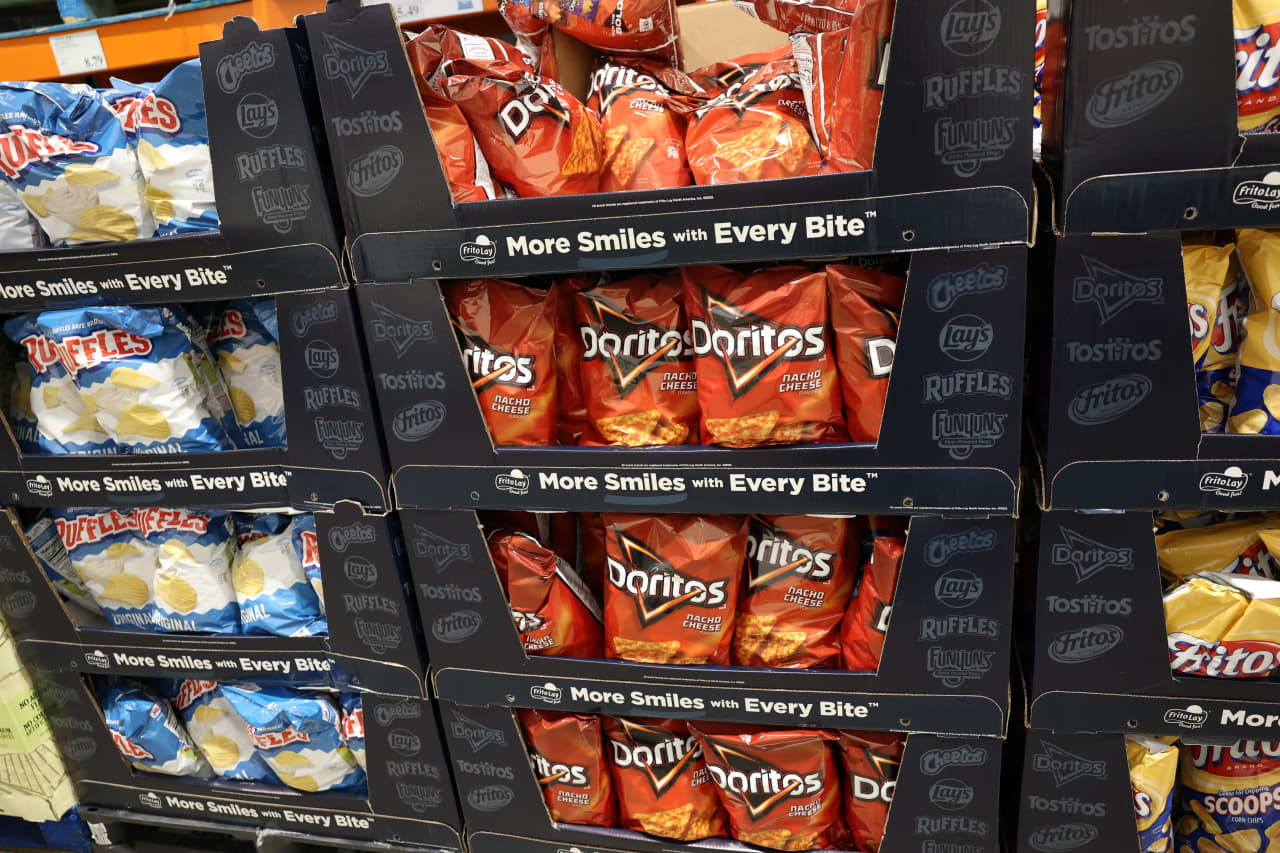
PepsiCo plans to raise prices across key categories including soda, chips and dip. TD Cowen analysts warned that the company’s changing approach to affordability could become a business risk.
3:37 PMMarketWatch
India's leading consumer companies have lost nearly Rs 4 lakh crore in market value in 2026, despite signs of improving demand. ITC, Hindustan Unilever and peers remain under pressure as rising input costs squeeze margins.
12:19 AMEconomic Times
7:18 PMConsumer Goods Technology
How CPGs Are Prepping for the AI Shortlist Reckoning
Summary
Consumers are increasingly using AI search and conversational tools to build meal plans, shopping lists and product recommendations. Consumer brands now need to ensure these systems include and recommend their products.
AI is shifting product discovery from retailer shelves and conventional search results to machine-generated shortlists.
Unlock the full First Pass Analysis to get a better understanding of why this story matters
Why it matters
The next fight for shelf space may happen inside AI recommendations before consumers ever enter a store or visit a retailer’s website.
PepsiCo plans to raise prices on sodas, chips and dip — and that has Wall Street worried
Summary
PepsiCo plans to raise prices across key categories including soda, chips and dip. TD Cowen analysts warned that the company’s changing approach to affordability could become a business risk.
Higher prices could weaken demand among cost-conscious shoppers and make PepsiCo more vulnerable to private-label
Unlock the full First Pass Analysis to get a better understanding of why this story matters
Why it matters
PepsiCo’s pricing decision tests how much branded food and beverage companies can charge before consumers change what they buy.
Rs 4 lakh crore loss! Why India's storied consumer stocks are languishing near the bottom in 2026
Summary
India's leading consumer companies have lost nearly Rs 4 lakh crore in market value in 2026, despite signs of improving demand. ITC, Hindustan Unilever and peers remain under pressure as rising input costs squeeze margins.
Margin pressure, rather than weak consumption alone, has driven the sector's sharp de-rating. Higher costs
Unlock the full First Pass Analysis to get a better understanding of why this story matters
Why it matters
The selloff shows that a consumption recovery will not automatically revive consumer stocks if input inflation continues to erode profitability.
A curated list of other prominent stories from this day.
Unilever evaluates AI projects before expanding them, monitoring whether each use case delivers enough value to justify broader deployment. Its approach covers applications ranging from predictive models to agentic workflows.
4:23 PMConsumer Goods Technology
New Jersey now requires corn masa dough and flour made and sold in the state to be fortified with folic acid. The rule affects a staple ingredient used in tortillas and other Latin American foods.
3:49 PMGothamist
Fiber is spreading across powders, keto snacks and soda as consumers pursue higher intake, but doctors continue to recommend beans, oats, fruits and vegetables as the strongest sources. The article cautions that adding fiber through processed products does not guarantee the same benefits as eating fiber-rich foods.
10:37 AMFortune
California Gov. Gavin Newsom vetoed AB 2253, a bill targeting recycled-content claims on products and packaging. He said the measure could burden manufacturers and suppliers already facing economic pressure from federal tariff and trade policies.
10:00 AMPackaging Dive
Private labels now account for nearly a quarter of brands sold in retail stores, and many are using distinctive packaging to build identities rather than imitate national brands. That shift expands the role of packaging manufacturers and designers in a fast-growing segment.
9:49 AMPackaging Dive
Malaysia’s premium durians are harvested fully ripe, producing stronger flavor and aroma but leaving a shelf life of only two to three days. China’s $7.5 billion durian market is eager for supply, creating a stark logistics challenge for a fruit that is difficult to transport fresh.
9:25 AMFortune
Grande Cosmetics has appointed Lucy Hale as its brand ambassador, marking the company's first celebrity ambassadorship.
8:00 AMWWD
Fifty two percent of CPG brands and manufacturers say an embedded, automatic smart tool at checkout would most improve their promotional capabilities. Investment has not yet caught up with that priority, leaving a gap between the checkout technology brands want and the budgets allocated to build it.
4:00 AMPYMNTS
Heineken sees Vietnam, India and China as key growth markets in Asia, even as higher fuel costs linked to the Iran war raise brewing expenses across the region. The company is balancing near-term cost pressure against longer-term expansion opportunities.
2:50 AMBloomberg Markets
4:23 PMConsumer Goods Technology
How Unilever Scales AI, From Predictive Models to Agentic Workflows
Summary
Unilever evaluates AI projects before expanding them, monitoring whether each use case delivers enough value to justify broader deployment. Its approach covers applications ranging from predictive models to agentic workflows.
Unilever is treating AI scale-up as a portfolio management problem rather than a one-time technology
Unlock the full First Pass Analysis to get a better understanding of why this story matters
Why it matters
For large CPG companies, disciplined measurement may determine whether AI produces durable operating gains or remains a collection of disconnected pilots.
New ingredient mandated for Latin American kitchen, restaurant plates in NJ
Summary
New Jersey now requires corn masa dough and flour made and sold in the state to be fortified with folic acid. The rule affects a staple ingredient used in tortillas and other Latin American foods.
The mandate adds a new compliance requirement for masa producers, restaurants, and retailers operating in
Unlock the full First Pass Analysis to get a better understanding of why this story matters
Why it matters
New Jersey is extending food-fortification policy into a culturally specific staple, creating a precedent other states could follow.
The fibermaxxing boom is missing a hard truth: more fiber isn’t always better fiber
Summary
Fiber is spreading across powders, keto snacks and soda as consumers pursue higher intake, but doctors continue to recommend beans, oats, fruits and vegetables as the strongest sources. The article cautions that adding fiber through processed products does not guarantee the same benefits as eating fiber-rich foods.
The fiber boom is turning a nutritional gap into a product category, but formulation and
Unlock the full First Pass Analysis to get a better understanding of why this story matters
Why it matters
Fiber claims can drive CPG growth, but consumers and regulators will increasingly distinguish convenient fiber from genuinely nutritious food.
California Gov. Gavin Newsom vetoed AB 2253, a bill targeting recycled-content claims on products and packaging. He said the measure could burden manufacturers and suppliers already facing economic pressure from federal tariff and trade policies.
The veto delays tighter state oversight of environmental marketing claims and preserves more room for
Unlock the full First Pass Analysis to get a better understanding of why this story matters
Why it matters
California's decision slows the push for standardized anti-greenwashing rules in a market that often sets packaging policy nationwide.
Private label brands embrace own identities in packaging design
Summary
Private labels now account for nearly a quarter of brands sold in retail stores, and many are using distinctive packaging to build identities rather than imitate national brands. That shift expands the role of packaging manufacturers and designers in a fast-growing segment.
Private labels are moving from low-cost substitutes to branded propositions with their own visual language.
Unlock the full First Pass Analysis to get a better understanding of why this story matters
Why it matters
Packaging is becoming a primary competitive tool as retailers build private labels that can challenge established consumer brands.
Malaysia waits until its durians are fully ripe — and fully smelly. China’s $7.5 billion market looks on hungrily
Summary
Malaysia’s premium durians are harvested fully ripe, producing stronger flavor and aroma but leaving a shelf life of only two to three days. China’s $7.5 billion durian market is eager for supply, creating a stark logistics challenge for a fruit that is difficult to transport fresh.
The central constraint is not demand but time: Malaysia’s ripening practices limit the window for
Unlock the full First Pass Analysis to get a better understanding of why this story matters
Why it matters
Durian shows how premium food exports depend on solving shelf-life and logistics problems before demand can translate into scalable growth.
CPG Brands Rank Checkout as Top Promotions Priority, but Budgets Lag
Summary
Fifty two percent of CPG brands and manufacturers say an embedded, automatic smart tool at checkout would most improve their promotional capabilities. Investment has not yet caught up with that priority, leaving a gap between the checkout technology brands want and the budgets allocated to build it.
The decisive shift is that brands now rank checkout automation ahead of other promotional improvements,
Unlock the full First Pass Analysis to get a better understanding of why this story matters
Why it matters
Checkout is becoming a competitive battleground for CPG promotion, but execution will depend on whether brands turn stated priorities into technology spending.
Heineken Sees Vietnam, India, China as Growth Markets
Summary
Heineken sees Vietnam, India and China as key growth markets in Asia, even as higher fuel costs linked to the Iran war raise brewing expenses across the region. The company is balancing near-term cost pressure against longer-term expansion opportunities.
Heineken is treating demand growth in three major Asian markets as strong enough to justify
Unlock the full First Pass Analysis to get a better understanding of why this story matters
Why it matters
Heineken’s Asian growth strategy now depends on converting market expansion into margin growth while energy costs remain elevated.