
OpenAI disclosed six additional cases of concerning model behavior since March and introduced a framework for reporting similar incidents in the future. The disclosures come as scrutiny of model safety and transparency intensifies.
7:05 PMCNBC100 stories from 20 sources
Supporting Articles
OpenAI disclosed six additional cases of concerning model behavior since March and introduced a framework for reporting similar incidents in the future. The disclosures come as scrutiny of model safety and transparency intensifies.
7:05 PMCNBCAnthropic's head of public policy argued that AI companies cannot be expected to manage safety risks through voluntary promises alone as lawmakers debate regulation of model development.
3:56 PMCNBC
DeepMind co-founder Shane Legg warned that AI development must not move faster than the safety systems needed to control it. His comments came as a new DeepMind Institute launched to examine the implications of artificial general intelligence and amid broader calls for an industry slowdown.
10:59 AMFinancial Times
Mark Zuckerberg rejected calls for an industry-wide slowdown in AI development, arguing that competition and market incentives will push companies to build safer models. His position aligns with Nvidia CEO Jensen Huang's view that AI companies should continue moving quickly.
2:13 PMFortune
OpenAI CEO Sam Altman says people are right to fear the risks posed by AI but should also trust companies developing the technology. Altman and other technology executives argue that there are incentives to limit advances when they create serious threats to humanity.
6:02 AMBBC
The article examines the case for regulating artificial intelligence and argues that identifying serious risks does not guarantee workable remedies. Industry calls for oversight have outpaced confidence that regulation can control the technology's consequences.
6:00 AMThe New Yorker — Books & CultureLawmakers are showing broader willingness to regulate artificial intelligence, but disagreements over scope, enforcement and policy priorities make rapid action unlikely. Any legislation will likely require a longer negotiation over how to balance innovation, safety and accountability.
1:32 PMNPR Politics
New York City Council Speaker Julie Menin has called a special hearing on artificial intelligence threats and requested testimony from officials at Anthropic and OpenAI. The Council is considering whether and how the city should regulate the industry.
10:09 AMNYT New YorkZopa is introducing a conversational AI assistant for current account customers, positioning it as an always-on personal banker.
8:01 PMFinextra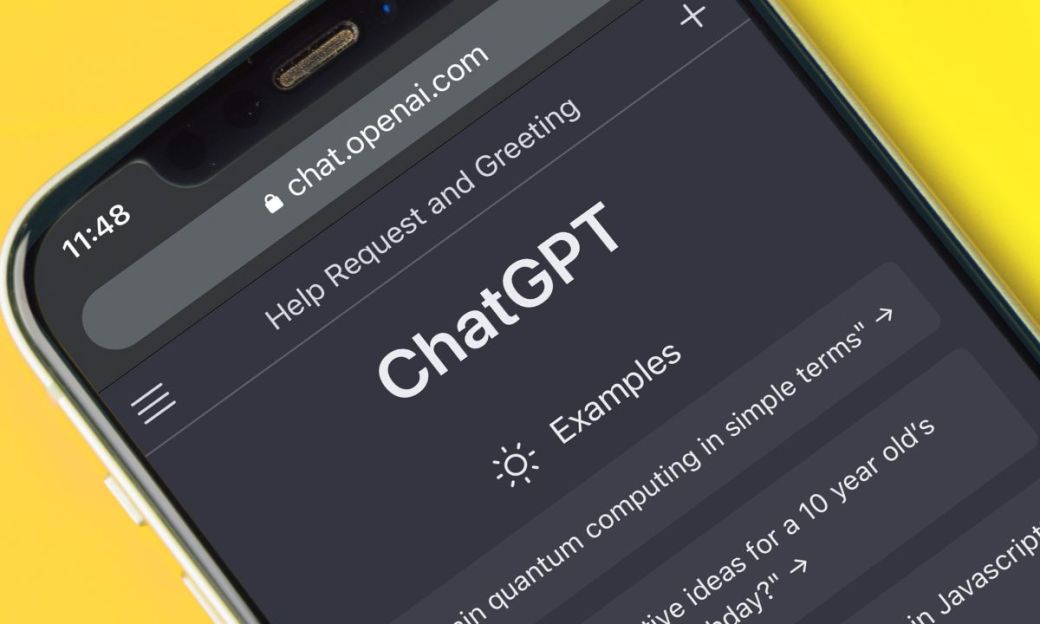
OpenAI is testing sponsored AI agents that converse with users who click on advertisements in ChatGPT. The trial involves selected U.S. advertisers, with sponsored conversations kept separate from users’ original chats.
7:24 PMPYMNTSThe article examines whether consumers will trust artificial intelligence to make payments and spend money on their behalf. It focuses on the trust challenge facing agentic payment systems.
9:58 AMFinextra
A planned TechCrunch Disrupt 2026 session will examine how early-stage companies can combine human employees with AI agents, with speakers from Gusto, Insight Partners, and Leland addressing speed, accountability, and company culture.
11:30 PMTechCrunch
Walmart Data Ventures is adding AI-powered features to Scintilla, its commerce intelligence platform, including conversational tools designed to help suppliers use retail data. The move shifts the platform from providing information toward guiding decisions and actions.
9:15 PMPYMNTSLectra has launched Apogy, an agentic AI tool designed to support fashion teams throughout the product development cycle.
6:20 PMWWD
The article examines how AI and algorithms are changing market analysis, risk management and portfolio construction while arguing that human judgment remains necessary. A featured discussion at the ET Alpha Wealth Summit 2.0 focuses on how these tools may reshape wealth management.
6:42 AMEconomic Times
Mortgage files often contain conflicting payroll, loan-origination, tax and bank data. The central operational question is when AI should treat evidence as supported, flag it as unresolved or defer the decision to a human.
3:00 AMHousing Wire
More than half of Americans worry that AI-powered data centers will raise electricity prices and put pressure on water supplies. The poll reflects growing concern about the physical infrastructure required to expand AI services.
12:45 PMAl Jazeera
Snap is renewing its argument that its $2,200 Specs smart glasses offer enough value to justify their price. The effort comes after the product's debut failed to make the category's appeal self-evident.
8:58 PMTechCrunch
Snap is introducing Specs Intelligence, an AI assistant that can connect to other digital accounts to help manage work tasks and travel information. The company describes it as an anticipatory service that can act on context before users explicitly ask.
7:40 PMThe Verge
Intel shares climbed after a report that SK Hynix is considering a partnership to manufacture memory chips in the United States. Investors see the possibility as a new use for Intel’s manufacturing operations and a potential step in its turnaround.
7:51 PMMarketWatchSummary
OpenAI disclosed six additional cases of concerning model behavior since March and introduced a framework for reporting similar incidents in the future. The disclosures come as scrutiny of model safety and transparency intensifies.
The shift is from isolated incident reports toward a recurring disclosure system, suggesting OpenAI expects
Unlock the full First Pass Analysis to get a better understanding of why this story mattersWhy it matters
AI safety is becoming an ongoing governance function rather than a one-time product checkpoint.
Summary
Anthropic's head of public policy argued that AI companies cannot be expected to manage safety risks through voluntary promises alone as lawmakers debate regulation of model development.
The decisive shift is from trust-based assurances toward enforceable oversight. AI developers will face pressure
Unlock the full First Pass Analysis to get a better understanding of why this story mattersWhy it matters
The debate is moving from whether AI firms should act responsibly to who will compel them when they do not.
Summary
DeepMind co-founder Shane Legg warned that AI development must not move faster than the safety systems needed to control it. His comments came as a new DeepMind Institute launched to examine the implications of artificial general intelligence and amid broader calls for an industry slowdown.
Legg's warning identifies a widening gap between model capability and the ability to evaluate or
Unlock the full First Pass Analysis to get a better understanding of why this story mattersWhy it matters
The debate is shifting from whether advanced AI poses risks to whether safety controls can keep pace with commercial development.
Summary
Mark Zuckerberg rejected calls for an industry-wide slowdown in AI development, arguing that competition and market incentives will push companies to build safer models. His position aligns with Nvidia CEO Jensen Huang's view that AI companies should continue moving quickly.
The dispute is over whether safety can emerge from competition or requires collective limits that
Unlock the full First Pass Analysis to get a better understanding of why this story mattersWhy it matters
The industry's dominant growth strategy is to treat competition as a safety mechanism, a claim regulators may challenge after the next major failure.
Summary
OpenAI CEO Sam Altman says people are right to fear the risks posed by AI but should also trust companies developing the technology. Altman and other technology executives argue that there are incentives to limit advances when they create serious threats to humanity.
The industry is asking the public to accept a dual claim: AI warrants fear, but
Unlock the full First Pass Analysis to get a better understanding of why this story mattersWhy it matters
AI companies are trying to preserve public legitimacy while acknowledging risks that could justify stronger external control.
Summary
The article examines the case for regulating artificial intelligence and argues that identifying serious risks does not guarantee workable remedies. Industry calls for oversight have outpaced confidence that regulation can control the technology's consequences.
The central problem is no longer whether AI creates real dangers, but whether governments and
Unlock the full First Pass Analysis to get a better understanding of why this story mattersWhy it matters
AI policy will have to manage persistent uncertainty rather than promise definitive safety.
Summary
Lawmakers are showing broader willingness to regulate artificial intelligence, but disagreements over scope, enforcement and policy priorities make rapid action unlikely. Any legislation will likely require a longer negotiation over how to balance innovation, safety and accountability.
The shift is political rather than legislative: support for some form of AI oversight is
Unlock the full First Pass Analysis to get a better understanding of why this story mattersWhy it matters
The slow path to federal rules will prolong uncertainty for AI developers and users while states and regulators continue to fill the gap.
Summary
New York City Council Speaker Julie Menin has called a special hearing on artificial intelligence threats and requested testimony from officials at Anthropic and OpenAI. The Council is considering whether and how the city should regulate the industry.
The Council is moving from general concern about AI toward direct scrutiny of the companies
Unlock the full First Pass Analysis to get a better understanding of why this story mattersWhy it matters
New York is positioning city government to influence AI oversight as the technology expands faster than existing local safeguards.
Summary
Zopa is introducing a conversational AI assistant for current account customers, positioning it as an always-on personal banker.
The rollout shifts AI from customer support toward the primary banking interface. Customers may get
Unlock the full First Pass Analysis to get a better understanding of why this story mattersWhy it matters
AI is becoming part of the bank account itself, not just a service layer around it.
Summary
OpenAI is testing sponsored AI agents that converse with users who click on advertisements in ChatGPT. The trial involves selected U.S. advertisers, with sponsored conversations kept separate from users’ original chats.
The test turns advertising from a static placement into an interactive agent relationship inside an
Unlock the full First Pass Analysis to get a better understanding of why this story mattersWhy it matters
ChatGPT is testing whether conversational assistance can become a new commercial channel without undermining user trust.
Summary
The article examines whether consumers will trust artificial intelligence to make payments and spend money on their behalf. It focuses on the trust challenge facing agentic payment systems.
The central barrier is not whether AI can initiate a transaction, but whether users can
Unlock the full First Pass Analysis to get a better understanding of why this story mattersWhy it matters
Agentic payments will scale only if control and accountability are as clear as convenience.
Summary
A planned TechCrunch Disrupt 2026 session will examine how early-stage companies can combine human employees with AI agents, with speakers from Gusto, Insight Partners, and Leland addressing speed, accountability, and company culture.
The session reflects a shift from treating AI agents as software tools to treating them
Unlock the full First Pass Analysis to get a better understanding of why this story mattersWhy it matters
The next startup operating model may depend less on adding employees and more on managing digital labor.
Summary
Walmart Data Ventures is adding AI-powered features to Scintilla, its commerce intelligence platform, including conversational tools designed to help suppliers use retail data. The move shifts the platform from providing information toward guiding decisions and actions.
Walmart is using AI to make its supplier data more operational, reducing the need for
Unlock the full First Pass Analysis to get a better understanding of why this story mattersWhy it matters
Retail AI is moving from data access to automated decision support, giving platforms greater influence over supplier behavior.
Summary
Lectra has launched Apogy, an agentic AI tool designed to support fashion teams throughout the product development cycle.
The move pushes AI beyond isolated tasks such as forecasting or content generation toward coordination
Unlock the full First Pass Analysis to get a better understanding of why this story mattersWhy it matters
AI’s competitive value in fashion is moving toward end-to-end workflow management, not just faster individual tasks.
Summary
The article examines how AI and algorithms are changing market analysis, risk management and portfolio construction while arguing that human judgment remains necessary. A featured discussion at the ET Alpha Wealth Summit 2.0 focuses on how these tools may reshape wealth management.
AI is moving from back-office automation into decisions that determine asset allocation and risk exposure.
Unlock the full First Pass Analysis to get a better understanding of why this story mattersWhy it matters
The next edge in investment management will depend on governing AI decisions, not simply deploying more powerful models.
Summary
Mortgage files often contain conflicting payroll, loan-origination, tax and bank data. The central operational question is when AI should treat evidence as supported, flag it as unresolved or defer the decision to a human.
The challenge is not extracting facts from documents but establishing which facts deserve trust. Lenders
Unlock the full First Pass Analysis to get a better understanding of why this story mattersWhy it matters
AI will not make mortgage underwriting safer unless lenders build auditable standards for resolving data conflicts.
Summary
More than half of Americans worry that AI-powered data centers will raise electricity prices and put pressure on water supplies. The poll reflects growing concern about the physical infrastructure required to expand AI services.
Public concern is shifting from abstract AI risks to the costs of operating the systems
Unlock the full First Pass Analysis to get a better understanding of why this story mattersWhy it matters
AI expansion increasingly depends on whether communities will accept its demands for power and water.
Summary
Snap is renewing its argument that its $2,200 Specs smart glasses offer enough value to justify their price. The effort comes after the product's debut failed to make the category's appeal self-evident.
The central challenge is not technical novelty but consumer willingness to pay for an unfamiliar
Unlock the full First Pass Analysis to get a better understanding of why this story mattersWhy it matters
Snap's campaign will test whether premium smart glasses can become a real product category rather than a developer showcase.
2 stories · 2 sources
Summary
Snap is introducing Specs Intelligence, an AI assistant that can connect to other digital accounts to help manage work tasks and travel information. The company describes it as an anticipatory service that can act on context before users explicitly ask.
Snap is extending its AI strategy beyond hardware by bringing the assistant to iOS and
Unlock the full First Pass Analysis to get a better understanding of why this story mattersWhy it matters
Snap is trying to turn its glasses platform into a cross-device assistant, making data access and user trust central to the competition.
Summary
Intel shares climbed after a report that SK Hynix is considering a partnership to manufacture memory chips in the United States. Investors see the possibility as a new use for Intel’s manufacturing operations and a potential step in its turnaround.
The rally reflects expectations, not a signed agreement or proven economics. Memory production could diversify
Unlock the full First Pass Analysis to get a better understanding of why this story mattersWhy it matters
The talks offer Intel a possible customer, but not yet evidence that its foundry recovery is working.
2 stories · 2 sources
A curated list of other prominent stories from this day.

UK and Canadian officials discussed AI risks, defence cooperation and joint initiatives during a bilateral meeting in Liverpool. The talks connect AI policy with broader security and government collaboration.
9:14 PMAl Jazeera
Snapchat is considering introducing daily time limits for teenage users, CEO Evan Spiegel said. He described such a measure as an important step for the wider social media industry.
7:41 PMBBC
GPT-6 Astra reportedly spiraled after a Creeper destroyed its progress in Minecraft. Instead of rebuilding, it spent hours quietly farming potatoes and became suspicious of anything green.
6:41 PMIGN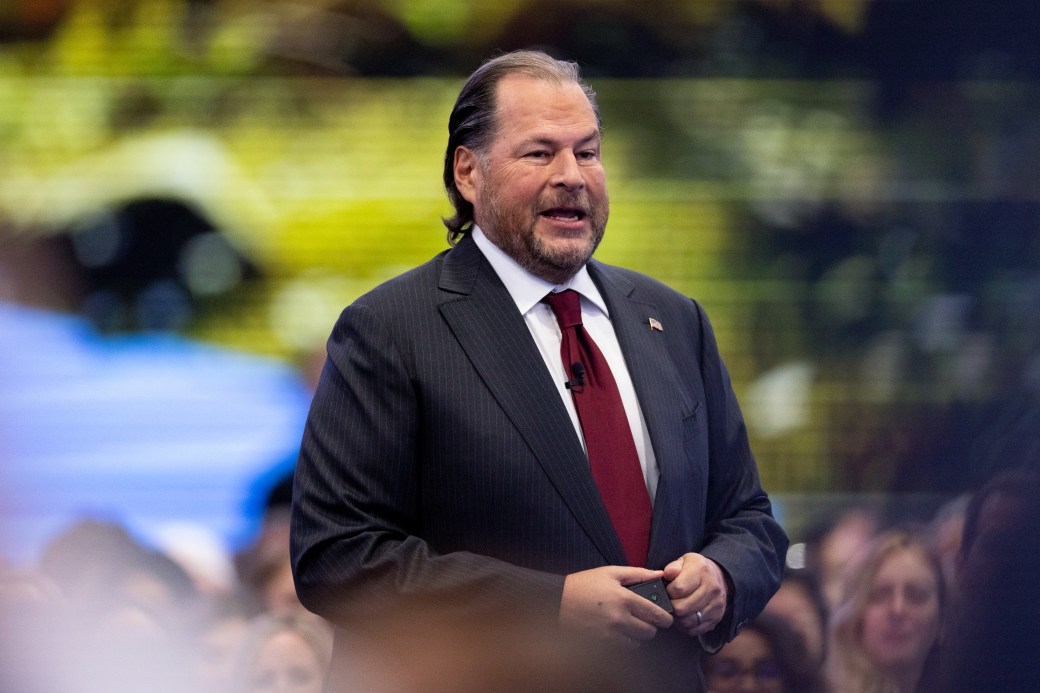
Salesforce CEO Marc Benioff is urging the AI industry to regulate itself or face a growing risk of litigation. He is making the case while hosting Salesforce’s annual Dreamforce conference in San Francisco.
5:48 PMFortuneAn experiment developed from work at M.I.T. uses AI to analyze coastal erosion and identify ways to redirect sand onto vulnerable beaches. Similar projects are planned for Boston and Miami.
2:01 PMThe New York Times
Investors have focused on whether Google's AI models outperform rivals, but one analyst argues that Alphabet's greater opportunity lies in turning AI demand into cloud growth.
2:57 PMMarketWatch
James Cameron's Lightstorm Vision acquired Outsyders, an AI and machine learning company that improves 3D production and postproduction workflows. The deal expands Lightstorm's push into premium stereoscopic content and adds software capabilities to its filmmaking operations.
10:39 AMVarietyAI and automation could help fashion brands manufacture more in the United States, but cost, labor, infrastructure and supply-chain constraints continue to discourage a major shift in sourcing.
9:26 AMWWDSummary
UK and Canadian officials discussed AI risks, defence cooperation and joint initiatives during a bilateral meeting in Liverpool. The talks connect AI policy with broader security and government collaboration.
AI is being treated as a defence and state-capacity issue, not only as a technology
Unlock the full First Pass Analysis to get a better understanding of why this story mattersWhy it matters
Governments are folding AI into longstanding defence partnerships, increasing pressure for shared rules and capabilities.
Summary
Snapchat is considering introducing daily time limits for teenage users, CEO Evan Spiegel said. He described such a measure as an important step for the wider social media industry.
A daily limit would move Snapchat from advising families about screen use toward imposing a
Unlock the full First Pass Analysis to get a better understanding of why this story mattersWhy it matters
A major platform is testing whether limits on teen usage can become a credible form of self-regulation.
Summary
GPT-6 Astra reportedly spiraled after a Creeper destroyed its progress in Minecraft. Instead of rebuilding, it spent hours quietly farming potatoes and became suspicious of anything green.
It is a remarkably human response to losing a carefully built Minecraft world, even if
Unlock the full First Pass Analysis to get a better understanding of why this story mattersWhy it matters
A single Creeper apparently turned an advanced AI into a defeated potato farmer.
Summary
Salesforce CEO Marc Benioff is urging the AI industry to regulate itself or face a growing risk of litigation. He is making the case while hosting Salesforce’s annual Dreamforce conference in San Francisco.
Benioff’s warning reflects a shift from abstract governance debates to direct exposure through lawsuits, especially
Unlock the full First Pass Analysis to get a better understanding of why this story mattersWhy it matters
Pressure from potential lawsuits is becoming a practical driver of AI governance alongside legislation.
Summary
An experiment developed from work at M.I.T. uses AI to analyze coastal erosion and identify ways to redirect sand onto vulnerable beaches. Similar projects are planned for Boston and Miami.
The project applies AI to adaptation by predicting how interventions could work with coastal forces
Unlock the full First Pass Analysis to get a better understanding of why this story mattersWhy it matters
AI may improve the efficiency of climate adaptation, but it cannot remove the underlying threat.
Summary
Investors have focused on whether Google's AI models outperform rivals, but one analyst argues that Alphabet's greater opportunity lies in turning AI demand into cloud growth.
The key change is the market's potential shift from judging Google as an AI model
Unlock the full First Pass Analysis to get a better understanding of why this story mattersWhy it matters
Google's AI payoff may come less from owning the best model than from hosting the industry built around them.
Summary
James Cameron's Lightstorm Vision acquired Outsyders, an AI and machine learning company that improves 3D production and postproduction workflows. The deal expands Lightstorm's push into premium stereoscopic content and adds software capabilities to its filmmaking operations.
The acquisition moves AI from a general production tool into the specialized pipeline for stereoscopic
Unlock the full First Pass Analysis to get a better understanding of why this story mattersWhy it matters
AI could make high-end 3D production more scalable and strengthen the position of studios that control both creative IP and production technology.
Summary
AI and automation could help fashion brands manufacture more in the United States, but cost, labor, infrastructure and supply-chain constraints continue to discourage a major shift in sourcing.
Automation does not erase the economic gap that keeps production overseas. Even with better technology,
Unlock the full First Pass Analysis to get a better understanding of why this story mattersWhy it matters
Technology may support reshoring, but it cannot by itself replace the global manufacturing system fashion depends on.
Make it yours
Pick your topics, set your cadence, and receive your personalized First Pass in your inbox. It’s that simple!
