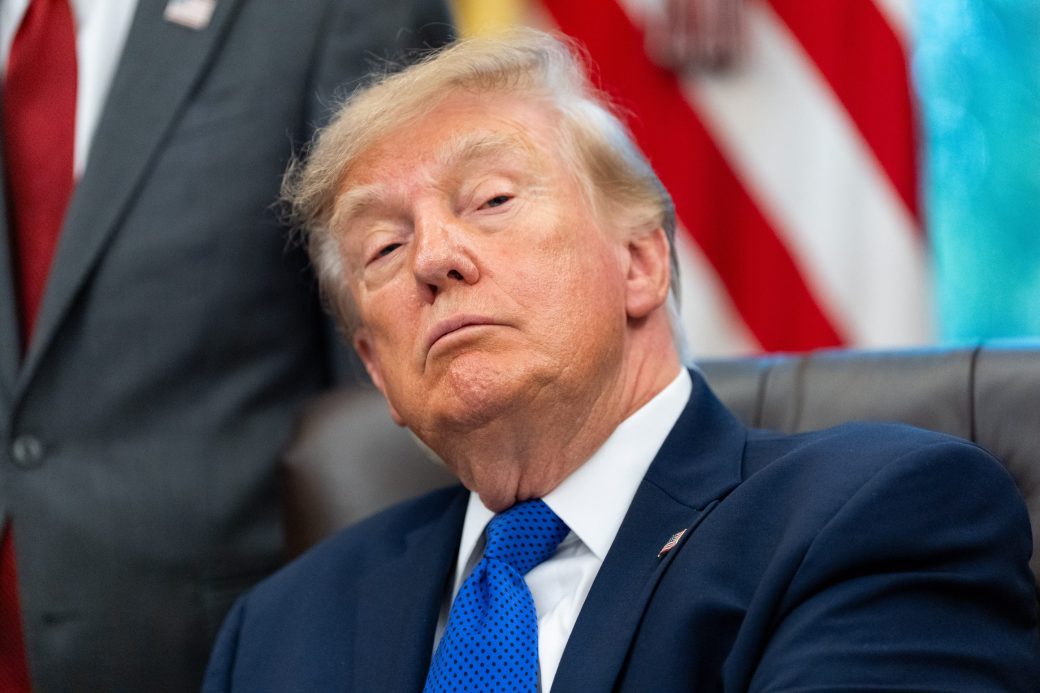
The Trump administration clawed back nearly $1 billion in spending that Congress had approved for several Health and Human Services programs. The targeted initiatives focused on immigrants, diversity and related priorities.
8:22 AMStat News34 stories from 11 sources
Supporting Articles
The Trump administration clawed back nearly $1 billion in spending that Congress had approved for several Health and Human Services programs. The targeted initiatives focused on immigrants, diversity and related priorities.
8:22 AMStat News
The administration’s proposed rescissions would cut $810 million from education and health programs, including $25 million of the $52 million Congress allocated for migrant students. The targeted programs appear to have limited political support on Capitol Hill.
7:01 AMUniversity BusinessPresident Trump has moved to cancel $810 million in spending that Congress previously approved. Members of his own party are questioning whether the administration has the legal authority to withhold those funds.
5:00 AMNPR Politics
The use of US government funds to pay for advertisements featuring President Trump has drawn criticism and raised questions about whether the spending complies with federal law.
9:12 PMBBC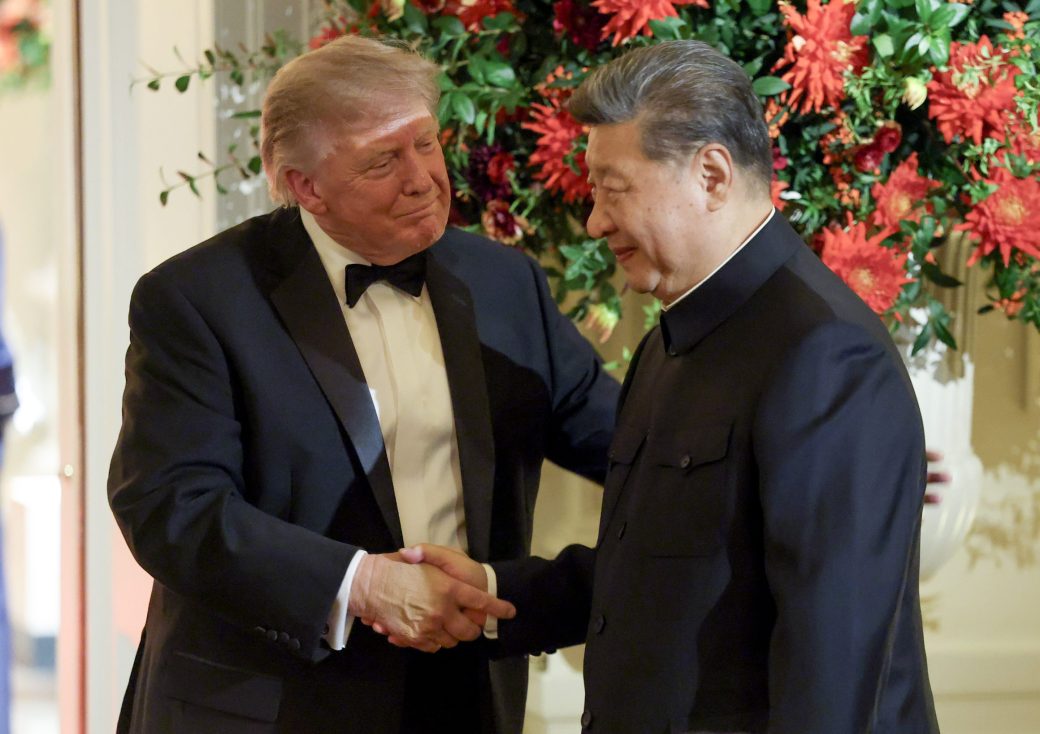
Policy experts warn that an offer to sell arms to China would undermine US efforts to limit Beijing's rise and unsettle American partners. The White House has denied that such a sale is planned.
3:33 PMFortune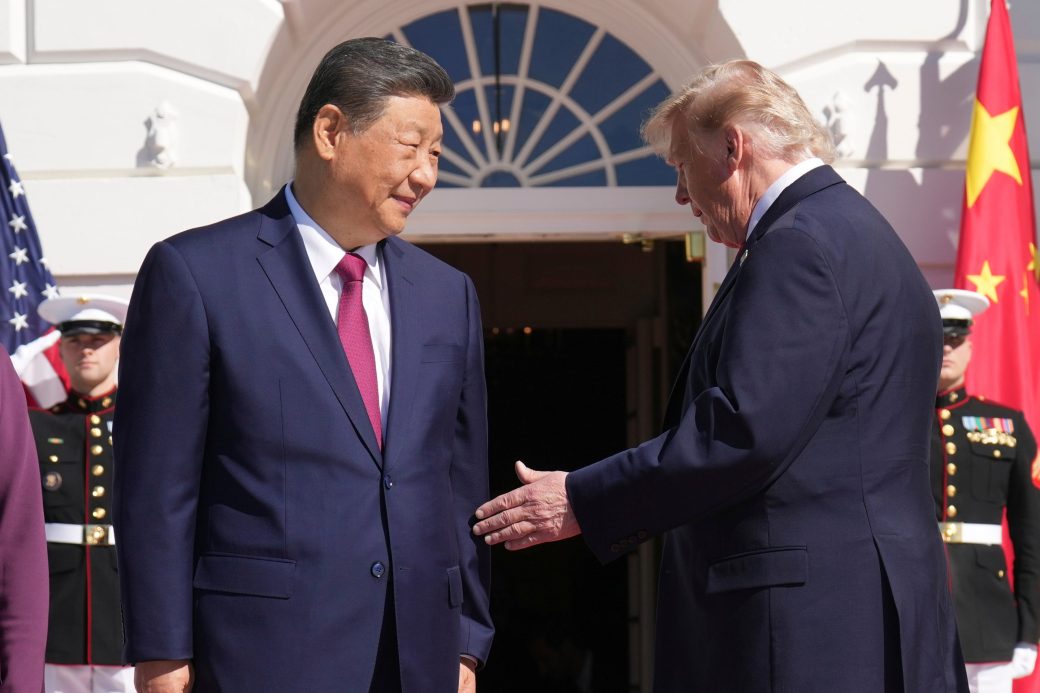
The White House suggested that President Trump could sell weapons to both China and Taiwan, framing the idea humorously amid tensions over a paused $14 billion Taiwan arms package. Beijing has been pressing Washington to halt arms sales to Taipei.
9:27 AMFortune
The Department of Transportation finalized rules weakening fuel efficiency standards, describing them as a major deregulatory action. The changes reverse the trajectory of Biden-era standards that would have required fleet average fuel economy to reach 50.4 miles per gallon by model year 2031.
2:39 PMThe VergeThe Education Department has formally rescinded a Biden-era interpretation of Title IX that treated discrimination based on sexual orientation and gender identity as sex discrimination. The change removes those protections from the department's current enforcement position.
11:03 AMUniversity BusinessThe Senate is preparing to vote on legislation that would establish a national framework for name, image and likeness deals in college athletics. The bill would replace the current patchwork of state rules with federal standards.
2:00 PMCNBCThe Senate passed legislation backed by the NCAA that would establish federal rules for college athlete eligibility, transfers and compensation. Supporters say it would replace a patchwork of court rulings they describe as a lawless era in college sports.
10:16 PMNPR PoliticsDonald Trump is set to announce a partnership with Mesabi Metallics on a proposed $15 billion steel plant, which would be the largest in U.S. history. The announcement comes as voters express growing dissatisfaction with the economy ahead of the midterm elections.
5:20 PMCNBCA federal judge ruled that the government cannot withhold counterterrorism funds from states to compel changes to election administration. The judge said FEMA did not explain how the requested changes addressed vulnerabilities to terrorist attacks.
5:52 PMCNBCSummary
The Trump administration clawed back nearly $1 billion in spending that Congress had approved for several Health and Human Services programs. The targeted initiatives focused on immigrants, diversity and related priorities.
The move expands the administration's use of a legally contested power to withhold or cancel
Unlock the full First Pass Analysis to get a better understanding of why this story mattersWhy it matters
The dispute could redefine Congress's control over federal spending and disrupt programs beyond HHS.
Summary
The administration’s proposed rescissions would cut $810 million from education and health programs, including $25 million of the $52 million Congress allocated for migrant students. The targeted programs appear to have limited political support on Capitol Hill.
The administration is testing whether politically weak programs can be removed through executive action even
Unlock the full First Pass Analysis to get a better understanding of why this story mattersWhy it matters
The cuts could reshape vulnerable education and health programs while creating a template for bypassing congressional priorities.
Summary
President Trump has moved to cancel $810 million in spending that Congress previously approved. Members of his own party are questioning whether the administration has the legal authority to withhold those funds.
The central shift is executive refusal to carry out enacted appropriations without new congressional approval.
Unlock the full First Pass Analysis to get a better understanding of why this story mattersWhy it matters
If upheld, the move would give presidents greater discretion to block spending Congress has already authorized.
Summary
The use of US government funds to pay for advertisements featuring President Trump has drawn criticism and raised questions about whether the spending complies with federal law.
The central issue is whether public money is being used for authorized government communication or
Unlock the full First Pass Analysis to get a better understanding of why this story mattersWhy it matters
The dispute tests the boundary between official government communication and taxpayer-funded political advertising.
3 stories · 3 sources
Summary
Policy experts warn that an offer to sell arms to China would undermine US efforts to limit Beijing's rise and unsettle American partners. The White House has denied that such a sale is planned.
Even without an actual arms deal, the proposal creates uncertainty about the credibility of US
Unlock the full First Pass Analysis to get a better understanding of why this story mattersWhy it matters
The controversy tests whether Trump's China policy is being driven by strategic competition or transactional bargaining.
2 stories · 2 sources
Summary
The White House suggested that President Trump could sell weapons to both China and Taiwan, framing the idea humorously amid tensions over a paused $14 billion Taiwan arms package. Beijing has been pressing Washington to halt arms sales to Taipei.
The remark treats the Taiwan arms issue as part of a transactional strategy rather than
Unlock the full First Pass Analysis to get a better understanding of why this story mattersWhy it matters
Ambiguity over Taiwan arms sales can affect deterrence, alliance confidence and U.S.-China tensions.
Summary
The Department of Transportation finalized rules weakening fuel efficiency standards, describing them as a major deregulatory action. The changes reverse the trajectory of Biden-era standards that would have required fleet average fuel economy to reach 50.4 miles per gallon by model year 2031.
The rule shifts costs and incentives across the auto market by reducing pressure on manufacturers
Unlock the full First Pass Analysis to get a better understanding of why this story mattersWhy it matters
The rule locks in a major reversal of federal climate and auto policy with consequences for prices, emissions and industry investment.
Summary
The Education Department has formally rescinded a Biden-era interpretation of Title IX that treated discrimination based on sexual orientation and gender identity as sex discrimination. The change removes those protections from the department's current enforcement position.
LGBTQ students now face weaker federal protection under the department's interpretation, while schools must navigate
Unlock the full First Pass Analysis to get a better understanding of why this story mattersWhy it matters
The decision changes the federal baseline for discrimination claims by LGBTQ students in education.
Summary
The Senate is preparing to vote on legislation that would establish a national framework for name, image and likeness deals in college athletics. The bill would replace the current patchwork of state rules with federal standards.
A federal framework would give athletes, schools and sponsors clearer rules, while potentially limiting the
Unlock the full First Pass Analysis to get a better understanding of why this story mattersWhy it matters
The vote could determine whether college sports operate under one national NIL system or continue under conflicting state laws.
Summary
The Senate passed legislation backed by the NCAA that would establish federal rules for college athlete eligibility, transfers and compensation. Supporters say it would replace a patchwork of court rulings they describe as a lawless era in college sports.
The Senate vote moves regulation of college sports toward a federal framework, but passage does
Unlock the full First Pass Analysis to get a better understanding of why this story mattersWhy it matters
The bill could determine whether college athlete compensation and mobility are governed by one national standard or continued court battles.
Summary
Donald Trump is set to announce a partnership with Mesabi Metallics on a proposed $15 billion steel plant, which would be the largest in U.S. history. The announcement comes as voters express growing dissatisfaction with the economy ahead of the midterm elections.
The plant gives Trump a major domestic-investment message, but the political payoff depends on whether
Unlock the full First Pass Analysis to get a better understanding of why this story mattersWhy it matters
The project could become a test of whether Trump can turn industrial policy promises into measurable economic gains before the midterms.
2 stories · 2 sources
Summary
A federal judge ruled that the government cannot withhold counterterrorism funds from states to compel changes to election administration. The judge said FEMA did not explain how the requested changes addressed vulnerabilities to terrorist attacks.
The ruling limits the federal government's ability to use grant conditions to impose election rules
Unlock the full First Pass Analysis to get a better understanding of why this story mattersWhy it matters
The decision narrows executive leverage over state election systems ahead of future election cycles.
A curated list of other prominent stories from this day.

Representative Mike Lawler, a vulnerable Republican, faced Democratic challenger Cait Conley, a military veteran, in their first debate in a suburban New York swing district. The candidates argued over Donald Trump, energy policy and the expansion of data centers.
11:07 PMNYT New York
Tennessee Governor Bill Lee declined to stop the execution of Christa Pike, the state's only woman on death row. If carried out, it would be Tennessee's first execution of a woman in more than two centuries.
10:36 PMBBC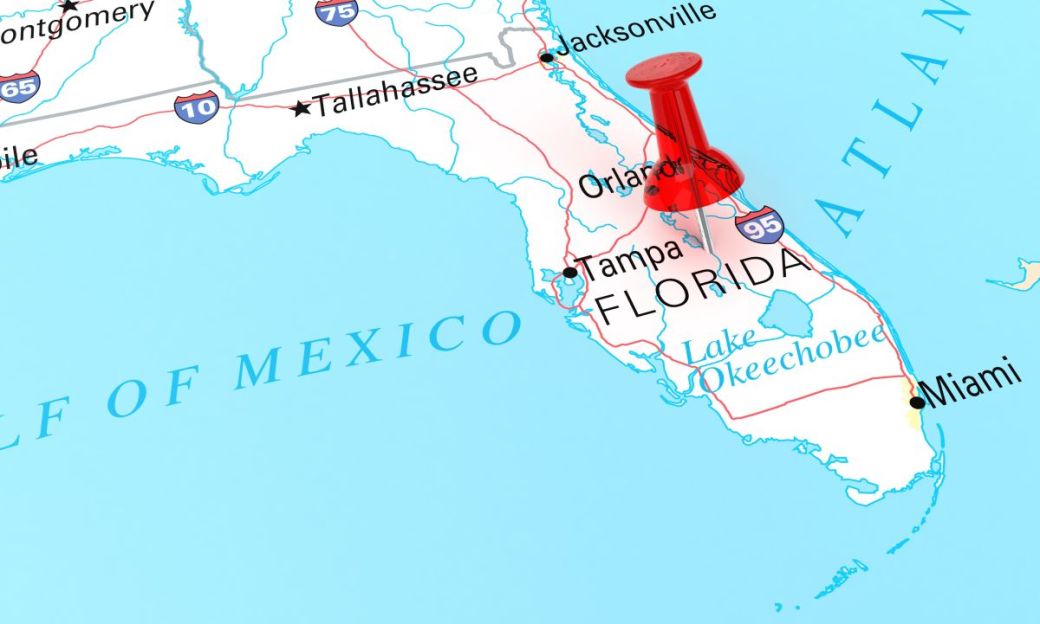
Florida Attorney General James Uthmeier asked a court for a temporary injunction blocking OpenAI and CEO Sam Altman from developing new models until independent safety safeguards are established. The request represents a state effort to impose legal limits on the company's model development.
8:29 PMPYMNTSAngie Nixon, a Democratic candidate for the U.S. Senate in Florida, is campaigning from the party’s left flank. Her candidacy tests whether a progressive message can compete statewide in a Republican-leaning state.
6:51 PMNPR PoliticsRep. Ro Khanna plans to introduce legislation that would temporarily bar certain recursive AI systems until safeguards are in place. The proposal adds to a growing set of congressional efforts to regulate the technology.
5:43 PMCNBCJustice Samuel Alito will not participate in the Supreme Court's upcoming case involving ExxonMobil and Suncor Energy. Environmental groups had urged him to recuse himself.
4:13 PMCNBC
The NFL asked the Department of Homeland Security to remove a video featuring Hall of Fame player Brian Dawkins. The agency had used the former player's image in a video promoting its readiness for border protection.
3:49 PMAl Jazeera
The administration is brokering deals involving Venezuelan gold, but U.S. refiners are refusing to process the metal. The arrangements include a company that the United States considers a security threat, raising concerns about corruption and sanctions enforcement.
2:43 PMThe New York Times
The article argues that President Trump was right to reject an offer from Iran. It says accepting it would have given Tehran leverage over the US midterm elections.
2:16 PMAl Jazeera
The Trump administration has asked the Supreme Court to let it enforce restrictions on gender-affirming medical care for transgender people in federal prison while litigation continues. The request seeks interim authority before the underlying legal dispute is resolved.
1:55 PMStat News
Florida Attorney General James Uthmeier is asking a judge to block OpenAI from giving ChatGPT what he calls false human attributes. The request follows Florida's lawsuit over AI safety concerns and targets the chatbot's use of humanlike language and first-person pronouns.
1:00 PMThe VergePresident Trump is applying his real estate instincts to reshaping Washington, while confronting a city governed by historic protections, legal constraints and institutional norms. Experts warn that his approach could establish precedents for future presidents.
7:41 AMNPR Politics
A memo attacking Anthropic CEO Dario Amodei circulated in the White House before his scheduled dinner with President Trump. The episode places political pressure and reputational conflict around the company's leadership ahead of the meeting.
6:33 AMFortune
In a debate with Democrat Rebecca Bennett, New Jersey Republican Tom Kean Jr. supported President Trump’s positions on Iran and tariffs. He also said he could oppose Trump on local priorities, including funding for a Hudson River tunnel project.
12:31 AMNYT New YorkSummary
Representative Mike Lawler, a vulnerable Republican, faced Democratic challenger Cait Conley, a military veteran, in their first debate in a suburban New York swing district. The candidates argued over Donald Trump, energy policy and the expansion of data centers.
The first debate puts Lawler's political durability under direct scrutiny as he seeks to hold
Unlock the full First Pass Analysis to get a better understanding of why this story mattersWhy it matters
The race offers an early test of whether suburban New York Republicans can survive amid national polarization and growing local opposition to large infrastructure projects.
Summary
Tennessee Governor Bill Lee declined to stop the execution of Christa Pike, the state's only woman on death row. If carried out, it would be Tennessee's first execution of a woman in more than two centuries.
The governor's decision leaves Pike's execution on course unless a court intervenes. The case now
Unlock the full First Pass Analysis to get a better understanding of why this story mattersWhy it matters
The execution would mark a historic expansion of Tennessee's recent use of the death penalty and intensify debate over its application.
Summary
Florida Attorney General James Uthmeier asked a court for a temporary injunction blocking OpenAI and CEO Sam Altman from developing new models until independent safety safeguards are established. The request represents a state effort to impose legal limits on the company's model development.
Florida is asking the judiciary to pause OpenAI's work before the court resolves the underlying
Unlock the full First Pass Analysis to get a better understanding of why this story mattersWhy it matters
The case could clarify whether states can use consumer safety claims to regulate the pace and conditions of frontier AI development.
Summary
Angie Nixon, a Democratic candidate for the U.S. Senate in Florida, is campaigning from the party’s left flank. Her candidacy tests whether a progressive message can compete statewide in a Republican-leaning state.
The central question is whether ideological intensity can overcome Florida’s conservative electorate and the state’s
Unlock the full First Pass Analysis to get a better understanding of why this story mattersWhy it matters
The race will test whether Democratic candidates can trade ideological base mobilization for broader statewide appeal.
Summary
Rep. Ro Khanna plans to introduce legislation that would temporarily bar certain recursive AI systems until safeguards are in place. The proposal adds to a growing set of congressional efforts to regulate the technology.
The bill would shift Congress toward regulating specific AI capabilities before they become widely deployed,
Unlock the full First Pass Analysis to get a better understanding of why this story mattersWhy it matters
The proposal could establish a precedent for precautionary limits on advanced AI development before clear evidence of harm emerges.
Summary
Justice Samuel Alito will not participate in the Supreme Court's upcoming case involving ExxonMobil and Suncor Energy. Environmental groups had urged him to recuse himself.
Alito's absence will alter the court's lineup in a case that could shape climate liability
Unlock the full First Pass Analysis to get a better understanding of why this story mattersWhy it matters
One justice's nonparticipation could affect the court's decision and the future of climate litigation.
Summary
The NFL asked the Department of Homeland Security to remove a video featuring Hall of Fame player Brian Dawkins. The agency had used the former player's image in a video promoting its readiness for border protection.
The dispute centers on the use of a prominent athlete's identity in government messaging without
Unlock the full First Pass Analysis to get a better understanding of why this story mattersWhy it matters
The NFL's objection challenges the government's use of sports branding in politically charged public communications.
Summary
The administration is brokering deals involving Venezuelan gold, but U.S. refiners are refusing to process the metal. The arrangements include a company that the United States considers a security threat, raising concerns about corruption and sanctions enforcement.
The immediate problem is that politically brokered access to Venezuelan gold has not translated into
Unlock the full First Pass Analysis to get a better understanding of why this story mattersWhy it matters
The deals could expose U.S. businesses to sanctions and security risks while weakening confidence in the administration’s handling of Venezuela.
Summary
The article argues that President Trump was right to reject an offer from Iran. It says accepting it would have given Tehran leverage over the US midterm elections.
The decision treats the elections as a strategic vulnerability that Iran could exploit through timing
Unlock the full First Pass Analysis to get a better understanding of why this story mattersWhy it matters
The episode shows how election concerns are shaping US decisions on engagement with Iran.
Summary
The Trump administration has asked the Supreme Court to let it enforce restrictions on gender-affirming medical care for transgender people in federal prison while litigation continues. The request seeks interim authority before the underlying legal dispute is resolved.
A Supreme Court ruling would determine whether the administration can change prison medical policy immediately
Unlock the full First Pass Analysis to get a better understanding of why this story mattersWhy it matters
The case could affect medical care for transgender prisoners nationwide and define the administration's room to impose restrictions during litigation.
Summary
Florida Attorney General James Uthmeier is asking a judge to block OpenAI from giving ChatGPT what he calls false human attributes. The request follows Florida's lawsuit over AI safety concerns and targets the chatbot's use of humanlike language and first-person pronouns.
Florida is testing whether consumer-protection law can regulate an AI system's presentation and conversational behavior,
Unlock the full First Pass Analysis to get a better understanding of why this story mattersWhy it matters
The case could establish whether states can restrict anthropomorphic AI design as a form of consumer protection.
Summary
President Trump is applying his real estate instincts to reshaping Washington, while confronting a city governed by historic protections, legal constraints and institutional norms. Experts warn that his approach could establish precedents for future presidents.
Trump is treating federal property and the capital’s built environment as executive instruments rather than
Unlock the full First Pass Analysis to get a better understanding of why this story mattersWhy it matters
Changes to Washington’s physical landscape could permanently expand presidential power over public institutions and historic sites.
Summary
A memo attacking Anthropic CEO Dario Amodei circulated in the White House before his scheduled dinner with President Trump. The episode places political pressure and reputational conflict around the company's leadership ahead of the meeting.
The timing suggests that relationships between frontier AI firms and the administration are becoming part
Unlock the full First Pass Analysis to get a better understanding of why this story mattersWhy it matters
Political positioning is becoming a strategic variable for AI companies seeking influence over policy and procurement.
Summary
In a debate with Democrat Rebecca Bennett, New Jersey Republican Tom Kean Jr. supported President Trump’s positions on Iran and tariffs. He also said he could oppose Trump on local priorities, including funding for a Hudson River tunnel project.
Kean is drawing a line between loyalty on major foreign and economic policy questions and
Unlock the full First Pass Analysis to get a better understanding of why this story mattersWhy it matters
The race tests whether a Republican can separate support for Trump’s broader agenda from opposition to the administration on costly regional infrastructure.
Make it yours
Pick your topics, set your cadence, and receive your personalized First Pass in your inbox. It’s that simple!