
U.S. Ambassador to China David Perdue said President Trump offered Chinese leader Xi Jinping a sale of American arms. The White House later said the United States had no plans to make such a sale.
8:01 PMThe New York Times13 stories from 7 sources
Supporting Articles
U.S. Ambassador to China David Perdue said President Trump offered Chinese leader Xi Jinping a sale of American arms. The White House later said the United States had no plans to make such a sale.
8:01 PMThe New York Times
The discussion examines President Trump's escalating conflict with parts of the White House press corps and his effort to reclaim $810 million in health and education funds that Congress already approved. The two disputes test the administration's approach to both media scrutiny and congressional spending authority.
8:06 AMNPR Politics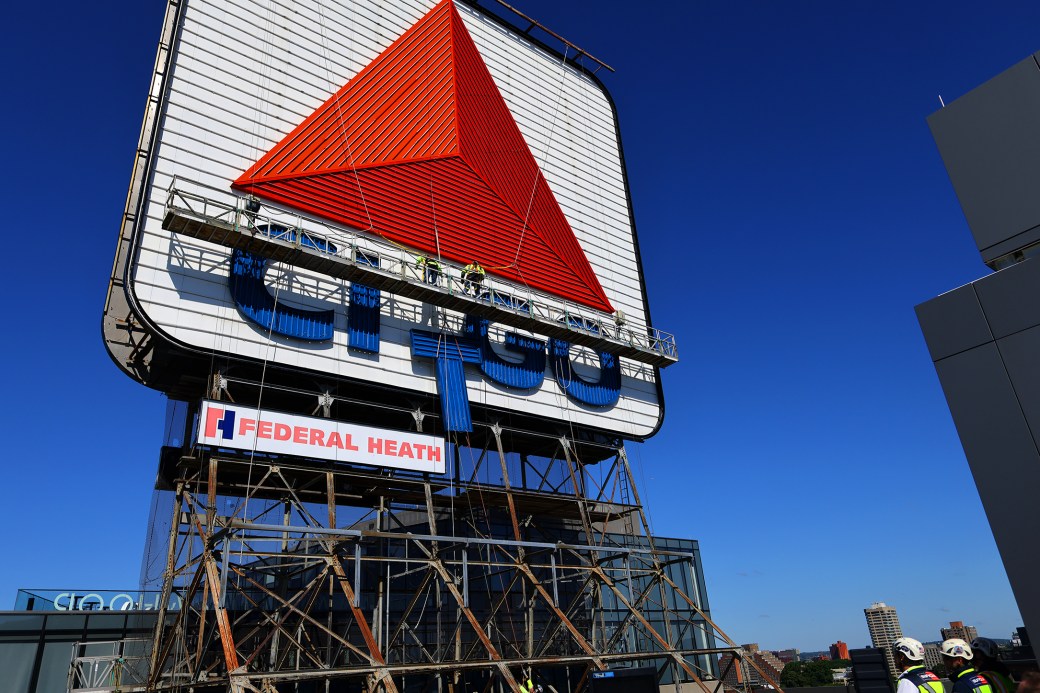
The Trump administration may determine whether Citgo, Venezuela's U.S.-based oil refiner, goes to Elliott Management or returns to Venezuelan control. The decision would shape the outcome of a long-running ownership dispute.
3:11 AMFortuneThe Protect College Sports Act is nearing passage in the Senate, where several former college athletes now serving as senators are shaping the debate. Their participation spans both parties.
8:06 AMNPR PoliticsThe Senate is weighing a major college sports reform bill backed by the NCAA and other powerful stakeholders. Former college athletes serving in the Senate have added influence over how the legislation addresses the future of college sports.
8:06 AMNPR PoliticsSummary
U.S. Ambassador to China David Perdue said President Trump offered Chinese leader Xi Jinping a sale of American arms. The White House later said the United States had no plans to make such a sale.
The key shift is the emergence of a public account of an arms proposal that
Unlock the full First Pass Analysis to get a better understanding of why this story mattersWhy it matters
An alleged arms offer to Beijing could affect U.S. security policy, alliance confidence, and the administration's credibility in managing China relations.
Summary
The discussion examines President Trump's escalating conflict with parts of the White House press corps and his effort to reclaim $810 million in health and education funds that Congress already approved. The two disputes test the administration's approach to both media scrutiny and congressional spending authority.
The proposed rollback puts executive power directly against Congress's control over appropriated funds. At the
Unlock the full First Pass Analysis to get a better understanding of why this story mattersWhy it matters
The outcome could define how much latitude the president has to override congressional spending decisions and shape the information environment around those actions.
Summary
The Trump administration may determine whether Citgo, Venezuela's U.S.-based oil refiner, goes to Elliott Management or returns to Venezuelan control. The decision would shape the outcome of a long-running ownership dispute.
The decisive question is whether Washington uses its authority over Citgo to favor creditors or
Unlock the full First Pass Analysis to get a better understanding of why this story mattersWhy it matters
The decision could determine who controls a strategically important energy asset while signaling how the Trump administration balances creditor claims against Venezuelan policy.
Summary
The Protect College Sports Act is nearing passage in the Senate, where several former college athletes now serving as senators are shaping the debate. Their participation spans both parties.
Former college athletes could influence the final rules governing college sports as the bill approaches
Unlock the full First Pass Analysis to get a better understanding of why this story mattersWhy it matters
The bill could set nationwide rules for college sports, and former athletes in the Senate may help determine whose interests those rules protect.
Summary
The Senate is weighing a major college sports reform bill backed by the NCAA and other powerful stakeholders. Former college athletes serving in the Senate have added influence over how the legislation addresses the future of college sports.
Former athletes give the debate lawmakers with direct experience of the system, but their involvement
Unlock the full First Pass Analysis to get a better understanding of why this story mattersWhy it matters
The legislation could set the rules for athlete rights and institutional power across college sports.
A curated list of other prominent stories from this day.

Republican Rep. Tom Kean Jr. and Democrat Rebecca Bennett held their first and likely only debate before the midterms. They addressed mental health, household affordability, and congressional stock trading.
11:32 PMGothamist
Democrat Rebecca Bennett and Republican Tom Kean Jr. will meet Sunday for the first and likely only debate in their competitive New Jersey congressional race. The contest is taking place in a swing district that could be pivotal in the midterms.
8:00 AMGothamist
Anthropic CEO Dario Amodei is expected to have a private dinner with President Donald Trump at the White House, marking their first one-on-one meeting, according to reports.
10:57 PMAl JazeeraTelevision ads featuring President Trump are expanding nationally, raising bipartisan questions about whether the campaigns comply with limits on taxpayer-funded government publicity.
5:38 PMCNBC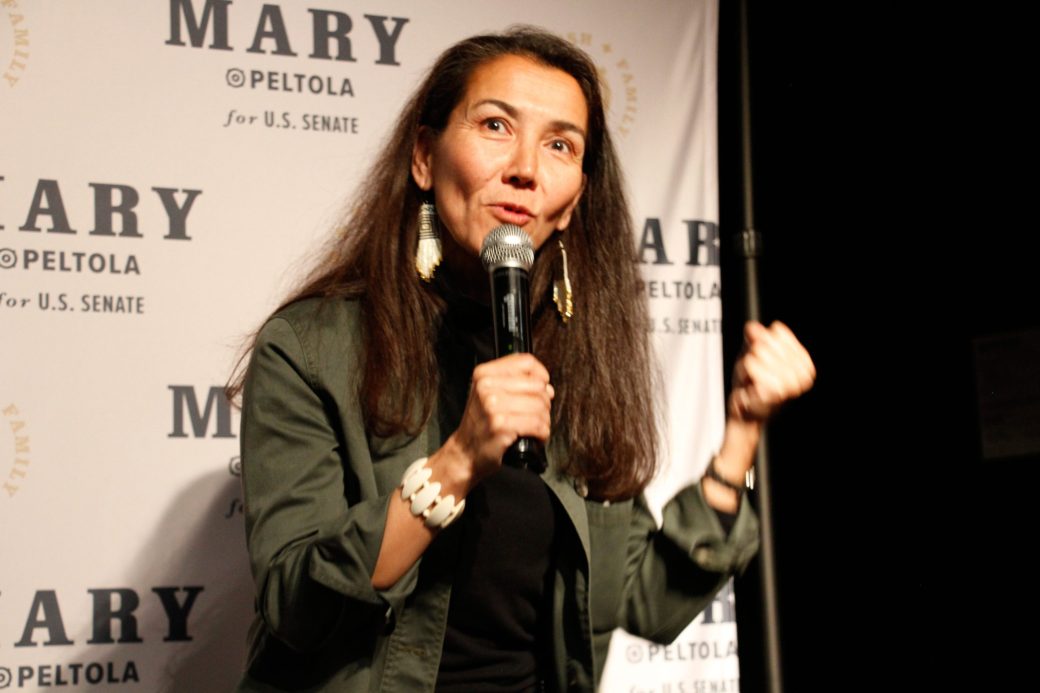
In Alaska politics, calling someone a “Lower 48” outsider carries a sharp political charge. That identity divide has become central to the state's Senate race, where candidates' ties to Alaska matter as much as their policy positions.
10:21 AMFortuneRepublican Vivek Ramaswamy is running against Democrat Amy Acton, a former state health advisor, in Ohio's governor's race. Democrats see the contest as an unusual chance to win statewide in a state that generally favors Republicans.
8:06 AMNPR PoliticsSeveral Democratic congressional candidates are making Christian faith a central part of their campaigns, breaking with the party's usual reluctance to foreground religion. The strategy comes as candidates seek to connect with religious voters during the midterm election cycle.
6:00 AMNPR Politics
Institutional investors, including private equity firms, are facing blame for soaring US housing costs as the affordability crisis enters the political debate.
12:00 AMFinancial TimesSummary
Republican Rep. Tom Kean Jr. and Democrat Rebecca Bennett held their first and likely only debate before the midterms. They addressed mental health, household affordability, and congressional stock trading.
The contest is being framed around issues that connect national politics to daily economic pressure
Unlock the full First Pass Analysis to get a better understanding of why this story mattersWhy it matters
The debate may be the clearest test of whether this competitive race turns on national polarization or practical concerns facing New Jersey voters.
Summary
Democrat Rebecca Bennett and Republican Tom Kean Jr. will meet Sunday for the first and likely only debate in their competitive New Jersey congressional race. The contest is taking place in a swing district that could be pivotal in the midterms.
With only one debate, each candidate has a narrow opportunity to define the race and
Unlock the full First Pass Analysis to get a better understanding of why this story mattersWhy it matters
The race could help determine whether New Jersey's congressional delegation shifts and how closely the midterms track national trends.
Summary
Anthropic CEO Dario Amodei is expected to have a private dinner with President Donald Trump at the White House, marking their first one-on-one meeting, according to reports.
The dinner gives Anthropic a direct channel to the president as Washington weighs the technology
Unlock the full First Pass Analysis to get a better understanding of why this story mattersWhy it matters
Direct access to the White House can influence the policy environment for AI development, safety, investment, and competition.
Summary
Television ads featuring President Trump are expanding nationally, raising bipartisan questions about whether the campaigns comply with limits on taxpayer-funded government publicity.
The central issue is whether public money is being used to promote a political figure
Unlock the full First Pass Analysis to get a better understanding of why this story mattersWhy it matters
The dispute could turn routine government messaging into an election-year test of legal and ethical limits on taxpayer-funded political promotion.
Summary
In Alaska politics, calling someone a “Lower 48” outsider carries a sharp political charge. That identity divide has become central to the state's Senate race, where candidates' ties to Alaska matter as much as their policy positions.
The “Lower 48” label turns residency and cultural identity into a test of political legitimacy.
Unlock the full First Pass Analysis to get a better understanding of why this story mattersWhy it matters
The contest shows how Alaska's geographic isolation and political identity can outweigh national party dynamics.
Summary
Republican Vivek Ramaswamy is running against Democrat Amy Acton, a former state health advisor, in Ohio's governor's race. Democrats see the contest as an unusual chance to win statewide in a state that generally favors Republicans.
Ohio's Republican tilt makes Democratic competitiveness the central shift in the race, not merely the
Unlock the full First Pass Analysis to get a better understanding of why this story mattersWhy it matters
A Democratic win would signal that Ohio's Republican advantage is becoming more vulnerable in statewide races.
Summary
Several Democratic congressional candidates are making Christian faith a central part of their campaigns, breaking with the party's usual reluctance to foreground religion. The strategy comes as candidates seek to connect with religious voters during the midterm election cycle.
Democrats are treating religious identity as a potential electoral asset rather than leaving faith-coded politics
Unlock the full First Pass Analysis to get a better understanding of why this story mattersWhy it matters
The campaigns will test whether Democrats can use Christian faith to expand their coalition without weakening their cultural and policy identity.
Summary
Institutional investors, including private equity firms, are facing blame for soaring US housing costs as the affordability crisis enters the political debate.
Housing affordability is turning private equity ownership of residential property into a campaign target ahead
Unlock the full First Pass Analysis to get a better understanding of why this story mattersWhy it matters
Housing policy is becoming a political risk for private equity as candidates search for visible targets in the affordability crisis.
Make it yours
Pick your topics, set your cadence, and receive your personalized First Pass in your inbox. It’s that simple!