First Pass

6 stories from 2 sources

Accelerating glacier loss anchors a day of scientific advances

Day’s Recap

Supporting Articles

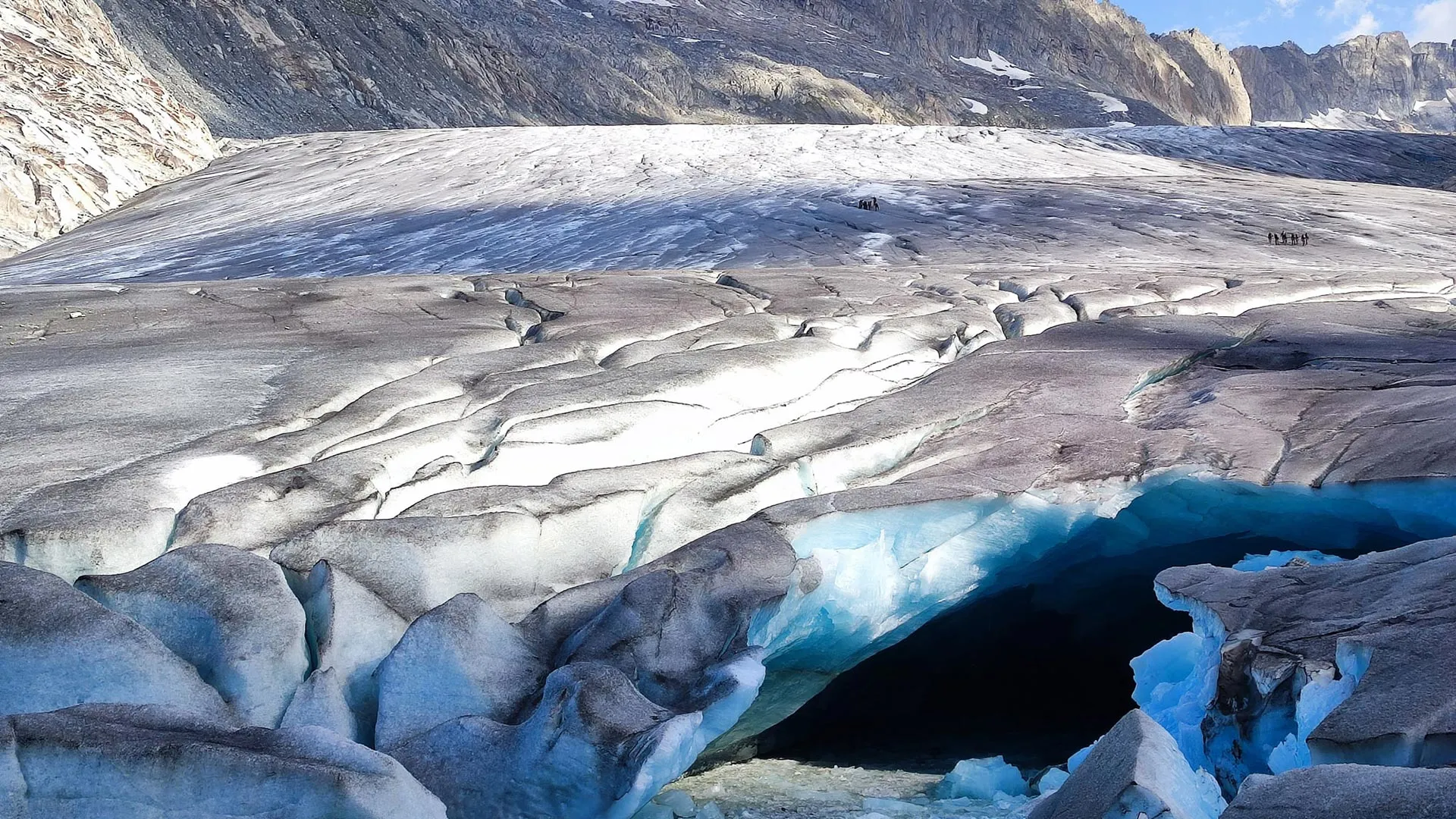
Swiss glaciers lost more than 5% of their ice volume in 2026, after unusually snowless winters and extreme summer heat. Nearly one-fifth of the country’s glacier ice has disappeared over five years, and some smaller glaciers have vanished entirely.

5:42 AMScienceDaily
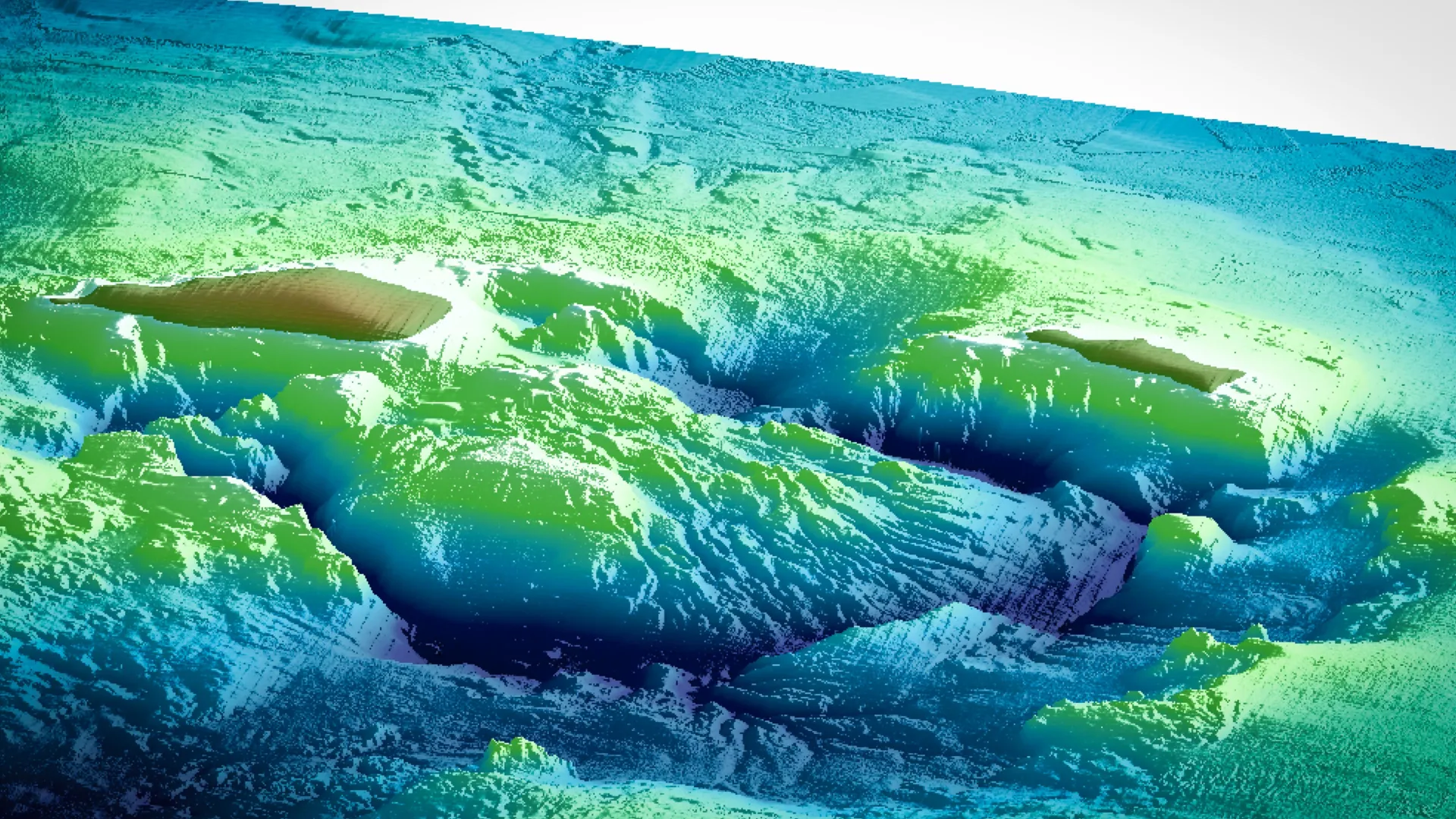
Underwater seismic surveys found a large magma reservoir beneath Japan’s Kikai caldera, where magma has accumulated since a massive eruption 7,300 years ago. The finding offers new evidence about how supervolcanoes rebuild their magma systems after major eruptions.

7:23 AMScienceDaily

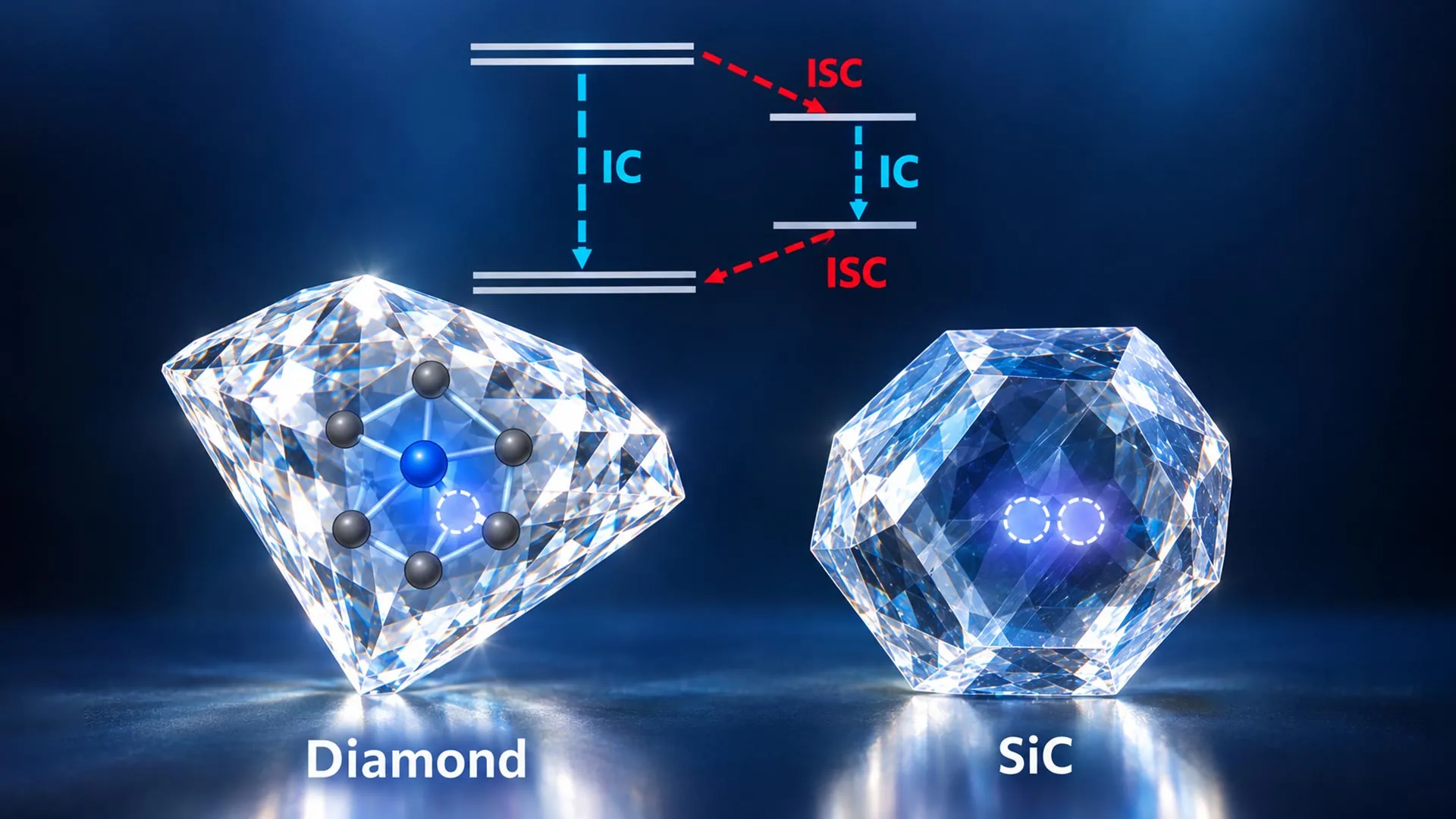
Researchers developed a computational method to explain how defects in materials such as diamond and silicon carbide lose energy when exposed to light. The work identified an underestimated energy-loss mechanism in silicon carbide, resolving a longstanding question in the field.

6:22 AMScienceDaily

Other Developments

A curated list of other prominent stories from this day.

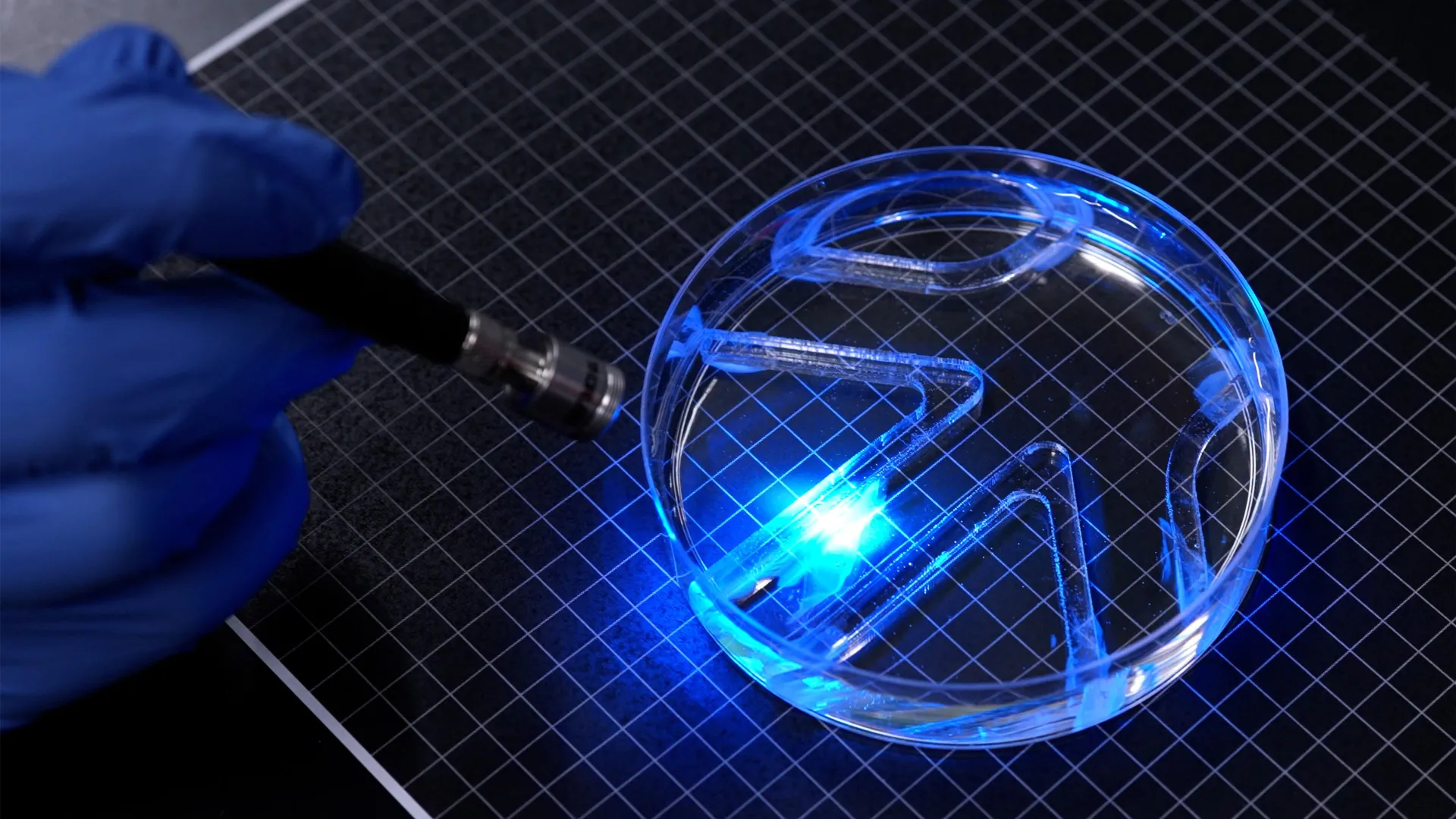
MIT engineers created a paper-thin swimming robot powered by living muscle cells that react to light, allowing the device to move and steer through water. The design could support small biological machines for use in delicate environments.

6:33 AMScienceDaily

San Francisco startup Marathon Fusion claims it can convert mercury into stable gold using neutrons generated by fusion, at a rate ten times higher than a 2025 CERN record. The company has not disclosed how much gold it produced, leaving the claim’s commercial significance uncertain.

5:05 AMEconomic Times

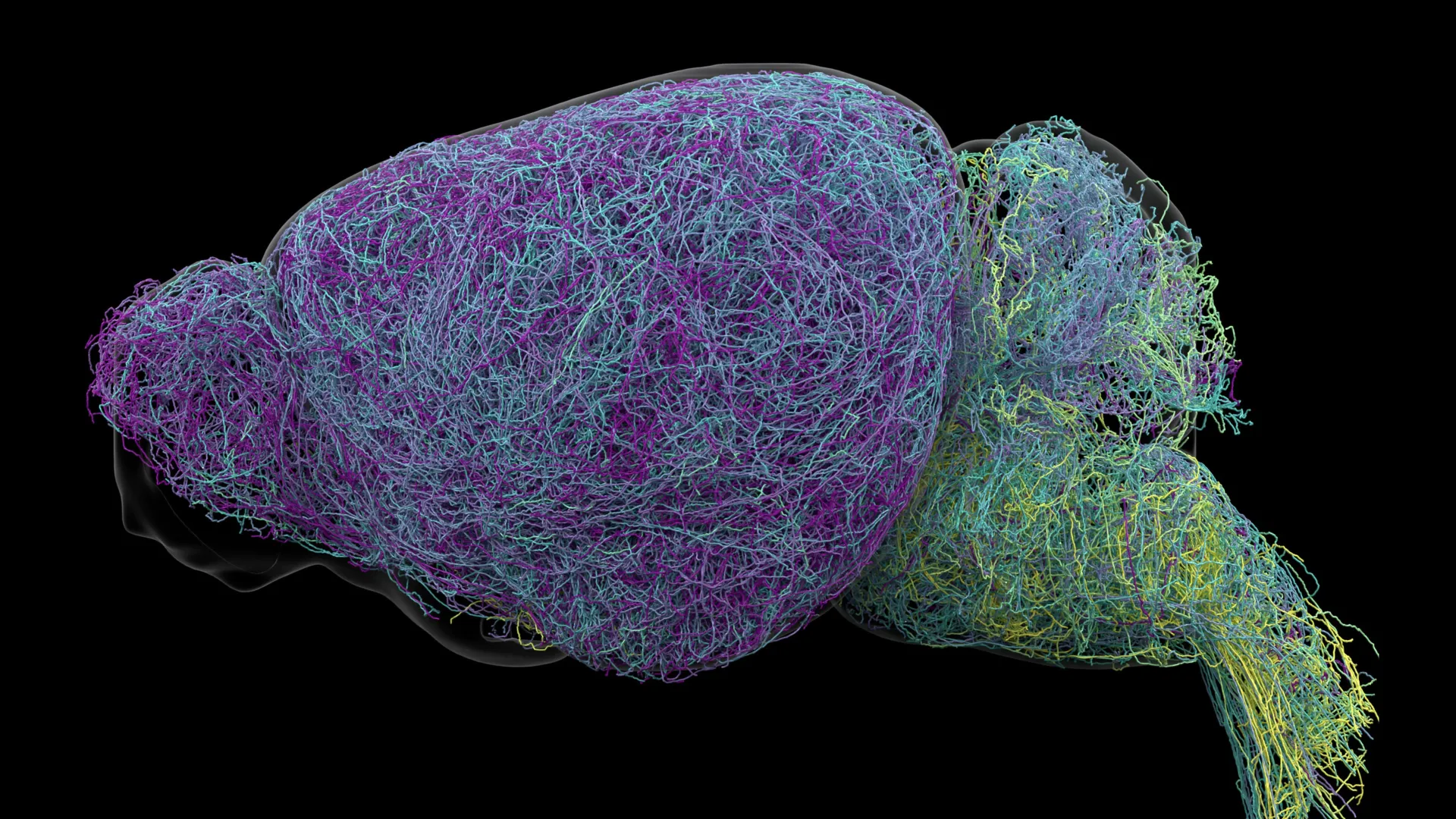
Research in mice found that a small region deep in the brain sends targeted chemical messages rather than broadcasting one uniform signal. Those distinct messages help regulate learning, attention, and behavior.

4:28 AMScienceDaily

Make it yours

Build Your First Pass.

Pick your topics, set your cadence, and receive your personalized First Pass in your inbox. It’s that simple!