Science tests old assumptions about the universe, ecosystems, and time
Day’s Recap
“
”
Supporting Articles
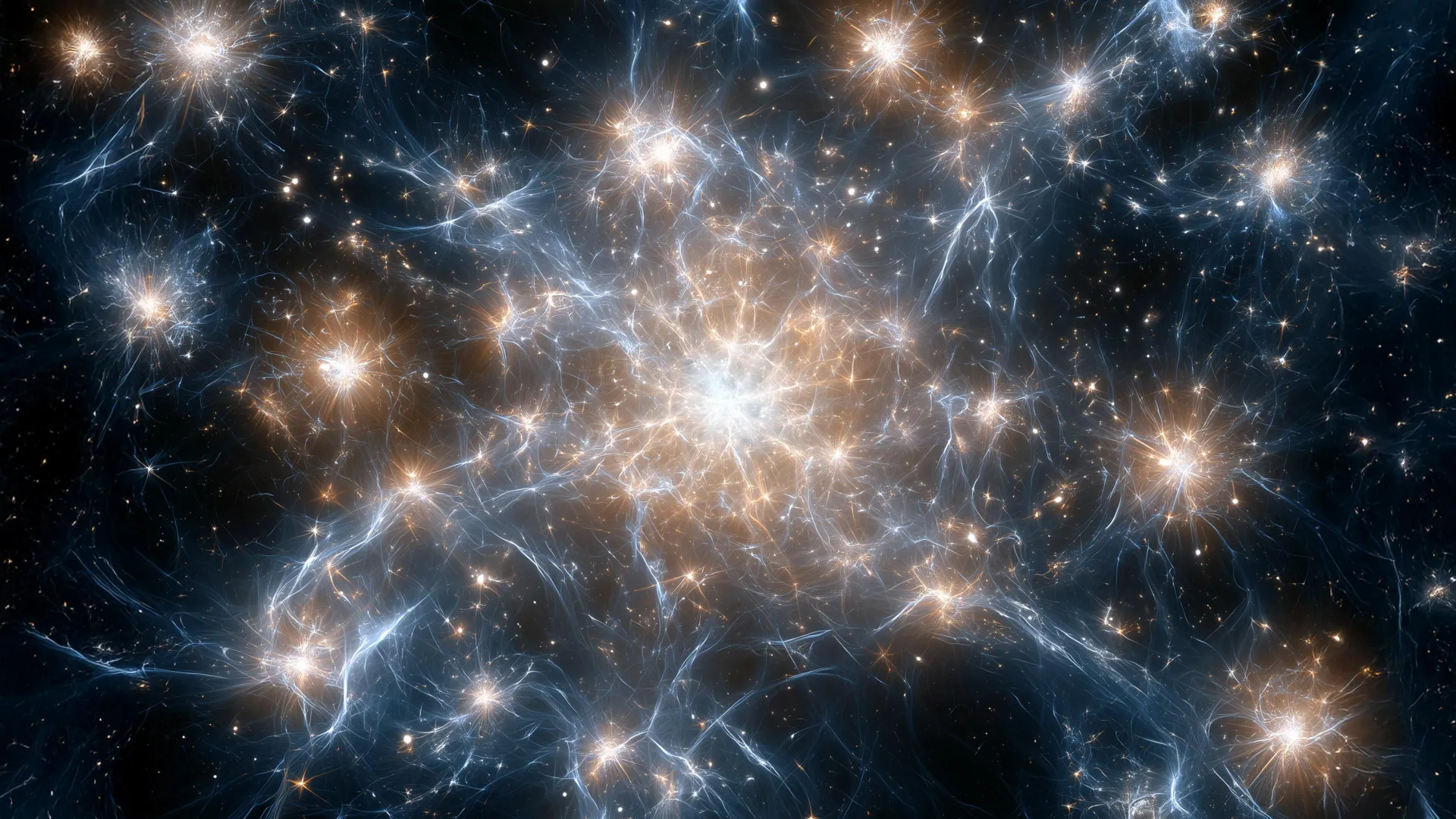
An analysis of 2,884 exploding stars found evidence that dark energy, which drives the universe's accelerating expansion, may have changed over time. The result puts pressure on the standard cosmological model, which treats dark energy as constant.
10:54 PMScienceDaily
The World Conservation Union has classified 96 percent of assessed shallow-water coral reef systems as critically endangered. The designation reflects an acute risk of extinction for reefs already under severe pressure.
7:32 PMAl Jazeera
Global timekeeping has relied on occasional leap seconds for more than five decades to keep atomic clocks aligned with the Earth's irregular rotation. International officials have now moved toward ending that system, with leap seconds expected to be phased out by 2035.
3:00 PMAl Jazeera
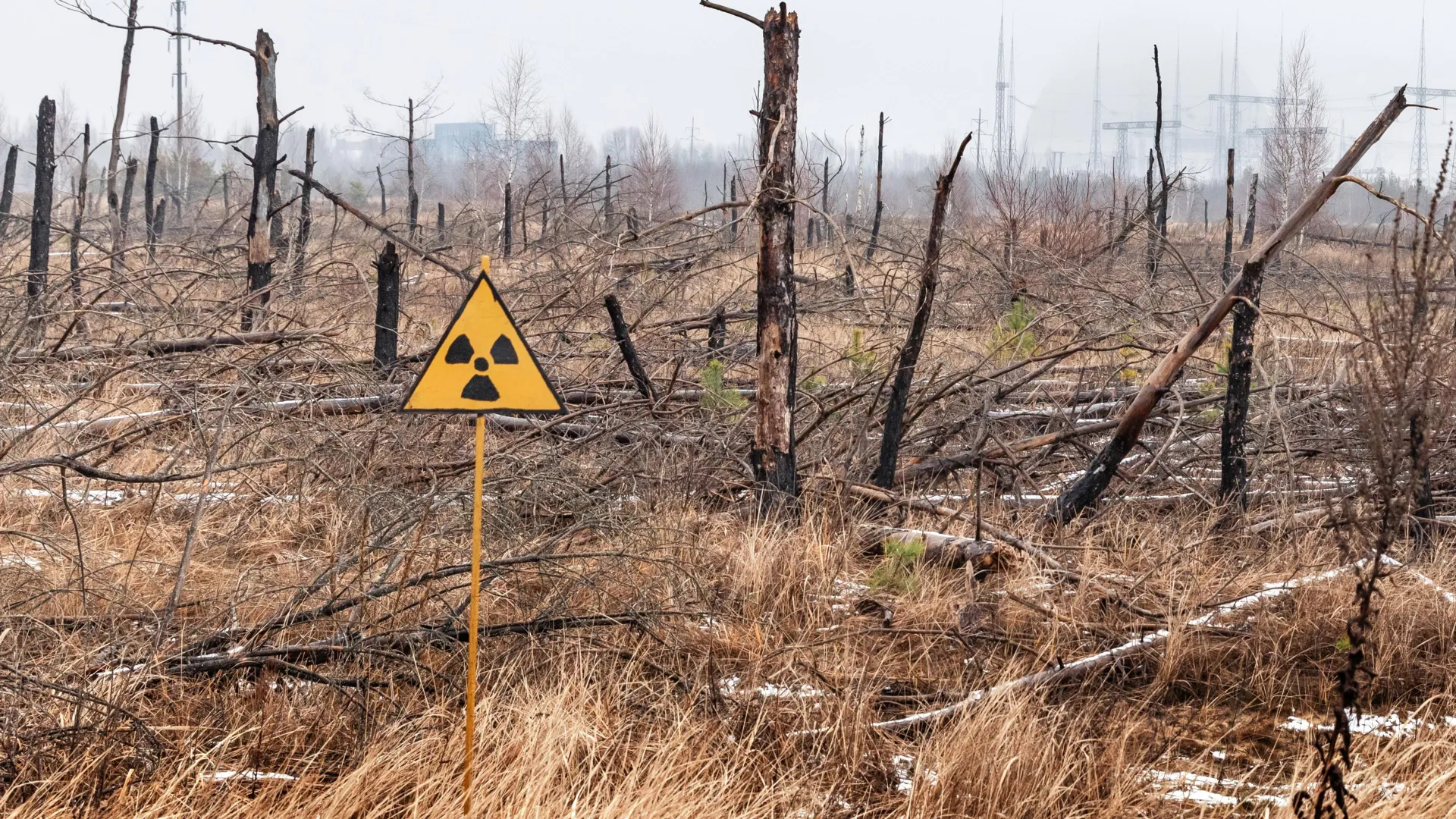
Four decades after the Chornobyl disaster, researchers used powerful X-rays to examine radioactive particles that remain in contaminated soil. Some particles have stayed unexpectedly stable, keeping radioactive material trapped rather than releasing it into the surrounding environment.
11:35 PMScienceDaily
10:54 PMScienceDaily
Nearly 3,000 exploding stars challenge our understanding of the Universe
Summary
An analysis of 2,884 exploding stars found evidence that dark energy, which drives the universe's accelerating expansion, may have changed over time. The result puts pressure on the standard cosmological model, which treats dark energy as constant.
The key shift is that a force assumed to be stable may instead evolve, which
Unlock the full First Pass Analysis to get a better understanding of why this story matters
Why it matters
If confirmed, evolving dark energy would force scientists to rethink one of cosmology's central assumptions.
Almost all shallow-water coral reefs now face extinction risk, study warns
Summary
The World Conservation Union has classified 96 percent of assessed shallow-water coral reef systems as critically endangered. The designation reflects an acute risk of extinction for reefs already under severe pressure.
The decisive shift is the scale of the threat: nearly every assessed reef system now
Unlock the full First Pass Analysis to get a better understanding of why this story matters
Why it matters
The finding signals that coral reef decline has moved from a localized environmental problem to a broad ecological crisis.
Global timekeeping has relied on occasional leap seconds for more than five decades to keep atomic clocks aligned with the Earth's irregular rotation. International officials have now moved toward ending that system, with leap seconds expected to be phased out by 2035.
The decisive change is the planned abandonment of leap seconds as the world's standard clocks
Unlock the full First Pass Analysis to get a better understanding of why this story matters
Why it matters
Ending leap seconds trades astronomical precision for a more stable time standard across the digital systems that coordinate modern life.
40 years later, Chernobyl's nuclear fallout is not what scientists expected
Summary
Four decades after the Chornobyl disaster, researchers used powerful X-rays to examine radioactive particles that remain in contaminated soil. Some particles have stayed unexpectedly stable, keeping radioactive material trapped rather than releasing it into the surrounding environment.
The new finding changes the risk picture by showing that some fallout persists in a
Unlock the full First Pass Analysis to get a better understanding of why this story matters
Why it matters
The behavior of these particles will shape how authorities assess contamination risks and manage affected land for decades.
A curated list of other prominent stories from this day.
Researchers are examining a skeleton found in a Roman sarcophagus beneath Westminster Abbey, where it was buried centuries after the container was made. Evidence points to one of two Anglo-Saxon abbots as the likely occupant, but the identity remains unresolved.
2:56 PMARTnews
Across five European countries and 37 bird species, birds consistently fled sooner when approached by women than by men. Researchers have not identified the cues driving the difference.
8:06 AMScienceDaily
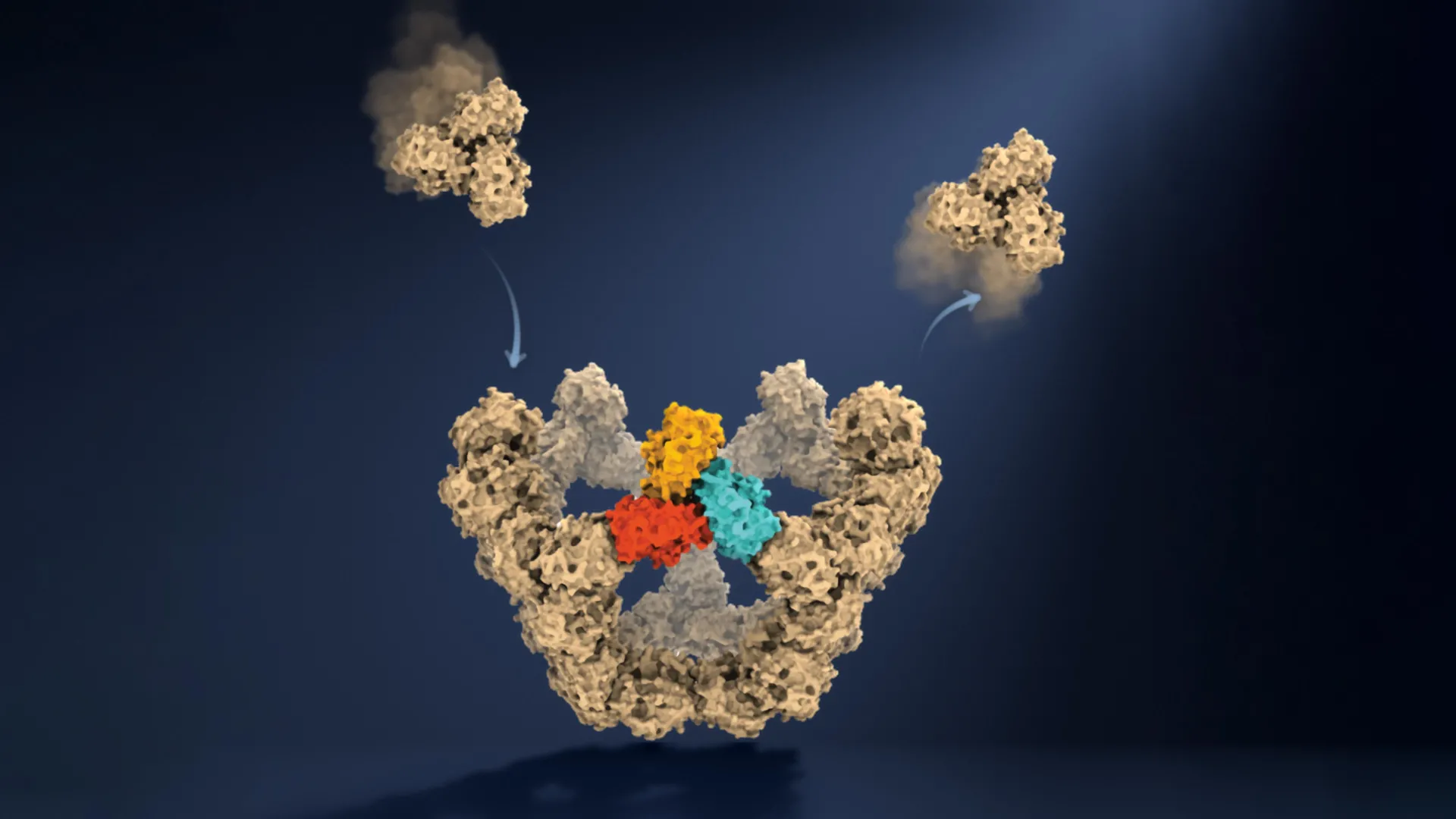
Researchers captured virus-like particles assembling step by step through trial and error, identifying a molecular transition that makes the process faster and more reliable. The findings could inform antiviral strategies and vaccine design.
7:42 AMScienceDaily
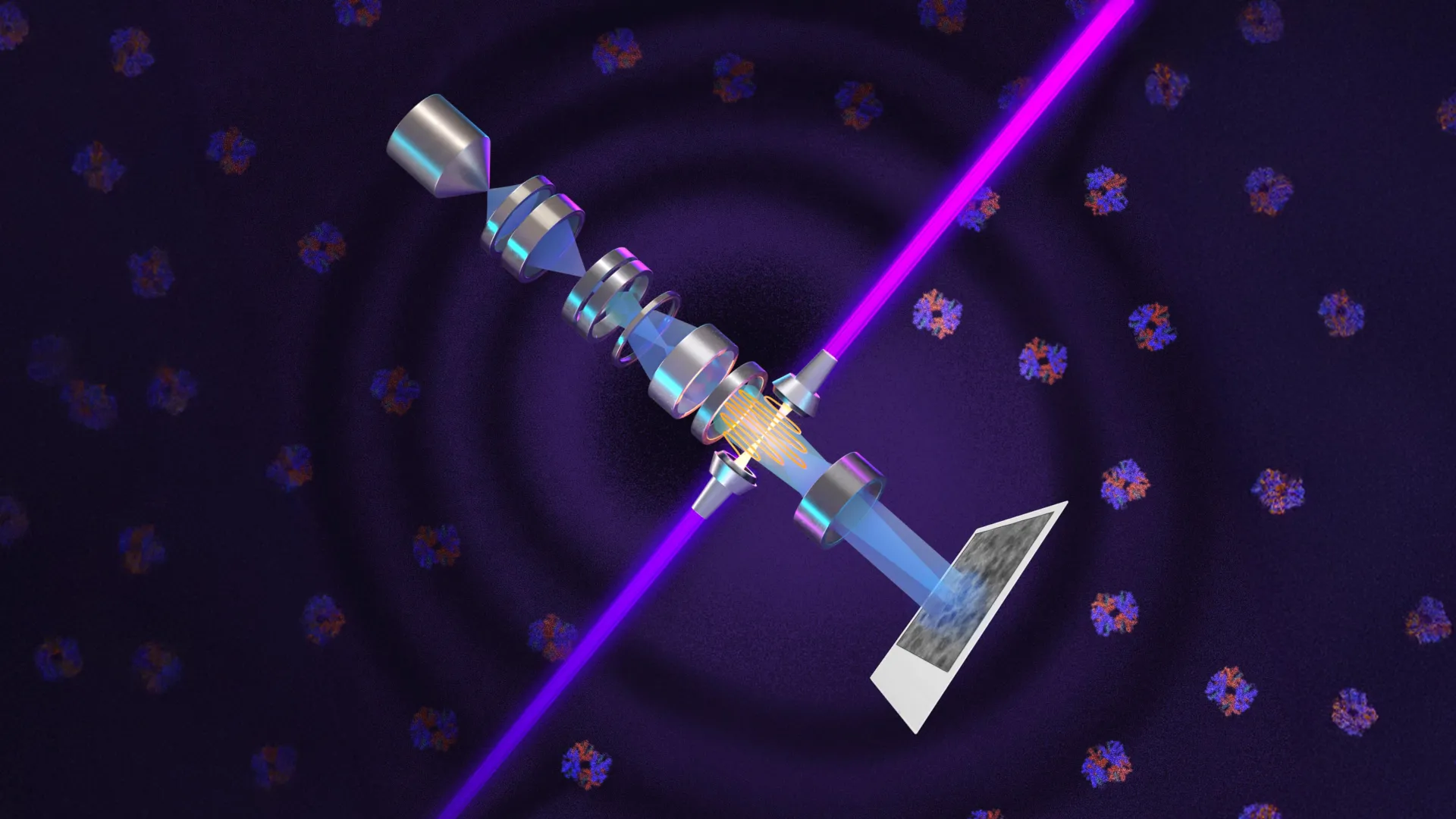
Researchers developed a laser-based microscope that sharply improves the visibility of cellular structures, including proteins that are difficult to capture with conventional electron microscopy. The technology could help map how molecular machines operate inside cells.
7:30 AMScienceDaily
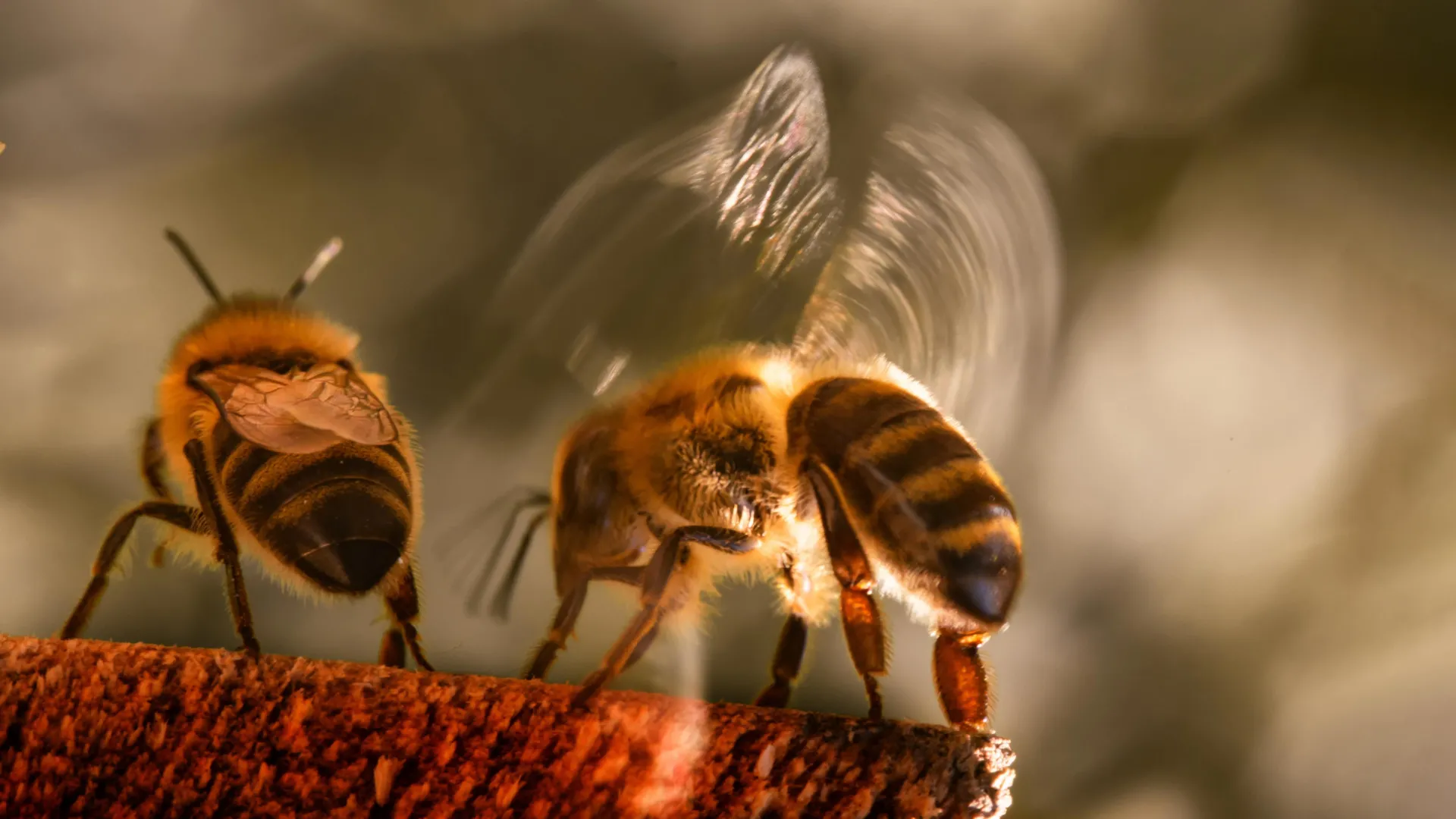
Researchers observed honey bees chasing wild pollinators away from flowers and monopolizing food sources. They warn that warmer conditions and growing honeybee populations could intensify the competition.
7:20 AMScienceDaily
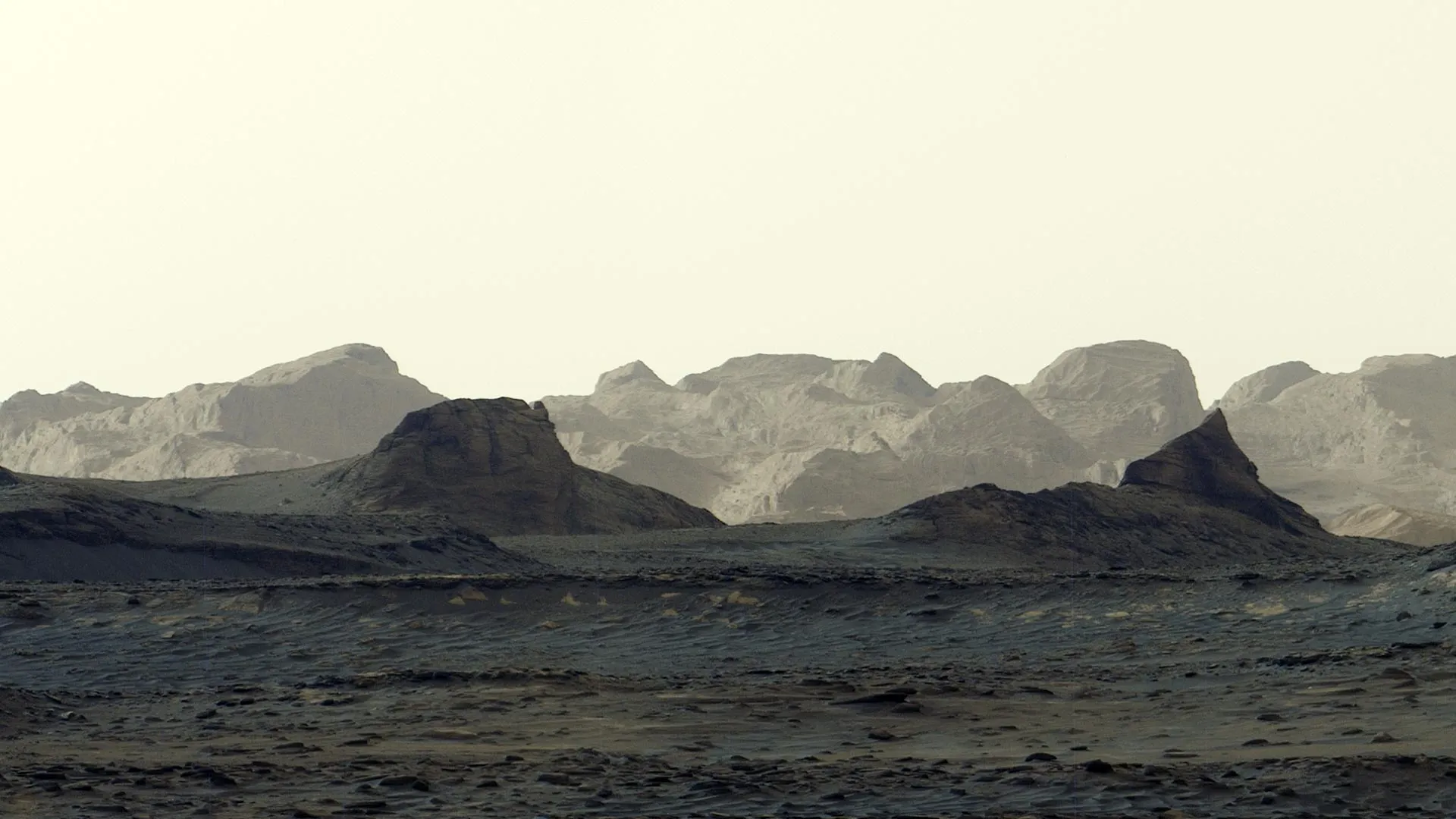
Curiosity has photographed wind-carved cliffs on Mars that may preserve evidence of ancient volcanic activity. The rover is expected to approach the formations in 2027 to investigate how they formed.
7:03 AMScienceDaily
A study of about 30,000 Americans found that calories added to coffee rose nearly 40% from 2003 to 2018. Non-dairy creamer became the largest contributor, surpassing sugar and milk.
6:52 AMScienceDaily
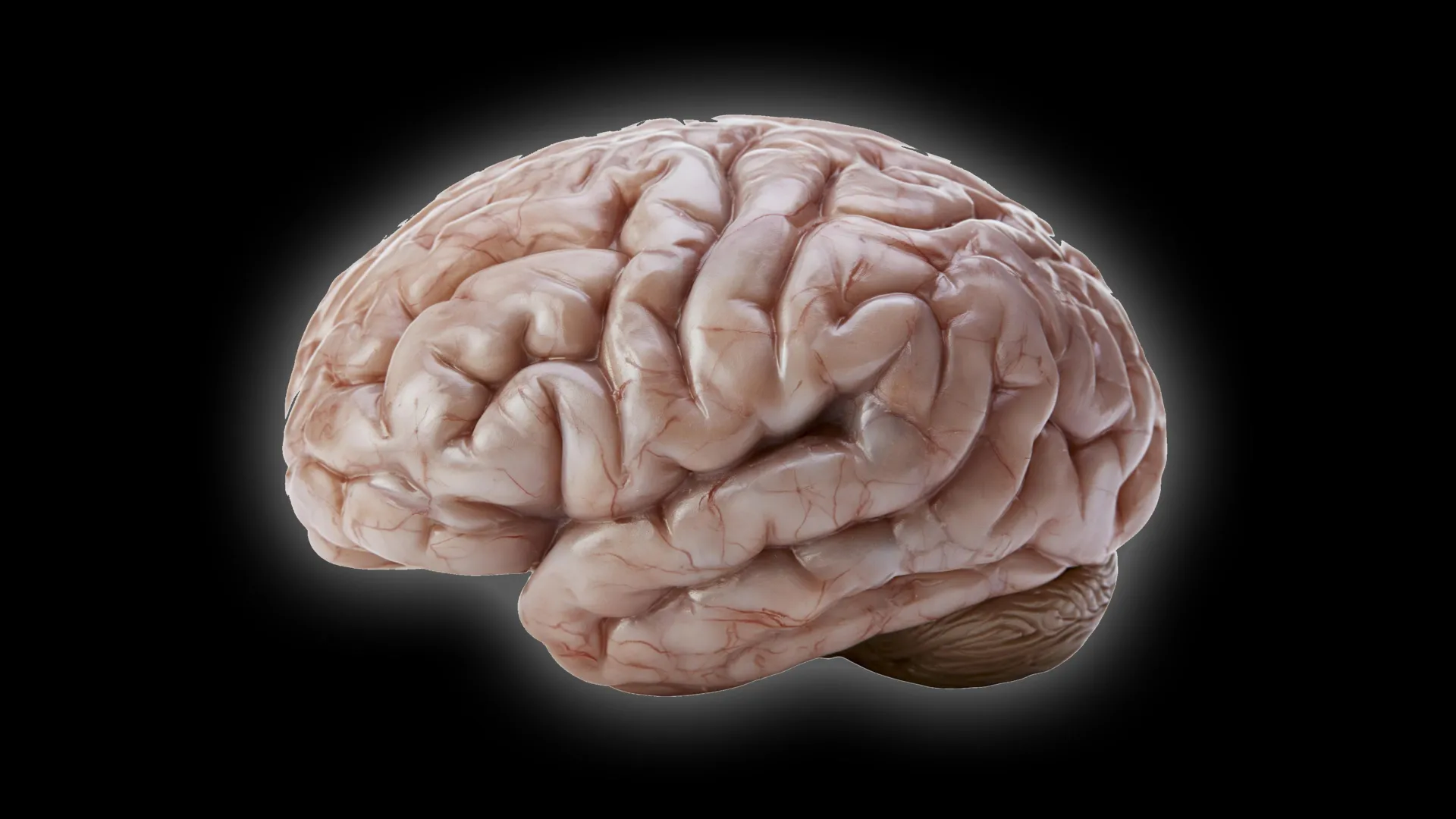
Research on common marmosets found that their smooth, relatively small brains develop from subtle changes in brain-building cells that slow neuron production. The result offers clues to how larger, folded primate brains evolved.
6:10 AMScienceDaily
Suspected space debris was discovered in Indonesia on Monday, days after a farmer in Minnesota reported finding a large metal object in a cornfield.
5:03 AMThe New York Times
The UAE launched Altair-1 in October 2026, marking the first commercial satellite built domestically. UAE Space Agency Chairman Ahmad Belhoul Al Falasi described the launch as part of the country's broader space ambitions, including using satellites for disaster prevention rather than military purposes.
4:03 AMBloomberg Markets
2:56 PMARTnews
Mystery Skeleton in Roman Sarcophagus Beneath Westminster Abbey May Be a Medieval Abbot, Study Says
Summary
Researchers are examining a skeleton found in a Roman sarcophagus beneath Westminster Abbey, where it was buried centuries after the container was made. Evidence points to one of two Anglo-Saxon abbots as the likely occupant, but the identity remains unresolved.
The key shift is that archaeological and scientific analysis has narrowed the mystery to a
Unlock the full First Pass Analysis to get a better understanding of why this story matters
Why it matters
A single burial could connect Roman material reuse with the institutional history of one of England's most important religious sites.
Birds are more afraid of women than men. Scientists have no idea why
Summary
Across five European countries and 37 bird species, birds consistently fled sooner when approached by women than by men. Researchers have not identified the cues driving the difference.
The consistency across species and countries suggests that birds may respond to broad human signals,
Unlock the full First Pass Analysis to get a better understanding of why this story matters
Why it matters
The finding exposes a basic blind spot in how scientists measure animals' responses to people.
Oxford scientists discover how viruses build themselves without a blueprint
Summary
Researchers captured virus-like particles assembling step by step through trial and error, identifying a molecular transition that makes the process faster and more reliable. The findings could inform antiviral strategies and vaccine design.
The key shift is that viral assembly appears to rely on a self-correcting process rather
Unlock the full First Pass Analysis to get a better understanding of why this story matters
Why it matters
A clearer map of viral self-assembly creates a specific target for both treatments and synthetic vaccine design.
A revolutionary new microscope could reveal the hidden machinery of life
Summary
Researchers developed a laser-based microscope that sharply improves the visibility of cellular structures, including proteins that are difficult to capture with conventional electron microscopy. The technology could help map how molecular machines operate inside cells.
The advance expands what researchers can observe in living or complex cellular environments, where standard
Unlock the full First Pass Analysis to get a better understanding of why this story matters
Why it matters
Better access to protein-scale activity could close the gap between knowing a molecule's shape and understanding what it does.
Honey bees are bullying other bees, scientists discover
Summary
Researchers observed honey bees chasing wild pollinators away from flowers and monopolizing food sources. They warn that warmer conditions and growing honeybee populations could intensify the competition.
The finding challenges the assumption that adding managed honeybee colonies automatically supports pollination. Where forage
Unlock the full First Pass Analysis to get a better understanding of why this story matters
Why it matters
Pollination policy may need to weigh honeybee production against its competitive effects on native species.
NASA’s Curiosity rover reveals a spectacular new view of Mars with a mystery on the horizon
Summary
Curiosity has photographed wind-carved cliffs on Mars that may preserve evidence of ancient volcanic activity. The rover is expected to approach the formations in 2027 to investigate how they formed.
The scientific opportunity is moving from remote interpretation to direct geological testing. If Curiosity finds
Unlock the full First Pass Analysis to get a better understanding of why this story matters
Why it matters
The formations could connect Mars's visible landscape to its volcanic and climate history.
Coffee calories have jumped nearly 40%. Sugar isn't the biggest culprit
Summary
A study of about 30,000 Americans found that calories added to coffee rose nearly 40% from 2003 to 2018. Non-dairy creamer became the largest contributor, surpassing sugar and milk.
The main change is not simply heavier sugar use but a shift toward calorie-dense creamers
Unlock the full First Pass Analysis to get a better understanding of why this story matters
Why it matters
Nutrition guidance that focuses only on sugar can miss a growing source of added calories in a routine beverage.
Scientists discover a surprising secret behind the human brain’s wrinkles
Summary
Research on common marmosets found that their smooth, relatively small brains develop from subtle changes in brain-building cells that slow neuron production. The result offers clues to how larger, folded primate brains evolved.
The decisive finding is that major differences in brain size and folding can emerge from
Unlock the full First Pass Analysis to get a better understanding of why this story matters
Why it matters
The work links the brain's physical form to specific changes in the timing of neuron production.
Al Falasi: Satellites for Disaster Prevention Over War
Summary
The UAE launched Altair-1 in October 2026, marking the first commercial satellite built domestically. UAE Space Agency Chairman Ahmad Belhoul Al Falasi described the launch as part of the country's broader space ambitions, including using satellites for disaster prevention rather than military purposes.
The decisive shift is that the UAE is moving from space participation to domestic commercial
Unlock the full First Pass Analysis to get a better understanding of why this story matters
Why it matters
Domestic satellite production could give the UAE more control over critical disaster-monitoring data while strengthening its role in the regional space economy.