
The United Nations’ latest climate report finds that global emissions are slowing, but not enough to keep warming within the safest limits. Current trends point toward approximately 2 °C of warming.
8:00 PMNature9 stories from 4 sources
Supporting Articles
The United Nations’ latest climate report finds that global emissions are slowing, but not enough to keep warming within the safest limits. Current trends point toward approximately 2 °C of warming.
8:00 PMNature
Japan has launched a five-year uncrewed mission to collect samples from Phobos, one of Mars' two moons, and return them to Earth.
12:08 AMAl Jazeera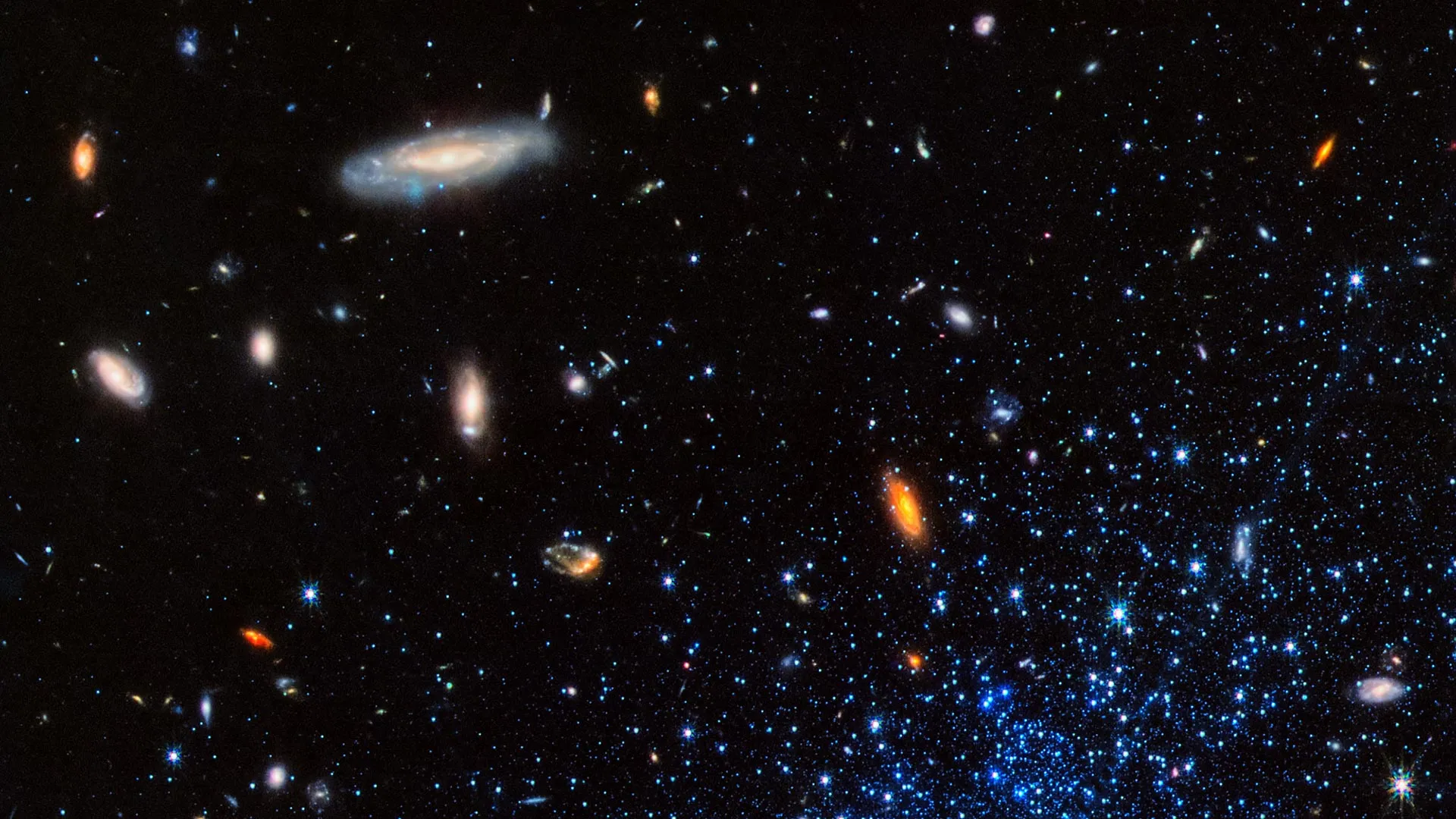
Astronomers measured the amount of helium produced during the first five minutes after the Big Bang with unprecedented precision. They used observations of 15 exceptionally pristine galaxies, whose chemistry preserves evidence from nearly 13.8 billion years ago.
8:34 AMScienceDailySummary
The United Nations’ latest climate report finds that global emissions are slowing, but not enough to keep warming within the safest limits. Current trends point toward approximately 2 °C of warming.
The decisive shift is from rising emissions to insufficiently falling emissions: progress has begun, but
Unlock the full First Pass Analysis to get a better understanding of why this story mattersWhy it matters
Slower emissions growth is not yet a safe climate outcome, and current policies still point beyond the most protective warming limits.
Summary
Japan has launched a five-year uncrewed mission to collect samples from Phobos, one of Mars' two moons, and return them to Earth.
The mission shifts Mars exploration from remote observation to the direct study of material from
Unlock the full First Pass Analysis to get a better understanding of why this story mattersWhy it matters
Physical samples from Phobos could reshape scientists' understanding of Mars' history and improve the prospects for future planetary missions.
Summary
Astronomers measured the amount of helium produced during the first five minutes after the Big Bang with unprecedented precision. They used observations of 15 exceptionally pristine galaxies, whose chemistry preserves evidence from nearly 13.8 billion years ago.
The improved helium measurement gives cosmologists a sharper test of models describing the early universe
Unlock the full First Pass Analysis to get a better understanding of why this story mattersWhy it matters
A more precise early-universe measurement can challenge or strengthen the foundations of modern cosmology.
A curated list of other prominent stories from this day.

SpaceX plans to attempt the first recovery of both Starship and its Super Heavy booster during a launch next month, according to CEO Elon Musk. The company aims to catch both vehicles rather than land them separately, potentially recovering the entire orbital launch system.
5:02 PMThe Verge
The article examines whether the language people use influences how they perceive, categorize and reason about the world.
1:09 PMAl Jazeera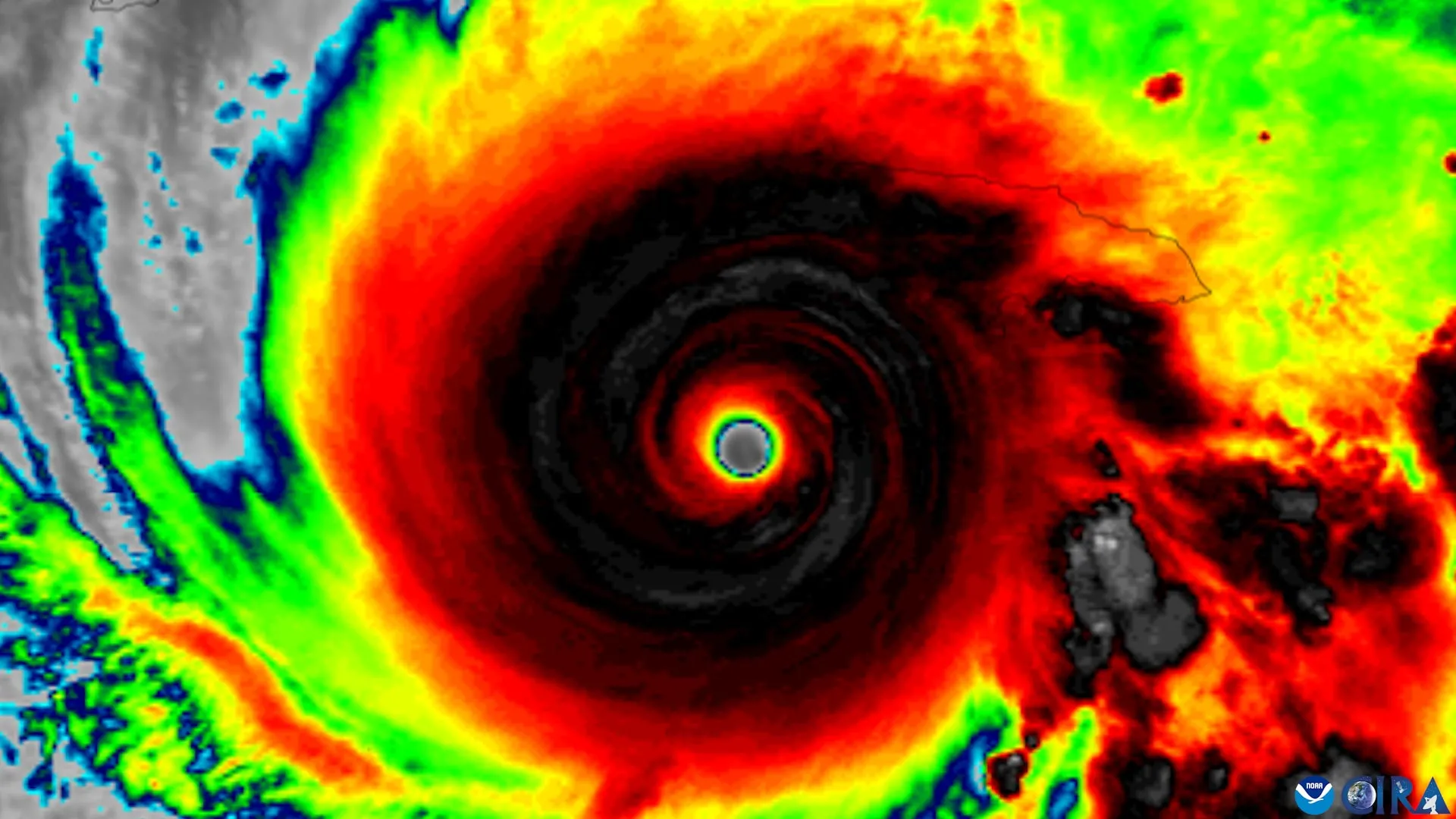
New research finds that clearer hurricane forecast graphics help people identify areas at risk, but do not reliably increase their perception of danger or likelihood of taking protective action. Many people also still misunderstand the hurricane cone as showing the storm's full area of impact.
8:49 AMScienceDaily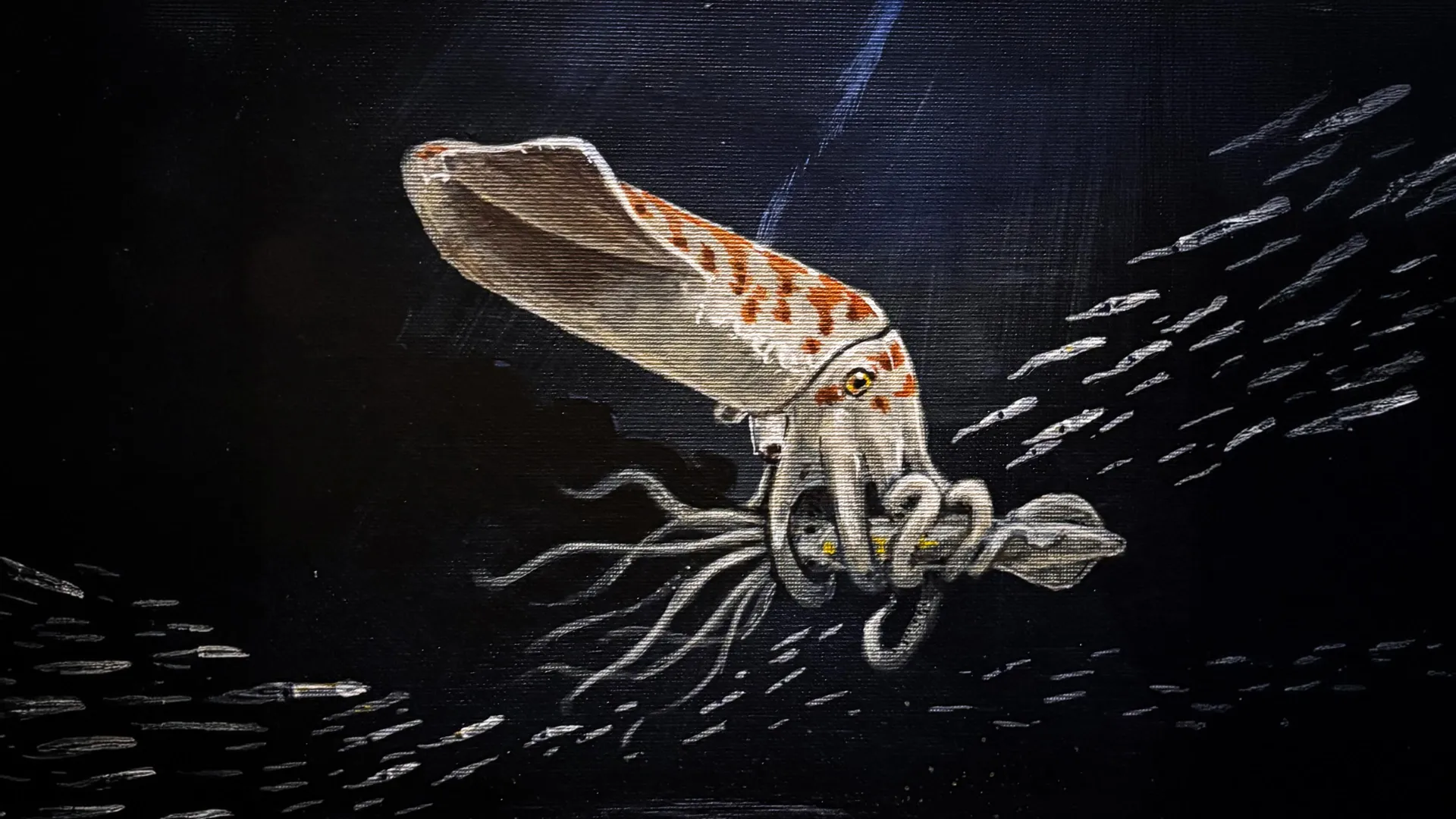
Scientists identified the largest and most barrel-shaped belemnite yet found in fossils from Wyoming's ancient seas, dating to about 160 million years ago. The remains reveal an unusual squid relative that may have hunted smaller cephalopods and survived later than its family was thought to have existed.
8:20 AMScienceDaily
Researchers suggest that aging brains may shift away from retaining fine details and toward extracting broader patterns and meaning. They propose that this change could support wisdom and the transfer of accumulated knowledge, rather than representing simple cognitive decline.
7:31 AMScienceDaily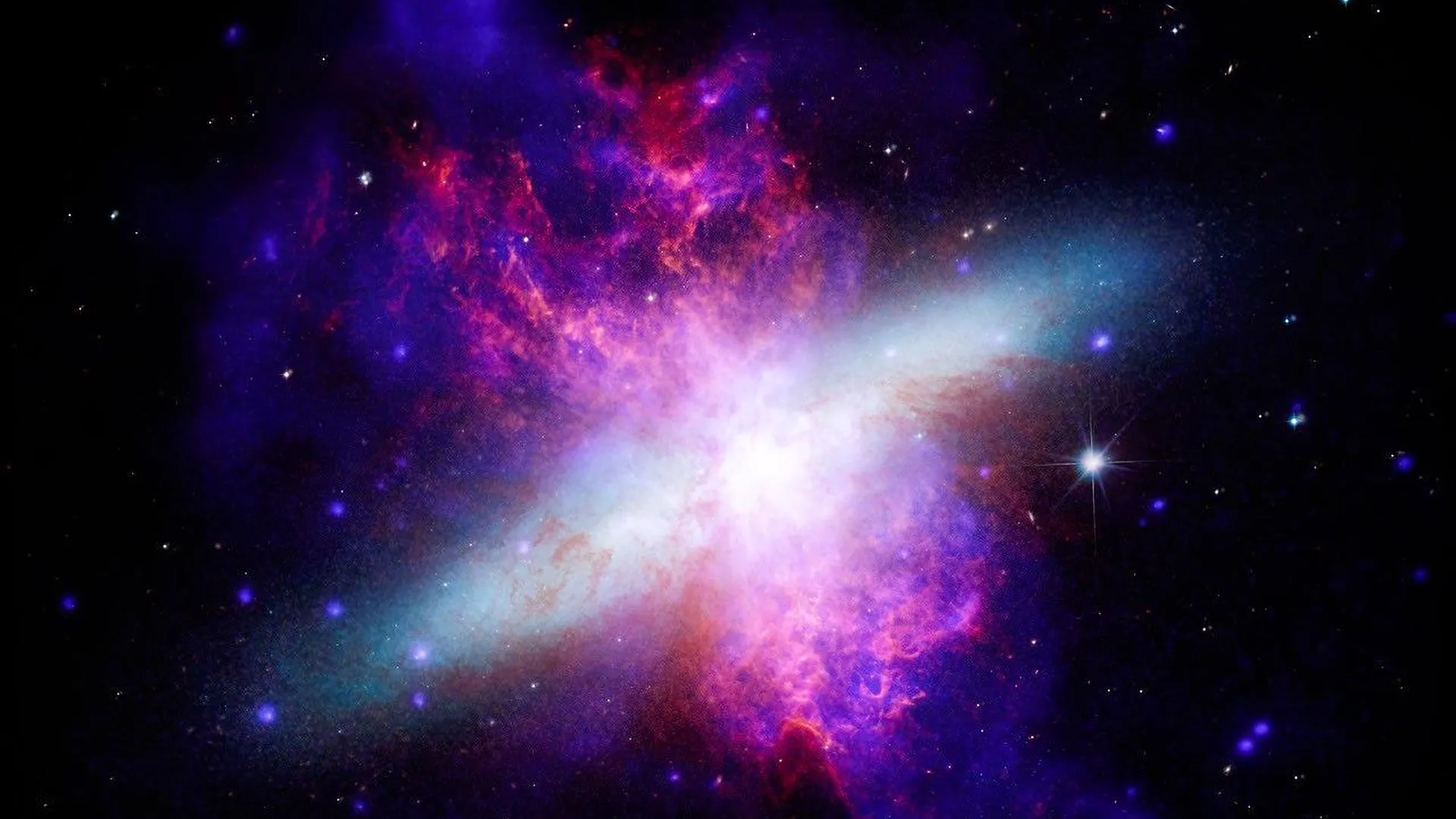
A new set of observations combines data from Chandra, James Webb, Hubble, and other telescopes to show black hole jets, intense star formation, and galactic collisions across 16 galaxies. The images reveal processes that shape galaxies and provide comparisons for reconstructing the Milky Way's history and future.
2:17 AMScienceDailySummary
SpaceX plans to attempt the first recovery of both Starship and its Super Heavy booster during a launch next month, according to CEO Elon Musk. The company aims to catch both vehicles rather than land them separately, potentially recovering the entire orbital launch system.
The next flight will test whether SpaceX can move beyond recovering individual rocket stages to
Unlock the full First Pass Analysis to get a better understanding of why this story mattersWhy it matters
Full-system recovery could reshape the economics and launch cadence of heavy rockets.
Summary
The article examines whether the language people use influences how they perceive, categorize and reason about the world.
The core question is whether language merely expresses thought or also helps shape it. The
Unlock the full First Pass Analysis to get a better understanding of why this story mattersWhy it matters
Understanding language’s cognitive influence can clarify how people communicate and interpret the same reality differently.
Summary
New research finds that clearer hurricane forecast graphics help people identify areas at risk, but do not reliably increase their perception of danger or likelihood of taking protective action. Many people also still misunderstand the hurricane cone as showing the storm's full area of impact.
Better maps improve geographic comprehension without closing the gap between knowing a threat's location and
Unlock the full First Pass Analysis to get a better understanding of why this story mattersWhy it matters
Accurate forecasts cannot protect people who misread the risk or fail to act on it.
Summary
Scientists identified the largest and most barrel-shaped belemnite yet found in fossils from Wyoming's ancient seas, dating to about 160 million years ago. The remains reveal an unusual squid relative that may have hunted smaller cephalopods and survived later than its family was thought to have existed.
The fossils expand the known body forms and ecological roles of belemnites, showing that Jurassic
Unlock the full First Pass Analysis to get a better understanding of why this story mattersWhy it matters
One rare fossil can alter both the evolutionary timeline and the food-web picture of Jurassic seas.
Summary
Researchers suggest that aging brains may shift away from retaining fine details and toward extracting broader patterns and meaning. They propose that this change could support wisdom and the transfer of accumulated knowledge, rather than representing simple cognitive decline.
The key shift is from viewing aging as uniform loss to seeing it as a
Unlock the full First Pass Analysis to get a better understanding of why this story mattersWhy it matters
Understanding cognitive aging as tradeoff rather than failure could change both research priorities and expectations about older adults.
Summary
A new set of observations combines data from Chandra, James Webb, Hubble, and other telescopes to show black hole jets, intense star formation, and galactic collisions across 16 galaxies. The images reveal processes that shape galaxies and provide comparisons for reconstructing the Milky Way's history and future.
The value of the gallery lies in combining wavelengths, which exposes energetic activity invisible in
Unlock the full First Pass Analysis to get a better understanding of why this story mattersWhy it matters
Multi-telescope views show that galaxy evolution depends on interacting forces that no single wavelength can capture.
Make it yours
Pick your topics, set your cadence, and receive your personalized First Pass in your inbox. It’s that simple!