A discovery inspired by light-sensitive algae enabled scientists to activate or silence specific brain cells with light, earning the 2026 Nobel Prize. The technique has supported research on memory and is being explored for restoring vision and treating neurological disorders.
6:02 AMScienceDaily
A rapidly intensifying El Niño, described as the strongest on record, is already altering weather patterns across several regions. The report examines five observed effects, including changes in rainfall, temperature and extreme weather risks.
7:08 PMBBC
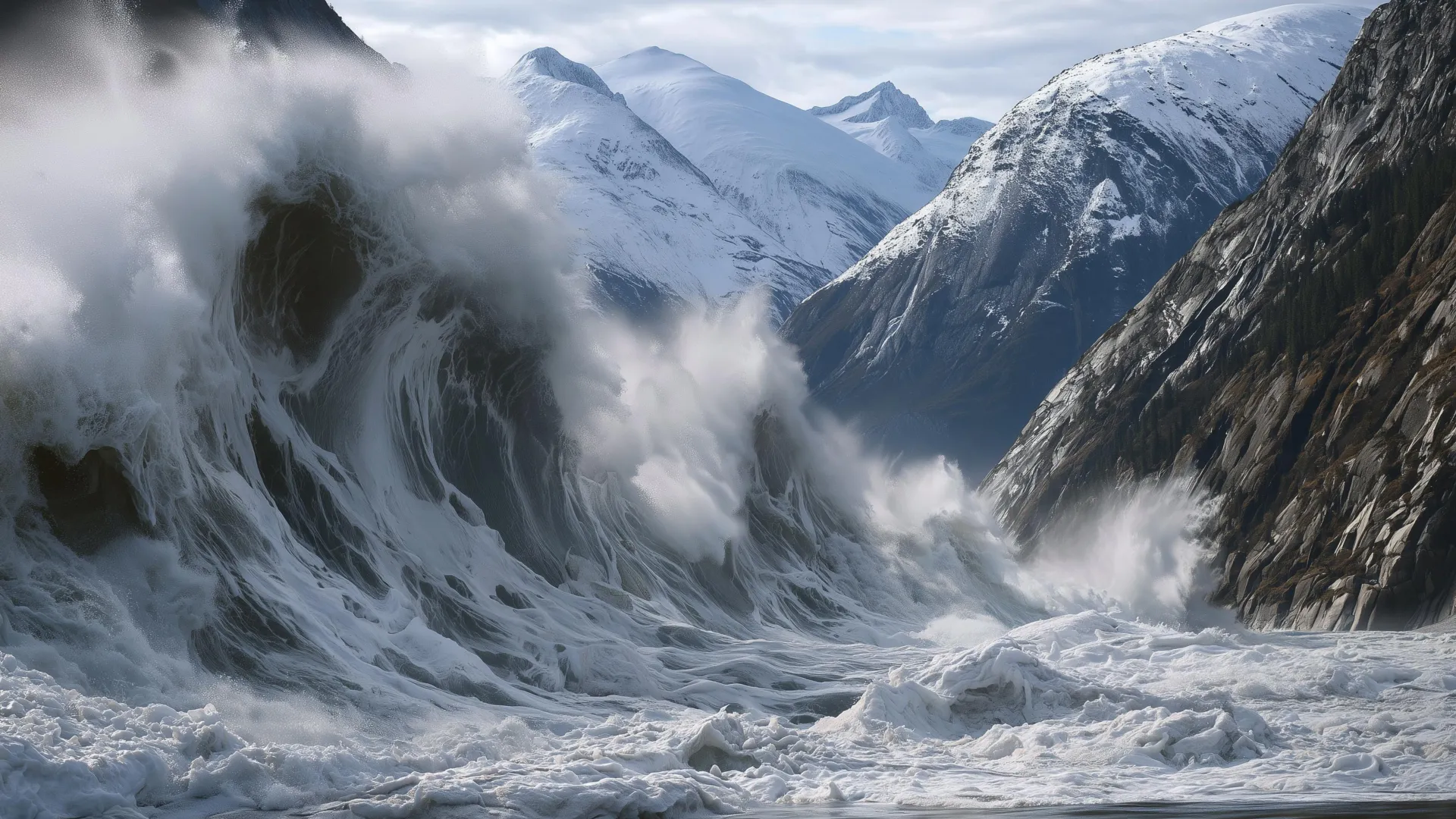
A landslide in Alaska generated the second-highest tsunami ever recorded, driving water and debris 1,580 feet up a mountainside. Scientists linked the collapse to glacier retreat, heavy rain, and thousands of small earthquakes that preceded it.
9:09 AMScienceDaily
6:02 AMScienceDaily
Scientists win 2026 Nobel Prize for controlling brain cells with light
Summary
A discovery inspired by light-sensitive algae enabled scientists to activate or silence specific brain cells with light, earning the 2026 Nobel Prize. The technique has supported research on memory and is being explored for restoring vision and treating neurological disorders.
The decisive advance was gaining precise control over selected neurons rather than stimulating whole brain
Unlock the full First Pass Analysis to get a better understanding of why this story matters
Why it matters
Light-based neural control has turned brain circuits into testable targets for both research and future treatment.
Five ways El Niño is affecting the weather around the world
Summary
A rapidly intensifying El Niño, described as the strongest on record, is already altering weather patterns across several regions. The report examines five observed effects, including changes in rainfall, temperature and extreme weather risks.
El Niño is shifting the distribution of heat and moisture, making some regions more vulnerable
Unlock the full First Pass Analysis to get a better understanding of why this story matters
Why it matters
A stronger El Niño increases the odds of simultaneous weather disruptions across multiple regions.
Alaska’s monster tsunami sent water 1,580 feet up a mountain
Summary
A landslide in Alaska generated the second-highest tsunami ever recorded, driving water and debris 1,580 feet up a mountainside. Scientists linked the collapse to glacier retreat, heavy rain, and thousands of small earthquakes that preceded it.
The disaster shows how climate-driven landscape changes can amplify geological hazards, not just melt ice.
Unlock the full First Pass Analysis to get a better understanding of why this story matters
Why it matters
Retreating glaciers may increase tsunami risk in remote coastal areas where tourism and infrastructure are expanding.
A curated list of other prominent stories from this day.
A spacecraft is set to launch on an ambitious mission to collect and return about 10 grams of dust from Phobos, one of Mars' moons.
3:45 PMBBC
The article examines three major transitions in early evolution: the emergence of life, the rise of greater complexity, and the evolution of large organisms. It presents these as pivotal moments when evolutionary change accelerated, despite major gaps in the fossil and molecular record.
8:56 AMThe New York Times
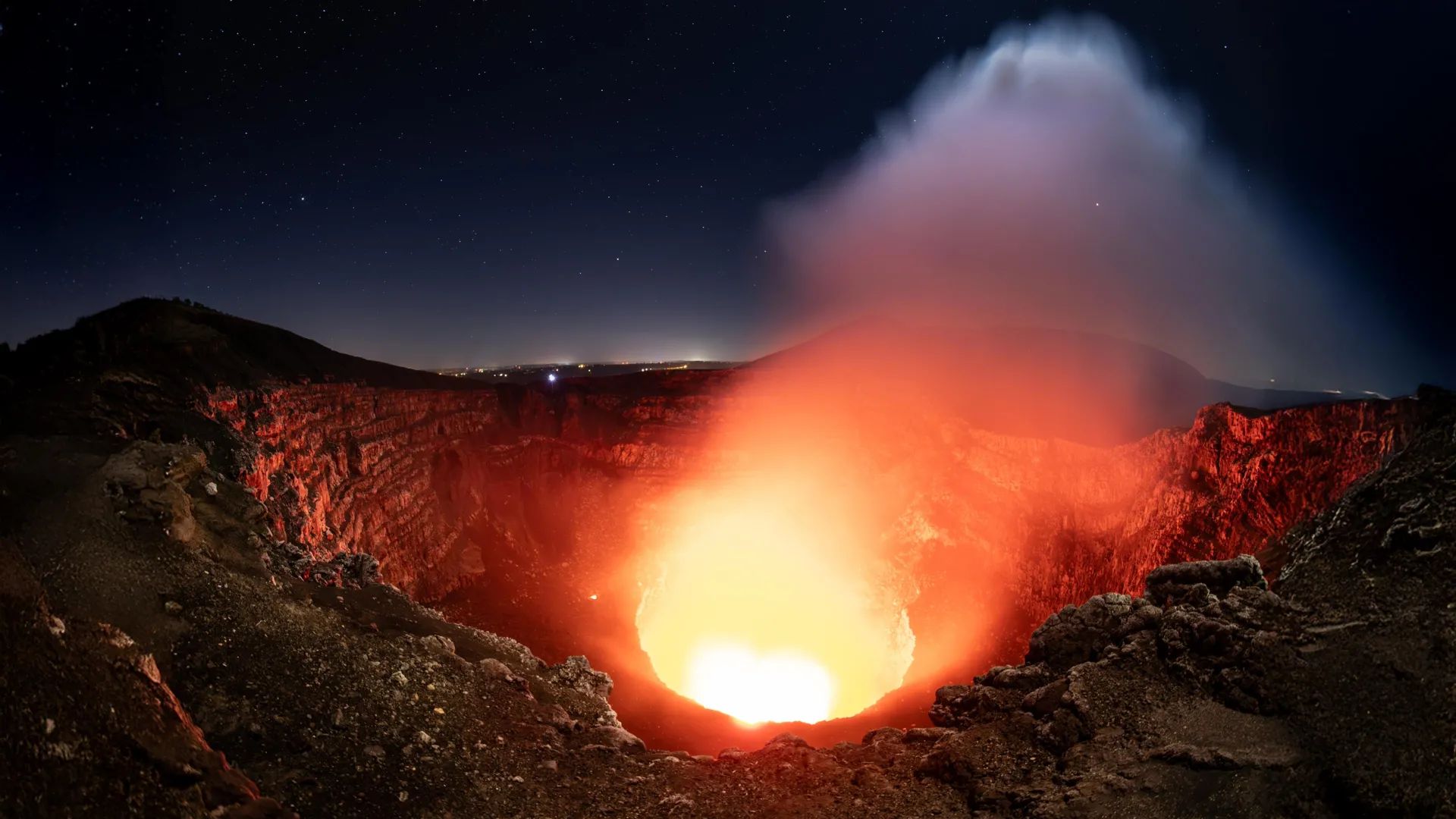
Researchers found evidence of two distinct magma sources beneath Nicaragua’s Masaya volcano after satellite data detected unusual ground movements. The discovery may clarify how magma shifts beneath the active volcano, which lies near roughly 2 million people.
8:35 AMScienceDaily
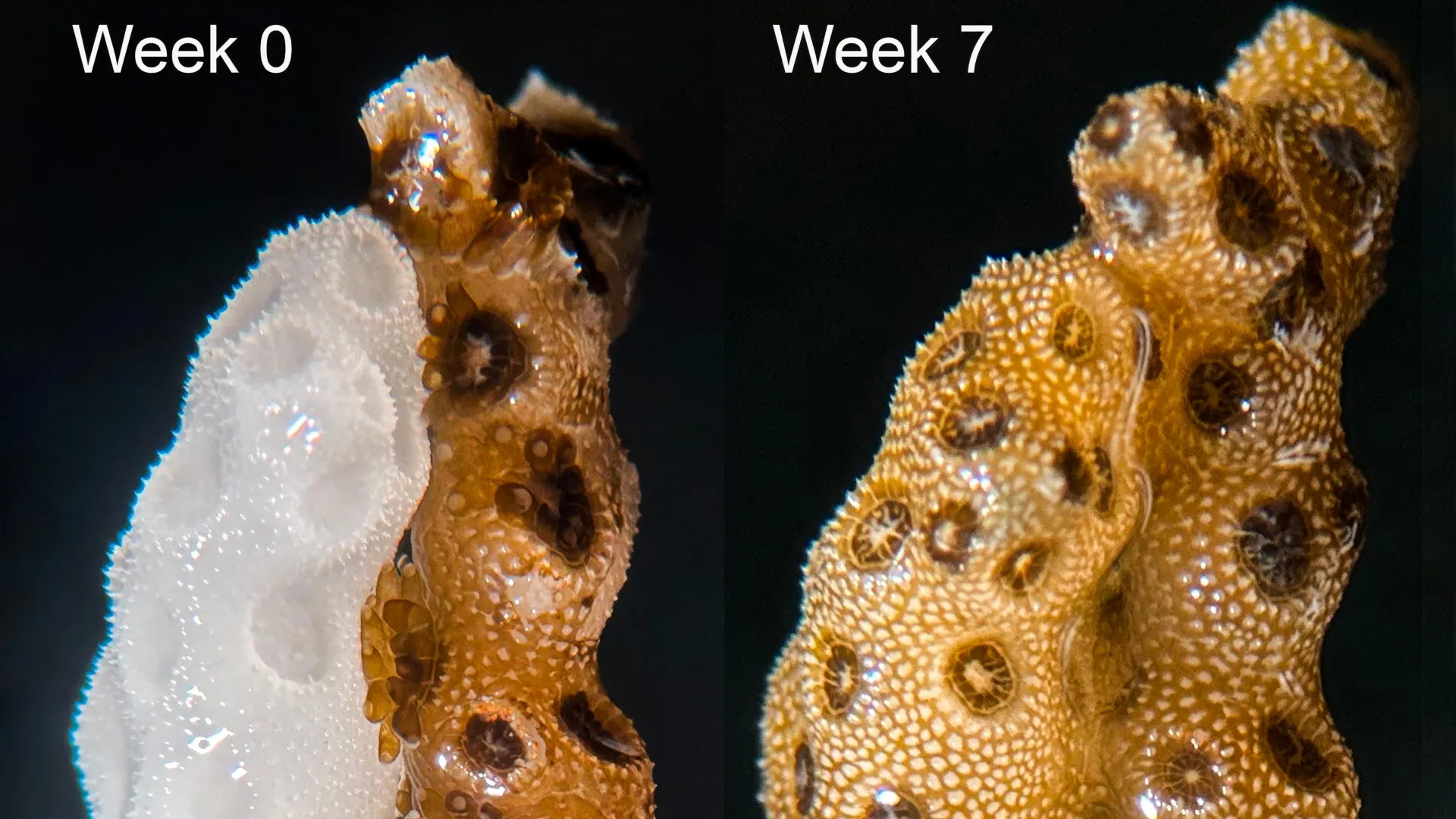
Laboratory experiments found that severely bleached corals recovered after brief contact with healthy, genetically identical corals. Some corals began healing after five days of contact and regained their color within seven weeks.
7:05 AMScienceDaily
A satellite image prompted researchers to search a remote Pacific atoll for Amelia Earhart's aircraft, but the expedition found no conclusive evidence. The findings leave the decades-old mystery unresolved.
6:47 AMThe New York Times
Astronomers have identified white dwarfs with unexpected colors, including the first known example that would appear green to human observers. Chemical interactions in the stars’ extremely dense atmospheres produce shades ranging from pink and purple to yellow and cyan.
6:26 AMScienceDaily
3:45 PMBBC
Mission blasts off for Mars to grab a piece of its moon
Summary
A spacecraft is set to launch on an ambitious mission to collect and return about 10 grams of dust from Phobos, one of Mars' moons.
The mission's success would give researchers their first pristine material from the Martian system, rather
Unlock the full First Pass Analysis to get a better understanding of why this story matters
Why it matters
Even 10 grams of Phobos dust could answer foundational questions about the moon and advance the technology needed to bring material back from Mars.
How Did Life Arise? Three Turning Points in Early Evolution
Summary
The article examines three major transitions in early evolution: the emergence of life, the rise of greater complexity, and the evolution of large organisms. It presents these as pivotal moments when evolutionary change accelerated, despite major gaps in the fossil and molecular record.
The central issue is not simply when life appeared, but why evolution repeatedly crossed thresholds
Unlock the full First Pass Analysis to get a better understanding of why this story matters
Why it matters
These turning points define the conditions that made complex life possible and constrain theories about life's origins elsewhere.
Something strange is happening beneath a volcano near 2 million people
Summary
Researchers found evidence of two distinct magma sources beneath Nicaragua’s Masaya volcano after satellite data detected unusual ground movements. The discovery may clarify how magma shifts beneath the active volcano, which lies near roughly 2 million people.
The presence of multiple hidden magma sources complicates eruption forecasting because pressure can build and
Unlock the full First Pass Analysis to get a better understanding of why this story matters
Why it matters
Better models of Masaya’s underground plumbing could improve warnings for a densely populated region.
A simple touch can bring dying corals back to life in just 7 weeks
Summary
Laboratory experiments found that severely bleached corals recovered after brief contact with healthy, genetically identical corals. Some corals began healing after five days of contact and regained their color within seven weeks.
The result suggests that coral recovery may depend on transferable biological signals or partners, not
Unlock the full First Pass Analysis to get a better understanding of why this story matters
Why it matters
A contact-based treatment could add a practical recovery technique to reef restoration if it works in the wild.
What to Know About the Search for Amelia Earhart’s Plane
Summary
A satellite image prompted researchers to search a remote Pacific atoll for Amelia Earhart's aircraft, but the expedition found no conclusive evidence. The findings leave the decades-old mystery unresolved.
The search produced a negative result, not a new explanation: the image did not translate
Unlock the full First Pass Analysis to get a better understanding of why this story matters
Why it matters
The result demonstrates how much stronger physical verification is than imagery alone in solving historical disappearances.
Possible wreckage of Amelia Earhart's plane likely to be trees, say researchers
Summary
Researchers visited a remote Pacific island to investigate an object identified in satellite imagery as possible wreckage from Amelia Earhart's plane. After examining the site, they concluded it was probably trees rather than aircraft debris.
The latest expedition removes a prominent lead without resolving Earhart's disappearance. It shifts attention back
Unlock the full First Pass Analysis to get a better understanding of why this story matters
Why it matters
The failed lead narrows one path in a historical mystery while underscoring the limits of remote sensing for identifying small, degraded wreckage.
Astronomers discover a ghostly green star unlike any known before
Summary
Astronomers have identified white dwarfs with unexpected colors, including the first known example that would appear green to human observers. Chemical interactions in the stars’ extremely dense atmospheres produce shades ranging from pink and purple to yellow and cyan.
The finding expands the range of atmospheric physics that astronomers must account for when interpreting
Unlock the full First Pass Analysis to get a better understanding of why this story matters
Why it matters
Unexpected colors offer new clues about the chemistry and evolution of stellar remnants.