First Pass

9 stories from 3 sources

New tests expanded scientific frontiers without settling major questions

Day’s Recap

Supporting Articles

Scientists used Earth’s magnetic field and atmosphere as a planet-sized detector to search for ultralight dark matter. The method tightened limits on axions and found several unexplained signals that could be linked to dark photons, though they are not yet evidence of dark matter.

8:58 PMScienceDaily
Scientists may have detected new signs of dark matter, the invisible substance thought to help hold galaxies and the wider universe together. The evidence is not yet confirmed as the discovery of a specific particle.

3:13 AMAl Jazeera

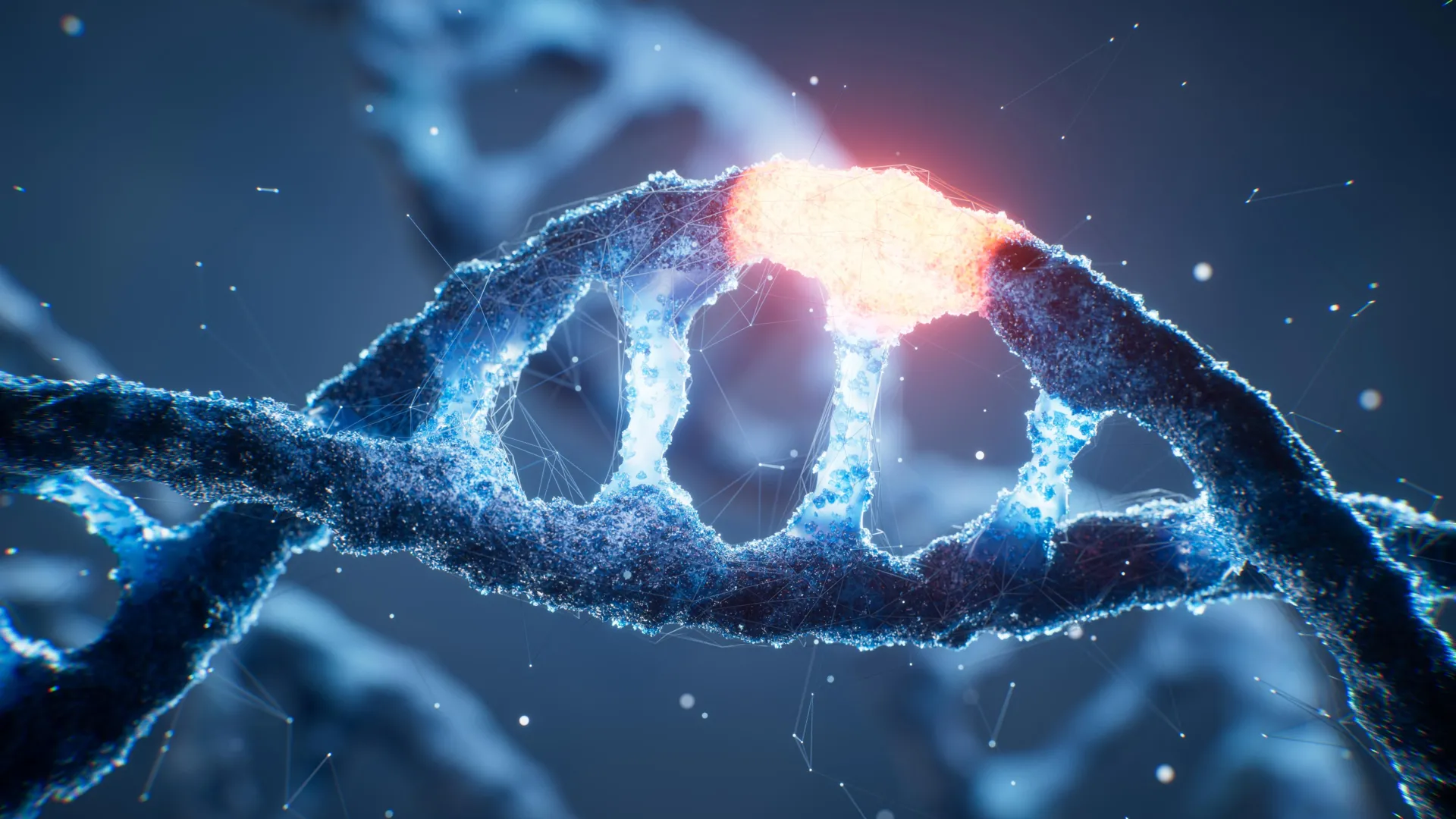
Researchers at UC San Diego showed that RNA polymerase, a key enzyme in gene expression, can accurately read DNA built from an eight-letter genetic alphabet. Imaging showed that the synthetic letters interact with the enzyme in ways that closely resemble natural DNA letters.

1:25 AMScienceDaily

German launch company Isar Aerospace says its 28-metre Spectrum rocket reached space after launching from Andøya Spaceport in Arctic Norway. The flight marks a major test of Europe’s effort to build independent commercial launch capacity.

8:53 PMAl Jazeera

Other Developments

A curated list of other prominent stories from this day.

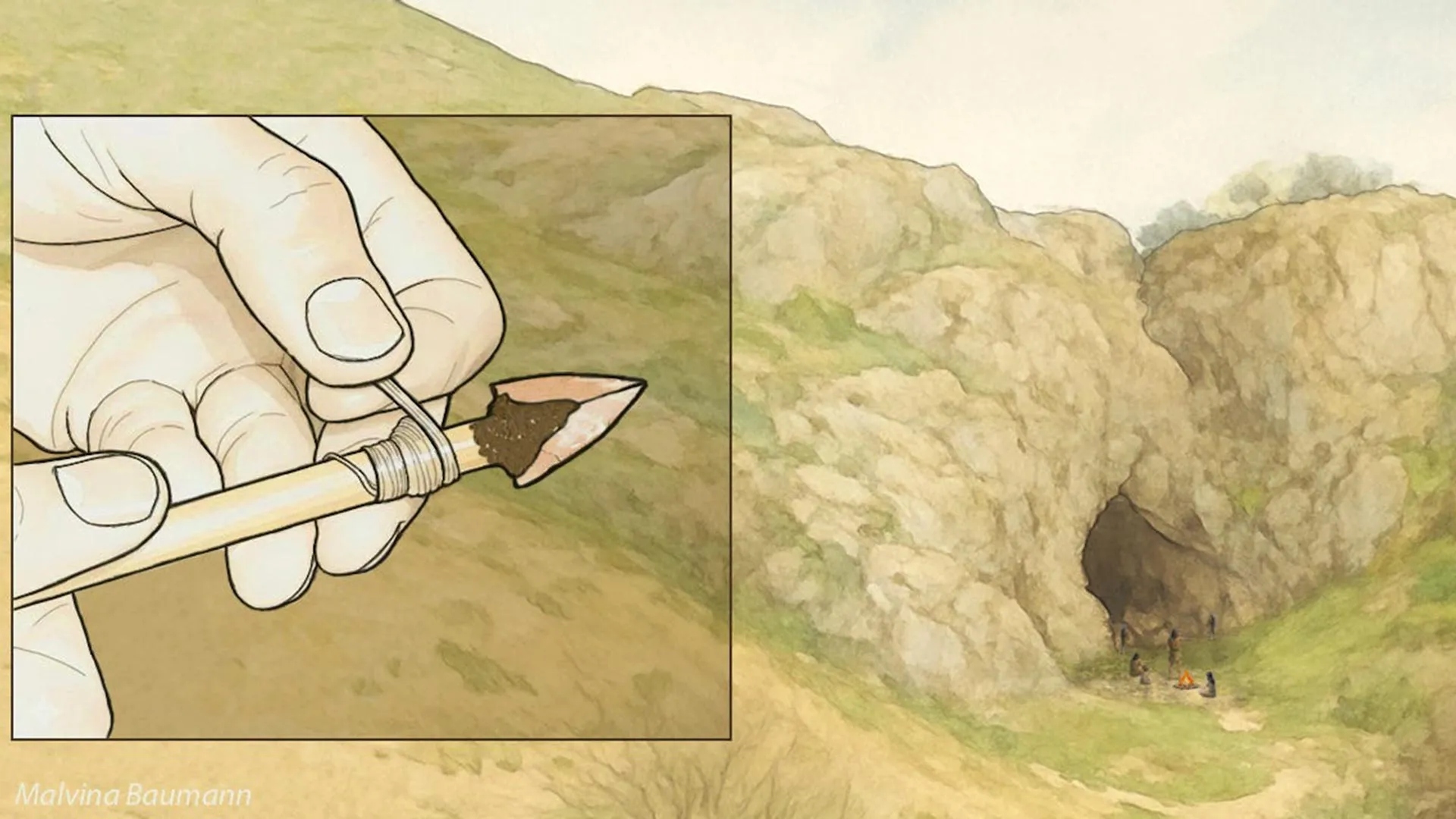
Archaeologists identified tiny projectile points in Uzbekistan dating back roughly 80,000 years. Their form and impact damage resemble later arrowheads found at a Homo sapiens site in France, suggesting advanced projectile technology existed in Central Asia far earlier than previously established.

8:46 PMScienceDaily

Scientists recognized Pristimantis milpe as a distinct frog species after reexamining museum specimens collected in the 1800s. The frog had previously been misidentified despite being widespread across parts of Ecuador and Colombia.

6:35 PMScienceDaily

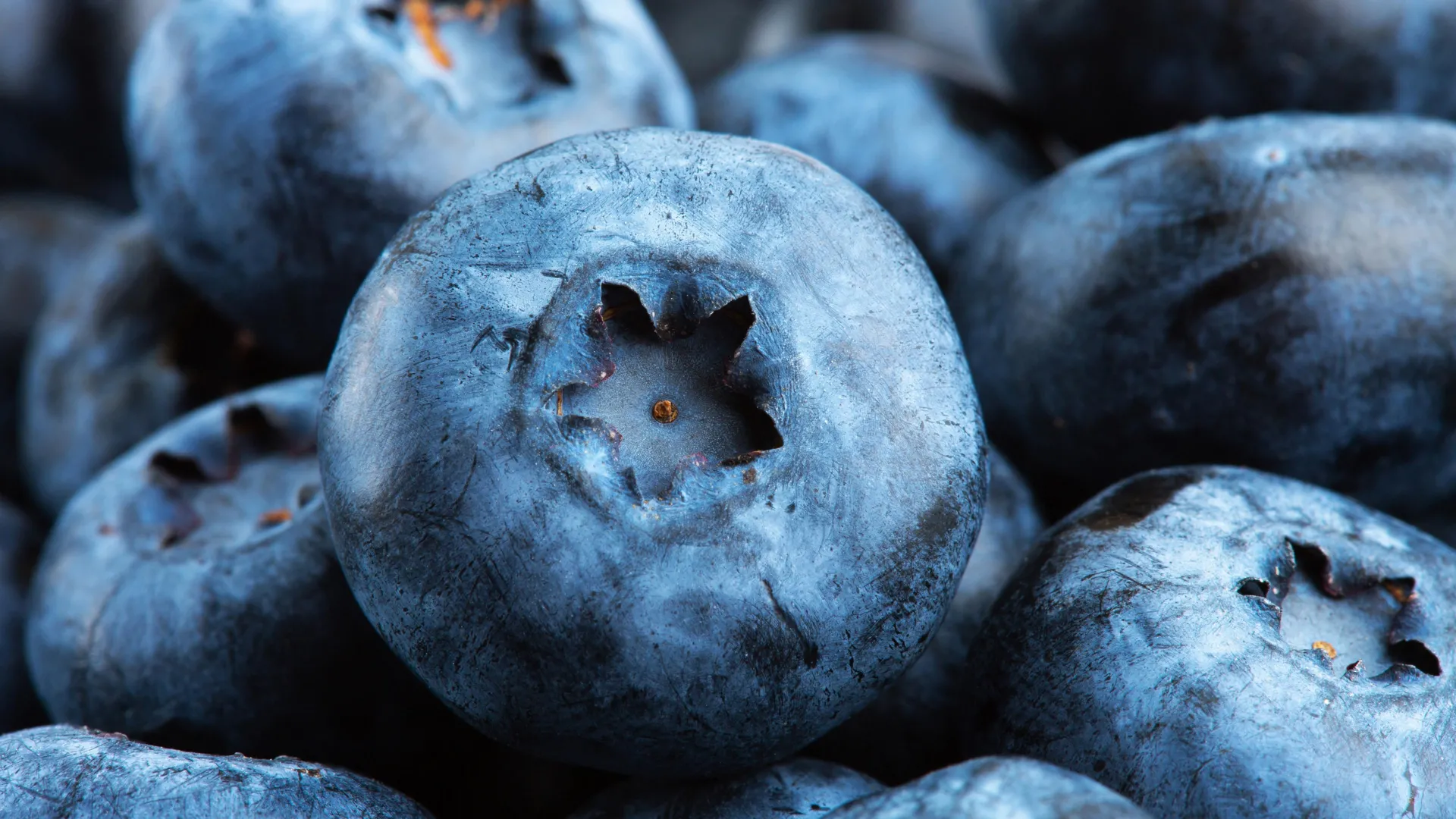
Researchers found that pterostilbene, a compound present in blueberries, grapes, and other berries, reduced abnormal fat accumulation in cultured mouse muscle cells. It appeared to work by increasing fat breakdown and stabilizing a protein involved in fatty acid metabolism.

3:30 PMScienceDaily

Researchers are using AI to analyze large collections of animal vocalizations, including crow calls, to identify patterns that may reveal how different species communicate. The approach could deepen human understanding of animals while raising concerns about privacy, exploitation and the uses of such knowledge.

8:46 AMBloomberg Markets

Scientists observed quantum oscillations in zirconium pentatelluride under temperatures near absolute zero and magnetic fields as high as 60 tesla. The oscillations persisted beyond the point where established models predicted they should vanish, revealing electron behavior that current theories do not fully explain.

12:18 AMScienceDaily

Make it yours

Build Your First Pass.

Pick your topics, set your cadence, and receive your personalized First Pass in your inbox. It’s that simple!