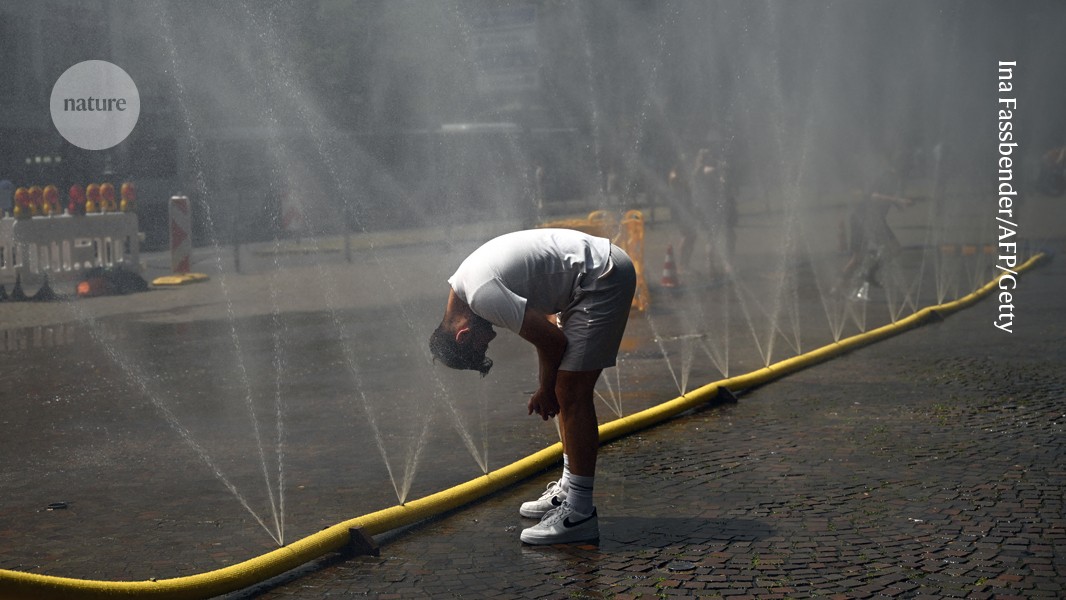
A new report says global warming will exceed the long-standing 1.5°C target before the end of the decade.
8:00 PMNature10 stories from 4 sources
Supporting Articles
A new report says global warming will exceed the long-standing 1.5°C target before the end of the decade.
8:00 PMNature
Satellite images showed that a glacier-rock mass in Nepal was accelerating only days before it collapsed and triggered a deadly flash flood.
8:00 PMNature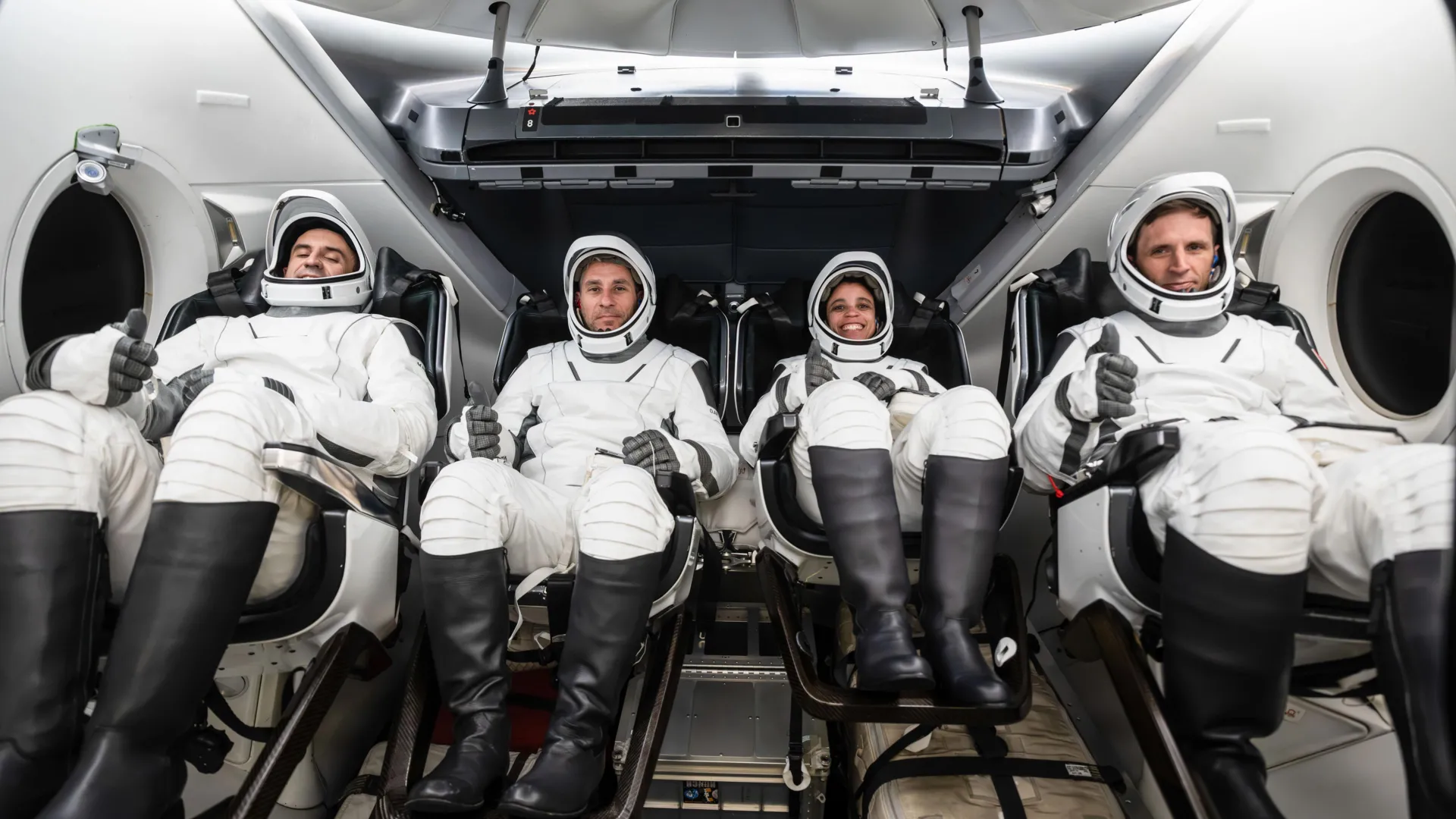
NASA and SpaceX postponed the Crew-13 launch after detecting an oxidizer leak in the Dragon spacecraft’s propulsion system during prelaunch checks. Engineers are investigating the fault before the four astronauts travel to the International Space Station.
1:33 AMScienceDailySummary
A new report says global warming will exceed the long-standing 1.5°C target before the end of the decade.
The decisive fact is that the 1.5°C threshold is no longer a distant risk but
Unlock the full First Pass Analysis to get a better understanding of why this story mattersWhy it matters
Crossing 1.5°C weakens the case for relying on targets alone and raises the stakes for immediate emissions reductions and climate adaptation.
Summary
Satellite images showed that a glacier-rock mass in Nepal was accelerating only days before it collapsed and triggered a deadly flash flood.
The decisive shift is that satellite monitoring detected a rapidly worsening hazard before failure, creating
Unlock the full First Pass Analysis to get a better understanding of why this story mattersWhy it matters
Remote sensing could provide crucial lead time for communities exposed to glacial collapses and other climate-driven disasters.
Summary
NASA and SpaceX postponed the Crew-13 launch after detecting an oxidizer leak in the Dragon spacecraft’s propulsion system during prelaunch checks. Engineers are investigating the fault before the four astronauts travel to the International Space Station.
The leak turns a scheduled mission into a hardware investigation, and safety checks now take
Unlock the full First Pass Analysis to get a better understanding of why this story mattersWhy it matters
A propulsion-system leak is a direct crew-safety issue and could disrupt the timing of operations aboard the space station.
A curated list of other prominent stories from this day.

A selection of August’s most striking science photographs includes images of young lobsters and other subjects chosen for their visual power and scientific interest.
8:00 PMNature
Redwire is developing space-based agriculture alongside commercial projects such as orbital data centers and in-space manufacturing. Its CEO argues that falling launch costs and private-sector partnerships are widening the range of viable businesses in orbit.
11:33 AMBloomberg Markets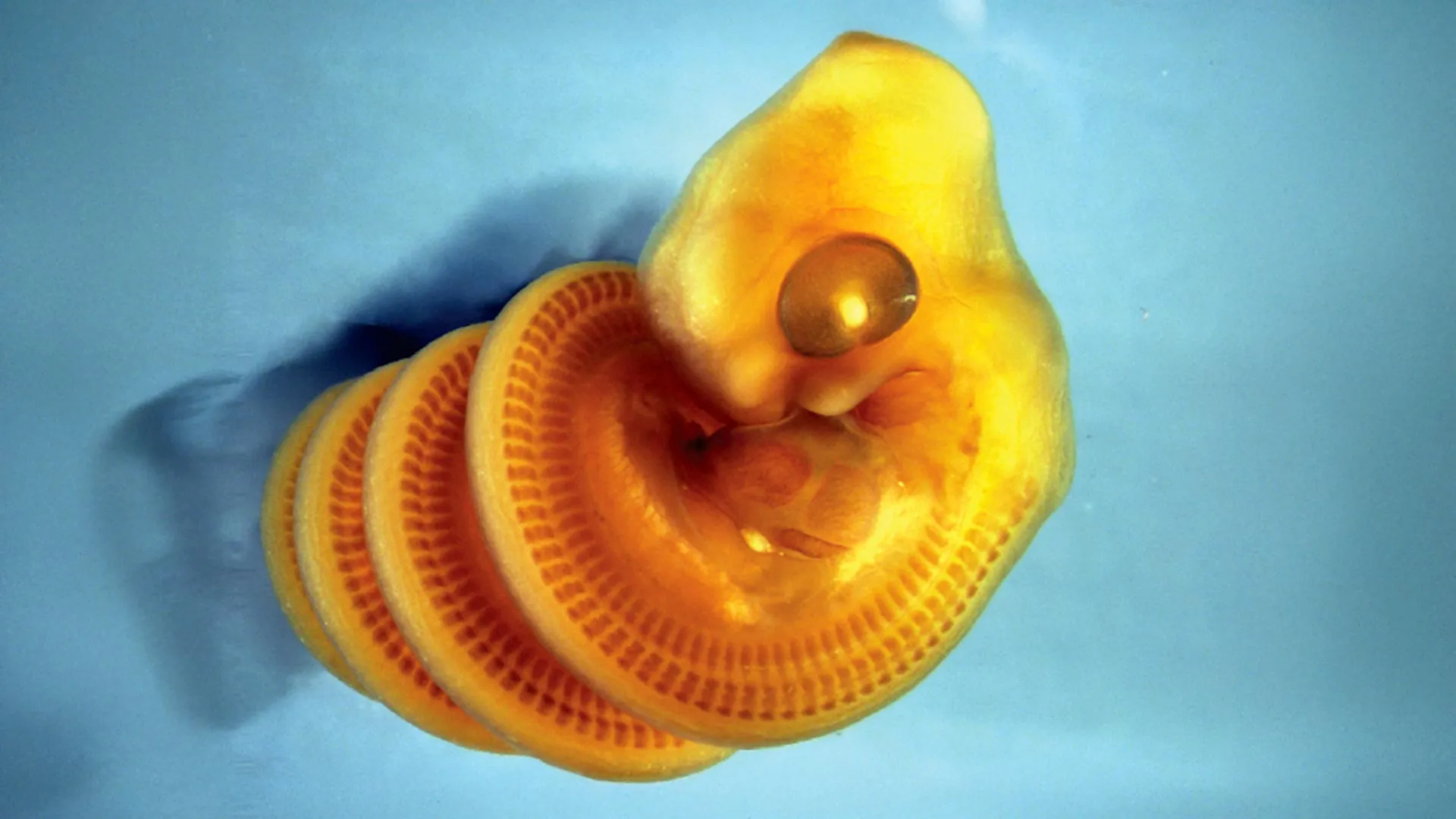
Researchers found that snake embryos coil into right-handed spirals because their bodies grow faster than their guts, creating a tether that buckles the developing body inside the egg. They reached the conclusion by examining more than 900 embryos and using CT scans to map the hidden anatomy.
8:38 AMScienceDaily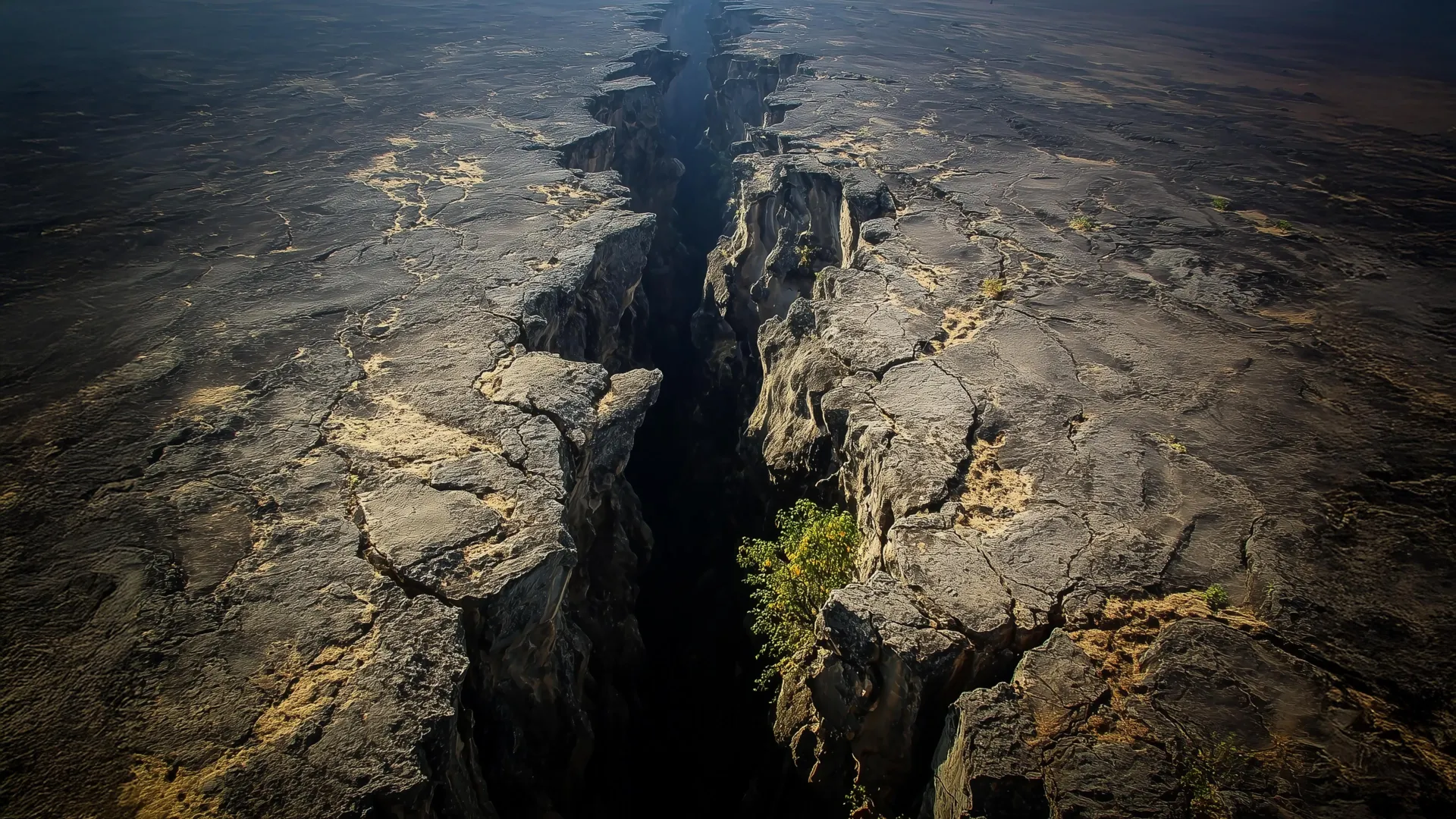
Scientists linked a vast plume of hot material rising from Earth’s deep mantle to movements along the East African Rift. The findings indicate that deep mantle forces are reinforcing the shallower processes that are slowly splitting the continent.
6:41 AMScienceDaily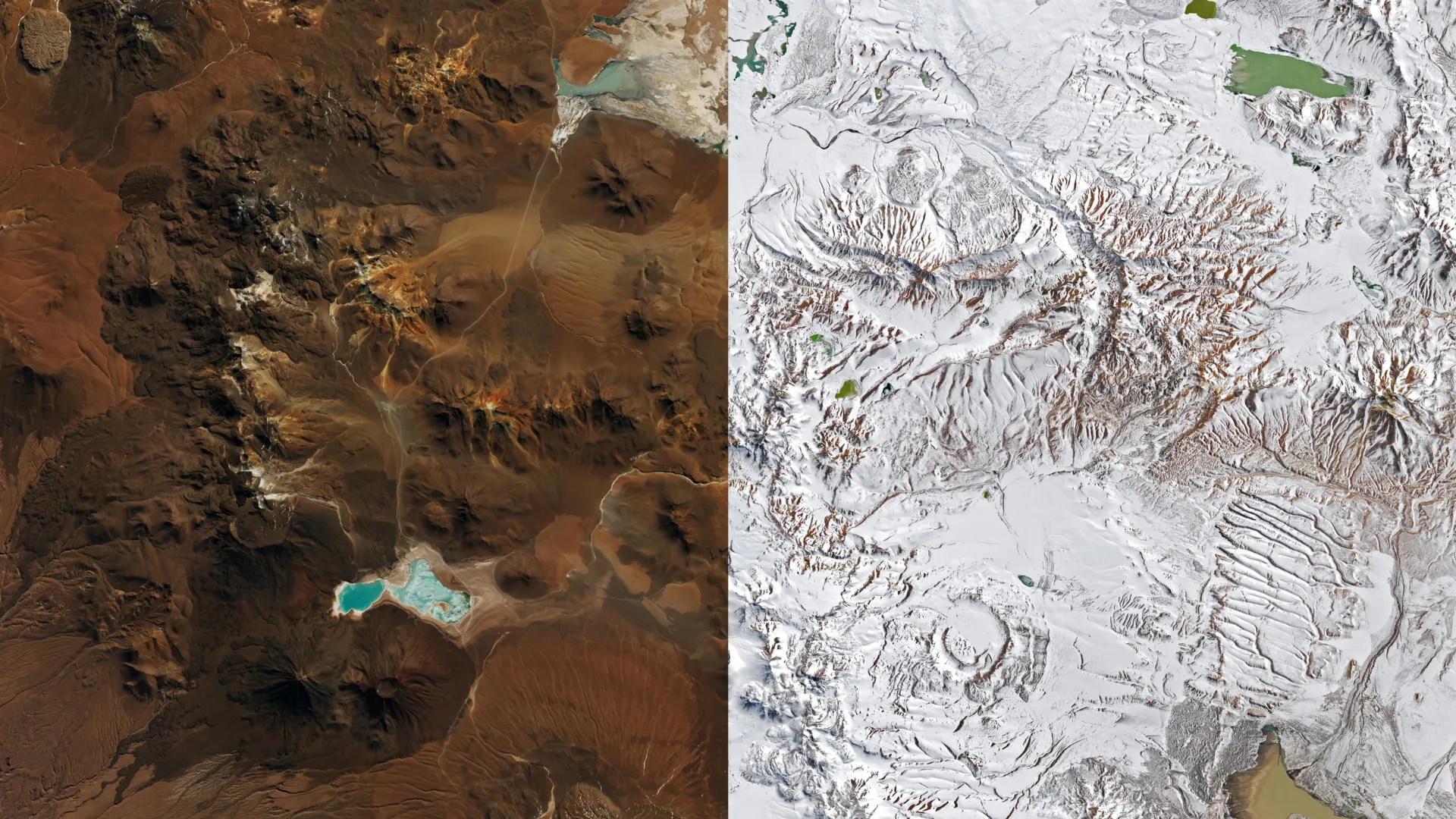
Rare storms brought heavy snow and exceptional rainfall to Chile’s Atacama Desert, shutting observatories and causing floods and mudflows. The events occurred as El Niño strengthened.
5:06 AMScienceDaily
An NIH proposal to limit the number of research grants individual investigators can receive has received mixed reactions, according to the agency.
4:30 AMStat News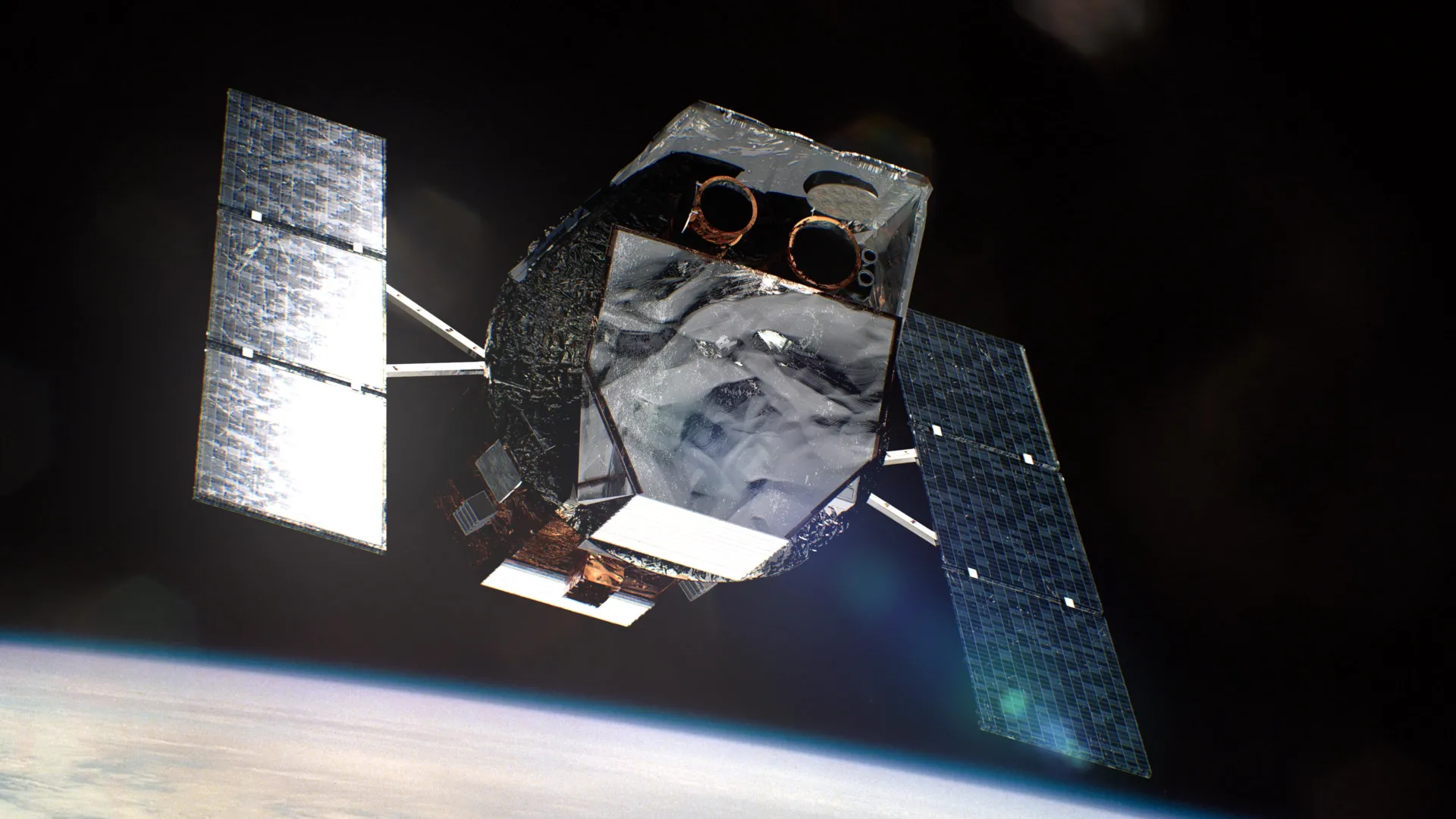
NASA restored two of the Swift telescope’s instruments after technical failures disrupted an attempted commercial mission to raise the observatory’s orbit. Atmospheric drag continues to pull Swift downward, potentially leaving only one or two months before it falls below a critical operating altitude.
1:43 AMScienceDailySummary
A selection of August’s most striking science photographs includes images of young lobsters and other subjects chosen for their visual power and scientific interest.
The collection turns routine research and natural phenomena into evidence that can be understood visually.
Unlock the full First Pass Analysis to get a better understanding of why this story mattersWhy it matters
Visual reporting can widen access to scientific work that is otherwise difficult to see or understand.
Summary
Redwire is developing space-based agriculture alongside commercial projects such as orbital data centers and in-space manufacturing. Its CEO argues that falling launch costs and private-sector partnerships are widening the range of viable businesses in orbit.
The shift is from treating space as a transport destination to treating it as an
Unlock the full First Pass Analysis to get a better understanding of why this story mattersWhy it matters
Space agriculture signals how cheaper access could turn orbital operations from government-led experiments into commercial infrastructure.
Summary
Researchers found that snake embryos coil into right-handed spirals because their bodies grow faster than their guts, creating a tether that buckles the developing body inside the egg. They reached the conclusion by examining more than 900 embryos and using CT scans to map the hidden anatomy.
The study identifies a mechanical growth mismatch as the immediate cause of the embryo’s spiral
Unlock the full First Pass Analysis to get a better understanding of why this story mattersWhy it matters
It shows how simple growth mechanics can generate complex and repeatable body shapes.
Summary
Scientists linked a vast plume of hot material rising from Earth’s deep mantle to movements along the East African Rift. The findings indicate that deep mantle forces are reinforcing the shallower processes that are slowly splitting the continent.
The key shift is a fuller explanation of rifting: Africa’s breakup is being driven by
Unlock the full First Pass Analysis to get a better understanding of why this story mattersWhy it matters
Identifying the forces behind the rift sharpens models of continental breakup and associated geological hazards.
Summary
Rare storms brought heavy snow and exceptional rainfall to Chile’s Atacama Desert, shutting observatories and causing floods and mudflows. The events occurred as El Niño strengthened.
The storms exposed how even the planet’s driest regions can face abrupt hydrological extremes, with
Unlock the full First Pass Analysis to get a better understanding of why this story mattersWhy it matters
Rare extremes can impose major risks on settlements, observatories and ecosystems in places built around chronic dryness.
Summary
An NIH proposal to limit the number of research grants individual investigators can receive has received mixed reactions, according to the agency.
The proposal could change how NIH funding is distributed by limiting the share captured by
Unlock the full First Pass Analysis to get a better understanding of why this story mattersWhy it matters
A grant cap could reshape competition for scarce NIH funding and alter which researchers and institutions control the research agenda.
Summary
NASA restored two of the Swift telescope’s instruments after technical failures disrupted an attempted commercial mission to raise the observatory’s orbit. Atmospheric drag continues to pull Swift downward, potentially leaving only one or two months before it falls below a critical operating altitude.
Restoring the instruments has bought Swift limited operating time, not a durable rescue. The observatory
Unlock the full First Pass Analysis to get a better understanding of why this story mattersWhy it matters
Swift’s remaining window could determine whether astronomers preserve a uniquely valuable time-sensitive observing platform.
Make it yours
Pick your topics, set your cadence, and receive your personalized First Pass in your inbox. It’s that simple!