
Coral reefs cover about 1 percent of the ocean but support roughly a quarter of marine life. A new report warns that their global decline could become irreversible.
1:19 AMAl Jazeera11 stories from 3 sources
The day paired a worsening environmental baseline with tools that could extend the reach and manageability of frontier research.
Supporting Articles
Coral reefs cover about 1 percent of the ocean but support roughly a quarter of marine life. A new report warns that their global decline could become irreversible.
1:19 AMAl Jazeera
Rising sea temperatures are shortening the intervals between intense marine heat waves. New research warns that coral reefs increasingly lack enough time to recover before the next episode of heat stress.
12:01 AMThe New York Times
NASA’s Roman Space Telescope has begun its journey to a stable orbit near L2, where it will survey vast regions of the cosmos for evidence about dark matter, dark energy and distant planets. Its much wider field of view and high data output will let it map the universe at a scale Hubble could not match.
5:23 AMScienceDaily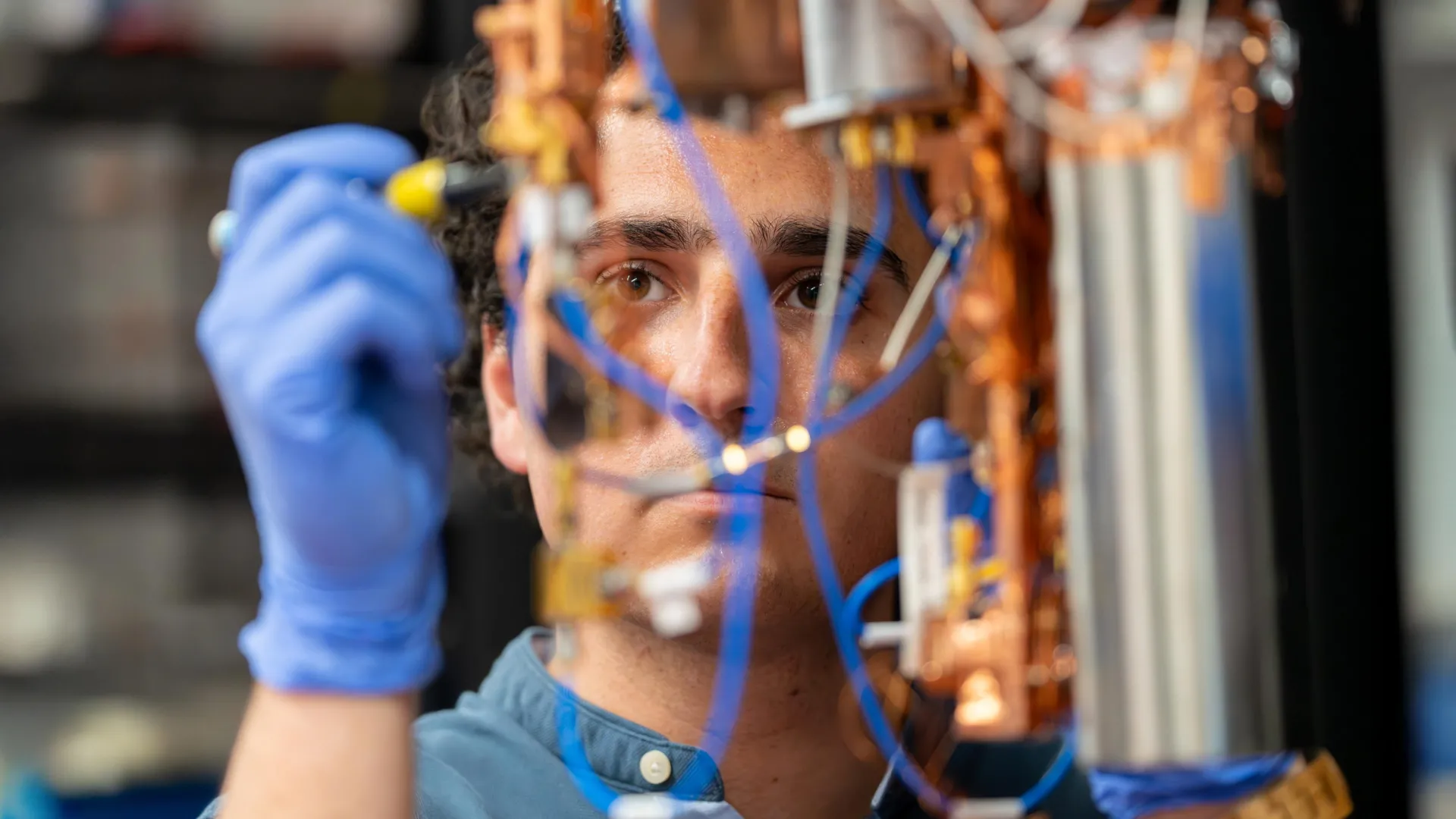
Physicists entangled distant qubits by placing them in a shared environment of correlated microwave photons. The setup reduced the need for continuous measurement and active control, confirming a theoretical proposal made more than two decades ago.
9:08 AMScienceDailySummary
Coral reefs cover about 1 percent of the ocean but support roughly a quarter of marine life. A new report warns that their global decline could become irreversible.
The decisive risk is not the reefs' limited area but their outsized role in marine
Unlock the full First Pass Analysis to get a better understanding of why this story mattersWhy it matters
A small share of the ocean supports a large share of its life, making reef loss an ecosystem-wide threat.
Summary
Rising sea temperatures are shortening the intervals between intense marine heat waves. New research warns that coral reefs increasingly lack enough time to recover before the next episode of heat stress.
The shift is from isolated bleaching events to repeated shocks that prevent recovery. As heat
Unlock the full First Pass Analysis to get a better understanding of why this story mattersWhy it matters
Even reefs that survive one heat wave may not recover if warming eliminates the time between successive events.
Summary
NASA’s Roman Space Telescope has begun its journey to a stable orbit near L2, where it will survey vast regions of the cosmos for evidence about dark matter, dark energy and distant planets. Its much wider field of view and high data output will let it map the universe at a scale Hubble could not match.
Roman expands astronomical reach more through survey speed and area than through sharper individual images.
Unlock the full First Pass Analysis to get a better understanding of why this story mattersWhy it matters
Roman could turn major questions about the universe’s structure into statistical tests based on unprecedented volumes of observations.
Summary
Physicists entangled distant qubits by placing them in a shared environment of correlated microwave photons. The setup reduced the need for continuous measurement and active control, confirming a theoretical proposal made more than two decades ago.
The decisive shift is from actively steering entanglement to engineering an environment that generates and
Unlock the full First Pass Analysis to get a better understanding of why this story mattersWhy it matters
Automated entanglement could reduce the control overhead that currently limits the scale and complexity of quantum computers.
A curated list of other prominent stories from this day.

In mice, sucralose and stevia altered gut microbes, reduced beneficial microbial compounds, and changed gene activity tied to metabolism and inflammation. Some of these changes also appeared in descendants that never consumed the sweeteners.
10:04 AMScienceDaily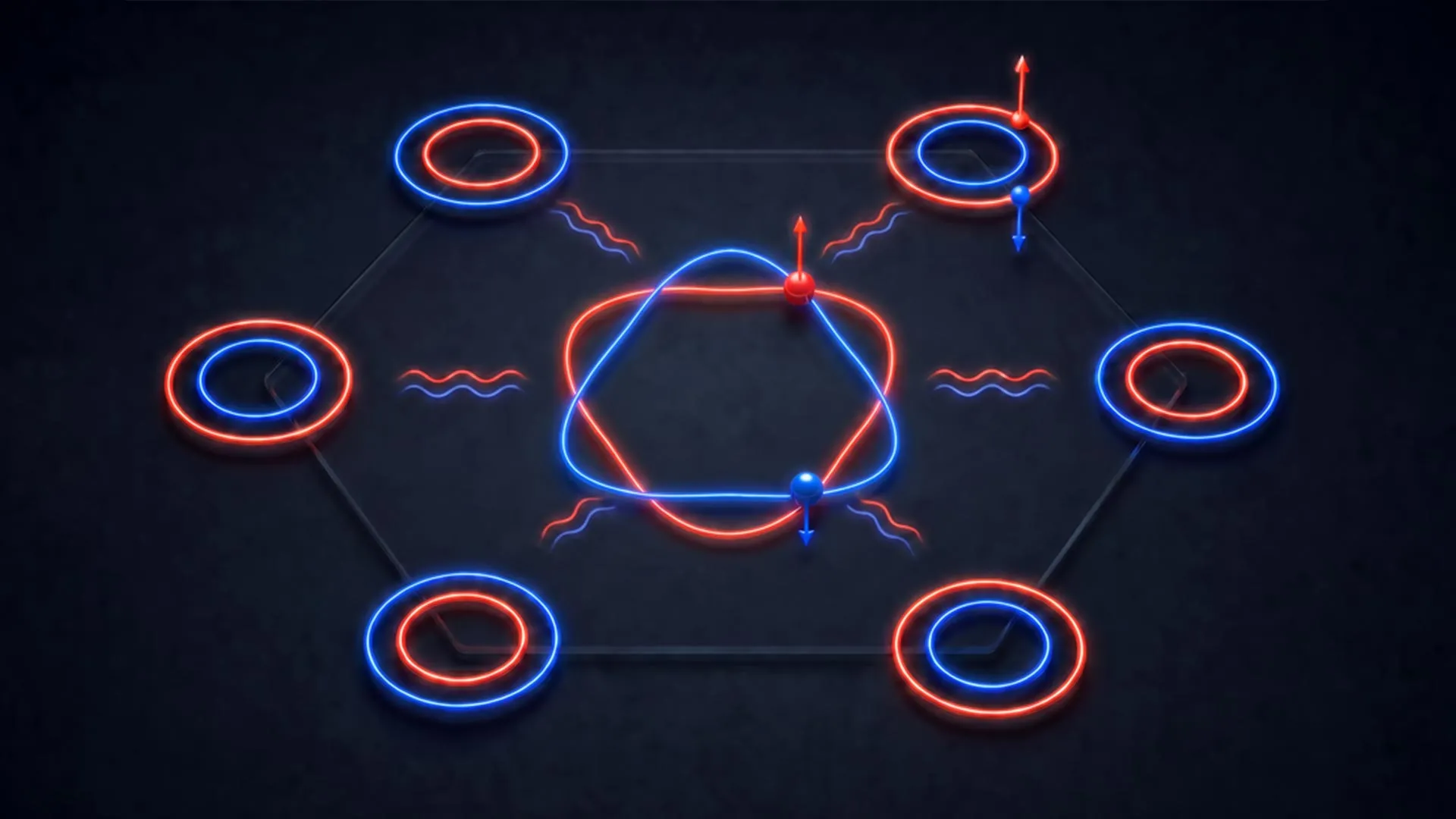
Sensitive measurements show that ultrathin niobium diselenide and tantalum disulfide each contain two strongly interacting superconducting states. Their close coupling had made the materials appear to have only one state.
9:29 AMScienceDaily
New research disputes the idea that evolution built rational brain regions on top of a primitive “lizard brain.” Instead, brain evolution appears to balance two competing wiring strategies, expanding one and reducing the other according to an animal’s survival demands.
8:53 AMScienceDaily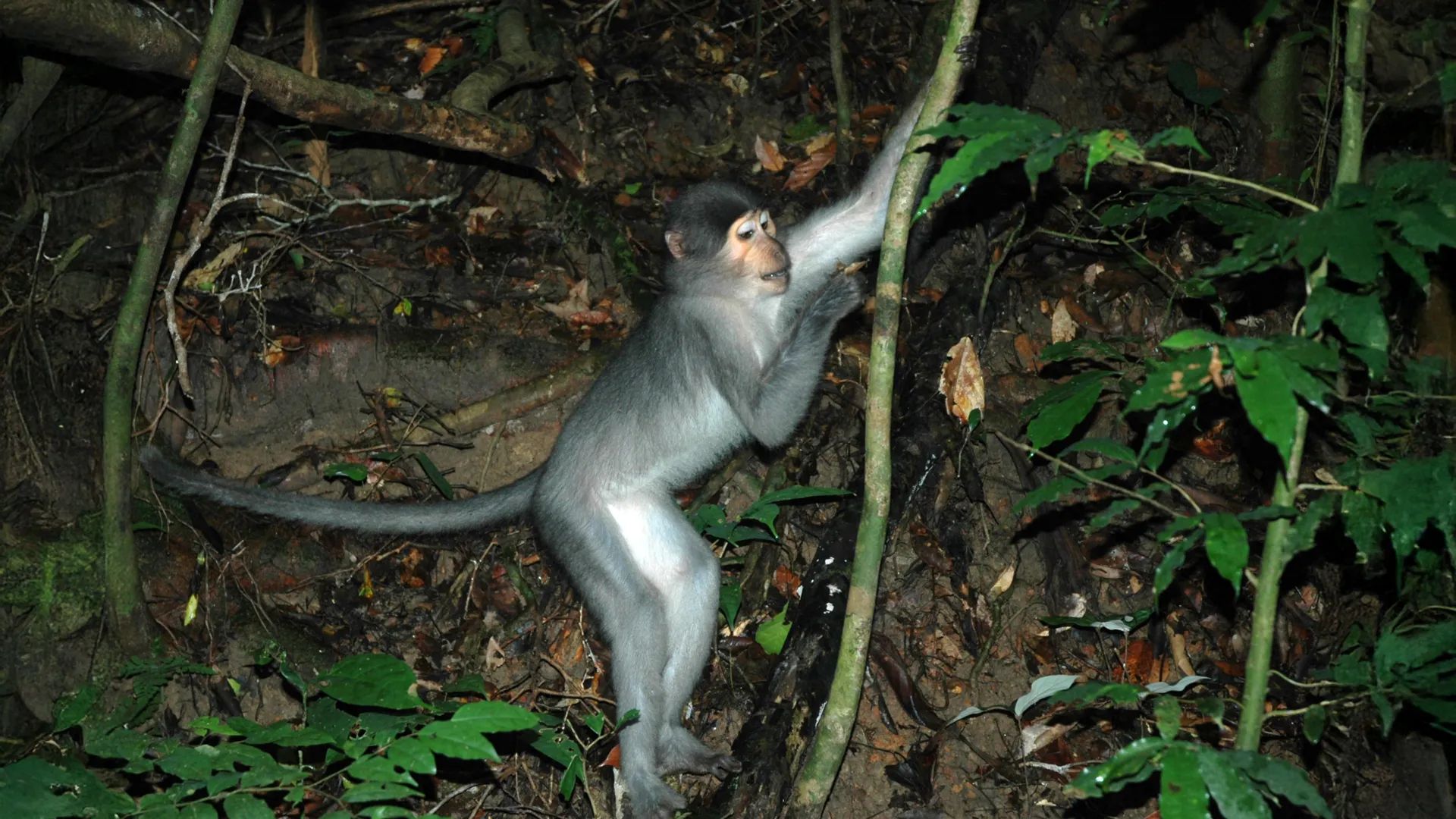
Wild West African monkeys can climb vertical tree trunks using flexible feet that researchers had not recognized. Their ability challenges assumptions about the locomotion and anatomy of the last common ancestor of humans and chimpanzees.
8:38 AMScienceDaily
Simulations suggest that massive early supernovae could have dispersed enough heavy elements and water for rocky planets to begin forming roughly 100 million years after the Big Bang. Around some young stars, the resulting solid material may have been sufficient to build Earth-like worlds far earlier than standard timelines imply.
1:00 AMScienceDaily
Scientists are still determining the precise cause of a disaster in Nepal, but the evidence points to a broader climate risk in the Himalayas. As the region warms and ice melts, events of this kind are becoming more likely.
12:38 AMThe New York Times
Researchers have found that ultrathin, flexible diamond membranes produce a strong and repeatable electrical response when mechanically deformed. The result overturns the assumption that diamond lacks useful piezoelectric behavior and could enable sensors, miniature power systems and self-powered implants.
12:13 AMScienceDailySummary
In mice, sucralose and stevia altered gut microbes, reduced beneficial microbial compounds, and changed gene activity tied to metabolism and inflammation. Some of these changes also appeared in descendants that never consumed the sweeteners.
The key finding is that sweetener exposure produced biological changes that extended beyond the animals
Unlock the full First Pass Analysis to get a better understanding of why this story mattersWhy it matters
If the pattern translates to humans, dietary exposures could affect health across generations rather than only the people who consume them.
Summary
Sensitive measurements show that ultrathin niobium diselenide and tantalum disulfide each contain two strongly interacting superconducting states. Their close coupling had made the materials appear to have only one state.
The discovery shows that apparently simple superconductors can conceal multiple coupled states that standard measurements
Unlock the full First Pass Analysis to get a better understanding of why this story mattersWhy it matters
Uncovering hidden superconducting states could expand the design space for quantum technologies and low-loss electronics.
Summary
New research disputes the idea that evolution built rational brain regions on top of a primitive “lizard brain.” Instead, brain evolution appears to balance two competing wiring strategies, expanding one and reducing the other according to an animal’s survival demands.
The finding replaces a simple layered model with a tradeoff model of brain evolution. It
Unlock the full First Pass Analysis to get a better understanding of why this story mattersWhy it matters
A more accurate evolutionary model can change how scientists connect brain anatomy to behavior across species, including humans.
Summary
Wild West African monkeys can climb vertical tree trunks using flexible feet that researchers had not recognized. Their ability challenges assumptions about the locomotion and anatomy of the last common ancestor of humans and chimpanzees.
The decisive fact is that living monkeys retain climbing mechanics that fossil interpretations may have
Unlock the full First Pass Analysis to get a better understanding of why this story mattersWhy it matters
Revised interpretations of fossil feet could shift the timeline and sequence of changes that led to human bipedalism.
Summary
Simulations suggest that massive early supernovae could have dispersed enough heavy elements and water for rocky planets to begin forming roughly 100 million years after the Big Bang. Around some young stars, the resulting solid material may have been sufficient to build Earth-like worlds far earlier than standard timelines imply.
The finding moves the possible starting point for terrestrial planet formation deep into the universe’s
Unlock the full First Pass Analysis to get a better understanding of why this story mattersWhy it matters
If confirmed, the universe may have offered habitable-world building blocks almost from the beginning.
Summary
Scientists are still determining the precise cause of a disaster in Nepal, but the evidence points to a broader climate risk in the Himalayas. As the region warms and ice melts, events of this kind are becoming more likely.
The decisive shift is that rising temperatures are increasing the baseline risk of sudden Himalayan
Unlock the full First Pass Analysis to get a better understanding of why this story mattersWhy it matters
Climate change is making Himalayan hazards more frequent and harder to manage for vulnerable communities.
Summary
Researchers have found that ultrathin, flexible diamond membranes produce a strong and repeatable electrical response when mechanically deformed. The result overturns the assumption that diamond lacks useful piezoelectric behavior and could enable sensors, miniature power systems and self-powered implants.
The key change is engineering rather than merely theoretical: reducing diamond to flexible membranes reveals
Unlock the full First Pass Analysis to get a better understanding of why this story mattersWhy it matters
A material prized for hardness may also provide a new route to durable, self-powered electronics.
Make it yours
Pick your topics, set your cadence, and receive your personalized First Pass in your inbox. It’s that simple!