First Pass

11 stories from 5 sources

Science funding and warming are reshaping research and risk

Day’s Recap

Supporting Articles

5:04 PMThe New York Times

A Melting Glacier in Nepal Was a Time Bomb. There Are More to Come.

Summary

A geologist examines how a melting Nepalese glacier set the conditions for disaster and warns that rapid warming will make deadly glacial floods more frequent. The region contains other glaciers that could pose similar risks.

Rapid warming is turning unstable glacial systems into recurring hazards rather than rare emergencies. Communities

Unlock the full First Pass Analysis to get a better understanding of why this story matters

Why it matters

The threat extends beyond one disaster to a widening class of climate risks across the Himalayas.

4:44 PMAl Jazeera

What lessons can be learned from the Nepal-Tibet flood disaster?

Summary

Scientists are investigating what caused the Nepal-Tibet flood disaster and whether climate change contributed to it. The findings could clarify how much warming is altering flood risk in the region.

The key shift is from treating the disaster as an isolated event to testing whether

Unlock the full First Pass Analysis to get a better understanding of why this story matters

Why it matters

Determining the cause will shape how governments prepare for the next high-altitude flood.

7:27 AMThe New York Times

Disaster Experts Say Nepal Glacier Collapse Was Difficult to Predict

Summary

Researchers say the Nepal glacier collapse was difficult to forecast or detect in time. They recommend banning construction on floodplains and clearly marking evacuation routes.

The key shift is from relying on precise warnings to reducing exposure before a collapse

Unlock the full First Pass Analysis to get a better understanding of why this story matters

Why it matters

When disasters remain hard to predict, land-use controls and evacuation planning become the main tools for reducing deaths.

7:27 AMThe New York Times

Disaster Experts Say Nepal Glacier Collapse Was Difficult to Predict

Summary

Researchers said the Nepal glacier collapse was difficult to detect and forecast because the warning signals for such disasters remain limited. They recommended restricting construction on floodplains and establishing clearly marked evacuation routes.

The central shift is from relying on precise prediction to reducing exposure before a collapse

Unlock the full First Pass Analysis to get a better understanding of why this story matters

Why it matters

When early warning cannot reliably identify the timing of a glacier collapse, prevention and evacuation become the main tools for saving lives.

7:47 PMBBC

Canada poaches dozens of top US researchers for its universities

Summary

Canadian universities are recruiting dozens of leading US researchers in fields including climate science and medicine. New research funding is helping attract them north.

New Canadian funding is turning research recruitment into a cross-border competition, with US universities at

Unlock the full First Pass Analysis to get a better understanding of why this story matters

Why it matters

Research funding is now reshaping where scientific talent and capacity are concentrated.

9:54 AMScienceDaily

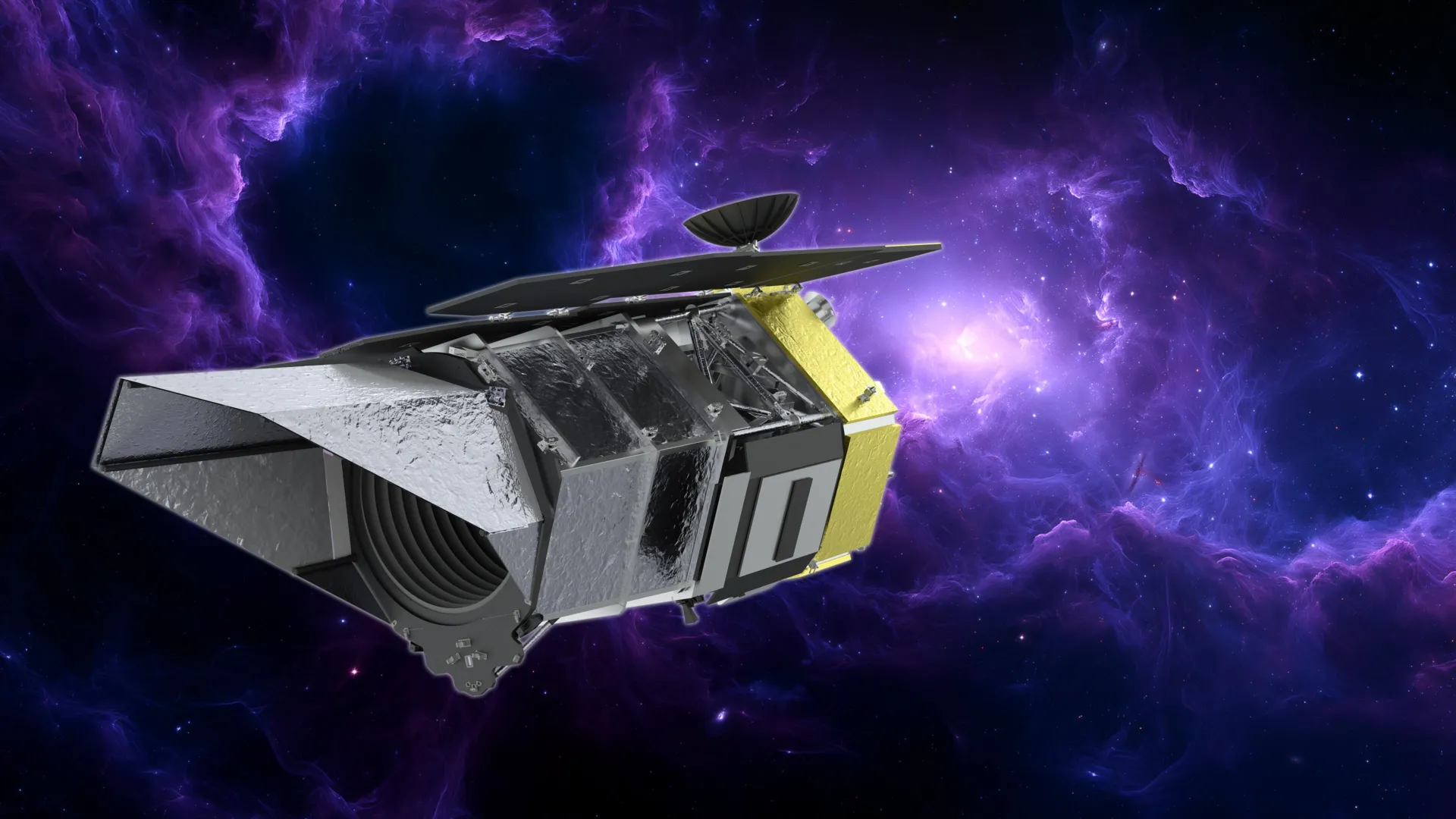
NASA’s Roman telescope will see 100 times more sky than Hubble

Summary

NASA’s Nancy Grace Roman Space Telescope will pair image detail comparable to Hubble’s with a field of view roughly 100 times wider. That reach will let astronomers survey billions of objects, search for planets and investigate dark matter and dark energy.

Roman will shift space observation toward large, systematic surveys rather than narrow, highly detailed targets.

Unlock the full First Pass Analysis to get a better understanding of why this story matters

Why it matters

Roman’s wider view could produce the statistical evidence needed to test leading theories about the universe’s hidden matter and accelerating expansion.

Other Developments

A curated list of other prominent stories from this day.

9:07 AMScienceDaily

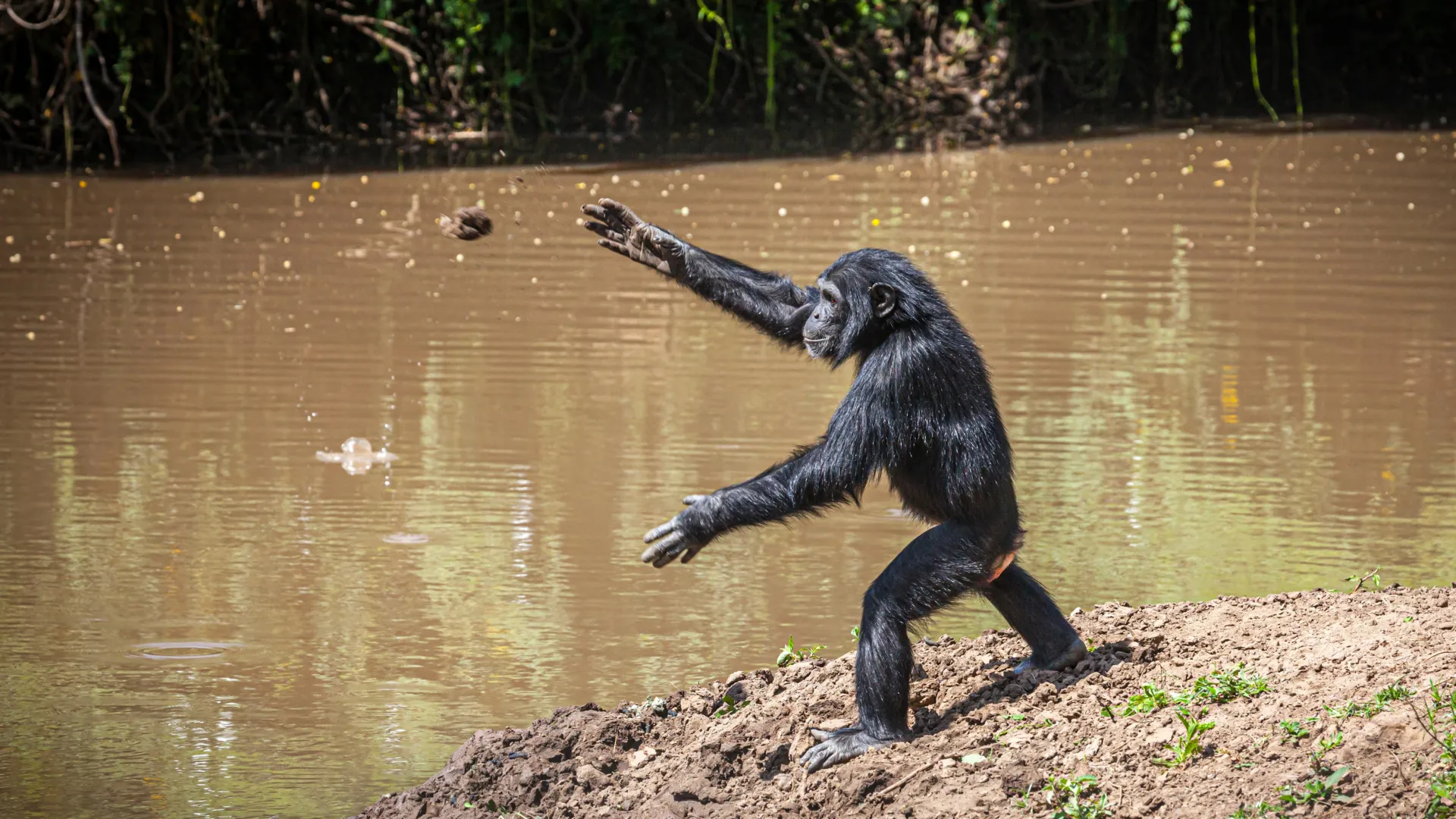
Chimpanzees have been hurling rocks at the same trees for more than a decade

Summary

Some West African chimpanzees repeatedly throw rocks at particular trees, leaving stone piles that remain in use for more than a decade. Researchers are investigating whether the behavior is cultural and whether it communicates territory, social identity or something more symbolic.

The repeated use of specific sites suggests behavior shaped by social learning rather than a

Unlock the full First Pass Analysis to get a better understanding of why this story matters

Why it matters

Evidence of durable, socially transmitted traditions would strengthen the case that chimpanzee cultures are more structured and varied than simple tool use implies.

8:49 AMBBC

Watch: Stargazers around the world glimpse 'Blood Moon' lunar eclipse

Summary

Observers in parts of the world watched a total lunar eclipse as the Sun, Earth and Moon aligned. The Moon appeared reddish during the event, producing the familiar 'Blood Moon' effect.

The eclipse offered a visible demonstration of how Earth’s atmosphere filters sunlight before it reaches

Unlock the full First Pass Analysis to get a better understanding of why this story matters

Why it matters

Lunar eclipses remain a rare public gateway to understanding orbital mechanics and the atmosphere’s effect on light.

5:00 AMFortune

Deloitte sees a $566 billion lunar economy by 2050

Summary

Deloitte projects that activity tied to the Moon could become a $566 billion economy by 2050. The forecast points to potential returns from a lunar market that has yet to be established.

The forecast depends on major advances in launch costs, infrastructure, regulation and demand for lunar

Unlock the full First Pass Analysis to get a better understanding of why this story matters

Why it matters

The projection turns lunar exploration into an investment and policy question, while underscoring how much infrastructure must exist before the market becomes real.

1:22 AMScienceDaily

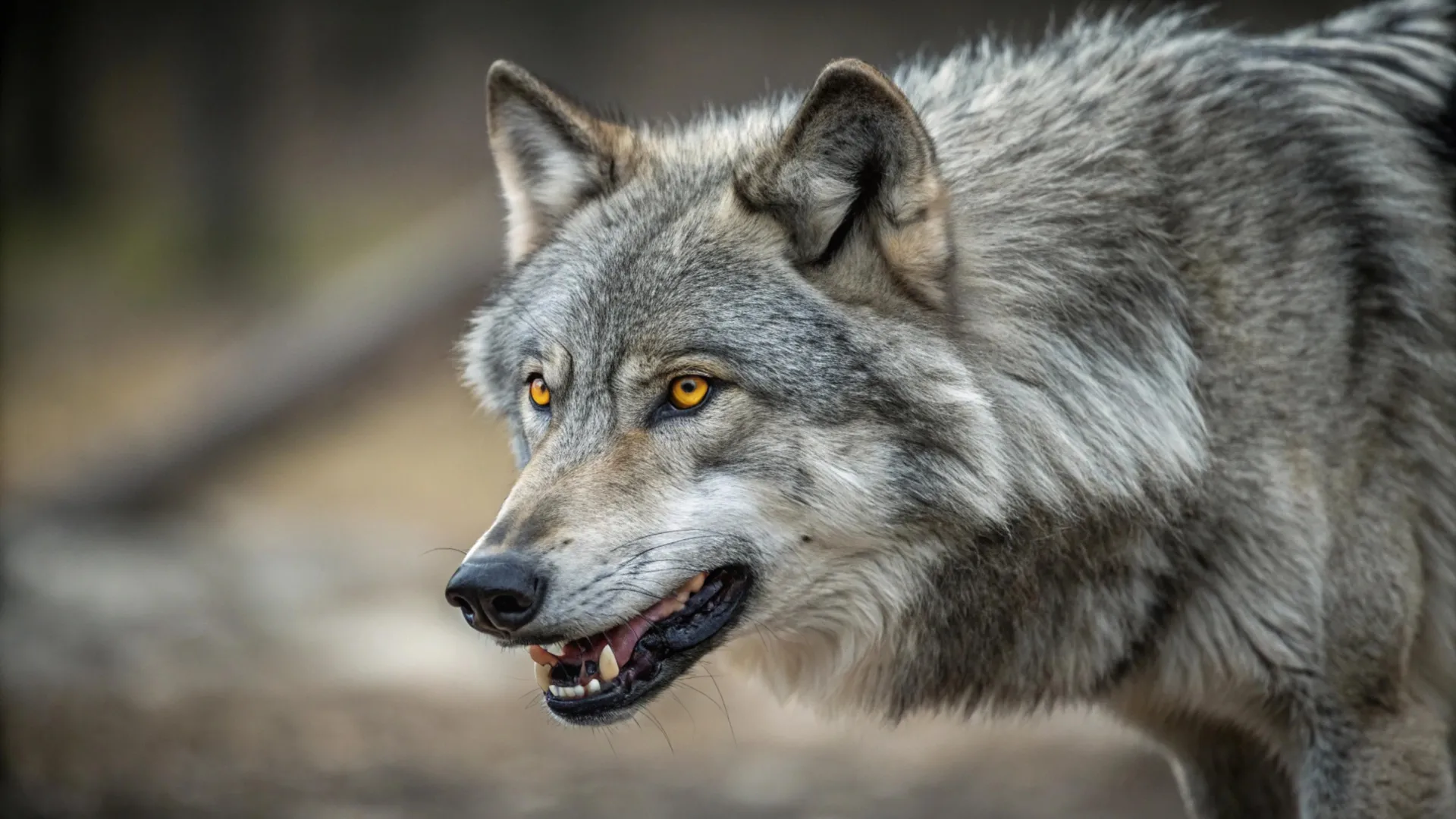
Scientists tracked 4,500 animals and found a surprising human effect

Summary

Tracking data from 4,500 animals showed that human presence can alter wildlife movement and habitat use as strongly as roads, cities, and other development. Species responded differently, with some avoiding people and others adapting to them.

Human presence itself now appears to be a major ecological pressure, even where construction is

Unlock the full First Pass Analysis to get a better understanding of why this story matters

Why it matters

Wildlife protection may depend as much on limiting human access as on controlling physical development.

12:23 AMScienceDaily

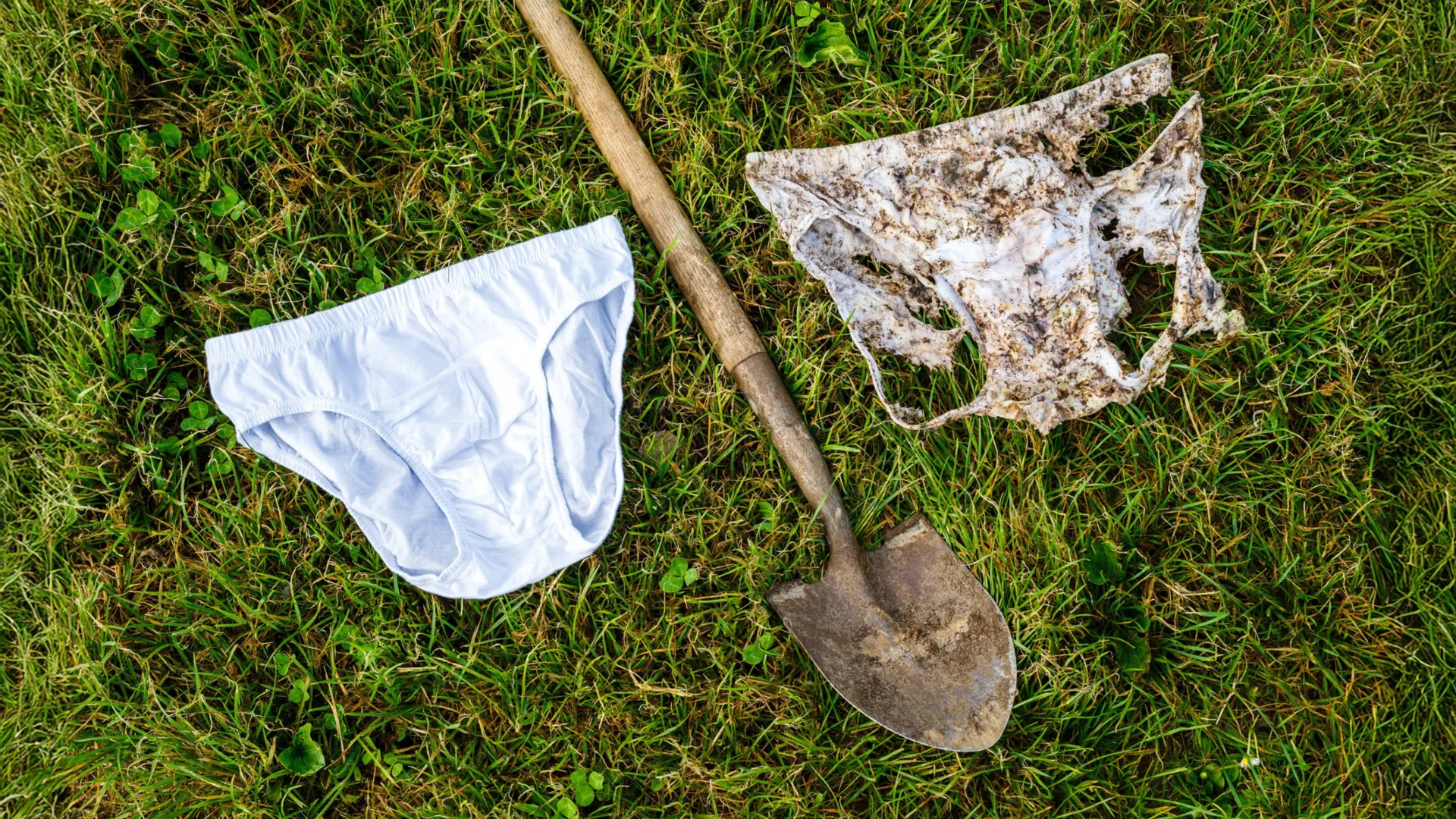
Why scientists asked 1,000 people to bury their underwear

Summary

More than 1,000 volunteers buried cotton underwear across Switzerland to measure biological activity in different soils. The fabric decomposed fastest in gardens and slowest in lawns, showing how land management affects underground ecosystems.

The decomposition gap shows that routine landscaping can reshape soil biology at a broad scale.

Unlock the full First Pass Analysis to get a better understanding of why this story matters

Why it matters

Everyday land management can either support or suppress the organisms that keep soils functioning.

Make it yours

Build Your First Pass.

Pick your topics, set your cadence, and receive your personalized First Pass in your inbox. It’s that simple!