First Pass

8 stories from 2 sources

Science sharpened mechanisms and prepared new ways to test them

Day’s Recap

Supporting Articles

9:00 AMScienceDaily

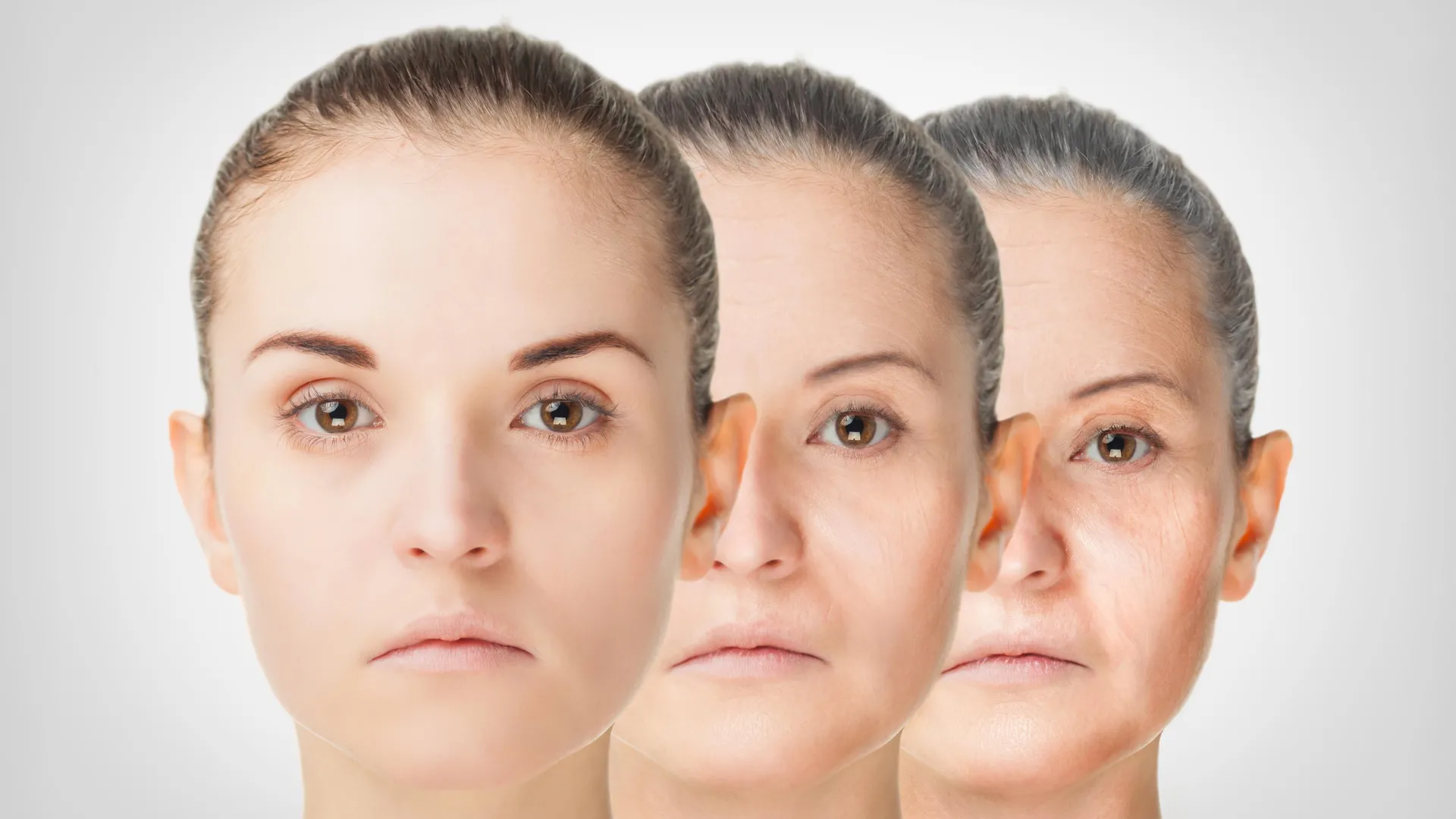
Scientists may have found a shortcut to calorie restriction’s anti-aging benefits

Summary

Moderate calorie restriction lowered the immune protein C3, which appears to contribute to chronic inflammation during aging. Blocking C3 reduced age-related inflammation in mice, suggesting a possible way to reproduce some effects of calorie restriction without severe dieting.

C3 emerges as a potential link between diet and inflammaging, shifting attention from calorie reduction

Unlock the full First Pass Analysis to get a better understanding of why this story matters

Why it matters

Targeting C3 could offer a more practical route to reducing age-related inflammation than sustained calorie restriction.

6:29 AMScienceDaily

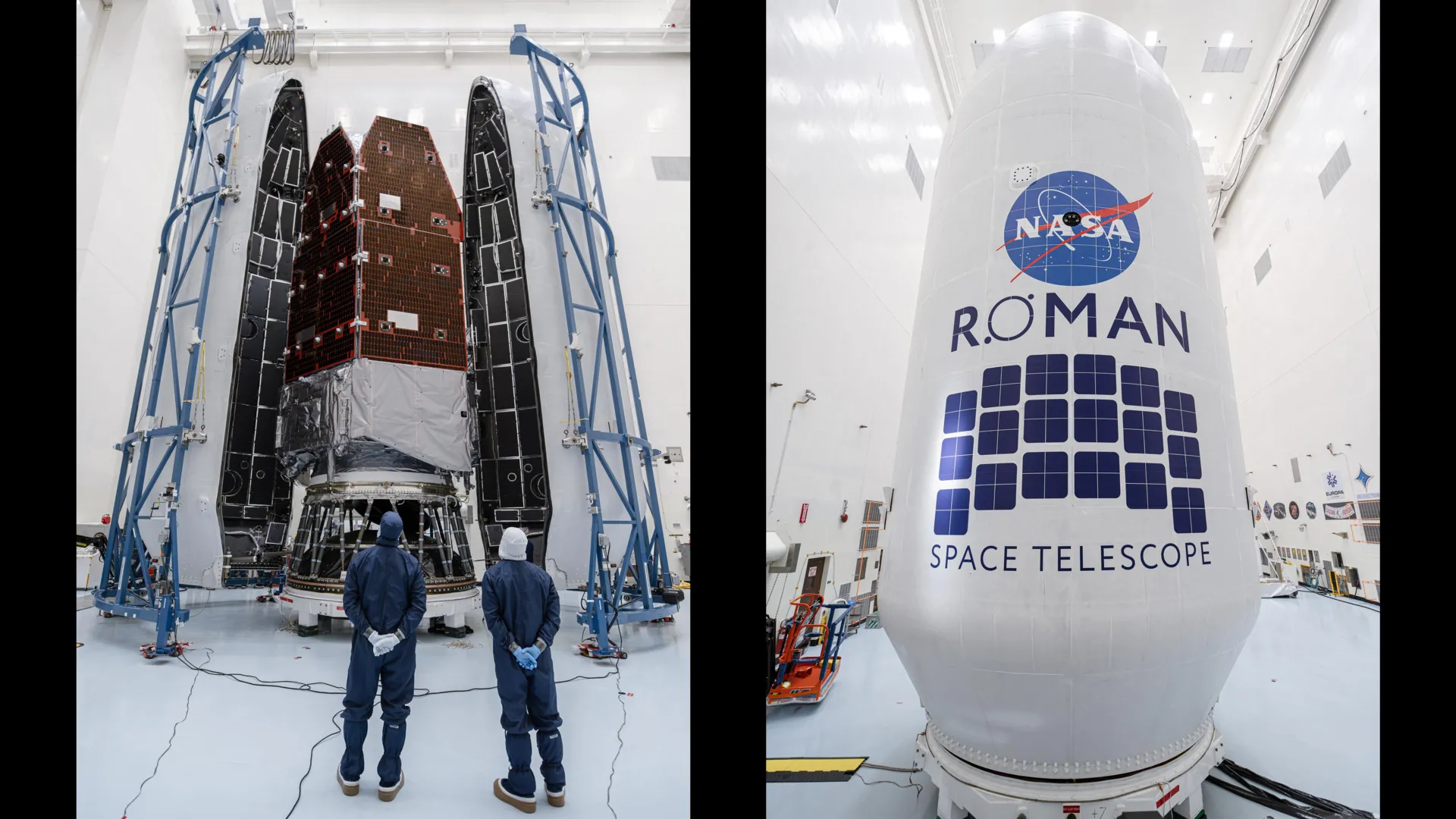
NASA’s Roman Space Telescope is ready to hunt thousands of alien worlds

Summary

NASA’s Roman Space Telescope has been enclosed in its Falcon Heavy launch fairing and is nearing launch. The mission could discover thousands of exoplanets while studying dark matter, dark energy and the universe’s accelerating expansion.

Roman will combine a wide field of view with repeated observations, allowing it to survey

Unlock the full First Pass Analysis to get a better understanding of why this story matters

Why it matters

Roman could expand the known inventory of worlds while tightening the evidence around the universe’s most fundamental unknowns.

5:05 AMScienceDaily

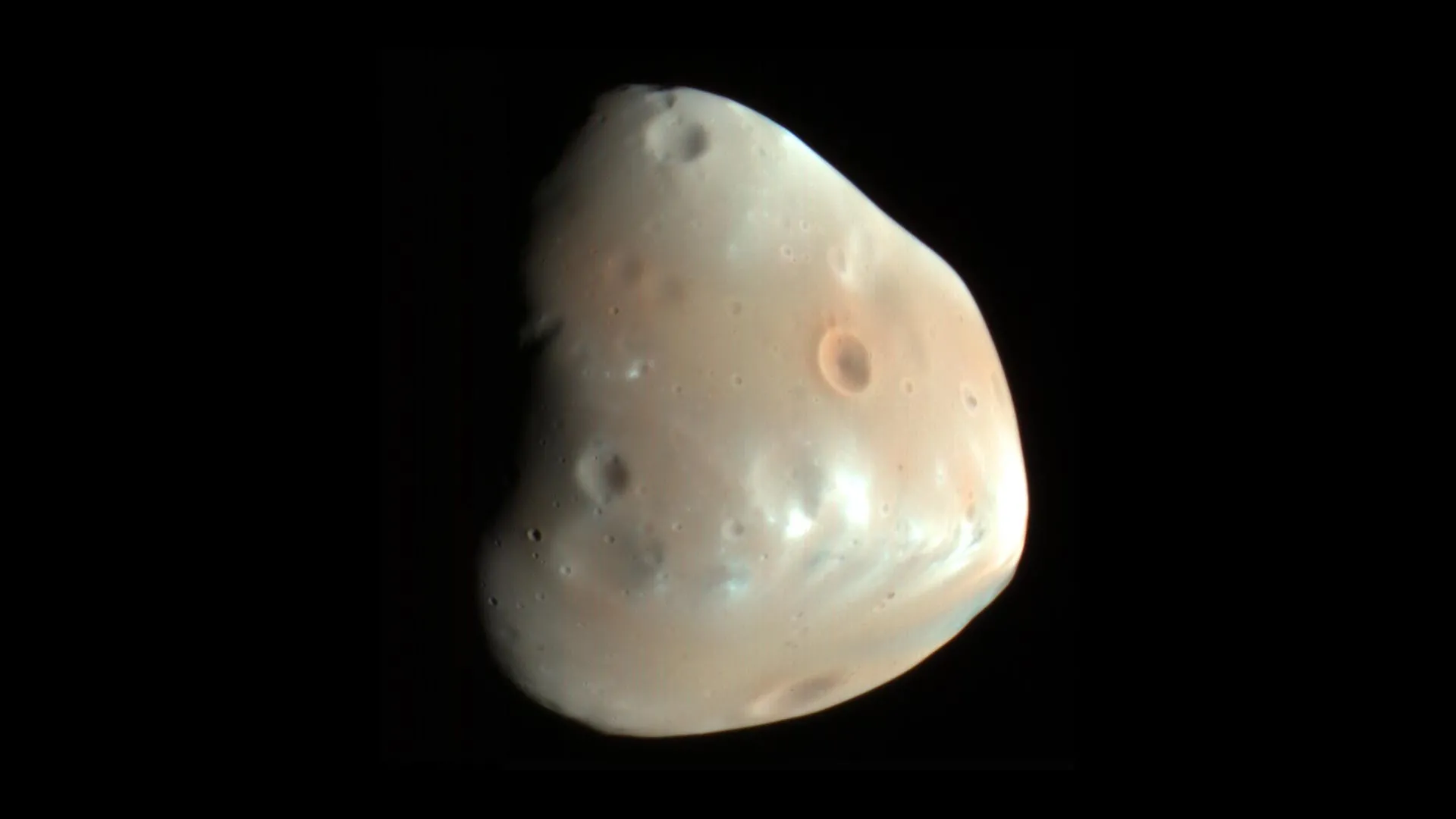
One asteroid strike may explain two mysteries of Mars’ moon Deimos

Summary

Simulations suggest that a roughly 320-meter asteroid hit Deimos at an angle, creating its large southern depression and spreading dust around the moon without destroying it. Observations from ESA’s Hera spacecraft support the impact scenario and indicate that Deimos is unusually porous and fragile.

The leading explanation for Deimos’s shape and smooth surface has shifted from separate processes to

Unlock the full First Pass Analysis to get a better understanding of why this story matters

Why it matters

The findings could clarify Deimos’s origin and improve planning for missions that must approach or land on the fragile moon.

Other Developments

A curated list of other prominent stories from this day.

8:46 AMScienceDaily

190-year-old DNA reveals a hidden pangolin species

Summary

DNA from a nearly 190-year-old museum specimen confirmed a distinct Himalayan pangolin species in Nepal and northern India. The finding could help conservationists identify the origins of illegally traded scales.

Genetic identification gives authorities a way to distinguish this species from other pangolins even when

Unlock the full First Pass Analysis to get a better understanding of why this story matters

Why it matters

A species hidden in collections may now become visible in trafficking data and conservation planning.

8:39 AMScienceDaily

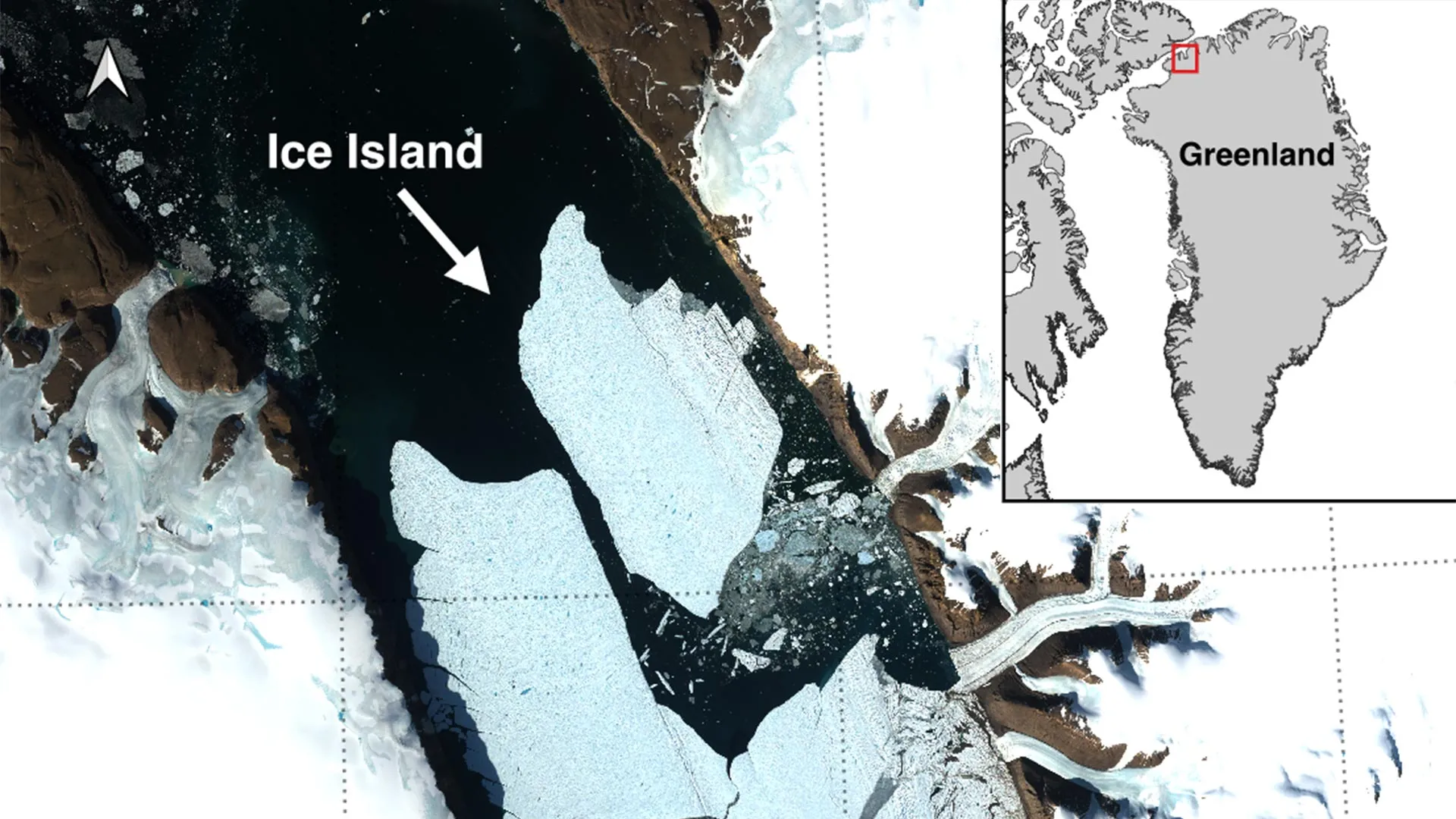
Manhattan-sized ice island breaks off Greenland’s Petermann Glacier

Summary

A Manhattan-sized ice island broke away from Greenland’s Petermann Glacier after years of widening fractures weakened its floating ice tongue. Scientists expect two additional large sections could detach, removing about 22 percent of the remaining tongue.

The immediate loss is floating ice, so it will not directly raise sea levels, but

Unlock the full First Pass Analysis to get a better understanding of why this story matters

Why it matters

Petermann’s collapse would matter less for the detached ice itself than for the land-based ice it may no longer restrain.

6:00 AMThe New Yorker — Books & Culture

The Quest to Cure Hangovers

Summary

Scientists still do not fully understand why alcohol produces hangover symptoms. That uncertainty has not stopped companies from marketing remedies that claim to be backed by science.

The evidence gap gives supplement companies room to make persuasive claims without strong proof that

Unlock the full First Pass Analysis to get a better understanding of why this story matters

Why it matters

Hangover remedies show how quickly products can outpace evidence when consumers want a simple fix for a poorly understood biological problem.

4:15 AMScienceDaily

A missing color in indoor light may help prevent myopia

Summary

Researchers found that indigo light, a wavelength largely absent from indoor LED lighting, completely prevented experimentally induced myopia in tree shrews. The result suggests that indoor lighting designed to better resemble sunlight might help protect developing eyes, though the effect has not yet been demonstrated in children.

The key shift is from treating indoor light mainly as a visual convenience to considering

Unlock the full First Pass Analysis to get a better understanding of why this story matters

Why it matters

If human trials confirm the effect, changes to school and home lighting could become a low-cost tool against rising childhood myopia.

3:28 AMScienceDaily

Childhood trauma may leave a lasting “scar” inside brain cells

Summary

In mice, early-life stress altered how DNA was packaged in brain cells, leaving stress-related genes more ready to activate later in life. Blocking that change prevented the adult animals from developing heightened anxiety and stress sensitivity.

The decisive finding is that researchers linked early stress to a reversible molecular change, not

Unlock the full First Pass Analysis to get a better understanding of why this story matters

Why it matters

A treatable biological pathway could eventually expand options for preventing the long-term effects of childhood trauma.

Make it yours

Build Your First Pass.

Pick your topics, set your cadence, and receive your personalized First Pass in your inbox. It’s that simple!