First Pass

8 stories from 3 sources

Science finds hidden pressures shaping water, immunity, and planets

Day’s Recap

Supporting Articles

5:21 AMScienceDaily

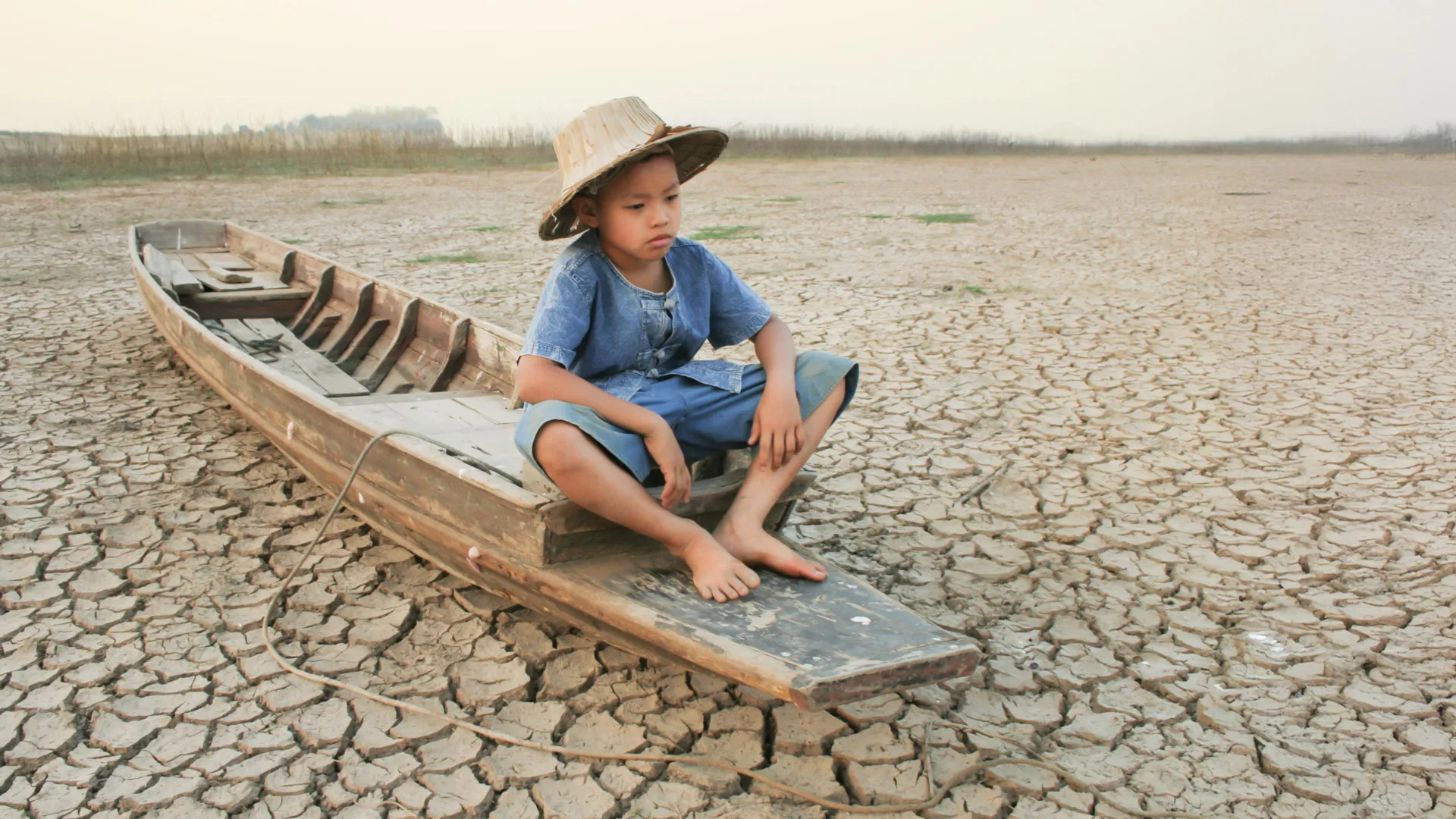
The “Asian water tower” is losing 24 billion tonnes of groundwater every year

Summary

The Asian Water Tower is losing about 24.2 billion tonnes of groundwater annually, with the steepest declines concentrated in densely populated agricultural regions. Glacier melt could temporarily cushion the losses around the 2060s, but depletion is expected to accelerate afterward if water use does not change.

Groundwater extraction is already outpacing a critical reserve beneath major farming regions, and future glacier

Unlock the full First Pass Analysis to get a better understanding of why this story matters

Why it matters

A short-term boost from melting glaciers could mask a worsening long-term collapse in water security.

12:06 AMScienceDaily

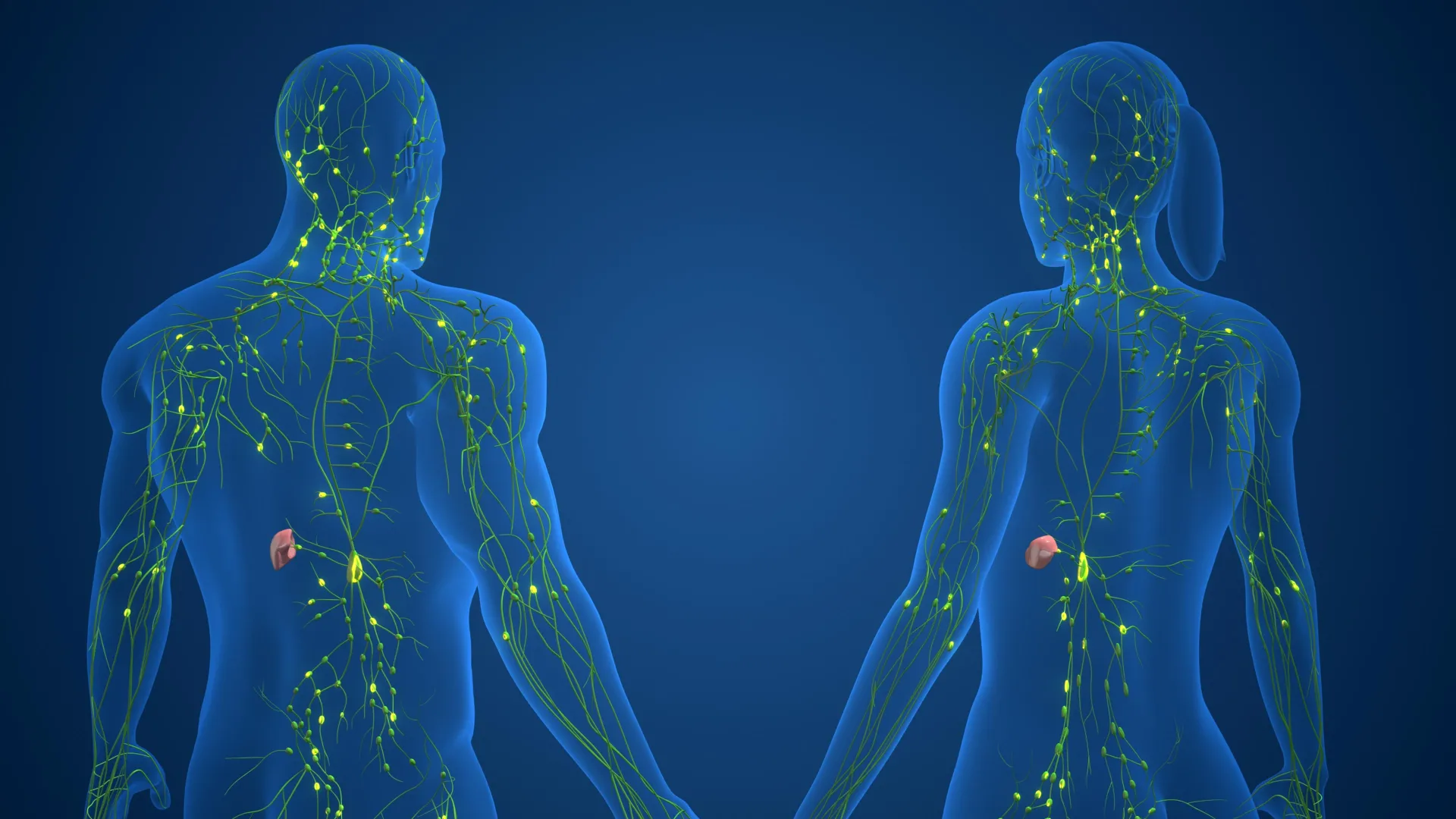
More than 1,000 genetic switches reveal why female immunity is different

Summary

More than 1,000 regulatory elements behave differently in male and female immune cells, helping explain why female immune systems are more prone to autoimmune diseases such as lupus. The same stronger inflammatory response that can improve protection against infection may also increase the risk of immune misfires.

The findings point to sex-specific gene regulation as a major driver of immune differences, not

Unlock the full First Pass Analysis to get a better understanding of why this story matters

Why it matters

Understanding these genetic differences could improve autoimmune care by making diagnosis and treatment more biologically specific.

4:55 AMScienceDaily

Scientists crushed diamond beyond Neptune-like pressures—and solved a 20-year mystery

Summary

Experiments at pressures exceeding those inside Neptune and Uranus clarified how diamond behaves under extreme conditions, resolving a long-running conflict between models and observations. The findings could improve the design of fusion experiments and refine theories about diamond rain inside ice giant planets.

The new measurements close a gap between laboratory evidence and planetary physics while giving fusion

Unlock the full First Pass Analysis to get a better understanding of why this story matters

Why it matters

One set of experiments links the physics of ice giants to a potential path toward more effective fusion energy.

Other Developments

A curated list of other prominent stories from this day.

9:41 AMFinancial Times

From balloons to pans: in praise of useful tech

Summary

Companies are developing materials whose previously unknown properties could reshape products and industrial processes. The opportunity lies in turning discoveries at the molecular level into practical technologies, from everyday goods to advanced systems.

The shift is from improving familiar materials to designing substances that perform entirely new functions.

Unlock the full First Pass Analysis to get a better understanding of why this story matters

Why it matters

Breakthrough materials can alter entire industries because they change what products are capable of, not just how efficiently they are made.

9:04 AMThe Verge

NASA gives up on trying to rescue the Swift telescope

Summary

NASA and Katalyst Space have abandoned plans to capture and raise the Swift Observatory after an unresolved attitude-control problem affected the Link spacecraft. The mission will instead proceed with a rendezvous and other operations, leaving Swift on course to reenter the atmosphere.

The rescue effort is no longer viable, so Swift's remaining scientific value must be weighed

Unlock the full First Pass Analysis to get a better understanding of why this story matters

Why it matters

Swift's loss removes a valuable tool for studying transient cosmic events and underscores the risks of relying on aging satellites without practical in-orbit servicing options.

6:42 AMScienceDaily

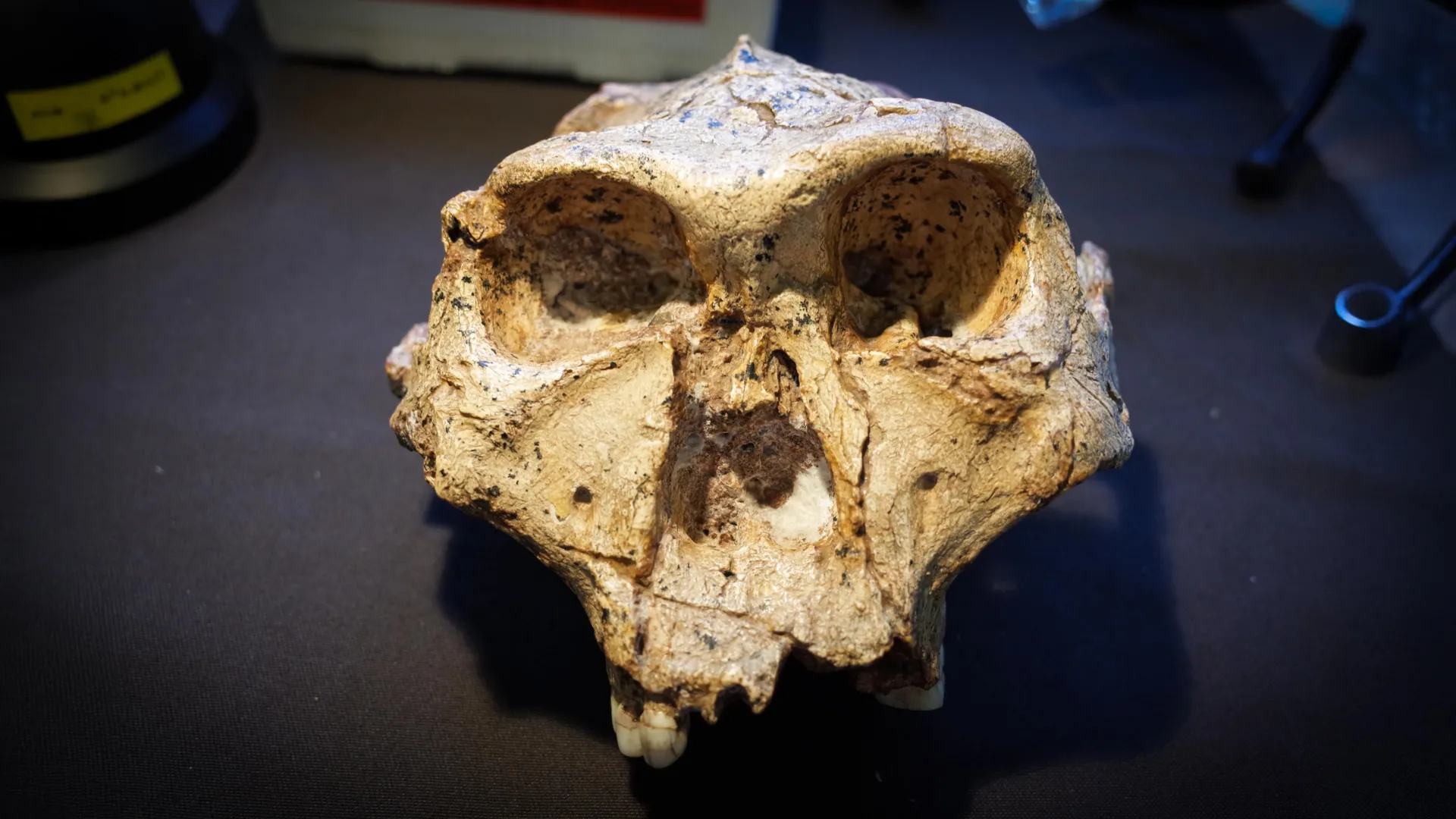
Scientists say the human family tree may need a major rewrite

Summary

Researchers argue that Australopithecus and Paranthropus may belong within the genus Homo because new fossils blur traits once used to distinguish those groups. The proposal would simplify the human family tree, but it would also overturn a classification framework built around long-standing anatomical differences.

The proposed change shifts the debate from discovering new branches to deciding how much variation

Unlock the full First Pass Analysis to get a better understanding of why this story matters

Why it matters

The dispute shows that evolutionary history depends not only on fossils but also on how scientists define a species and a genus.

3:10 AMScienceDaily

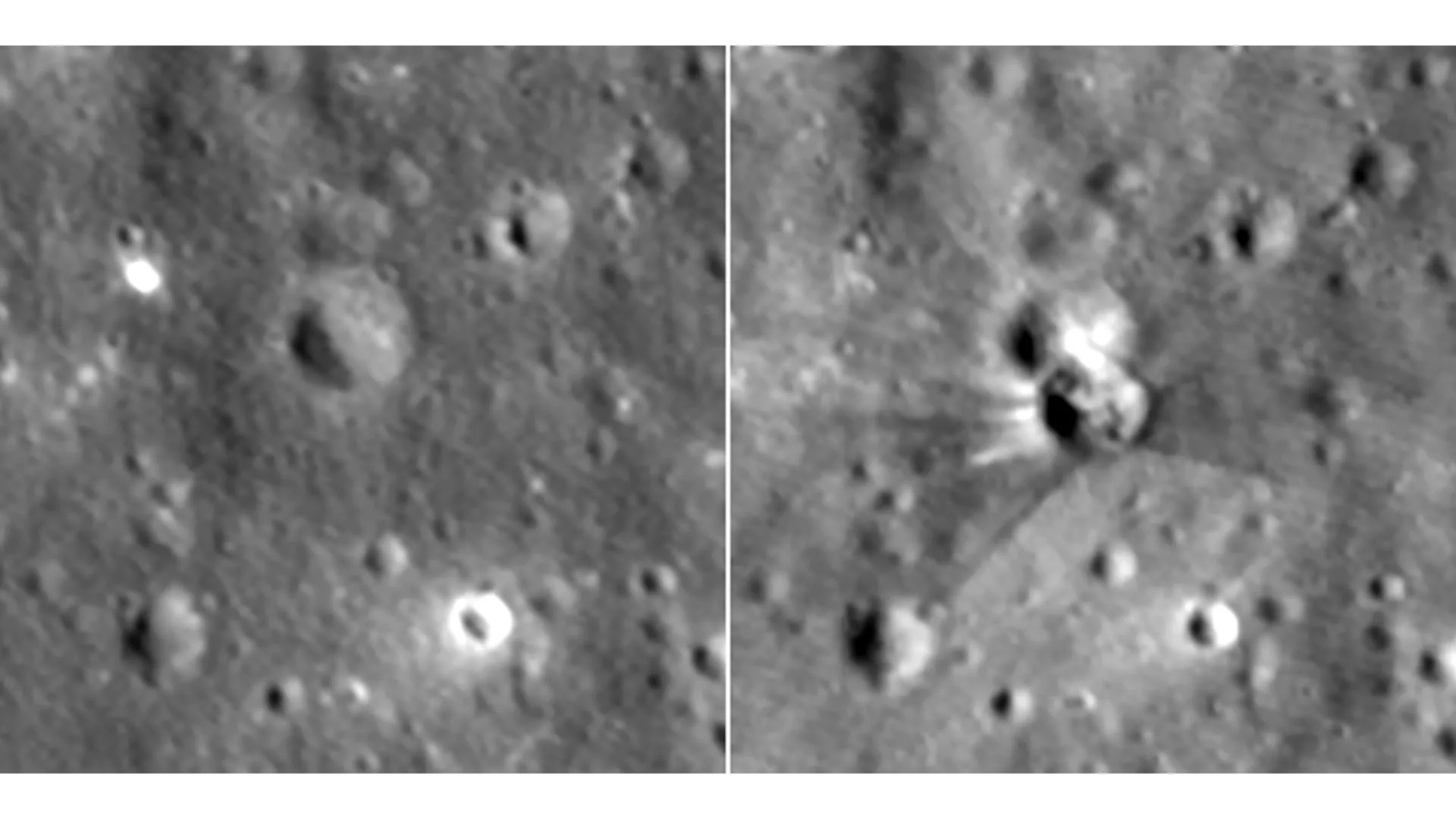
A SpaceX rocket smashed into the Moon — NASA just revealed the crater

Summary

A discarded SpaceX Falcon 9 stage struck the Moon on August 5 and created a crater about 60 feet wide. Images from NASA's Lunar Reconnaissance Orbiter show debris streaks, bright and dark impact material, and freshly exposed subsurface layers.

The impact provides a clear example of how human hardware is beginning to alter and

Unlock the full First Pass Analysis to get a better understanding of why this story matters

Why it matters

More lunar missions will make space debris management a planetary science and governance problem, not just an engineering issue.

2:59 AMScienceDaily

This total solar eclipse looked strangely golden — here’s why

Summary

A total solar eclipse in Spain appeared golden rather than pearly white because the setting Sun's light passed through more atmosphere and wildfire smoke filtered out additional blue wavelengths. A bright pink solar prominence added another vivid feature to the event.

The unusual color came from atmospheric conditions on Earth, not a change in the Sun's

Unlock the full First Pass Analysis to get a better understanding of why this story matters

Why it matters

The eclipse was both a rare visual event and a reminder that Earth's atmosphere shapes what scientists observe in space.

Make it yours

Build Your First Pass.

Pick your topics, set your cadence, and receive your personalized First Pass in your inbox. It’s that simple!