First Pass

15 stories from 6 sources

Science pushed ambitious tools toward real-world tests and tougher scrutiny

Day’s Recap

Supporting Articles

4:30 AMStat News

STAT+: In wake of boy’s death, gene editing experts dissect Huidagene’s decisions

Summary

Gene editing experts are examining the technical choices made by Huidagene after a boy died during treatment for Duchenne muscular dystrophy. They question whether the company's attempted improvements addressed the risks of a strategy that U.S. developers have largely abandoned.

The boy's death has shifted scrutiny from the promise of the therapy to the judgment

Unlock the full First Pass Analysis to get a better understanding of why this story matters

Why it matters

The case could influence whether high-risk gene therapies are refined, delayed, or rejected as companies pursue treatments for fatal diseases.

6:17 PMFortune

Google and the UK think changing flights paths could cut down on climate change

Summary

Google and the UK government will fund a 30-month, $6.76 million trial that reroutes hundreds of transatlantic flights to test whether avoiding certain atmospheric conditions can reduce climate-warming contrails.

The trial shifts contrail reduction from climate modeling into airline operations, without requiring new aircraft

Unlock the full First Pass Analysis to get a better understanding of why this story matters

Why it matters

Aviation could gain a near-term climate intervention, but its value depends on proving that rerouting flights cuts more warming than it creates.

5:49 PMThe New York Times

Chinese Start-Up Lands Reusable Rocket for the First Time

Summary

Chinese private space company LandSpace has landed a reusable rocket for the first time. The achievement marks a milestone for China’s commercial launch industry and its effort to develop lower-cost access to space.

LandSpace’s landing narrows China’s technological gap with SpaceX in reusable launch systems, where recovery and

Unlock the full First Pass Analysis to get a better understanding of why this story matters

Why it matters

Reusable rockets could make launches cheaper and give China a stronger position in the global commercial space race.

11:00 AMStat News

STAT+: Brain organoids, kept alive more than five years, matured like human brains

Summary

Brain organoids maintained for more than five years continued to develop and acquired molecular and genetic features associated with human brain maturation. Their long-term survival offers a way to study neural development over periods previously difficult to reproduce in laboratory models.

The extended lifespan changes organoids from short-window developmental models into platforms for studying later stages

Unlock the full First Pass Analysis to get a better understanding of why this story matters

Why it matters

Long-lived organoids could expand disease and drug research while keeping the limits of the model in view.

Other Developments

A curated list of other prominent stories from this day.

10:05 PMBBC

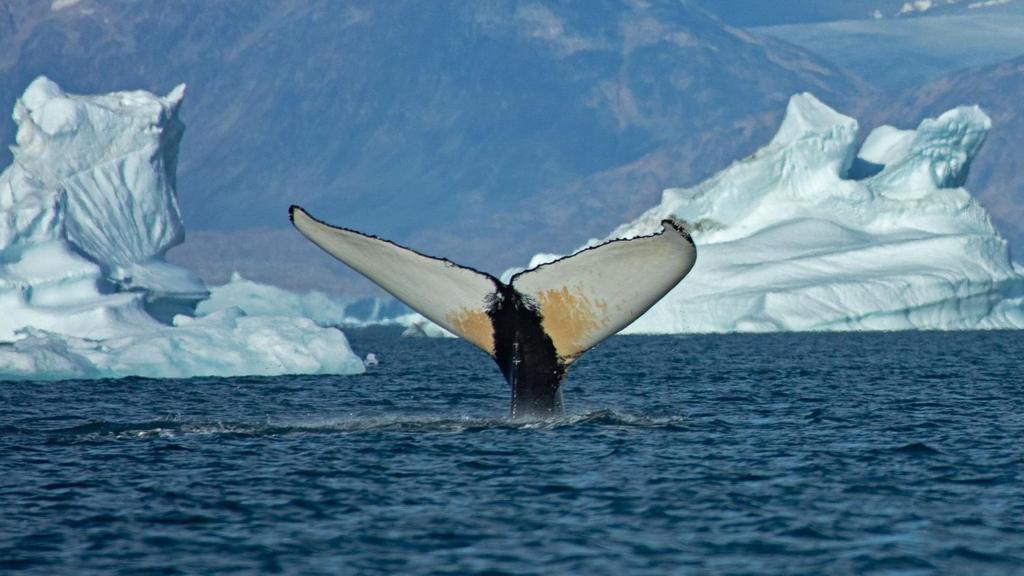
Giant whales move into Greenland waters as ice disappears

Summary

The loss of sea ice has opened Greenland waters to giant whales, allowing them to gather in large numbers to feed. The changing access to these waters is altering where the animals can exploit seasonal food supplies.

Reduced ice is expanding a feeding opportunity for whales, but it also signals a broader

Unlock the full First Pass Analysis to get a better understanding of why this story matters

Why it matters

A climate-driven habitat shift is creating short-term feeding gains for whales while increasing ecological and industrial pressures in the Arctic.

9:32 PMScienceDaily

MIT physicists discover electrons rebuilding like ice inside a quantum material

Summary

Physicists found that two electronic phases in the same quantum material form through different processes: one changes smoothly, while the other spreads through expanding regions like growing ice crystals. The finding offers a new way to study how superconductivity and magnetism emerge and coexist.

The key shift is that electronic phases do not follow a single transition pathway, even

Unlock the full First Pass Analysis to get a better understanding of why this story matters

Why it matters

Understanding how electronic phases form is essential for designing materials with tunable superconducting and magnetic behavior.

8:38 PMScienceDaily

Researchers reveal deeper workings of brain’s information hub

Summary

Researchers found that the frontoparietal cortex changes its communication with other brain regions according to the information needed for a decision. The network appears to reorganize dynamically rather than simply becoming more active when tasks grow harder.

The decisive finding is that flexible decision-making depends on shifting connections, not just increased brain

Unlock the full First Pass Analysis to get a better understanding of why this story matters

Why it matters

The result could improve models of cognition and clarify how disrupted network coordination contributes to neurological and psychiatric disorders.

8:00 PMNature

These trees are making air quality in cities worse

Summary

Some urban trees release compounds that help form ground-level ozone, a harmful air pollutant. Rising temperatures could increase these emissions and worsen the effect.

Higher temperatures may turn certain tree-planting choices into an air-quality liability, especially in polluted cities.

Unlock the full First Pass Analysis to get a better understanding of why this story matters

Why it matters

Climate warming could undermine the assumption that adding trees always improves urban air.

7:44 PMScienceDaily

A mother’s age can shape her offspring without changing their DNA

Summary

Scientists found evidence that maternal age can affect offspring through reversible changes in gene activity rather than permanent DNA alterations. The work raises the possibility that age-related biological signals could influence health across multiple generations.

The important shift is from viewing maternal-age effects mainly as DNA damage to considering changes

Unlock the full First Pass Analysis to get a better understanding of why this story matters

Why it matters

The findings suggest that some intergenerational health effects may be biologically flexible rather than permanently encoded.

11:01 AMBBC

'Incredible': SpaceX rocket spotted off Christmas Island coast

Summary

Residents of Christmas Island say they saw a SpaceX rocket being towed just offshore. The vehicle launched from Texas in July before crashing into the Indian Ocean and disappearing from view.

The rocket's reappearance suggests debris from the failed launch is being recovered or moved through

Unlock the full First Pass Analysis to get a better understanding of why this story matters

Why it matters

Rocket failures can create maritime hazards well beyond the launch site, making debris tracking and recovery a regional issue.

7:49 AMScienceDaily

Tiny quantum engines reveal useful energy hiding in “waste heat”

Summary

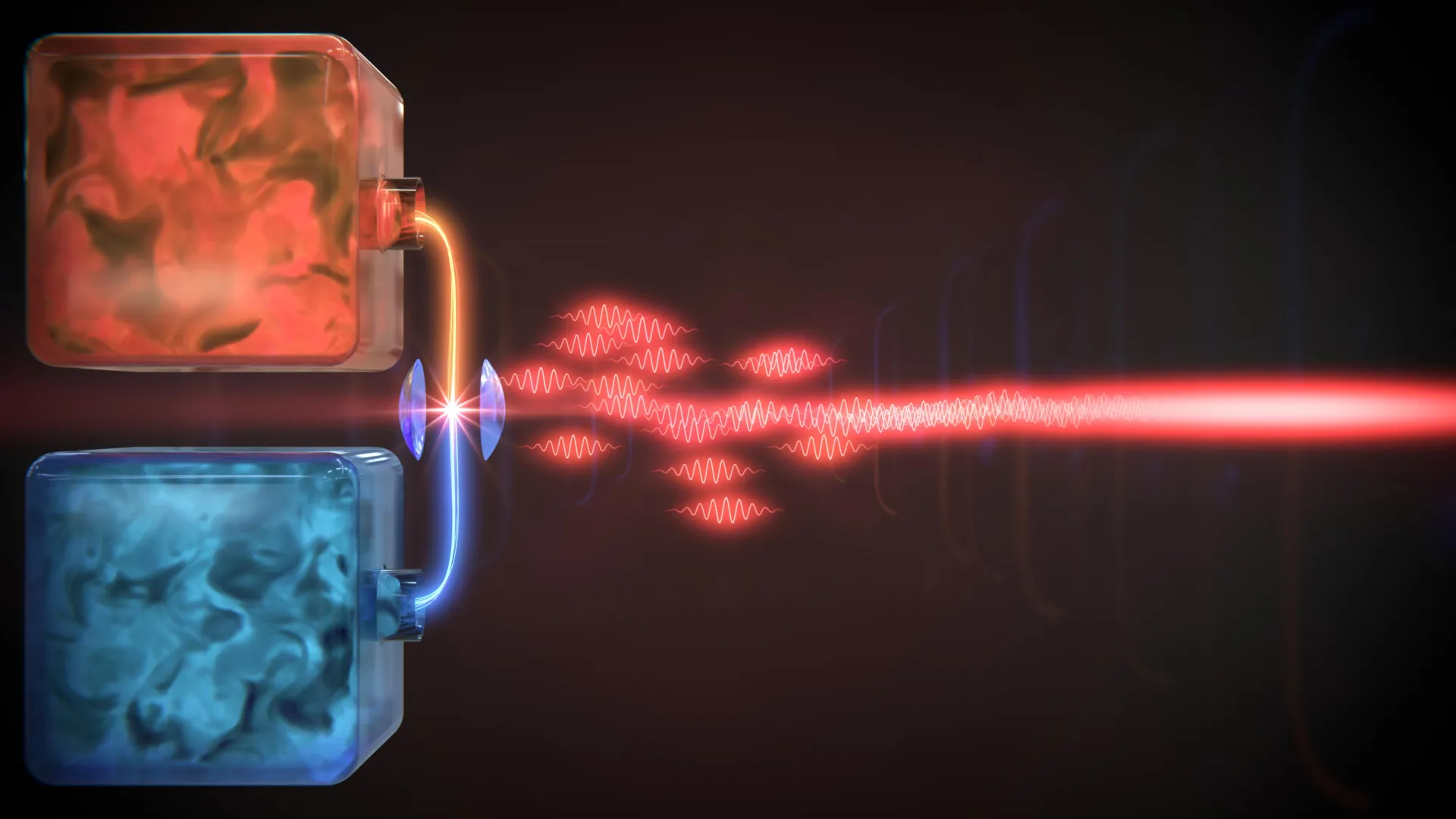
Researchers at the University of Basel developed a theoretical framework for describing heat and usable energy in microscopic engines made from an atom and particles of light. The work brings quantum mechanics and thermodynamics into closer agreement and clarifies how energy can be extracted at that scale.

The key advance is conceptual: it defines how heat and work should be separated when

Unlock the full First Pass Analysis to get a better understanding of why this story matters

Why it matters

Clearer thermodynamic rules are necessary before quantum machines can be engineered as useful energy technologies.

7:25 AMScienceDaily

Pollen has a surprising problem — and honeybees have found a way around it

Summary

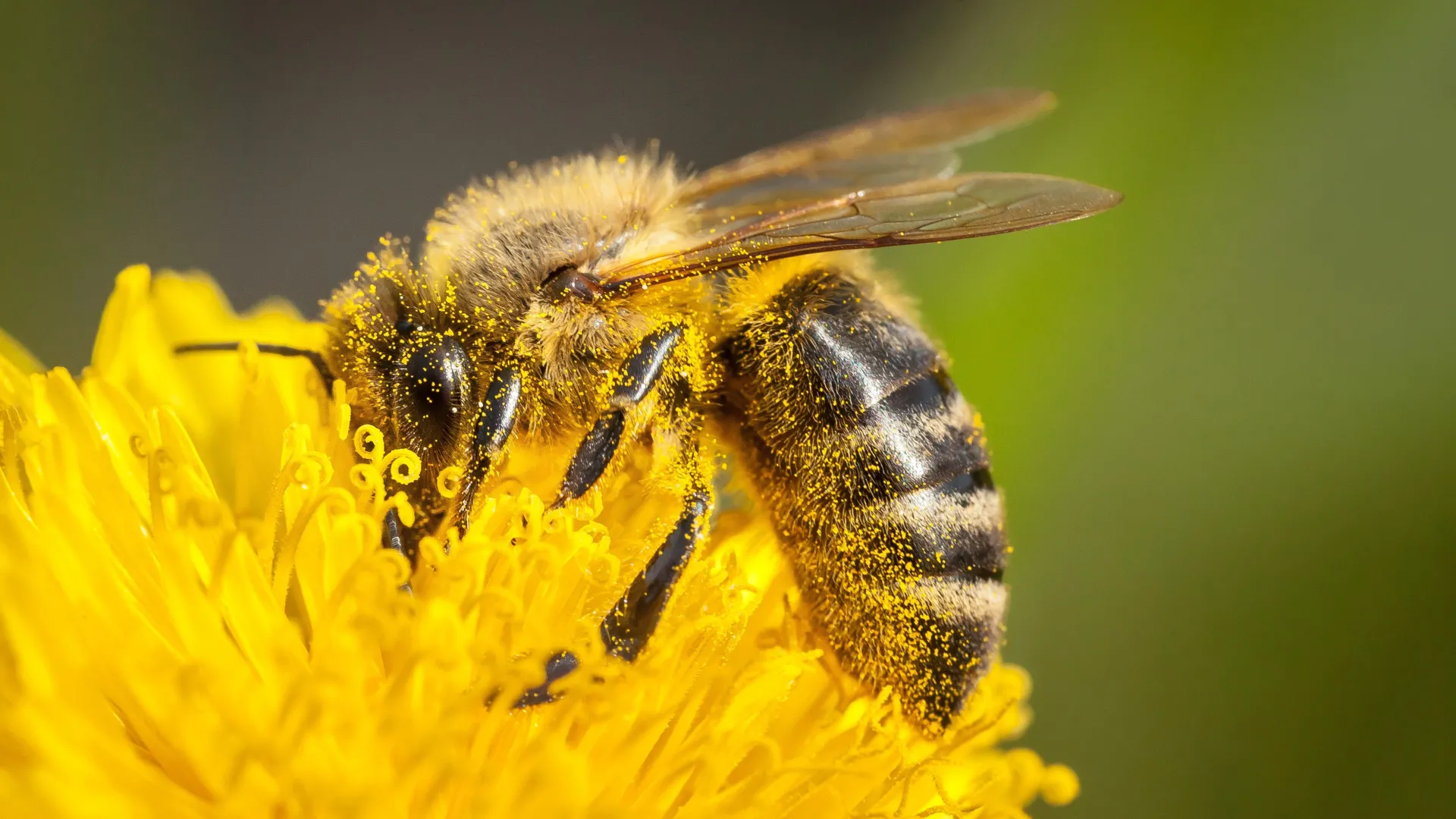
Honeybees can detect when pollen contains an imbalanced mix of essential nutrients and adjust their intake to limit harmful excesses. They also process pollen into a more balanced food for developing larvae, giving the hive a two-stage nutritional strategy.

The finding shows that bees regulate nutrition at both the individual and colony levels rather

Unlock the full First Pass Analysis to get a better understanding of why this story matters

Why it matters

Pollinator decline may depend not only on how much food bees find, but also on whether that food supplies the right nutrients.

5:55 AMScienceDaily

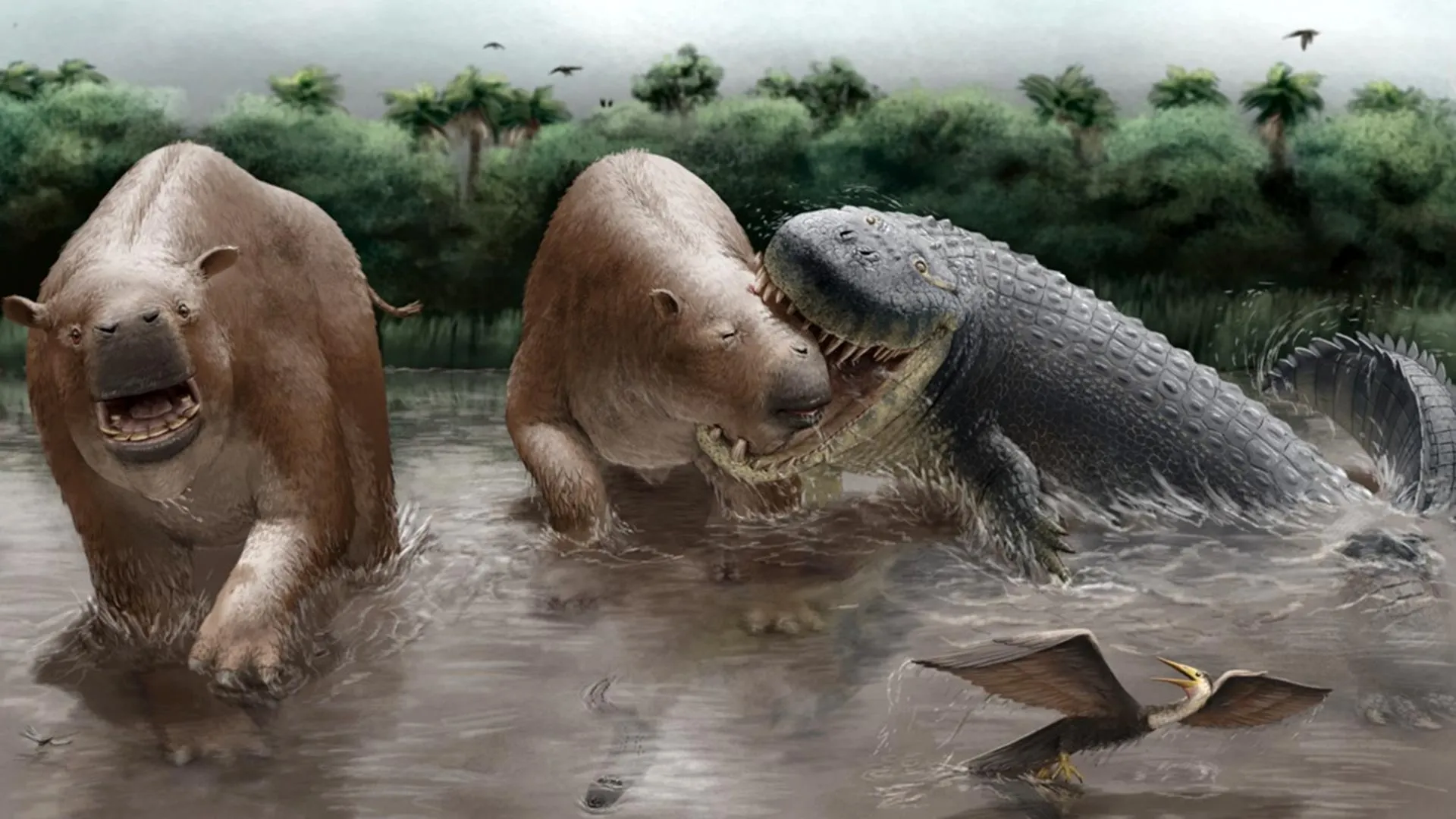
This 23-foot crocodylian may have ruled South America’s food chain

Summary

Fossil bite marks suggest that giant crocodylians, especially the roughly seven-meter Purussaurus neivensis, were major predators in Miocene South America. They may have hunted giant herbivores and exerted more control over the ecosystem than contemporary mammalian predators.

The evidence expands the known ecological role of crocodylians from opportunistic hunters to possible apex

Unlock the full First Pass Analysis to get a better understanding of why this story matters

Why it matters

The findings show that extinct reptiles could structure entire ecosystems, not merely occupy a niche alongside mammalian predators.

4:57 AMScienceDaily

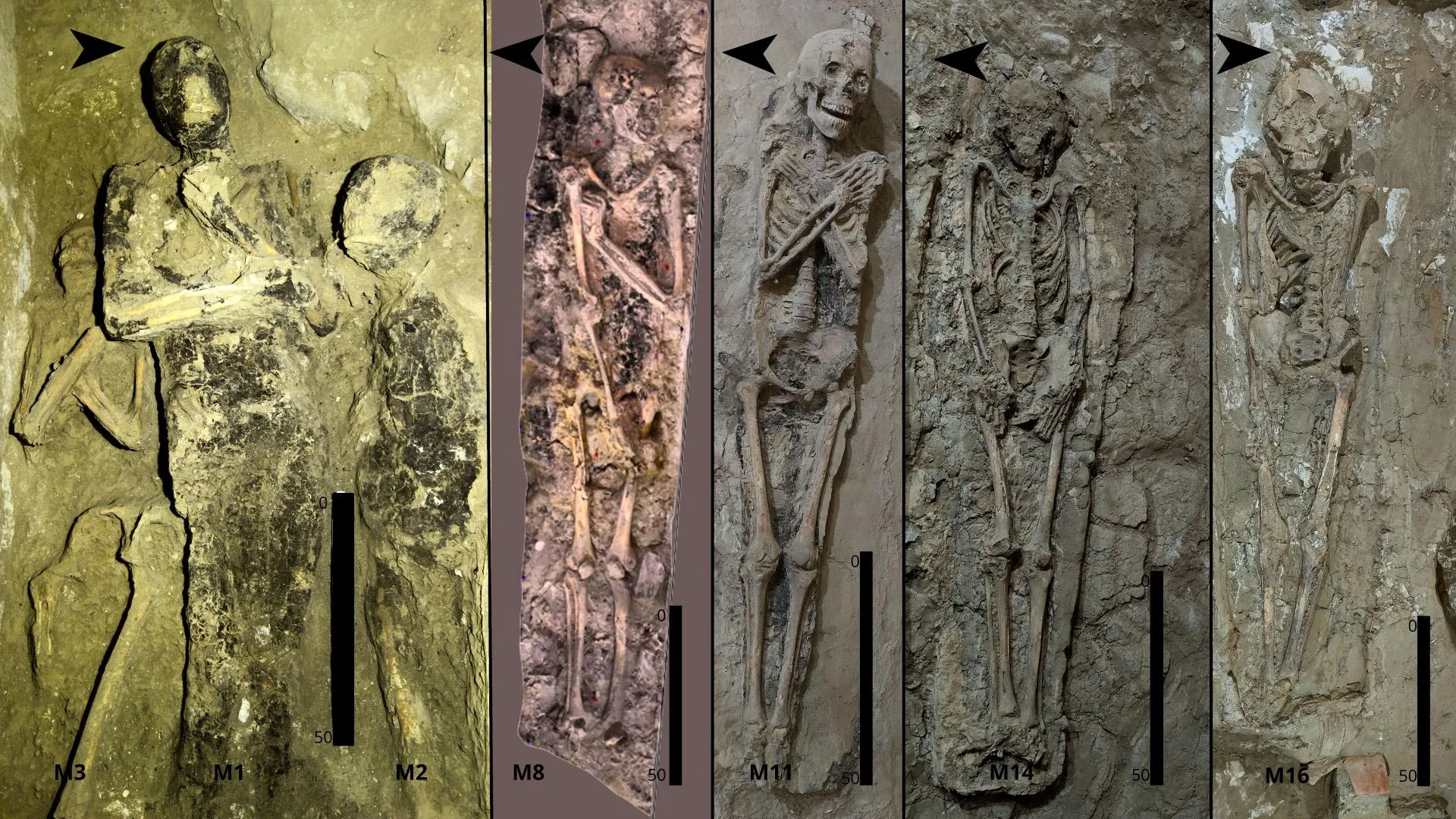
16 mummies and a dog reveal a hidden order inside an ancient Egyptian tomb

Summary

Excavations in Egypt’s Theban Necropolis uncovered 16 mummified people, remains of at least four others, and a mummified dog. The burials span centuries, showing a progression from richly furnished individual interments to increasingly crowded and organized reuse of the tomb.

The tomb records changing burial practices, social status, and beliefs across multiple generations rather than

Unlock the full First Pass Analysis to get a better understanding of why this story matters

Why it matters

The find turns one tomb into a long-term record of how Egyptian communities adapted ritual and burial practices as social conditions changed.

3:46 AMScienceDaily

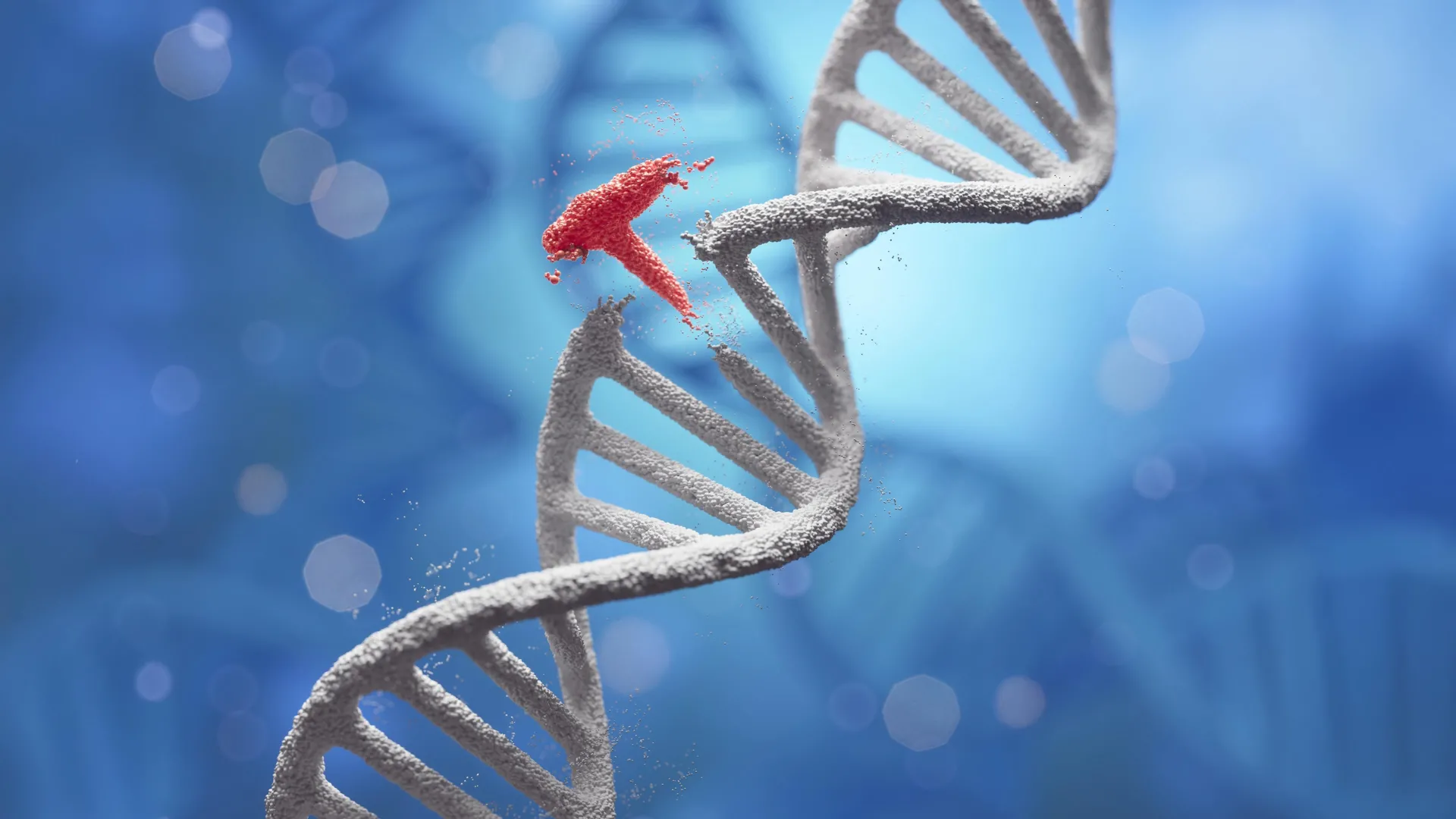
Japanese scientists use tiny silver particles to make DNA assembly up to 5x more efficient

Summary

Silver nanoparticles can cut DNA to produce longer single-stranded overhangs, or sticky ends, that allow genetic fragments to join more efficiently. The method reportedly improves assembly efficiency by as much as fivefold and could support the construction of larger DNA sequences.

The advance targets a basic bottleneck in synthetic biology: assembling long, accurate genetic constructs from

Unlock the full First Pass Analysis to get a better understanding of why this story matters

Why it matters

Faster and more reliable DNA assembly would lower a major barrier to designing complex genetic therapies and engineered organisms.

Make it yours

Build Your First Pass.

Pick your topics, set your cadence, and receive your personalized First Pass in your inbox. It’s that simple!