
Global oceans recorded their hottest July on record, with developing El Niño conditions contributing to the rise. The heat comes as wildfires continue across western Europe.
6:24 AMBBC16 stories from 8 sources
Supporting Articles
Global oceans recorded their hottest July on record, with developing El Niño conditions contributing to the rise. The heat comes as wildfires continue across western Europe.
6:24 AMBBC
Sea temperatures broke July records worldwide, according to the Copernicus Climate Change Service. The report links the extreme marine heat to a broader pattern of intensifying climate disruption.
4:46 AMFinancial Times
Western Europe recorded its hottest June and July on record, the Copernicus Climate Change Service said. Historically low rainfall worsened conditions in several countries.
6:21 AMAl Jazeera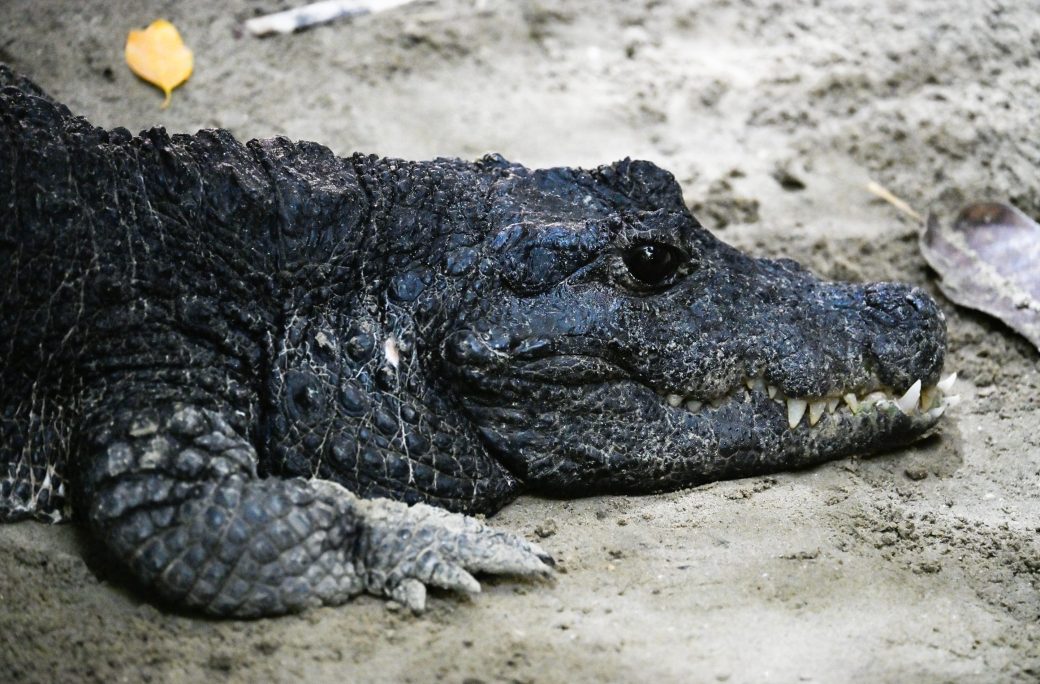
Researchers at Brazil's Federal University of Santa Maria confirmed a 240-million-year-old species after rediscovering a missing fragment of its fossil. The finding changes how scientists place the species within the early dinosaur family tree.
9:09 AMFortune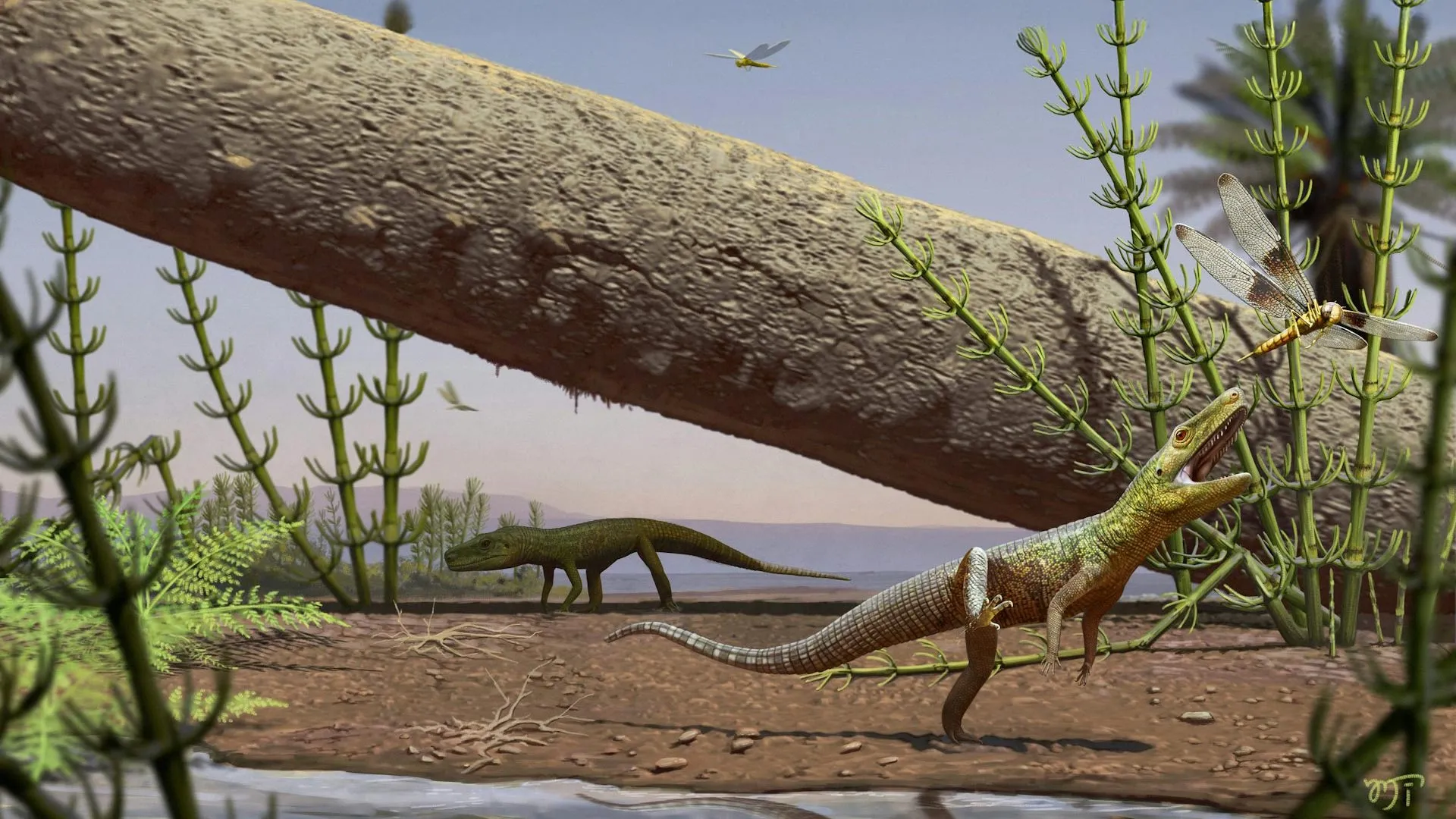
A small predatory reptile fossil from Brazil sheds light on reptile evolution during the Triassic, before dinosaurs and crocodiles became dominant. Its unusual leg placement may have supported more efficient movement, while its relationships suggest these animals occupied a wider geographic range than previously known.
7:40 AMScienceDaily
Some research funders are using lotteries to allocate grants when expert reviewers cannot reliably distinguish among the strongest proposals. The approach treats random selection as a fairer alternative to pretending that marginal ranking differences are meaningful.
8:00 PMNatureSummary
Global oceans recorded their hottest July on record, with developing El Niño conditions contributing to the rise. The heat comes as wildfires continue across western Europe.
The new record shows that ocean warming is extending beyond a single short-lived anomaly, with
Unlock the full First Pass Analysis to get a better understanding of why this story mattersWhy it matters
Ocean heat affects ecosystems, weather patterns, and climate extremes well beyond the coast.
Summary
Sea temperatures broke July records worldwide, according to the Copernicus Climate Change Service. The report links the extreme marine heat to a broader pattern of intensifying climate disruption.
The decisive shift is that record heat is spreading through the oceans, not remaining a
Unlock the full First Pass Analysis to get a better understanding of why this story mattersWhy it matters
Ocean heat can damage ecosystems and economies while amplifying climate risks far beyond the coast.
Summary
Western Europe recorded its hottest June and July on record, the Copernicus Climate Change Service said. Historically low rainfall worsened conditions in several countries.
The combination of record heat and depleted rainfall raises the risk of drought, crop losses,
Unlock the full First Pass Analysis to get a better understanding of why this story mattersWhy it matters
Hotter, drier summers will put sustained pressure on Europe’s food systems, water supplies, and emergency services.
Summary
Researchers at Brazil's Federal University of Santa Maria confirmed a 240-million-year-old species after rediscovering a missing fragment of its fossil. The finding changes how scientists place the species within the early dinosaur family tree.
The recovered fragment supplied evidence that had been missing from the species' classification for two
Unlock the full First Pass Analysis to get a better understanding of why this story mattersWhy it matters
A single rediscovered fossil fragment can reshape the evolutionary framework used to interpret the rise of dinosaurs.
Summary
A small predatory reptile fossil from Brazil sheds light on reptile evolution during the Triassic, before dinosaurs and crocodiles became dominant. Its unusual leg placement may have supported more efficient movement, while its relationships suggest these animals occupied a wider geographic range than previously known.
The fossil expands both the geographic and functional picture of early reptile evolution. Its anatomy
Unlock the full First Pass Analysis to get a better understanding of why this story mattersWhy it matters
The specimen helps reconstruct how the evolutionary groundwork for later dominant reptile groups developed.
Summary
Some research funders are using lotteries to allocate grants when expert reviewers cannot reliably distinguish among the strongest proposals. The approach treats random selection as a fairer alternative to pretending that marginal ranking differences are meaningful.
The shift moves grantmaking away from ever finer reviewer judgments and toward explicit uncertainty management.
Unlock the full First Pass Analysis to get a better understanding of why this story mattersWhy it matters
Randomized funding could make research allocation fairer while forcing funders to confront how little precision peer review can deliver.
A curated list of other prominent stories from this day.
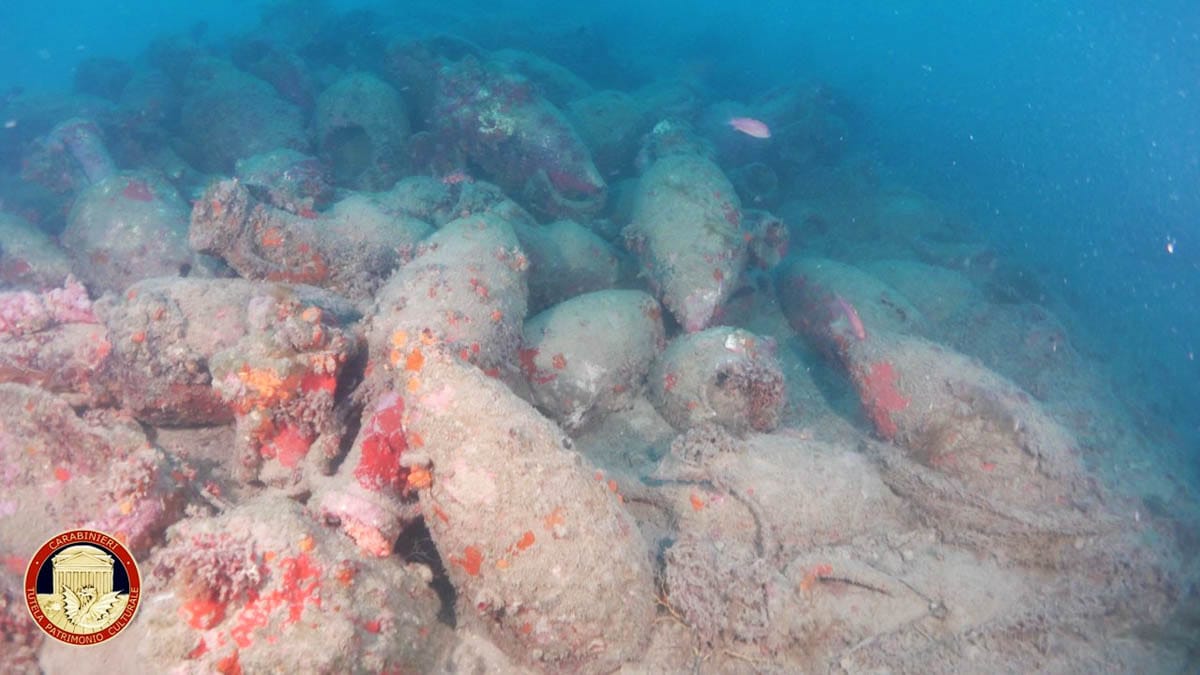
Divers discovered a roughly 2,000-year-old Roman shipwreck off the Italian coast, still carrying clay vessels. Archaeologists are calling it one of the most important underwater discoveries in recent years.
5:36 PMHyperallergic
Silver nanocatalysts change the location of their most important reactions depending on whether a solid oxide cell is producing electricity or hydrogen. The finding could guide catalyst designs that improve both power generation and green hydrogen production.
8:27 AMScienceDaily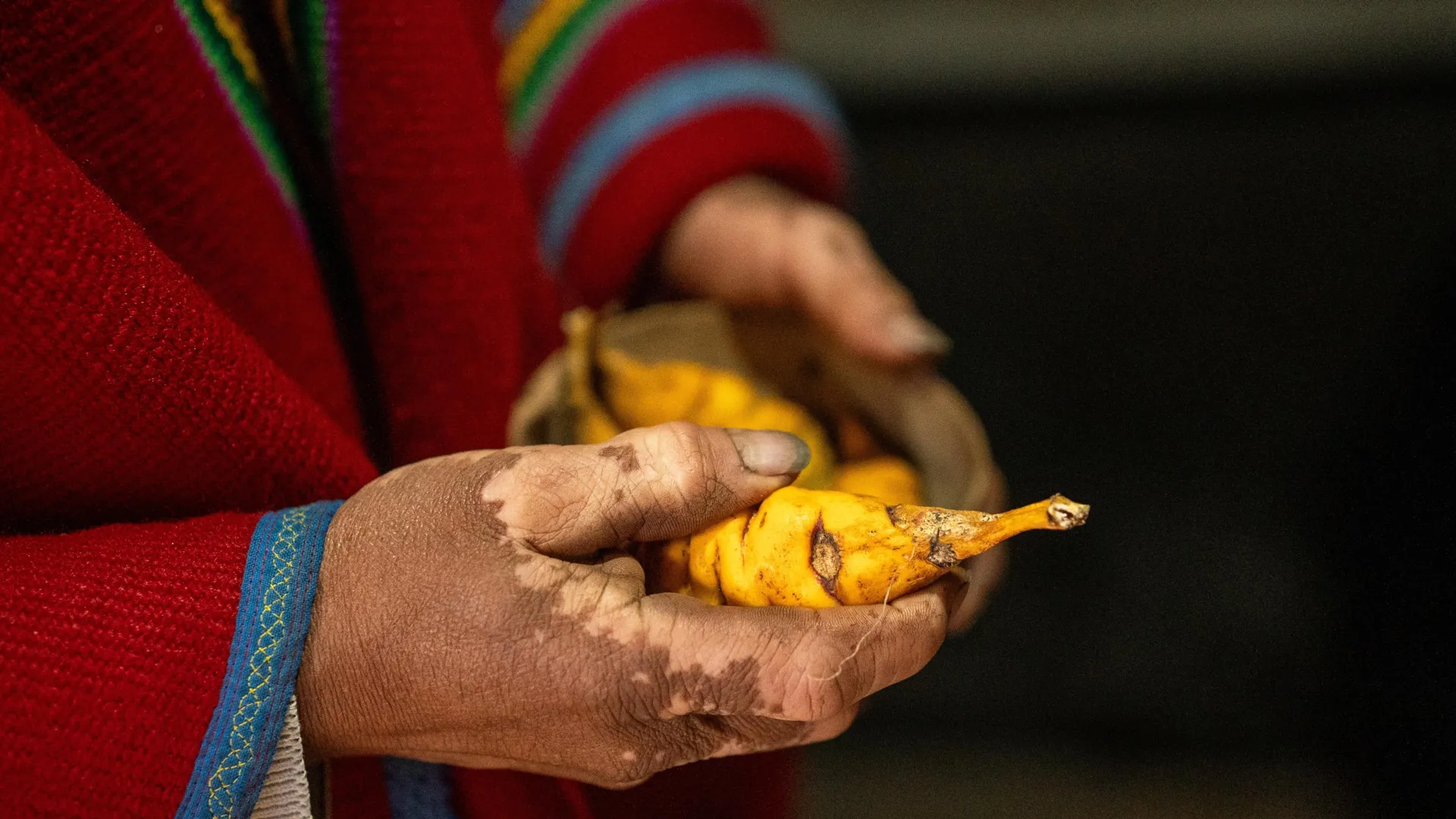
Indigenous Peruvians carry unusually high numbers of copies of a gene involved in starch digestion. The pattern suggests that the spread of potatoes as a staple favored people with greater starch-digesting capacity thousands of years before European contact.
7:21 AMScienceDaily
Proposals for satellite mirrors aim to reflect sunlight to Earth and provide solar energy after dark. The concept could also brighten the night sky, disrupt astronomical observations, and expose people and ecosystems to harmful glare.
7:00 AMThe Verge
A total solar eclipse will cross parts of Europe on August 12, 2026, with Spain among the best locations for viewing. ESA will livestream the event, including a period of totality lasting 1 minute and 21 seconds at the Javalambre Observatory.
6:55 AMScienceDaily
NASA engineers extended Voyager 2's operating life by shutting down power-hungry hardware and switching to lower-power alternatives in a coordinated procedure. They made the changes while keeping the nearly 50-year-old spacecraft warm enough to avoid damage.
5:45 AMScienceDaily
A solar eclipse on August 12 will be visible as a partial eclipse to nearly one billion people, while about 15 million people will fall within the narrower path of totality. The tracker provides viewing times by location.
3:10 AMAl Jazeera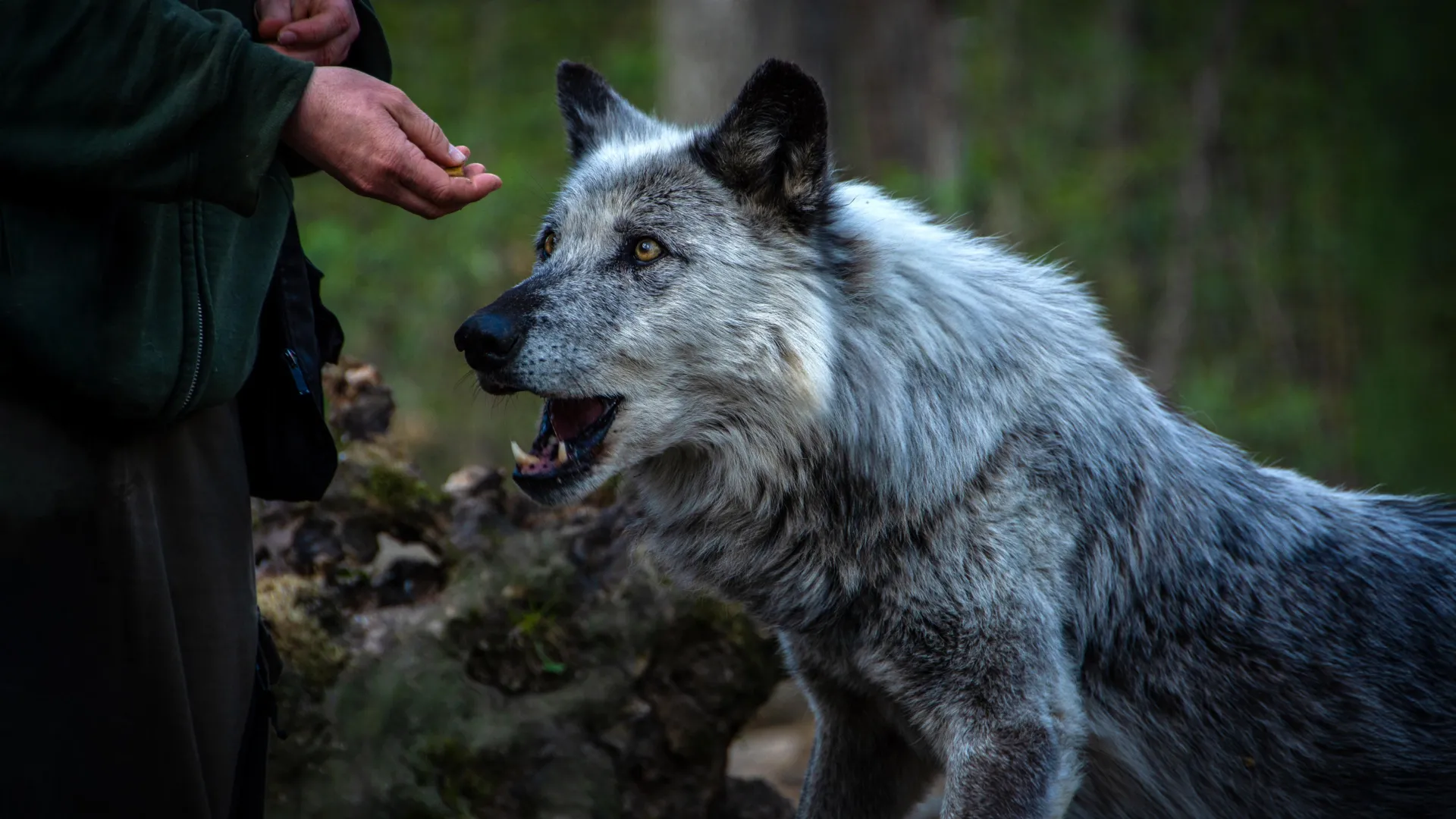
Dogs and humans have co-evolved for roughly 15,000 years, with dogs adapting to regional environments and specialized roles. Their diversity includes sled dogs, rainforest hunters, high-altitude breeds, wool-producing animals, and ceremonial companions.
1:57 AMScienceDaily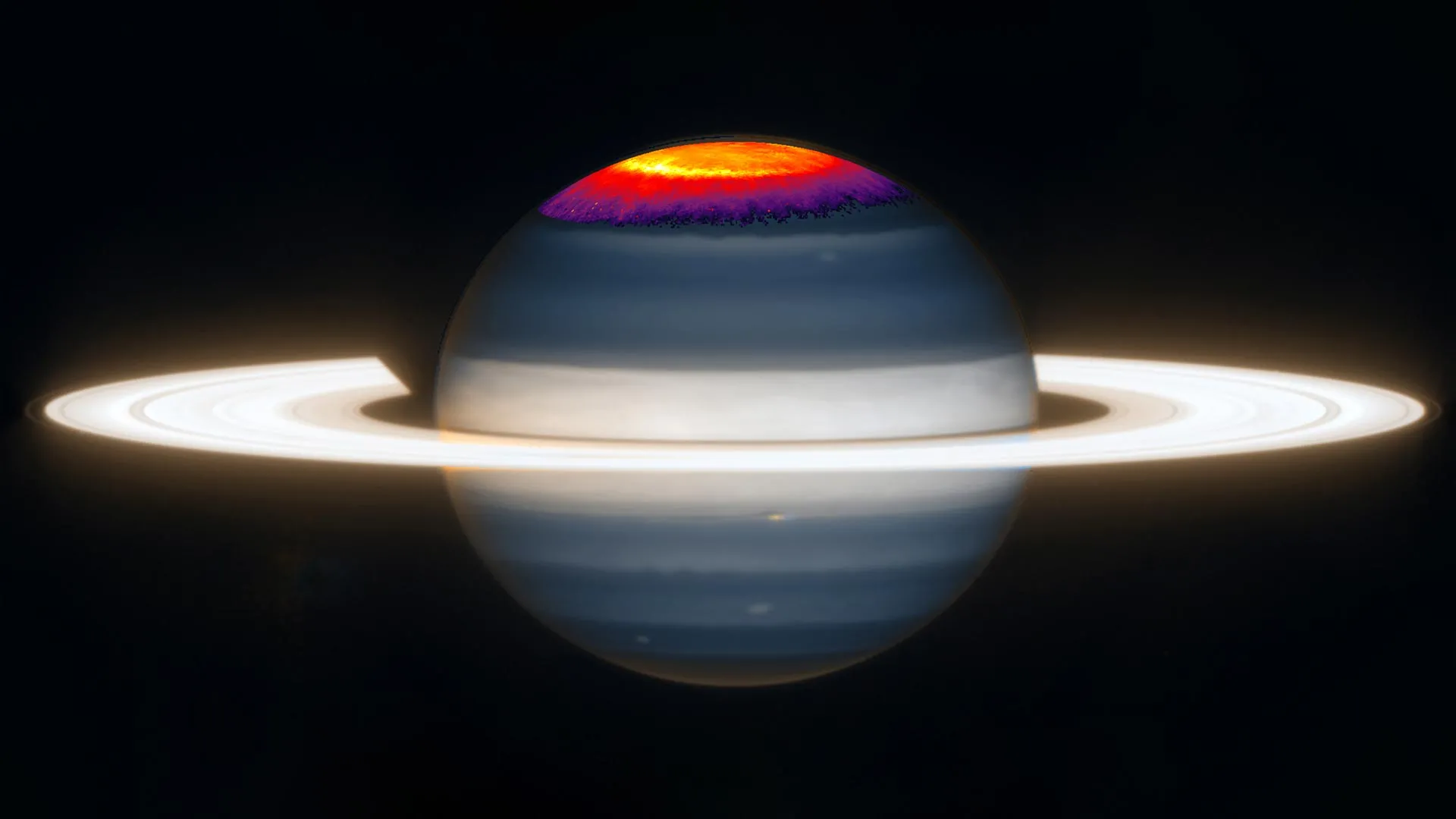
Cassini data show that Saturn's rapid rotation shifts a major opening in its magnetosphere toward the afternoon side rather than leaving it near noon, as on Earth. The result indicates that Saturn's magnetic environment is governed strongly by its spin and by charged material supplied by moons such as Enceladus.
1:56 AMScienceDaily
Europe's demand for rocket launches is expected to grow faster than its available launch capacity, creating a potential shortfall by 2030.
12:00 AMFinancial TimesSummary
Divers discovered a roughly 2,000-year-old Roman shipwreck off the Italian coast, still carrying clay vessels. Archaeologists are calling it one of the most important underwater discoveries in recent years.
The intact cargo could provide new evidence about Roman trade, shipping routes, and everyday goods
Unlock the full First Pass Analysis to get a better understanding of why this story mattersWhy it matters
The wreck offers a rare, direct record of how Roman commerce operated across the Mediterranean.
Summary
Silver nanocatalysts change the location of their most important reactions depending on whether a solid oxide cell is producing electricity or hydrogen. The finding could guide catalyst designs that improve both power generation and green hydrogen production.
The key shift is that one catalyst can behave differently under opposite operating conditions, rather
Unlock the full First Pass Analysis to get a better understanding of why this story mattersWhy it matters
Smarter catalysts could lower the energy and material costs of combining renewable electricity with hydrogen production.
Summary
Indigenous Peruvians carry unusually high numbers of copies of a gene involved in starch digestion. The pattern suggests that the spread of potatoes as a staple favored people with greater starch-digesting capacity thousands of years before European contact.
The finding links a specific dietary shift to a measurable change in human genetics, strengthening
Unlock the full First Pass Analysis to get a better understanding of why this story mattersWhy it matters
The evidence offers a powerful example of how staple crops can drive human biological adaptation.
Summary
Proposals for satellite mirrors aim to reflect sunlight to Earth and provide solar energy after dark. The concept could also brighten the night sky, disrupt astronomical observations, and expose people and ecosystems to harmful glare.
The core tradeoff is clear: redirecting sunlight for energy would also alter the visual environment
Unlock the full First Pass Analysis to get a better understanding of why this story mattersWhy it matters
Space based mirrors could turn access to sunlight into a conflict over who controls the night sky.
Summary
A total solar eclipse will cross parts of Europe on August 12, 2026, with Spain among the best locations for viewing. ESA will livestream the event, including a period of totality lasting 1 minute and 21 seconds at the Javalambre Observatory.
The eclipse offers a brief opportunity to observe the Sun's corona, which is normally obscured
Unlock the full First Pass Analysis to get a better understanding of why this story mattersWhy it matters
The event will bring rare direct observations of the solar corona to audiences across Europe and online.
Summary
NASA engineers extended Voyager 2's operating life by shutting down power-hungry hardware and switching to lower-power alternatives in a coordinated procedure. They made the changes while keeping the nearly 50-year-old spacecraft warm enough to avoid damage.
The operation preserves Voyager 2's mission by trading capability and redundancy for power savings. Because
Unlock the full First Pass Analysis to get a better understanding of why this story mattersWhy it matters
Keeping Voyager 2 alive preserves a rare long-term record of conditions beyond the outer planets.
Summary
A solar eclipse on August 12 will be visible as a partial eclipse to nearly one billion people, while about 15 million people will fall within the narrower path of totality. The tracker provides viewing times by location.
The eclipse's reach is broad, but the defining experience of totality remains limited to a
Unlock the full First Pass Analysis to get a better understanding of why this story mattersWhy it matters
Local timing and location will determine whether people see a partial eclipse or the far rarer total phase.
Summary
Dogs and humans have co-evolved for roughly 15,000 years, with dogs adapting to regional environments and specialized roles. Their diversity includes sled dogs, rainforest hunters, high-altitude breeds, wool-producing animals, and ceremonial companions.
Dog diversity reflects sustained human selection layered onto adaptation to local environments, making dogs a
Unlock the full First Pass Analysis to get a better understanding of why this story mattersWhy it matters
Dogs provide an unusually clear example of how culture, environment, and evolution can reshape one another over millennia.
Summary
Cassini data show that Saturn's rapid rotation shifts a major opening in its magnetosphere toward the afternoon side rather than leaving it near noon, as on Earth. The result indicates that Saturn's magnetic environment is governed strongly by its spin and by charged material supplied by moons such as Enceladus.
Saturn's magnetosphere is not simply a larger version of Earth's because internal rotation and moon-driven
Unlock the full First Pass Analysis to get a better understanding of why this story mattersWhy it matters
The finding helps define the physical rules governing magnetospheres across the outer Solar System and beyond.
Summary
Europe's demand for rocket launches is expected to grow faster than its available launch capacity, creating a potential shortfall by 2030.
Europe's launch infrastructure is becoming the constraint, not demand. Governments, satellite operators, and defense agencies
Unlock the full First Pass Analysis to get a better understanding of why this story mattersWhy it matters
A launch-capacity gap could weaken Europe's commercial space sector and limit its strategic independence.
Make it yours
Pick your topics, set your cadence, and receive your personalized First Pass in your inbox. It’s that simple!