First Pass

6 stories from 3 sources

Science pushes past old boundaries, from electron transfer to Arctic ecology

Day’s Recap

Supporting Articles

8:39 AMBloomberg Markets

Europe Looks Up for First Total Eclipse Since 1999

Summary

A total solar eclipse on August 12 will pass over Greenland, Iceland, Portugal and northern Spain, giving central and western Europe its first widely visible total eclipse since 1999. The event will offer observers a rare view of the Sun's corona and scientists a chance to study it.

The eclipse's path makes totality accessible to millions across the North Atlantic and Europe, rather

Unlock the full First Pass Analysis to get a better understanding of why this story matters

Why it matters

The event combines a rare public spectacle with a valuable window into the Sun's most dynamic outer layer.

7:02 AMScienceDaily

Chemists set electrons free and break a decades-old chemistry barrier

Summary

Chemists developed a catalyst that releases electrons directly into solution, bypassing a long-standing rule about which molecules receive electrons during chemical reactions. The method could enable reactions and chemical structures that conventional approaches cannot reach.

The breakthrough changes control over electron transfer, one of the basic constraints shaping synthetic chemistry.

Unlock the full First Pass Analysis to get a better understanding of why this story matters

Why it matters

More flexible electron delivery could open a new class of reactions and reduce the limits imposed by conventional catalysts.

5:00 AMThe New York Times

As the Climate Warms, Beavers are Coming for Canada’s Arctic

Summary

A warming climate is allowing beavers to expand into Canada’s Arctic, where they are avoiding Inuit hunters and establishing themselves in unfamiliar terrain. Their arrival is reshaping the waterways and landscapes they occupy.

The decisive shift is ecological range expansion: beavers are moving into territory that was previously

Unlock the full First Pass Analysis to get a better understanding of why this story matters

Why it matters

Climate change is not only raising temperatures in the Arctic; it is enabling new species to transform its physical landscape.

Other Developments

A curated list of other prominent stories from this day.

7:51 AMScienceDaily

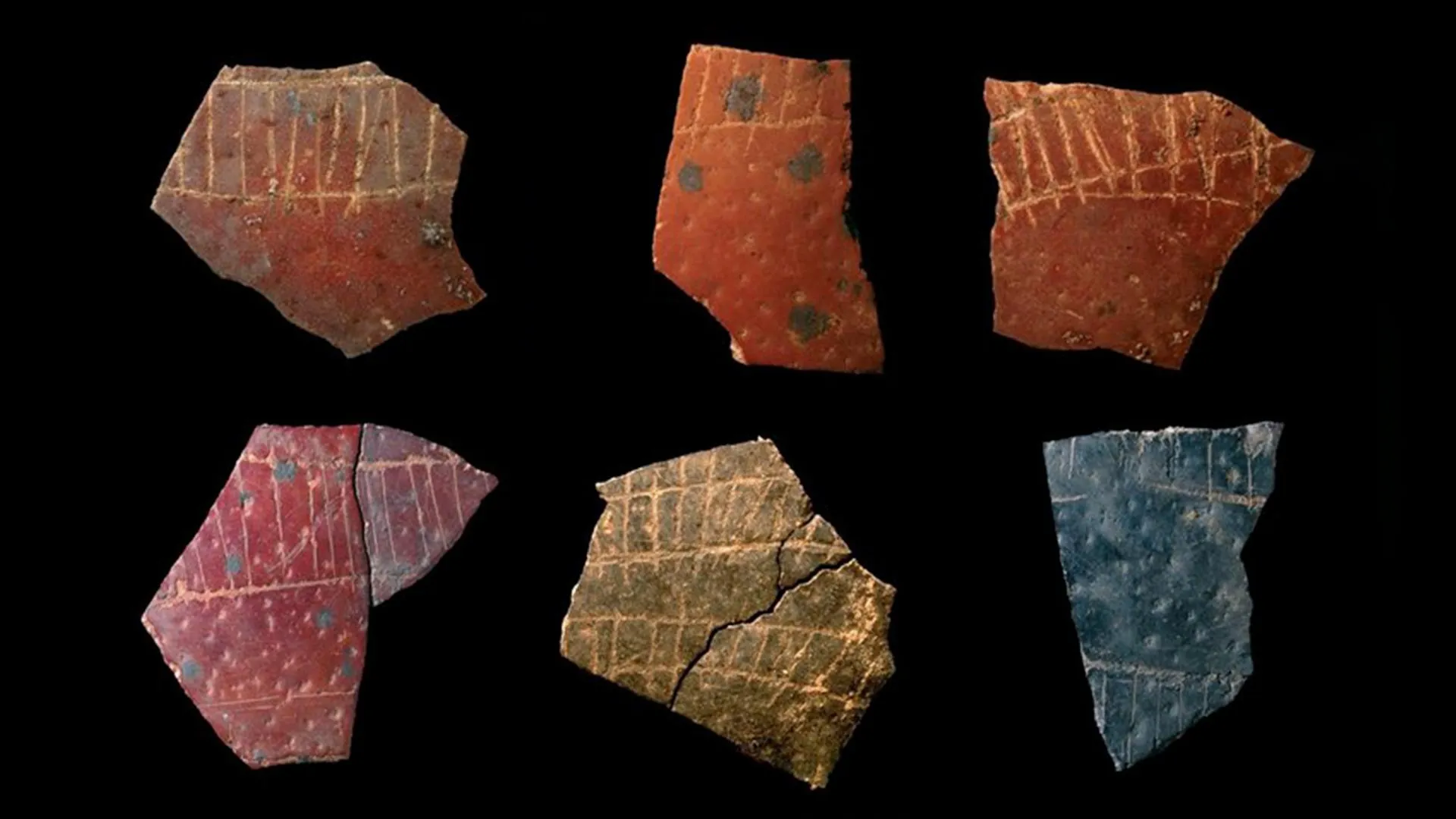
60,000-year-old ostrich eggshell engravings reveal a surprisingly sophisticated human mind

Summary

Engravings on ostrich eggshells from southern Africa more than 60,000 years ago contain recurring grids, parallel lines, right angles and repeated shapes. Their consistency suggests the designs followed deliberate rules and may have been mentally planned before carving.

The organized patterns push evidence of abstract design and symbolic planning deeper into human prehistory.

Unlock the full First Pass Analysis to get a better understanding of why this story matters

Why it matters

The engravings expand the timeline for deliberate visual reasoning and symbolic behavior among early humans.

7:30 AMScienceDaily

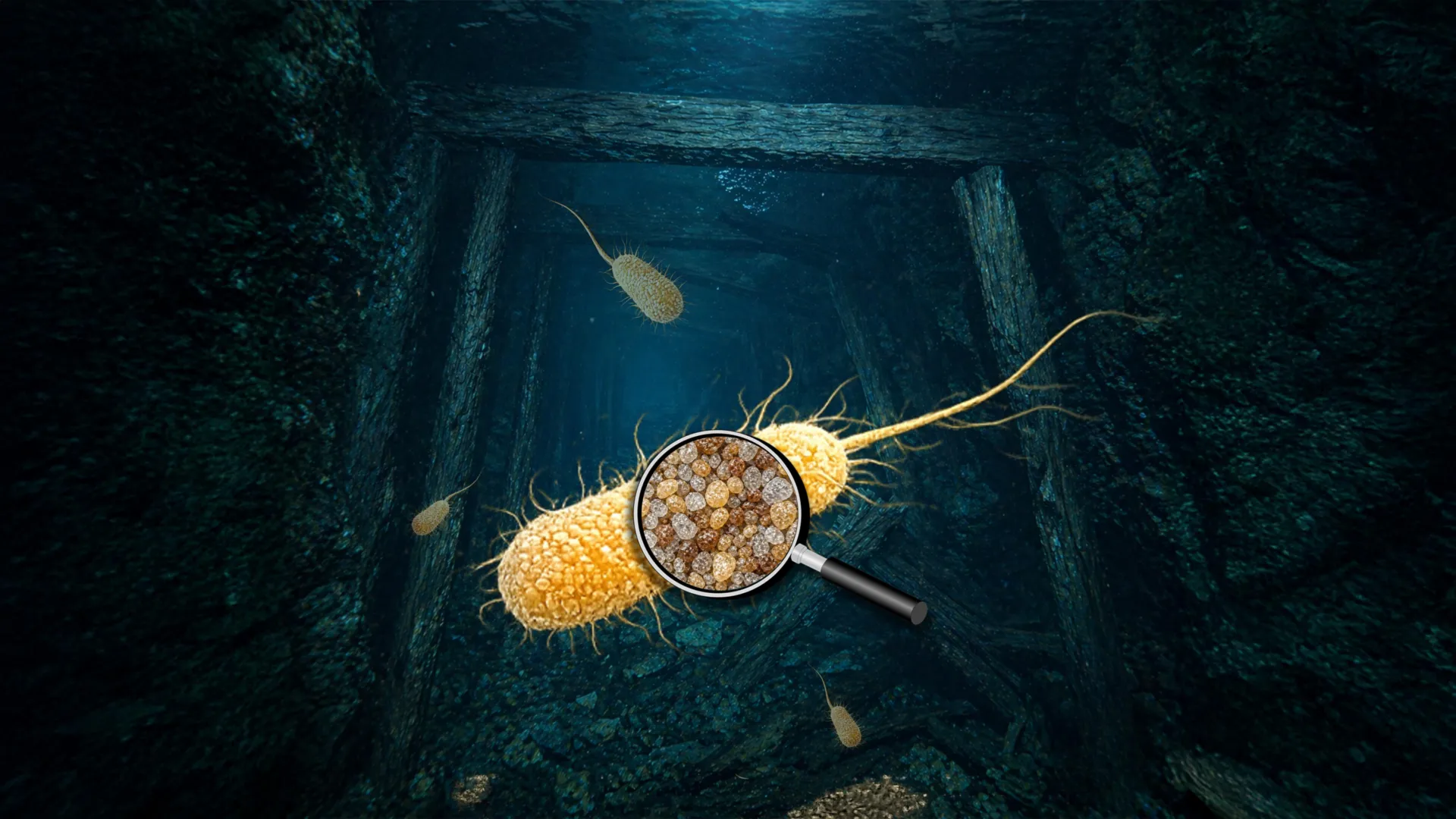
Scientists discover bacteria that lock toxic uranium into a stable form

Summary

Researchers used glycerol to stimulate bacteria in uranium-contaminated mine water, causing about 95% of the dissolved uranium to disappear within 130 days. The microbes converted it into an unusually stable uranium compound that is less likely to spread.

The result points to biological containment rather than simple extraction: microbes can transform dissolved uranium

Unlock the full First Pass Analysis to get a better understanding of why this story matters

Why it matters

Microbial treatment could provide a lower-cost way to limit uranium migration at contaminated mine sites.

6:15 AMScienceDaily

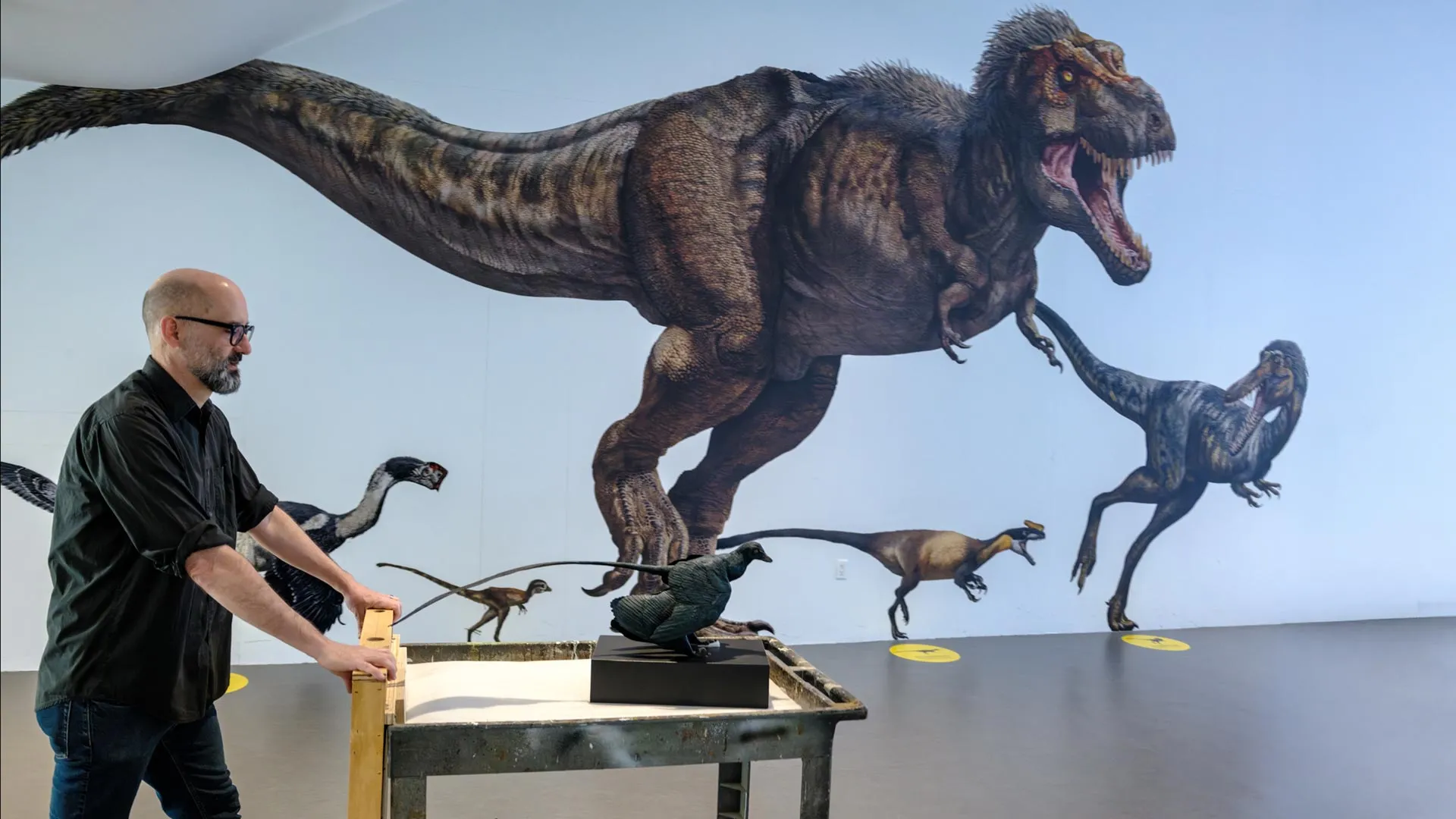
Dinosaurs became giants — so why did they never become tiny?

Summary

New research suggests dinosaurs' lack of truly tiny species cannot be explained by physiology alone. Early mammals may have occupied small-bodied ecological niches, limiting the space available for mouse-sized dinosaurs even as dinosaurs constrained mammals from evolving into large land animals.

The finding frames dinosaur and mammal evolution as a two-way ecological competition rather than a

Unlock the full First Pass Analysis to get a better understanding of why this story matters

Why it matters

The theory offers a broader explanation for why some evolutionary possibilities never appear in the fossil record.

Make it yours

Build Your First Pass.

Pick your topics, set your cadence, and receive your personalized First Pass in your inbox. It’s that simple!