
Kenya has intensified Ebola preparedness after the first reported death and concerns about weaknesses in border screening. Authorities are increasing vigilance as they assess the risk of further spread.
2:31 PMAl Jazeera31 stories from 10 sources
Supporting Articles
Kenya has intensified Ebola preparedness after the first reported death and concerns about weaknesses in border screening. Authorities are increasing vigilance as they assess the risk of further spread.
2:31 PMAl Jazeera
Russia has rejected reports of a second suspected pneumonic plague case as false information. A senior WHO official is urging Russian authorities to provide more details about the reported cases.
8:16 PMAl Jazeera
A young worker at a Russian institute that studies plague and other dangerous infections died of severe pneumonia, prompting concern about a possible case of pneumonic plague in Siberia. Russia told the World Health Organization that no plague case had been recorded in the region, while the WHO sought more information.
6:10 PMBloomberg MarketsNearly 200 people in Russia's Irkutsk region were placed under medical observation after suspected exposure to plague. President Donald Trump said he did not believe the incident involved a bioweapon and planned to speak with Russian President Vladimir Putin on Wednesday.
5:20 PMCNBC
Canada will continue to bar medically assisted death when mental illness is the sole underlying condition. It will allow some patients with other qualifying conditions to make an advance request before losing decision-making capacity.
3:57 PMThe New York Times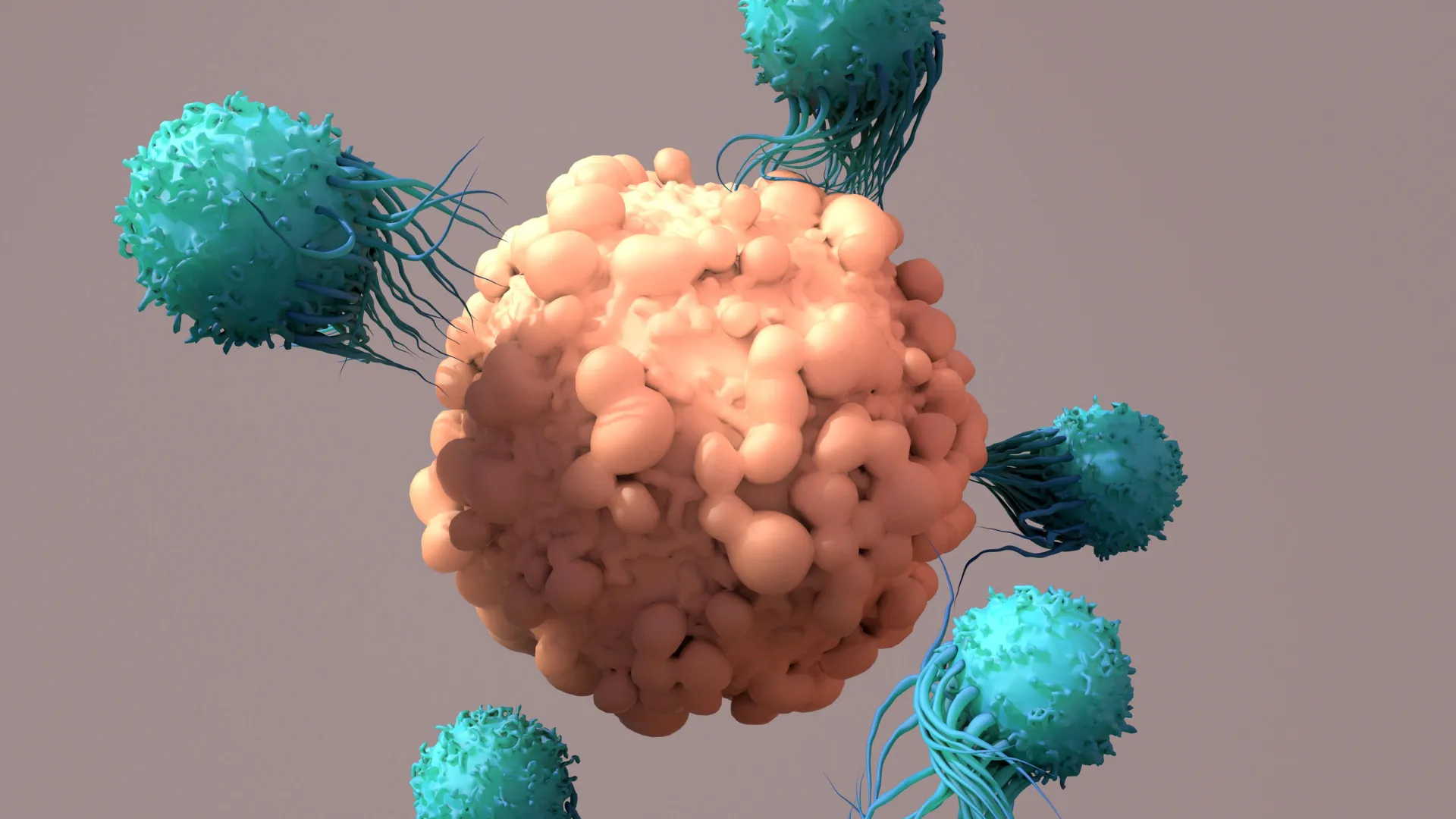
Researchers at UC San Francisco developed a two-particle delivery system that sends gene-editing tools and cancer-targeting DNA directly into T cells inside the body. The approach could create CAR-T cells without extracting, engineering, and reinfusing a patient’s cells.
5:50 AMScienceDaily
PhRMA, the brand-name drug industry's leading trade group, is suing the Trump administration over a Medicare pilot program that ties drug prices to prices in other wealthy countries. The lawsuit challenges the administration's authority to impose the policy.
12:58 PMStat News
Researchers designed a molecule that uses a protein driving lymphoma growth to activate cancer cells' own self-destruct machinery. The treatment eliminated aggressive human lymphoma tumors in mice within 11 days, but it remains an early-stage result requiring extensive testing before human trials.
8:52 PMScienceDaily
Administrative delays are putting funding for HIV research networks at risk. These networks support treatments and prevention for HIV and other infectious diseases and played a central role in testing Covid vaccines.
12:33 PMThe New York Times
A small trial used optogenetics to restore photosensitivity in about half of patients with retinitis pigmentosa. The results suggest the approach may partially recover visual function after photoreceptor loss.
5:00 PMStat NewsSummary
Kenya has intensified Ebola preparedness after the first reported death and concerns about weaknesses in border screening. Authorities are increasing vigilance as they assess the risk of further spread.
The immediate vulnerability is cross-border detection: screening gaps matter only if infected travelers move before
Unlock the full First Pass Analysis to get a better understanding of why this story mattersWhy it matters
A single Ebola death can become a regional threat when border surveillance and response capacity are uneven.
3 stories · 3 sources
Summary
Russia has rejected reports of a second suspected pneumonic plague case as false information. A senior WHO official is urging Russian authorities to provide more details about the reported cases.
The key development is a direct clash between Russia’s denial and the WHO’s demand for
Unlock the full First Pass Analysis to get a better understanding of why this story mattersWhy it matters
Conflicting official accounts delay risk assessment and complicate efforts to contain a potentially serious infectious disease.
Summary
A young worker at a Russian institute that studies plague and other dangerous infections died of severe pneumonia, prompting concern about a possible case of pneumonic plague in Siberia. Russia told the World Health Organization that no plague case had been recorded in the region, while the WHO sought more information.
The central uncertainty is diagnostic, not epidemiological: the death occurred at a high-risk research facility,
Unlock the full First Pass Analysis to get a better understanding of why this story mattersWhy it matters
A suspected case at a dangerous-pathogen facility raises the stakes for rapid testing, contact monitoring, and transparent disclosure.
2 stories · 2 sources
Summary
Nearly 200 people in Russia's Irkutsk region were placed under medical observation after suspected exposure to plague. President Donald Trump said he did not believe the incident involved a bioweapon and planned to speak with Russian President Vladimir Putin on Wednesday.
The immediate response remains precautionary rather than evidence of a confirmed outbreak or deliberate attack.
Unlock the full First Pass Analysis to get a better understanding of why this story mattersWhy it matters
The episode sits at the intersection of outbreak control and bioweapons anxiety, making verified medical evidence critical to prevent both spread and escalation.
Summary
Canada will continue to bar medically assisted death when mental illness is the sole underlying condition. It will allow some patients with other qualifying conditions to make an advance request before losing decision-making capacity.
The policy preserves a bright-line exclusion for mental illness while expanding planning options for patients
Unlock the full First Pass Analysis to get a better understanding of why this story mattersWhy it matters
Canada is narrowing access to advance requests while postponing the question of whether severe mental illness alone can justify assisted death.
2 stories · 2 sources
Summary
Researchers at UC San Francisco developed a two-particle delivery system that sends gene-editing tools and cancer-targeting DNA directly into T cells inside the body. The approach could create CAR-T cells without extracting, engineering, and reinfusing a patient’s cells.
The key shift is moving CAR-T manufacturing from an external laboratory process into the patient,
Unlock the full First Pass Analysis to get a better understanding of why this story mattersWhy it matters
In-body cell engineering could broaden access to a powerful but currently complex cancer therapy.
Summary
PhRMA, the brand-name drug industry's leading trade group, is suing the Trump administration over a Medicare pilot program that ties drug prices to prices in other wealthy countries. The lawsuit challenges the administration's authority to impose the policy.
The case puts the administration's international price-linking strategy on a legal timeline before it can
Unlock the full First Pass Analysis to get a better understanding of why this story mattersWhy it matters
The lawsuit could determine whether Medicare can use prices abroad as a benchmark for limiting what it pays for brand-name drugs.
Summary
Researchers designed a molecule that uses a protein driving lymphoma growth to activate cancer cells' own self-destruct machinery. The treatment eliminated aggressive human lymphoma tumors in mice within 11 days, but it remains an early-stage result requiring extensive testing before human trials.
The approach shifts cancer treatment from merely blocking a tumor-promoting protein to converting it into
Unlock the full First Pass Analysis to get a better understanding of why this story mattersWhy it matters
If the strategy translates to patients, it could create a new class of treatments that weaponizes cancer biology against the tumor.
Summary
Administrative delays are putting funding for HIV research networks at risk. These networks support treatments and prevention for HIV and other infectious diseases and played a central role in testing Covid vaccines.
The immediate risk is disruption to research infrastructure, not only individual grants, because delayed funding
Unlock the full First Pass Analysis to get a better understanding of why this story mattersWhy it matters
Delays could damage the research capacity used for both HIV and broader infectious-disease responses.
Summary
A small trial used optogenetics to restore photosensitivity in about half of patients with retinitis pigmentosa. The results suggest the approach may partially recover visual function after photoreceptor loss.
The decisive result is partial biological response, not restored normal sight. Optogenetics may offer a
Unlock the full First Pass Analysis to get a better understanding of why this story mattersWhy it matters
The treatment could expand the population eligible for retinal therapies beyond patients with relatively intact photoreceptors.
A curated list of other prominent stories from this day.

A review of 22 studies found that naturally occurring trans fats in dairy products were not linked to higher risks of heart disease, stroke, cardiovascular death, or type 2 diabetes. The findings distinguish these fats from industrial trans fats made with partially hydrogenated oils, which have well-established health risks.
11:00 PMScienceDaily
A study of more than 130,000 births in Georgia found that hundreds of fathers died within five years of their child's birth, with roughly 60% of those deaths considered potentially preventable. Homicide, accidental injury, suicide, and drug overdose accounted for most of the preventable deaths.
10:05 PMScienceDaily
The story reports that a child in Gaza developed an autoimmune condition during Israel's war. The available information does not specify the diagnosis, treatment, or the evidence linking the condition's onset to wartime circumstances.
5:06 PMAl Jazeera
A new study found that the active ingredient in Ozempic and Wegovy was associated with a lower risk of developing Alzheimer's disease. The finding adds a potential neurological benefit to the drugs' established effects on diabetes and weight.
3:07 PMFortune
The proposed $2 billion in one-time healthcare payments would reach about 20.8 million Americans. Medicare Advantage enrollees and millions of low-income recipients would be excluded.
3:01 PMFortune
LSD has moved from early psychiatric research through counterculture and secret CIA experiments back into formal clinical investigation. Researchers are again testing its therapeutic potential under controlled conditions.
2:27 PMAl Jazeera
A Dutch court ordered Merck to stop manufacturing and marketing its subcutaneous Keytruda formulation in several European countries. The ruling creates a legal obstacle for the company’s effort to expand the drug beyond intravenous delivery.
10:06 AMStat News
Health AI pilots operating under Utah’s regulatory sandbox face unresolved questions about how state experimentation interacts with federal oversight. The central issue is whether some tools can be tested or deployed under Utah rules while still requiring review by the FDA.
9:38 AMStat News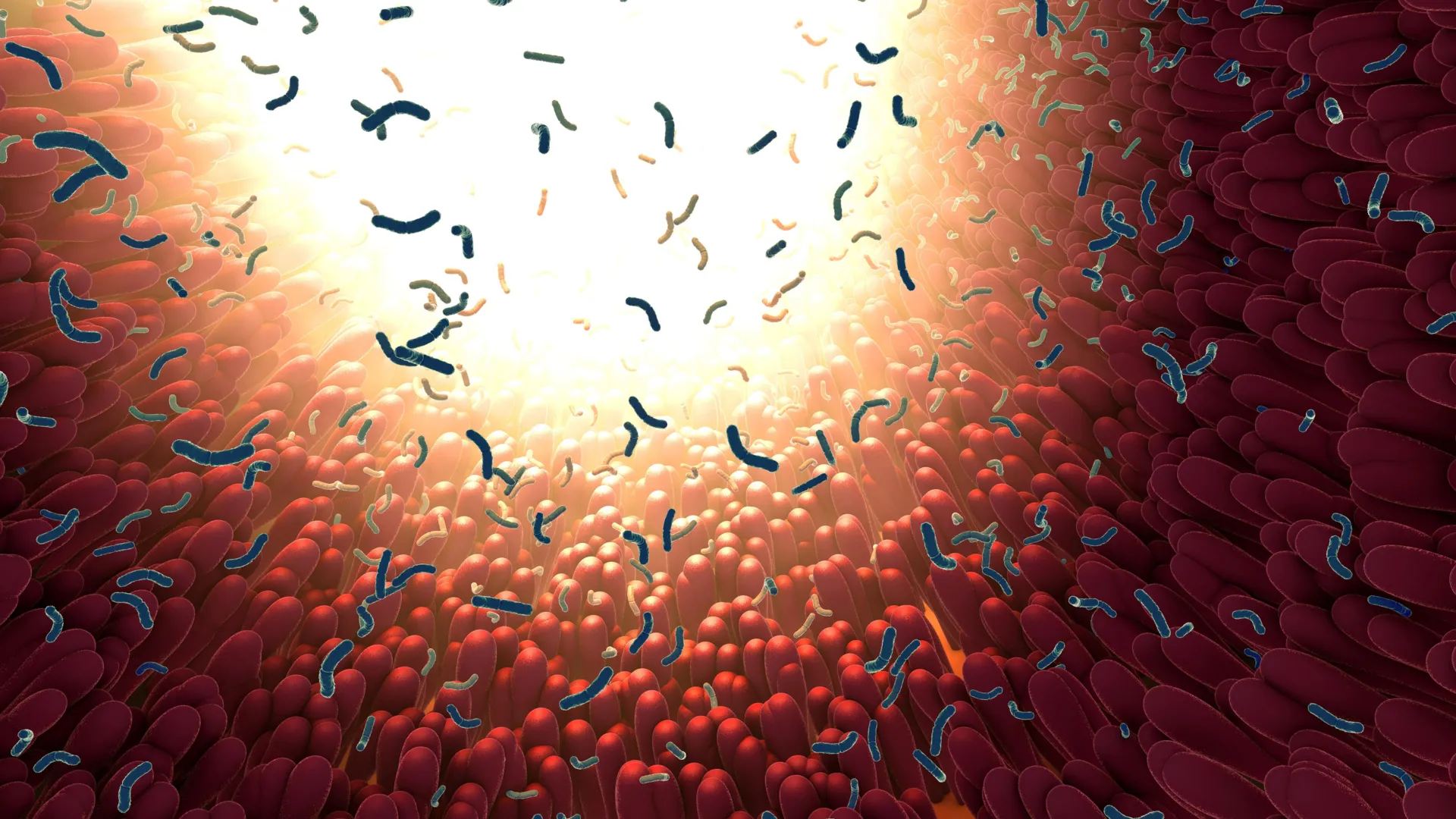
Research linked higher sugar intake during antibiotic treatment with greater disruption of the gut microbiome and increased growth of potentially harmful bacteria. Cutting back on sweets during and after treatment may help, but clinical trials are still needed.
9:06 AMScienceDaily
Blocking the P2X7 receptor reduced inflammation in human brain tissue, identifying a possible treatment target for neurological and psychiatric disorders. The findings raise the prospect of repurposing existing drugs for conditions including traumatic brain injury, Alzheimer’s disease, Parkinson’s disease, depression, and schizophrenia.
8:13 AMScienceDaily
A study found that emergency room visits by people born outside the United States fell sharply at three Los Angeles hospitals after ICE raids increased last year. The decline suggests that immigration enforcement affected whether people sought urgent medical care.
7:50 AMStat News
New York City is moving nearly $9 million toward gender-affirming care for minors, part of a $15 million investment announced in June. The spending comes as major hospitals have pulled back from providing some of this care.
6:30 AMGothamist
Researchers at a Toronto hospital are training AI to distinguish safe surgical incisions from dangerous ones as Canada explores ways to improve healthcare. The work tests whether machines can learn the fine-grained judgment surgeons apply during complex procedures.
5:00 AMThe New York TimesCandidates are making Medicare for All a central midterm message as medical costs strain households. About two-thirds of Americans support the idea, although many voters do not have a clear view of what the policy would entail.
5:00 AMNPR Politics
Caribou Biosciences is shutting down after failing to raise enough money to fund a late-stage trial of its off-the-shelf CAR-T therapy for lymphoma.
4:30 AMStat News
Howard Wolinsky writes that his life insurers classified his prostate cancer as untreated even though his oncologist recommended active surveillance and he continued attending follow-up appointments. He argues that the label misrepresents a recognized clinical strategy.
4:30 AMStat NewsSummary
A review of 22 studies found that naturally occurring trans fats in dairy products were not linked to higher risks of heart disease, stroke, cardiovascular death, or type 2 diabetes. The findings distinguish these fats from industrial trans fats made with partially hydrogenated oils, which have well-established health risks.
The evidence weakens the idea that all trans fats should be treated identically in dietary
Unlock the full First Pass Analysis to get a better understanding of why this story mattersWhy it matters
Food policy and nutrition advice may need to distinguish the source of trans fats instead of grouping them under one risk label.
Summary
A study of more than 130,000 births in Georgia found that hundreds of fathers died within five years of their child's birth, with roughly 60% of those deaths considered potentially preventable. Homicide, accidental injury, suicide, and drug overdose accounted for most of the preventable deaths.
The central gap is that post-birth health surveillance largely tracks mothers and infants while missing
Unlock the full First Pass Analysis to get a better understanding of why this story mattersWhy it matters
Treating childbirth as a family health event, rather than only a maternal one, could expose preventable risks facing new fathers.
Summary
The story reports that a child in Gaza developed an autoimmune condition during Israel's war. The available information does not specify the diagnosis, treatment, or the evidence linking the condition's onset to wartime circumstances.
The reported case points to the difficulty of treating complex pediatric illness in a health
Unlock the full First Pass Analysis to get a better understanding of why this story mattersWhy it matters
War can turn a treatable childhood condition into a long-term health crisis by disrupting diagnosis, medicines, and specialist care.
Summary
A new study found that the active ingredient in Ozempic and Wegovy was associated with a lower risk of developing Alzheimer's disease. The finding adds a potential neurological benefit to the drugs' established effects on diabetes and weight.
The finding is an association, not proof that GLP-1 drugs prevent Alzheimer's disease. If randomized
Unlock the full First Pass Analysis to get a better understanding of why this story mattersWhy it matters
Evidence of cognitive benefit could reshape demand for GLP-1 drugs and raise difficult questions about who should receive them.
Summary
The proposed $2 billion in one-time healthcare payments would reach about 20.8 million Americans. Medicare Advantage enrollees and millions of low-income recipients would be excluded.
The decisive constraint is eligibility: the program would cover fewer than one-third of Medicare beneficiaries
Unlock the full First Pass Analysis to get a better understanding of why this story mattersWhy it matters
A narrowly distributed payment could deliver limited financial relief while intensifying the debate over who qualifies for federal healthcare support.
Summary
LSD has moved from early psychiatric research through counterculture and secret CIA experiments back into formal clinical investigation. Researchers are again testing its therapeutic potential under controlled conditions.
The return to trials reflects a shift from cultural controversy to evidence-based evaluation, not a
Unlock the full First Pass Analysis to get a better understanding of why this story mattersWhy it matters
Renewed LSD research could broaden psychedelic medicine, but clinical legitimacy will depend on safety and reproducible benefits.
Summary
A Dutch court ordered Merck to stop manufacturing and marketing its subcutaneous Keytruda formulation in several European countries. The ruling creates a legal obstacle for the company’s effort to expand the drug beyond intravenous delivery.
The court order immediately limits Merck’s ability to commercialize the new formulation in affected markets.
Unlock the full First Pass Analysis to get a better understanding of why this story mattersWhy it matters
A legal challenge now threatens the delivery strategy for one of the world’s most important cancer drugs.
Summary
Health AI pilots operating under Utah’s regulatory sandbox face unresolved questions about how state experimentation interacts with federal oversight. The central issue is whether some tools can be tested or deployed under Utah rules while still requiring review by the FDA.
The regulatory conflict is emerging because state-level experimentation does not necessarily exempt medical AI from
Unlock the full First Pass Analysis to get a better understanding of why this story mattersWhy it matters
The dispute could establish whether states can accelerate medical AI deployment without bypassing federal safety standards.
Summary
Research linked higher sugar intake during antibiotic treatment with greater disruption of the gut microbiome and increased growth of potentially harmful bacteria. Cutting back on sweets during and after treatment may help, but clinical trials are still needed.
The finding suggests diet may influence how severely antibiotics disturb the gut, adding a potentially
Unlock the full First Pass Analysis to get a better understanding of why this story mattersWhy it matters
A modifiable dietary factor could reduce antibiotic-related microbiome damage if the result holds in patients.
Summary
Blocking the P2X7 receptor reduced inflammation in human brain tissue, identifying a possible treatment target for neurological and psychiatric disorders. The findings raise the prospect of repurposing existing drugs for conditions including traumatic brain injury, Alzheimer’s disease, Parkinson’s disease, depression, and schizophrenia.
The result connects one inflammatory pathway to a broad group of disorders, but it does
Unlock the full First Pass Analysis to get a better understanding of why this story mattersWhy it matters
A shared inflammatory target could support new treatments across several difficult-to-treat brain disorders.
Summary
A study found that emergency room visits by people born outside the United States fell sharply at three Los Angeles hospitals after ICE raids increased last year. The decline suggests that immigration enforcement affected whether people sought urgent medical care.
The drop indicates that raids can suppress healthcare use beyond the people directly targeted, likely
Unlock the full First Pass Analysis to get a better understanding of why this story mattersWhy it matters
Enforcement activity can function as a barrier to emergency care, even for people who are not its direct targets.
Summary
New York City is moving nearly $9 million toward gender-affirming care for minors, part of a $15 million investment announced in June. The spending comes as major hospitals have pulled back from providing some of this care.
The city is shifting from announcing support to filling a service gap left by hospitals,
Unlock the full First Pass Analysis to get a better understanding of why this story mattersWhy it matters
City dollars are becoming a practical buffer against the retreat of major medical institutions from politically contested care.
Summary
Researchers at a Toronto hospital are training AI to distinguish safe surgical incisions from dangerous ones as Canada explores ways to improve healthcare. The work tests whether machines can learn the fine-grained judgment surgeons apply during complex procedures.
The central challenge is not recognizing anatomy but converting expert judgment into reliable guidance at
Unlock the full First Pass Analysis to get a better understanding of why this story mattersWhy it matters
Surgical AI will be judged by how safely it handles edge cases, not by performance on routine procedures.
Summary
Candidates are making Medicare for All a central midterm message as medical costs strain households. About two-thirds of Americans support the idea, although many voters do not have a clear view of what the policy would entail.
Broad support gives candidates a potent vehicle for channeling frustration with medical bills, even without
Unlock the full First Pass Analysis to get a better understanding of why this story mattersWhy it matters
Healthcare costs are turning an imprecise policy label into a powerful electoral test.
Summary
Caribou Biosciences is shutting down after failing to raise enough money to fund a late-stage trial of its off-the-shelf CAR-T therapy for lymphoma.
The shutdown shows that promising cell therapies still face a financing bottleneck when they reach
Unlock the full First Pass Analysis to get a better understanding of why this story mattersWhy it matters
Biotech funding constraints are now determining which advanced cancer therapies reach patients, not just whether the science works.
Summary
Howard Wolinsky writes that his life insurers classified his prostate cancer as untreated even though his oncologist recommended active surveillance and he continued attending follow-up appointments. He argues that the label misrepresents a recognized clinical strategy.
The dispute exposes a mismatch between modern prostate-cancer care and insurance underwriting, which can treat
Unlock the full First Pass Analysis to get a better understanding of why this story mattersWhy it matters
Insurance rules can undermine shared medical decisions when they ignore active surveillance as legitimate cancer care.
Make it yours
Pick your topics, set your cadence, and receive your personalized First Pass in your inbox. It’s that simple!


