Kenyan authorities have diagnosed Ebola in a man arriving from the Democratic Republic of Congo. They are taking measures to prevent the virus from spreading.
5:02 PMThe New York Times35 stories from 11 sources
Supporting Articles
Kenyan authorities have diagnosed Ebola in a man arriving from the Democratic Republic of Congo. They are taking measures to prevent the virus from spreading.
5:02 PMThe New York Times
The death of an employee at a Russian anti-plague institute has raised questions about a possible plague case, but the circumstances remain unclear. Infectious disease experts say the global risk appears low while warning that more data is needed.
5:13 PMCNBC
The US Centers for Disease Control and Prevention says it is aware of and closely monitoring a reported plague case in Russia. The statement comes as the Trump administration also says it is watching the incident.
4:54 PMAl Jazeera
The death of a worker at a Russian laboratory that researches plague has renewed questions about pneumonic plague. The disease affects the lungs and can spread through respiratory droplets, making it more transmissible between people than other forms of plague.
11:35 AMBBCAfter 20 weeks, health workers have contained some early Ebola hotspots, but transmission continues in the Democratic Republic of Congo. The prolonged outbreak is straining medical staff and increasing pressure on disease-control experts.
4:36 AMBloomberg MarketsResearch found that US funding cuts caused sharp and sustained declines in HIV prevention, testing, and treatment services in organizations serving vulnerable populations in Uganda and Zimbabwe.
4:14 AMBloomberg Markets
Zambia will sign a revised US health agreement after removing provisions that would have required sharing patient data and biological specimens. The agreement is part of a broader US effort to establish bilateral health deals with African countries.
12:10 PMFortune
The article visits a hospital longevity clinic to examine the tests and services these programs use to assess patients’ health and future risks. Such clinics typically combine preventive screening with personalized recommendations, though the value of their broader claims remains a question.
10:13 AMStat News
Longevity clinics offer personalized health advice and advanced testing, and major nonprofit hospitals are entering the market. Prices range from thousands of dollars to as much as $45,000 a year.
4:30 AMStat News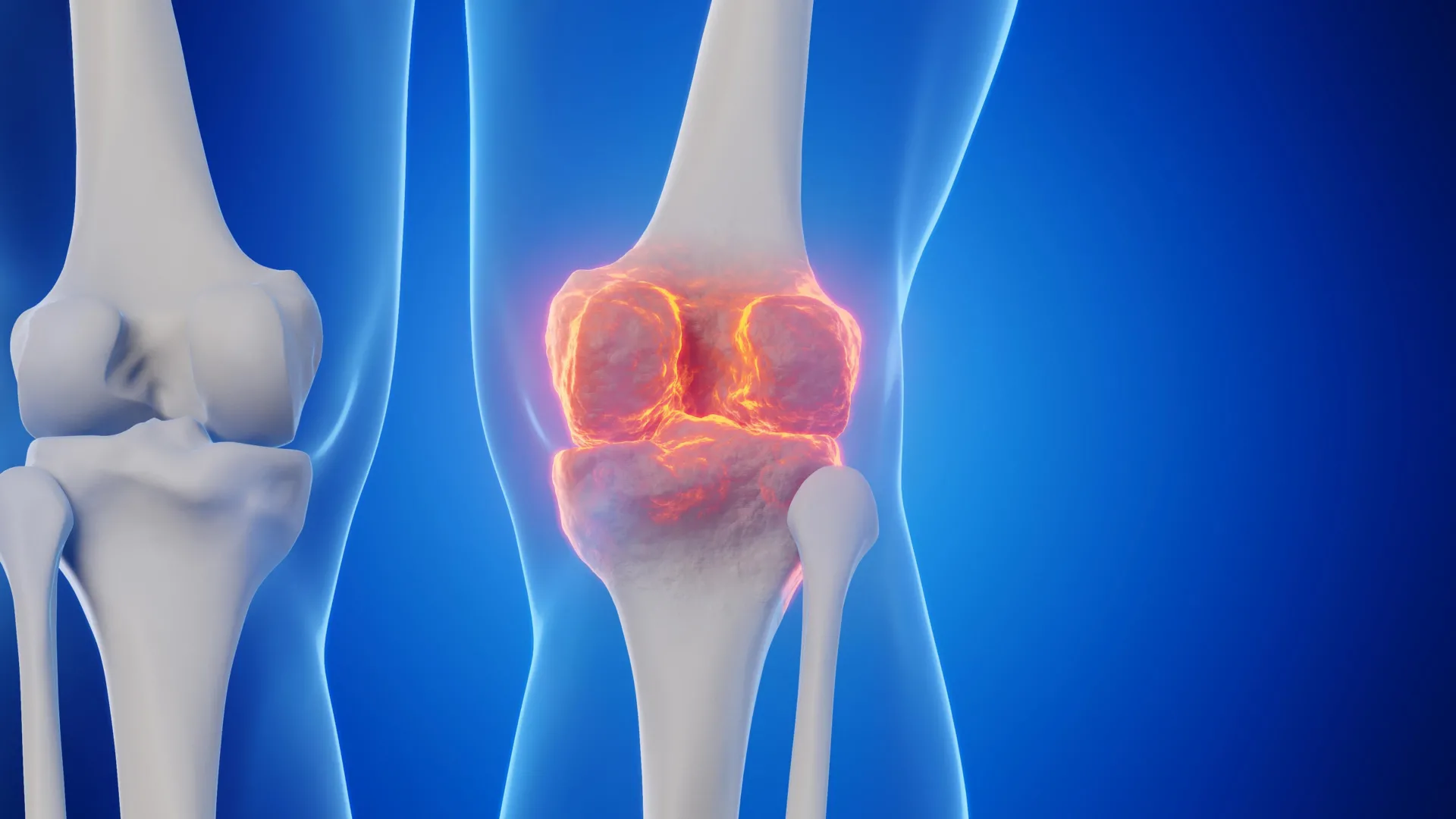
Blocking a protein that rises with age restored lost knee cartilage in older mice and reduced osteoarthritis after knee injury. Human cartilage samples from knee replacement patients also produced new functional cartilage after treatment, but the approach has not yet been tested as a therapy in people.
9:03 AMScienceDaily
Most colorectal cancer patients aged 21 or younger in the study had Stage III or IV disease when diagnosed. Researchers say rectal bleeding, weight loss, abdominal pain, and bowel changes are often overlooked in younger patients, delaying evaluation.
9:20 AMScienceDailySummary
Kenyan authorities have diagnosed Ebola in a man arriving from the Democratic Republic of Congo. They are taking measures to prevent the virus from spreading.
The confirmed imported case moves Kenya from preparedness to active outbreak response, with containment now
Unlock the full First Pass Analysis to get a better understanding of why this story mattersWhy it matters
Kenya's first recorded case raises the stakes for regional surveillance and rapid containment.
3 stories · 3 sources
Summary
The death of an employee at a Russian anti-plague institute has raised questions about a possible plague case, but the circumstances remain unclear. Infectious disease experts say the global risk appears low while warning that more data is needed.
The decisive fact is the lack of verified information, not evidence of an international outbreak.
Unlock the full First Pass Analysis to get a better understanding of why this story mattersWhy it matters
Unverified outbreak reports can trigger unnecessary alarm, but incomplete data can also delay action if human-to-human transmission is confirmed.
5 stories · 2 sources
Summary
The US Centers for Disease Control and Prevention says it is aware of and closely monitoring a reported plague case in Russia. The statement comes as the Trump administration also says it is watching the incident.
US authorities have moved into monitoring mode, but their statements do not indicate that the
Unlock the full First Pass Analysis to get a better understanding of why this story mattersWhy it matters
Close surveillance gives US officials time to assess a potential imported-health risk before deciding whether any public-health measures are necessary.
Summary
The death of a worker at a Russian laboratory that researches plague has renewed questions about pneumonic plague. The disease affects the lungs and can spread through respiratory droplets, making it more transmissible between people than other forms of plague.
The immediate issue is whether the death represents an isolated exposure or a broader transmission
Unlock the full First Pass Analysis to get a better understanding of why this story mattersWhy it matters
Pneumonic plague is rare but demands fast public-health action because it can move directly between people.
Summary
After 20 weeks, health workers have contained some early Ebola hotspots, but transmission continues in the Democratic Republic of Congo. The prolonged outbreak is straining medical staff and increasing pressure on disease-control experts.
Containment has become partial rather than decisive, leaving exhausted health workers to manage persistent transmission.
Unlock the full First Pass Analysis to get a better understanding of why this story mattersWhy it matters
A prolonged Ebola response can undermine the workforce needed to stop the outbreak.
Summary
Research found that US funding cuts caused sharp and sustained declines in HIV prevention, testing, and treatment services in organizations serving vulnerable populations in Uganda and Zimbabwe.
The funding reductions disrupted core HIV services rather than producing a temporary slowdown. Vulnerable groups
Unlock the full First Pass Analysis to get a better understanding of why this story mattersWhy it matters
Aid cuts can quickly reverse HIV gains by removing the services that connect high-risk patients to care.
Summary
Zambia will sign a revised US health agreement after removing provisions that would have required sharing patient data and biological specimens. The agreement is part of a broader US effort to establish bilateral health deals with African countries.
Zambia's revisions show that governments are willing to accept health cooperation while resisting terms that
Unlock the full First Pass Analysis to get a better understanding of why this story mattersWhy it matters
The outcome will shape who controls African health data and how future disease surveillance agreements are negotiated.
Summary
The article visits a hospital longevity clinic to examine the tests and services these programs use to assess patients’ health and future risks. Such clinics typically combine preventive screening with personalized recommendations, though the value of their broader claims remains a question.
Longevity programs are turning preventive medicine into a premium service built around intensive testing and
Unlock the full First Pass Analysis to get a better understanding of why this story mattersWhy it matters
Longevity clinics are testing whether consumers will pay for predictive health services before the evidence for many offerings is settled.
Summary
Longevity clinics offer personalized health advice and advanced testing, and major nonprofit hospitals are entering the market. Prices range from thousands of dollars to as much as $45,000 a year.
Nonprofit hospitals are turning preventive optimization into a premium service that most patients may have
Unlock the full First Pass Analysis to get a better understanding of why this story mattersWhy it matters
Hospital-backed longevity programs could widen health inequality while selling uncertain benefits at high prices.
Summary
Blocking a protein that rises with age restored lost knee cartilage in older mice and reduced osteoarthritis after knee injury. Human cartilage samples from knee replacement patients also produced new functional cartilage after treatment, but the approach has not yet been tested as a therapy in people.
The decisive advance is evidence that aged cartilage may retain a capacity for repair that
Unlock the full First Pass Analysis to get a better understanding of why this story mattersWhy it matters
If replicated in clinical trials, the approach could delay or reduce joint replacements for some patients with cartilage damage.
Summary
Most colorectal cancer patients aged 21 or younger in the study had Stage III or IV disease when diagnosed. Researchers say rectal bleeding, weight loss, abdominal pain, and bowel changes are often overlooked in younger patients, delaying evaluation.
The central problem is diagnostic delay, not only rising incidence. Clinicians and families may discount
Unlock the full First Pass Analysis to get a better understanding of why this story mattersWhy it matters
Delayed diagnosis leaves young patients with fewer treatment options and makes symptom recognition a critical line of defense.
A curated list of other prominent stories from this day.

Scientists found that disrupting the chemical signals bacteria use to communicate can shift dental plaque toward a healthier microbial balance. The approach could treat gum disease without broadly destroying beneficial bacteria.
11:55 PMScienceDaily
Research suggests cannabinoids can heighten anxiety by removing a natural brake on neurons in the brain's fear center, especially under stress. In mice, suppressing those neurons reduced cannabinoid-related anxious behavior.
9:26 PMScienceDaily
An infectious disease specialist argues that reports of plague and mysterious pneumonia in Siberia warrant scrutiny but do not justify public panic. The available information does not establish a broad or dangerous outbreak.
7:41 PMStat News
Autonomous robots are being used to move specimens and supplies inside hospitals, reducing the time medical assistants spend walking between departments. At one Indiana cancer center, a staff member previously made 10 to 15 laboratory trips a day that consumed at least 90 minutes.
1:52 PMPYMNTS
Legionella was detected in the water system of a Staten Island building after two residents tested positive for Legionnaires' disease. Residents say several people in the building belong to vulnerable groups.
1:38 PMGothamist
A study estimates that loneliness and social isolation can reduce older adults' healthy lifespan by nearly six years. It quantifies the health cost of social disconnection as a major risk affecting later life.
2:00 PMMarketWatchEmployer-sponsored health insurance in the United States is deteriorating as premiums are expected to rise 11% next year. The case presented is for replacing fragmented employer coverage with a universal public insurance system.
12:10 PMBloomberg Markets
AstraZeneca opened a new research and development facility in Boston’s Kendall Square as part of a $1 billion investment in the region. The move comes as biotechnology faces uncertainty and Chinese companies attract more pharmaceutical dealmaking.
10:41 AMStat News
The article examines whether stem cell treatments are approaching a broader commercial breakthrough, comparing their potential momentum with the rise of peptide-based therapies. It considers whether scientific progress and investor interest can translate into established medical use.
10:30 AMStat News
New York officials fear migrants will avoid medical care because they believe seeking treatment could jeopardize their immigration status. The policy shift has raised concerns that fear and misinformation will discourage people from using available services.
10:00 AMGothamist
The article examines how people should decide when to receive a flu vaccine. It weighs timing and other factors that may affect the vaccine's usefulness.
7:36 AMStat News
Pairing new mothers with patient navigators increased attendance at postpartum visits, depression screening, preventive testing, and continuing primary care. Navigators helped resolve practical barriers including transportation, childcare, scheduling, and confusing medical information.
7:25 AMScienceDaily
In a small study, inhaling the scent of Hinoki root essential oil was associated with fewer nighttime awakenings, better morning alertness, and brain-wave changes linked to easier sleep onset. The results suggest the forestry byproduct may have potential in sleep or relaxation products.
12:33 AMScienceDailySummary
Scientists found that disrupting the chemical signals bacteria use to communicate can shift dental plaque toward a healthier microbial balance. The approach could treat gum disease without broadly destroying beneficial bacteria.
The key shift is from killing plaque bacteria indiscriminately to changing the microbial environment that
Unlock the full First Pass Analysis to get a better understanding of why this story mattersWhy it matters
A microbiome-preserving treatment could make gum disease therapy more targeted and less disruptive to oral health.
Summary
Research suggests cannabinoids can heighten anxiety by removing a natural brake on neurons in the brain's fear center, especially under stress. In mice, suppressing those neurons reduced cannabinoid-related anxious behavior.
The findings identify a possible neural mechanism for why cannabis can calm some people but
Unlock the full First Pass Analysis to get a better understanding of why this story mattersWhy it matters
Understanding the mechanism could help explain adverse reactions to cannabis and guide safer dosing or targeted treatments.
Summary
An infectious disease specialist argues that reports of plague and mysterious pneumonia in Siberia warrant scrutiny but do not justify public panic. The available information does not establish a broad or dangerous outbreak.
The key shift is from rumor-driven alarm to evidence-based surveillance. Health officials should investigate the
Unlock the full First Pass Analysis to get a better understanding of why this story mattersWhy it matters
Measured communication helps preserve trust and public attention without amplifying misinformation.
Summary
Autonomous robots are being used to move specimens and supplies inside hospitals, reducing the time medical assistants spend walking between departments. At one Indiana cancer center, a staff member previously made 10 to 15 laboratory trips a day that consumed at least 90 minutes.
Automating routine transport can return clinical staff time to patient care and increase throughput without
Unlock the full First Pass Analysis to get a better understanding of why this story mattersWhy it matters
Operational automation offers hospitals a way to expand effective capacity while construction, staffing, and bed growth remain constrained.
Summary
Legionella was detected in the water system of a Staten Island building after two residents tested positive for Legionnaires' disease. Residents say several people in the building belong to vulnerable groups.
The confirmed contamination shifts the issue from isolated illnesses to a building-wide public health concern.
Unlock the full First Pass Analysis to get a better understanding of why this story mattersWhy it matters
The building's response will determine whether officials can contain a preventable health risk among vulnerable residents.
Summary
A study estimates that loneliness and social isolation can reduce older adults' healthy lifespan by nearly six years. It quantifies the health cost of social disconnection as a major risk affecting later life.
The finding expands loneliness from a quality-of-life concern into a measurable public-health risk. Health systems
Unlock the full First Pass Analysis to get a better understanding of why this story mattersWhy it matters
Social isolation can impose a health burden comparable to more familiar medical risk factors.
Summary
Employer-sponsored health insurance in the United States is deteriorating as premiums are expected to rise 11% next year. The case presented is for replacing fragmented employer coverage with a universal public insurance system.
An 11% premium increase would deepen pressure on workers and employers, but the underlying problem
Unlock the full First Pass Analysis to get a better understanding of why this story mattersWhy it matters
Rising employer coverage costs are making the link between employment and health insurance harder to sustain.
Summary
AstraZeneca opened a new research and development facility in Boston’s Kendall Square as part of a $1 billion investment in the region. The move comes as biotechnology faces uncertainty and Chinese companies attract more pharmaceutical dealmaking.
The investment signals that AstraZeneca still views Boston’s research ecosystem as strategically valuable despite a
Unlock the full First Pass Analysis to get a better understanding of why this story mattersWhy it matters
AstraZeneca is placing major capital in U.S. biotech capacity even as pharmaceutical innovation and dealmaking become more globally contested.
Summary
The article examines whether stem cell treatments are approaching a broader commercial breakthrough, comparing their potential momentum with the rise of peptide-based therapies. It considers whether scientific progress and investor interest can translate into established medical use.
Stem cells remain constrained by uneven evidence, difficult manufacturing, and regulatory scrutiny, so enthusiasm does
Unlock the full First Pass Analysis to get a better understanding of why this story mattersWhy it matters
Stem cell medicine could expand sharply, but clinical validation and manufacturing economics will determine whether hype becomes routine care.
Summary
New York officials fear migrants will avoid medical care because they believe seeking treatment could jeopardize their immigration status. The policy shift has raised concerns that fear and misinformation will discourage people from using available services.
The immediate risk is delayed care, especially for preventable or treatable conditions. Avoidance can worsen
Unlock the full First Pass Analysis to get a better understanding of why this story mattersWhy it matters
Fear of immigration enforcement can turn a policy change into a public health barrier for an already vulnerable population.
Summary
The article examines how people should decide when to receive a flu vaccine. It weighs timing and other factors that may affect the vaccine's usefulness.
The key decision is not simply whether to vaccinate, but when vaccination will offer the
Unlock the full First Pass Analysis to get a better understanding of why this story mattersWhy it matters
The timing of vaccination can shape how well people are protected when flu spreads most widely.
Summary
Pairing new mothers with patient navigators increased attendance at postpartum visits, depression screening, preventive testing, and continuing primary care. Navigators helped resolve practical barriers including transportation, childcare, scheduling, and confusing medical information.
The intervention addressed access failures rather than adding another clinical treatment. By connecting postpartum care
Unlock the full First Pass Analysis to get a better understanding of why this story mattersWhy it matters
A relatively low-tech support service could close a major gap in maternal care by turning referrals into completed care.
Summary
In a small study, inhaling the scent of Hinoki root essential oil was associated with fewer nighttime awakenings, better morning alertness, and brain-wave changes linked to easier sleep onset. The results suggest the forestry byproduct may have potential in sleep or relaxation products.
The evidence supports a possible sensory effect, not a proven treatment for insomnia. The small
Unlock the full First Pass Analysis to get a better understanding of why this story mattersWhy it matters
A low-cost, non-drug approach could complement sleep care, but the current evidence is preliminary and easy to overstate.
Make it yours
Pick your topics, set your cadence, and receive your personalized First Pass in your inbox. It’s that simple!