
Only 12 of Gaza's 34 oxygen-generation stations remain operational, leaving hospitals and patients increasingly dependent on scarce oxygen supplies amid the wider health crisis.
2:40 PMAl Jazeera24 stories from 10 sources
Supporting Articles
Only 12 of Gaza's 34 oxygen-generation stations remain operational, leaving hospitals and patients increasingly dependent on scarce oxygen supplies amid the wider health crisis.
2:40 PMAl Jazeera
Bangladesh's worst measles outbreak has killed 1,002 children and infected nearly 190,000 people since March. A vaccination drive failed to contain the spread.
11:29 AMAl Jazeera
Medicine shortages are worsening in Iran as tighter US sanctions and a blockade make life saving drugs harder to obtain and afford. Iranian authorities maintain that the pharmaceutical sector will not collapse.
3:14 AMAl Jazeera
A truck driver’s sudden death in a remote Congolese village prompted health workers to isolate his body and investigate a possible Ebola case. The effort triggered a standoff with local residents, showing how emergency containment measures can collide with mistrust and fear.
3:43 PMThe New York Times
A coffin maker in Bunia, Democratic Republic of Congo, has seen demand rise sharply since the latest Ebola outbreak began in May. His experience reflects the growing pressure on communities managing deaths in the outbreak’s epicenter.
6:20 AMThe New York Times
A U.K. commission has issued recommendations for regulating the use of artificial intelligence in medicine. The proposals address how medical AI should be governed as its role in care expands.
7:01 PMStat News
The analysis argues that AI cannot resolve the emergency room's core failures on its own. ER pressures reflect broader problems in healthcare, including capacity constraints, fragmented care, and operational bottlenecks.
10:58 AMStat News
The article tests sweeping claims about AI's ability to transform medicine against the operational reality of emergency rooms, where the technology remains limited by the complexity and disorder of care delivery.
4:30 AMStat NewsSummary
Only 12 of Gaza's 34 oxygen-generation stations remain operational, leaving hospitals and patients increasingly dependent on scarce oxygen supplies amid the wider health crisis.
The loss of nearly two-thirds of the stations threatens critical care, including surgery, intensive care,
Unlock the full First Pass Analysis to get a better understanding of why this story mattersWhy it matters
Without reliable oxygen production, preventable deaths will rise even among patients whose underlying conditions are treatable.
Summary
Bangladesh's worst measles outbreak has killed 1,002 children and infected nearly 190,000 people since March. A vaccination drive failed to contain the spread.
More than 1,000 child deaths show that Bangladesh's existing immunization coverage left large pockets of
Unlock the full First Pass Analysis to get a better understanding of why this story mattersWhy it matters
The outbreak shows how quickly measles can become deadly when routine vaccination gaps persist.
Summary
Medicine shortages are worsening in Iran as tighter US sanctions and a blockade make life saving drugs harder to obtain and afford. Iranian authorities maintain that the pharmaceutical sector will not collapse.
The immediate change is a sharper constraint on access to essential medicines, with patients bearing
Unlock the full First Pass Analysis to get a better understanding of why this story mattersWhy it matters
The crisis shows how economic pressure can translate into direct health risks for patients who depend on uninterrupted drug supplies.
Summary
A truck driver’s sudden death in a remote Congolese village prompted health workers to isolate his body and investigate a possible Ebola case. The effort triggered a standoff with local residents, showing how emergency containment measures can collide with mistrust and fear.
The incident exposed the central operational risk in an Ebola response: authorities must act before
Unlock the full First Pass Analysis to get a better understanding of why this story mattersWhy it matters
In outbreaks, public trust and safe handling of the dead can determine whether a suspected case becomes a contained event or a transmission chain.
Summary
A coffin maker in Bunia, Democratic Republic of Congo, has seen demand rise sharply since the latest Ebola outbreak began in May. His experience reflects the growing pressure on communities managing deaths in the outbreak’s epicenter.
The rise in coffin production is a visible indicator of the outbreak’s human and logistical
Unlock the full First Pass Analysis to get a better understanding of why this story mattersWhy it matters
The outbreak is straining both basic services and the trust required to conduct safe burials.
Summary
A U.K. commission has issued recommendations for regulating the use of artificial intelligence in medicine. The proposals address how medical AI should be governed as its role in care expands.
The recommendations move the U.K. closer to a formal framework for assigning responsibility and managing
Unlock the full First Pass Analysis to get a better understanding of why this story mattersWhy it matters
Health systems need clear rules before AI tools become embedded in diagnosis, treatment, and clinical decision making.
Summary
The analysis argues that AI cannot resolve the emergency room's core failures on its own. ER pressures reflect broader problems in healthcare, including capacity constraints, fragmented care, and operational bottlenecks.
AI can improve discrete tasks such as triage, documentation, and patient flow, but it cannot
Unlock the full First Pass Analysis to get a better understanding of why this story mattersWhy it matters
The ER is a test of whether healthcare leaders will use AI to redesign systems rather than market it as a substitute for investment.
Summary
The article tests sweeping claims about AI's ability to transform medicine against the operational reality of emergency rooms, where the technology remains limited by the complexity and disorder of care delivery.
AI's weakness in emergency departments exposes a gap between performance on defined tasks and usefulness
Unlock the full First Pass Analysis to get a better understanding of why this story mattersWhy it matters
Emergency rooms show why impressive AI claims do not automatically translate into safer, faster, or more affordable care.
A curated list of other prominent stories from this day.

NYU Langone Health is expected to develop outpatient and ambulatory medical facilities at the Kips Bay property currently occupied by an AMC theater, according to Assemblymember Keith Powers. The theater is slated to close by the end of the year.
7:52 PMThe CityBilly Joel said he is recovering after brain surgery to relieve symptoms of normal pressure hydrocephalus, which he was diagnosed with in 2025. He cited poor balance and unusual sensations as reasons for undergoing the procedure.
7:05 PMVariety
A Pennsylvania coroner said the two infants who died in the state's measles outbreak last month were both infants, and that measles directly caused one of the deaths. The findings add detail to an outbreak that is continuing to grow.
5:44 PMStat News
ARPA-H plans to commit $62.7 million to develop AI systems that help direct heart-failure treatment. The project aims to produce tools that can ultimately secure FDA authorization.
12:01 PMStat News
The experimental compound AP503 strengthened bones in mice by activating GPR133, a receptor that increased bone formation and reduced bone loss. The treatment has also been associated with stronger muscles, raising the possibility of addressing multiple effects of aging.
9:52 AMScienceDaily
The item reports recognition for the scientists who discovered orexin, alongside biotech updates including new leadership at the FDA's Center for Biologics Evaluation and Research and a new startup linked to Schrodinger. It also includes additional industry news from The Readout.
9:38 AMStat News
An AstraZeneca drug reduced dangerous COPD flare-ups in two late-stage clinical trials. The results support further regulatory review of the treatment.
9:15 AMStat News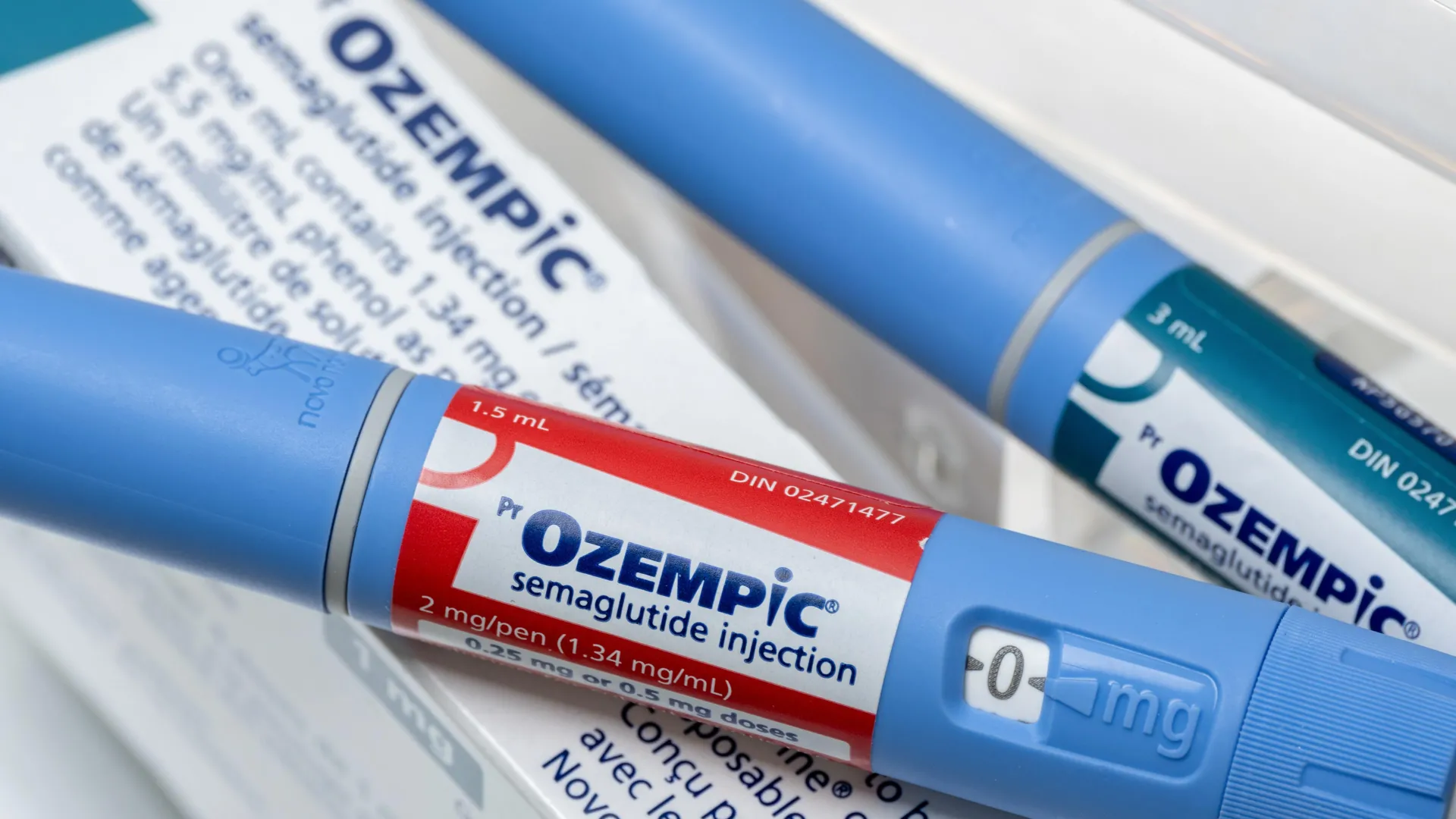
A large real-world study linked semaglutide, the active ingredient in Ozempic and Wegovy, to nearly 40% fewer asthma attacks and about 20% fewer COPD flare-ups. Researchers caution that clinical trials are needed to determine whether the drugs directly improve respiratory disease.
9:06 AMScienceDaily
Mayor Zohran Mamdani accused former city leaders of misleading New Yorkers about the health risks from 9/11 contamination. He released 170,000 pages of records detailing the government's response after the attacks.
8:58 AMNYT New York
Even a healthcare insider received an unexpected medical bill despite following her insurance procedures. Challenging the denial proved difficult because the insurer’s explanation was vague and difficult to contest.
8:17 AMMarketWatch
A telemedicine company is offering GLP-1 drugs as a potential treatment for addiction, extending their use beyond diabetes and obesity. The approach reflects growing interest in whether these drugs can influence reward and compulsive behavior.
7:53 AMStat News
Insilico Medicine reported promising early results from a trial of its fibrosis drug, prompting its co-CEO to suggest that targeting biological aging may be possible. The company sees fibrosis treatment as an initial test of a broader strategy aimed at the mechanisms that drive aging-related disease.
7:24 AMFortune
Caspian Therapeutics is launching with $50 million to develop menin inhibitors for diabetes and other cardiometabolic diseases. The strategy emerged from leukemia drug data that suggested menin may also play a role in metabolic disease.
7:00 AMStat NewsSandoz CEO Richard Saynor warned that steep U.S. tariffs on imported generic drugs could force manufacturers to raise prices or reduce supply. The warning reflects the industry's reliance on globally distributed production for low-cost medicines.
4:35 AMCNBC
American Medical Association CEO John Whyte argues that health care should use AI to support physicians rather than reproduce the current system with fewer human workers.
4:30 AMStat News
Ezekiel J. Emanuel and Abe Baker-Butler argue that autonomous AI could outperform both unaided physicians and doctors using AI on five core cognitive medical tasks by 2030.
4:30 AMStat NewsSummary
NYU Langone Health is expected to develop outpatient and ambulatory medical facilities at the Kips Bay property currently occupied by an AMC theater, according to Assemblymember Keith Powers. The theater is slated to close by the end of the year.
The likely conversion would replace a popular entertainment venue with expanded medical infrastructure in a
Unlock the full First Pass Analysis to get a better understanding of why this story mattersWhy it matters
The project could accelerate Kips Bay's shift toward medical facilities while removing one of its remaining major public entertainment spaces.
Summary
Billy Joel said he is recovering after brain surgery to relieve symptoms of normal pressure hydrocephalus, which he was diagnosed with in 2025. He cited poor balance and unusual sensations as reasons for undergoing the procedure.
The surgery marks a treatment step for a condition that had begun affecting Joel's mobility
Unlock the full First Pass Analysis to get a better understanding of why this story mattersWhy it matters
The case shows how treatable neurological symptoms can still require invasive intervention when they begin to impair balance and function.
Summary
A Pennsylvania coroner said the two infants who died in the state's measles outbreak last month were both infants, and that measles directly caused one of the deaths. The findings add detail to an outbreak that is continuing to grow.
The deaths show that the outbreak is reaching a group at heightened risk because infants
Unlock the full First Pass Analysis to get a better understanding of why this story mattersWhy it matters
Infant deaths turn the outbreak from a case-count story into an immediate test of vaccination coverage and public health response.
Summary
ARPA-H plans to commit $62.7 million to develop AI systems that help direct heart-failure treatment. The project aims to produce tools that can ultimately secure FDA authorization.
The investment targets a difficult clinical problem: adapting heart-failure treatment to rapidly changing patient needs.
Unlock the full First Pass Analysis to get a better understanding of why this story mattersWhy it matters
Public funding is pushing clinical AI toward regulated treatment decisions, where evidence and accountability will matter as much as technical performance.
Summary
The experimental compound AP503 strengthened bones in mice by activating GPR133, a receptor that increased bone formation and reduced bone loss. The treatment has also been associated with stronger muscles, raising the possibility of addressing multiple effects of aging.
The key advance is a single biological target that may improve both skeletal strength and
Unlock the full First Pass Analysis to get a better understanding of why this story mattersWhy it matters
A therapy that protects bone and muscle could change how clinicians prevent frailty and age-related disability.
Summary
The item reports recognition for the scientists who discovered orexin, alongside biotech updates including new leadership at the FDA's Center for Biologics Evaluation and Research and a new startup linked to Schrodinger. It also includes additional industry news from The Readout.
The orexin award underscores how basic neuroscience can eventually produce major therapeutic advances, while the
Unlock the full First Pass Analysis to get a better understanding of why this story mattersWhy it matters
The story connects foundational research, regulatory policy, and biotech commercialization across the drug-development pipeline.
Summary
An AstraZeneca drug reduced dangerous COPD flare-ups in two late-stage clinical trials. The results support further regulatory review of the treatment.
The consistent reduction in exacerbations gives AstraZeneca a stronger case for a new COPD treatment,
Unlock the full First Pass Analysis to get a better understanding of why this story mattersWhy it matters
A successful therapy that prevents COPD exacerbations could improve outcomes for high-risk patients and expand AstraZeneca’s position in respiratory medicine.
Summary
A large real-world study linked semaglutide, the active ingredient in Ozempic and Wegovy, to nearly 40% fewer asthma attacks and about 20% fewer COPD flare-ups. Researchers caution that clinical trials are needed to determine whether the drugs directly improve respiratory disease.
The findings widen the potential clinical value of GLP-1 drugs beyond diabetes and obesity, but
Unlock the full First Pass Analysis to get a better understanding of why this story mattersWhy it matters
If confirmed, GLP-1 drugs could become a cross-disease therapy for patients with obesity and chronic respiratory conditions.
Summary
Mayor Zohran Mamdani accused former city leaders of misleading New Yorkers about the health risks from 9/11 contamination. He released 170,000 pages of records detailing the government's response after the attacks.
The records release turns long-running concerns about post-9/11 air quality into a direct political challenge
Unlock the full First Pass Analysis to get a better understanding of why this story mattersWhy it matters
The documents may reshape the historical and legal debate over whether officials concealed risks that exposed New Yorkers to lasting harm.
Summary
Even a healthcare insider received an unexpected medical bill despite following her insurance procedures. Challenging the denial proved difficult because the insurer’s explanation was vague and difficult to contest.
Procedural compliance does not protect patients when insurers rely on opaque coverage decisions. The burden
Unlock the full First Pass Analysis to get a better understanding of why this story mattersWhy it matters
Opaque denials turn insurance into an administrative risk that patients often cannot price or manage in advance.
Summary
A telemedicine company is offering GLP-1 drugs as a potential treatment for addiction, extending their use beyond diabetes and obesity. The approach reflects growing interest in whether these drugs can influence reward and compulsive behavior.
The key shift is commercial experimentation ahead of definitive evidence that GLP-1s treat addiction. If
Unlock the full First Pass Analysis to get a better understanding of why this story mattersWhy it matters
A fast-growing drug class is moving into addiction care before the evidence and oversight have fully caught up.
Summary
Insilico Medicine reported promising early results from a trial of its fibrosis drug, prompting its co-CEO to suggest that targeting biological aging may be possible. The company sees fibrosis treatment as an initial test of a broader strategy aimed at the mechanisms that drive aging-related disease.
The decisive question is whether the drug improves fibrosis because it changes an underlying aging
Unlock the full First Pass Analysis to get a better understanding of why this story mattersWhy it matters
The trial could help determine whether aging biology is a practical drug target or remains a largely theoretical framework.
Summary
Caspian Therapeutics is launching with $50 million to develop menin inhibitors for diabetes and other cardiometabolic diseases. The strategy emerged from leukemia drug data that suggested menin may also play a role in metabolic disease.
The company is converting an unexpected signal from cancer research into a new diabetes drug
Unlock the full First Pass Analysis to get a better understanding of why this story mattersWhy it matters
A cancer biology insight could open a new treatment pathway for diabetes and related cardiometabolic diseases.
Summary
Sandoz CEO Richard Saynor warned that steep U.S. tariffs on imported generic drugs could force manufacturers to raise prices or reduce supply. The warning reflects the industry's reliance on globally distributed production for low-cost medicines.
Tariffs would put pressure on a generic market that already operates on thin margins, leaving
Unlock the full First Pass Analysis to get a better understanding of why this story mattersWhy it matters
Trade policy could raise U.S. drug costs and make essential generic medicines less reliable even when branded drug prices are not directly affected.
Summary
American Medical Association CEO John Whyte argues that health care should use AI to support physicians rather than reproduce the current system with fewer human workers.
The central issue is deployment, not whether AI enters medicine. A physician centered model would
Unlock the full First Pass Analysis to get a better understanding of why this story mattersWhy it matters
How health systems frame AI will determine whether it expands clinical capacity or mainly cuts labor costs.
Summary
Ezekiel J. Emanuel and Abe Baker-Butler argue that autonomous AI could outperform both unaided physicians and doctors using AI on five core cognitive medical tasks by 2030.
The key shift is from AI as a support tool to AI as the stronger
Unlock the full First Pass Analysis to get a better understanding of why this story mattersWhy it matters
If autonomous systems outperform clinicians in narrow tasks, medical workflows, training, and liability rules will all face pressure to change.
Make it yours
Pick your topics, set your cadence, and receive your personalized First Pass in your inbox. It’s that simple!