
Mayor Zohran Mamdani accused former city leaders of misleading New Yorkers about the health risks from 9/11 contamination. He released 170,000 pages of records detailing the government's response after the attacks.
8:58 AMNYT New York46 stories from 14 sources
Supporting Articles
Mayor Zohran Mamdani accused former city leaders of misleading New Yorkers about the health risks from 9/11 contamination. He released 170,000 pages of records detailing the government's response after the attacks.
8:58 AMNYT New York
New York Mayor Zohran Mamdani said illnesses linked to the September 11 attacks have killed more people than the attacks themselves. His comments center the long-term health consequences of exposure to toxic dust and debris.
4:20 PMAl Jazeera
A podcast examines the long-term health toll of the toxic dust released by the September 11 attacks and a mayor's acknowledgment of people who were overlooked. More than three times as many people have reportedly died from 9/11-related illnesses as were killed on the day of the attacks.
2:19 PMThe City
Research on World Trade Center exposure has largely examined emergency workers, while people who were children in the area say they now face serious health risks from the dust and ash. Their experiences point to a less studied population affected by the disaster.
10:03 AMNYT New York
Novartis’s experimental treatment targeting lipoprotein(a), or Lp(a), failed to reduce cardiovascular events in a late-stage trial. The result undercuts a major drug-development thesis shared by several biopharma companies.
4:23 PMMarketWatchNovartis shares fell nearly 10% after disappointing results from a trial of del-desiran. The setback followed two other recent drug-trial failures, raising broader concerns about the company's pipeline.
11:29 AMCNBCAttacks near Yemen prompted Saudi Arabia to halt some energy operations, sending Brent crude toward $100 a barrel. Novartis shares fell as much as 10% after its del-desiran treatment for a rare muscle-wasting disease failed to meet the primary endpoint in a phase 3 trial.
6:34 AMBloomberg MarketsA Novartis treatment for a rare muscle-wasting disease failed in a late-stage study, marking the third clinical-trial setback in a week. The drug was central to Novartis's $12 billion acquisition of Avidity Biosciences, putting pressure on the deal's strategic rationale and the company's growth prospects.
6:13 AMBloomberg Markets
The FDA has appointed the acting leaders of its drug and vaccine centers to permanent positions. The decisions follow the departure of senior agency officials and aim to restore continuity at two of its most consequential divisions.
5:15 PMStat News
A medical charity warned that funding cuts are pushing Sudan’s healthcare system toward collapse as millions continue to need assistance. It called on world leaders to increase support.
11:06 AMBBC
The FDA failed to meet its legally required targets for foreign food inspections before the COVID-19 pandemic, conducting nearly 35% fewer inspections, while current staffing cuts threaten to reduce oversight further amid a cyclospora outbreak.
10:32 AMFortuneAstraZeneca's COPD drug succeeded in two late-stage trials, with full results strengthening expectations that it could become a breakthrough treatment. The company believes the medicine could generate more than $5 billion in peak annual sales.
11:09 AMCNBC
Researchers found combinations of toxin-blocking proteins in rattlesnake blood that neutralized venom from several dangerous snake species in laboratory tests. The mixtures were about 10 times more potent than a current commercial antivenom.
9:54 AMScienceDailySummary
Mayor Zohran Mamdani accused former city leaders of misleading New Yorkers about the health risks from 9/11 contamination. He released 170,000 pages of records detailing the government's response after the attacks.
The records release turns long-running concerns about post-9/11 air quality into a direct political challenge
Unlock the full First Pass Analysis to get a better understanding of why this story mattersWhy it matters
The documents may reshape the historical and legal debate over whether officials concealed risks that exposed New Yorkers to lasting harm.
5 stories · 5 sources
Summary
New York Mayor Zohran Mamdani said illnesses linked to the September 11 attacks have killed more people than the attacks themselves. His comments center the long-term health consequences of exposure to toxic dust and debris.
Mamdani's framing expands the definition of the 9/11 death toll from the day of the
Unlock the full First Pass Analysis to get a better understanding of why this story mattersWhy it matters
The claim reframes 9/11 as an ongoing public-health crisis with continuing costs for New York and the federal government.
Summary
A podcast examines the long-term health toll of the toxic dust released by the September 11 attacks and a mayor's acknowledgment of people who were overlooked. More than three times as many people have reportedly died from 9/11-related illnesses as were killed on the day of the attacks.
The shift from immediate disaster deaths to the larger toll from illness changes the public
Unlock the full First Pass Analysis to get a better understanding of why this story mattersWhy it matters
The delayed death toll shows that the public-health consequences of 9/11 remain an active government responsibility, not a closed historical chapter.
Summary
Research on World Trade Center exposure has largely examined emergency workers, while people who were children in the area say they now face serious health risks from the dust and ash. Their experiences point to a less studied population affected by the disaster.
The unresolved issue is whether children exposed to the residue have received adequate long-term medical
Unlock the full First Pass Analysis to get a better understanding of why this story mattersWhy it matters
A generation exposed during childhood may still be carrying health consequences that existing 9/11 research and support systems have undercounted.
Summary
Novartis’s experimental treatment targeting lipoprotein(a), or Lp(a), failed to reduce cardiovascular events in a late-stage trial. The result undercuts a major drug-development thesis shared by several biopharma companies.
The failure weakens confidence that lowering Lp(a) alone can prevent heart attacks and other serious
Unlock the full First Pass Analysis to get a better understanding of why this story mattersWhy it matters
A negative cardiovascular-outcomes trial can reset expectations across an entire drug class, not just one company.
2 stories · 2 sources
Summary
Novartis shares fell nearly 10% after disappointing results from a trial of del-desiran. The setback followed two other recent drug-trial failures, raising broader concerns about the company's pipeline.
The immediate shift is from a single disappointing readout to a pattern of clinical setbacks.
Unlock the full First Pass Analysis to get a better understanding of why this story mattersWhy it matters
Repeated trial failures can weaken both a drugmaker's valuation and its capacity to fund future innovation.
Summary
Attacks near Yemen prompted Saudi Arabia to halt some energy operations, sending Brent crude toward $100 a barrel. Novartis shares fell as much as 10% after its del-desiran treatment for a rare muscle-wasting disease failed to meet the primary endpoint in a phase 3 trial.
The Novartis result removes confidence from a key late-stage asset and exposes another weakness in
Unlock the full First Pass Analysis to get a better understanding of why this story mattersWhy it matters
A failed pivotal trial can reset a major drugmaker's valuation just as geopolitical disruptions raise broader market risk.
Summary
A Novartis treatment for a rare muscle-wasting disease failed in a late-stage study, marking the third clinical-trial setback in a week. The drug was central to Novartis's $12 billion acquisition of Avidity Biosciences, putting pressure on the deal's strategic rationale and the company's growth prospects.
The failed study directly weakens the asset that justified Novartis's Avidity acquisition. The company now
Unlock the full First Pass Analysis to get a better understanding of why this story mattersWhy it matters
The setback turns a costly acquisition into a test of whether Novartis can sustain growth through external innovation.
Summary
The FDA has appointed the acting leaders of its drug and vaccine centers to permanent positions. The decisions follow the departure of senior agency officials and aim to restore continuity at two of its most consequential divisions.
Permanent appointments reduce uncertainty at the FDA’s drug and vaccine centers after a period of
Unlock the full First Pass Analysis to get a better understanding of why this story mattersWhy it matters
Stable leadership at the FDA’s core review centers can directly affect the pace, credibility, and consistency of decisions on medicines and vaccines.
Summary
A medical charity warned that funding cuts are pushing Sudan’s healthcare system toward collapse as millions continue to need assistance. It called on world leaders to increase support.
Funding reductions are removing capacity from a health system already strained by conflict and mass
Unlock the full First Pass Analysis to get a better understanding of why this story mattersWhy it matters
Sudan’s humanitarian crisis is becoming a health-system failure, with aid cuts converting shortages into avoidable mortality.
Summary
The FDA failed to meet its legally required targets for foreign food inspections before the COVID-19 pandemic, conducting nearly 35% fewer inspections, while current staffing cuts threaten to reduce oversight further amid a cyclospora outbreak.
The immediate problem is a capacity shortfall in the system responsible for detecting contaminated imports
Unlock the full First Pass Analysis to get a better understanding of why this story mattersWhy it matters
Reduced oversight raises the risk that contaminated imported food will reach consumers before regulators can intervene.
Summary
AstraZeneca's COPD drug succeeded in two late-stage trials, with full results strengthening expectations that it could become a breakthrough treatment. The company believes the medicine could generate more than $5 billion in peak annual sales.
The positive full data moves the drug from promising headline result toward a credible commercial
Unlock the full First Pass Analysis to get a better understanding of why this story mattersWhy it matters
Two late-stage wins materially improve the odds that AstraZeneca can build a multibillion-dollar respiratory franchise.
Summary
Researchers found combinations of toxin-blocking proteins in rattlesnake blood that neutralized venom from several dangerous snake species in laboratory tests. The mixtures were about 10 times more potent than a current commercial antivenom.
The discovery points to a broader-spectrum antivenom strategy based on naturally evolved defenses rather than
Unlock the full First Pass Analysis to get a better understanding of why this story mattersWhy it matters
A more potent and broadly effective antivenom could reduce deaths and disability where snakebite treatments remain limited.
A curated list of other prominent stories from this day.

Spain's football federation will provide fertility support, including in vitro fertilization and egg freezing, to female players and referees. The benefit will include internationals who have been called up twice.
3:48 PMAl Jazeera
CDC data show that construction workers have suicide rates roughly four times the national average. Industry groups are expanding mental-health toolkits, training and other prevention efforts.
2:53 PMHousing Wire
The FDA warned an active pharmaceutical ingredient supplier after inspectors found residue on facility walls, a corroded production line, and workers wearing open-toed sandals. The warning included photographs documenting the conditions.
1:38 PMStat News
Forus raised $150 million in a Series C round that values the healthcare technology company at $3 billion. The funding will support expansion of its AI platform, which coordinates medical prescription workflows, into more physician offices nationwide.
12:55 PMPYMNTS
Even a healthcare insider received an unexpected medical bill despite following her insurance procedures. Challenging the denial proved difficult because the insurer’s explanation was vague and difficult to contest.
8:17 AMMarketWatch
UnitedHealth executives have directed substantial political donations to a leading Democrat as lawmakers debate whether the No Surprises Act has increased health care spending. The overlap puts industry influence and surprise-billing policy in the same political fight.
10:51 AMStat NewsBoston Scientific said a cybersecurity incident has disrupted product shipments, forcing it to lower its full-year sales growth and earnings expectations. Novartis fell after a late-stage trial failure, while Intel rose on reports that it may increase chip prices next month.
10:23 AMBloomberg Markets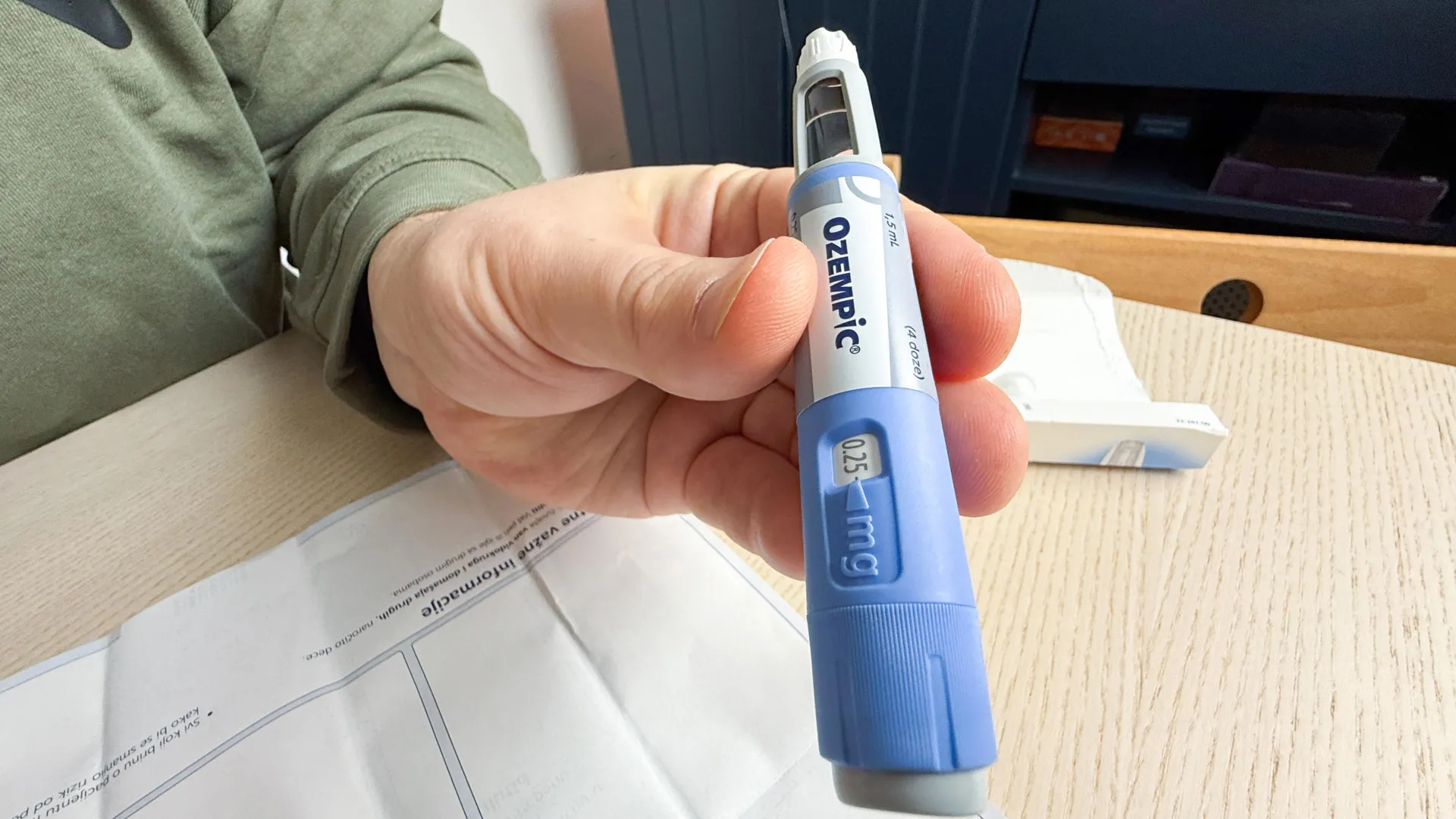
In a Swedish study of nearly 15,000 people with bipolar disorder, semaglutide use was associated with a 21% lower risk of psychiatric hospitalization. Researchers proposed anti-inflammatory and brain-related mechanisms, although other GLP-1 drugs did not show the same association.
8:59 AMScienceDaily
Americans age 65 and older have become the fastest-growing customer group for cosmetic surgery. The trend is expanding demand for antiaging procedures and creating opportunities for practices and businesses serving older patients.
6:58 AMMarketWatch
Researchers identified a strategy for attacking prostate tumors that evade treatment by changing their cellular identity. In preclinical experiments, combining two drug types reversed many of those changes and sharply slowed tumor growth.
6:46 AMScienceDaily
Arm's chief executive said current computing capacity is insufficient for modelling how a DNA marker responds to cancer, though he expects computers to eventually solve problems of this kind. The comments link progress in cancer research to the availability of advanced chips.
5:17 AMBBC
Biocon shares rose after the company secured a 10-year contract to supply pertuzumab in Brazil through a consortium with Bahiafarma and Bionovis. The agreement received full allocation under Brazil's PDP program and is expected to cover about 70% of public-sector demand.
1:48 AMEconomic TimesSummary
Spain's football federation will provide fertility support, including in vitro fertilization and egg freezing, to female players and referees. The benefit will include internationals who have been called up twice.
The policy shifts fertility care from an individual financial burden toward an employment and participation
Unlock the full First Pass Analysis to get a better understanding of why this story mattersWhy it matters
The move sets a higher standard for how sports organizations support women's careers and reproductive choices.
Summary
CDC data show that construction workers have suicide rates roughly four times the national average. Industry groups are expanding mental-health toolkits, training and other prevention efforts.
Construction's elevated suicide risk reflects a workplace culture and structure that can discourage help-seeking, including
Unlock the full First Pass Analysis to get a better understanding of why this story mattersWhy it matters
Construction companies face a severe, preventable workforce health crisis that requires operational changes, not just awareness campaigns.
Summary
The FDA warned an active pharmaceutical ingredient supplier after inspectors found residue on facility walls, a corroded production line, and workers wearing open-toed sandals. The warning included photographs documenting the conditions.
The findings point to weaknesses in basic manufacturing controls, not merely cosmetic violations. Until the
Unlock the full First Pass Analysis to get a better understanding of why this story mattersWhy it matters
Problems at an API supplier can spread through the drug supply chain even when finished products are made elsewhere.
Summary
Forus raised $150 million in a Series C round that values the healthcare technology company at $3 billion. The funding will support expansion of its AI platform, which coordinates medical prescription workflows, into more physician offices nationwide.
The round gives Forus the capital to move from product development into broader clinical deployment.
Unlock the full First Pass Analysis to get a better understanding of why this story mattersWhy it matters
Large funding and a multibillion-dollar valuation signal rising investor confidence in AI that automates regulated healthcare workflows.
Summary
Even a healthcare insider received an unexpected medical bill despite following her insurance procedures. Challenging the denial proved difficult because the insurer’s explanation was vague and difficult to contest.
Procedural compliance does not protect patients when insurers rely on opaque coverage decisions. The burden
Unlock the full First Pass Analysis to get a better understanding of why this story mattersWhy it matters
Opaque denials turn insurance into an administrative risk that patients often cannot price or manage in advance.
Summary
UnitedHealth executives have directed substantial political donations to a leading Democrat as lawmakers debate whether the No Surprises Act has increased health care spending. The overlap puts industry influence and surprise-billing policy in the same political fight.
The key shift is that a major health insurer’s political spending now faces scrutiny alongside
Unlock the full First Pass Analysis to get a better understanding of why this story mattersWhy it matters
The fight could reshape surprise-billing rules while intensifying scrutiny of insurers’ influence over Democratic health policy.
Summary
Boston Scientific said a cybersecurity incident has disrupted product shipments, forcing it to lower its full-year sales growth and earnings expectations. Novartis fell after a late-stage trial failure, while Intel rose on reports that it may increase chip prices next month.
The breach has moved beyond an IT problem and is now constraining Boston Scientific's ability
Unlock the full First Pass Analysis to get a better understanding of why this story mattersWhy it matters
Cyberattacks can quickly become supply-chain disruptions that damage both revenue and customer access.
Summary
In a Swedish study of nearly 15,000 people with bipolar disorder, semaglutide use was associated with a 21% lower risk of psychiatric hospitalization. Researchers proposed anti-inflammatory and brain-related mechanisms, although other GLP-1 drugs did not show the same association.
The result suggests semaglutide may have psychiatric effects beyond weight and glucose control, but the
Unlock the full First Pass Analysis to get a better understanding of why this story mattersWhy it matters
If confirmed, semaglutide could become relevant to a high-risk psychiatric population, but the evidence does not yet support changing bipolar treatment.
Summary
Americans age 65 and older have become the fastest-growing customer group for cosmetic surgery. The trend is expanding demand for antiaging procedures and creating opportunities for practices and businesses serving older patients.
Older adults are reshaping the cosmetic-surgery market as longer working lives, greater disposable income, and
Unlock the full First Pass Analysis to get a better understanding of why this story mattersWhy it matters
An aging population is becoming a major growth engine for elective medicine, not just a source of higher traditional healthcare costs.
Summary
Researchers identified a strategy for attacking prostate tumors that evade treatment by changing their cellular identity. In preclinical experiments, combining two drug types reversed many of those changes and sharply slowed tumor growth.
The approach targets the adaptability that allows some prostate cancers to escape conventional therapy, rather
Unlock the full First Pass Analysis to get a better understanding of why this story mattersWhy it matters
A therapy that blocks cellular escape routes could expand options for patients with aggressive prostate cancer after standard treatments fail.
Summary
Arm's chief executive said current computing capacity is insufficient for modelling how a DNA marker responds to cancer, though he expects computers to eventually solve problems of this kind. The comments link progress in cancer research to the availability of advanced chips.
The immediate constraint is compute, not a lack of promising medical questions or AI techniques.
Unlock the full First Pass Analysis to get a better understanding of why this story mattersWhy it matters
Limits in computing infrastructure may now slow medical breakthroughs as directly as limits in scientific knowledge.
Summary
Biocon shares rose after the company secured a 10-year contract to supply pertuzumab in Brazil through a consortium with Bahiafarma and Bionovis. The agreement received full allocation under Brazil's PDP program and is expected to cover about 70% of public-sector demand.
The contract gives Biocon long-term visibility in a large public healthcare market and reduces uncertainty
Unlock the full First Pass Analysis to get a better understanding of why this story mattersWhy it matters
A decade-long public supply agreement can strengthen Biocon's growth outlook while lowering access barriers for Brazilian patients.
Make it yours
Pick your topics, set your cadence, and receive your personalized First Pass in your inbox. It’s that simple!


