
Indonesia's benchmark stock index fell to its lowest level in six years as investors grew more concerned that MSCI could downgrade the market.
11:00 PMCNBC33 stories from 6 sources
Supporting Articles
Indonesia's benchmark stock index fell to its lowest level in six years as investors grew more concerned that MSCI could downgrade the market.
11:00 PMCNBC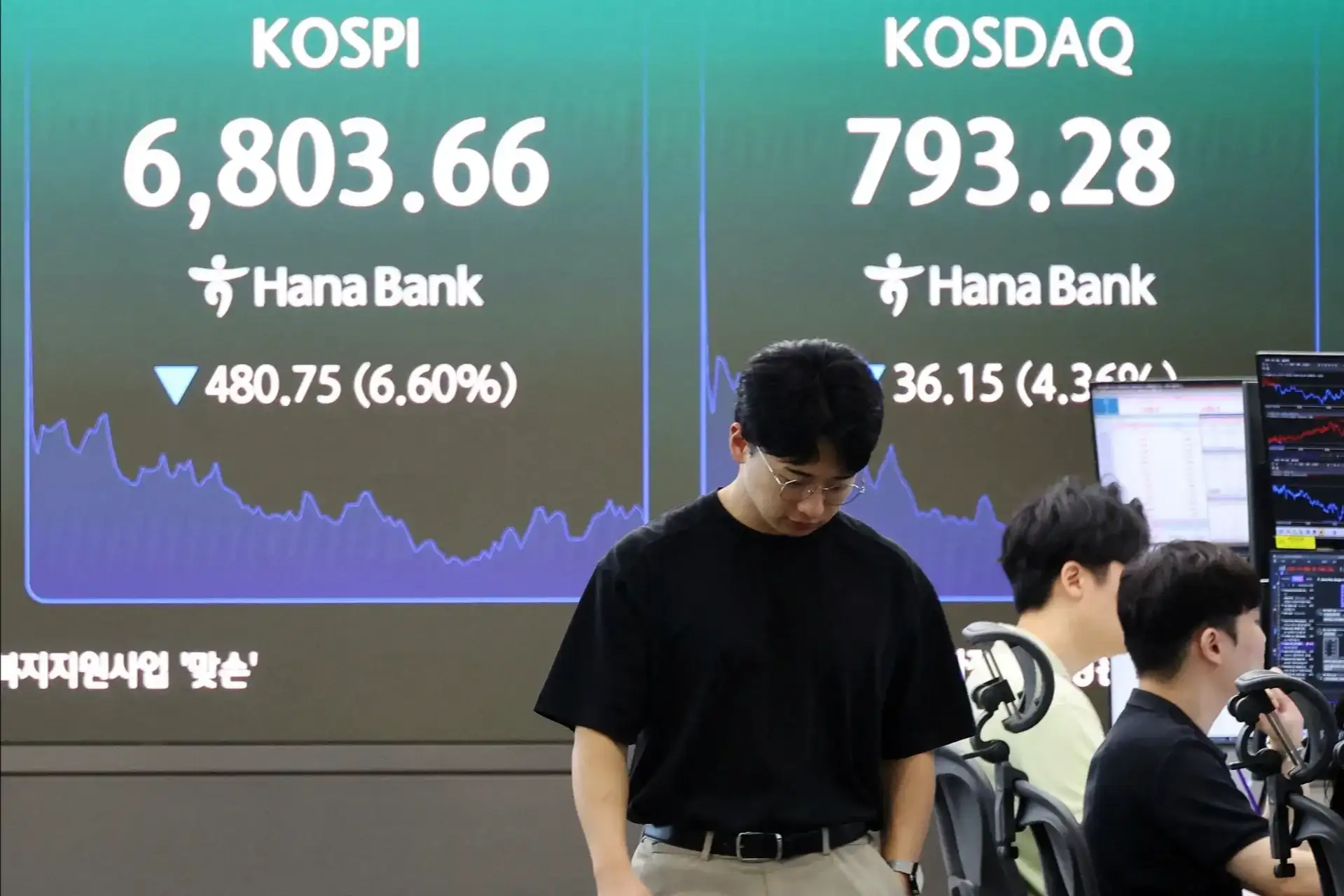
Asian shares declined as concerns over the scale and payoff of AI-related spending weakened investor sentiment. Falling oil prices provided some support to bonds and US stock futures after the United States moved to waive some sanctions on Russia, although the policy remained uncertain.
8:57 PMEconomic TimesUS stock futures rebounded after last week’s sharp selloff in chipmakers as investors shifted attention to corporate earnings and reassessed the artificial intelligence trade. Oil prices declined.
6:07 PMBloomberg Markets
Solid corporate earnings are supporting stocks even as higher bond yields raise financing costs and challenge the view that AI-related shares are insulated from interest-rate pressures.
11:01 AMMarketWatch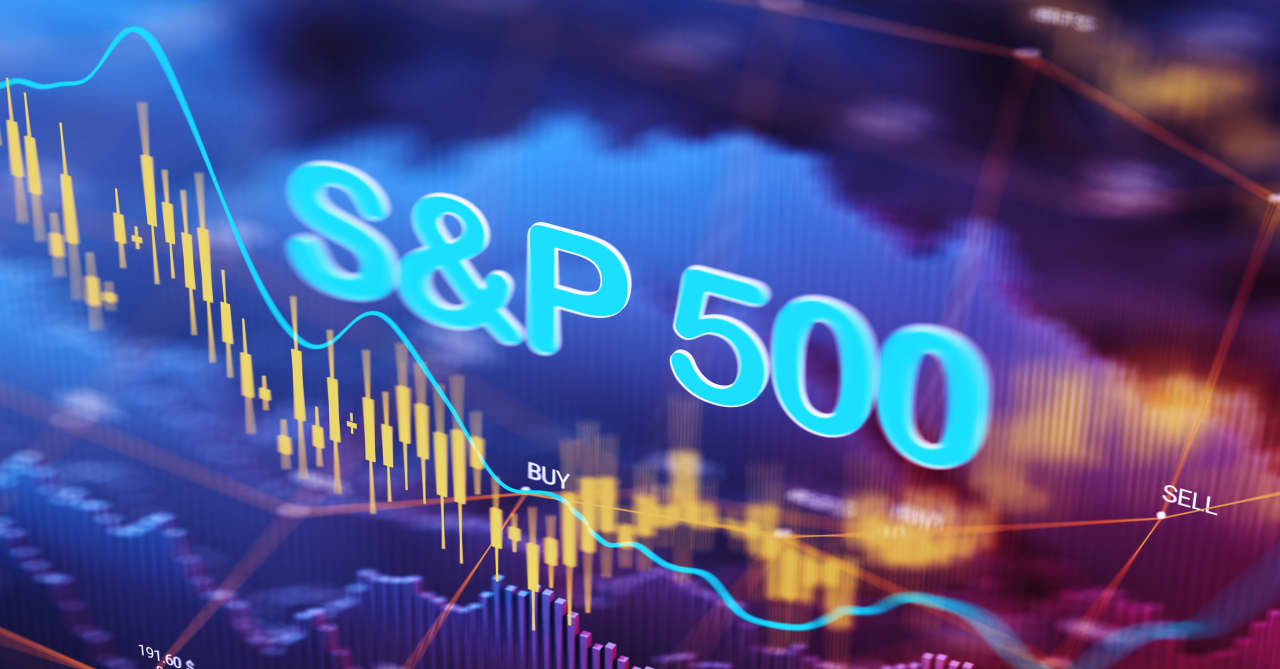
A triple-top reversal pattern is emerging in the S&P 500, suggesting the index could enter a prolonged period of underperformance.
8:00 AMMarketWatch
Jefferies strategist Chris Wood is urging investors to reduce concentration in AI-related stocks as earnings growth is expected to slow and valuations remain high. His Asia portfolio keeps semiconductor exposure while avoiding companies with the heaviest AI capital spending, with India, China and other Asian markets among the preferred areas.
3:31 AMEconomic Times
Foreign portfolio investors sold more than Rs 52,000 crore of Indian equities in October, exceeding September's outflows. The Nifty and Sensex nevertheless rebounded as domestic institutions bought heavily and IT stocks gained.
4:11 AMEconomic Times
Foreign portfolio investors have withdrawn Rs 52,100 crore from Indian equities in October, after selling Rs 35,861 crore in September. Higher US bond yields, elevated crude prices, and a stronger dollar have kept sentiment weak despite a brief buying session on October 16.
2:33 AMEconomic TimesUS Treasuries are showing early signs of regaining their traditional safe-haven role as doubts emerge around the AI-driven market trade. That rebound threatens investors positioned for a deeper bond-market selloff this year.
3:00 PMBloomberg MarketsThe Bank of England's deputy governor warned that hedge fund activity could increase the risk of a global bond market shock. The concern centers on how concentrated and leveraged positions may affect market stability.
2:13 AMCNBC
The Reserve Bank of India will inject up to 1 trillion rupees, or about $10.5 billion, through a repo operation. Traders expect the funds to help banks manage tax-related outflows as tighter cash reserve requirements reduce available liquidity.
11:33 PMEconomic Times
The rupee is expected to remain broadly steady during the holiday-shortened week, with oil prices and foreign capital flows driving trading. It gained about 2% last week to reach its strongest level since March at 94.96, while RBI measures continue to target currency stability and inflation risks.
10:56 PMEconomic Times
Former Reserve Bank of India governor D. Subbarao said the rupee should find its level based on economic fundamentals rather than being repeatedly supported through costly short-term measures. He attributed recent rupee gains to RBI steps that reduced dollar demand and argued that tax reforms are needed to attract foreign investment.
3:45 PMEconomic TimesJapanese Prime Minister Sanae Takaichi rejected claims that her policies are responsible for the weak yen and elevated interest rates.
10:15 PMBloomberg MarketsJapan's government plans to provide foreign investors with more information in English as it tries to address concerns about its fiscal management.
10:10 PMBloomberg Markets
The dollar edged higher in Asian trading as violent protests in France pressured the euro. Emerging-market currencies, including the Indonesian rupiah, also weakened, while lower oil prices and upcoming Federal Reserve and European Central Bank meetings kept investors cautious.
10:05 PMEconomic TimesThe euro weakened against most major currencies as rising tensions linked to Russia and widespread protests in France undermined confidence in the currency.
7:17 PMBloomberg Markets
Gold edged higher in Asian trading as investors assessed the outlook for Federal Reserve policy amid inflation concerns and rising import costs. Geopolitical unrest in the Middle East also supported market caution.
10:09 PMEconomic Times
Central banks are reassessing how they hold gold, weighing custody risk, physical access, and market liquidity as geopolitical uncertainty rises.
7:29 PMFortuneSummary
Indonesia's benchmark stock index fell to its lowest level in six years as investors grew more concerned that MSCI could downgrade the market.
The prospect of a downgrade is increasing the risk of forced selling by funds that
Unlock the full First Pass Analysis to get a better understanding of why this story mattersWhy it matters
An MSCI downgrade could turn investor concern into a mechanical and potentially prolonged withdrawal of foreign capital.
2 stories · 2 sources
Summary
Asian shares declined as concerns over the scale and payoff of AI-related spending weakened investor sentiment. Falling oil prices provided some support to bonds and US stock futures after the United States moved to waive some sanctions on Russia, although the policy remained uncertain.
The market is beginning to question whether AI investment can justify current valuations, making technology-heavy
Unlock the full First Pass Analysis to get a better understanding of why this story mattersWhy it matters
A shift from enthusiasm to scrutiny around AI spending could broaden the market's retreat beyond technology stocks.
Summary
US stock futures rebounded after last week’s sharp selloff in chipmakers as investors shifted attention to corporate earnings and reassessed the artificial intelligence trade. Oil prices declined.
The bounce reflects a pause in forced or crowded selling, not a resolution of concerns
Unlock the full First Pass Analysis to get a better understanding of why this story mattersWhy it matters
A narrow group of AI-linked stocks still drives broad market sentiment, leaving indexes exposed to disappointing earnings or guidance.
Summary
Solid corporate earnings are supporting stocks even as higher bond yields raise financing costs and challenge the view that AI-related shares are insulated from interest-rate pressures.
Rising yields are becoming a direct valuation constraint, even for companies delivering strong earnings growth.
Unlock the full First Pass Analysis to get a better understanding of why this story mattersWhy it matters
The market's next direction may depend on whether profit growth can outpace the valuation damage caused by higher borrowing costs.
Summary
A triple-top reversal pattern is emerging in the S&P 500, suggesting the index could enter a prolonged period of underperformance.
The warning is that internal rotation may be weakening the market before the headline index
Unlock the full First Pass Analysis to get a better understanding of why this story mattersWhy it matters
Investors may face broader weakness even if the S&P 500 initially appears stable.
Summary
Jefferies strategist Chris Wood is urging investors to reduce concentration in AI-related stocks as earnings growth is expected to slow and valuations remain high. His Asia portfolio keeps semiconductor exposure while avoiding companies with the heaviest AI capital spending, with India, China and other Asian markets among the preferred areas.
The shift reflects a move from broad AI enthusiasm toward selective exposure to the companies
Unlock the full First Pass Analysis to get a better understanding of why this story mattersWhy it matters
A rotation away from AI leaders could reshape global equity flows and widen the performance gap between technology beneficiaries.
Summary
Foreign portfolio investors sold more than Rs 52,000 crore of Indian equities in October, exceeding September's outflows. The Nifty and Sensex nevertheless rebounded as domestic institutions bought heavily and IT stocks gained.
Domestic liquidity is offsetting the foreign withdrawal, preventing global risk pressures from translating into an
Unlock the full First Pass Analysis to get a better understanding of why this story mattersWhy it matters
The market is holding up, but its resilience now rests more on domestic investors than on global capital.
Summary
Foreign portfolio investors have withdrawn Rs 52,100 crore from Indian equities in October, after selling Rs 35,861 crore in September. Higher US bond yields, elevated crude prices, and a stronger dollar have kept sentiment weak despite a brief buying session on October 16.
The second consecutive month of heavy selling points to a broader reversal in foreign risk
Unlock the full First Pass Analysis to get a better understanding of why this story mattersWhy it matters
Sustained FPI outflows can pressure the rupee, liquidity, and market valuations at the same time.
Summary
US Treasuries are showing early signs of regaining their traditional safe-haven role as doubts emerge around the AI-driven market trade. That rebound threatens investors positioned for a deeper bond-market selloff this year.
The immediate shift is a potential rotation from crowded bearish Treasury positions back into government
Unlock the full First Pass Analysis to get a better understanding of why this story mattersWhy it matters
A renewed Treasury haven bid could turn a crowded bond short into a source of rapid market volatility.
Summary
The Bank of England's deputy governor warned that hedge fund activity could increase the risk of a global bond market shock. The concern centers on how concentrated and leveraged positions may affect market stability.
Hedge fund positioning could amplify a bond selloff by forcing rapid deleveraging when prices move
Unlock the full First Pass Analysis to get a better understanding of why this story mattersWhy it matters
A disruption in leveraged bond trading could spread quickly through global financial markets.
Summary
The Reserve Bank of India will inject up to 1 trillion rupees, or about $10.5 billion, through a repo operation. Traders expect the funds to help banks manage tax-related outflows as tighter cash reserve requirements reduce available liquidity.
The RBI is offsetting a temporary funding squeeze without reversing its broader liquidity stance. Banks
Unlock the full First Pass Analysis to get a better understanding of why this story mattersWhy it matters
The move supports financial stability while signaling that the RBI wants tighter liquidity to remain compatible with orderly credit markets.
Summary
The rupee is expected to remain broadly steady during the holiday-shortened week, with oil prices and foreign capital flows driving trading. It gained about 2% last week to reach its strongest level since March at 94.96, while RBI measures continue to target currency stability and inflation risks.
The rupee's rebound has shifted attention from immediate depreciation risk to whether the gains can
Unlock the full First Pass Analysis to get a better understanding of why this story mattersWhy it matters
Currency resilience can give the RBI more room to manage inflation, but it also leaves markets sensitive to oil and capital-flow reversals.
Summary
Former Reserve Bank of India governor D. Subbarao said the rupee should find its level based on economic fundamentals rather than being repeatedly supported through costly short-term measures. He attributed recent rupee gains to RBI steps that reduced dollar demand and argued that tax reforms are needed to attract foreign investment.
The central issue is whether intervention can offset persistent structural pressure from capital outflows. Subbarao's
Unlock the full First Pass Analysis to get a better understanding of why this story mattersWhy it matters
A fundamentals-led rupee could mean more currency volatility unless India improves its ability to attract and retain foreign capital.
Summary
Japanese Prime Minister Sanae Takaichi rejected claims that her policies are responsible for the weak yen and elevated interest rates.
The denial signals growing political sensitivity to the market costs of Japan's policy mix. Investors
Unlock the full First Pass Analysis to get a better understanding of why this story mattersWhy it matters
Japan's policy credibility is becoming a direct market variable for the yen and government bonds.
Summary
Japan's government plans to provide foreign investors with more information in English as it tries to address concerns about its fiscal management.
The outreach acknowledges that investor distrust is partly a communication problem, but clearer explanations will
Unlock the full First Pass Analysis to get a better understanding of why this story mattersWhy it matters
Japan is trying to prevent uncertainty over fiscal policy from raising borrowing costs and weakening demand for its assets.
Summary
The dollar edged higher in Asian trading as violent protests in France pressured the euro. Emerging-market currencies, including the Indonesian rupiah, also weakened, while lower oil prices and upcoming Federal Reserve and European Central Bank meetings kept investors cautious.
Political instability is adding a fresh risk premium to the euro just as markets await
Unlock the full First Pass Analysis to get a better understanding of why this story mattersWhy it matters
European political risk and shifting energy-market expectations are reinforcing defensive positioning across currencies and emerging markets.
Summary
The euro weakened against most major currencies as rising tensions linked to Russia and widespread protests in France undermined confidence in the currency.
The euro is absorbing both external security risk and renewed domestic political uncertainty. That combination
Unlock the full First Pass Analysis to get a better understanding of why this story mattersWhy it matters
Political risk is becoming an additional drag on the euro beyond the region’s economic and monetary outlook.
Summary
Gold edged higher in Asian trading as investors assessed the outlook for Federal Reserve policy amid inflation concerns and rising import costs. Geopolitical unrest in the Middle East also supported market caution.
Gold's advance reflects competing forces: higher rate expectations weigh on the metal, while inflation and
Unlock the full First Pass Analysis to get a better understanding of why this story mattersWhy it matters
Gold is pricing a tug-of-war between higher real rates and renewed demand for safe-haven assets.
2 stories · 2 sources
Summary
Central banks are reassessing how they hold gold, weighing custody risk, physical access, and market liquidity as geopolitical uncertainty rises.
Reserve management now involves not only how much gold to own, but also where it
Unlock the full First Pass Analysis to get a better understanding of why this story mattersWhy it matters
Central-bank reserve shifts can support lasting gold demand while reducing reliance on concentrated custodial and currency arrangements.
A curated list of other prominent stories from this day.
Vietnam plans to launch stock-index options in the first quarter of next year as it seeks to deepen its capital markets and attract more overseas investors after an equity-market upgrade.
11:25 PMBloomberg MarketsReserve Bank of Australia Assistant Governor Christopher Kent said labor-market conditions are weakening faster than the central bank expected. The shift complicates efforts to contain inflation without sacrificing employment gains.
9:52 PMBloomberg MarketsNew Zealand's trade deficit with China widened in the year through September, driven partly by increased imports of electric vehicles and mobile phones.
9:14 PMBloomberg MarketsThe article examines the speed of Friday’s market selloff, asks why buyers disappeared, and presents a case for taking the opposite side of the decline.
6:23 PMCNBCOil prices fell from a five-month high as traders balanced renewed Middle East fighting against evidence that regional supply remains close to pre-war levels.
6:02 PMBloomberg MarketsKioxia shares face further pressure from investors who borrowed to buy the stock and may now be forced to sell at a loss as prices fall.
5:00 PMBloomberg MarketsCopper has surged as traders repositioned global inventories ahead of possible US tariffs under Donald Trump. With no clear sign that tariffs will arrive, investors increasingly fear that the rally could reverse.
4:00 PMBloomberg Markets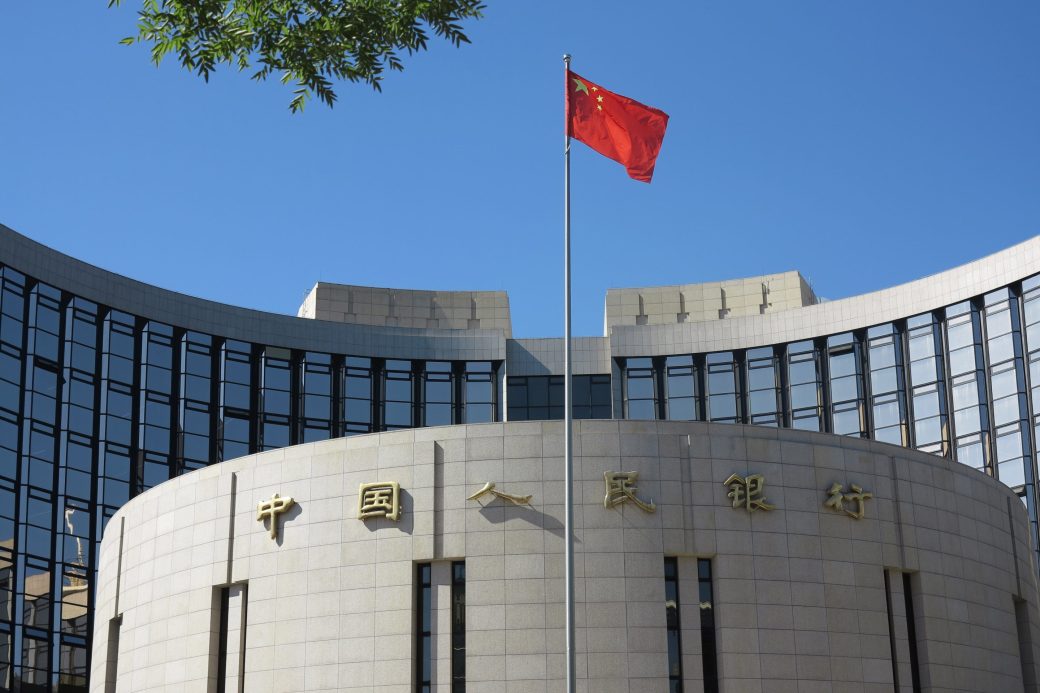
China’s reported holdings of US Treasuries are falling, while Canada’s holdings rose to $465 billion in August from $169 billion five years earlier. The divergence raises the possibility that some Chinese Treasury exposure is being held through Canadian accounts or custodians.
1:58 PMFortune
A survey of 94 economists finds that artificial intelligence could deliver broad economic gains extending well beyond the United States and China. The expected benefits suggest AI's impact may spread across the global economy rather than remain concentrated in its leading technology markets.
12:00 AMFinancial TimesSummary
Vietnam plans to launch stock-index options in the first quarter of next year as it seeks to deepen its capital markets and attract more overseas investors after an equity-market upgrade.
The options market would give foreign investors a tool to hedge exposure and could improve
Unlock the full First Pass Analysis to get a better understanding of why this story mattersWhy it matters
Derivatives could help Vietnam convert its market-status upgrade into more durable foreign investment.
Summary
Reserve Bank of Australia Assistant Governor Christopher Kent said labor-market conditions are weakening faster than the central bank expected. The shift complicates efforts to contain inflation without sacrificing employment gains.
A faster labor-market slowdown increases the case for a less restrictive policy stance, especially if
Unlock the full First Pass Analysis to get a better understanding of why this story mattersWhy it matters
A sharper employment slowdown could bring forward expectations for Australian rate cuts.
Summary
New Zealand's trade deficit with China widened in the year through September, driven partly by increased imports of electric vehicles and mobile phones.
The figures show Chinese manufactured goods gaining ground in New Zealand's consumer market while bilateral
Unlock the full First Pass Analysis to get a better understanding of why this story mattersWhy it matters
The widening gap underscores how Chinese manufacturing is reshaping New Zealand's trade position.
Summary
The article examines the speed of Friday’s market selloff, asks why buyers disappeared, and presents a case for taking the opposite side of the decline.
The contrarian case depends on forced selling and weak liquidity having driven the break rather
Unlock the full First Pass Analysis to get a better understanding of why this story mattersWhy it matters
The key market question is whether Friday marked a temporary liquidation event or the start of a broader repricing.
Summary
Oil prices fell from a five-month high as traders balanced renewed Middle East fighting against evidence that regional supply remains close to pre-war levels.
Physical supply has so far resisted the escalation, limiting the risk premium that pushed prices
Unlock the full First Pass Analysis to get a better understanding of why this story mattersWhy it matters
Oil prices are being driven less by current shortages than by the possibility that regional conflict could create one.
Summary
Kioxia shares face further pressure from investors who borrowed to buy the stock and may now be forced to sell at a loss as prices fall.
Leveraged positions can turn a normal decline into a self-reinforcing selloff as margin calls trigger
Unlock the full First Pass Analysis to get a better understanding of why this story mattersWhy it matters
Kioxia shows how leverage can amplify losses and overwhelm fundamental support in a crowded trade.
Summary
Copper has surged as traders repositioned global inventories ahead of possible US tariffs under Donald Trump. With no clear sign that tariffs will arrive, investors increasingly fear that the rally could reverse.
The rally now depends less on physical demand than on a policy trade that has
Unlock the full First Pass Analysis to get a better understanding of why this story mattersWhy it matters
A tariff-driven copper rally is vulnerable because its central catalyst remains speculative.
Summary
China’s reported holdings of US Treasuries are falling, while Canada’s holdings rose to $465 billion in August from $169 billion five years earlier. The divergence raises the possibility that some Chinese Treasury exposure is being held through Canadian accounts or custodians.
The key change is not necessarily a reduction in Chinese demand, but greater uncertainty over
Unlock the full First Pass Analysis to get a better understanding of why this story mattersWhy it matters
Opaque custody chains make it harder to judge whether China is truly reducing its exposure to US government debt.
Summary
A survey of 94 economists finds that artificial intelligence could deliver broad economic gains extending well beyond the United States and China. The expected benefits suggest AI's impact may spread across the global economy rather than remain concentrated in its leading technology markets.
The key shift is from AI as a US-China growth story to a potential global
Unlock the full First Pass Analysis to get a better understanding of why this story mattersWhy it matters
A broadly distributed AI productivity shock would reshape global growth prospects, trade competitiveness, and the gap between countries.
Make it yours
Pick your topics, set your cadence, and receive your personalized First Pass in your inbox. It’s that simple!