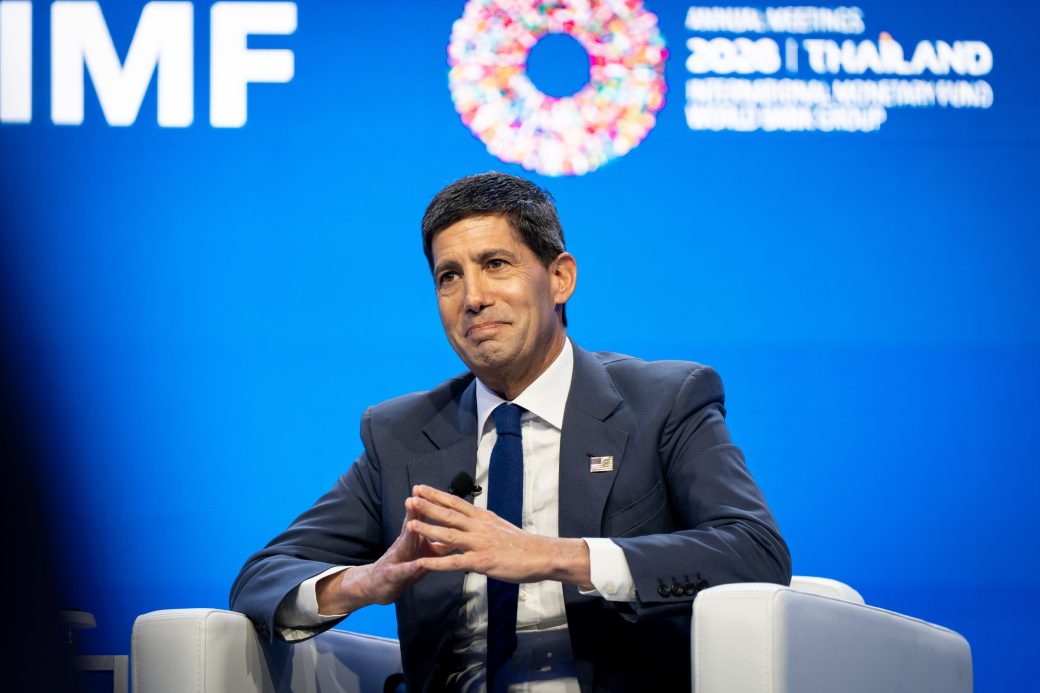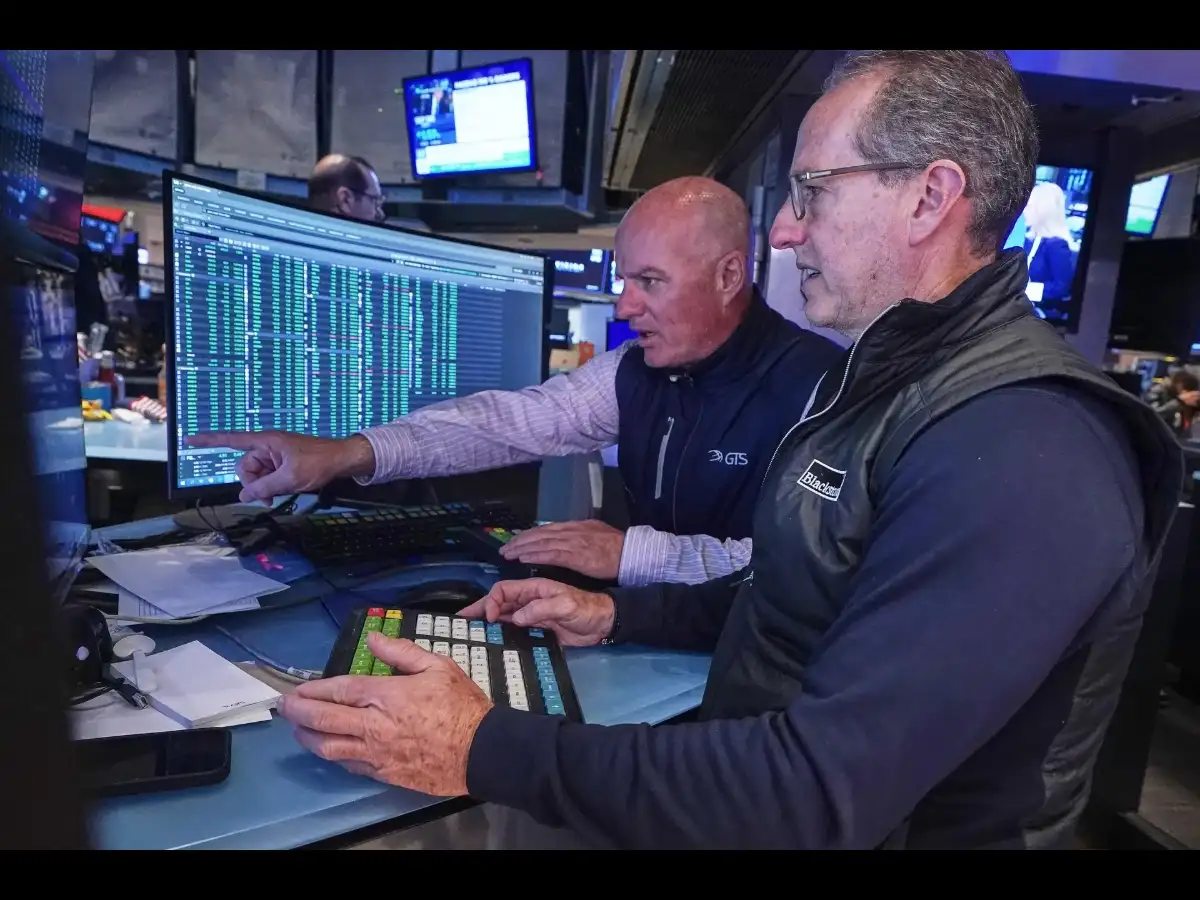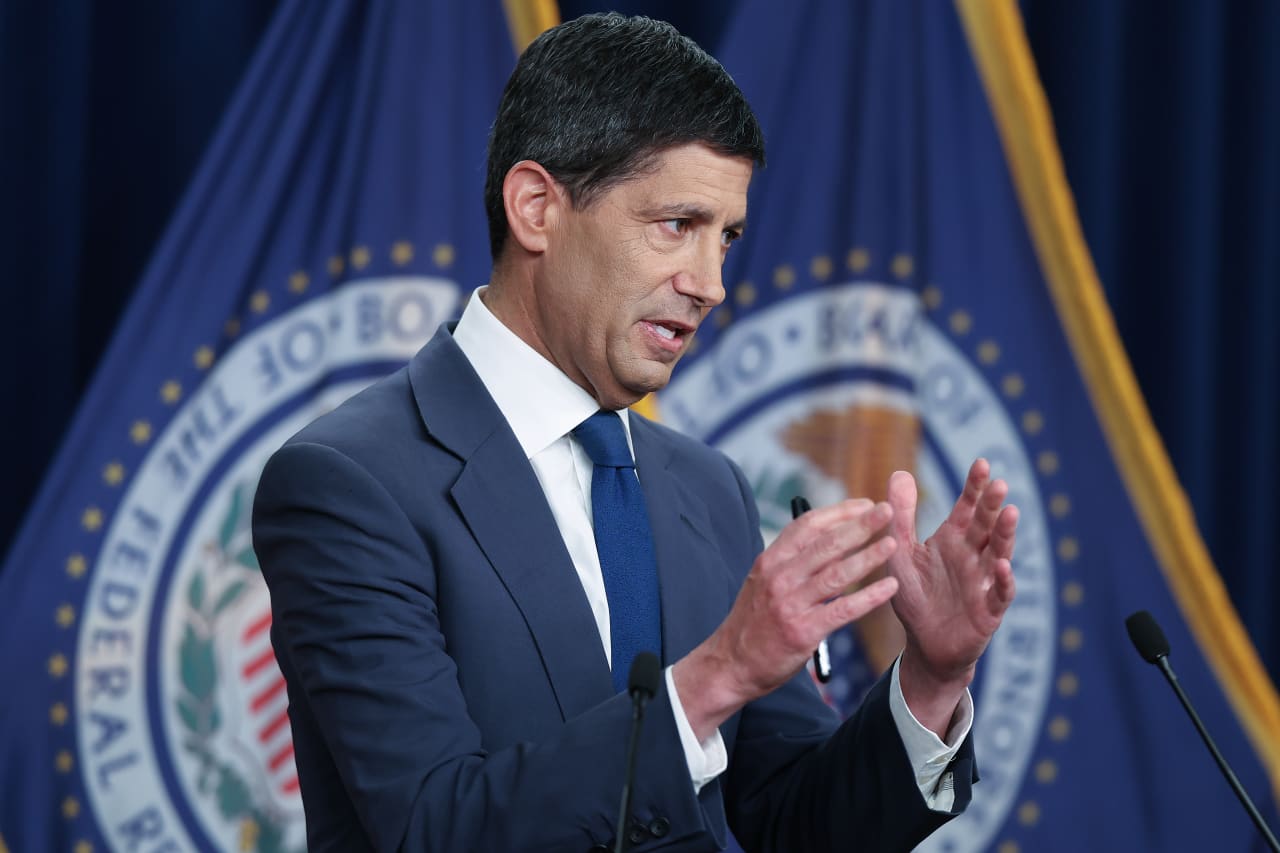
Investors are shifting attention to quarterly earnings after declines in AI-linked and semiconductor stocks weakened confidence in the rally. Results from companies including Meta Platforms, Tesla, and SpaceX, along with updates from hyperscalers, will test whether heavy AI infrastructure spending can produce sustainable profits.
11:59 PMEconomic Times96 stories from 8 sources
AI repricing collides with an oil shock and fiscal strain
Day’s Recap
Supporting Articles

Chinese companies have become the biggest losers as the global AI investment trade loses momentum. The setback weakens Beijing's effort to use equity markets to support its drive for technological leadership.
8:00 PMBloomberg MarketsSoftware and semiconductor stocks fell together Friday as investors reacted to renewed concerns about artificial-intelligence valuations and interest rates. The synchronized decline broke with their more separate trading patterns earlier this year.
5:59 PMMarketWatchTechnical indicators for the Nasdaq Composite suggest that the recent technology-stock decline may not be finished. The market's momentum and chart patterns argue against treating the selloff as an immediate buying opportunity.
4:58 PMMarketWatchUS stocks fell sharply as renewed pressure on AI-related technology shares collided with a surge in oil prices. Concerns about debt-heavy AI infrastructure companies and higher borrowing costs weighed on the S&P 500, Dow Jones, and Nasdaq.
4:08 PMEconomic TimesUS stocks opened little changed as investors remained concerned about the impact of the artificial intelligence boom on semiconductor valuations, while Tesla shares rose.
9:45 AMEconomic Times
A sell-off in AI-related stocks pushed the VIX above 22, its highest level in four months. Options activity indicates that traders are positioning for further volatility.
3:28 PMCNBC
Decisions by Australian data centre groups Firmus and AirTrunk have intensified concerns about the scale of borrowing behind the AI buildout. Their moves have helped trigger a broader reassessment of data centre listings and AI-related financing.
12:54 AMFinancial Times
Investors are confronting two risks at once: a deepening selloff in AI-related assets that has reached debt markets, and oil prices rising to $110 a barrel. The combination threatens to weaken growth expectations while making inflation harder to control.
4:31 PMBloomberg Markets
Oil prices surged on Friday as Iran intensified attacks around the Strait of Hormuz. Ukraine also threatened strikes on Russian refineries, adding another risk to global energy supplies.
4:02 PMCNBC
The U.S. Treasury reported a fiscal 2026 budget deficit approaching $2 trillion, a 12% increase from the previous year. The data underscore the widening gap between federal spending and revenue.
6:34 PMCNBC
With U.S. federal debt above $40 trillion, the IMF chief warned that stronger economic growth by itself will not resolve the fiscal imbalance. The warning contrasts with Treasury Secretary Scott Bessent's view that the country can grow its way out of the debt burden.
5:57 PMFortuneTreasury yields did not rise after hotter-than-expected consumer and producer inflation data. Bond buyers instead stepped in, suggesting that current yields have become attractive enough to absorb the inflation shock.
5:30 PMMarketWatch
Treasury yields have fallen from their highest levels in decades as investors seek the safety of government debt, putting U.S. bonds on course for their strongest week since February.
4:42 PMFinancial Times
The dollar weakened after Kevin Warsh declined to indicate that the Federal Reserve would raise rates again in October. His comments came as recent inflation data had increased expectations of consecutive rate increases.
2:37 AMFinancial Times
S&P 500 stocks outside the artificial-intelligence trade are on pace for their second-largest weekly outperformance since 2024. Market gains are spreading beyond the narrow group that has led much of the rally.
12:38 PMCNBC
Stocks stabilized as investors bought the dip and shifted money away from technology shares. Markets also responded favorably to Federal Reserve Chair Kevin Warsh's IMF speech, particularly to the absence of signals that would worsen policy concerns.
5:45 AMFortune
Treasury-bill yields have risen sharply as heavy new issuance tests investor demand, while overnight repo markets remain calm. The divergence has raised questions about whether pressure in short-term government debt could spread into broader funding markets.
3:02 PMBloomberg Markets
China's official gold purchases reflect an effort to reduce reliance on US dollar assets, according to experts. The buying also supports diversification amid geopolitical and financial uncertainty.
7:38 AMAl JazeeraWall Street Week Ahead: As AI rally wobbles, stock market's spotlight turns to earnings
Summary
Investors are shifting attention to quarterly earnings after declines in AI-linked and semiconductor stocks weakened confidence in the rally. Results from companies including Meta Platforms, Tesla, and SpaceX, along with updates from hyperscalers, will test whether heavy AI infrastructure spending can produce sustainable profits.
Earnings will determine whether the AI selloff reflects temporary positioning or a deeper challenge to
Unlock the full First Pass Analysis to get a better understanding of why this story mattersWhy it matters
The next earnings cycle must justify the cost of the AI buildout or risk turning a wobble in technology shares into a wider market reset.

Chinese Stocks Turn Biggest Losers as Global AI Trade Stumbles
Summary
Chinese companies have become the biggest losers as the global AI investment trade loses momentum. The setback weakens Beijing's effort to use equity markets to support its drive for technological leadership.
The shift from AI-driven gains to losses is hitting Chinese stocks harder than other markets,
Unlock the full First Pass Analysis to get a better understanding of why this story mattersWhy it matters
A cooling global AI trade threatens both Chinese equity returns and the financing engine behind Beijing's technology strategy.
Nowhere to hide: Tech selloff hits software and chip stocks alike
Summary
Software and semiconductor stocks fell together Friday as investors reacted to renewed concerns about artificial-intelligence valuations and interest rates. The synchronized decline broke with their more separate trading patterns earlier this year.
The selloff shows that AI exposure and rate sensitivity are now working as a broader
Unlock the full First Pass Analysis to get a better understanding of why this story mattersWhy it matters
A synchronized tech decline raises the risk that portfolio diversification within the sector offers less protection than investors expect.
2 stories · 2 sources
Don’t buy this dip: Several signs suggest there’s more pain ahead for tech stocks
Summary
Technical indicators for the Nasdaq Composite suggest that the recent technology-stock decline may not be finished. The market's momentum and chart patterns argue against treating the selloff as an immediate buying opportunity.
The decisive shift is from a routine pullback to a market with deteriorating technical momentum.
Unlock the full First Pass Analysis to get a better understanding of why this story mattersWhy it matters
A weak technical setup can turn dip-buying into forced selling if investors enter before the market finds a durable floor.
US stocks: US market ends down sharply; worries about AI trade and high oil prices weigh
Summary
US stocks fell sharply as renewed pressure on AI-related technology shares collided with a surge in oil prices. Concerns about debt-heavy AI infrastructure companies and higher borrowing costs weighed on the S&P 500, Dow Jones, and Nasdaq.
The selloff reflects a simultaneous hit to growth expectations and financing conditions. Expensive AI projects
Unlock the full First Pass Analysis to get a better understanding of why this story mattersWhy it matters
The market is repricing both AI earnings potential and the cost of funding the infrastructure behind it.
US stocks: S&P 500 muted as AI concerns hit chip stocks; bank gains lift Dow
Summary
US stocks opened little changed as investors remained concerned about the impact of the artificial intelligence boom on semiconductor valuations, while Tesla shares rose.
The market is testing whether AI-linked enthusiasm can justify elevated chip prices as expectations become
Unlock the full First Pass Analysis to get a better understanding of why this story mattersWhy it matters
Persistent semiconductor jitters could broaden from a sector concern into a test of the market's AI-driven rally.

Wall Street's fear gauge is ripping. Traders see it going even higher
Summary
A sell-off in AI-related stocks pushed the VIX above 22, its highest level in four months. Options activity indicates that traders are positioning for further volatility.
The move signals that investors are no longer treating the AI decline as an isolated
Unlock the full First Pass Analysis to get a better understanding of why this story mattersWhy it matters
Rising volatility can become a market mechanism that deepens losses even after the original AI shock fades.

The data centre IPO debacle that sparked a market meltdown
Summary
Decisions by Australian data centre groups Firmus and AirTrunk have intensified concerns about the scale of borrowing behind the AI buildout. Their moves have helped trigger a broader reassessment of data centre listings and AI-related financing.
The episode has made data centre debt and IPO valuations a market-wide concern rather than
Unlock the full First Pass Analysis to get a better understanding of why this story mattersWhy it matters
If data centre financing loses credibility, the AI boom could confront a capital constraint before it reaches its planned scale.

Wall Street Anxiety Spreads as AI Rout Meets $110 Oil Shock
Summary
Investors are confronting two risks at once: a deepening selloff in AI-related assets that has reached debt markets, and oil prices rising to $110 a barrel. The combination threatens to weaken growth expectations while making inflation harder to control.
The market's concern has shifted from an isolated AI valuation reset to a broader test
Unlock the full First Pass Analysis to get a better understanding of why this story mattersWhy it matters
A simultaneous technology selloff and energy shock could tighten financial conditions even as inflation worsens.

Brent oil touches $110 as Iran escalates Hormuz attacks, Ukraine vows to hit Russian refineries
Summary
Oil prices surged on Friday as Iran intensified attacks around the Strait of Hormuz. Ukraine also threatened strikes on Russian refineries, adding another risk to global energy supplies.
The escalation turns geopolitical threats into a direct energy-market shock by putting one of the
Unlock the full First Pass Analysis to get a better understanding of why this story mattersWhy it matters
A widening conflict now threatens both oil transportation through Hormuz and Russia's ability to process crude.

U.S. budget deficit swells to almost $2 trillion for fiscal 2026, up 12% in a single year
Summary
The U.S. Treasury reported a fiscal 2026 budget deficit approaching $2 trillion, a 12% increase from the previous year. The data underscore the widening gap between federal spending and revenue.
The larger deficit adds to the supply of U.S. government debt that markets must absorb,
Unlock the full First Pass Analysis to get a better understanding of why this story mattersWhy it matters
A wider U.S. deficit can raise global borrowing costs and reshape expectations for rates, bonds and the dollar.

With U.S. debt above $40 trillion, the IMF chief warns that economic growth alone won’t solve the problem
Summary
With U.S. federal debt above $40 trillion, the IMF chief warned that stronger economic growth by itself will not resolve the fiscal imbalance. The warning contrasts with Treasury Secretary Scott Bessent's view that the country can grow its way out of the debt burden.
The core disagreement is whether growth can outpace the government's rising interest and spending obligations.
Unlock the full First Pass Analysis to get a better understanding of why this story mattersWhy it matters
The dispute points to mounting pressure for fiscal changes that could affect interest rates, government spending, and investor confidence in U.S. debt.
The bond market shrugged off two inflation shocks. Why stock investors should pay attention.
Summary
Treasury yields did not rise after hotter-than-expected consumer and producer inflation data. Bond buyers instead stepped in, suggesting that current yields have become attractive enough to absorb the inflation shock.
The bond market's response points to a potential ceiling for yields, even as inflation remains
Unlock the full First Pass Analysis to get a better understanding of why this story mattersWhy it matters
Bond demand is offering equity investors a possible stabilizing force, while also warning that markets see economic risks beneath the inflation data.

Big Tech stocks suffer biggest weekly drop since ‘liberation day’
Summary
Treasury yields have fallen from their highest levels in decades as investors seek the safety of government debt, putting U.S. bonds on course for their strongest week since February.
Concerns about the durability of the AI-led equity rally have interrupted the bond selloff and
Unlock the full First Pass Analysis to get a better understanding of why this story mattersWhy it matters
The bond reversal shows that technology-sector stress is beginning to affect broader asset allocation.

Bets on Fed rate hold in October strengthen after Warsh comments
Summary
The dollar weakened after Kevin Warsh declined to indicate that the Federal Reserve would raise rates again in October. His comments came as recent inflation data had increased expectations of consecutive rate increases.
The dollar's decline reflects a reset in expectations for the Fed's near-term path rather than
Unlock the full First Pass Analysis to get a better understanding of why this story mattersWhy it matters
A softer dollar can support emerging markets and commodities, but it may also complicate the Fed's effort to keep financial conditions restrictive.

Anything not tied to artificial intelligence took off this week
Summary
S&P 500 stocks outside the artificial-intelligence trade are on pace for their second-largest weekly outperformance since 2024. Market gains are spreading beyond the narrow group that has led much of the rally.
The decisive shift is a broadening of market leadership away from AI-linked stocks. That rotation
Unlock the full First Pass Analysis to get a better understanding of why this story mattersWhy it matters
Broader participation would make the equity rally more resilient and expose fewer portfolios to a reversal in AI valuations.

The bloodletting in stocks is stanched as investors buy the dip and rotate out of tech
Summary
Stocks stabilized as investors bought the dip and shifted money away from technology shares. Markets also responded favorably to Federal Reserve Chair Kevin Warsh's IMF speech, particularly to the absence of signals that would worsen policy concerns.
The rebound reflects a change in positioning rather than a clear improvement in the macro
Unlock the full First Pass Analysis to get a better understanding of why this story mattersWhy it matters
The market is rotating beneath the surface, with policy expectations and tech valuations now driving the next leg of equity performance.

Funding Markets Diverge as T-Bills Cheapen, Overnight Repo Calm
Summary
Treasury-bill yields have risen sharply as heavy new issuance tests investor demand, while overnight repo markets remain calm. The divergence has raised questions about whether pressure in short-term government debt could spread into broader funding markets.
The stress is concentrated in Treasury-bill absorption rather than overnight liquidity for now. That distinction
Unlock the full First Pass Analysis to get a better understanding of why this story mattersWhy it matters
A localized supply shock in T-bills could become a wider funding problem if market liquidity deteriorates.

Why is China buying up gold?
Summary
China's official gold purchases reflect an effort to reduce reliance on US dollar assets, according to experts. The buying also supports diversification amid geopolitical and financial uncertainty.
China is steadily shifting part of its reserve strategy away from dollar exposure and toward
Unlock the full First Pass Analysis to get a better understanding of why this story mattersWhy it matters
China's reserve diversification links gold demand to geopolitics, not just inflation or investor sentiment.
Other Developments
A curated list of other prominent stories from this day.

Vietnam’s Prime Minister Le Minh Hung set a target of at least 10% GDP growth for 2027 in an address to parliament outlining the country’s economic priorities.
11:03 PMBloomberg Markets
Wells Fargo economist Tom Porcelli says US consumers are under pressure from weak wage growth but continue to spend. He attributes their resilience partly to a wealth effect that is supporting confidence.
3:37 PMBloomberg MarketsAs Chairman Kevin Warsh considers changes to the Federal Reserve's communication strategy, the article argues that the central bank's dot plot is a prime candidate for revision. The proposal focuses on how the Fed presents its economic and interest-rate outlook.
1:07 PMMarketWatch
Bank of America sees the near-term case against stocks strengthening and recommends a risk-off stance for the coming month.
10:16 AMCNBC
Hong Kong Exchanges and Clearing has confirmed broad support for moving the Hong Kong cash market to next-day settlement and released a transition roadmap.
9:53 AMFinextra
Hong Kong Exchanges and Clearing has published a timetable for shifting securities transactions to next-day settlement. The roadmap sets out the operational path toward T+1 processing in Hong Kong.
7:31 AMFinextraThe Indian rupee gained 1.9% over the week to close at 94.96 per dollar, its strongest weekly performance in seven months. Reserve Bank of India measures reduced dollar demand, while a weaker US dollar supported the move despite corporate buying.
9:14 AMEconomic Times
Indonesia's sovereign investment vehicle Danantara plans to commit $5 billion to domestic companies, with its investment chief arguing that consumer stocks are undervalued. The effort comes as a proposed standalone MSCI classification threatens to intensify the market sell-off.
8:00 AMFortune
Nearly two-thirds of family offices hold alternative assets such as art, watches and fine jewelry, according to a new survey. Evidence that these assets consistently deliver strong financial returns is mixed, but they retain value as status symbols and stores of wealth.
5:06 AMFortune
The chancellor has signaled that banks could face higher taxes in the upcoming Budget, prompting the financial services sector to prepare for additional levies.
3:08 AMFinancial Times
Vietnam Prime Minister Targets 2027 GDP Growth of at Least 10%
Summary
Vietnam’s Prime Minister Le Minh Hung set a target of at least 10% GDP growth for 2027 in an address to parliament outlining the country’s economic priorities.
The target raises the pressure on Vietnam to sustain investment, exports, and productivity at rates
Unlock the full First Pass Analysis to get a better understanding of why this story mattersWhy it matters
Vietnam is signaling an aggressive growth strategy that could shape investment decisions across Southeast Asia.

US Consumer Is 'Roughed Up,' But Spending, Porcelli Says
Summary
Wells Fargo economist Tom Porcelli says US consumers are under pressure from weak wage growth but continue to spend. He attributes their resilience partly to a wealth effect that is supporting confidence.
Consumer spending remains intact despite deteriorating income momentum. That support can extend the expansion, but
Unlock the full First Pass Analysis to get a better understanding of why this story mattersWhy it matters
The consumer is still cushioning the economy, but its resilience rests on a potentially unstable wealth effect.
Here’s how the Fed should reveal its outlook for the economy
Summary
As Chairman Kevin Warsh considers changes to the Federal Reserve's communication strategy, the article argues that the central bank's dot plot is a prime candidate for revision. The proposal focuses on how the Fed presents its economic and interest-rate outlook.
Changing the dot plot would alter how markets interpret disagreement and future rate policy. A
Unlock the full First Pass Analysis to get a better understanding of why this story mattersWhy it matters
The Fed's communication framework directly affects bond yields, market expectations, and the credibility of its policy guidance.

4 reasons why Bank of America is in 'risk-off' mode for the next month
Summary
Bank of America sees the near-term case against stocks strengthening and recommends a risk-off stance for the coming month.
The shift reflects a higher probability of near-term equity weakness, even after markets absorbed recent
Unlock the full First Pass Analysis to get a better understanding of why this story mattersWhy it matters
A major bank is signaling that the next month may favor capital preservation over chasing further equity gains.

HKEX sets T+1 transition roadmap
Summary
Hong Kong Exchanges and Clearing has confirmed broad support for moving the Hong Kong cash market to next-day settlement and released a transition roadmap.
The change will shorten the period between trade execution and settlement, reducing counterparty and funding
Unlock the full First Pass Analysis to get a better understanding of why this story mattersWhy it matters
Hong Kong is aligning its market infrastructure with faster global settlement standards, raising the operational bar for participants.

HKEX sets out roadmap for T+1 transition
Summary
Hong Kong Exchanges and Clearing has published a timetable for shifting securities transactions to next-day settlement. The roadmap sets out the operational path toward T+1 processing in Hong Kong.
The transition will compress the time available for trade confirmation, funding, custody and reconciliation. Brokers,
Unlock the full First Pass Analysis to get a better understanding of why this story mattersWhy it matters
Hong Kong is aligning with a global move toward shorter settlement cycles, raising the operational bar for market participants.
Rupee rises 1.9% in a week, closes below 95 per dollar
Summary
The Indian rupee gained 1.9% over the week to close at 94.96 per dollar, its strongest weekly performance in seven months. Reserve Bank of India measures reduced dollar demand, while a weaker US dollar supported the move despite corporate buying.
The rally reflects both policy intervention and favorable global currency conditions rather than a complete
Unlock the full First Pass Analysis to get a better understanding of why this story mattersWhy it matters
The rupee's sharp rebound gives India temporary relief on imported inflation and external financing, but its durability remains dependent on policy and global dollar trends.

Indonesia’s Danantara pledges $5 billion to homegrown companies amid market uncertainty
Summary
Indonesia's sovereign investment vehicle Danantara plans to commit $5 billion to domestic companies, with its investment chief arguing that consumer stocks are undervalued. The effort comes as a proposed standalone MSCI classification threatens to intensify the market sell-off.
The pledge is designed to provide a domestic capital backstop while foreign investors question Indonesia's
Unlock the full First Pass Analysis to get a better understanding of why this story mattersWhy it matters
Indonesia is using state capital to cushion a market threatened by both foreign outflows and a possible downgrade in global index status.

The ultra-rich are piling into Rolexes, rubies and Klimts as inflation hedges—but the real return may be about more than money
Summary
Nearly two-thirds of family offices hold alternative assets such as art, watches and fine jewelry, according to a new survey. Evidence that these assets consistently deliver strong financial returns is mixed, but they retain value as status symbols and stores of wealth.
Wealthy investors are treating collectibles as both portfolio diversifiers and instruments of social signaling. Their
Unlock the full First Pass Analysis to get a better understanding of why this story mattersWhy it matters
Luxury collectibles are becoming part of wealth allocation, but their social value may matter more than their inflation-adjusted performance.

Healey signals tax raid on banks in Budget
Summary
The chancellor has signaled that banks could face higher taxes in the upcoming Budget, prompting the financial services sector to prepare for additional levies.
The government is weighing a direct revenue grab from a sector that has benefited from
Unlock the full First Pass Analysis to get a better understanding of why this story mattersWhy it matters
Banks may reprice loans and investment decisions if the Budget turns political pressure into a lasting tax burden.
Make it yours
Build Your First Pass.
Pick your topics, set your cadence, and receive your personalized First Pass in your inbox. It’s that simple!