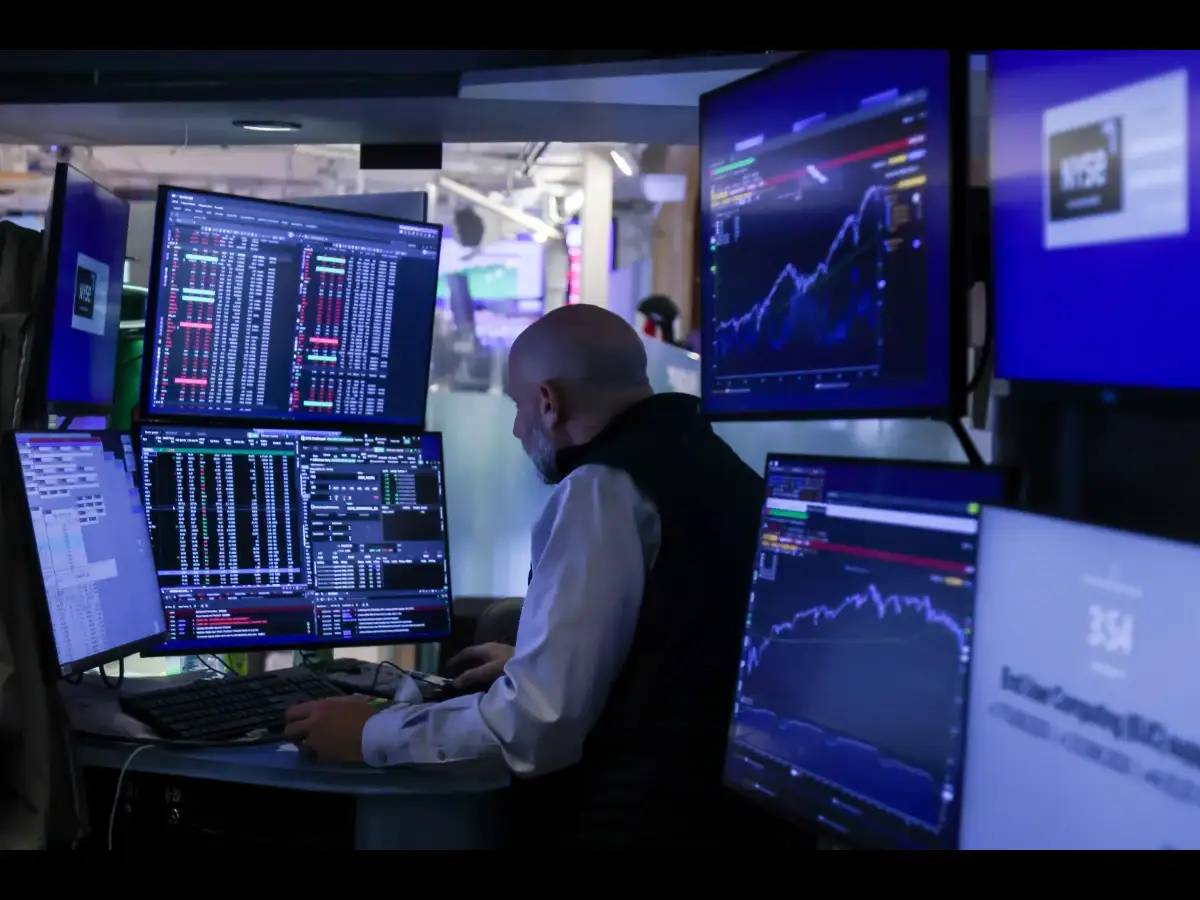
US stocks finished mixed as Treasury yields rose above 5% and crude oil remained above $100 a barrel, renewing concerns about inflation and interest rates. The Nasdaq advanced on semiconductor gains, while the Dow fell as investors weighed the Federal Reserve's outlook and heightened market volatility.
4:15 PMEconomic Times101 stories from 9 sources
Global markets brace for tighter money and political risk
Day’s Recap
Supporting Articles

Treasury prices fell as investors increased bets on higher short-term yields, while U.S. Bank's Rob Haworth identified oil prices as a key force pushing rates higher.
2:55 PMBloomberg Markets
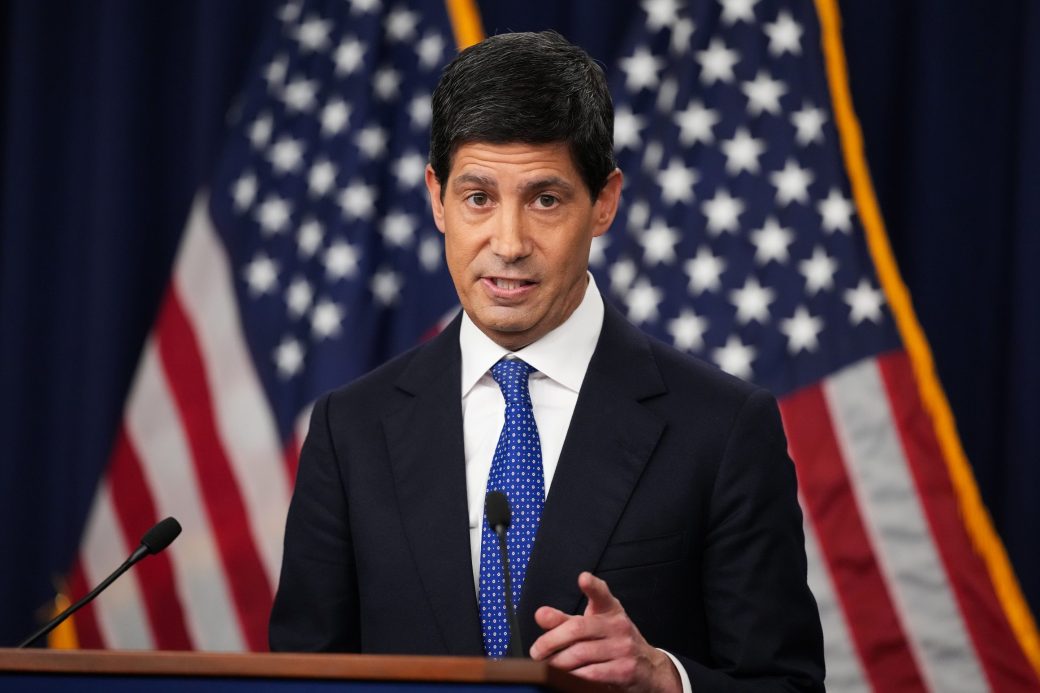
Kevin Warsh used three words to explain the Federal Reserve's rate increase while leaving investors with new questions about the policy path ahead. The comments have intensified debate over whether the move is limited or the beginning of further hikes.
2:28 PMCNBC
The dollar posted its strongest weekly gain in more than three months after the Federal Reserve signaled that additional interest-rate increases may be needed.
2:26 PMBloomberg MarketsUS Treasury yields have risen as investors reassess the prospect of further Federal Reserve rate increases amid persistent inflation pressure. The Bank of Japan has also lifted rates to their highest level in 31 years, reinforcing expectations of tighter global financial conditions.
11:50 AMEconomic Times
The Bank of Japan raised its policy rate by 0.25 percentage points to 1.25%, citing risks that inflation could persist. The decision followed a move by the Federal Reserve and marked another step away from Japan's ultra-loose monetary settings.
12:28 PMFinancial Times
US stocks were on track for a mixed week ahead of a US-China summit that could provide a major test for market sentiment and global risk appetite.
7:14 PMCNBCMarket breadth indicators remain weak, with gains concentrated in fewer stocks, but an options volatility tracker has generated its first buy signal in months.
4:48 PMMarketWatchIndividual investor sentiment fell to its lowest level since May 2025, with bearish respondents rising to 53.3% and bullish respondents declining to 28.8%. The bull-bear spread dropped to negative 24.5% as high oil prices, a Federal Reserve rate hike and market volatility increased caution.
2:48 PMEconomic TimesThe risk premium on French government bonds has reached its highest level since 2012 as investors grow more concerned about the country’s fiscal position ahead of next year’s elections. Credit-default insurance has also become more expensive, pressuring French banks and the broader stock market as policymakers consider major spending cuts.
11:53 AMEconomic Times
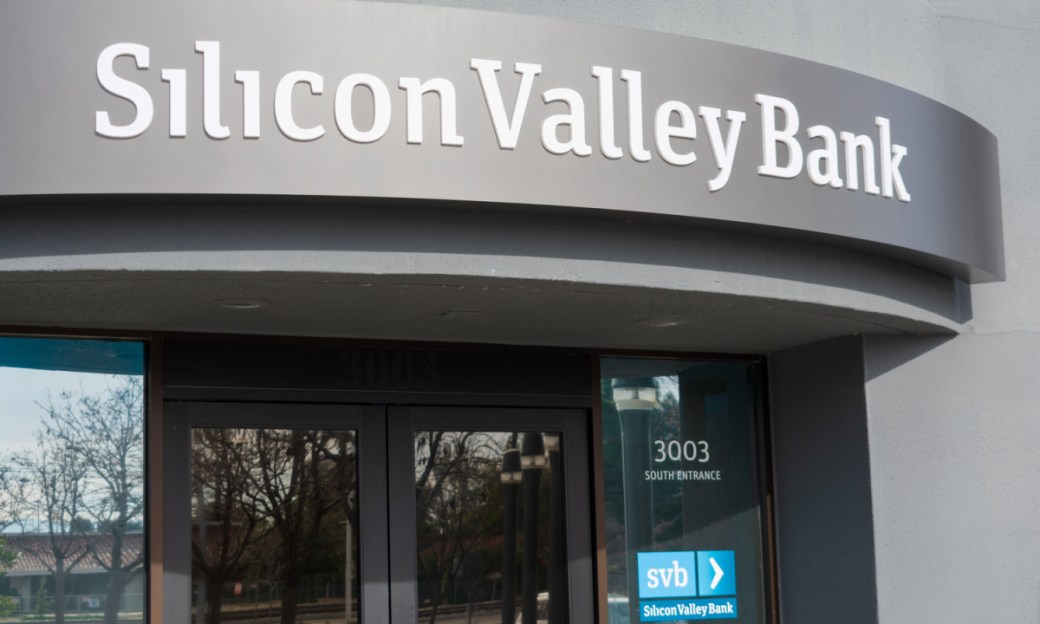
A new report concludes that Federal Reserve staff missed warning signs before Silicon Valley Bank failed in 2023. Michelle Bowman said the findings indicate the bank’s vulnerabilities should have been identified earlier.
2:30 PMCNBCAn independent review is challenging the widely held view that social media materially fueled Silicon Valley Bank’s 2023 collapse. Federal Reserve Governor Michelle Bowman said postmortem accounts have asserted a link without establishing it with supporting evidence.
1:54 PMPYMNTS
Turkey is preparing to liquidate funds linked to an alleged Ponzi-like scheme, with major domestic banks expected to sell assets held by roughly 300,000 investors. Authorities are concerned that the funds' reported valuations may have been inflated.
8:38 AMFinancial Times
Hedge funds turned bullish on the yen for the first time since July 2025. The shift follows intervention by US and Japanese authorities aimed at supporting the currency.
4:35 PMBloomberg MarketsUS stocks today: US stocks slip as higher Treasury yields weigh on sentiment
Summary
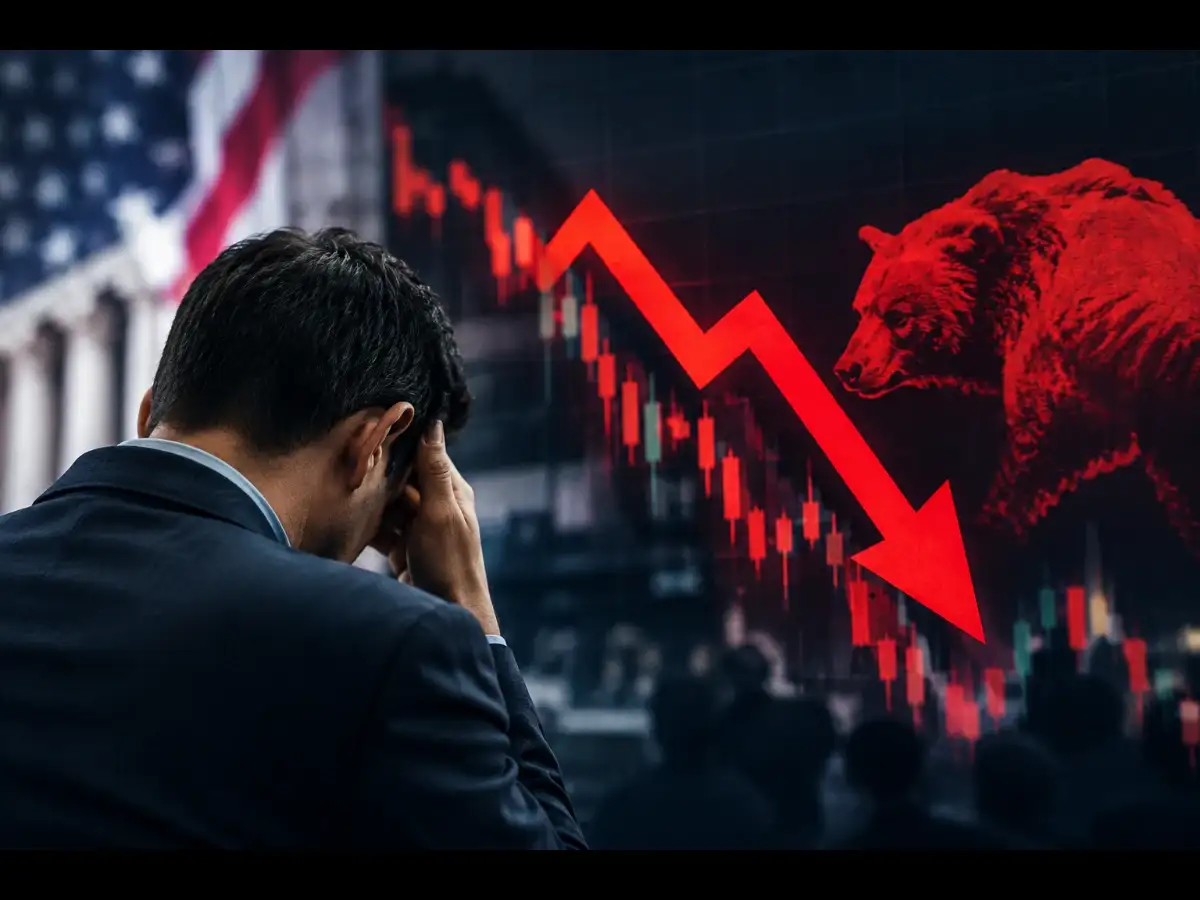
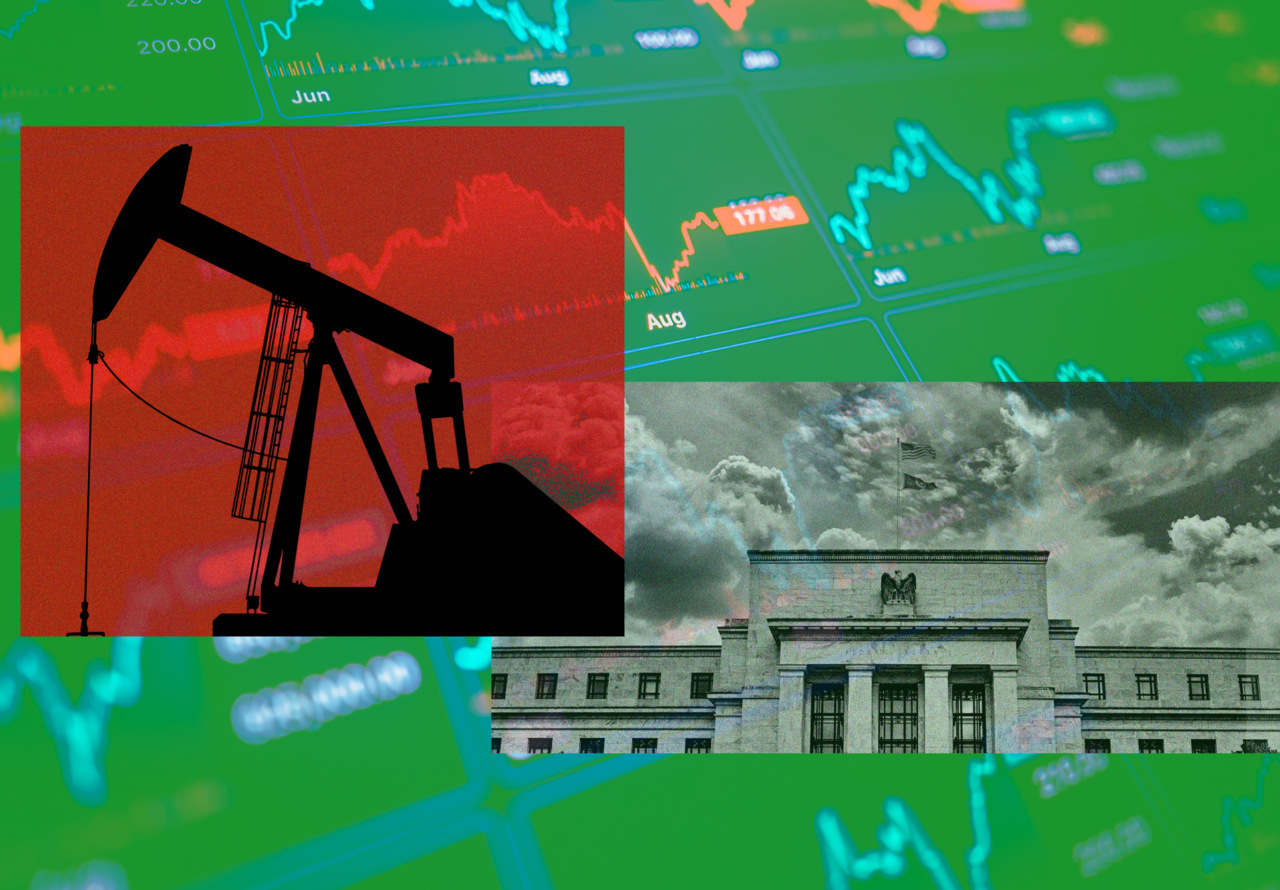
US stocks finished mixed as Treasury yields rose above 5% and crude oil remained above $100 a barrel, renewing concerns about inflation and interest rates. The Nasdaq advanced on semiconductor gains, while the Dow fell as investors weighed the Federal Reserve's outlook and heightened market volatility.
The 5% Treasury yield is tightening financial conditions and limiting the market's ability to sustain
Unlock the full First Pass Analysis to get a better understanding of why this story mattersWhy it matters
Higher yields and oil prices are reinforcing the inflation threat that underpins a more restrictive path for monetary policy.

Oil Remains Primary Risk Driving Higher Rates Says Haworth
Summary
Treasury prices fell as investors increased bets on higher short-term yields, while U.S. Bank's Rob Haworth identified oil prices as a key force pushing rates higher.
Higher oil prices threaten to keep inflation elevated, making it harder for the Federal Reserve
Unlock the full First Pass Analysis to get a better understanding of why this story mattersWhy it matters
An oil-driven rate shock could raise borrowing costs across the economy while weakening both bonds and interest-sensitive equities.

Three words from Kevin Warsh have Wall Street wondering how far the Fed will go with rate hikes
Summary
Kevin Warsh used three words to explain the Federal Reserve's rate increase while leaving investors with new questions about the policy path ahead. The comments have intensified debate over whether the move is limited or the beginning of further hikes.
The key shift is greater uncertainty around the endpoint of tightening, not simply the latest
Unlock the full First Pass Analysis to get a better understanding of why this story mattersWhy it matters
Ambiguous guidance can move markets almost as much as the rate decision by changing expectations for the entire hiking cycle.

Dollar Surges to Best Week Since June on Higher Rate Outlook
Summary
The dollar posted its strongest weekly gain in more than three months after the Federal Reserve signaled that additional interest-rate increases may be needed.
The shift toward higher US rates is widening the dollar's advantage over other major currencies
Unlock the full First Pass Analysis to get a better understanding of why this story mattersWhy it matters
A stronger dollar tightens global financial conditions and can weigh on emerging-market assets, commodities and multinational earnings.
US Treasury yields rise as investors weigh outlook for rate hikes
Summary
US Treasury yields have risen as investors reassess the prospect of further Federal Reserve rate increases amid persistent inflation pressure. The Bank of Japan has also lifted rates to their highest level in 31 years, reinforcing expectations of tighter global financial conditions.
The decisive shift is a broader repricing toward higher policy rates and longer periods of
Unlock the full First Pass Analysis to get a better understanding of why this story mattersWhy it matters
Higher global yields raise the risk of weaker growth, more expensive refinancing, and renewed pressure on risk assets.

Yen sinks after BoJ raises rates to highest level since 1995
Summary
The Bank of Japan raised its policy rate by 0.25 percentage points to 1.25%, citing risks that inflation could persist. The decision followed a move by the Federal Reserve and marked another step away from Japan's ultra-loose monetary settings.
The increase reinforces a broader global shift toward tighter policy, but Japan's inflation concerns give
Unlock the full First Pass Analysis to get a better understanding of why this story mattersWhy it matters
A more assertive Bank of Japan changes the assumptions behind global bond, currency, and carry-trade pricing.
2 stories · 2 sources

Stocks face a key hurdle in next week’s U.S.-China summit. Here’s what’s at stake
Summary
US stocks were on track for a mixed week ahead of a US-China summit that could provide a major test for market sentiment and global risk appetite.
The summit creates a near-term binary catalyst for equities, with progress on trade and broader
Unlock the full First Pass Analysis to get a better understanding of why this story mattersWhy it matters
The meeting could move markets beyond earnings and rates by changing expectations for trade barriers, supply chains and corporate investment.
Stocks are failing the ‘breadth’ test, but options traders still see reason to buy
Summary
Market breadth indicators remain weak, with gains concentrated in fewer stocks, but an options volatility tracker has generated its first buy signal in months.
The signals point in opposite directions: narrow participation warns that the rally lacks broad conviction,
Unlock the full First Pass Analysis to get a better understanding of why this story mattersWhy it matters
A rally built on a small group of stocks has less resilience if volatility rises or leadership in the dominant names falters.
Investor sentiment plunges to 16-month low, AAII survey shows
Summary
Individual investor sentiment fell to its lowest level since May 2025, with bearish respondents rising to 53.3% and bullish respondents declining to 28.8%. The bull-bear spread dropped to negative 24.5% as high oil prices, a Federal Reserve rate hike and market volatility increased caution.
The sharp shift toward bearishness shows that retail investors now view inflation and monetary tightening
Unlock the full First Pass Analysis to get a better understanding of why this story mattersWhy it matters
Retail investors are becoming a stronger source of downside pressure as inflation and Fed policy undermine confidence in the market.
Global Markets: French bond spread at highest since 2012 as default insurance spikes
Summary
The risk premium on French government bonds has reached its highest level since 2012 as investors grow more concerned about the country’s fiscal position ahead of next year’s elections. Credit-default insurance has also become more expensive, pressuring French banks and the broader stock market as policymakers consider major spending cuts.
France’s fiscal stress is now feeding directly into sovereign funding costs and financial-sector valuations. Unless
Unlock the full First Pass Analysis to get a better understanding of why this story mattersWhy it matters
France is becoming a larger source of political and sovereign-risk volatility for European markets.

Fed staff should have known Silicon Valley Bank was vulnerable, new report finds
Summary
A new report concludes that Federal Reserve staff missed warning signs before Silicon Valley Bank failed in 2023. Michelle Bowman said the findings indicate the bank’s vulnerabilities should have been identified earlier.
The findings deepen scrutiny of the Fed’s supervisory process, not just the bank’s management. They
Unlock the full First Pass Analysis to get a better understanding of why this story mattersWhy it matters
A supervisory failure finding increases pressure on the Fed to prove that its reforms can detect bank vulnerabilities before they become systemic.
Fed’s Bowman Challenges Social Media Story Behind SVB Collapse
Summary
An independent review is challenging the widely held view that social media materially fueled Silicon Valley Bank’s 2023 collapse. Federal Reserve Governor Michelle Bowman said postmortem accounts have asserted a link without establishing it with supporting evidence.
The key shift is from treating online panic as a primary cause to questioning whether
Unlock the full First Pass Analysis to get a better understanding of why this story mattersWhy it matters
The review could redirect bank-run policy from social-media surveillance toward stronger liquidity controls and faster supervisory intervention.

Turkey moves to liquidate funds at centre of ‘Ponzi-like scheme’
Summary
Turkey is preparing to liquidate funds linked to an alleged Ponzi-like scheme, with major domestic banks expected to sell assets held by roughly 300,000 investors. Authorities are concerned that the funds' reported valuations may have been inflated.
The liquidation forces a test of whether the assets can be sold near their stated
Unlock the full First Pass Analysis to get a better understanding of why this story mattersWhy it matters
A disorderly unwind could spread losses across households, banks, and the credibility of Turkey's financial system.

Hedge Funds Turned Bullish on Yen for First Time Since Mid-2025
Summary
Hedge funds turned bullish on the yen for the first time since July 2025. The shift follows intervention by US and Japanese authorities aimed at supporting the currency.
The change marks a break from the yen's prolonged bearish positioning and suggests traders now
Unlock the full First Pass Analysis to get a better understanding of why this story mattersWhy it matters
A stronger yen could alter currency hedging, Japanese asset returns, and the broader carry-trade landscape.
Other Developments
A curated list of other prominent stories from this day.
The article argues that investors should not assume October carries an unusually high risk of a stock-market crash. It suggests that fear of an October collapse may create opportunities for investors willing to challenge the pattern.
6:41 PMMarketWatch
Jim Cramer expects a relatively quiet week as Wall Street moves through September, a month that has historically challenged stocks. Investors are likely to focus on whether seasonal weakness develops into a broader market decline.
6:17 PMCNBC
KKR's Henry McVey argues that investors should increase stock exposure while reducing holdings of government bonds. His view comes from a broader assessment of global macroeconomic conditions and asset allocation.
5:00 PMBloomberg Markets
Kevin Warsh has indicated that he would lead the Federal Reserve differently from the approach it has followed for decades. The proposed change could affect how the central bank conducts policy and communicates with markets.
4:45 PMFortune
The midday market featured notable moves in Netflix, Xenon Pharmaceuticals, Coinbase, Sandisk and SpaceX, among other companies.
3:38 PMCNBC
KKR's Henry McVey discussed private markets, asset allocation, retirement security and 401(k) investing, emphasizing the long-term power of compounding.
3:15 PMBloomberg MarketsBerkshire Hathaway's stock has reportedly failed to outperform the S&P 500 over roughly the past 30 years. The argument is that investors should consider other companies as Warren Buffett's leadership era ends.
1:41 PMMarketWatchThe discussion examines the forces behind inflation and higher interest rates, alongside related guidance on housing, retirement planning and stock-market risks and opportunities.
12:50 PMMarketWatchThe argument is that investors should avoid making abrupt portfolio changes after a Federal Reserve rate hike. Despite higher rates, stocks may still outperform bonds over the long term.
12:39 PMMarketWatchThe Federal Reserve plans to finalize changes to its bank stress tests, including greater disclosure of models and scenarios. A proposed framework would average recent test results when setting capital requirements, reducing swings in banks' required buffers.
10:22 AMEconomic Times
The piece makes a case for renewed optimism toward Latin American markets after a prolonged period of underperformance. The expectation is that the region could finally benefit from a shift in investor sentiment and economic conditions.
9:29 AMFinancial Times
Georgetown Retirement Research argues that private-market assets do not automatically pose a danger to 401(k) savers. A proposed Labor Department safe harbor would give plan fiduciaries clearer legal protection when assessing such investments.
8:00 AMFortune
Ceres found that 74% of the 50 largest North American investors are assessing climate risks, indicating that climate-related investment work continues even without prominent public announcements.
7:17 AMFinextra
Taiwan became the world's fifth-largest stock market by total value in May. The Taiwan Stock Exchange chair discusses the index's near-term outlook as the market's global importance grows.
6:35 AMFortune
Glencore has become central to the controversy surrounding distressed iron ore trader Radiant World. The episode has drawn attention to the credit exposures and counterparties linked to the trader's difficulties.
12:00 AMFinancial TimesWhy investors shouldn’t be spooked by fears of an October stock-market crash
Summary
The article argues that investors should not assume October carries an unusually high risk of a stock-market crash. It suggests that fear of an October collapse may create opportunities for investors willing to challenge the pattern.
The key shift is from calendar-based fear to evidence-based risk assessment: October's reputation does not
Unlock the full First Pass Analysis to get a better understanding of why this story mattersWhy it matters
Rejecting crash narratives can prevent emotional selling, but it does not eliminate the underlying risks facing equities.

Cramer’s week ahead: What to watch as Wall Street navigates a tough September
Summary
Jim Cramer expects a relatively quiet week as Wall Street moves through September, a month that has historically challenged stocks. Investors are likely to focus on whether seasonal weakness develops into a broader market decline.
The immediate risk is not a packed calendar but thin conviction during a seasonally weak
Unlock the full First Pass Analysis to get a better understanding of why this story mattersWhy it matters
September seasonality can shape positioning even when the near-term news flow is limited.

Own Stocks, Trim Govt Bond Holdings: KKR's McVey
Summary
KKR's Henry McVey argues that investors should increase stock exposure while reducing holdings of government bonds. His view comes from a broader assessment of global macroeconomic conditions and asset allocation.
The call favors risk assets over sovereign debt, suggesting McVey sees stronger returns in equities
Unlock the full First Pass Analysis to get a better understanding of why this story mattersWhy it matters
The recommendation challenges the traditional stock-and-government-bond balance at a time when investors are reassessing bond returns.

Kevin Warsh just revealed a huge change for the Fed. The press missed it
Summary
Kevin Warsh has indicated that he would lead the Federal Reserve differently from the approach it has followed for decades. The proposed change could affect how the central bank conducts policy and communicates with markets.
The decisive issue is a potential change in the Fed's operating framework, not simply a
Unlock the full First Pass Analysis to get a better understanding of why this story mattersWhy it matters
A different Fed framework could reshape rate expectations, financial conditions, and the credibility of future policy guidance.

Stocks making the biggest moves midday: Netflix, Xenon Pharmaceuticals, Coinbase, Sandisk, SpaceX & more
Summary
The midday market featured notable moves in Netflix, Xenon Pharmaceuticals, Coinbase, Sandisk and SpaceX, among other companies.
The market is repricing a mixed group of companies rather than moving on a single
Unlock the full First Pass Analysis to get a better understanding of why this story mattersWhy it matters
Large intraday moves can create opportunities, but their durability depends on the underlying catalyst rather than the headline reaction.

Compounding Is 8th Wonder of the World, Says KKR's McVey
Summary
KKR's Henry McVey discussed private markets, asset allocation, retirement security and 401(k) investing, emphasizing the long-term power of compounding.
The central argument is that long investment horizons and disciplined reinvestment matter more than short-term
Unlock the full First Pass Analysis to get a better understanding of why this story mattersWhy it matters
The push toward private markets could reshape how retirement savings are allocated and how investors assess risk over decades.
As Warren Buffett’s reign ends, fans should sell Berkshire — and buy these stocks instead
Summary
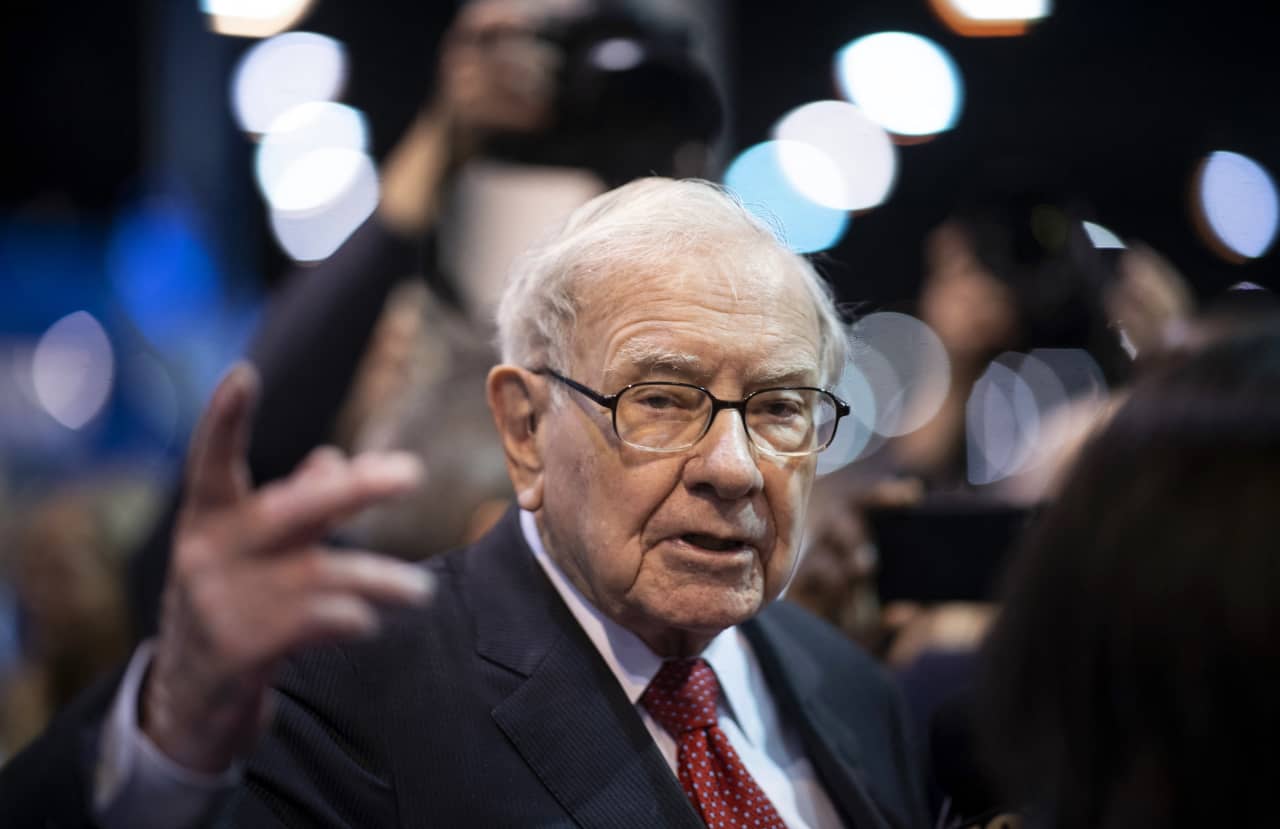
Berkshire Hathaway's stock has reportedly failed to outperform the S&P 500 over roughly the past 30 years. The argument is that investors should consider other companies as Warren Buffett's leadership era ends.
The leadership transition changes Berkshire's central investment question from Buffett's record to the strength of
Unlock the full First Pass Analysis to get a better understanding of why this story mattersWhy it matters
Investors must decide whether Berkshire's advantages are institutional or inseparable from Buffett himself.
What’s really driving inflation and rising interest rates
Summary
The discussion examines the forces behind inflation and higher interest rates, alongside related guidance on housing, retirement planning and stock-market risks and opportunities.
The central issue is whether inflation reflects temporary shocks or more persistent pressure from demand,
Unlock the full First Pass Analysis to get a better understanding of why this story mattersWhy it matters
The inflation diagnosis shapes borrowing costs, bond returns, housing affordability and equity valuations.
Why investors’ best move in reaction to Fed’s rate hike is doing nothing at all
Summary
The argument is that investors should avoid making abrupt portfolio changes after a Federal Reserve rate hike. Despite higher rates, stocks may still outperform bonds over the long term.
The decisive point is that a single policy move should not override a long-term asset-allocation
Unlock the full First Pass Analysis to get a better understanding of why this story mattersWhy it matters
Staying invested reduces the risk that short-term rate decisions derail long-term compounding.
US Federal Reserve's Michelle Bowman says changes to bank stress test coming soon
Summary
The Federal Reserve plans to finalize changes to its bank stress tests, including greater disclosure of models and scenarios. A proposed framework would average recent test results when setting capital requirements, reducing swings in banks' required buffers.
Averaging results would make capital requirements more predictable and could reduce abrupt restrictions on lending
Unlock the full First Pass Analysis to get a better understanding of why this story mattersWhy it matters
The redesign will shape how much capital banks hold and how confidently they lend, return money to shareholders, and manage risk.

Come on Latin America, you owe me one
Summary
The piece makes a case for renewed optimism toward Latin American markets after a prolonged period of underperformance. The expectation is that the region could finally benefit from a shift in investor sentiment and economic conditions.
The investment case depends on Latin America converting cheap valuations and improved macroeconomic stability into
Unlock the full First Pass Analysis to get a better understanding of why this story mattersWhy it matters
A regional rotation into Latin American assets would challenge the dominance of US markets and reward investors willing to accept higher political risk.

Should you fear private market assets in your 401(k)? Georgetown Retirement Research says no
Summary
Georgetown Retirement Research argues that private-market assets do not automatically pose a danger to 401(k) savers. A proposed Labor Department safe harbor would give plan fiduciaries clearer legal protection when assessing such investments.
The proposal could make private equity, private credit, and other illiquid assets easier to add
Unlock the full First Pass Analysis to get a better understanding of why this story mattersWhy it matters
A regulatory shift could bring complex, less liquid investments to a much larger pool of retirement assets.

74% of top 50 North American investors are assessing climate risks - Ceres
Summary
Ceres found that 74% of the 50 largest North American investors are assessing climate risks, indicating that climate-related investment work continues even without prominent public announcements.
Climate risk assessment is becoming part of institutional investment processes rather than a separate public
Unlock the full First Pass Analysis to get a better understanding of why this story mattersWhy it matters
Climate analysis is moving deeper into mainstream portfolio management, with consequences for disclosure, financing, and valuation.

Chair of the Taiwan Stock Exchange on the index’s near future
Summary
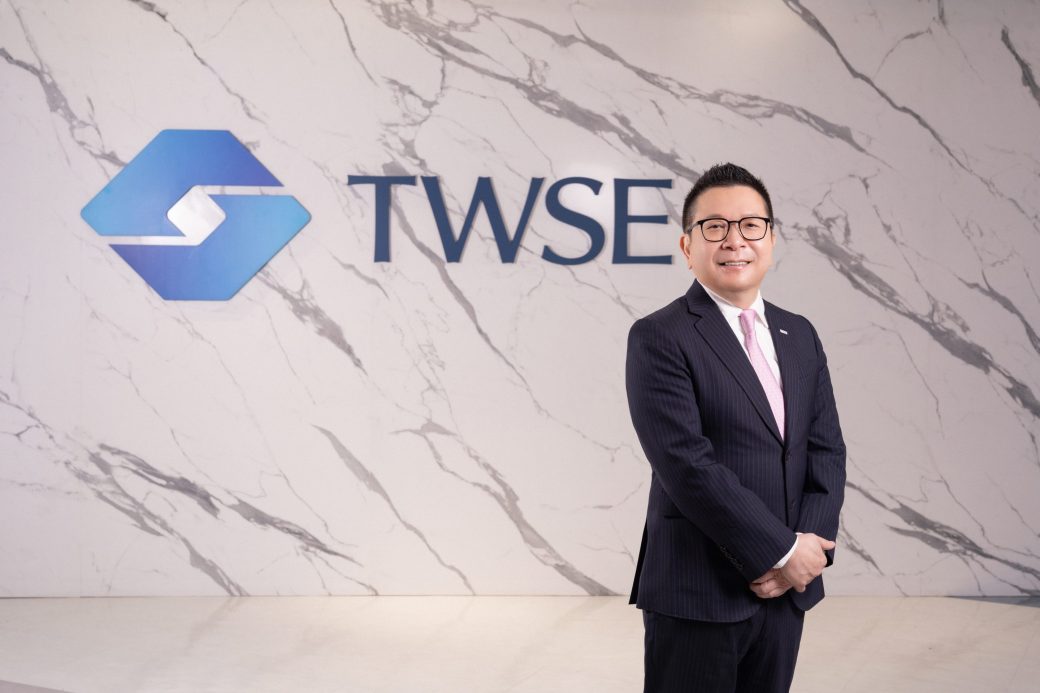
Taiwan became the world's fifth-largest stock market by total value in May. The Taiwan Stock Exchange chair discusses the index's near-term outlook as the market's global importance grows.
Taiwan's rise in market value increases its relevance to global equity allocations and benchmark decisions.
Unlock the full First Pass Analysis to get a better understanding of why this story mattersWhy it matters
Taiwan's larger market footprint makes its valuation, sector concentration, and geopolitical exposure more consequential globally.

The new credit debacle gripping Wall Street
Summary
Glencore has become central to the controversy surrounding distressed iron ore trader Radiant World. The episode has drawn attention to the credit exposures and counterparties linked to the trader's difficulties.
The dispute shows how stress at a specialized commodity trader can spread through larger firms
Unlock the full First Pass Analysis to get a better understanding of why this story mattersWhy it matters
A localized trading failure could expose broader weaknesses in opaque commodity-credit markets.
Make it yours
Build Your First Pass.
Pick your topics, set your cadence, and receive your personalized First Pass in your inbox. It’s that simple!