The Bank of Japan raised its benchmark rate and accelerated the pace of tightening to its fastest in 36 years. Two dissenting votes signal that the board remains divided over how quickly policy should normalize.
11:59 PMBloomberg Markets125 stories from 8 sources
Supporting Articles
The Bank of Japan raised its benchmark rate and accelerated the pace of tightening to its fastest in 36 years. Two dissenting votes signal that the board remains divided over how quickly policy should normalize.
11:59 PMBloomberg MarketsThe yen fell as much as 0.8% after the BOJ raised its benchmark rate by 25 basis points to 1.25%, with a split vote weakening expectations for further tightening.
11:29 PMBloomberg MarketsThe yen extended its decline against the dollar after the BOJ delivered an expected rate increase, while two dissents cast doubt on the path of future tightening.
11:03 PMBloomberg Markets
The yen weakened against the dollar and euro as investors weighed the prospect of a Bank of Japan rate hike. Mixed inflation data increased volatility, while the Bank of England held rates, the Australian dollar rose, and oil prices fell sharply.
9:59 PMEconomic Times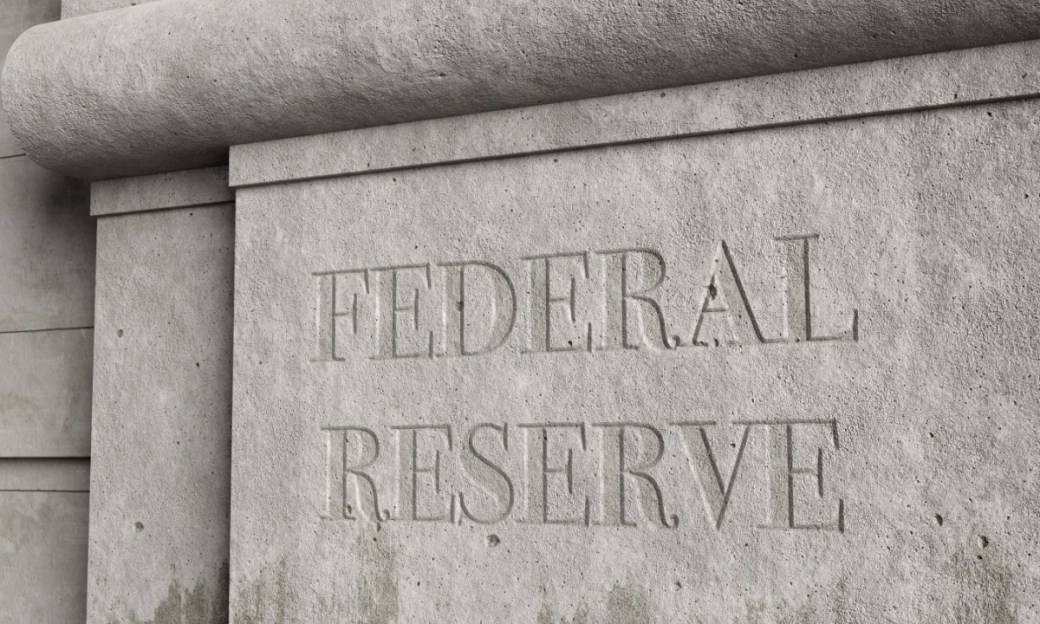
The Federal Reserve raised its benchmark rate by a quarter percentage point to a target range of 3.75% to 4%, its first increase since 2023. Policymakers cited persistent inflation and resilient domestic demand, making the return on corporate cash more consequential for businesses.
12:14 PMPYMNTS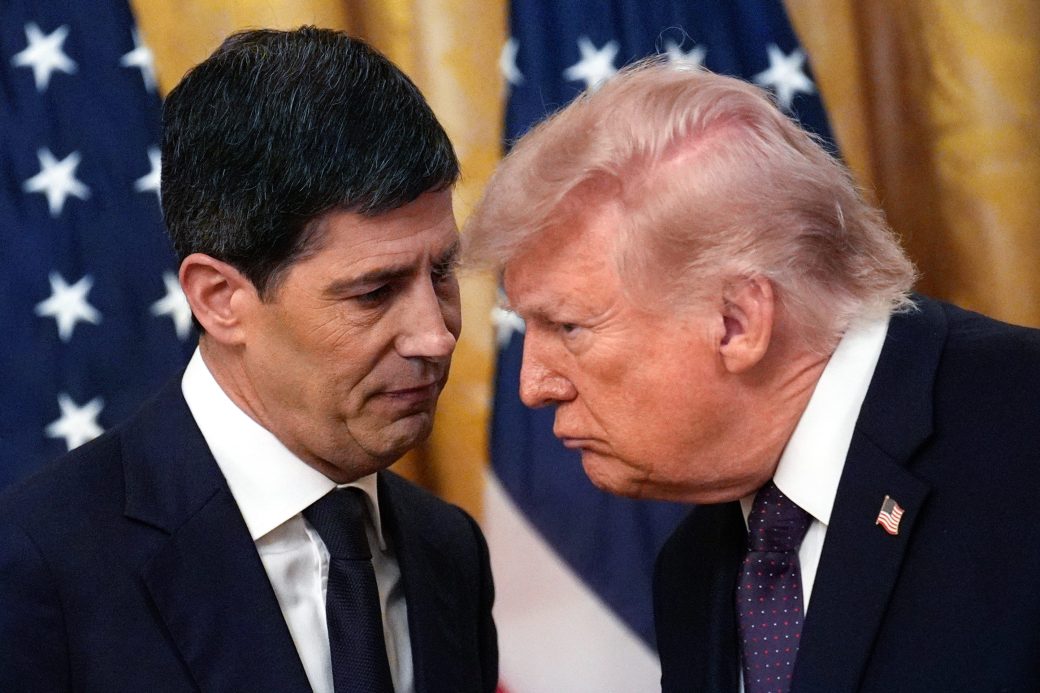
U.S. stocks fell after Jerome Powell said interest rates were not yet restrictive before the Federal Reserve raised them. The S&P 500 dropped 1% and the Dow declined 1.7% amid renewed tension involving President Trump, Powell, and Kevin Warsh.
11:54 AMFortune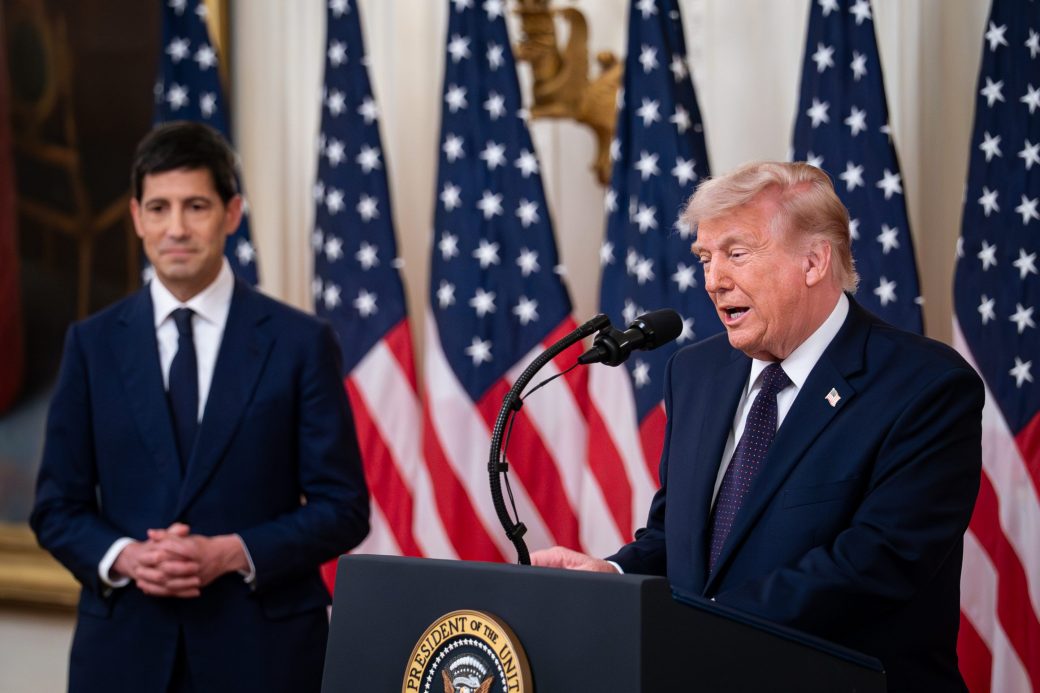
Donald Trump called the Federal Reserve’s latest rate increase politically motivated, arguing that officials were raising rates despite what he described as the strongest economy in history. His comments came as inflation remained above the Fed’s target.
6:51 AMFortune
President Donald Trump sought to pressure the Federal Reserve into cutting interest rates, but policymakers unanimously voted to raise them instead. Trump responded by threatening to end trade with Mexico and Europe.
12:43 AMAl JazeeraAustralian businesses are increasingly questioning whether inflation will fall below 3%, Reserve Bank of Australia Governor Michele Bullock told lawmakers.
9:32 PMBloomberg Markets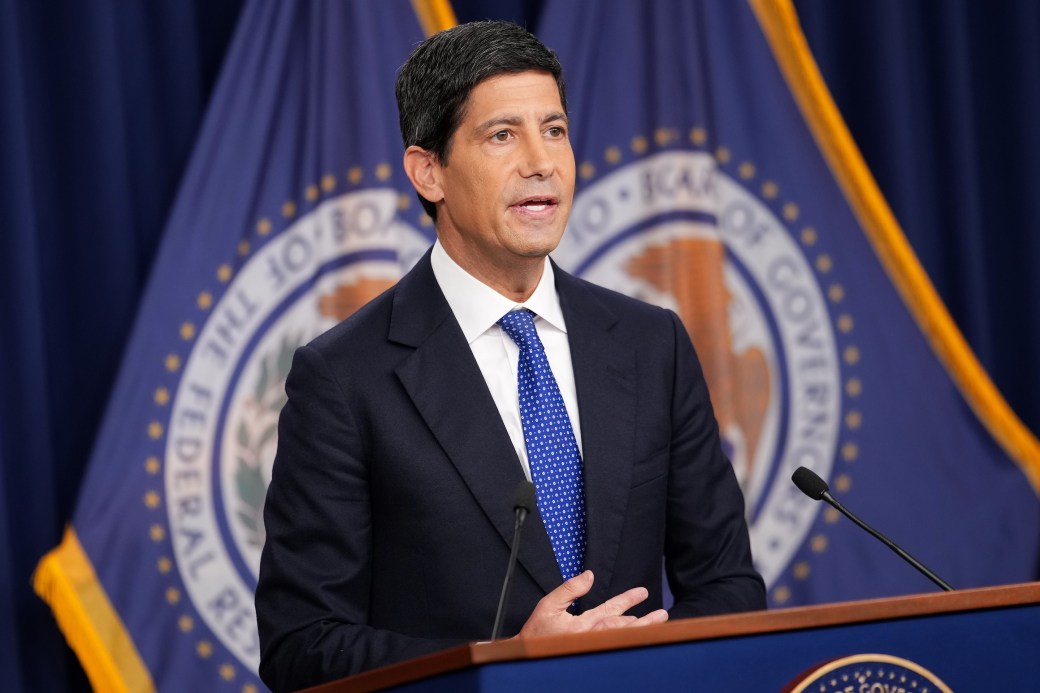
Corporate finance chiefs are preparing for the possibility that a rate increase will be followed by further tightening. Economist Yiming Ma argues that the broader policy path matters more than any single hike.
7:12 AMFortune
Higher energy prices are pushing inflation back up across major economies. The renewed pressure is forcing central banks to keep rates high or consider additional increases.
6:50 AMAl Jazeera
Rising US Treasury yields are making dollar funding more expensive for Indian companies, which could slow overseas bond issuance after more than $20 billion of fundraising this year. Some issuers may accelerate deals before borrowing costs rise further.
9:33 PMEconomic Times
The 10-year Treasury has suffered an exceptionally long losing streak, but rising yields are making bonds more attractive to investors putting new money to work.
7:50 AMMarketWatchA chief investment officer says stocks could face sustained pressure if the 10-year Treasury yield rises above 5.25%. The threshold reflects concern that higher bond yields would make equities less attractive and raise companies’ financing costs.
3:13 PMCNBCThe yuan rose to its strongest level in more than four years as the People’s Bank of China continued guiding the currency higher ahead of a meeting between Xi Jinping and Donald Trump.
9:32 PMBloomberg Markets
Turkish regulators froze or liquidated funds and referred 38 people to prosecutors as they moved to contain the fallout from a stock-market scandal. The measures aim to restore confidence after severe disruption in the investment market.
7:59 AMFinancial TimesThe article uses an Oscar-winning film to argue that investors should separate useful information from the noise surrounding the debate over an AI slowdown. Much of the market commentary may be engaging without improving investment decisions.
4:27 PMCNBC
Peter Oppenheimer has expanded his warning that AI-linked stocks may be benefiting from an unsustainable earnings boom. His latest assessment adds quantitative analysis to the concern that projected profits may not justify current valuations.
2:45 PMFortune
Growth stocks have continued to outperform despite mounting concerns that equity valuations have become detached from fundamentals. Their resilience is being treated as another possible sign that investors are crowding into expensive, momentum-driven assets.
1:16 PMMarketWatchSummary
The Bank of Japan raised its benchmark rate and accelerated the pace of tightening to its fastest in 36 years. Two dissenting votes signal that the board remains divided over how quickly policy should normalize.
The rate increase confirms that inflation is pushing Japan away from its long period of
Unlock the full First Pass Analysis to get a better understanding of why this story mattersWhy it matters
Japan is becoming a more consequential source of global interest-rate and currency volatility.
4 stories · 4 sources
Summary
The yen fell as much as 0.8% after the BOJ raised its benchmark rate by 25 basis points to 1.25%, with a split vote weakening expectations for further tightening.
The hike itself was already priced in, so the dissenting votes became the market's decisive
Unlock the full First Pass Analysis to get a better understanding of why this story mattersWhy it matters
The split makes future hikes less predictable and weakens the yen's immediate policy advantage.
Summary
The yen extended its decline against the dollar after the BOJ delivered an expected rate increase, while two dissents cast doubt on the path of future tightening.
The market treated the decision as a less hawkish signal because the two dissenters challenged
Unlock the full First Pass Analysis to get a better understanding of why this story mattersWhy it matters
An expected hike failed to support the currency, showing that future guidance matters more than the rate increase itself.
Summary
The yen weakened against the dollar and euro as investors weighed the prospect of a Bank of Japan rate hike. Mixed inflation data increased volatility, while the Bank of England held rates, the Australian dollar rose, and oil prices fell sharply.
The yen is losing ground even as markets price a possible BOJ hike, signaling that
Unlock the full First Pass Analysis to get a better understanding of why this story mattersWhy it matters
The BOJ decision could reset currency expectations and amplify volatility across global bond and foreign-exchange markets.
Summary
The Federal Reserve raised its benchmark rate by a quarter percentage point to a target range of 3.75% to 4%, its first increase since 2023. Policymakers cited persistent inflation and resilient domestic demand, making the return on corporate cash more consequential for businesses.
The rate increase changes the payoff from holding large cash balances, as higher short-term yields
Unlock the full First Pass Analysis to get a better understanding of why this story mattersWhy it matters
Higher rates turn corporate cash management into a direct earnings and capital-allocation issue.
Summary
U.S. stocks fell after Jerome Powell said interest rates were not yet restrictive before the Federal Reserve raised them. The S&P 500 dropped 1% and the Dow declined 1.7% amid renewed tension involving President Trump, Powell, and Kevin Warsh.
The decisive issue is the collision between political pressure for easier policy and the Fed’s
Unlock the full First Pass Analysis to get a better understanding of why this story mattersWhy it matters
Investors are confronting both tighter monetary policy and greater uncertainty over who controls its direction.
Summary
Donald Trump called the Federal Reserve’s latest rate increase politically motivated, arguing that officials were raising rates despite what he described as the strongest economy in history. His comments came as inflation remained above the Fed’s target.
Trump is framing tighter monetary policy as an attack on his presidency even as elevated
Unlock the full First Pass Analysis to get a better understanding of why this story mattersWhy it matters
The clash could weaken confidence in the Fed’s independence just as inflation remains unresolved.
Summary
President Donald Trump sought to pressure the Federal Reserve into cutting interest rates, but policymakers unanimously voted to raise them instead. Trump responded by threatening to end trade with Mexico and Europe.
The rate increase failed to deliver the policy outcome Trump wanted and pushed his conflict
Unlock the full First Pass Analysis to get a better understanding of why this story mattersWhy it matters
Trump is connecting an independent interest-rate decision to trade policy, creating new risks for inflation, commerce, and institutional stability.
Summary
Australian businesses are increasingly questioning whether inflation will fall below 3%, Reserve Bank of Australia Governor Michele Bullock told lawmakers.
The shift in business expectations raises the risk that inflation becomes more persistent and harder
Unlock the full First Pass Analysis to get a better understanding of why this story mattersWhy it matters
Inflation expectations are turning into a potential barrier to the RBA’s path toward rate cuts.
Summary
Corporate finance chiefs are preparing for the possibility that a rate increase will be followed by further tightening. Economist Yiming Ma argues that the broader policy path matters more than any single hike.
The decisive risk is cumulative tightening, not the initial 25-basis-point move. Companies may delay investment,
Unlock the full First Pass Analysis to get a better understanding of why this story mattersWhy it matters
Businesses are planning for a higher-for-longer financing environment, which could slow investment before it hits headline economic data.
Summary
Higher energy prices are pushing inflation back up across major economies. The renewed pressure is forcing central banks to keep rates high or consider additional increases.
The immediate change is a supply shock arriving before inflation has fully returned to target.
Unlock the full First Pass Analysis to get a better understanding of why this story mattersWhy it matters
A sustained energy shock could delay global easing and increase the risk of slower growth alongside persistent inflation.
Summary
Rising US Treasury yields are making dollar funding more expensive for Indian companies, which could slow overseas bond issuance after more than $20 billion of fundraising this year. Some issuers may accelerate deals before borrowing costs rise further.
Higher US yields are directly widening the all-in cost of dollar debt for Indian borrowers
Unlock the full First Pass Analysis to get a better understanding of why this story mattersWhy it matters
A prolonged US yield surge could raise corporate funding costs in India and shift more borrowing toward domestic markets.
Summary
The 10-year Treasury has suffered an exceptionally long losing streak, but rising yields are making bonds more attractive to investors putting new money to work.
Higher yields have changed the tradeoff for bond buyers, offering more income and potentially greater
Unlock the full First Pass Analysis to get a better understanding of why this story mattersWhy it matters
The shift toward bonds could redirect capital away from riskier assets and make Treasury yields a more important signal for global markets.
Summary
A chief investment officer says stocks could face sustained pressure if the 10-year Treasury yield rises above 5.25%. The threshold reflects concern that higher bond yields would make equities less attractive and raise companies’ financing costs.
The key risk is a move above 5.25%, not merely another increase in yields. That
Unlock the full First Pass Analysis to get a better understanding of why this story mattersWhy it matters
A 10-year yield above 5.25% could turn rising borrowing costs into a broad valuation shock for stocks.
Summary
The yuan rose to its strongest level in more than four years as the People’s Bank of China continued guiding the currency higher ahead of a meeting between Xi Jinping and Donald Trump.
China is using currency guidance to strengthen the yuan before a high-stakes leadership meeting, signaling
Unlock the full First Pass Analysis to get a better understanding of why this story mattersWhy it matters
The yuan’s advance shows Beijing is willing to use exchange-rate policy as part of its broader economic and diplomatic strategy.
Summary
Turkish regulators froze or liquidated funds and referred 38 people to prosecutors as they moved to contain the fallout from a stock-market scandal. The measures aim to restore confidence after severe disruption in the investment market.
The scale of the intervention shows that authorities view the episode as a systemic confidence
Unlock the full First Pass Analysis to get a better understanding of why this story mattersWhy it matters
Turkey’s response will determine whether the scandal remains contained or becomes a wider run on market intermediaries.
Summary
The article uses an Oscar-winning film to argue that investors should separate useful information from the noise surrounding the debate over an AI slowdown. Much of the market commentary may be engaging without improving investment decisions.
The decisive issue is signal quality, not the volume of commentary about AI. Investors need
Unlock the full First Pass Analysis to get a better understanding of why this story mattersWhy it matters
AI investors face a larger risk from confusing compelling narratives with evidence that can support earnings and valuations.
Summary
Peter Oppenheimer has expanded his warning that AI-linked stocks may be benefiting from an unsustainable earnings boom. His latest assessment adds quantitative analysis to the concern that projected profits may not justify current valuations.
The warning has shifted from a broad valuation concern to a testable earnings problem. If
Unlock the full First Pass Analysis to get a better understanding of why this story mattersWhy it matters
More rigorous earnings math raises the stakes for AI stocks priced on expectations that may prove too aggressive.
Summary
Growth stocks have continued to outperform despite mounting concerns that equity valuations have become detached from fundamentals. Their resilience is being treated as another possible sign that investors are crowding into expensive, momentum-driven assets.
The key shift is that strength in growth stocks no longer reads only as confidence
Unlock the full First Pass Analysis to get a better understanding of why this story mattersWhy it matters
A market led by expensive growth shares can keep rising while becoming increasingly fragile.
A curated list of other prominent stories from this day.
Gold edged higher as lower oil prices and a softer dollar supported demand, while traders monitored Middle East risks and shifting expectations for global interest rates.
10:02 PMEconomic TimesStocks rebounded Thursday after the Federal Reserve raised interest rates by a quarter percentage point and signaled that another hike could follow.
7:10 PMCNBC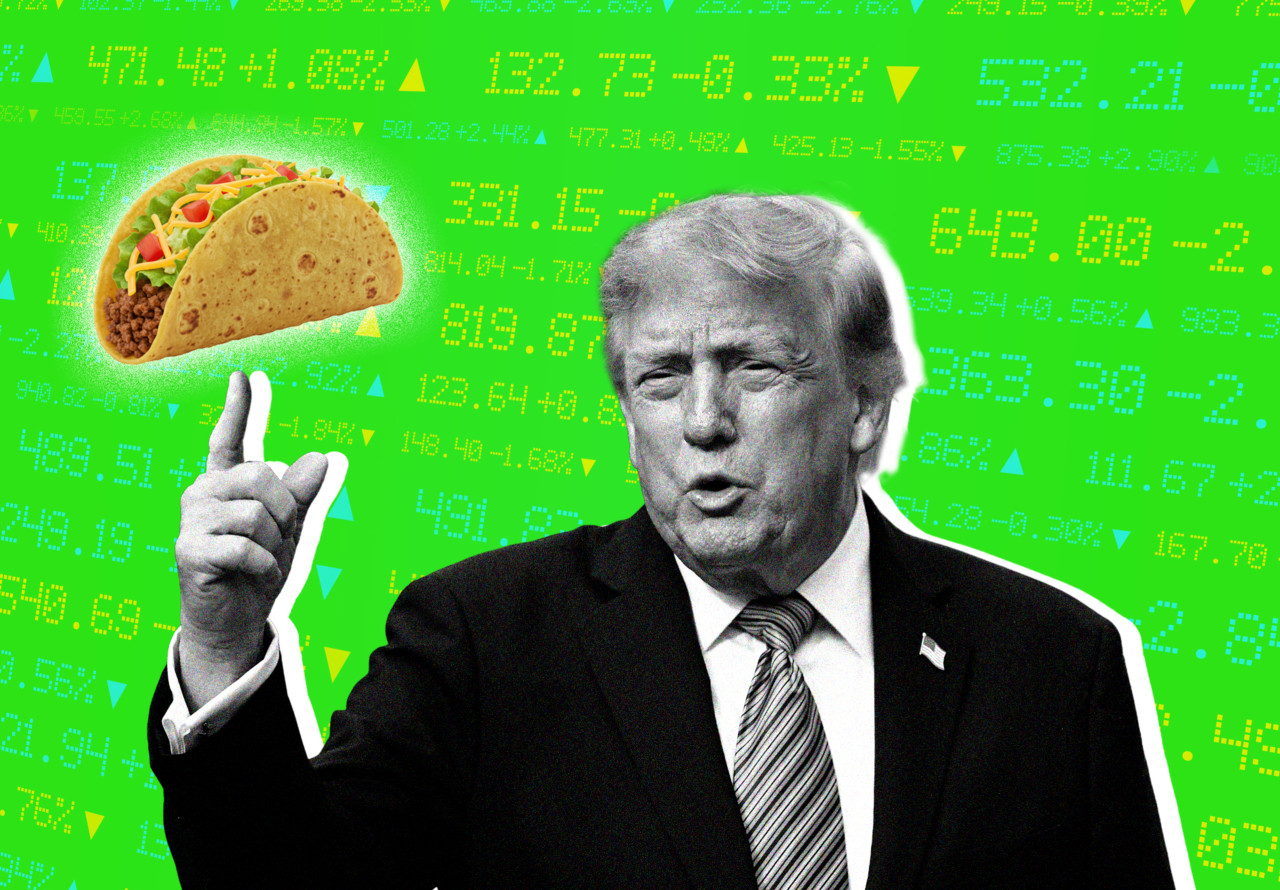
Investors have repeatedly bought market dips after President Trump threatened action against Iran, expecting him to retreat, but that pattern stopped working in September.
7:51 AMMarketWatchThe Federal Reserve's rate increase has created new income opportunities in parts of the bond market. Experts identify bonds that may offer attractive yields and downside support for portfolios.
4:34 PMCNBC
The new Federal Reserve chair, Kevin Warsh, has begun his tenure by defending the central bank's independence under political pressure. His opening stance has strengthened the Fed's credibility, but it leaves markets focused on how far rates may need to rise to contain inflation.
9:43 AMFinancial Times
A hedge-fund manager challenges the view that a few dominant companies will capture nearly all the value in several industries. The manager instead favors three less dominant companies that could benefit as competition and demand remain broader than investors expect.
8:01 AMMarketWatch
Wall Street firms are warning that trading revenue growth is slowing after a record second quarter. The change suggests the exceptional market activity that drove recent gains may be moderating.
6:00 AMFinancial Times
China has reduced its holdings of US Treasuries to their lowest level since 2008 as tensions between the two countries deepen. The decline reflects a gradual effort to reduce exposure to US assets rather than a sudden exit.
3:43 AMFinancial TimesSummary
Gold edged higher as lower oil prices and a softer dollar supported demand, while traders monitored Middle East risks and shifting expectations for global interest rates.
Gold is benefiting from reduced energy-driven inflation pressure and weaker dollar conditions, but prospective rate
Unlock the full First Pass Analysis to get a better understanding of why this story mattersWhy it matters
Gold remains a useful gauge of how investors are balancing inflation, currency, rate, and geopolitical risks.
Summary
Stocks rebounded Thursday after the Federal Reserve raised interest rates by a quarter percentage point and signaled that another hike could follow.
The rally suggests investors absorbed the Fed's hawkish message without abandoning risk assets. Friday's trading
Unlock the full First Pass Analysis to get a better understanding of why this story mattersWhy it matters
The next session will show whether investors view the Fed's signal as a manageable adjustment or a renewed threat to valuations.
Summary
Investors have repeatedly bought market dips after President Trump threatened action against Iran, expecting him to retreat, but that pattern stopped working in September.
The failed September trade weakens confidence in the assumption that threats will end in de-escalation.
Unlock the full First Pass Analysis to get a better understanding of why this story mattersWhy it matters
A breakdown in the familiar playbook would remove a key source of market complacency just as geopolitical risk could intensify.
Summary
The Federal Reserve's rate increase has created new income opportunities in parts of the bond market. Experts identify bonds that may offer attractive yields and downside support for portfolios.
Higher policy rates have improved the income available from bonds, but investors still face duration
Unlock the full First Pass Analysis to get a better understanding of why this story mattersWhy it matters
Higher yields improve the case for bonds, but income investors still need to manage rate and credit risk.
Summary
The new Federal Reserve chair, Kevin Warsh, has begun his tenure by defending the central bank's independence under political pressure. His opening stance has strengthened the Fed's credibility, but it leaves markets focused on how far rates may need to rise to contain inflation.
Warsh's defense of independence reduces one source of uncertainty but does not cap borrowing costs.
Unlock the full First Pass Analysis to get a better understanding of why this story mattersWhy it matters
The level and duration of future rate increases will shape bond yields, equity valuations, and the dollar.
Summary
A hedge-fund manager challenges the view that a few dominant companies will capture nearly all the value in several industries. The manager instead favors three less dominant companies that could benefit as competition and demand remain broader than investors expect.
The decisive point is that market leadership may be less concentrated than current valuations imply.
Unlock the full First Pass Analysis to get a better understanding of why this story mattersWhy it matters
A broader competitive field would weaken the case for concentrating portfolios in a small group of market leaders.
Summary
Wall Street firms are warning that trading revenue growth is slowing after a record second quarter. The change suggests the exceptional market activity that drove recent gains may be moderating.
The decisive shift is from an unusually strong trading environment to a less supportive revenue
Unlock the full First Pass Analysis to get a better understanding of why this story mattersWhy it matters
A cooling trading cycle could weaken one of Wall Street’s biggest earnings engines after a record run.
Summary
China has reduced its holdings of US Treasuries to their lowest level since 2008 as tensions between the two countries deepen. The decline reflects a gradual effort to reduce exposure to US assets rather than a sudden exit.
China's sustained selling removes one source of structural demand for US government debt. That could
Unlock the full First Pass Analysis to get a better understanding of why this story mattersWhy it matters
A smaller Chinese Treasury position could make US borrowing more expensive and deepen financial fragmentation between the world's two largest economies.
Make it yours
Pick your topics, set your cadence, and receive your personalized First Pass in your inbox. It’s that simple!