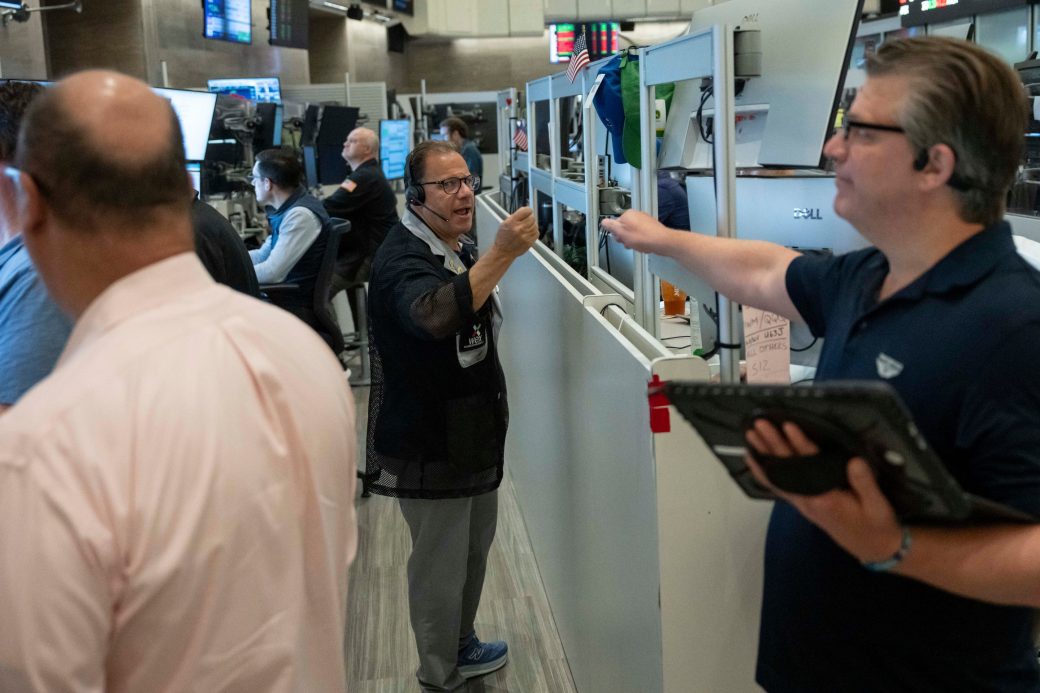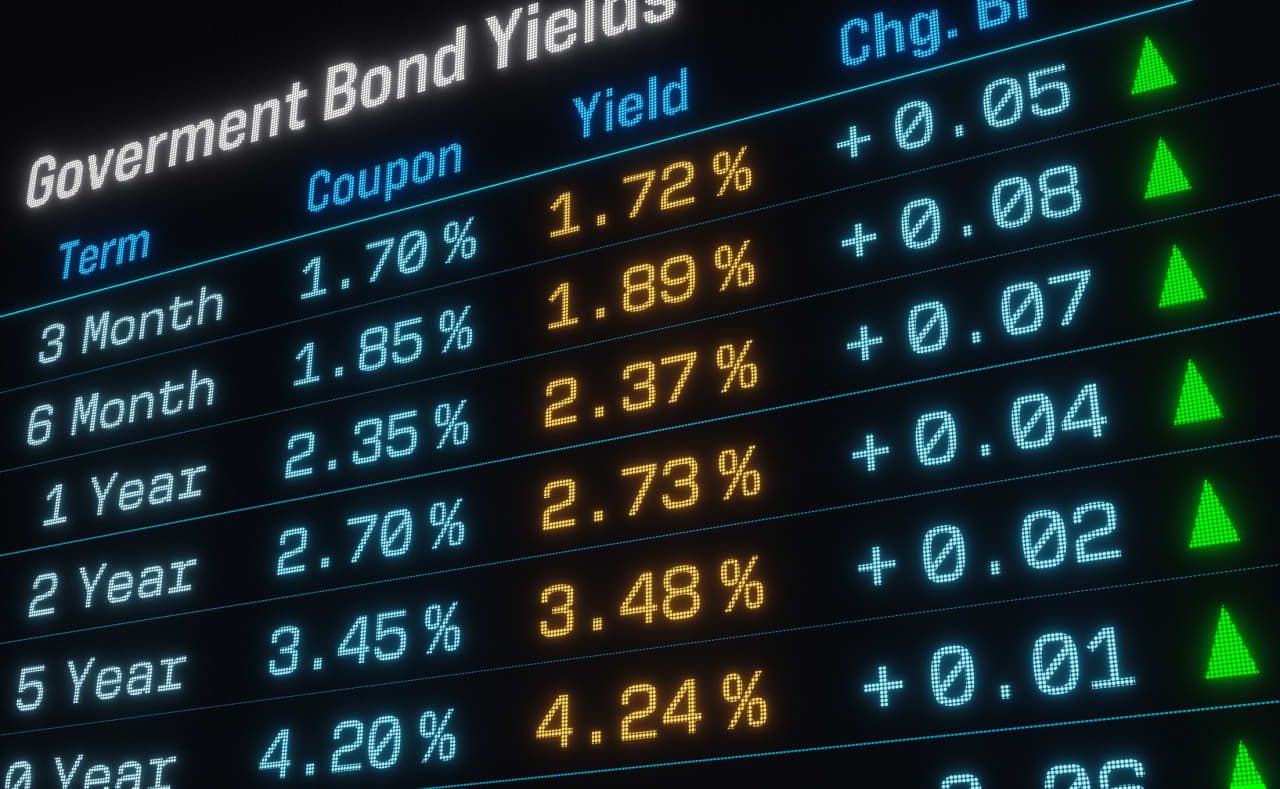
Bond markets are selling off as higher oil prices intensify inflation concerns alongside worries about government debt. Rising yields are lifting borrowing costs for households and businesses, while investors demand greater compensation for inflation risk and reassess technology companies' capital spending.
11:42 PMEconomic Times121 stories from 12 sources
Oil shock turns bond markets toward stagflation risk
Day’s Recap
Markets therefore treated the Middle East conflict as a broad financial conditions shock rather than a contained geopolitical event.
Supporting Articles

The 10-year US Treasury yield rose to its highest level since January 2025 as investors monitored renewed tensions in the Middle East.
4:40 PMCNBCA sustained selloff in global bonds has pushed yields to their highest levels since 2008. The rise is lifting borrowing costs for households, companies and governments, with the 10-year Treasury approaching a level investors view as especially risky.
4:36 PMMarketWatch
Oil prices climbed above $92, adding to inflation concerns and pushing U.S. bond yields to their highest level since January 2025. The move has revived expectations that the Federal Reserve could raise rates again.
10:04 AMFortune
Oil rose to $92 a barrel after President Trump declined to accept an Iranian peace deal, while the bond market reacted sharply. The combination points to growing concern over the economic and fiscal consequences of an escalating conflict.
6:28 AMFortune
Brent crude rose above $92 a barrel after the first US and Iranian strikes in more than a month. The attacks revived fears that a broader conflict could disrupt energy supplies.
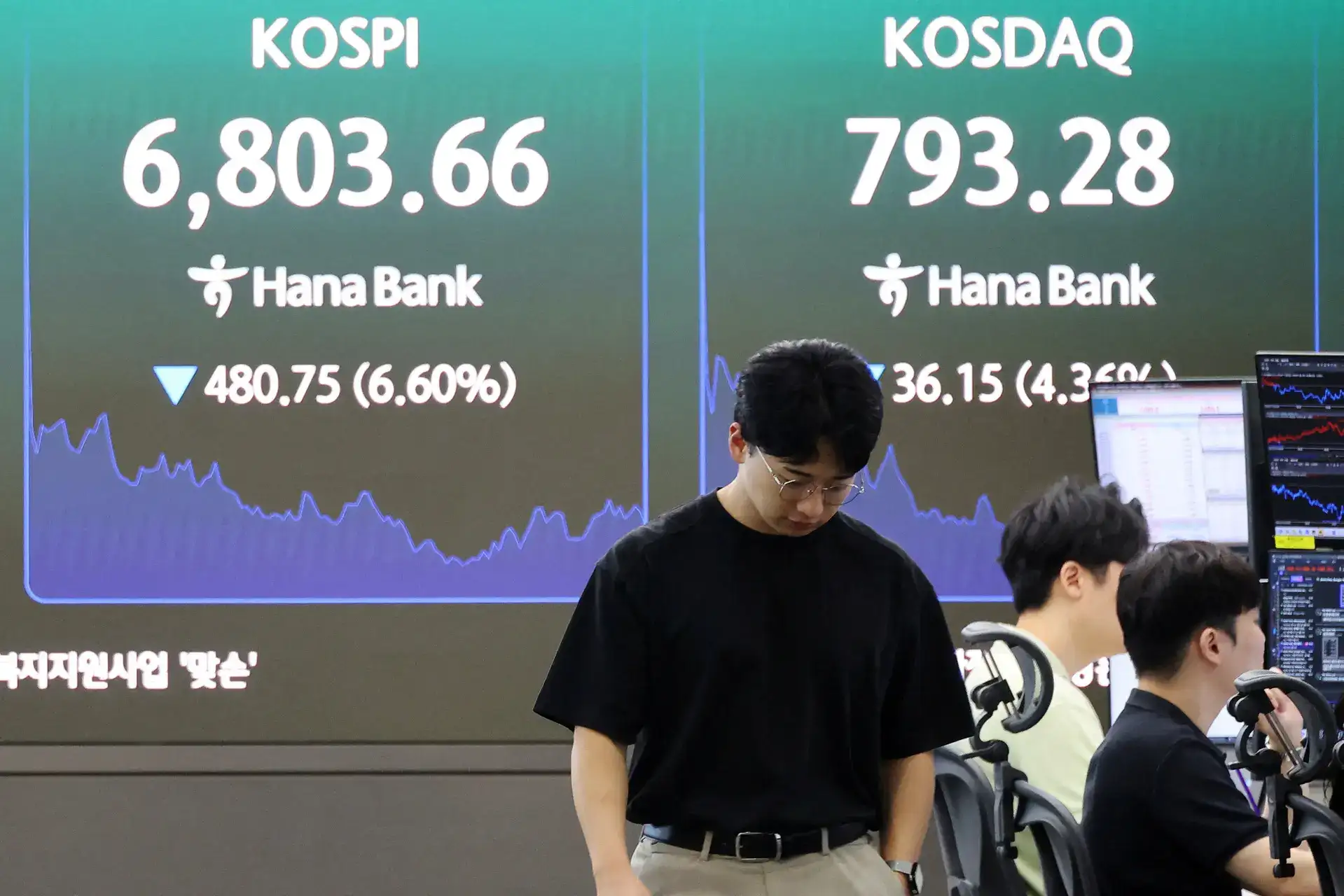
2:07 AMAl JazeeraAsian equities fell sharply as fighting involving the United States and Iran pushed oil prices and bond yields higher. The regional selloff included a 3% drop in South Korea’s KOSPI at the open and a 2.2% decline in Japan’s Nikkei, while S&P 500 futures were little changed.
9:01 PMEconomic Times
Japan's prime minister is bringing a more forceful political style into a system shaped by institutional caution and consensus. Her approach is also colliding with bond markets, which are testing the limits of Japan's fiscal flexibility.
9:04 PMFinancial Times
Japan's benchmark 10-year government bond yield reached 3% for the first time since 1996. US Treasury Secretary Scott Bessent has signaled that he expects the Bank of Japan to raise interest rates soon.
12:49 PMFinancial Times
A G20 summit intended to showcase President Trump’s economic policies instead drew criticism from European allies over U.S. tariffs and the war with Iran.
10:56 PMThe New York Times
Treasury Secretary Scott Bessent is urging G20 countries to reduce trade imbalances and take stronger steps to shield their economies from Chinese imports.
6:21 PMAl Jazeera
G20 finance officials are meeting in the United States as the war involving Iran drives a global economic shock. The discussions are expected to focus on surging oil prices and their effects on growth, inflation and financial markets.
5:55 AMThe New York TimesGold fell to its lowest level in more than two weeks as higher Treasury yields and a stronger dollar reduced demand for the metal. Investors are awaiting U.S. jobs data for clues about the Federal Reserve’s interest-rate path, while officials have left open the possibility of further hikes if inflation persists.
9:52 PMEconomic TimesThe dollar strengthened as renewed Middle East hostilities pushed oil prices higher and unsettled global markets. Rising Treasury yields also supported expectations for possible Federal Reserve tightening, while the yen remained weak despite speculation about intervention.
9:49 PMEconomic Times
Gold remained under pressure as Middle East attacks pushed oil prices higher and a global bond selloff strengthened expectations that the Federal Reserve may raise rates to contain inflation.
7:40 PMBloomberg Markets
Australia’s economy grew 2.1% in the second quarter, exceeding expectations. The stronger result gives the Reserve Bank of Australia more room to continue tightening policy to contain inflation.
11:05 PMCNBC
China is expected to increase government bond issuance after a recent lull as policymakers seek to support the sluggish economy. The heavier supply could prompt the People’s Bank of China to add liquidity to the financial system.
8:40 PMBloomberg MarketsBond selloff deepens as inflation, oil prices jolt markets
Summary
Bond markets are selling off as higher oil prices intensify inflation concerns alongside worries about government debt. Rising yields are lifting borrowing costs for households and businesses, while investors demand greater compensation for inflation risk and reassess technology companies' capital spending.
The decisive shift is from a growth and rate outlook to a stagflation risk. Higher
Unlock the full First Pass Analysis to get a better understanding of why this story mattersWhy it matters
A prolonged bond selloff can raise economy-wide borrowing costs and weaken both household demand and corporate investment.
2 stories · 2 sources

10-year yield hits highest since January 2025 as higher oil prices stoke inflation worries
Summary
The 10-year US Treasury yield rose to its highest level since January 2025 as investors monitored renewed tensions in the Middle East.
The rise reflects a renewed inflation premium as investors assess the risk that conflict will
Unlock the full First Pass Analysis to get a better understanding of why this story mattersWhy it matters
The Treasury market is pricing geopolitical risk as a persistent threat to inflation and borrowing costs.
This could be the 10-year Treasury’s tipping point into the danger zone
Summary
A sustained selloff in global bonds has pushed yields to their highest levels since 2008. The rise is lifting borrowing costs for households, companies and governments, with the 10-year Treasury approaching a level investors view as especially risky.
The decisive change is that higher yields are becoming a broad financial-condition shock rather than
Unlock the full First Pass Analysis to get a better understanding of why this story mattersWhy it matters
A disorderly rise in benchmark yields can tighten credit worldwide even without additional central-bank rate increases.

Oil is back above $92 and inflation fears are sending U.S. bond yields to their highest since January 2025
Summary
Oil prices climbed above $92, adding to inflation concerns and pushing U.S. bond yields to their highest level since January 2025. The move has revived expectations that the Federal Reserve could raise rates again.
The shift combines a renewed energy shock with a repricing of the Fed’s policy path.
Unlock the full First Pass Analysis to get a better understanding of why this story mattersWhy it matters
Markets are confronting a stagflationary risk in which inflation rises even as higher rates threaten demand.

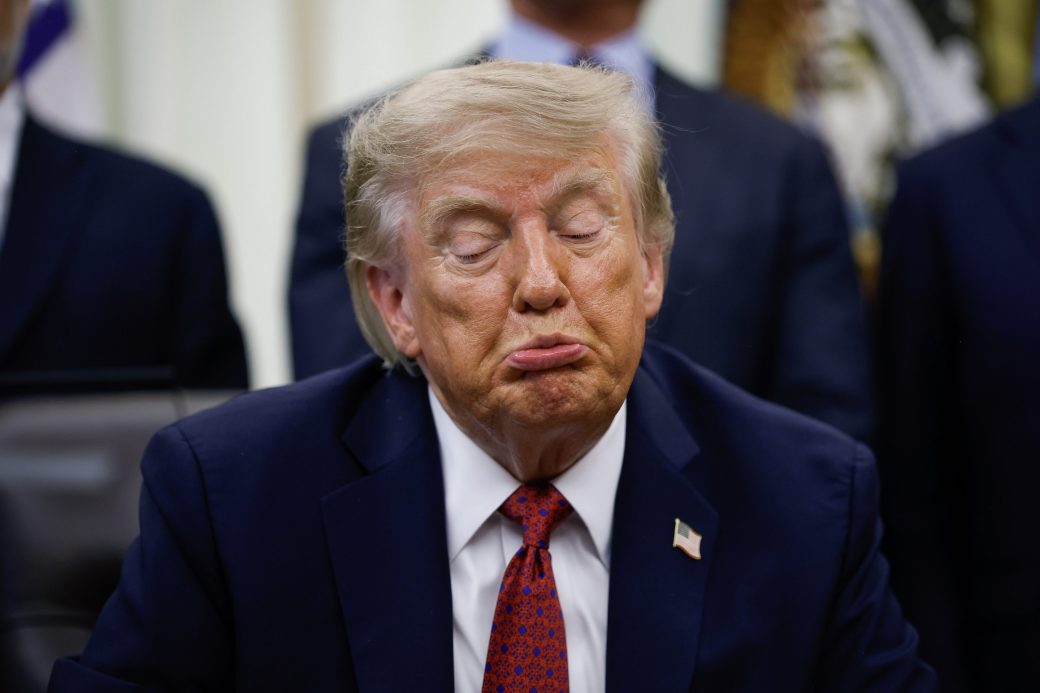
The bond market is in open revolt as Trump declines to accept an Iranian peace deal and oil hits $92 a barrel
Summary
Oil rose to $92 a barrel after President Trump declined to accept an Iranian peace deal, while the bond market reacted sharply. The combination points to growing concern over the economic and fiscal consequences of an escalating conflict.
The refusal to accept a peace deal removes a potential path to lower geopolitical risk
Unlock the full First Pass Analysis to get a better understanding of why this story mattersWhy it matters
A prolonged Iran conflict could keep oil elevated while pushing borrowing costs higher across the economy.

Oil prices jump as US, Iranian attacks stoke fears of escalation
Summary
Brent crude rose above $92 a barrel after the first US and Iranian strikes in more than a month. The attacks revived fears that a broader conflict could disrupt energy supplies.
The immediate market shift is a higher geopolitical premium in oil, with traders pricing a
Unlock the full First Pass Analysis to get a better understanding of why this story mattersWhy it matters
A wider US-Iran conflict could turn an energy shock into a global inflation and growth problem.
Global Market Today: Asian markets tumble as US-Iran fighting lifts oil and bond yields
Summary
Asian equities fell sharply as fighting involving the United States and Iran pushed oil prices and bond yields higher. The regional selloff included a 3% drop in South Korea’s KOSPI at the open and a 2.2% decline in Japan’s Nikkei, while S&P 500 futures were little changed.
The damage is concentrated in markets exposed to imported energy and global trade, while U.S.
Unlock the full First Pass Analysis to get a better understanding of why this story mattersWhy it matters
The selloff shows how quickly geopolitical risk can transmit through energy prices into regional equities.

The Takaichi revolution
Summary
Japan's prime minister is bringing a more forceful political style into a system shaped by institutional caution and consensus. Her approach is also colliding with bond markets, which are testing the limits of Japan's fiscal flexibility.
The decisive constraint is the bond market's response to a government seeking political change without
Unlock the full First Pass Analysis to get a better understanding of why this story mattersWhy it matters
Japan's political reset now faces a financial veto from investors.

Global bond sell-off deepens amid inflation fears
Summary
Japan's benchmark 10-year government bond yield reached 3% for the first time since 1996. US Treasury Secretary Scott Bessent has signaled that he expects the Bank of Japan to raise interest rates soon.
The yield milestone shows that markets are pricing a more decisive end to Japan's long
Unlock the full First Pass Analysis to get a better understanding of why this story mattersWhy it matters
Japan's policy shift is becoming a global market variable, not just a domestic monetary event.

At G20 Summit, Some U.S. Allies Push Back on Trump’s Economic Approach
Summary
A G20 summit intended to showcase President Trump’s economic policies instead drew criticism from European allies over U.S. tariffs and the war with Iran.
European governments are challenging the idea that Trump’s economic approach offers a shared model for
Unlock the full First Pass Analysis to get a better understanding of why this story mattersWhy it matters
The pushback signals that U.S. allies may resist aligning with Trump’s economic agenda even when Washington sets the summit’s terms.

US urges G20 to cut trade imbalances, focus on China
Summary
Treasury Secretary Scott Bessent is urging G20 countries to reduce trade imbalances and take stronger steps to shield their economies from Chinese imports.
The United States is seeking coordinated pressure on China while asking trading partners to absorb
Unlock the full First Pass Analysis to get a better understanding of why this story mattersWhy it matters
Washington is trying to turn its China trade policy into a broader multilateral framework, increasing the risk of a wider protectionist cycle.

Europe Protests as U.S. Invites Russian Minister to G20 Finance Meeting
Summary
G20 finance officials are meeting in the United States as the war involving Iran drives a global economic shock. The discussions are expected to focus on surging oil prices and their effects on growth, inflation and financial markets.
The war has moved from a regional security issue onto the G20’s economic agenda. Finance
Unlock the full First Pass Analysis to get a better understanding of why this story mattersWhy it matters
The meeting tests whether major economies can coordinate a response before an energy shock becomes a broader financial shock.
Gold hits over two-week low, US jobs data in focus
Summary
Gold fell to its lowest level in more than two weeks as higher Treasury yields and a stronger dollar reduced demand for the metal. Investors are awaiting U.S. jobs data for clues about the Federal Reserve’s interest-rate path, while officials have left open the possibility of further hikes if inflation persists.
Gold is losing support because markets are repricing the cost of holding a non-yielding asset
Unlock the full First Pass Analysis to get a better understanding of why this story mattersWhy it matters
The jobs data could determine whether gold’s retreat becomes a broader shift in expectations for U.S. rates.
Dollar holds firm as Middle East hostilities lift oil
Summary
The dollar strengthened as renewed Middle East hostilities pushed oil prices higher and unsettled global markets. Rising Treasury yields also supported expectations for possible Federal Reserve tightening, while the yen remained weak despite speculation about intervention.
The dollar is benefiting from both safe-haven demand and a more hawkish U.S. rate outlook.
Unlock the full First Pass Analysis to get a better understanding of why this story mattersWhy it matters
The combination of geopolitical risk and higher U.S. yields is tightening financial conditions well beyond the United States.

Gold Rises as Dollar Pushes Lower While Traders Weigh Fed Path
Summary
Gold remained under pressure as Middle East attacks pushed oil prices higher and a global bond selloff strengthened expectations that the Federal Reserve may raise rates to contain inflation.
Higher energy prices are reviving the inflation risk that had supported tighter policy, while rising
Unlock the full First Pass Analysis to get a better understanding of why this story mattersWhy it matters
Markets are treating the oil shock as an inflation problem first and a geopolitical haven trade second.

Australia posts second-quarter growth of 2.1%, beating expectations
Summary
Australia’s economy grew 2.1% in the second quarter, exceeding expectations. The stronger result gives the Reserve Bank of Australia more room to continue tightening policy to contain inflation.
The growth surprise reduces the immediate risk that higher interest rates will push the economy
Unlock the full First Pass Analysis to get a better understanding of why this story mattersWhy it matters
Stronger growth can keep Australian rates higher for longer and support the currency.

China Bond Sales Set to Accelerate, Putting Focus on PBOC
Summary
China is expected to increase government bond issuance after a recent lull as policymakers seek to support the sluggish economy. The heavier supply could prompt the People’s Bank of China to add liquidity to the financial system.
The next phase of fiscal support will test whether the central bank can offset the
Unlock the full First Pass Analysis to get a better understanding of why this story mattersWhy it matters
China’s fiscal push will affect both domestic borrowing costs and the global outlook for growth and commodities.
Other Developments
A curated list of other prominent stories from this day.

Copper fell for a second consecutive session alongside other industrial metals as rising oil prices revived concerns about global economic growth.
10:54 PMBloomberg Markets
Senate Democrats, led by Chuck Schumer, moved to repeal tariffs imposed by President Trump as Canada prepares retaliatory measures. Democrats argue the trade policy is increasing costs for American households and businesses.
6:19 PMWWDThe Dow Jones Industrial Average has fallen below its 50-day moving average, a technical level that previously preceded a correction ending with a roughly 5,000-point decline.
5:56 PMMarketWatch
Tax-exempt commercial mortgage-backed securities are gaining attention as a way to finance affordable housing in the United States. New federal rules, stronger ratings-agency engagement and participation from major banks are helping establish the structure.
4:00 PMHousing Wire
Morgan Stanley remains positive on healthcare real estate investment trusts, citing support from an aging population and their relatively attractive dividend income.
3:51 PMCNBC
Mortgage rates rose after Kevin Warsh's remarks at Jackson Hole, with Treasury buybacks and inflation risk cited as factors that could keep mortgage-backed securities spreads wide. Wider spreads can prevent mortgage rates from falling even when benchmark yields stabilize.
12:54 PMHousing WireSome experts argue that higher bond yields are not inherently negative because they can reflect stronger demand for capital and healthier economic growth. They contrast that environment with the near-zero rates that followed the global financial crisis, which reflected weak underlying economic conditions.
10:42 AMMarketWatch
The UK bond Consolidated Tape has reached full market coverage, according to its appointed provider, ETS Connect UK. The system now aggregates trading data across the entire UK bond market.
9:35 AMFinextra
Swiss Finance Minister Karin Keller-Sutter criticized a legislative compromise that would weaken proposed capital requirements for UBS. She said the plan favors the bank at taxpayers’ expense.
9:06 AMFinancial Times
Commercial mortgage-backed securities issuance is running ahead of expectations, led by single-asset, single-borrower deals. More than $90 billion in volume is scheduled through early September, putting the market on pace to approach $140 billion for the year.
9:00 AMHousing Wire
Shein shares fell during the company's long-awaited Hong Kong listing on Tuesday. The debut followed years of efforts to list in New York and London.
6:01 AMBBC
Luxembourg will allow approval for an Israel bond prospectus to expire, leaving Israel's future access to EU bond markets uncertain. The decision could complicate borrowing plans and investor participation in the region.
4:08 AMAl Jazeera
Copper’s Rally Stalls as Worries About Global Economy Resurface
Summary
Copper fell for a second consecutive session alongside other industrial metals as rising oil prices revived concerns about global economic growth.
The shift moves the market from optimism about copper demand toward renewed sensitivity to energy
Unlock the full First Pass Analysis to get a better understanding of why this story mattersWhy it matters
Copper’s pullback signals that commodity markets are again pricing a more fragile global growth outlook.

As Canada Plans Retaliation, Senate Democrats Move to Repeal Trump Tariffs
Summary
Senate Democrats, led by Chuck Schumer, moved to repeal tariffs imposed by President Trump as Canada prepares retaliatory measures. Democrats argue the trade policy is increasing costs for American households and businesses.
The move puts Senate Democrats on record against Trump's tariff strategy as foreign retaliation threatens
Unlock the full First Pass Analysis to get a better understanding of why this story mattersWhy it matters
A widening trade fight could raise domestic costs while forcing lawmakers to choose between presidential trade authority and economic relief.
Dow drops below a key chart level, warning of more trouble ahead
Summary
The Dow Jones Industrial Average has fallen below its 50-day moving average, a technical level that previously preceded a correction ending with a roughly 5,000-point decline.
The break signals deteriorating short-term momentum and may prompt systematic funds and technical traders to
Unlock the full First Pass Analysis to get a better understanding of why this story mattersWhy it matters
A widely watched technical threshold has turned from support into a potential trigger for further selling.

Tax-Exempt Commercial Mortgage-Backed Securities Are Having a Moment
Summary
Tax-exempt commercial mortgage-backed securities are gaining attention as a way to finance affordable housing in the United States. New federal rules, stronger ratings-agency engagement and participation from major banks are helping establish the structure.
The important change is the emergence of securitization as a larger funding channel for affordable
Unlock the full First Pass Analysis to get a better understanding of why this story mattersWhy it matters
A scalable tax-exempt CMBS market could expand affordable-housing financing while reducing reliance on public subsidies and traditional lenders.

5 reasons to stay bullish on these dividend-paying assets, according to Morgan Stanley
Summary
Morgan Stanley remains positive on healthcare real estate investment trusts, citing support from an aging population and their relatively attractive dividend income.
Demographic demand gives healthcare REITs a structural tenant and occupancy tailwind that is less dependent
Unlock the full First Pass Analysis to get a better understanding of why this story mattersWhy it matters
Healthcare REITs combine demographic growth with income potential, but remain sensitive to rates and funding conditions.

Mortgage rates jump after Warsh’s Jackson Hole remarks
Summary
Mortgage rates rose after Kevin Warsh's remarks at Jackson Hole, with Treasury buybacks and inflation risk cited as factors that could keep mortgage-backed securities spreads wide. Wider spreads can prevent mortgage rates from falling even when benchmark yields stabilize.
The jump reflects both higher rate expectations and a weaker transmission from Treasuries into mortgage
Unlock the full First Pass Analysis to get a better understanding of why this story mattersWhy it matters
Mortgage costs depend on credit spreads as well as Treasury yields, limiting relief for housing markets.
Are rising bond rates really so bad? Maybe not, say these experts.
Summary
Some experts argue that higher bond yields are not inherently negative because they can reflect stronger demand for capital and healthier economic growth. They contrast that environment with the near-zero rates that followed the global financial crisis, which reflected weak underlying economic conditions.
The key distinction is whether yields are rising because growth and investment are improving or
Unlock the full First Pass Analysis to get a better understanding of why this story mattersWhy it matters
The cause of the bond sell-off matters more than the size of the yield increase for investors and policymakers.

UK bond Consolidated Tape reaches 100% market coverage
Summary
The UK bond Consolidated Tape has reached full market coverage, according to its appointed provider, ETS Connect UK. The system now aggregates trading data across the entire UK bond market.
Full coverage improves transparency by giving investors a more complete view of prices, liquidity, and
Unlock the full First Pass Analysis to get a better understanding of why this story mattersWhy it matters
A complete consolidated tape can make UK bond markets easier to price, trade, and regulate.

Swiss finance minister hits out at move to water down UBS capital plans
Summary
Swiss Finance Minister Karin Keller-Sutter criticized a legislative compromise that would weaken proposed capital requirements for UBS. She said the plan favors the bank at taxpayers’ expense.
The dispute shows that Switzerland is balancing UBS’s competitiveness against the public cost of rescuing
Unlock the full First Pass Analysis to get a better understanding of why this story mattersWhy it matters
The outcome will shape UBS’s funding model and Switzerland’s safeguards against another banking crisis.

Trepp’s Stephen Buschbom and Andy Boettcher On a Very Busy 2026 for CMBS
Summary
Commercial mortgage-backed securities issuance is running ahead of expectations, led by single-asset, single-borrower deals. More than $90 billion in volume is scheduled through early September, putting the market on pace to approach $140 billion for the year.
The stronger issuance pipeline signals that commercial real estate borrowers and lenders are finding workable
Unlock the full First Pass Analysis to get a better understanding of why this story mattersWhy it matters
A sharp increase in CMBS issuance could ease refinancing pressure, but concentrated SASB growth may leave the market exposed to individual property and borrower failures.

Shein valued at $26bn after long-awaited stock market debut
Summary
Shein shares fell during the company's long-awaited Hong Kong listing on Tuesday. The debut followed years of efforts to list in New York and London.
The weak opening gives public-market investors an immediate reason to question Shein's valuation and growth
Unlock the full First Pass Analysis to get a better understanding of why this story mattersWhy it matters
Shein's public debut creates a daily market test for a business model that has faced sustained political and regulatory pressure.

Luxembourg drops approval for Israel bonds issue: What that means
Summary
Luxembourg will allow approval for an Israel bond prospectus to expire, leaving Israel's future access to EU bond markets uncertain. The decision could complicate borrowing plans and investor participation in the region.
The lapse removes a route for Israel to issue bonds in Luxembourg under the existing
Unlock the full First Pass Analysis to get a better understanding of why this story mattersWhy it matters
Israel's funding options in European markets may become more limited and more expensive.
Make it yours
Build Your First Pass.
Pick your topics, set your cadence, and receive your personalized First Pass in your inbox. It’s that simple!