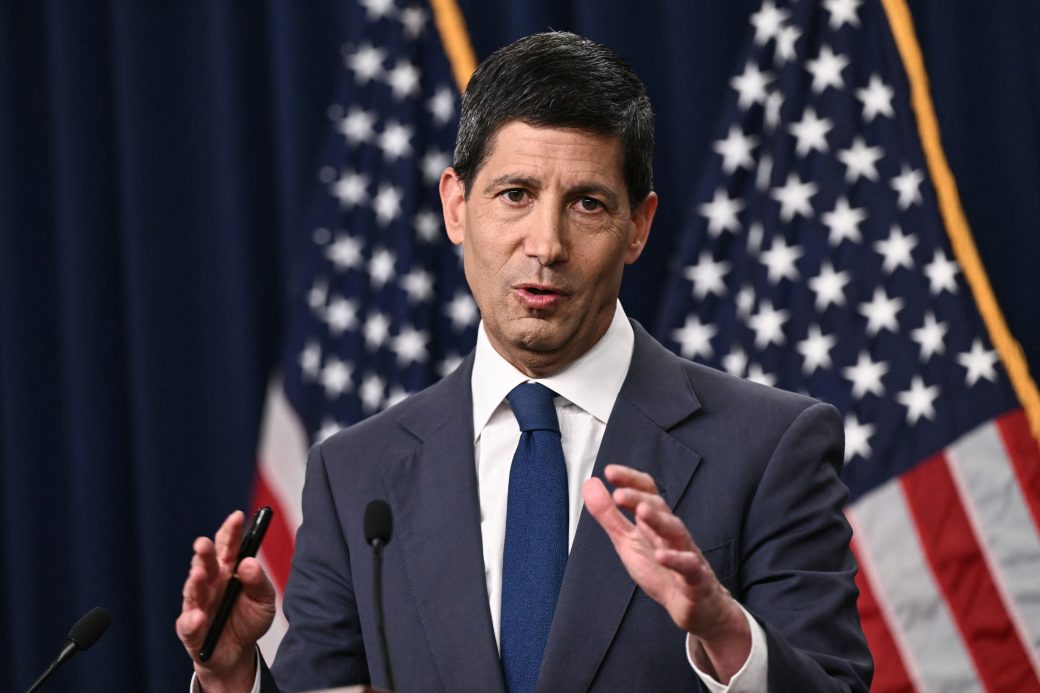
Hawkish Fed signals reset rates and pressure risk assets
Day’s Recap
“
”
Supporting Articles
The Jackson Hole conference produced a range of messages from Federal Reserve officials, while euro-area policymakers also warned that inflation risks remain unresolved. The discussions kept inflation at the center of the global monetary-policy debate.
4:02 PMFortune
Warsh’s Jackson Hole remarks may mark a change in how the Federal Reserve approaches policy. The address points toward a more forward-looking framework for the central bank.
12:28 PMFinancial Times
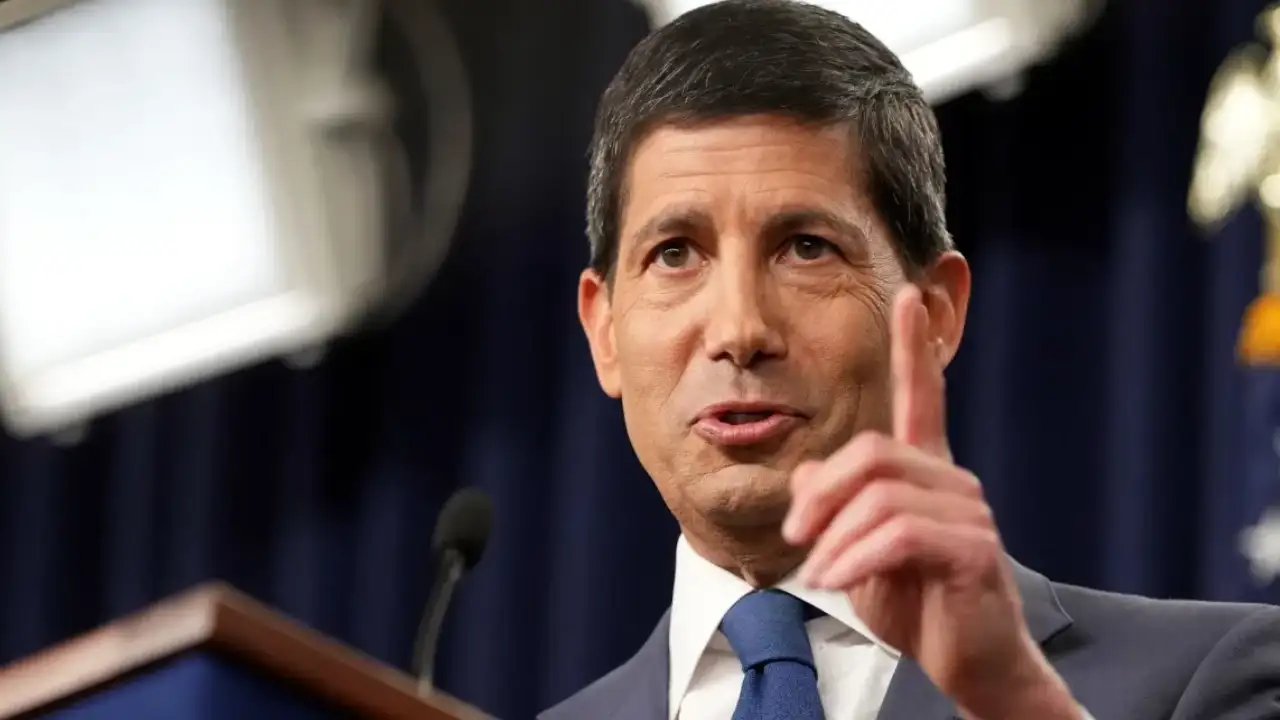
Warsh said inflation is not slowing and reiterated that policymakers remain firmly committed to a 2% target. He made the remarks at the 2026 Jackson Hole Economic Policy Symposium.
12:16 PMBloomberg Markets
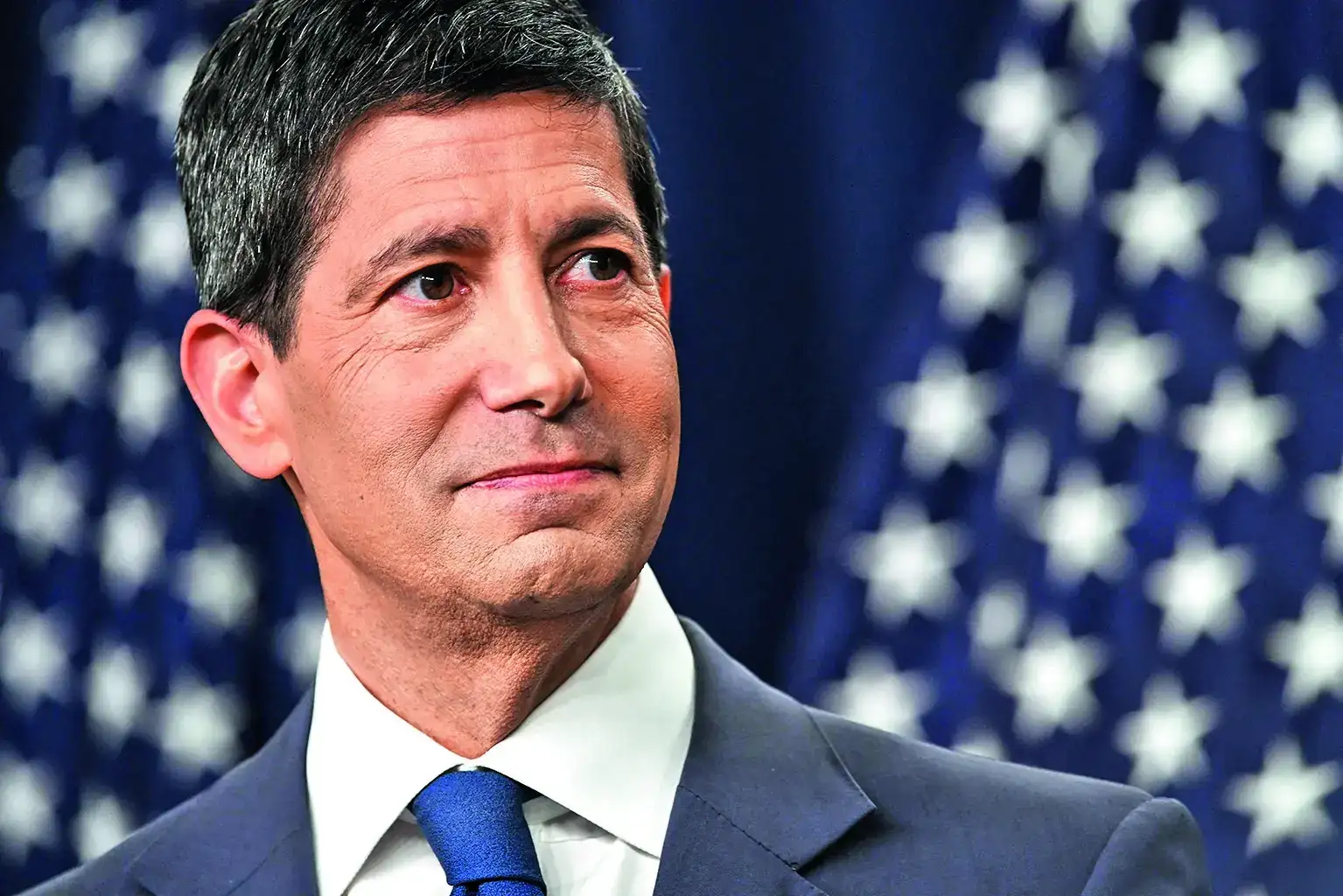
Federal Reserve chair Kevin Warsh signaled at Jackson Hole that interest rates may need to rise, challenging President Trump's demand for lower borrowing costs.
8:57 AMFinancial Times
President Trump signed an executive order renaming Lake Ontario "Lake America" to provoke Canadian leaders. Separately, the new Federal Reserve chair said persistent inflation remains a problem and pointed toward higher interest rates.
7:40 AMNPR Politics
Long-term Treasury yields and real rates have risen to levels not seen in roughly 25 years, driven less by inflation than by persistent US deficits, rising debt, and less dependable foreign demand. The dollar’s reserve-currency status still gives Washington room, but it does not eliminate the risks posed by its fiscal trajectory.
10:13 AMBloomberg Markets
Public debt has surged worldwide since the pandemic, and governments have struggled to reverse the spending increases that followed. Former finance ministers discuss why fiscal restraint is politically difficult and how countries can act before markets force abrupt adjustment.
8:12 AMBloomberg Markets
The article focuses on the long end of the bond market as Treasury yields rise during the summer. It frames long-duration debt as the key area for investors to watch as rates, inflation expectations and government borrowing pressures shape returns.
8:00 AMBloomberg Markets
The article examines growing support for policies that would steer investors toward US government bonds, effectively helping the state finance its debt at artificially low costs.
12:00 AMFinancial Times
The surge in borrowing by AI hyperscalers is directing large pools of capital toward corporate bonds rather than Treasuries. That shift is forcing Treasury yields higher as the government competes with corporations for investor demand.
2:59 PMFortune
Stocks posted a modest weekly gain, but technical indicators suggest that several prominent names have moved into overbought territory. The warning is concentrated in a few heavily favored stocks rather than the entire market.
8:08 AMCNBC
Corporate earnings have recently grown at an unusually rapid pace, but that performance is unlikely to continue. The article points to tougher comparisons and less favorable economic or operating conditions as reasons for slower growth ahead.
7:30 AMMarketWatch
The S&P 500 has continued rising even when most stocks decline because investor demand is concentrated in a small group of mega-cap technology companies. Enthusiasm over artificial intelligence is giving those stocks enough influence to determine the index's daily direction.
7:00 AMMarketWatch
US investors will watch the jobs report for clues about the Federal Reserve's rate path and Broadcom's results for evidence that the technology earnings boom is continuing. Strong corporate profits and resilient manufacturing and services activity have supported the equity rally.
12:17 AMEconomic Times
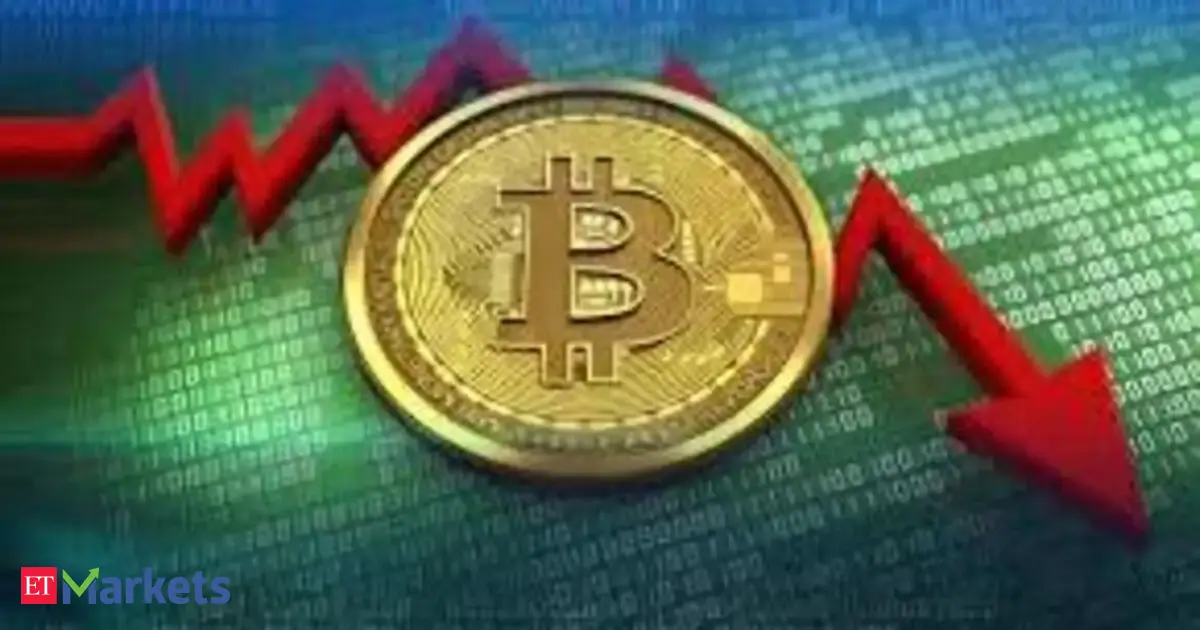
Bitcoin and Ethereum extended their declines after Kevin Warsh made hawkish comments on inflation and US monetary policy. High leverage and liquidations intensified selling, although crypto ETF inflows and gains in US technology stocks provided some support.
5:23 AMEconomic Times
BlackRock and other Wall Street firms are expanding in-kind transactions that let large Bitcoin holders transfer crypto directly into spot Bitcoin ETFs. Lower investment minimums and stronger market infrastructure are making custody and access simpler for institutional investors.
3:54 AMEconomic Times
Silver has recovered from a recent correction, helped by gold's rally, a weaker U.S. dollar and expectations for stronger industrial demand. Tight supply and demand from solar, electronics and electric vehicles support the longer-term outlook, while monetary policy and global growth remain near-term risks.
6:00 AMEconomic Times
Acrisure entered 2026 under pressure after announcing plans to cut 11% of its workforce, or about 2,250 jobs, in an operational overhaul. Its bonds and loans declined but remained above commonly used distressed thresholds, while concerns tied to Guggenheim added pressure to the company’s debt.
3:00 PMBloomberg Markets
4:02 PMFortune
Key takeaways from the Fed’s annual Jackson Hole conference
Summary
The Jackson Hole conference produced a range of messages from Federal Reserve officials, while euro-area policymakers also warned that inflation risks remain unresolved. The discussions kept inflation at the center of the global monetary-policy debate.
The continued focus on inflation limits the scope for central banks to ease policy quickly,
Unlock the full First Pass Analysis to get a better understanding of why this story matters
Why it matters
Persistent inflation concerns can keep borrowing costs elevated and increase volatility in bonds, currencies, and equities.
Warsh charts a forward-looking path for the Fed at Jackson Hole
Summary
Warsh’s Jackson Hole remarks may mark a change in how the Federal Reserve approaches policy. The address points toward a more forward-looking framework for the central bank.
The potential shift is methodological: the Fed may place greater weight on anticipated economic conditions
Unlock the full First Pass Analysis to get a better understanding of why this story matters
Why it matters
A new policy approach could alter expectations for rates, inflation, and market volatility.
Kevin Warsh’s first Jackson Hole speech offered investors a clearer view of his economic outlook and approach to monetary policy, while leaving the timing and scale of possible rate increases unresolved. The gathering also exposed the broader debate among central bankers over how restrictive policy should remain.
Warsh has shifted the Fed debate toward the risk that rates may need to stay
Unlock the full First Pass Analysis to get a better understanding of why this story matters
Why it matters
A more hawkish Fed outlook could reset borrowing costs and valuations across global markets.
Kevin Warsh said the Fed is prepared to act if inflation does not move clearly toward its 2% target, even as he described the broader US economy as strong. Upcoming inflation data will be central to the decision over whether policymakers raise rates in September.
Warsh has made inflation progress the explicit condition for policy relief, weakening the case for
Unlock the full First Pass Analysis to get a better understanding of why this story matters
Why it matters
The next inflation releases could move rate expectations, bond yields, and equity valuations at the same time.
US Fed rate hike bets soar to 57% from 30% after Warsh's speech. What are Goldman Sachs and others saying?
Summary
Traders sharply increased the implied probability of a September US rate hike after Fed Chair Kevin Warsh’s Jackson Hole speech, taking it to 57% from 30%. Goldman Sachs still expects rates to remain unchanged, while warning that stronger inflation data could shift its view.
The market has moved toward a hike scenario, but the policy signal remains contested. Investors
Unlock the full First Pass Analysis to get a better understanding of why this story matters
Why it matters
Markets are repricing US policy risk around inflation, increasing volatility in bonds, currencies, and equities.
Investors heartened by Warsh inflation talk, still uncertain about Fed action
Summary
Federal Reserve Chair Kevin Warsh emphasized that controlling inflation remains a priority and indicated that rate increases could be needed if price pressures intensify. Markets raised expectations for a September hike, but investors still await jobs and inflation data for confirmation.
Warsh shifted the market's focus from prospective easing to the risk of renewed tightening. That
Unlock the full First Pass Analysis to get a better understanding of why this story matters
Why it matters
A single policy signal has raised the hurdle for risk assets by reviving uncertainty over the direction of US rates.
Gold fell more than 3% after Kevin Warsh's inflation comments increased expectations for a possible September rate hike. Higher US rate prospects and a stronger dollar reduced demand for the metal and pushed futures down from recent highs.
Gold's sharp decline shows how exposed the trade is to changes in real yields and
Unlock the full First Pass Analysis to get a better understanding of why this story matters
Why it matters
The move signals that inflation hedges are vulnerable when central-bank credibility and higher rates regain market attention.
Warsh Says Inflation Isn’t Slowing, Vows to Reach 2% Target
Summary
Warsh said inflation is not slowing and reiterated that policymakers remain firmly committed to a 2% target. He made the remarks at the 2026 Jackson Hole Economic Policy Symposium.
The Fed is signaling that its inflation fight remains unfinished, even as markets may expect
Unlock the full First Pass Analysis to get a better understanding of why this story matters
Why it matters
A firm 2% commitment raises the risk that interest rates stay restrictive for longer.
Warsh puts Fed on collision course with Trump ahead of midterms
Summary
Federal Reserve chair Kevin Warsh signaled at Jackson Hole that interest rates may need to rise, challenging President Trump's demand for lower borrowing costs.
The Fed's willingness to consider higher rates puts monetary policy directly at odds with Trump's
Unlock the full First Pass Analysis to get a better understanding of why this story matters
Why it matters
The dispute could test the Fed's independence while making interest rates a central political issue before the midterms.
Week in Politics: Trump renames Lake Ontario 'Lake America'; Fed chair signals hikes
Summary
President Trump signed an executive order renaming Lake Ontario "Lake America" to provoke Canadian leaders. Separately, the new Federal Reserve chair said persistent inflation remains a problem and pointed toward higher interest rates.
The administration is pairing symbolic confrontation with Canada and tighter economic policy at home. The
Unlock the full First Pass Analysis to get a better understanding of why this story matters
Why it matters
The moves show pressure building simultaneously in US foreign relations and monetary policy.
Long-term Treasury yields and real rates have risen to levels not seen in roughly 25 years, driven less by inflation than by persistent US deficits, rising debt, and less dependable foreign demand. The dollar’s reserve-currency status still gives Washington room, but it does not eliminate the risks posed by its fiscal trajectory.
The central shift is from an inflation story to a government-financing story. As foreign buyers
Unlock the full First Pass Analysis to get a better understanding of why this story matters
Why it matters
US fiscal strain is beginning to influence the cost of capital globally, not just the outlook for government debt.
Public debt has surged worldwide since the pandemic, and governments have struggled to reverse the spending increases that followed. Former finance ministers discuss why fiscal restraint is politically difficult and how countries can act before markets force abrupt adjustment.
The immediate problem is political rather than technical: voters resist spending cuts, while governments postpone
Unlock the full First Pass Analysis to get a better understanding of why this story matters
Why it matters
The next debt crises are likely to emerge where political paralysis collides with rising interest costs.
Focus on the Long Bond in This Summer of Rising Yields
Summary
The article focuses on the long end of the bond market as Treasury yields rise during the summer. It frames long-duration debt as the key area for investors to watch as rates, inflation expectations and government borrowing pressures shape returns.
Rising yields are imposing the greatest losses on long-maturity bonds because their prices are most
Unlock the full First Pass Analysis to get a better understanding of why this story matters
Why it matters
Long-term bonds are becoming a direct test of whether markets believe inflation and fiscal pressures will ease.
Risk of a new age of financial repression is rising
Summary
The article examines growing support for policies that would steer investors toward US government bonds, effectively helping the state finance its debt at artificially low costs.
Rising debt and persistent fiscal deficits are making financial repression more politically attractive, especially if
Unlock the full First Pass Analysis to get a better understanding of why this story matters
Why it matters
Investors may face weaker real returns and less freedom to allocate capital if governments increasingly manage bond demand.
Wall Street used to worry that too much U.S. debt would crowd out the private sector. But AI hyperscalers are ‘reverse crowding’ the Treasury
Summary
The surge in borrowing by AI hyperscalers is directing large pools of capital toward corporate bonds rather than Treasuries. That shift is forcing Treasury yields higher as the government competes with corporations for investor demand.
AI infrastructure spending has created a new source of competition for government financing, reversing the
Unlock the full First Pass Analysis to get a better understanding of why this story matters
Why it matters
The AI investment boom is beginning to affect sovereign borrowing costs, not just technology-sector valuations.
Stocks eked out a winning week. Here are the names that are now overbought
Summary
Stocks posted a modest weekly gain, but technical indicators suggest that several prominent names have moved into overbought territory. The warning is concentrated in a few heavily favored stocks rather than the entire market.
The market’s narrow leadership has increased the risk that crowded winners become vulnerable to profit-taking
Unlock the full First Pass Analysis to get a better understanding of why this story matters
Why it matters
Market concentration makes a small group of stocks increasingly important to index performance and downside risk.
Corporate earnings have been growing at a blistering pace. Here’s why that’s not likely to last.
Summary
Corporate earnings have recently grown at an unusually rapid pace, but that performance is unlikely to continue. The article points to tougher comparisons and less favorable economic or operating conditions as reasons for slower growth ahead.
The earnings boom is facing a base-effect problem: companies must now grow on top of
Unlock the full First Pass Analysis to get a better understanding of why this story matters
Why it matters
A normalizing earnings rate could make current equity prices harder to justify, even without a recession.
The S&P 500 keeps climbing on days when stocks broadly struggle. Here’s what’s going on.
Summary
The S&P 500 has continued rising even when most stocks decline because investor demand is concentrated in a small group of mega-cap technology companies. Enthusiasm over artificial intelligence is giving those stocks enough influence to determine the index's daily direction.
Index gains are masking weak market breadth, leaving the benchmark increasingly dependent on a handful
Unlock the full First Pass Analysis to get a better understanding of why this story matters
Why it matters
The S&P 500 is becoming a less reliable measure of broad market health as mega-cap concentration increases.
Wall Street Week Ahead: Jobs report, Broadcom results pose next hurdles for stock market rally
Summary
US investors will watch the jobs report for clues about the Federal Reserve's rate path and Broadcom's results for evidence that the technology earnings boom is continuing. Strong corporate profits and resilient manufacturing and services activity have supported the equity rally.
The rally now depends on two tests: economic data must remain strong without reviving inflation
Unlock the full First Pass Analysis to get a better understanding of why this story matters
Why it matters
The next leg of the rally requires both a durable earnings story and a macro backdrop that does not force the Fed to tighten.
Bitcoin falls below $78,000 as crypto market faces correction after Warsh’s Jackson Hole comments
Summary
Bitcoin and Ethereum extended their declines after Kevin Warsh made hawkish comments on inflation and US monetary policy. High leverage and liquidations intensified selling, although crypto ETF inflows and gains in US technology stocks provided some support.
The market is repricing crypto for tighter US monetary policy, and leveraged positions are turning
Unlock the full First Pass Analysis to get a better understanding of why this story matters
Why it matters
Crypto is again trading as a leveraged bet on interest rates, making hawkish policy signals a direct source of systemic selling pressure.
BlackRock helps pull more Bitcoin wealth deeper into Wall Street
Summary
BlackRock and other Wall Street firms are expanding in-kind transactions that let large Bitcoin holders transfer crypto directly into spot Bitcoin ETFs. Lower investment minimums and stronger market infrastructure are making custody and access simpler for institutional investors.
The key shift is that Bitcoin wealth can move into regulated financial products with less
Unlock the full First Pass Analysis to get a better understanding of why this story matters
Why it matters
Bitcoin is becoming easier to hold through mainstream finance, accelerating institutional adoption while increasing Wall Street’s control over its trading ecosystem.
Silver rebounds from correction: Can the recovery gain momentum?
Summary
Silver has recovered from a recent correction, helped by gold's rally, a weaker U.S. dollar and expectations for stronger industrial demand. Tight supply and demand from solar, electronics and electric vehicles support the longer-term outlook, while monetary policy and global growth remain near-term risks.
Silver's rebound has both monetary and industrial drivers, giving it broader support than a purely
Unlock the full First Pass Analysis to get a better understanding of why this story matters
Why it matters
Silver can benefit from structural industrial demand, but its next leg higher still depends on the dollar, rates and global growth.
Guggenheim Ties Weigh on Acrisure Debt, Dragging High-Yield Credit Markets
Summary
Acrisure entered 2026 under pressure after announcing plans to cut 11% of its workforce, or about 2,250 jobs, in an operational overhaul. Its bonds and loans declined but remained above commonly used distressed thresholds, while concerns tied to Guggenheim added pressure to the company’s debt.
Acrisure’s restructuring has shifted its debt from a company-specific problem into a broader test for
Unlock the full First Pass Analysis to get a better understanding of why this story matters
Why it matters
Acrisure’s slide shows how operational stress and financial relationships can amplify pressure across high-yield markets before formal distress appears.
A curated list of other prominent stories from this day.
South Korea is using an onerous mock-trading course to curb investor demand for risky leveraged products, including chip-focused ETFs. The effort is contributing to a retreat by day traders as market volatility has intensified.
8:00 PMBloomberg Markets
The post-pandemic economy no longer fits the once-popular K-shaped recovery, in which stronger households and businesses pulled away from weaker ones. Economists are now debating alternative patterns, reflecting a more fragmented and harder-to-classify expansion.
4:22 PMCNBC
Portfolio manager Paul Black identifies three traits of durable wealth creators: widening competitive advantages, strong corporate cultures and improving returns on invested capital. He also stresses patience and an information edge when finding and holding such businesses.
6:34 AMEconomic Times
The Commodity Futures Trading Commission fined former White House aide Perez $172,000 for using advance access to presidential speeches to trade contracts for personal gain. The regulator said he traded before the speeches were delivered and benefited from information unavailable to the broader market.
6:23 AMCNBC
The article argues that the Federal Reserve often reacts too slowly to changes in inflation. It says policymakers should place more weight on short-term trends that may signal a shift to a new inflation regime before broader data confirms it.
5:00 AMFortune
Turkey’s markets regulator will limit hedge funds’ exposure to related parties and cap concentrated investments. The measures target concerns over abnormal returns and repeated warnings from global index providers.
3:10 AMBloomberg Markets
The article argues that finance has repaired much of its reputation since the global financial crisis and offers lessons for technology, now facing mounting public distrust.
12:00 AMFinancial Times
8:00 PMBloomberg Markets
Day Traders Are Abandoning Korean Chip Leveraged ETFs in Droves
Summary
South Korea is using an onerous mock-trading course to curb investor demand for risky leveraged products, including chip-focused ETFs. The effort is contributing to a retreat by day traders as market volatility has intensified.
The training requirement is now acting as a direct brake on speculative trading in South
Unlock the full First Pass Analysis to get a better understanding of why this story matters
Why it matters
South Korea is testing whether investor-friction rules can cool leveraged speculation without displacing it elsewhere.
K, C or E? Why economists can’t agree on the shape of today’s economy
Summary
The post-pandemic economy no longer fits the once-popular K-shaped recovery, in which stronger households and businesses pulled away from weaker ones. Economists are now debating alternative patterns, reflecting a more fragmented and harder-to-classify expansion.
The breakdown of the K-shaped consensus signals that aggregate growth is masking divergent outcomes across
Unlock the full First Pass Analysis to get a better understanding of why this story matters
Why it matters
A divided economy can sustain growth while still producing political pressure and uneven market performance.
Paul Black’s 3 thumb rules for identifying great wealth creators
Summary
Portfolio manager Paul Black identifies three traits of durable wealth creators: widening competitive advantages, strong corporate cultures and improving returns on invested capital. He also stresses patience and an information edge when finding and holding such businesses.
The framework shifts attention from cheap valuations or short-term earnings to the durability of a
Unlock the full First Pass Analysis to get a better understanding of why this story matters
Why it matters
Long-term returns depend less on spotting the next hot sector than on identifying companies whose economics improve with scale and time.
CFTC fines former White House aide $172,000 for trading on Trump speech information
Summary
The Commodity Futures Trading Commission fined former White House aide Perez $172,000 for using advance access to presidential speeches to trade contracts for personal gain. The regulator said he traded before the speeches were delivered and benefited from information unavailable to the broader market.
The penalty shows regulators are treating confidential government information as a market-integrity issue, even when
Unlock the full First Pass Analysis to get a better understanding of why this story matters
Why it matters
Government insiders may face greater legal and compliance risk when private policy information can move tradable contracts.
Why the Fed is often slow, late … and wrong in reading inflation
Summary
The article argues that the Federal Reserve often reacts too slowly to changes in inflation. It says policymakers should place more weight on short-term trends that may signal a shift to a new inflation regime before broader data confirms it.
The central risk is policy lag: waiting for backward-looking data can leave the Fed tightening
Unlock the full First Pass Analysis to get a better understanding of why this story matters
Why it matters
The Fed's reading of turning points will determine whether markets face renewed tightening or an unnecessary economic slowdown.
Turkey’s Markets Regulator Tightens Rules for Hedge Funds
Summary
Turkey’s markets regulator will limit hedge funds’ exposure to related parties and cap concentrated investments. The measures target concerns over abnormal returns and repeated warnings from global index providers.
The regulator is prioritizing market credibility over fund flexibility. Hedge funds with concentrated or related-party
Unlock the full First Pass Analysis to get a better understanding of why this story matters
Why it matters
Turkey is tightening fund rules to protect its market’s credibility and limit the risks of concentrated, connected trading.
The article argues that finance has repaired much of its reputation since the global financial crisis and offers lessons for technology, now facing mounting public distrust.
Finance regained credibility by accepting tighter oversight, emphasizing stability, and showing clearer accountability after its
Unlock the full First Pass Analysis to get a better understanding of why this story matters
Why it matters
The comparison suggests that public trust, not just profitability, will shape the next phase of technology regulation.