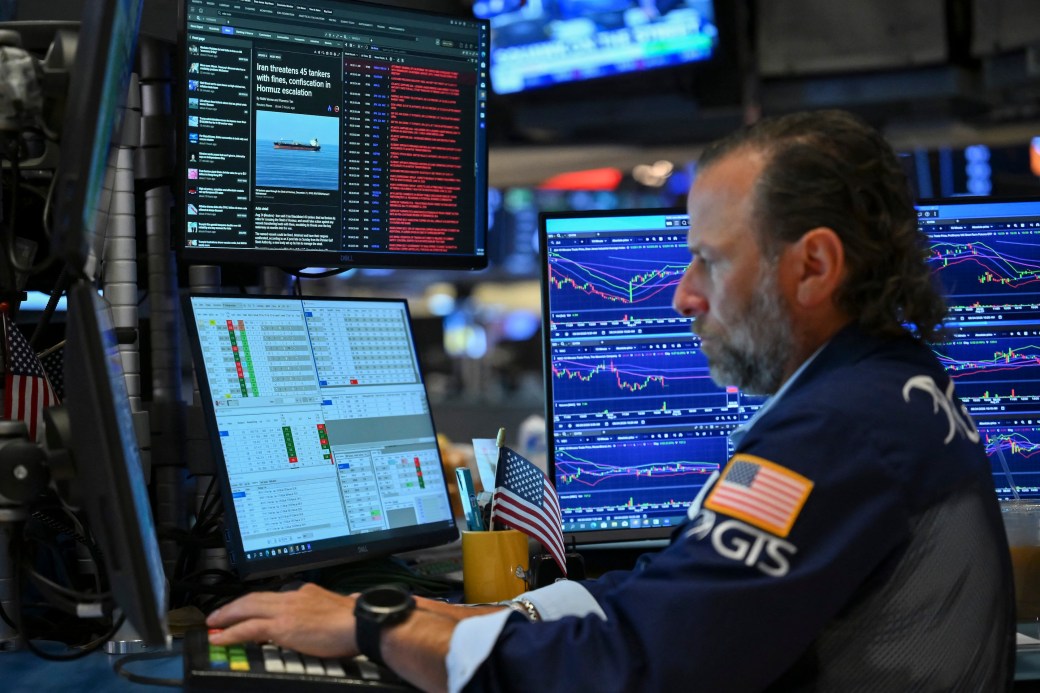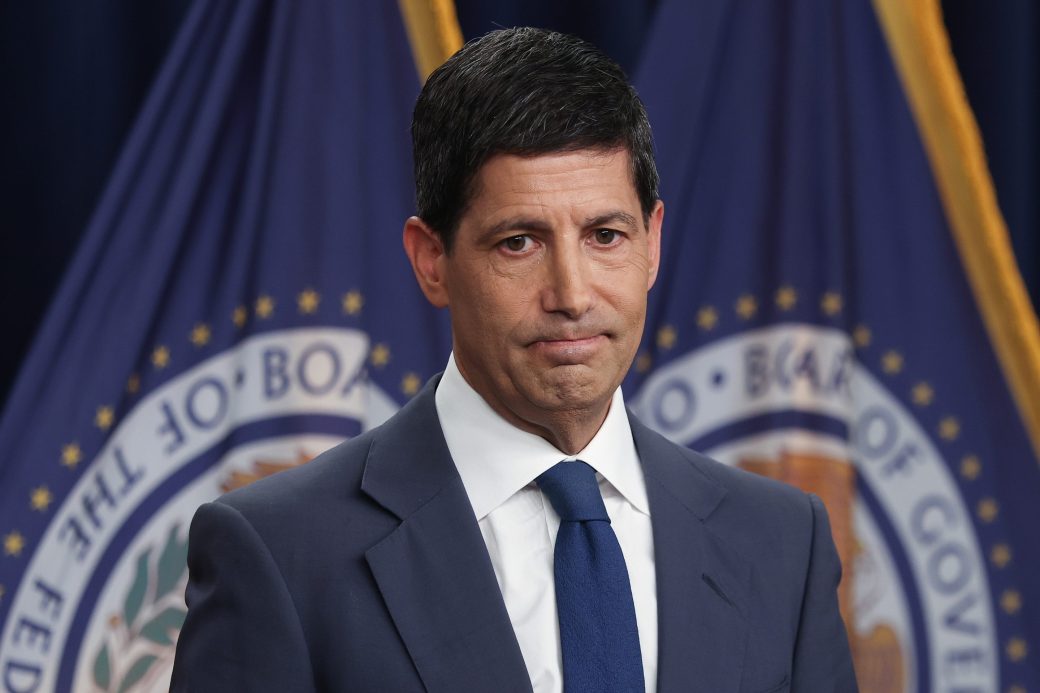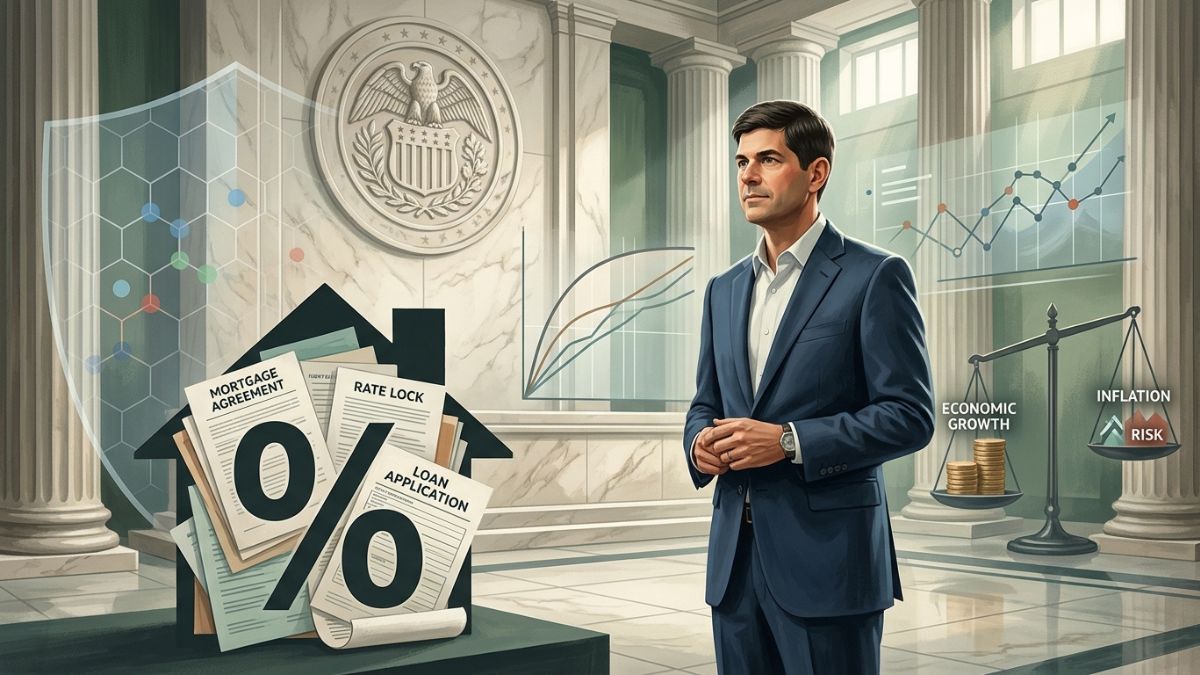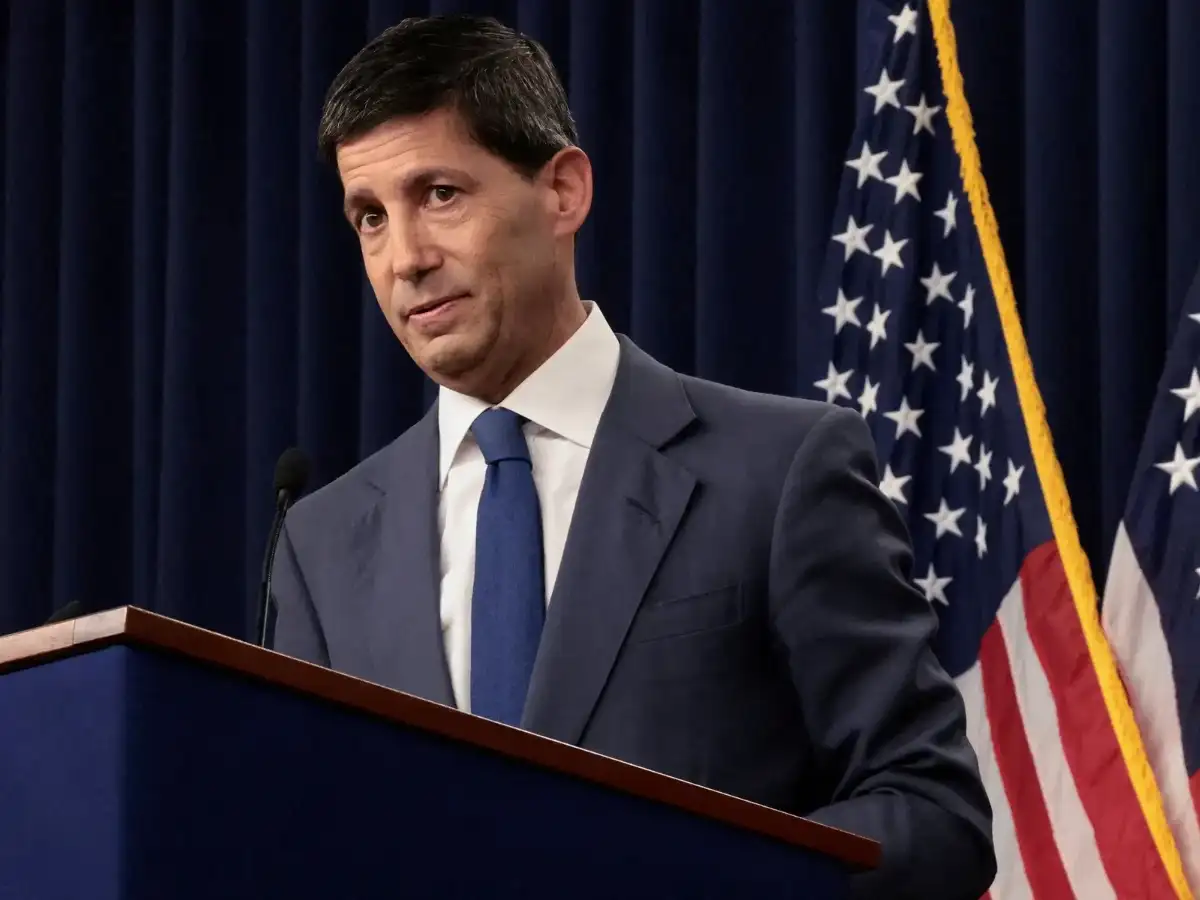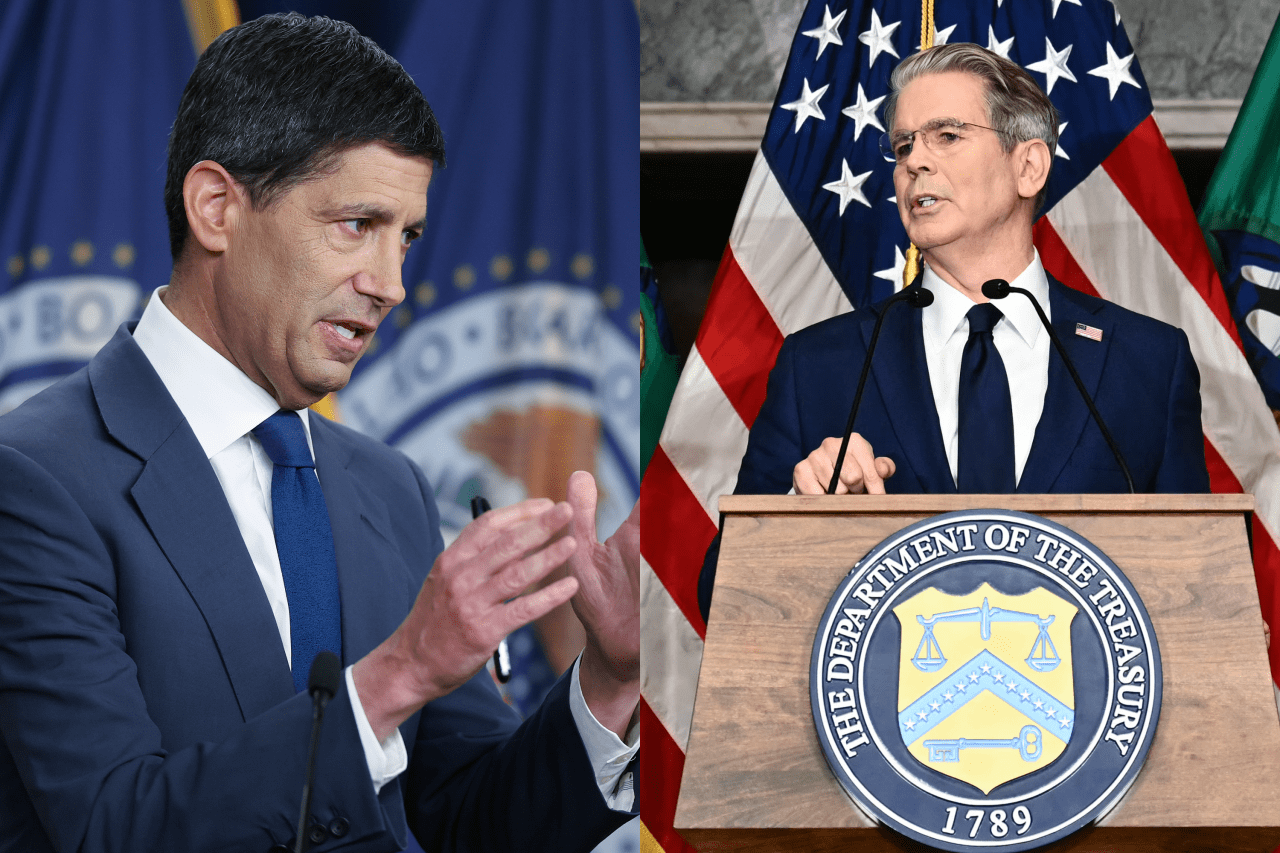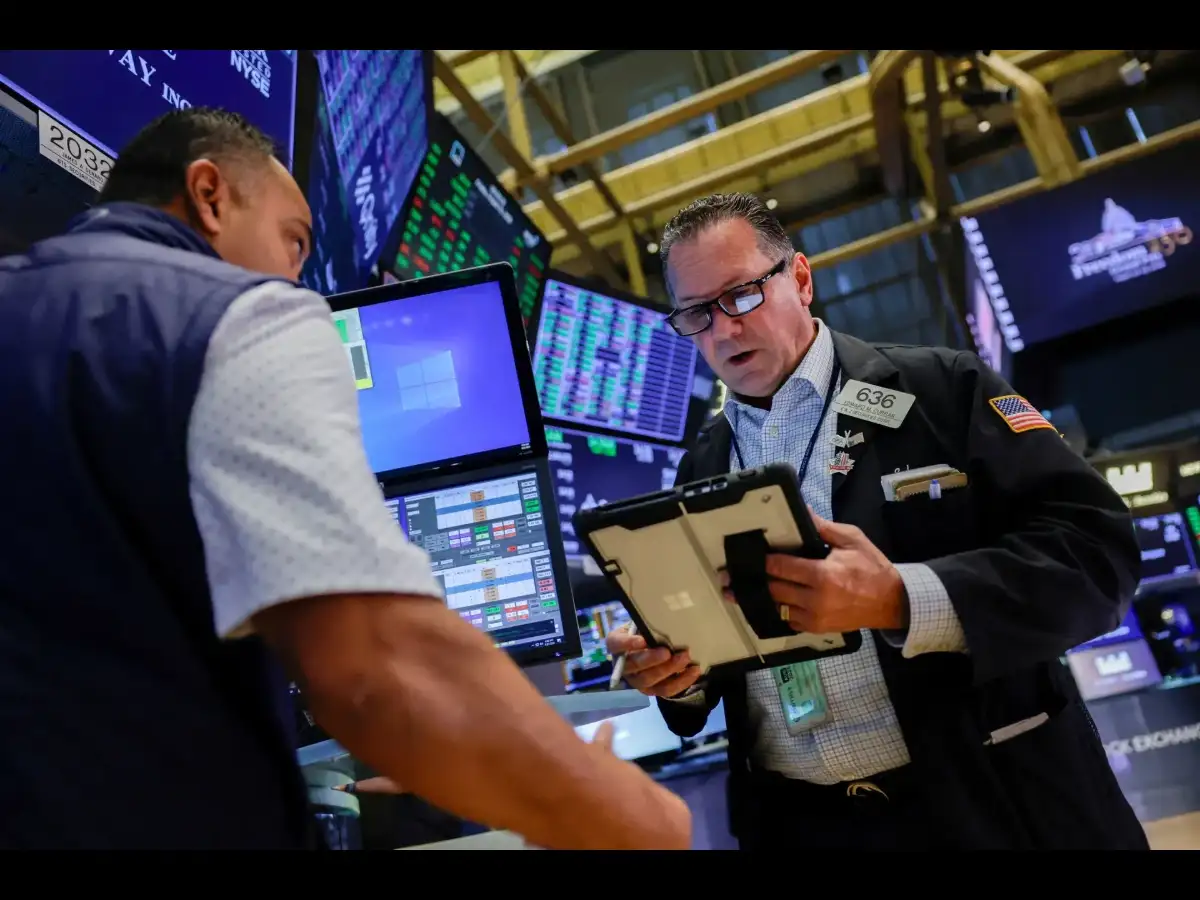
US stocks fell after Fed Chair Kevin Warsh reaffirmed the central bank's commitment to returning inflation to 2%, increasing expectations for a possible September rate hike. The Dow, S&P 500, and Nasdaq declined as technology shares weakened, while investors also weighed mixed earnings and economic data.
4:15 PMEconomic Times111 stories from 10 sources
Warsh’s inflation warning resets global market expectations
Day’s Recap
Supporting Articles

Tariffs have already raised costs for households and businesses in Canada and the United States for more than a year. The analysis examines how further or changing tariffs could affect consumer prices, business expenses and cross-border trade.
8:15 PMBBC
The escalating US-Canada trade dispute has raised fears that Canada could lose roughly 100,000 jobs and enter recession if the USMCA trade agreement collapses. Analysts warn that tariffs would deepen the economic damage on both sides of the border.
5:39 PMAl Jazeera
President Trump has threatened to raise tariffs on Canadian vehicles, parts, and steel to 50% at the start of next year. Canadian auto executives warn that the measure would severely damage an industry built around decades of integrated US-Canada free trade.
5:17 PMBloomberg Markets
Canada's economy rebounded strongly in the second quarter, led by consumer spending and business investment. The data suggest domestic demand absorbed the earlier impact of US tariffs, though future trade measures remain a risk.
12:59 PMAl Jazeera
US stocks finished the week higher as investors weighed the inflation outlook alongside Nvidia's earnings. Both the path of interest rates and the technology sector's profit momentum remained central to market sentiment.
4:28 PMCNBC
The equal-weight RSP fund has surpassed $100 billion in assets and is outperforming the cap-weighted S&P 500. Its broader exposure benefits when investors move beyond the dominant Big Tech companies.
3:00 AMFortune
The program examines how governments can restrain spending, whether US deficits are exerting more influence on interest rates than inflation, and what Kevin Warsh's arrival at the Fed could mean. It also considers how YouTube is expanding film production while overwhelming audiences with content.
7:12 PMBloomberg Markets
IMF Managing Director Kristalina Georgieva praised Kevin Warsh's Jackson Hole speech and discussed the forces behind persistent inflation. She also addressed whether recent price pressures reflect central-bank shortcomings or broader economic forces.
5:32 PMBloomberg Markets
A court ruled that sports event contracts are not swaps regulated exclusively by the Commodity Futures Trading Commission, backing Nevada in its case against three prediction-market companies. The CFTC indicated that the dispute could move to the Supreme Court.
8:19 PMPYMNTS
Treasury Secretary Scott Bessent criticized Senator Elizabeth Warren over questions about a yen intervention. Treasury has not disclosed the amount of yen purchased, the execution rate or the position's current value despite Warren's requests.
4:31 PMCNBCStocks have continued rising despite several risks, but Bank of America strategists warn that conditions could become more difficult in the autumn. They identify the US midterm elections and a potential end to the Iran war as possible sources of disruption.
10:39 AMMarketWatchUS stocks today: US stocks end lower as Warsh keeps inflation fight front and centre
Summary
US stocks fell after Fed Chair Kevin Warsh reaffirmed the central bank's commitment to returning inflation to 2%, increasing expectations for a possible September rate hike. The Dow, S&P 500, and Nasdaq declined as technology shares weakened, while investors also weighed mixed earnings and economic data.
Warsh's inflation focus pushed rate-hike risk back into equity pricing, with high-growth technology stocks absorbing
Unlock the full First Pass Analysis to get a better understanding of why this story mattersWhy it matters
A higher probability of near-term tightening threatens equity valuations, especially in rate-sensitive technology stocks.
6 stories · 5 sources

What tariffs will really cost Canadians and Americans
Summary
Tariffs have already raised costs for households and businesses in Canada and the United States for more than a year. The analysis examines how further or changing tariffs could affect consumer prices, business expenses and cross-border trade.
The main effect is a redistribution of costs rather than a free gain for domestic
Unlock the full First Pass Analysis to get a better understanding of why this story mattersWhy it matters
Tariff policy is becoming a persistent cost and competitiveness issue for households and companies on both sides of the border.

With the US and Canada locked in a trade war, fears of a recession lurk
Summary
The escalating US-Canada trade dispute has raised fears that Canada could lose roughly 100,000 jobs and enter recession if the USMCA trade agreement collapses. Analysts warn that tariffs would deepen the economic damage on both sides of the border.
The main risk is a shift from targeted trade pressure to the breakdown of the
Unlock the full First Pass Analysis to get a better understanding of why this story mattersWhy it matters
A USMCA collapse would turn a tariff dispute into a broader North American growth shock.

Tariffs Could Bring Canada Auto "To Its Knees"
Summary
President Trump has threatened to raise tariffs on Canadian vehicles, parts, and steel to 50% at the start of next year. Canadian auto executives warn that the measure would severely damage an industry built around decades of integrated US-Canada free trade.
A 50% tariff would disrupt the cross-border supply chain, where vehicles and components routinely move
Unlock the full First Pass Analysis to get a better understanding of why this story mattersWhy it matters
The threat puts one of North America's most integrated industrial systems at risk of a self-inflicted supply shock.

Canadian economy recovers sharply in Q2 but shadow of US tariffs in future
Summary
Canada's economy rebounded strongly in the second quarter, led by consumer spending and business investment. The data suggest domestic demand absorbed the earlier impact of US tariffs, though future trade measures remain a risk.
The rebound gives the Bank of Canada evidence that the economy can withstand past trade
Unlock the full First Pass Analysis to get a better understanding of why this story mattersWhy it matters
Canada's next policy decision will depend on whether domestic strength can outlast the drag from US trade restrictions.

Stocks wrap up winning week even as inflation becomes top of mind for investors
Summary
US stocks finished the week higher as investors weighed the inflation outlook alongside Nvidia's earnings. Both the path of interest rates and the technology sector's profit momentum remained central to market sentiment.
The market's advance shows that strong corporate earnings can offset renewed inflation concerns, but that
Unlock the full First Pass Analysis to get a better understanding of why this story mattersWhy it matters
Equities are relying on earnings strength to withstand a rates environment that may stay restrictive.

Why ‘equal weight’ S&P 500 funds are having a moment—and are up almost 16% this year alone
Summary
The equal-weight RSP fund has surpassed $100 billion in assets and is outperforming the cap-weighted S&P 500. Its broader exposure benefits when investors move beyond the dominant Big Tech companies.
The fund's momentum signals stronger participation across the market rather than reliance on a handful
Unlock the full First Pass Analysis to get a better understanding of why this story mattersWhy it matters
Leadership is broadening, which could make the equity rally more durable but also more sensitive to economic growth.

Wall Street Week | Debt & Consequences, Defying Fiscal Gravity, Hollywood Gets Democratized
Summary
The program examines how governments can restrain spending, whether US deficits are exerting more influence on interest rates than inflation, and what Kevin Warsh's arrival at the Fed could mean. It also considers how YouTube is expanding film production while overwhelming audiences with content.
The central shift is that fiscal policy may now be a more persistent market force
Unlock the full First Pass Analysis to get a better understanding of why this story mattersWhy it matters
Markets may need to price fiscal risk and supply-driven content disruption as durable forces rather than temporary noise.

IMF's Georgieva on Warsh's Speech, 'Stubborn' Inflation
Summary
IMF Managing Director Kristalina Georgieva praised Kevin Warsh's Jackson Hole speech and discussed the forces behind persistent inflation. She also addressed whether recent price pressures reflect central-bank shortcomings or broader economic forces.
The debate is shifting from whether inflation is temporary to how much control central banks
Unlock the full First Pass Analysis to get a better understanding of why this story mattersWhy it matters
Persistent inflation with limited monetary control would complicate rate cuts and widen policy disagreements globally.

CFTC Signals Supreme Court Battle After Nevada Wins Prediction Markets Case
Summary
A court ruled that sports event contracts are not swaps regulated exclusively by the Commodity Futures Trading Commission, backing Nevada in its case against three prediction-market companies. The CFTC indicated that the dispute could move to the Supreme Court.
The ruling weakens the CFTC's claim to exclusive control over sports prediction contracts and gives
Unlock the full First Pass Analysis to get a better understanding of why this story mattersWhy it matters
The case could decide who controls a rapidly expanding prediction-markets industry and whether companies must comply with competing state regimes.

Bessent attacks Warren over yen intervention query, offers ‘Foreign Exchange for Dummies’ lesson
Summary
Treasury Secretary Scott Bessent criticized Senator Elizabeth Warren over questions about a yen intervention. Treasury has not disclosed the amount of yen purchased, the execution rate or the position's current value despite Warren's requests.
The dispute centers on whether Treasury can conduct potentially market-moving foreign-exchange operations without releasing basic
Unlock the full First Pass Analysis to get a better understanding of why this story mattersWhy it matters
Unclear intervention data can undermine oversight and increase uncertainty around U.S. currency policy.
The bull market for stocks is defying everything, but Bank of America warns that an autumn reality check is coming
Summary
Stocks have continued rising despite several risks, but Bank of America strategists warn that conditions could become more difficult in the autumn. They identify the US midterm elections and a potential end to the Iran war as possible sources of disruption.
The market’s next test may come from changing political and geopolitical conditions rather than weaker
Unlock the full First Pass Analysis to get a better understanding of why this story mattersWhy it matters
A strong rally remains vulnerable if political or geopolitical catalysts undermine current expectations.
Other Developments
A curated list of other prominent stories from this day.

Sheila Bair discusses the outlook for inflation and the direction of financial regulation in an interview with Romaine Bostick.
7:02 PMBloomberg MarketsHawkish inflation comments from Kevin Warsh at Jackson Hole could pressure Indian equities at the start of the week. Higher US bond yields, a stronger dollar and rising crude prices threaten foreign investor flows, with 24,200 identified as a key Nifty resistance level.
11:41 AMEconomic Times
Kevin Warsh pointed to 65 months of elevated inflation as a signal that policymakers cannot ignore. He also warned against a market regime in which traders rely primarily on the Fed for their next trade.
11:33 AMFortuneCitrini Research argues that Treasury Secretary Scott Bessent and Federal Reserve Chair Kevin Warsh may be acting in concert to reduce long-term bond yields. The strategy could benefit major lenders, including Bank of America, if it lowers their funding costs and supports credit demand.
7:18 AMMarketWatch
Former FDIC Chair Sheila Bair on Inflation, Regulatory Landscape
Summary
Sheila Bair discusses the outlook for inflation and the direction of financial regulation in an interview with Romaine Bostick.
The key issue is whether policymakers can respond to persistent inflation without imposing rules that
Unlock the full First Pass Analysis to get a better understanding of why this story mattersWhy it matters
The inflation outlook and regulatory response will jointly shape financial conditions and bank risk-taking.
Jackson Hole: Will Kevin Warsh's inflation warning put Nifty under pressure on Monday?
Summary
Hawkish inflation comments from Kevin Warsh at Jackson Hole could pressure Indian equities at the start of the week. Higher US bond yields, a stronger dollar and rising crude prices threaten foreign investor flows, with 24,200 identified as a key Nifty resistance level.
The immediate risk is a tighter global financial backdrop, which can pull foreign capital from
Unlock the full First Pass Analysis to get a better understanding of why this story mattersWhy it matters
Global rates and currency moves may drive Monday's market direction more than domestic fundamentals.

Kevin Warsh finally threw Wall Street some crumbs on what he’s thinking: ‘There is one signal nobody can miss: 65 months of elevated inflation’
Summary
Kevin Warsh pointed to 65 months of elevated inflation as a signal that policymakers cannot ignore. He also warned against a market regime in which traders rely primarily on the Fed for their next trade.
Warsh is pushing investors away from depending on central-bank guidance and toward the inflation data
Unlock the full First Pass Analysis to get a better understanding of why this story mattersWhy it matters
Markets may need to price the data rather than trade every perceived Fed hint.
How Bank of America and three other lenders could win big from Scott Bessent’s and Kevin Warsh’s bond-market machinations
Summary
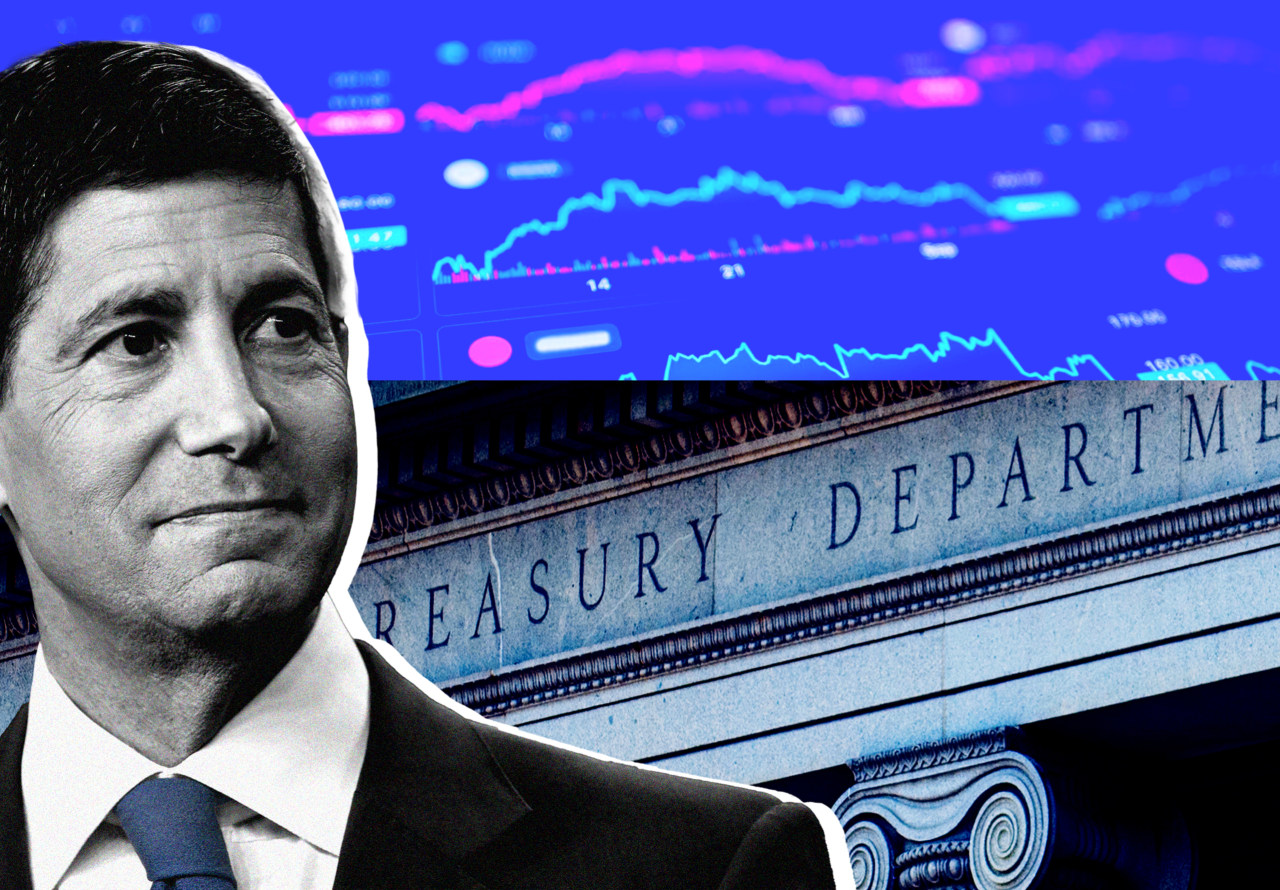
Citrini Research argues that Treasury Secretary Scott Bessent and Federal Reserve Chair Kevin Warsh may be acting in concert to reduce long-term bond yields. The strategy could benefit major lenders, including Bank of America, if it lowers their funding costs and supports credit demand.
The decisive question is whether markets view the bond-market intervention as credible policy coordination or
Unlock the full First Pass Analysis to get a better understanding of why this story mattersWhy it matters
The perceived link between Treasury and Fed policy could reshape bank valuations and the credibility of US debt markets.
Make it yours
Build Your First Pass.
Pick your topics, set your cadence, and receive your personalized First Pass in your inbox. It’s that simple!