AI optimism met a harder test from rates and fiscal risk
Day’s Recap
“
”
Supporting Articles
South Korea’s Kospi rose 1.22% after Nvidia’s upbeat revenue outlook lifted major chipmakers, including Samsung Electronics and SK Hynix. The gains came as the Bank of Korea raised rates to 3% and increased its 2026 growth forecast to 3.3%.
11:56 PMEconomic Times
The S&P 500 finished Wednesday close to its opening level as investors waited for Nvidia's earnings report. Nvidia shares rose after hours following the release, putting the chipmaker at the center of the next session's market direction.
7:45 PMCNBC
The dollar rose toward an eight-day high after US inflation data reinforced expectations of another Federal Reserve rate increase. Investors are now focused on central-bank signals from the Jackson Hole symposium and the Bank of Japan.
9:50 PMEconomic Times
US consumer spending surged in the second quarter, offering evidence that the economy is stronger than headline concerns suggest. That pace is unlikely to continue.
1:31 PMMarketWatch
US inflation remained elevated in July and has worsened since the US and Israel attacked Iran, which sent energy prices higher. The rise in fuel costs is adding to pressure on consumer prices.
1:28 PMAl Jazeera
Consumer incomes rose enough in July to improve purchasing power despite persistent inflation, but spending did not accelerate. The PCE price index increased 0.2% from June and 3.7% from a year earlier, while households pulled back on major purchases.
12:12 PMPYMNTS
Treasury Secretary Scott Bessent's increased purchases of government debt risk conflicting with Federal Reserve Chair Kevin Warsh's effort to contain inflation, according to the report.
12:00 AMFinancial Times
Long-term Treasury yields reached important levels amid market volatility, creating opportunities for investors seeking higher income from government bonds.
3:39 PMCNBC
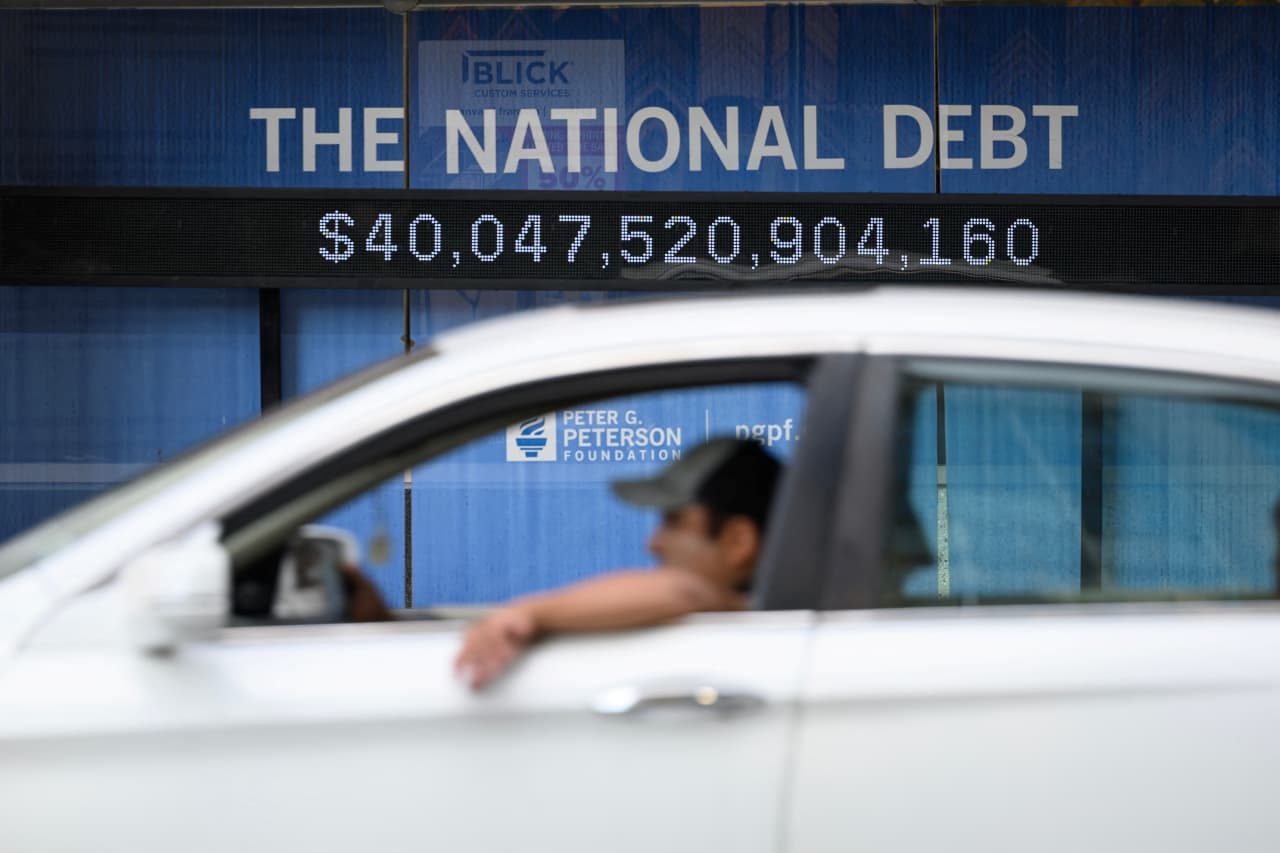
Rising interest payments are compounding the fiscal burden of the roughly $40 trillion US national debt, with the costs beginning to snowball as yields remain elevated.
12:55 PMMarketWatch
David Kelly and Torsten Slok argue that Washington's refusal to address the deficit has left the bond market to impose discipline. Rising concern over the roughly $40 trillion national debt is shifting pressure from policymakers to investors.
10:59 AMFortune
China’s industrial profit growth slowed to 11.2% in July, a seven-month low, despite a broader shift from years of declines to double-digit gains this year.
11:22 PMCNBC
The Reserve Bank of India is intensifying rupee intervention, supported by foreign deposit inflows that have strengthened its reserves. Near-term currency volatility has fallen close to a ten-month low, despite pressure from higher crude prices and narrower interest-rate differentials.
10:02 PMEconomic Times
The Yale Budget Lab estimated that this week's trade action will add about $30 in tariff costs for the average US household. The impact will come through higher prices on imported goods affected by the measures.
7:19 PMWWD
The article explains how the United States and Canada entered a trade war and how the conflict is affecting people in Canada. It focuses on the political rift and its effects north of the border.
9:33 AMThe New York Times
Gold and silver prices opened higher on the MCX as softer oil prices, a weaker dollar and changing expectations for US Federal Reserve policy supported precious metals. Traders are watching Fed Chair Kevin Warsh’s remarks at Jackson Hole, while analysts identified key support and resistance levels.
11:55 PMEconomic Times
11:56 PMEconomic Times
Global Market: Kospi gains over 1% as Nvidia outlook lifts chipmakers
Summary
South Korea’s Kospi rose 1.22% after Nvidia’s upbeat revenue outlook lifted major chipmakers, including Samsung Electronics and SK Hynix. The gains came as the Bank of Korea raised rates to 3% and increased its 2026 growth forecast to 3.3%.
Nvidia’s outlook temporarily outweighed the negative effect of higher Korean interest rates, sending capital into
Unlock the full First Pass Analysis to get a better understanding of why this story matters
Why it matters
South Korean equities are increasingly a direct bet on the durability of the global AI hardware cycle.
Thursday's big stock stories: What’s likely to move the market in the next trading session
Summary
The S&P 500 finished Wednesday close to its opening level as investors waited for Nvidia's earnings report. Nvidia shares rose after hours following the release, putting the chipmaker at the center of the next session's market direction.
Nvidia's results provide the immediate test for whether enthusiasm around artificial-intelligence spending can support broader
Unlock the full First Pass Analysis to get a better understanding of why this story matters
Why it matters
Nvidia's earnings can move the broader market because investor expectations for AI growth are embedded across the technology sector.
Dollar near eight-day high as US data lifts Fed hike bets
Summary
The dollar rose toward an eight-day high after US inflation data reinforced expectations of another Federal Reserve rate increase. Investors are now focused on central-bank signals from the Jackson Hole symposium and the Bank of Japan.
The dollar’s move reflects a repricing of the US rate path rather than a broad
Unlock the full First Pass Analysis to get a better understanding of why this story matters
Why it matters
Central-bank guidance is poised to reset currency valuations and borrowing conditions across global markets.
The U.S. economy is better than it looks — but it might be due for a slowdown
Summary
US consumer spending surged in the second quarter, offering evidence that the economy is stronger than headline concerns suggest. That pace is unlikely to continue.
The current resilience may reflect a temporary burst rather than a durable acceleration. If spending
Unlock the full First Pass Analysis to get a better understanding of why this story matters
Why it matters
Markets may be overestimating the economy's momentum if second-quarter consumption proves difficult to repeat.
US inflation holds at 3.7 percent in July, above Fed target
Summary
US inflation remained elevated in July and has worsened since the US and Israel attacked Iran, which sent energy prices higher. The rise in fuel costs is adding to pressure on consumer prices.
Higher energy prices are reinforcing inflation after it had already shown signs of persistence. That
Unlock the full First Pass Analysis to get a better understanding of why this story matters
Why it matters
Energy-driven price pressure could delay relief for consumers and complicate the path for interest rates.
Consumers Gain Spending Power but Pull Back on Major Purchases
Summary
Consumer incomes rose enough in July to improve purchasing power despite persistent inflation, but spending did not accelerate. The PCE price index increased 0.2% from June and 3.7% from a year earlier, while households pulled back on major purchases.
Improved real purchasing power is no longer translating into broad demand, signaling more cautious consumer
Unlock the full First Pass Analysis to get a better understanding of why this story matters
Why it matters
Consumers have more capacity to spend but are showing less confidence in using it.
Bessent’s bond intervention puts US Treasury on collision course with Fed
Summary
Treasury Secretary Scott Bessent's increased purchases of government debt risk conflicting with Federal Reserve Chair Kevin Warsh's effort to contain inflation, according to the report.
The decisive issue is policy coordination: Treasury buying can support bond demand and ease financial
Unlock the full First Pass Analysis to get a better understanding of why this story matters
Why it matters
Any perception that Treasury operations are offsetting the Fed would push up risk premia across US markets.
Treasury yields are running hot. Here are opportunities for income-seeking investors
Summary
Long-term Treasury yields reached important levels amid market volatility, creating opportunities for investors seeking higher income from government bonds.
Higher yields improve the prospective income from Treasuries but also signal that investors are demanding
Unlock the full First Pass Analysis to get a better understanding of why this story matters
Why it matters
The bond selloff has improved income potential while increasing the risk of duration-driven losses.
The ugly math on interest expenses, yields and the $40 trillion U.S. national debt
Summary
Rising interest payments are compounding the fiscal burden of the roughly $40 trillion US national debt, with the costs beginning to snowball as yields remain elevated.
Higher yields now feed directly into the government's financing costs as debt is refinanced. That
Unlock the full First Pass Analysis to get a better understanding of why this story matters
Why it matters
Debt-service costs can become a self-reinforcing constraint on US fiscal policy and bond-market stability.
The $40 trillion national debt and the bond market’s revolt: top Wall Street strategists explain how we got into this mess
Summary
David Kelly and Torsten Slok argue that Washington's refusal to address the deficit has left the bond market to impose discipline. Rising concern over the roughly $40 trillion national debt is shifting pressure from policymakers to investors.
The decisive shift is that bond investors, rather than Congress, are becoming the mechanism that
Unlock the full First Pass Analysis to get a better understanding of why this story matters
Why it matters
The bond market may force fiscal consequences even when elected officials avoid deficit reduction.
China industrial profits growth cools to slowest in seven months as economic slowdown deepens
Summary
China’s industrial profit growth slowed to 11.2% in July, a seven-month low, despite a broader shift from years of declines to double-digit gains this year.
The latest deceleration suggests the profit rebound is losing momentum rather than broadening into a
Unlock the full First Pass Analysis to get a better understanding of why this story matters
Why it matters
A fading profit rebound could weaken Chinese investment and reduce the expected lift to regional trade and commodities.
China’s Industrial Profit Growth Slows to Weakest This Year
Summary
Growth in China’s industrial profits slowed for a third consecutive month to its weakest pace of the year as weaker economic activity constrained production and price gains.
The slowdown shows that improving profits have not translated into a durable industrial recovery. Weaker
Unlock the full First Pass Analysis to get a better understanding of why this story matters
Why it matters
China’s industrial weakness threatens commodity demand and adds to the drag on global manufacturing.
RBI is showing up whenever rupee weakens in intervention shift
Summary
The Reserve Bank of India is intensifying rupee intervention, supported by foreign deposit inflows that have strengthened its reserves. Near-term currency volatility has fallen close to a ten-month low, despite pressure from higher crude prices and narrower interest-rate differentials.
The RBI now has more firepower to smooth currency declines, but intervention cannot remove the
Unlock the full First Pass Analysis to get a better understanding of why this story matters
Why it matters
A steadier rupee may contain imported inflation, but sustained defense could make India’s policy tradeoff more costly.
RBI Is Intervening Whenever the Rupee Weakens in Strategy Shift
Summary
The Reserve Bank of India is increasing its support for the rupee as stronger foreign-exchange reserves improve its capacity to counter pressure from higher oil prices.
The RBI is moving from occasional intervention toward a more persistent defense of the currency.
Unlock the full First Pass Analysis to get a better understanding of why this story matters
Why it matters
India is using its stronger external position to cushion an oil-driven currency shock, but the defense carries monetary tradeoffs.
Canada Tariff Fallout Will Up Household Costs for US Consumers
Summary
The Yale Budget Lab estimated that this week's trade action will add about $30 in tariff costs for the average US household. The impact will come through higher prices on imported goods affected by the measures.
The direct household cost is modest, but tariffs add to inflation and raise the risk
Unlock the full First Pass Analysis to get a better understanding of why this story matters
Why it matters
Even a small tariff shock complicates the inflation outlook and could constrain consumer spending if trade measures expand.
The article explains how the United States and Canada entered a trade war and how the conflict is affecting people in Canada. It focuses on the political rift and its effects north of the border.
The dispute has moved beyond tariff schedules into a broader breakdown in the countries' economic
Unlock the full First Pass Analysis to get a better understanding of why this story matters
Why it matters
The conflict tests a partnership whose trade links support jobs, prices and production across both countries.
Gold prices up Rs 1,300/10 grams; silver rebounds Rs 3,400/kg as falling oil eases rate cut bets. Buy, sell or hold?
Summary
Gold and silver prices opened higher on the MCX as softer oil prices, a weaker dollar and changing expectations for US Federal Reserve policy supported precious metals. Traders are watching Fed Chair Kevin Warsh’s remarks at Jackson Hole, while analysts identified key support and resistance levels.
Lower oil prices reduce inflation pressure and strengthen the case for eventual rate cuts, improving
Unlock the full First Pass Analysis to get a better understanding of why this story matters
Why it matters
Precious metals are being driven less by inflation fears than by the market’s shifting expectations for US interest rates and the dollar.
A curated list of other prominent stories from this day.
The Philippine stock market operator expects the number of brokerage firms to decline if the Securities and Exchange Commission raises minimum capitalization requirements.
11:44 PMBloomberg Markets
Australian household spending rose more than expected in July, signaling resilient consumer demand despite three interest-rate increases earlier this year.
9:43 PMBloomberg Markets
BlackRock's digital-assets chief said Bitcoin's macroeconomic case is strengthening as the cryptocurrency rebounds when sentiment toward other assets weakens, while regulatory developments have become less central to the investment case.
4:11 PMCNBC
The US economy grew at an annualized 1.5% pace in the second quarter, while a surge in computer-chip and AI-related investment shipments subtracted 1.64 percentage points from measured GDP.
3:05 PMFortune
As private credit expands, lenders are demanding recurring access to detailed operating data, including cash forecasts, customer payment behavior and borrowing-base information. Information quality is becoming as important as credit quality in determining access to corporate funding.
1:46 PMPYMNTS
Dallas Fed economists warned that widespread tokenized deposits could make it easier for customers to move funds toward higher-yielding accounts. Banks might then need to raise deposit rates to retain funding, particularly when deposits have shorter effective holding periods.
12:49 PMPYMNTS
China’s leaders are pursuing hundreds of billions of dollars in unpaid taxes while the country defaults on a major obligation. The contrast underscores the uneven treatment of creditors and debtors in the Chinese system.
10:42 AMMarketWatch
A group of 12 companies trading near 52-week lows has drawn analyst expectations for a rebound. The list includes Dick’s Sporting Goods, McDonald’s and L3Harris.
10:06 AMMarketWatch
The Iranian rial has fallen to roughly 2 million per US dollar, sharply reducing the currency’s purchasing power. Sanctions and the US-Israel war on Iran have intensified inflation, leaving households struggling to keep pace with rising prices.
6:00 AMAl Jazeera
The article examines Dubai’s emergence as a hub for retail traders. Its appeal reflects the city’s affluent, internationally connected population and growing access to digital trading platforms.
5:12 AMFortune
Recent market moves that appear to violate historical correlations may reflect a shift into a different macroeconomic regime. Familiar relationships between asset prices may no longer hold consistently under the new conditions.
12:00 AMFinancial Times
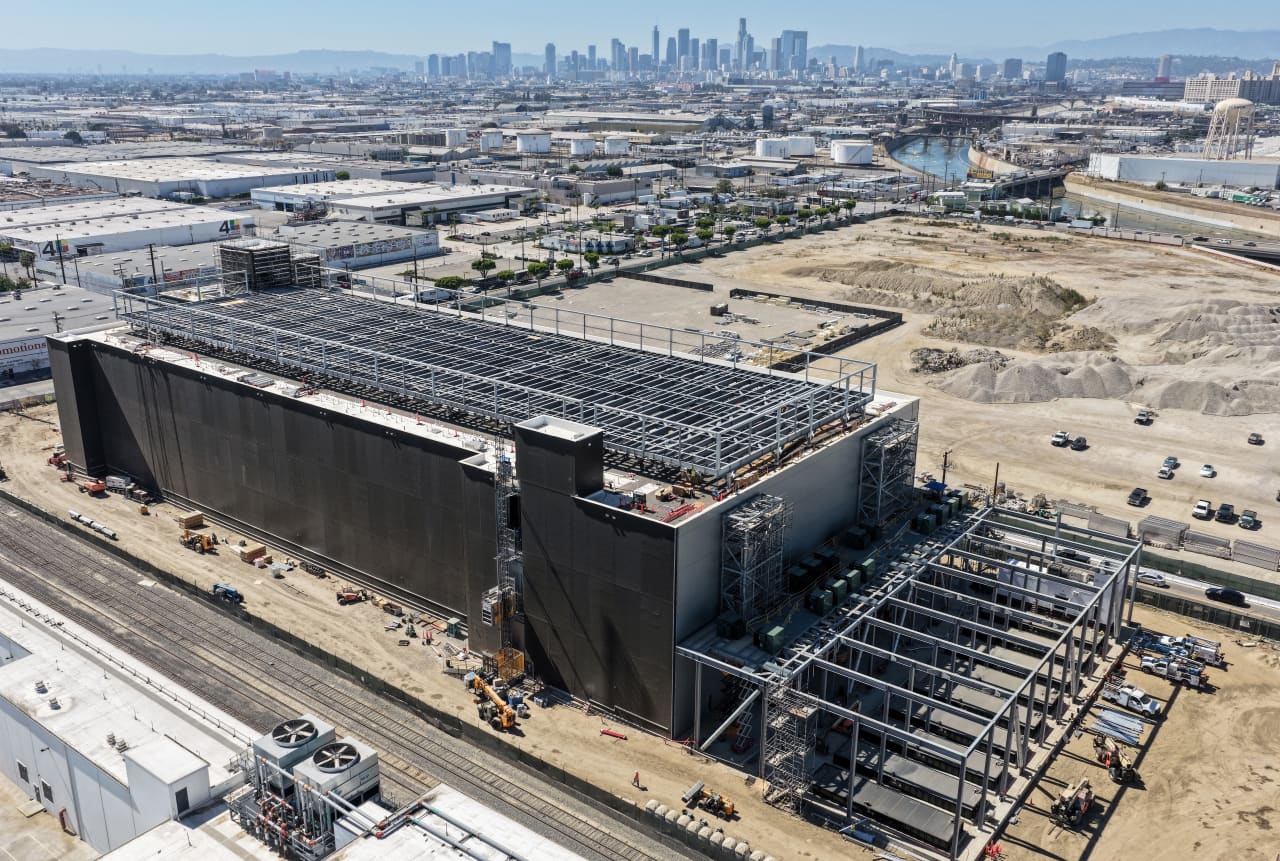
Financial firms financing the rapid expansion of data centers are trying to limit their exposure as the asset class grows larger and more complex.
12:00 AMFinancial Times
Institutional investors are supporting Blackstone and KKR funds designed for wealthy individual clients, signaling growing acceptance of private equity outside its traditional investor base. The shift could challenge the standard 10-year fund structure that has long defined the industry.
12:00 AMFinancial Times
11:44 PMBloomberg Markets
Capital Hike to Cut Broker Numbers Under Philippine SEC Plan
Summary
The Philippine stock market operator expects the number of brokerage firms to decline if the Securities and Exchange Commission raises minimum capitalization requirements.
Higher capital thresholds would push smaller or weaker brokers to merge, sell out, or leave
Unlock the full First Pass Analysis to get a better understanding of why this story matters
Why it matters
The reform trades a potentially more resilient brokerage industry for a narrower market.
Australia’s Household Spending Surges Past Estimates in July
Summary
Australian household spending rose more than expected in July, signaling resilient consumer demand despite three interest-rate increases earlier this year.
Consumer strength reduces the immediate case for policy easing and suggests rate hikes have not
Unlock the full First Pass Analysis to get a better understanding of why this story matters
Why it matters
Stronger spending supports the Australian dollar and raises the risk that interest rates stay higher for longer.
Bitcoin’s macro case is strengthening even as regulation takes a back seat, says BlackRock’s digital assets head
Summary
BlackRock's digital-assets chief said Bitcoin's macroeconomic case is strengthening as the cryptocurrency rebounds when sentiment toward other assets weakens, while regulatory developments have become less central to the investment case.
Bitcoin is increasingly being framed as a portfolio diversifier rather than solely a regulatory or
Unlock the full First Pass Analysis to get a better understanding of why this story matters
Why it matters
Bitcoin's role in portfolios may expand if investors treat it as a macro hedge instead of a niche speculative asset.
U.S. economy grows at sluggish 1.5% pace in second quarter
Summary
The US economy grew at an annualized 1.5% pace in the second quarter, while a surge in computer-chip and AI-related investment shipments subtracted 1.64 percentage points from measured GDP.
The weak headline growth rate masks a distortion in the data: imported equipment supported the
Unlock the full First Pass Analysis to get a better understanding of why this story matters
Why it matters
AI investment can remain powerful for corporate spending and markets even while it depresses near-term GDP statistics.
How Private Credit Is Turning Corporate Treasurers Into Data Vendors
Summary
As private credit expands, lenders are demanding recurring access to detailed operating data, including cash forecasts, customer payment behavior and borrowing-base information. Information quality is becoming as important as credit quality in determining access to corporate funding.
Private lenders are shifting corporate borrowing toward an ongoing data exchange rather than a periodic
Unlock the full First Pass Analysis to get a better understanding of why this story matters
Why it matters
Private credit is making operational transparency a condition of corporate financing.
Dallas Fed Economists Warn Tokenized Deposits Could Trigger Bank Rate Wars
Summary
Dallas Fed economists warned that widespread tokenized deposits could make it easier for customers to move funds toward higher-yielding accounts. Banks might then need to raise deposit rates to retain funding, particularly when deposits have shorter effective holding periods.
Tokenization could increase deposit mobility and make bank funding more sensitive to small rate differences.
Unlock the full First Pass Analysis to get a better understanding of why this story matters
Why it matters
Tokenized deposits could change the economics of bank funding, not just the mechanics of payments.
China is collecting on old debts but won’t pay its own
Summary
China’s leaders are pursuing hundreds of billions of dollars in unpaid taxes while the country defaults on a major obligation. The contrast underscores the uneven treatment of creditors and debtors in the Chinese system.
The government’s priority is to recover revenue and preserve fiscal control while limiting its own
Unlock the full First Pass Analysis to get a better understanding of why this story matters
Why it matters
Selective debt enforcement can deepen concerns about China’s credit quality and raise the risk premium on its assets.
12 stocks for ‘bottom-fishing’ investors looking for cheap growth opportunities
Summary
A group of 12 companies trading near 52-week lows has drawn analyst expectations for a rebound. The list includes Dick’s Sporting Goods, McDonald’s and L3Harris.
The strategy assumes recent weakness reflects temporary pressure rather than a lasting deterioration in earnings.
Unlock the full First Pass Analysis to get a better understanding of why this story matters
Why it matters
Low prices create opportunity only when earnings can recover, making balance-sheet strength and forward estimates more important than the selloff itself.
One US dollar now costs 2 million rials in Iran, and here’s what it can buy
Summary
The Iranian rial has fallen to roughly 2 million per US dollar, sharply reducing the currency’s purchasing power. Sanctions and the US-Israel war on Iran have intensified inflation, leaving households struggling to keep pace with rising prices.
The currency’s collapse is converting external pressure into an immediate domestic cost-of-living crisis. Imported goods
Unlock the full First Pass Analysis to get a better understanding of why this story matters
Why it matters
A collapsing exchange rate can deepen economic hardship and constrain Iran’s policy options even if oil revenues rise.
The article examines Dubai’s emergence as a hub for retail traders. Its appeal reflects the city’s affluent, internationally connected population and growing access to digital trading platforms.
Dubai’s retail trading boom shows how financial markets are becoming embedded in the region’s consumer
Unlock the full First Pass Analysis to get a better understanding of why this story matters
Why it matters
A larger retail investor base can amplify both market momentum and the damage from sudden reversals.
Why today’s markets are not as contradictory as they seem
Summary
Recent market moves that appear to violate historical correlations may reflect a shift into a different macroeconomic regime. Familiar relationships between asset prices may no longer hold consistently under the new conditions.
The decisive change is the macro backdrop, which can alter how inflation, growth, policy, and
Unlock the full First Pass Analysis to get a better understanding of why this story matters
Why it matters
A regime shift can make established trading signals unreliable and amplify losses in portfolios built around historical correlations.
Institutional investors back Blackstone and KKR funds for wealthy individuals
Summary
Institutional investors are supporting Blackstone and KKR funds designed for wealthy individual clients, signaling growing acceptance of private equity outside its traditional investor base. The shift could challenge the standard 10-year fund structure that has long defined the industry.
Private equity is widening its funding base as institutional backers help build products for individual
Unlock the full First Pass Analysis to get a better understanding of why this story matters
Why it matters
Broader access to private equity could reshape fundraising and weaken the dominance of the traditional closed-end fund model.