Canadian negotiators failed to secure a trade agreement with the United States before President Donald Trump's new tariffs were due to take effect. Canada is preparing to respond rather than wait for further concessions from Washington.
9:24 AMCNBC105 stories from 12 sources
Supporting Articles
Canadian negotiators failed to secure a trade agreement with the United States before President Donald Trump's new tariffs were due to take effect. Canada is preparing to respond rather than wait for further concessions from Washington.
9:24 AMCNBC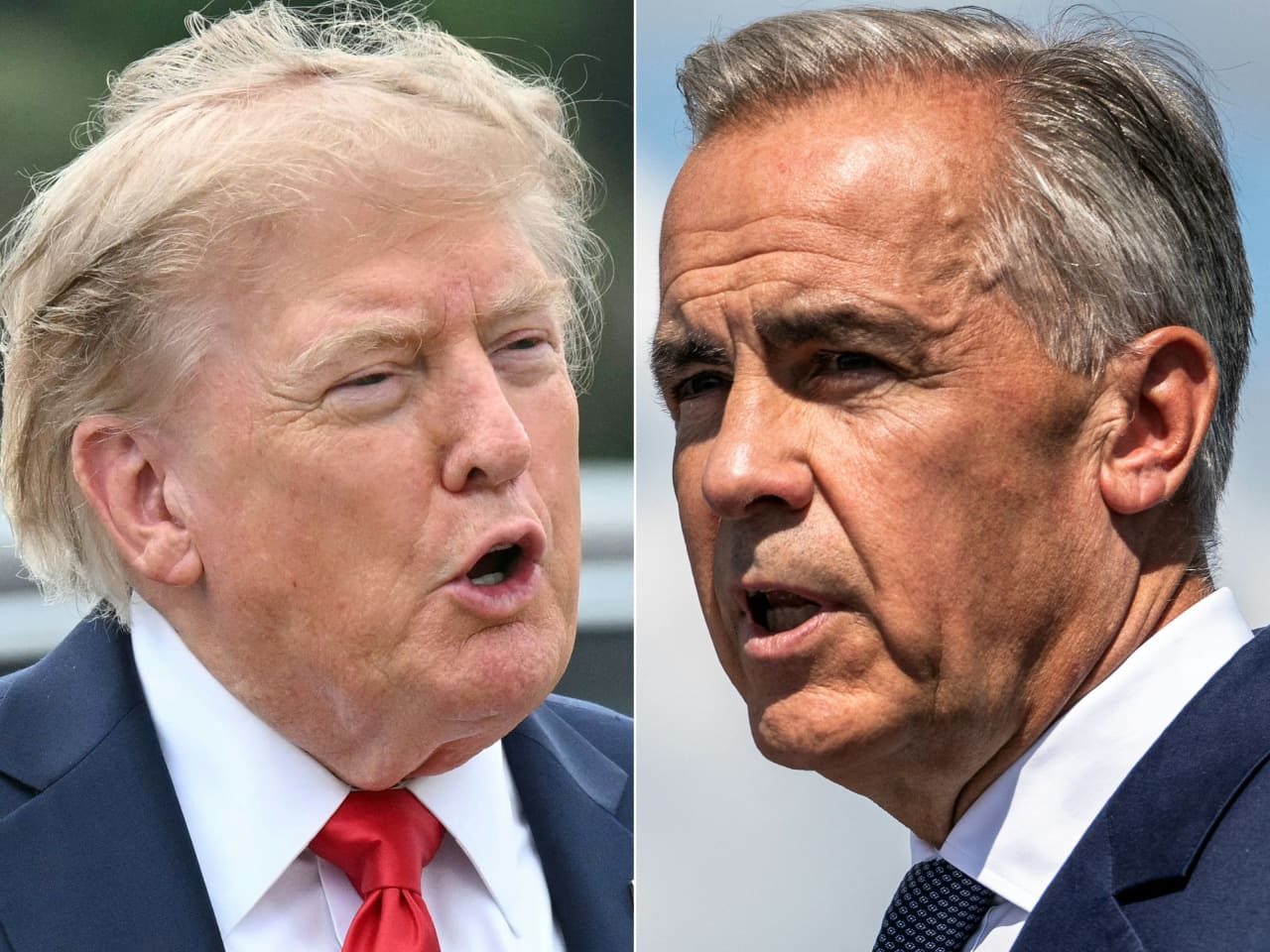
A trade war between the United States and Canada would hit Canada harder but would also raise costs for US businesses and consumers. Economists warn that neither economy would avoid the inflationary effects.
3:24 PMMarketWatch
The AI infrastructure boom is increasingly financed with corporate debt, while Bank of America says the Federal Reserve’s pandemic-era credit facilities continue to limit downside risks and remain available as a policy tool.
7:12 AMMarketWatch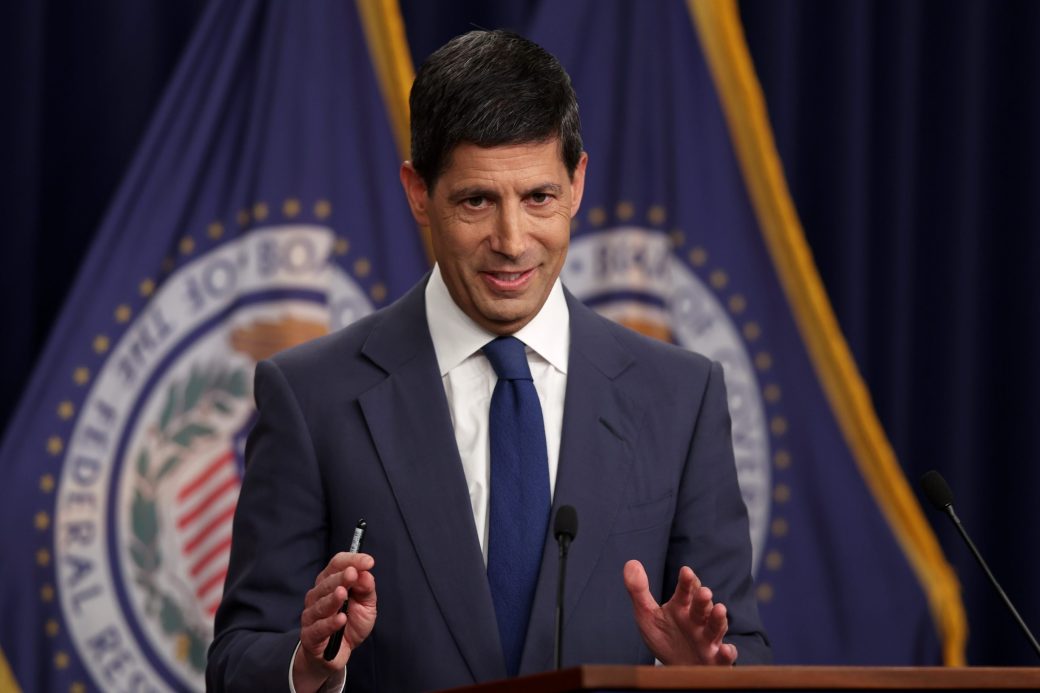
The Federal Reserve faces limited visibility into the financing behind the roughly $3 trillion AI investment boom. Financial innovation and increasingly complex funding structures make it difficult to assess where risks are concentrated or how they could spread.
5:00 AMFortune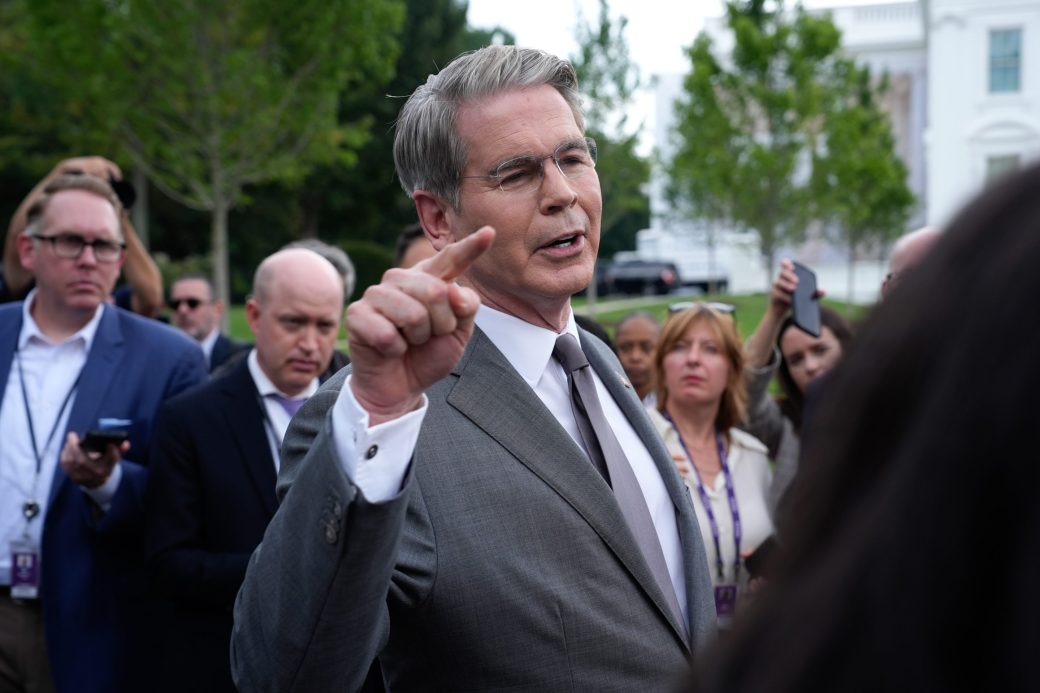
The article connects Treasury Secretary Scott Bessent, investor Stanley Druckenmiller and the pioneer of a global macro hedge-fund strategy to the renewed power of bond markets. Rising yields are exposing the risks embedded in policy and investment views that once benefited from falling rates.
4:01 PMFortune
Rising US deficits and debt-servicing costs are failing to restore fiscal discipline. The pressure is building gradually rather than through a single market shock.
11:20 AMFinancial Times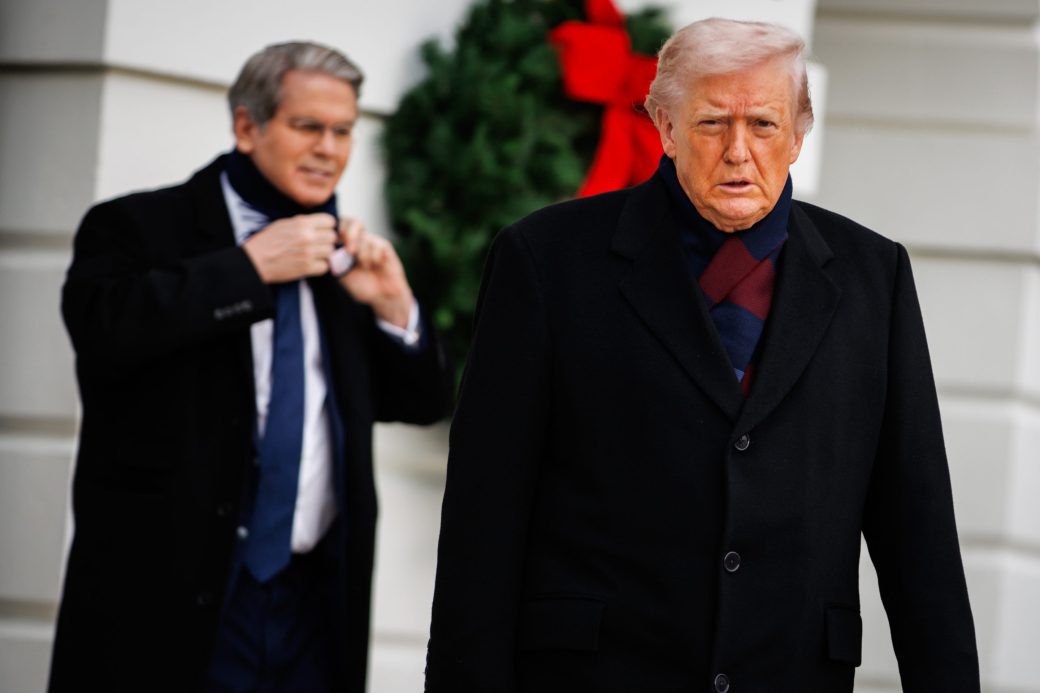
The Trump administration is relying on stronger economic growth to help reduce the burden of roughly $40 trillion in federal debt. A leading budget economist says that strategy is highly unlikely to work on its own and warns that failing to deliver would damage the government’s credibility with debt markets.
6:51 AMFortuneUS stock futures were little changed as traders waited for inflation data and Nvidia's quarterly results, both due Wednesday. The releases were expected to shape views on interest rates and the strength of AI-related demand.
1:48 PMCNBC
Gold rose 15% in August, supported by renewed ETF inflows, central-bank purchases, expectations for US rate changes, Treasury buybacks and a weaker dollar. Analysts expect investment demand to remain important through 2026, with several prominent investors also bullish on gold and miners.
10:49 PMEconomic Times
Gold prices were little changed as investors awaited US inflation data for clues about the Federal Reserve's next rate decision. Silver, platinum, and palladium edged higher amid continuing concern over global growth and trade tensions.
9:49 PMEconomic TimesCopper gained for a fourth straight day and moved closer to a record high as near-term supply remained tight, even after last week's extreme squeeze eased.
11:06 PMBloomberg Markets
Indian equities rallied as oil prices fell and renewed talks with Iran raised hopes of reopening the Strait of Hormuz. The Sensex gained more than 300 points and the Nifty moved above 24,350, with broader market measures also advancing.
11:56 PMEconomic TimesChinese banks have begun pricing bonds against the country's overnight funding rate. The shift indicates that the rate is gaining influence as a benchmark across China's financial system.
8:14 PMBloomberg MarketsSummary
Canadian negotiators failed to secure a trade agreement with the United States before President Donald Trump's new tariffs were due to take effect. Canada is preparing to respond rather than wait for further concessions from Washington.
The failed talks move the dispute from negotiation into retaliation, raising costs for businesses on
Unlock the full First Pass Analysis to get a better understanding of why this story mattersWhy it matters
A US-Canada tariff escalation threatens one of the world's most integrated trading relationships.
5 stories · 5 sources
Summary
A trade war between the United States and Canada would hit Canada harder but would also raise costs for US businesses and consumers. Economists warn that neither economy would avoid the inflationary effects.
New tariffs would disrupt one of the world's most integrated bilateral trading relationships and pass
Unlock the full First Pass Analysis to get a better understanding of why this story mattersWhy it matters
A dispute with a major neighboring supplier could undermine growth and intensify inflation on both sides of the border.
Summary
The AI infrastructure boom is increasingly financed with corporate debt, while Bank of America says the Federal Reserve’s pandemic-era credit facilities continue to limit downside risks and remain available as a policy tool.
The build-out now creates financial-system exposure beyond technology valuations because a sharp slowdown could pressure
Unlock the full First Pass Analysis to get a better understanding of why this story mattersWhy it matters
AI spending is becoming a credit-market risk, not just a bet on future technology profits.
Summary
The Federal Reserve faces limited visibility into the financing behind the roughly $3 trillion AI investment boom. Financial innovation and increasingly complex funding structures make it difficult to assess where risks are concentrated or how they could spread.
The central risk is not only whether AI spending slows, but whether hidden leverage turns
Unlock the full First Pass Analysis to get a better understanding of why this story mattersWhy it matters
Incomplete visibility into AI financing could leave policymakers reacting after losses have already moved through the financial system.
Summary
The article connects Treasury Secretary Scott Bessent, investor Stanley Druckenmiller and the pioneer of a global macro hedge-fund strategy to the renewed power of bond markets. Rising yields are exposing the risks embedded in policy and investment views that once benefited from falling rates.
The decisive shift is the return of bond-market discipline, as investors demand higher compensation for
Unlock the full First Pass Analysis to get a better understanding of why this story mattersWhy it matters
A resurgent bond vigilante trade can constrain both government policy and leveraged investment strategies.
Summary
Rising US deficits and debt-servicing costs are failing to restore fiscal discipline. The pressure is building gradually rather than through a single market shock.
The danger is that higher interest costs now reinforce the deficit instead of forcing policymakers
Unlock the full First Pass Analysis to get a better understanding of why this story mattersWhy it matters
The absence of an immediate crisis does not remove the risk that debt dynamics will eventually constrain fiscal and monetary policy.
Summary
The Trump administration is relying on stronger economic growth to help reduce the burden of roughly $40 trillion in federal debt. A leading budget economist says that strategy is highly unlikely to work on its own and warns that failing to deliver would damage the government’s credibility with debt markets.
The central problem is that growth would need to outpace rising interest costs and persistent
Unlock the full First Pass Analysis to get a better understanding of why this story mattersWhy it matters
The administration’s debt strategy depends on an economic outcome that markets may reject before the numbers improve.
Summary
US stock futures were little changed as traders waited for inflation data and Nvidia's quarterly results, both due Wednesday. The releases were expected to shape views on interest rates and the strength of AI-related demand.
The market has few reasons to commit before two high-impact catalysts resolve competing narratives on
Unlock the full First Pass Analysis to get a better understanding of why this story mattersWhy it matters
The data and earnings releases will set the next direction for both interest-rate expectations and the market's most crowded trade.
Summary
Gold rose 15% in August, supported by renewed ETF inflows, central-bank purchases, expectations for US rate changes, Treasury buybacks and a weaker dollar. Analysts expect investment demand to remain important through 2026, with several prominent investors also bullish on gold and miners.
The rally now rests on several reinforcing demand channels rather than a single rate-cut trade.
Unlock the full First Pass Analysis to get a better understanding of why this story mattersWhy it matters
Gold is shifting from a defensive hedge into a major portfolio allocation, increasing both its diversification value and its sensitivity to crowded positioning.
Summary
Gold prices were little changed as investors awaited US inflation data for clues about the Federal Reserve's next rate decision. Silver, platinum, and palladium edged higher amid continuing concern over global growth and trade tensions.
Markets are increasingly pricing the possibility of a pause in rate hikes, limiting pressure on
Unlock the full First Pass Analysis to get a better understanding of why this story mattersWhy it matters
The inflation report will determine whether precious metals gain from lower-rate expectations or face renewed pressure from a hawkish Fed.
Summary
Copper gained for a fourth straight day and moved closer to a record high as near-term supply remained tight, even after last week's extreme squeeze eased.
Persistent supply constraints are again driving copper prices, rather than a one-off squeeze. Higher prices
Unlock the full First Pass Analysis to get a better understanding of why this story mattersWhy it matters
Copper's approach to a record signals that industrial supply is struggling to keep pace with demand.
Summary
Indian equities rallied as oil prices fell and renewed talks with Iran raised hopes of reopening the Strait of Hormuz. The Sensex gained more than 300 points and the Nifty moved above 24,350, with broader market measures also advancing.
Lower oil prices directly improve India's inflation, trade and corporate-margin outlook, making the rally more
Unlock the full First Pass Analysis to get a better understanding of why this story mattersWhy it matters
India's market is gaining from an improving external cost shock, but the catalyst depends on geopolitics holding.
Summary
Chinese banks have begun pricing bonds against the country's overnight funding rate. The shift indicates that the rate is gaining influence as a benchmark across China's financial system.
Moving bond pricing toward the overnight rate strengthens the People's Bank of China's control over
Unlock the full First Pass Analysis to get a better understanding of why this story mattersWhy it matters
The benchmark change is reshaping how China's monetary policy reaches credit markets.
A curated list of other prominent stories from this day.

The dollar held in a narrow range in Asian trading as investors awaited US inflation data and the Jackson Hole symposium. Oil prices fell as Middle East tensions eased, while the Australian dollar gained after stronger inflation data and cryptocurrencies continued to rise.
9:51 PMEconomic TimesAustralia's second-largest pension fund has built its largest yen overweight in years. The position reflects a view that markets are underestimating the prospect of further Bank of Japan rate hikes.
9:16 PMBloomberg MarketsCitadel Securities' Frank Flight has shifted from warning of a difficult summer for US bond investors to favoring a rally in long-duration Treasuries. He cites crowded bearish positioning and improving inflation data.
8:32 PMBloomberg MarketsDanny Moses identified the 10-year Treasury yield and Nvidia as the two assets exerting the greatest influence on financial markets. The yield captures changing rate expectations, while Nvidia serves as a test of the AI investment cycle.
6:45 PMCNBC
Bank of Montreal and Bank of Nova Scotia exceeded quarterly profit expectations despite new US tariffs affecting some of their customers. The results suggest the trade conflict has not yet produced broad damage across their businesses and may create opportunities in some areas.
6:27 PMPYMNTSNew data suggests the income and spending gaps associated with the K-shaped economy may be narrowing. Household finances remain uneven, however, with differences in savings, debt and financial security complicating the apparent convergence.
5:05 PMCNBC
China's export surge is moving beyond low-cost consumer goods into electric vehicles, semiconductors and other advanced technologies. The new wave is increasing competitive pressure on U.S. companies in sectors that tariffs may not be able to shield.
3:33 PMFortune
Prediction-market operator Kalshi has reportedly asked the SEC to delay product launches by rival Cboe Global Markets. The request marks a new point of friction between prediction platforms and established financial exchanges.
3:26 PMPYMNTS
Strong earnings have helped push U.S. stocks to records, but rising Treasury yields are creating a new threat to the rally. Higher yields can weigh on equity valuations even when investors hold no bonds directly.
2:58 PMMarketWatch
Consumer confidence barely changed in August, but the headline masks opposing signals. Americans feel better about their current jobs while becoming less confident about jobs, income and business conditions six months ahead.
11:56 AMPYMNTS
Bank of America says investors continue to overlook value stocks, which tend to perform better in an environment of higher interest rates and inflation. The firm recommends staying with the trade before it becomes crowded.
9:59 AMMarketWatchThe FIX Trading Community and the Investment Association published a best-practice framework for modernizing equity capital raising. The roadmap aims to support more electronic processes across issuance, potentially moving the market toward a fully electronic IPO.
5:27 AMFinextra
US tariffs and the strong Swiss franc are putting renewed pressure on Switzerland's export industries. The forces are challenging a model built on premium products and value-added manufacturing.
12:00 AMFinancial TimesSummary
The dollar held in a narrow range in Asian trading as investors awaited US inflation data and the Jackson Hole symposium. Oil prices fell as Middle East tensions eased, while the Australian dollar gained after stronger inflation data and cryptocurrencies continued to rise.
The market is waiting for inflation data to resolve whether the dollar's next move will
Unlock the full First Pass Analysis to get a better understanding of why this story mattersWhy it matters
US inflation data and Fed guidance will set the near-term direction for the dollar and risk assets.
Summary
Australia's second-largest pension fund has built its largest yen overweight in years. The position reflects a view that markets are underestimating the prospect of further Bank of Japan rate hikes.
The trade challenges the market's longstanding assumption that Japan will maintain exceptionally loose policy and
Unlock the full First Pass Analysis to get a better understanding of why this story mattersWhy it matters
A major institutional shift toward the yen signals growing confidence that Japan's rate cycle is changing.
Summary
Citadel Securities' Frank Flight has shifted from warning of a difficult summer for US bond investors to favoring a rally in long-duration Treasuries. He cites crowded bearish positioning and improving inflation data.
The reversal suggests the bond market's risk-reward balance has changed as investors have accumulated defensive
Unlock the full First Pass Analysis to get a better understanding of why this story mattersWhy it matters
A prominent change in positioning shows how quickly consensus can turn when inflation and policy expectations move together.
Summary
Danny Moses identified the 10-year Treasury yield and Nvidia as the two assets exerting the greatest influence on financial markets. The yield captures changing rate expectations, while Nvidia serves as a test of the AI investment cycle.
The pairing reflects a market organized around discount rates and AI earnings growth. Rising Treasury
Unlock the full First Pass Analysis to get a better understanding of why this story mattersWhy it matters
Watching these two indicators together offers a concise test of whether markets can sustain high technology valuations in a changing rate environment.
Summary
Bank of Montreal and Bank of Nova Scotia exceeded quarterly profit expectations despite new US tariffs affecting some of their customers. The results suggest the trade conflict has not yet produced broad damage across their businesses and may create opportunities in some areas.
Canadian banks are absorbing tariff-related pressure better than feared, supported by diversified operations and earnings
Unlock the full First Pass Analysis to get a better understanding of why this story mattersWhy it matters
The results show that tariff damage may emerge first through loan quality and business activity rather than immediately through bank revenue.
Summary
New data suggests the income and spending gaps associated with the K-shaped economy may be narrowing. Household finances remain uneven, however, with differences in savings, debt and financial security complicating the apparent convergence.
The key shift is that weaker groups may be participating more in spending, but that
Unlock the full First Pass Analysis to get a better understanding of why this story mattersWhy it matters
A less visibly divided consumer economy could still rest on fragile household finances, making the recovery less durable than headline spending suggests.
Summary
China's export surge is moving beyond low-cost consumer goods into electric vehicles, semiconductors and other advanced technologies. The new wave is increasing competitive pressure on U.S. companies in sectors that tariffs may not be able to shield.
China's excess capacity is now targeting higher-value industries, threatening margins and market share for American
Unlock the full First Pass Analysis to get a better understanding of why this story mattersWhy it matters
The next U.S.-China trade shock could hit strategic technology industries and deflate prices worldwide.
Summary
Prediction-market operator Kalshi has reportedly asked the SEC to delay product launches by rival Cboe Global Markets. The request marks a new point of friction between prediction platforms and established financial exchanges.
Kalshi is using regulatory scrutiny to slow a competitor as exchanges move into products that
Unlock the full First Pass Analysis to get a better understanding of why this story mattersWhy it matters
Regulatory decisions could determine which firms control the rapidly expanding market for event-based contracts.
Summary
Strong earnings have helped push U.S. stocks to records, but rising Treasury yields are creating a new threat to the rally. Higher yields can weigh on equity valuations even when investors hold no bonds directly.
The shift is from an earnings-led rally to a market increasingly constrained by the cost
Unlock the full First Pass Analysis to get a better understanding of why this story mattersWhy it matters
Bond yields can reprice the entire stock market, not just bond portfolios.
Summary
Consumer confidence barely changed in August, but the headline masks opposing signals. Americans feel better about their current jobs while becoming less confident about jobs, income and business conditions six months ahead.
The split points to a consumer who can keep spending in the present while becoming
Unlock the full First Pass Analysis to get a better understanding of why this story mattersWhy it matters
The outlook for consumption may weaken before headline confidence or labor-market data show a clear downturn.
Summary
Bank of America says investors continue to overlook value stocks, which tend to perform better in an environment of higher interest rates and inflation. The firm recommends staying with the trade before it becomes crowded.
Value stocks offer a relative advantage when higher discount rates pressure expensive growth companies and
Unlock the full First Pass Analysis to get a better understanding of why this story mattersWhy it matters
A prolonged higher-rate regime could keep market leadership tilted toward overlooked value sectors.
Summary
The FIX Trading Community and the Investment Association published a best-practice framework for modernizing equity capital raising. The roadmap aims to support more electronic processes across issuance, potentially moving the market toward a fully electronic IPO.
The framework gives issuers, banks and investors a common operating blueprint for replacing fragmented manual
Unlock the full First Pass Analysis to get a better understanding of why this story mattersWhy it matters
Equity issuance is one of the largest remaining parts of capital markets where standardization and automation could materially lower costs.
Summary
US tariffs and the strong Swiss franc are putting renewed pressure on Switzerland's export industries. The forces are challenging a model built on premium products and value-added manufacturing.
The problem is no longer just foreign demand: tariffs raise the landed cost of Swiss
Unlock the full First Pass Analysis to get a better understanding of why this story mattersWhy it matters
Pressure on Swiss exporters tests whether the country's premium manufacturing model can withstand a less favorable trade and currency environment.
Make it yours
Pick your topics, set your cadence, and receive your personalized First Pass in your inbox. It’s that simple!