Markets confront AI crowding, yen stress, and conflicting macro signals
Day’s Recap
“
”
Supporting Articles
Traders are increasingly focused on the yen carry trade, in which investors borrow cheaply in yen to fund higher-yielding bets around the world. The concern is that a weakening or destabilized yen could force those positions to unwind rapidly.
6:20 PMFortune
After historic US-Japan intervention in the currency market, traders are again positioning for sharp moves in the yen. The renewed tension reflects doubts about whether official action can counter persistent market forces.
12:00 AMFinancial Times
Surging enthusiasm around Nvidia, Intel, Google, and other technology names is reviving comparisons with the dot-com era. The concern is that investor optimism has moved beyond fundamentals into speculative euphoria.
11:07 AMMarketWatch
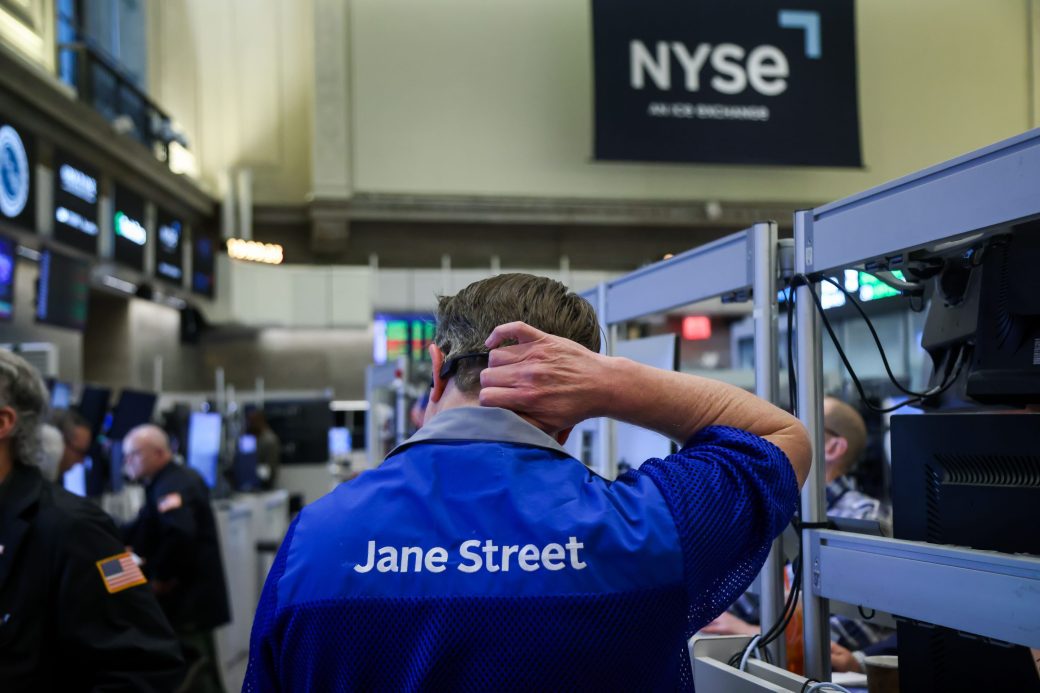
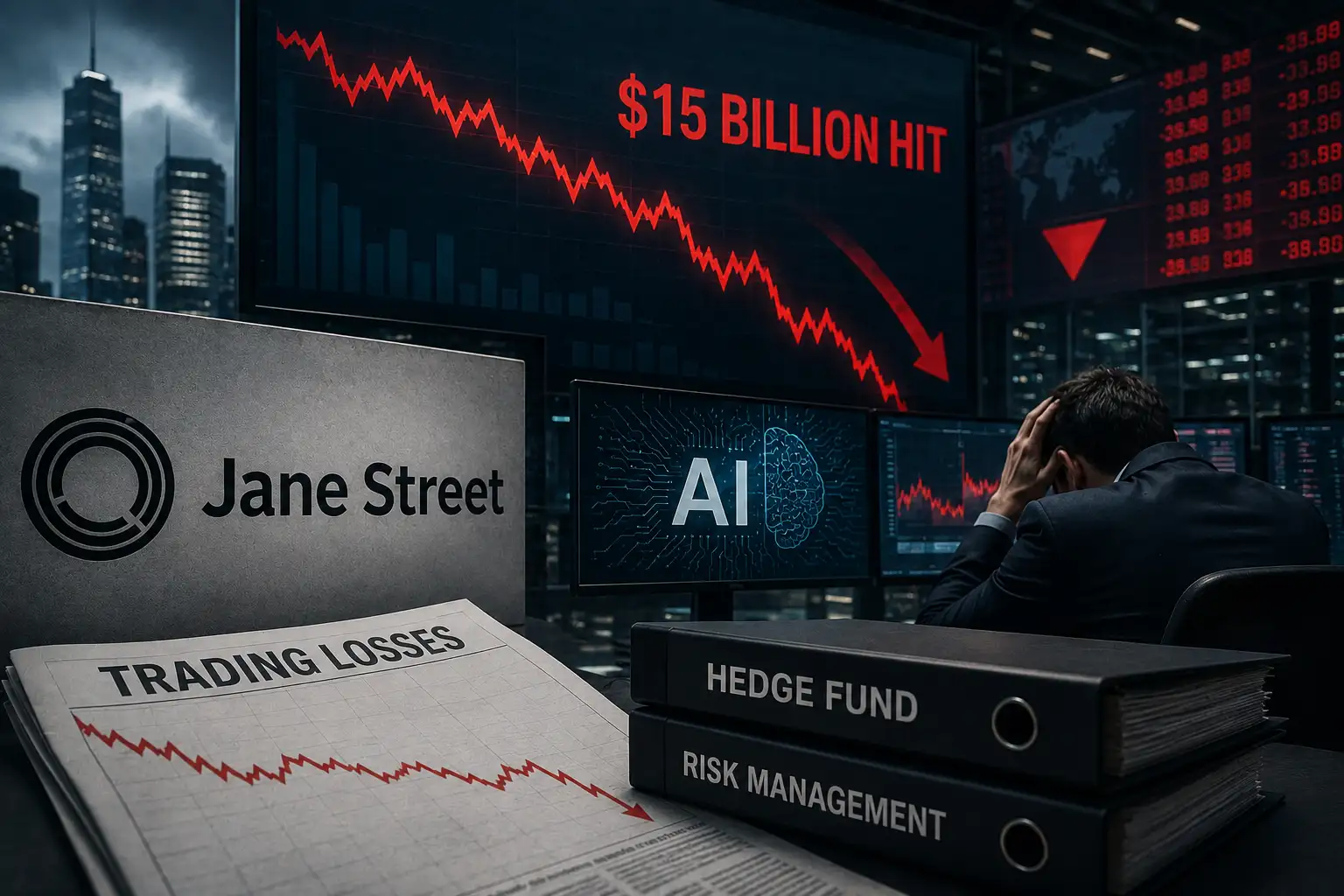
Jane Street reportedly lost $15 billion during its first down month in a decade, after being rattled by Situational Awareness and turmoil in equity markets.
10:59 AMFortune
Institutional investors trimmed positions in several major technology companies during the second quarter after building large exposures. Semiconductor stocks remained favored, while AI-themed shares lost momentum and energy stocks saw more selling than buying.
1:05 AMEconomic Times
The dollar weakened after US retail sales unexpectedly fell in July, while the euro and sterling reached multi-month highs against the greenback. Softer inflation data also reduced expectations for a Federal Reserve rate hike in September and intensified concern about the labor market.
1:21 AMEconomic Times
Gold advanced as a weaker dollar and stable inflation data reinforced expectations that the Federal Reserve will hold rates steady. Silver and platinum also gained, while oil rose on tensions around the Strait of Hormuz and palladium declined.
1:19 AMEconomic Times
Oil prices rose by more than a dollar as geopolitical tensions intensified and U.S.-Iran peace talks faltered. Weaker consumer sentiment, pressured retail activity, and a softer dollar reduced expectations for another Federal Reserve rate hike, while major U.S. stock indexes declined.
1:02 AMEconomic Times
Germany is turning to capital markets as part of an effort to repair its strained retirement system.
1:00 AMBloomberg Markets
Germany is preparing one of its largest pension reforms in generations, creating a potential €500 billion pool for modern fund managers to invest.
1:00 AMBloomberg Markets
European shares ended a four-week winning streak as higher oil prices and geopolitical tensions outweighed strong corporate earnings. The STOXX 600 remained near record levels, but investors began shifting away from AI-related stocks.
1:08 AMEconomic Times
Russia’s wartime economy has held up better than many expected, but its widening budget deficit is exposing growing strain. Analysts warn that the pressure could intensify next year.
1:00 AMCNBC
China will release its July economic data at 3 p.m. Monday, departing from its recent publication schedule.
11:45 PMBloomberg Markets
6:20 PMFortune
Scott Bessent fired a currency bazooka, but global finance still looks like a ‘giant Jenga tower’ propped up by a Japanese yen that’s in deep trouble
Summary
Traders are increasingly focused on the yen carry trade, in which investors borrow cheaply in yen to fund higher-yielding bets around the world. The concern is that a weakening or destabilized yen could force those positions to unwind rapidly.
The key shift is that yen weakness is no longer just a Japanese policy problem;
Unlock the full First Pass Analysis to get a better understanding of why this story matters
Why it matters
A break in the yen carry trade could turn currency stress into a broad global risk-asset selloff.
After historic US-Japan intervention in the currency market, traders are again positioning for sharp moves in the yen. The renewed tension reflects doubts about whether official action can counter persistent market forces.
The risk has shifted from orderly yen weakness to a potential policy confrontation with traders.
Unlock the full First Pass Analysis to get a better understanding of why this story matters
Why it matters
A renewed yen intervention battle could trigger volatility well beyond Japan.
Nvidia, Intel, Google: Wall Street is partying like it’s 1999
Summary
Surging enthusiasm around Nvidia, Intel, Google, and other technology names is reviving comparisons with the dot-com era. The concern is that investor optimism has moved beyond fundamentals into speculative euphoria.
The warning is about valuation and behavior, not technology alone: concentrated excitement can drive prices
Unlock the full First Pass Analysis to get a better understanding of why this story matters
Why it matters
A market dominated by expensive technology leaders is increasingly exposed to disappointment in a small group of stocks.
Jane Street lost $15 billion in its first down month in a decade
Summary
Jane Street reportedly lost $15 billion during its first down month in a decade, after being rattled by Situational Awareness and turmoil in equity markets.
The loss breaks a decade-long run of monthly gains and exposes the limits of Jane
Unlock the full First Pass Analysis to get a better understanding of why this story matters
Why it matters
A rare loss at a major liquidity provider could change how markets price the resilience and risk of quantitative trading firms.
Jane Street took $15 billion hit in July tied to Situational Awareness, AI selloff, sources say
Summary
Jane Street reportedly suffered a $15 billion loss in July linked to an AI-driven market selloff, while still generating more than $40 billion in revenue this year. AI hedge fund Situational Awareness liquidated its stock positions after facing margin calls.
The episode shows how crowded AI trades can transmit losses through both hedge funds and
Unlock the full First Pass Analysis to get a better understanding of why this story matters
Why it matters
AI unwinds are becoming a market-structure risk, not just a valuation story.
Institutional investors reveal cautious approach to tech favorites in US quarterly 13F filings
Summary
Institutional investors trimmed positions in several major technology companies during the second quarter after building large exposures. Semiconductor stocks remained favored, while AI-themed shares lost momentum and energy stocks saw more selling than buying.
The filings point to rotation within technology rather than a broad retreat from the sector.
Unlock the full First Pass Analysis to get a better understanding of why this story matters
Why it matters
Institutional positioning is shifting from broad AI enthusiasm toward narrower, earnings-backed bets.
The dollar weakened after US retail sales unexpectedly fell in July, while the euro and sterling reached multi-month highs against the greenback. Softer inflation data also reduced expectations for a Federal Reserve rate hike in September and intensified concern about the labor market.
The market is reassessing US growth and monetary policy at the same time. Weaker consumption
Unlock the full First Pass Analysis to get a better understanding of why this story matters
Why it matters
A weaker US data cycle could reshape currency valuations and global rate expectations.
Gold rises on weaker dollar as inflation data cements rate-hold bets
Summary
Gold advanced as a weaker dollar and stable inflation data reinforced expectations that the Federal Reserve will hold rates steady. Silver and platinum also gained, while oil rose on tensions around the Strait of Hormuz and palladium declined.
Gold is benefiting from a lower opportunity cost of holding a non-yielding asset and from
Unlock the full First Pass Analysis to get a better understanding of why this story matters
Why it matters
Markets are pricing easier policy even as geopolitical shocks threaten to revive inflation.
Oil prices rally, US data dents chances of Fed rate hike
Summary
Oil prices rose by more than a dollar as geopolitical tensions intensified and U.S.-Iran peace talks faltered. Weaker consumer sentiment, pressured retail activity, and a softer dollar reduced expectations for another Federal Reserve rate hike, while major U.S. stock indexes declined.
The market is now balancing an inflationary oil shock against weaker U.S. demand data that
Unlock the full First Pass Analysis to get a better understanding of why this story matters
Why it matters
A combination of higher energy costs and weaker demand could make the Fed's policy path more difficult.
European shares snap 4-week rally as higher oil prices temper strong earnings
Summary
European shares ended a four-week winning streak as higher oil prices and geopolitical tensions outweighed strong corporate earnings. The STOXX 600 remained near record levels, but investors began shifting away from AI-related stocks.
The rally has become more vulnerable to an energy shock even as company profits remain
Unlock the full First Pass Analysis to get a better understanding of why this story matters
Why it matters
Energy risk and narrower market leadership are testing the durability of Europe's rally.
Russia's economy has defied the skeptics. Cracks are getting harder to hide
Summary
Russia’s wartime economy has held up better than many expected, but its widening budget deficit is exposing growing strain. Analysts warn that the pressure could intensify next year.
The widening deficit is the clearest sign that wartime spending is becoming harder to sustain.
Unlock the full First Pass Analysis to get a better understanding of why this story matters
Why it matters
Russia’s economic resilience is weakening at a time when its war effort depends on sustained public spending.
A curated list of other prominent stories from this day.
A set of charts puts current interest rates in a broader historical perspective, alongside weekend coverage of housing markets, stock picks, and health-insurance disputes.
3:01 PMMarketWatch
Investors are scrutinizing roughly $70 billion in off-balance-sheet credit commitments tied to major AI companies. The obligations could become real liabilities if financing conditions deteriorate or planned projects fail to generate expected cash flows.
3:00 PMBloomberg Markets
An actively managed fund holding about 800 stocks has outperformed major indexes despite its broad diversification. Its results show that active funds can combine wide exposure with security selection rather than simply track an index.
2:05 PMMarketWatch
Peru’s economy slowed unexpectedly in June as unusual weather conditions weakened fishing and agricultural output. The downturn reflects pressure on two sectors that remain important contributors to economic activity.
11:40 AMBloomberg Markets
Moderating inflation produced no major surprise in markets last week, while Intel and Nvidia helped drive the AI investment trade. New financing developments in artificial intelligence contributed to record-setting activity on Wall Street.
10:22 AMCNBC
PNC Chief Investment Officer Amanda Agati says strong corporate earnings and resilient economic fundamentals continue to support US stocks. She expects elevated Treasury yields and midterm-election uncertainty to create more volatility.
9:48 AMBloomberg Markets
Investors are moving into short-term instruments, including ultra-short bond funds, while preparing for a possible stock-market correction. The shift reflects weaker confidence in long-term bonds as a reliable portfolio hedge.
8:30 AMCNBC
BlackRock’s Rick Rieder says the latest CPI data show inflation is approaching, but has not reached, the Federal Reserve’s 2% target. He argues that fiscal deficits, Treasury issuance and AI-related borrowing may keep real rates elevated at the long end of the yield curve.
8:02 AMBloomberg Markets
Inflation has moved closer to the Federal Reserve’s 2% target but has not reached it. The gap leaves the disinflation process unfinished.
8:00 AMBloomberg Markets
The traditional 60% stocks and 40% bonds portfolio has regained appeal, though the approach now requires adjustments to reflect changing market conditions.
7:30 AMMarketWatch
The Hindenburg Omen, a widely watched but controversial technical indicator, has continued to flash as investors debate whether it signals elevated crash risk.
7:00 AMMarketWatch
Bitcoin hovered near $63,000 as weaker exchange-traded fund demand and the cancellation of a Securities and Exchange Commission meeting weighed on crypto sentiment. Bitcoin and Ethereum fell, while total crypto market value declined 0.4% amid subdued momentum, regulatory uncertainty and range-bound trading.
5:02 AMEconomic Times
Beijing is reportedly preparing to clarify ambiguous tax rules governing offshore trusts after the changes confused wealthy Chinese investors and their advisers.
2:11 AMCNBC
3:01 PMMarketWatch
Think interest rates are high now? These charts offer a different perspective.
Summary
A set of charts puts current interest rates in a broader historical perspective, alongside weekend coverage of housing markets, stock picks, and health-insurance disputes.
The historical comparison challenges investors to judge today's rates against longer-term norms rather than recent
Unlock the full First Pass Analysis to get a better understanding of why this story matters
Why it matters
A longer rate history can change how investors assess borrowing costs and the durability of current market valuations.
Bond Traders Agonize Over AI Companies’ $70 Billion of Shadow Credit Backstops
Summary
Investors are scrutinizing roughly $70 billion in off-balance-sheet credit commitments tied to major AI companies. The obligations could become real liabilities if financing conditions deteriorate or planned projects fail to generate expected cash flows.
The risk has shifted from visible corporate debt to contingent exposure that may surface during
Unlock the full First Pass Analysis to get a better understanding of why this story matters
Why it matters
AI infrastructure spending is creating financial risk that traditional balance-sheet measures may understate.
An active fund holding a whopping 800 stocks is beating major indexes. Here’s how.
Summary
An actively managed fund holding about 800 stocks has outperformed major indexes despite its broad diversification. Its results show that active funds can combine wide exposure with security selection rather than simply track an index.
The important shift is that diversification does not belong exclusively to passive products. An active
Unlock the full First Pass Analysis to get a better understanding of why this story matters
Why it matters
Investors have a broader choice than the passive-versus-concentrated-active divide suggests, but must distinguish repeatable skill from a favorable period.
Peru’s Economy Unexpectedly Slows as Fishing, Agriculture Slump
Summary
Peru’s economy slowed unexpectedly in June as unusual weather conditions weakened fishing and agricultural output. The downturn reflects pressure on two sectors that remain important contributors to economic activity.
The slowdown shows that weather-related disruptions are weighing on Peru’s recovery more heavily than expected.
Unlock the full First Pass Analysis to get a better understanding of why this story matters
Why it matters
A sector-specific weather shock is becoming a broader growth risk for Peru and could complicate economic policy.
Inflation moderated as Intel and Nvidia fueled the AI trade in last week's market
Summary
Moderating inflation produced no major surprise in markets last week, while Intel and Nvidia helped drive the AI investment trade. New financing developments in artificial intelligence contributed to record-setting activity on Wall Street.
Market leadership remains concentrated in AI-linked companies, with financing activity reinforcing expectations for continued investment.
Unlock the full First Pass Analysis to get a better understanding of why this story matters
Why it matters
The rally is increasingly dependent on AI investment staying strong and delivering results.
Strong Earnings Keep PNC’s Agati Bullish on Stocks
Summary
PNC Chief Investment Officer Amanda Agati says strong corporate earnings and resilient economic fundamentals continue to support US stocks. She expects elevated Treasury yields and midterm-election uncertainty to create more volatility.
Earnings are offsetting some of the pressure from higher bond yields, keeping the equity outlook
Unlock the full First Pass Analysis to get a better understanding of why this story matters
Why it matters
Stocks still have fundamental support, but higher yields and politics could make the rally more fragile.
Between earn-nothing cash, broken long-term bonds, these are the safety trades of 2026 market
Summary
Investors are moving into short-term instruments, including ultra-short bond funds, while preparing for a possible stock-market correction. The shift reflects weaker confidence in long-term bonds as a reliable portfolio hedge.
Capital is prioritizing liquidity and lower duration over traditional long-term bond exposure. That protects investors
Unlock the full First Pass Analysis to get a better understanding of why this story matters
Why it matters
The safety trade is moving from long-duration bonds to short-term income, changing how investors hedge risk.
BlackRock’s Rick Rieder says the latest CPI data show inflation is approaching, but has not reached, the Federal Reserve’s 2% target. He argues that fiscal deficits, Treasury issuance and AI-related borrowing may keep real rates elevated at the long end of the yield curve.
The inflation fight is shifting from overnight policy rates to longer-term borrowing costs. Even if
Unlock the full First Pass Analysis to get a better understanding of why this story matters
Why it matters
A softer CPI reading may not deliver easier financial conditions if long-term yields remain elevated.
This old-school way of investing money is better than ever — even in the age of AI and mega-IPOs
Summary
The traditional 60% stocks and 40% bonds portfolio has regained appeal, though the approach now requires adjustments to reflect changing market conditions.
The decisive change is that bonds once again provide meaningful income and diversification after the
Unlock the full First Pass Analysis to get a better understanding of why this story matters
Why it matters
A flexible 60/40 approach offers investors a way to reduce concentration risk without abandoning equities.
The ‘Hindenburg Omen’ keeps flashing. Should investors worry about a stock-market crash?
Summary
The Hindenburg Omen, a widely watched but controversial technical indicator, has continued to flash as investors debate whether it signals elevated crash risk.
Repeated signals do not establish that a crash is imminent because the indicator has a
Unlock the full First Pass Analysis to get a better understanding of why this story matters
Why it matters
The indicator may flag fragile market internals, but it does not by itself justify a crash call.
Bitcoin near $63,000 as weaker ETF demand and cancelled SEC meeting dampen crypto sentiment
Summary
Bitcoin hovered near $63,000 as weaker exchange-traded fund demand and the cancellation of a Securities and Exchange Commission meeting weighed on crypto sentiment. Bitcoin and Ethereum fell, while total crypto market value declined 0.4% amid subdued momentum, regulatory uncertainty and range-bound trading.
The immediate pressure comes from fading institutional demand and a regulatory setback, leaving crypto markets
Unlock the full First Pass Analysis to get a better understanding of why this story matters
Why it matters
Weak ETF flows and regulatory uncertainty are limiting the catalysts needed for a sustained crypto rebound.
Beijing is said to move to clarify tax rules stoking confusion among China's ultra-wealthy
Summary
Beijing is reportedly preparing to clarify ambiguous tax rules governing offshore trusts after the changes confused wealthy Chinese investors and their advisers.
The immediate shift is from uncertainty toward possible administrative guidance, not necessarily a retreat from
Unlock the full First Pass Analysis to get a better understanding of why this story matters
Why it matters
Tax guidance could reshape how Chinese wealth is held and moved across borders.