
July payrolls fell by 23,000, while prior months were revised down by 103,000, and wage growth slowed to 3.2%. The weaker labor data has intensified debate over whether the Federal Reserve will delay a September rate hike.
6:21 PMHousing Wire95 stories from 10 sources
Supporting Articles
July payrolls fell by 23,000, while prior months were revised down by 103,000, and wage growth slowed to 3.2%. The weaker labor data has intensified debate over whether the Federal Reserve will delay a September rate hike.
6:21 PMHousing Wire
The US economy lost 23,000 jobs in July, producing a notably weaker employment reading than markets anticipated. Traders responded by reducing their expectations for future Federal Reserve rate increases.
4:02 PMFinancial Times
US President Donald Trump has renewed his effort to remove Federal Reserve Governor Lisa Cook as he presses the central bank to cut interest rates rapidly. The dispute comes as Fed officials remain concerned about inflation.
7:40 PMAl Jazeera
S&P 500 futures were little changed after Wall Street posted a losing session, as traders waited for the July employment report. The data is expected to guide expectations for the economy, interest rates and risk appetite.
4:30 PMCNBC
US stocks rallied after a weak jobs report eased pressure for near-term Federal Reserve tightening. Market coverage focused on the implications for equities, rates and investor positioning at the close.
4:23 PMBloomberg Markets
The dollar weakened against the yen and euro after unexpectedly weak July employment data clouded the outlook for Federal Reserve policy. Although the unemployment rate fell, labor force participation dropped to a multi-year low.
2:04 PMEconomic Times
Gold reached a seven-week high after unexpectedly weak U.S. employment data reduced expectations for further interest-rate increases. Silver and platinum also rose, while gold moved toward its strongest weekly gain in seven months.
11:55 AMEconomic TimesHedge funds sharply reduced bearish yen positions after coordinated US-Japan efforts helped stabilize the currency. The shift reflects less confidence that the yen would continue weakening unchecked.
4:01 PMBloomberg Markets
The European Central Bank was reportedly unaware that Washington would sell euros to buy yen during the US-Japan intervention. ECB President Christine Lagarde and US Treasury Secretary Scott Bessent spoke only after the operation.
4:08 AMFinancial TimesThe Treasury has opened a debate over whether it should reduce the size of future note and bond auctions, challenging the long-standing assumption that government borrowing must keep expanding.
1:33 PMBloomberg Markets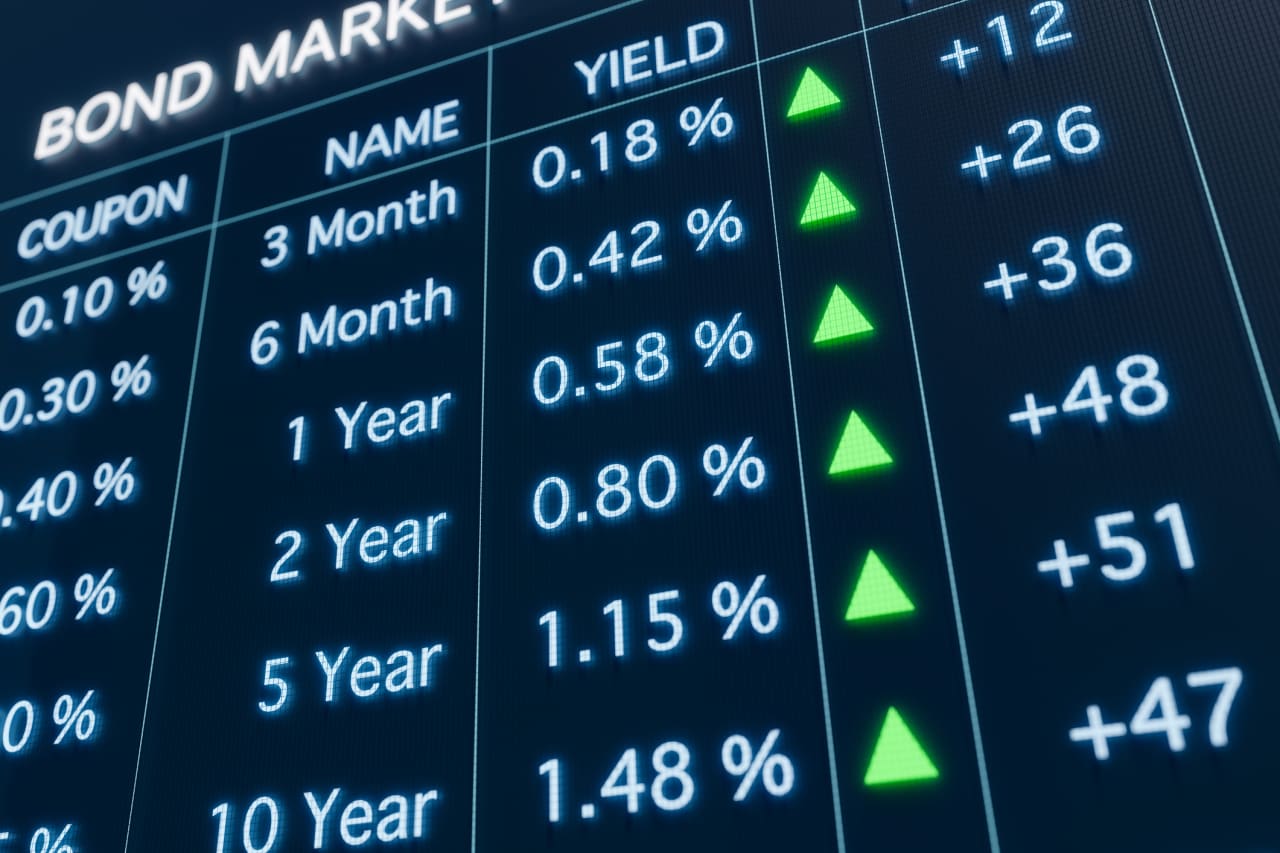
Investors are demanding higher yields on long-duration bonds because supply is rising, demand is weaker and policy uncertainty remains elevated. The strategist argues that these forces could keep borrowing costs high.
6:02 AMMarketWatchDebt financing for hyperscalers is becoming more expensive as investors demand greater compensation for the risks of funding the AI infrastructure boom.
12:44 PMBloomberg Markets
U.S. consumer credit grew at a 3.3% seasonally adjusted annual rate in June after contracting in May, with the increase concentrated in revolving credit such as credit cards. Households are still spending, but they are cutting discretionary extras as debt approaches record levels and financial cushions thin.
7:06 PMPYMNTSSummary
July payrolls fell by 23,000, while prior months were revised down by 103,000, and wage growth slowed to 3.2%. The weaker labor data has intensified debate over whether the Federal Reserve will delay a September rate hike.
The employment deterioration weakens the case for another rate increase by signaling softer labor demand
Unlock the full First Pass Analysis to get a better understanding of why this story mattersWhy it matters
A materially weaker labor market could shift the Fed's next move from tightening toward patience or eventual easing.
Summary
The US economy lost 23,000 jobs in July, producing a notably weaker employment reading than markets anticipated. Traders responded by reducing their expectations for future Federal Reserve rate increases.
The employment shock directly weakened the case for additional tightening. Lower rate expectations can support
Unlock the full First Pass Analysis to get a better understanding of why this story mattersWhy it matters
A softer labor market is changing the balance between inflation control and recession risk in US rate markets.
3 stories · 3 sources
Summary
US President Donald Trump has renewed his effort to remove Federal Reserve Governor Lisa Cook as he presses the central bank to cut interest rates rapidly. The dispute comes as Fed officials remain concerned about inflation.
The renewed removal effort escalates pressure on the Federal Reserve and turns a policy disagreement
Unlock the full First Pass Analysis to get a better understanding of why this story mattersWhy it matters
A politicized Federal Reserve could raise market volatility and weaken confidence in US monetary policy.
4 stories · 4 sources
Summary
S&P 500 futures were little changed after Wall Street posted a losing session, as traders waited for the July employment report. The data is expected to guide expectations for the economy, interest rates and risk appetite.
The jobs report is the immediate market catalyst because it can shift views on Federal
Unlock the full First Pass Analysis to get a better understanding of why this story mattersWhy it matters
The employment data could reset both interest-rate expectations and the market's near-term direction.
2 stories · 2 sources
Summary
US stocks rallied after a weak jobs report eased pressure for near-term Federal Reserve tightening. Market coverage focused on the implications for equities, rates and investor positioning at the close.
The jobs report reduced fears of another rate increase and gave risk assets room to
Unlock the full First Pass Analysis to get a better understanding of why this story mattersWhy it matters
Markets are treating weaker employment as policy relief, making the next inflation readings critical for sustaining the rally.
Summary
The dollar weakened against the yen and euro after unexpectedly weak July employment data clouded the outlook for Federal Reserve policy. Although the unemployment rate fell, labor force participation dropped to a multi-year low.
The jobs report reduced the relative yield support for the dollar by making a Fed
Unlock the full First Pass Analysis to get a better understanding of why this story mattersWhy it matters
A softer dollar changes global financial conditions and can support non-US assets while increasing the cost of imported inflation in the United States.
Summary
Gold reached a seven-week high after unexpectedly weak U.S. employment data reduced expectations for further interest-rate increases. Silver and platinum also rose, while gold moved toward its strongest weekly gain in seven months.
The jobs slowdown shifted markets toward lower-rate expectations, reducing the opportunity cost of holding non-yielding
Unlock the full First Pass Analysis to get a better understanding of why this story mattersWhy it matters
Precious metals are becoming a direct market expression of weaker U.S. growth and less restrictive monetary policy.
Summary
Hedge funds sharply reduced bearish yen positions after coordinated US-Japan efforts helped stabilize the currency. The shift reflects less confidence that the yen would continue weakening unchecked.
Official coordination changed the risk-reward balance for yen shorts and forced investors to reduce exposure.
Unlock the full First Pass Analysis to get a better understanding of why this story mattersWhy it matters
The episode shows that coordinated policy signals can quickly alter speculative positioning in a heavily traded currency.
Summary
The European Central Bank was reportedly unaware that Washington would sell euros to buy yen during the US-Japan intervention. ECB President Christine Lagarde and US Treasury Secretary Scott Bessent spoke only after the operation.
Using the euro as the funding currency without advance notice exposed a gap in coordination
Unlock the full First Pass Analysis to get a better understanding of why this story mattersWhy it matters
The breakdown in consultation raises the risk that one government's currency action creates unintended pressure on another's market.
Summary
The Treasury has opened a debate over whether it should reduce the size of future note and bond auctions, challenging the long-standing assumption that government borrowing must keep expanding.
The shift puts supply management alongside interest-rate policy as a potential tool for containing yields.
Unlock the full First Pass Analysis to get a better understanding of why this story mattersWhy it matters
A change in Treasury issuance could affect borrowing costs across global bond markets.
Summary
Investors are demanding higher yields on long-duration bonds because supply is rising, demand is weaker and policy uncertainty remains elevated. The strategist argues that these forces could keep borrowing costs high.
The bond market is repricing the long end for a world of heavier issuance and
Unlock the full First Pass Analysis to get a better understanding of why this story mattersWhy it matters
Higher long-term yields can reset valuations and borrowing costs across global markets.
Summary
Debt financing for hyperscalers is becoming more expensive as investors demand greater compensation for the risks of funding the AI infrastructure boom.
Higher borrowing costs raise the price of expanding data centers, power capacity and chip inventories.
Unlock the full First Pass Analysis to get a better understanding of why this story mattersWhy it matters
AI infrastructure is moving from a financing tailwind to a capital-discipline test.
Summary
U.S. consumer credit grew at a 3.3% seasonally adjusted annual rate in June after contracting in May, with the increase concentrated in revolving credit such as credit cards. Households are still spending, but they are cutting discretionary extras as debt approaches record levels and financial cushions thin.
The June rebound came from heavier reliance on revolving credit, not a clear improvement in
Unlock the full First Pass Analysis to get a better understanding of why this story mattersWhy it matters
Credit is keeping consumption afloat even as the household buffer erodes.
A curated list of other prominent stories from this day.

The article examines how investors can use gold as the dollar weakens, alongside broader advice on portfolio strategy, dividend income and reducing equity-market risk.
5:58 PMMarketWatch
Software stocks made sharp moves in both directions this week as investors reassessed which companies are most exposed to artificial intelligence and which can withstand it.
4:22 PMCNBCRisk assets rallied again as fresh cash flowed into markets, even as investors faced a growing list of economic and financial concerns. The response suggests that liquidity is outweighing risk warnings for now.
4:21 PMBloomberg Markets
The municipal bond market offers attractive tax-free yields, but the best opportunities require careful selection. Investors are being urged to distinguish among issuers and securities rather than buy the market indiscriminately.
4:13 PMCNBC
July's jobs report complicated the monetary policy outlook by weakening the case for immediate tightening without resolving the broader inflation picture. Next week's inflation data will help determine whether markets should expect policy relief or renewed rate pressure.
4:07 PMCNBC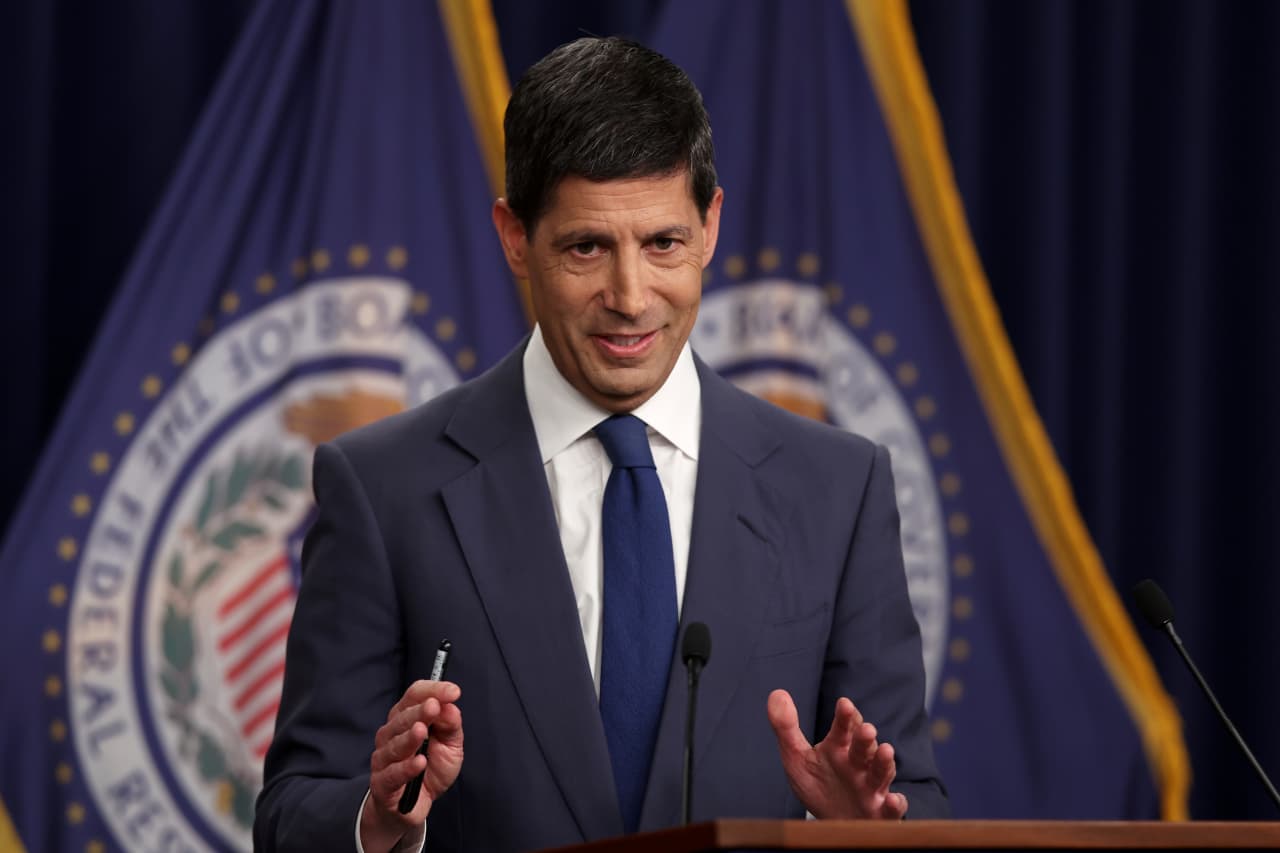
A weaker jobs report has reduced the immediate case for the Federal Reserve to raise interest rates in September. Officials will place greater weight on upcoming inflation data, and the possibility of a hike remains open.
3:36 PMMarketWatch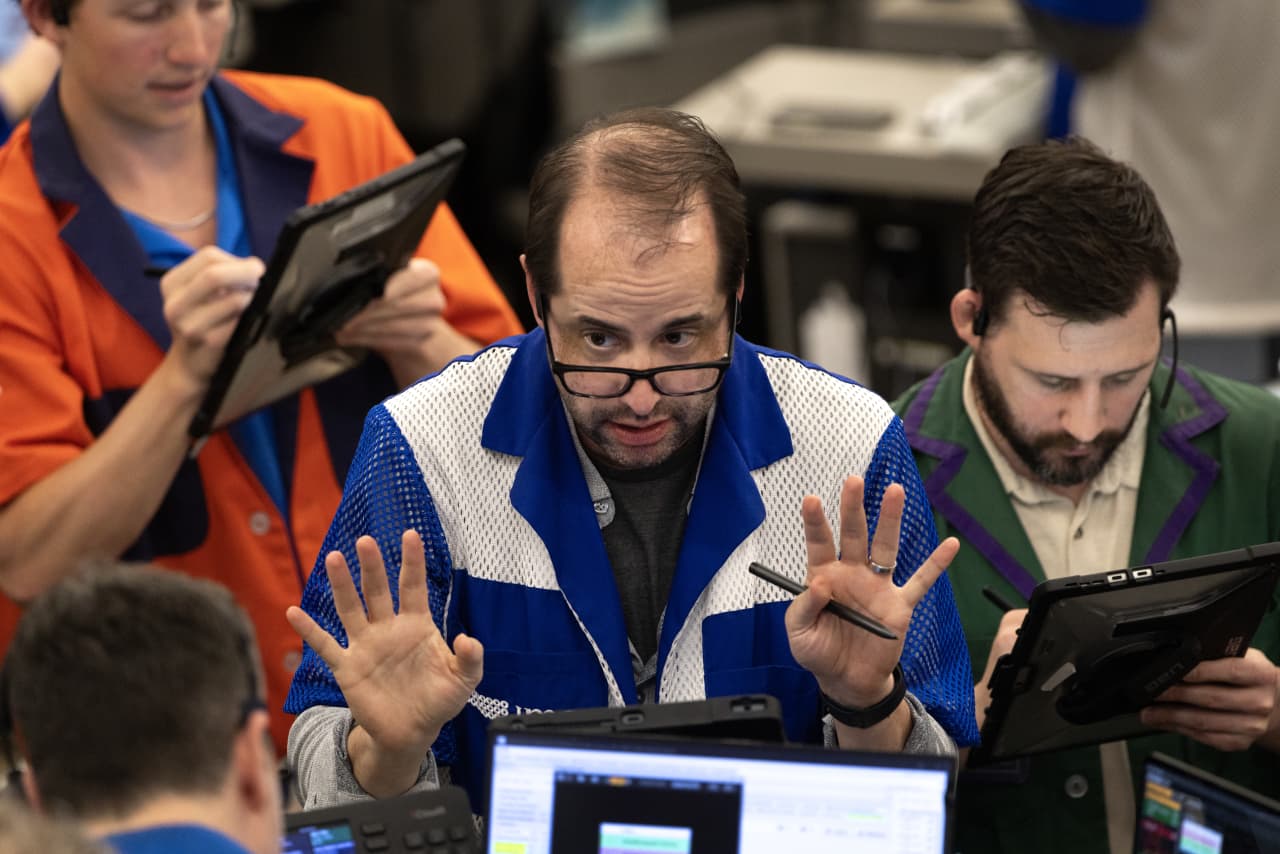
Bullish options positioning in the S&P 500 is reinforcing a buy-the-dip mentality, according to IBKR's Steve Sosnick. That demand for upside exposure may help explain why memory stocks are experiencing sharper volatility.
9:30 AMMarketWatchThe European Banking Authority's 2025 ESG risk dashboard reports better access to and quality of climate-related data. The improvement strengthens banks' ability to assess and disclose environmental risks.
8:59 AMFinextra
Americans became more confident about the broader economy in July, with expectations rising 4.1 points. Optimism about personal finances improved less, leaving consumers more willing to trust the recovery in principle than to expect near-term gains in their own wallets.
4:00 AMPYMNTS
The article questions whether Japanese government bond yields are actually as elevated as they appear. It suggests that market comparisons and context may be distorting perceptions of the rise.
1:00 AMFinancial TimesSummary
The article examines how investors can use gold as the dollar weakens, alongside broader advice on portfolio strategy, dividend income and reducing equity-market risk.
A softer dollar improves gold's appeal as a hedge against currency weakness and market uncertainty,
Unlock the full First Pass Analysis to get a better understanding of why this story mattersWhy it matters
Dollar weakness is reshaping the role of gold from a niche hedge into a more prominent portfolio diversifier.
Summary
Software stocks made sharp moves in both directions this week as investors reassessed which companies are most exposed to artificial intelligence and which can withstand it.
The market is no longer treating software as a uniform AI beneficiary. Investors are separating
Unlock the full First Pass Analysis to get a better understanding of why this story mattersWhy it matters
AI is forcing investors to reprice the software sector around defensibility, not growth alone.
Summary
Risk assets rallied again as fresh cash flowed into markets, even as investors faced a growing list of economic and financial concerns. The response suggests that liquidity is outweighing risk warnings for now.
New money is pushing investors back into risk despite unresolved complaints about the market and
Unlock the full First Pass Analysis to get a better understanding of why this story mattersWhy it matters
The rally is being sustained more by abundant liquidity and investor indifference than by a clean improvement in fundamentals.
Summary
The municipal bond market offers attractive tax-free yields, but the best opportunities require careful selection. Investors are being urged to distinguish among issuers and securities rather than buy the market indiscriminately.
Tax advantages can make municipal bonds competitive with taxable alternatives, especially for investors in higher
Unlock the full First Pass Analysis to get a better understanding of why this story mattersWhy it matters
Municipal bonds can improve after-tax income, but the benefit depends on choosing sound credits at acceptable prices.
Summary
July's jobs report complicated the monetary policy outlook by weakening the case for immediate tightening without resolving the broader inflation picture. Next week's inflation data will help determine whether markets should expect policy relief or renewed rate pressure.
The labor data increased the importance of inflation because the Federal Reserve now faces a
Unlock the full First Pass Analysis to get a better understanding of why this story mattersWhy it matters
The inflation report could decide whether weak employment supports a softer policy path or exposes renewed stagflation risk.
Summary
A weaker jobs report has reduced the immediate case for the Federal Reserve to raise interest rates in September. Officials will place greater weight on upcoming inflation data, and the possibility of a hike remains open.
The labor data shifted the policy debate away from an imminent tightening decision, but it
Unlock the full First Pass Analysis to get a better understanding of why this story mattersWhy it matters
The Fed's next move now hinges on whether inflation or weakening employment carries more weight in its reaction function.
2 stories · 2 sources
Summary
Bullish options positioning in the S&P 500 is reinforcing a buy-the-dip mentality, according to IBKR's Steve Sosnick. That demand for upside exposure may help explain why memory stocks are experiencing sharper volatility.
Options positioning can amplify moves when investors chase upside and hedge rapidly after prices change.
Unlock the full First Pass Analysis to get a better understanding of why this story mattersWhy it matters
Derivatives demand may be intensifying stock volatility beyond what company fundamentals alone would imply.
Summary
The European Banking Authority's 2025 ESG risk dashboard reports better access to and quality of climate-related data. The improvement strengthens banks' ability to assess and disclose environmental risks.
Better climate data reduces a major obstacle to consistent ESG risk measurement across European banks.
Unlock the full First Pass Analysis to get a better understanding of why this story mattersWhy it matters
More reliable climate data could make environmental risk a more practical input into European bank lending and capital decisions.
Summary
Americans became more confident about the broader economy in July, with expectations rising 4.1 points. Optimism about personal finances improved less, leaving consumers more willing to trust the recovery in principle than to expect near-term gains in their own wallets.
The decisive shift is a widening gap between macroeconomic confidence and household financial confidence. Consumers
Unlock the full First Pass Analysis to get a better understanding of why this story mattersWhy it matters
A recovery that improves headline confidence without improving household finances may struggle to sustain consumer demand.
Summary
The article questions whether Japanese government bond yields are actually as elevated as they appear. It suggests that market comparisons and context may be distorting perceptions of the rise.
The key shift is interpretive rather than necessarily a fresh market shock: Japan's yields may
Unlock the full First Pass Analysis to get a better understanding of why this story mattersWhy it matters
Misreading the level of Japanese yields could lead markets to overstate the pace and impact of policy normalization.
Make it yours
Pick your topics, set your cadence, and receive your personalized First Pass in your inbox. It’s that simple!