
The yen has given back nearly half of the gains generated by the recent US-Japan intervention. The reversal is prompting traders to assess whether Japanese authorities could intervene again.
10:57 PMBloomberg Markets98 stories from 7 sources
Supporting Articles
The yen has given back nearly half of the gains generated by the recent US-Japan intervention. The reversal is prompting traders to assess whether Japanese authorities could intervene again.
10:57 PMBloomberg MarketsThe US reportedly informed the European Central Bank only after selling euros to buy yen in its intervention with Japan. The operation caught European officials off guard despite its direct use of the euro in the currency market.
9:56 PMBloomberg MarketsThe yen has surrendered nearly half of its gains from the US-Japan intervention. The retreat is reviving speculation that authorities may return to the market.
8:04 PMBloomberg Markets
The US and Japan described their joint intervention to support the yen as a gesture toward an ally. The move marked a rare instance of Washington directly participating in efforts to influence a major currency.
12:27 PMMarketWatch
The dollar strengthened against the yen and euro as uncertainty around Iran talks increased demand for safe-haven assets. Higher Treasury yields also supported the currency, while traders awaited US jobs data for clues on the Federal Reserve's next move.
10:26 PMEconomic Times
July payroll and unemployment figures will test conflicting signals about the labor market's strength. Investors will use the report to reassess the outlook for interest rates, economic growth, and risk assets.
4:17 PMCNBC
Economists expect July nonfarm payrolls to rise by 83,000, with the unemployment rate holding at 4.2%. The report will test whether the labor market is cooling without yet showing a sharp deterioration.
7:23 AMCNBC
Asian shares were mixed as investors awaited US jobs data, while Treasury futures slipped after higher energy prices revived concerns that the Federal Reserve may keep rates elevated. The US 10-year yield held at 4.68% after rising seven basis points, and Australian bond yields also moved higher.
9:03 PMEconomic Times
The Dow and S&P 500 closed lower as investors paused after a strong start to the week and weighed corporate earnings against prospects for progress in U.S.-Iran peace talks. Oil prices rose sharply, while Western Digital and Sandisk fell after reporting results, and weekly U.S. jobless claims edged higher.
4:09 PMEconomic Times
The S&P 500 and Nasdaq opened lower as technology stocks declined, despite strong forecasts from Western Digital and Sandisk. The Dow edged higher while investors awaited more details on a potential Middle East peace deal.
9:46 AMEconomic Times
Gold held near levels consistent with its strongest weekly gain since January as falling oil prices eased inflation concerns and reshaped interest-rate expectations. Investors are watching US payrolls for evidence of economic strength, while silver and platinum edged lower.
10:01 PMEconomic TimesGold held in a narrow range as traders weighed a reported Iranian attack in the Strait of Hormuz against its potential effect on the Federal Reserve's interest-rate path.
7:43 PMBloomberg Markets
Gold has regained momentum after a difficult period, renewing the possibility of record prices. Gold-mining shares offer a more leveraged way to position for inflation concerns and uncertainty over Federal Reserve policy.
4:57 PMMarketWatchThe Philippine economy grew at its slowest non-pandemic pace since 2009 in the second quarter, missing expectations for an acceleration. The prolonged Middle East conflict is adding inflation pressure while weakening consumer spending and investment.
10:02 PMBloomberg Markets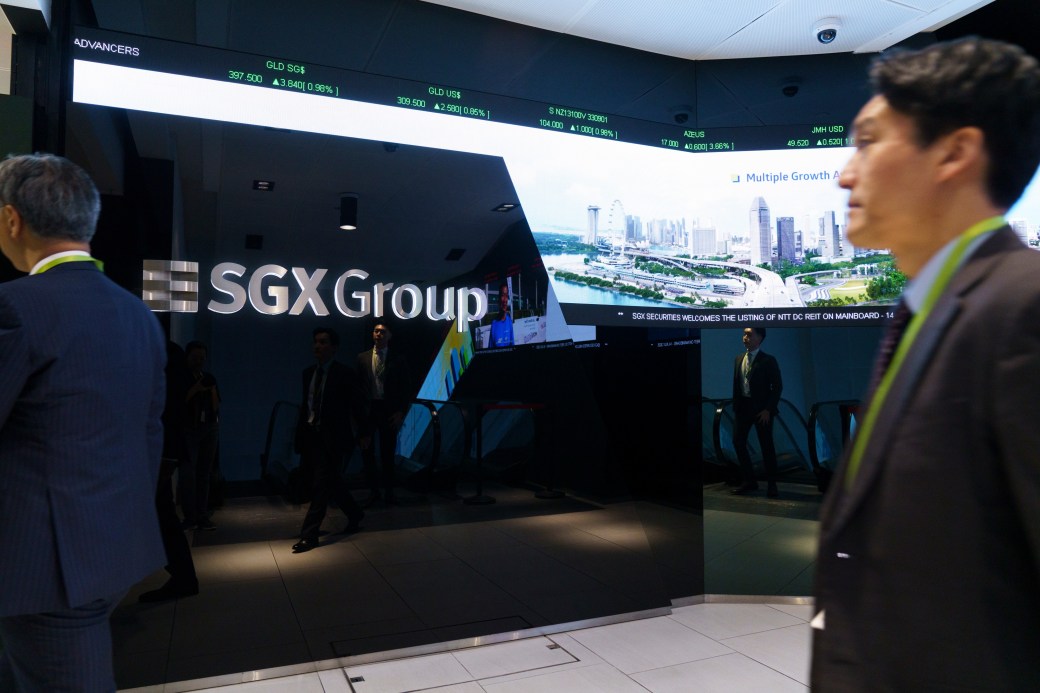
Singapore Exchange reported a 24.6% increase in net profit for fiscal 2026. Reforms helped lift listings to 3.5 times the previous level, raise more than $3 billion, and increase bourse revenue by 14% through a dual-listing link with Nasdaq.
12:35 PMFortune
Value stocks are outperforming growth by an unusually wide margin, a pattern last seen in 2022. Unlike then, the rotation is occurring while the broader market remains in a bull market.
3:57 PMMarketWatchChina's central bank is reportedly increasing its gold holdings in Hong Kong. The move would support the city's effort to become a larger bullion-trading center.
9:01 PMBloomberg MarketsSummary
The yen has given back nearly half of the gains generated by the recent US-Japan intervention. The reversal is prompting traders to assess whether Japanese authorities could intervene again.
The intervention has failed to establish a durable shift in exchange-rate expectations. If the yen
Unlock the full First Pass Analysis to get a better understanding of why this story mattersWhy it matters
A renewed intervention threat could increase volatility across major currency markets without resolving the forces weakening the yen.
2 stories · 2 sources
Summary
The US reportedly informed the European Central Bank only after selling euros to buy yen in its intervention with Japan. The operation caught European officials off guard despite its direct use of the euro in the currency market.
The episode shows that coordination among major central banks did not keep pace with the
Unlock the full First Pass Analysis to get a better understanding of why this story mattersWhy it matters
Uncoordinated intervention can weaken confidence in the policy framework behind global currency markets.
Summary
The yen has surrendered nearly half of its gains from the US-Japan intervention. The retreat is reviving speculation that authorities may return to the market.
The quick reversal suggests the intervention changed the yen's price but not the underlying incentives
Unlock the full First Pass Analysis to get a better understanding of why this story mattersWhy it matters
A second intervention could trigger sharp moves in currencies, bonds and carry trades well beyond Japan.
Summary
The US and Japan described their joint intervention to support the yen as a gesture toward an ally. The move marked a rare instance of Washington directly participating in efforts to influence a major currency.
US involvement blurs the traditional separation between American monetary policy and foreign-exchange management. It may
Unlock the full First Pass Analysis to get a better understanding of why this story mattersWhy it matters
Direct intervention raises questions about how far the US will go to manage exchange rates, with consequences for confidence in the dollar-centered system.
Summary
The dollar strengthened against the yen and euro as uncertainty around Iran talks increased demand for safe-haven assets. Higher Treasury yields also supported the currency, while traders awaited US jobs data for clues on the Federal Reserve's next move.
The dollar is benefiting from two forces at once: geopolitical risk and expectations that US
Unlock the full First Pass Analysis to get a better understanding of why this story mattersWhy it matters
The jobs report could determine whether the dollar's gains extend beyond the current geopolitical trade.
Summary
July payroll and unemployment figures will test conflicting signals about the labor market's strength. Investors will use the report to reassess the outlook for interest rates, economic growth, and risk assets.
The report's market impact will depend on whether it confirms cooling without signaling a sharp
Unlock the full First Pass Analysis to get a better understanding of why this story mattersWhy it matters
The jobs data can quickly reset rate expectations across stocks, bonds, and currencies.
Summary
Economists expect July nonfarm payrolls to rise by 83,000, with the unemployment rate holding at 4.2%. The report will test whether the labor market is cooling without yet showing a sharp deterioration.
A gain of 83,000 would indicate materially slower hiring and strengthen the case for eventual
Unlock the full First Pass Analysis to get a better understanding of why this story mattersWhy it matters
The report could determine whether markets price a controlled labor-market slowdown or a sharper loss of momentum.
Summary
Asian shares were mixed as investors awaited US jobs data, while Treasury futures slipped after higher energy prices revived concerns that the Federal Reserve may keep rates elevated. The US 10-year yield held at 4.68% after rising seven basis points, and Australian bond yields also moved higher.
Bond markets are repricing the risk that energy-driven inflation will keep policy restrictive, pushing yields
Unlock the full First Pass Analysis to get a better understanding of why this story mattersWhy it matters
Higher yields are tightening global financial conditions before the US labor data provides a clearer direction.
Summary
The Dow and S&P 500 closed lower as investors paused after a strong start to the week and weighed corporate earnings against prospects for progress in U.S.-Iran peace talks. Oil prices rose sharply, while Western Digital and Sandisk fell after reporting results, and weekly U.S. jobless claims edged higher.
Higher oil prices and uncertainty over Middle East negotiations reintroduced a risk premium into equities,
Unlock the full First Pass Analysis to get a better understanding of why this story mattersWhy it matters
Markets are becoming more sensitive to geopolitical risk and earnings quality as both can quickly reverse recent gains.
Summary
The S&P 500 and Nasdaq opened lower as technology stocks declined, despite strong forecasts from Western Digital and Sandisk. The Dow edged higher while investors awaited more details on a potential Middle East peace deal.
Technology weakness outweighed encouraging company forecasts at the open, showing that broad sentiment remained more
Unlock the full First Pass Analysis to get a better understanding of why this story mattersWhy it matters
Investors are balancing corporate optimism against geopolitical risk, leaving major indexes vulnerable to rapid sector and headline-driven swings.
Summary
Gold held near levels consistent with its strongest weekly gain since January as falling oil prices eased inflation concerns and reshaped interest-rate expectations. Investors are watching US payrolls for evidence of economic strength, while silver and platinum edged lower.
Gold's advance reflects a market positioning for lower inflation and potentially less restrictive monetary policy,
Unlock the full First Pass Analysis to get a better understanding of why this story mattersWhy it matters
The payrolls report will test whether gold's rally is driven by durable rate expectations or short-term risk hedging.
Summary
Gold held in a narrow range as traders weighed a reported Iranian attack in the Strait of Hormuz against its potential effect on the Federal Reserve's interest-rate path.
The market is treating the geopolitical shock as both a haven event and an inflation
Unlock the full First Pass Analysis to get a better understanding of why this story mattersWhy it matters
The next move in gold depends on whether investors prioritize geopolitical risk or the prospect of tighter monetary policy.
Summary
Gold has regained momentum after a difficult period, renewing the possibility of record prices. Gold-mining shares offer a more leveraged way to position for inflation concerns and uncertainty over Federal Reserve policy.
A sustained gold rally would signal stronger demand for protection against policy and macroeconomic risks,
Unlock the full First Pass Analysis to get a better understanding of why this story mattersWhy it matters
Gold's move can reveal changing expectations for inflation, real interest rates, and investor confidence in policy.
Summary
The Philippine economy grew at its slowest non-pandemic pace since 2009 in the second quarter, missing expectations for an acceleration. The prolonged Middle East conflict is adding inflation pressure while weakening consumer spending and investment.
The slowdown exposes the economy's vulnerability to external energy and geopolitical shocks just as domestic
Unlock the full First Pass Analysis to get a better understanding of why this story mattersWhy it matters
Weaker Philippine growth could delay investment and complicate monetary policy across an economy exposed to imported costs.
Summary
Singapore Exchange reported a 24.6% increase in net profit for fiscal 2026. Reforms helped lift listings to 3.5 times the previous level, raise more than $3 billion, and increase bourse revenue by 14% through a dual-listing link with Nasdaq.
The rebound suggests regulatory and market-structure changes are restoring Singapore's appeal as a listing venue.
Unlock the full First Pass Analysis to get a better understanding of why this story mattersWhy it matters
Singapore is using cross-border market access to compete for IPOs and strengthen its position as a regional capital-raising hub.
Summary
Value stocks are outperforming growth by an unusually wide margin, a pattern last seen in 2022. Unlike then, the rotation is occurring while the broader market remains in a bull market.
The shift suggests investors are broadening beyond expensive growth leaders and favoring companies with lower
Unlock the full First Pass Analysis to get a better understanding of why this story mattersWhy it matters
Leadership is changing beneath the market's headline gains, with consequences for sector exposure and valuation risk.
Summary
China's central bank is reportedly increasing its gold holdings in Hong Kong. The move would support the city's effort to become a larger bullion-trading center.
Adding official gold inventory would give Hong Kong deeper market liquidity and strengthen its role
Unlock the full First Pass Analysis to get a better understanding of why this story mattersWhy it matters
A stronger Hong Kong gold hub could shift more regional bullion pricing, settlement and trading activity toward China.
A curated list of other prominent stories from this day.
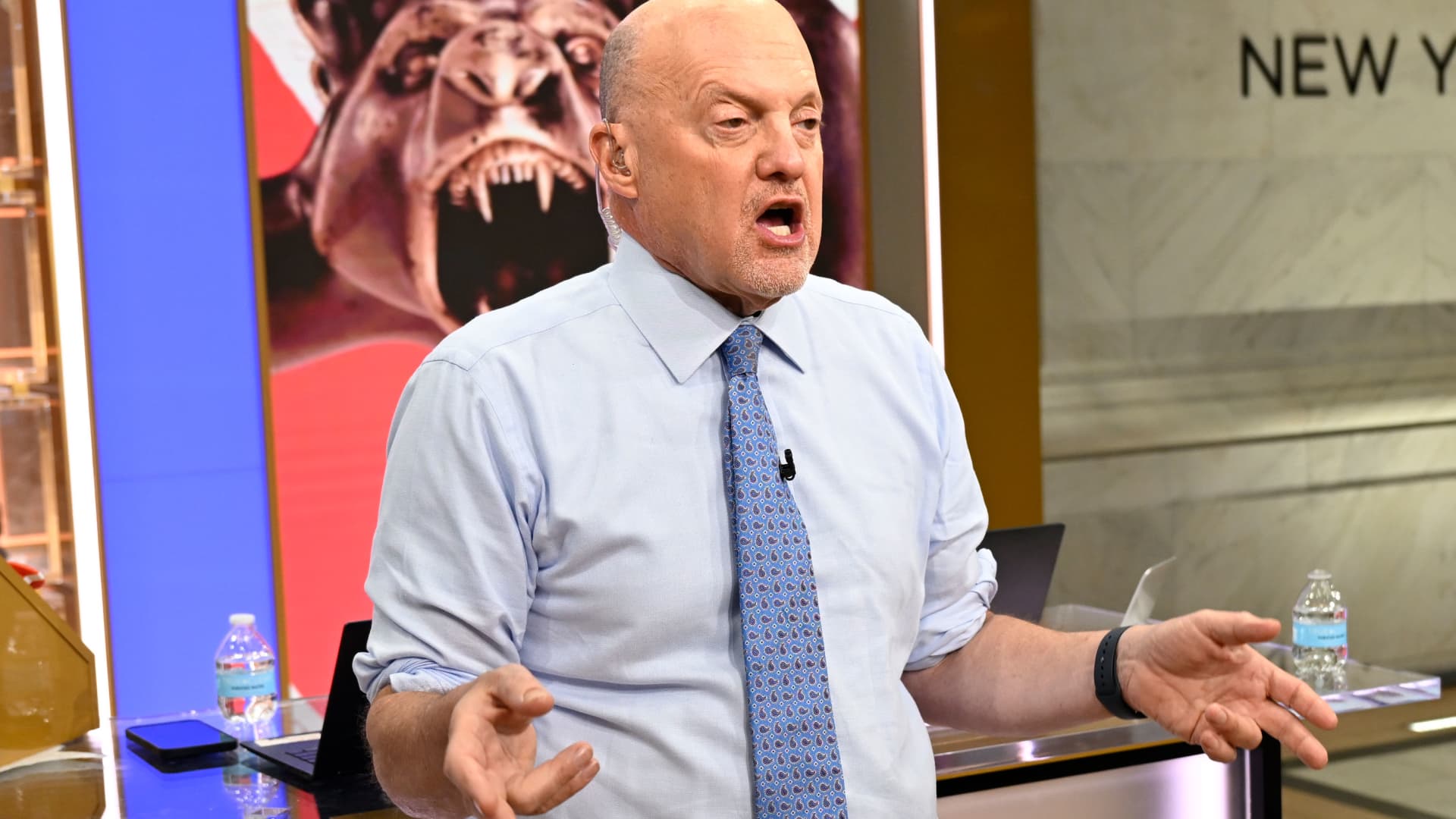
Jim Cramer identified five investment themes that he believes were reinforced by the latest earnings season and linked each theme to stocks he favors. His framework uses corporate results to determine where he sees the strongest buying opportunities.
6:23 PMCNBC
CEO confidence rose to 52 in the third quarter of 2026 from 47 in the second, moving above the level that indicates net optimism. Executives reported easing geopolitical concerns but remained cautious about the outlook.
4:37 PMPYMNTS
Options traders can use implied volatility, expected moves, and pricing around earnings to structure trades before results. The discussion also examines what volatility signals imply for the S&P 500's rally to record highs.
4:37 PMMarketWatch
Jane Street is reportedly discussing a private-credit transaction to transfer about $11 billion of debt to investors including Pimco. The financing would give the trading firm additional capacity to invest in artificial intelligence.
4:10 PMFinancial Times
Copper has reached a record high, reviving its reputation as a gauge of economic activity. The price signal is difficult to interpret because industrial demand, supply constraints and market positioning may be moving in different directions.
4:07 PMCNBC
Inflows into Hyperliquid exchange-traded funds have largely stalled after strong relative performance in May and June. JPMorgan said regulated exchanges could intensify competition and constrain further ETF growth.
3:03 PMPYMNTS
The article examines an exchange-traded fund approach aimed at generating roughly a 9% dividend yield while reducing stock-market risk. It argues that investors' changing goals should determine whether this type of ETF fits their portfolio.
9:56 AMMarketWatch
Kevin Warsh plans to maintain a restrained communications strategy at the Federal Reserve despite resistance from markets. He remains confident that the broader reforms will eventually gain support from major investors.
9:40 AMFinancial Times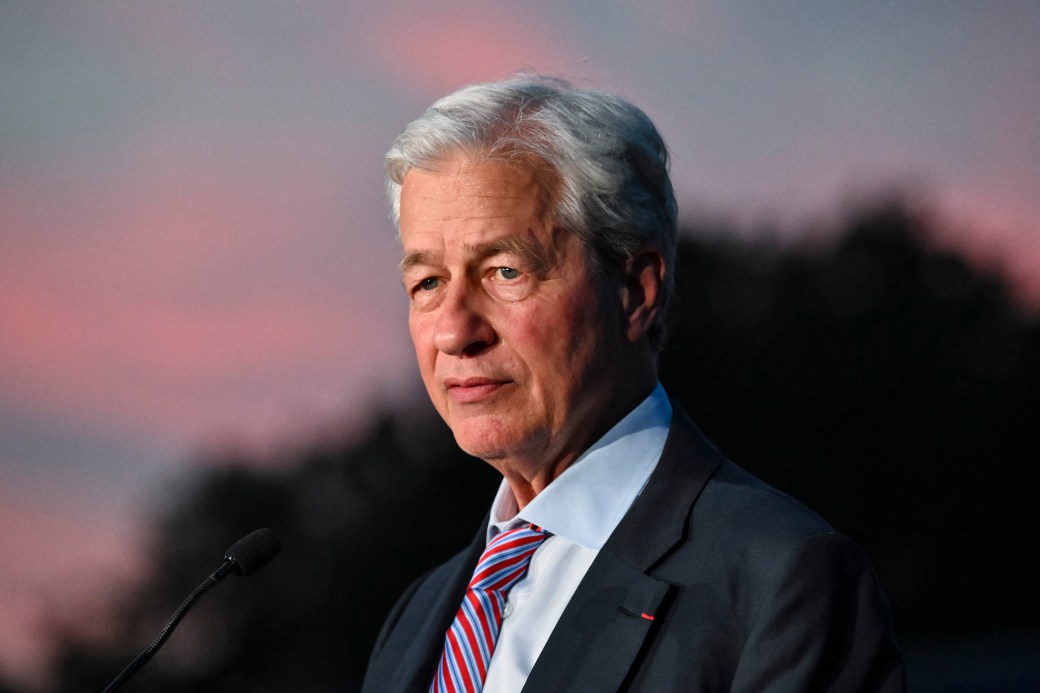
Jamie Dimon dismissed Wall Street criticism of Kevin Warsh’s Federal Reserve approach, saying the policy direction makes sense and that officials would eventually do the right thing.
6:35 AMFortune
The article argues that the SEC should ban single-stock leveraged ETFs, citing their role in South Korea's recent market turmoil. It notes that the SEC knew three years ago that retail investors held most of these products.
3:00 AMFortuneKen Griffin's Citadel made billions last week after buying most of Situational Awareness's stock book.
12:00 AMFinancial Times
Ares scaled back a planned €1 billion continuation fund after investors rejected the proposed pricing. The setback reflects difficulty securing agreement on valuations in private credit transactions.
12:00 AMFinancial TimesSummary
Jim Cramer identified five investment themes that he believes were reinforced by the latest earnings season and linked each theme to stocks he favors. His framework uses corporate results to determine where he sees the strongest buying opportunities.
The key shift is from broad market optimism to theme-based stock selection grounded in earnings
Unlock the full First Pass Analysis to get a better understanding of why this story mattersWhy it matters
Earnings are narrowing the market's focus toward a smaller set of favored themes and companies.
Summary
CEO confidence rose to 52 in the third quarter of 2026 from 47 in the second, moving above the level that indicates net optimism. Executives reported easing geopolitical concerns but remained cautious about the outlook.
The improvement points to a less defensive corporate mood, but it has not translated into
Unlock the full First Pass Analysis to get a better understanding of why this story mattersWhy it matters
CEO sentiment offers an early signal of whether improving confidence will translate into hiring, capital spending, and stronger growth.
Summary
Options traders can use implied volatility, expected moves, and pricing around earnings to structure trades before results. The discussion also examines what volatility signals imply for the S&P 500's rally to record highs.
Earnings options often become expensive before results because markets price in a sharp move, but
Unlock the full First Pass Analysis to get a better understanding of why this story mattersWhy it matters
Options pricing shows what investors expect from earnings and where markets may be underestimating risk.
Summary
Jane Street is reportedly discussing a private-credit transaction to transfer about $11 billion of debt to investors including Pimco. The financing would give the trading firm additional capacity to invest in artificial intelligence.
Moving the debt into private credit could diversify Jane Street's funding and free capital for
Unlock the full First Pass Analysis to get a better understanding of why this story mattersWhy it matters
The transaction shows private credit expanding into large, sophisticated financial firms and AI-related funding.
Summary
Copper has reached a record high, reviving its reputation as a gauge of economic activity. The price signal is difficult to interpret because industrial demand, supply constraints and market positioning may be moving in different directions.
Record copper prices do not provide a clean growth signal when supply shortages and structural
Unlock the full First Pass Analysis to get a better understanding of why this story mattersWhy it matters
Copper's rally may be signaling constrained supply and structural demand rather than a broad-based economic acceleration.
Summary
Inflows into Hyperliquid exchange-traded funds have largely stalled after strong relative performance in May and June. JPMorgan said regulated exchanges could intensify competition and constrain further ETF growth.
The decisive shift is the loss of ETF inflow momentum, which suggests early demand was
Unlock the full First Pass Analysis to get a better understanding of why this story mattersWhy it matters
A stalled flow cycle could expose the limits of investor appetite for newer crypto assets once regulated alternatives expand.
Summary
The article examines an exchange-traded fund approach aimed at generating roughly a 9% dividend yield while reducing stock-market risk. It argues that investors' changing goals should determine whether this type of ETF fits their portfolio.
The central tradeoff is that higher income does not automatically mean lower risk; the ETF
Unlock the full First Pass Analysis to get a better understanding of why this story mattersWhy it matters
Yield-focused ETFs can change portfolio risk, but the headline income rate is only one part of the return equation.
Summary
Kevin Warsh plans to maintain a restrained communications strategy at the Federal Reserve despite resistance from markets. He remains confident that the broader reforms will eventually gain support from major investors.
The immediate change is a Fed leadership team choosing consistency over rapid reassurance after markets
Unlock the full First Pass Analysis to get a better understanding of why this story mattersWhy it matters
The Fed's communication strategy can affect bond yields, rate expectations, and confidence in its independence.
Summary
Jamie Dimon dismissed Wall Street criticism of Kevin Warsh’s Federal Reserve approach, saying the policy direction makes sense and that officials would eventually do the right thing.
Dimon’s support gives Warsh’s framework a prominent vote of confidence as markets debate the Fed’s
Unlock the full First Pass Analysis to get a better understanding of why this story mattersWhy it matters
High-profile support could strengthen the case for a more disciplined Fed even as investors resist the near-term consequences.
Summary
The article argues that the SEC should ban single-stock leveraged ETFs, citing their role in South Korea's recent market turmoil. It notes that the SEC knew three years ago that retail investors held most of these products.
The decisive concern is a mismatch between complex, leveraged instruments and a predominantly retail investor
Unlock the full First Pass Analysis to get a better understanding of why this story mattersWhy it matters
Regulators face a choice between preserving market access and limiting products that can amplify retail losses and market shocks.
Summary
Ken Griffin's Citadel made billions last week after buying most of Situational Awareness's stock book.
The trade shows how quickly a large, well-capitalized market maker can monetize dislocated or forced
Unlock the full First Pass Analysis to get a better understanding of why this story mattersWhy it matters
The episode illustrates how market stress can transfer value from forced sellers to firms equipped to absorb risk.
Summary
Ares scaled back a planned €1 billion continuation fund after investors rejected the proposed pricing. The setback reflects difficulty securing agreement on valuations in private credit transactions.
Investor resistance has become a direct constraint on private credit dealmaking, not just a pricing
Unlock the full First Pass Analysis to get a better understanding of why this story mattersWhy it matters
Valuation pushback is testing the liquidity and fundraising model behind private credit's rapid expansion.
Make it yours
Pick your topics, set your cadence, and receive your personalized First Pass in your inbox. It’s that simple!
