
President Trump rejected Iran’s cease-fire proposal, calling it unacceptable. He also declined to say whether the United States would resume military strikes after the midterm elections.
5:02 PMThe New York Times10 stories from 5 sources
Supporting Articles
President Trump rejected Iran’s cease-fire proposal, calling it unacceptable. He also declined to say whether the United States would resume military strikes after the midterm elections.
5:02 PMThe New York Times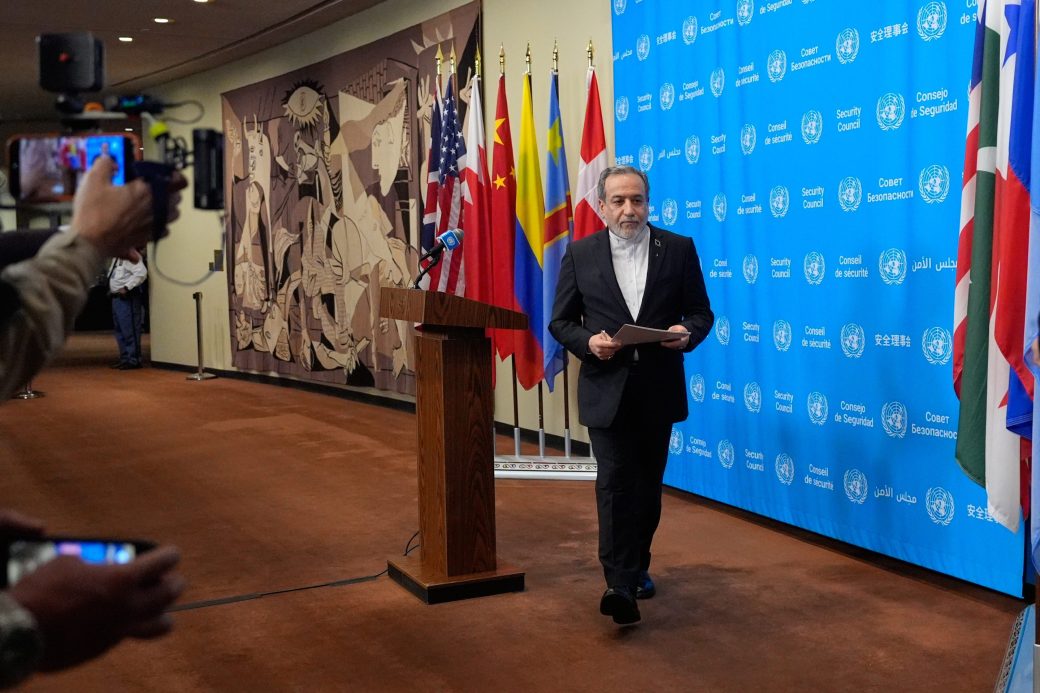
Iran offered to fully reopen the Strait of Hormuz and linked a quick agreement to potential benefits for Donald Trump in the November midterm elections. Trump responded by posting a map on social media labeling the waterway the "Trump Strait."
11:04 AMFortune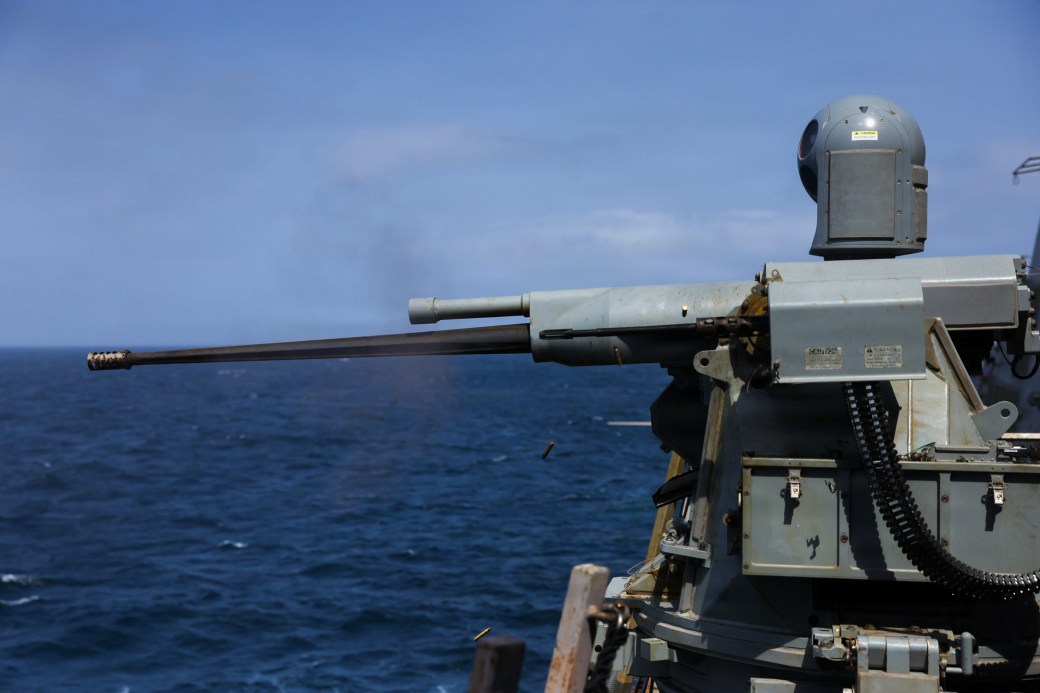
Tanker Trackers estimated that 13 million barrels of crude oil per day are now exiting the US blockade line, while the military guides ships through the Strait of Hormuz in daylight.
3:40 PMFortune
President Trump said he would roll back Biden-era fuel economy rules and end what he calls an electric vehicle mandate. The policy shift would reduce federal pressure on automakers and consumers to move toward electric vehicles.
5:51 PMAl JazeeraSummary
President Trump rejected Iran’s cease-fire proposal, calling it unacceptable. He also declined to say whether the United States would resume military strikes after the midterm elections.
The rejection leaves the Strait of Hormuz without a diplomatic path to reopening and keeps
Unlock the full First Pass Analysis to get a better understanding of why this story mattersWhy it matters
The decision prolongs a crisis around one of the world’s most important energy routes while preserving the risk of renewed U.S. strikes.
3 stories · 2 sources
Summary
Iran offered to fully reopen the Strait of Hormuz and linked a quick agreement to potential benefits for Donald Trump in the November midterm elections. Trump responded by posting a map on social media labeling the waterway the "Trump Strait."
The exchange turns a strategic shipping corridor into a vehicle for political messaging and personal
Unlock the full First Pass Analysis to get a better understanding of why this story mattersWhy it matters
The standoff risks making a vital global trade route hostage to negotiations shaped by domestic political incentives.
Summary
Tanker Trackers estimated that 13 million barrels of crude oil per day are now exiting the US blockade line, while the military guides ships through the Strait of Hormuz in daylight.
Oil flows have expanded even as Trump refuses Iran’s proposal, suggesting Washington is prioritizing controlled
Unlock the full First Pass Analysis to get a better understanding of why this story mattersWhy it matters
The arrangement may stabilize oil exports while increasing the chance of a direct US-Iran confrontation at sea.
Summary
President Trump said he would roll back Biden-era fuel economy rules and end what he calls an electric vehicle mandate. The policy shift would reduce federal pressure on automakers and consumers to move toward electric vehicles.
The administration is replacing a policy framework that encouraged EV adoption with a looser approach
Unlock the full First Pass Analysis to get a better understanding of why this story mattersWhy it matters
Rolling back the rules could reshape automakers' product strategies while slowing the US transition away from gasoline-powered cars.
A curated list of other prominent stories from this day.
The war is increasingly targeting the economic systems that sustain military operations, including energy, transport and export infrastructure. Ukraine is using drones to strike Russia's oil industry and weaken its capacity to finance a prolonged conflict.
9:10 AMBloomberg Markets
The conflict has disrupted Iraq’s oil exports, raised the cost of imports, and weakened the dinar. The pressure is exposing Iraq’s dependence on oil revenue and foreign goods.
4:13 AMAl Jazeera
Ahmedabad-based solar EPC company Deon Energy has filed draft IPO papers featuring a fresh issue and a promoter offer for sale. It plans to use the proceeds to build a 30 MW solar plant in Gujarat, fund working capital and meet corporate expenses.
3:17 AMEconomic TimesChina has agreed to import at least 10 million metric tons of US coal in both 2027 and 2028, according to the White House. The commitment signals further easing of trade tensions between Washington and Beijing.
12:52 AMBloomberg MarketsSummary
The war is increasingly targeting the economic systems that sustain military operations, including energy, transport and export infrastructure. Ukraine is using drones to strike Russia's oil industry and weaken its capacity to finance a prolonged conflict.
The battlefield is expanding from frontline positions to the revenue and logistics networks behind them.
Unlock the full First Pass Analysis to get a better understanding of why this story mattersWhy it matters
The war's trajectory may increasingly depend on industrial resilience and energy security, not only territorial gains.
Summary
The conflict has disrupted Iraq’s oil exports, raised the cost of imports, and weakened the dinar. The pressure is exposing Iraq’s dependence on oil revenue and foreign goods.
Iraq is absorbing a double shock: lower export income and higher import costs. That combination
Unlock the full First Pass Analysis to get a better understanding of why this story mattersWhy it matters
A regional conflict is translating into fiscal and cost-of-living pressure for an oil-dependent economy.
Summary
Ahmedabad-based solar EPC company Deon Energy has filed draft IPO papers featuring a fresh issue and a promoter offer for sale. It plans to use the proceeds to build a 30 MW solar plant in Gujarat, fund working capital and meet corporate expenses.
The proposed issue would help Deon Energy move beyond project execution into asset ownership, increasing
Unlock the full First Pass Analysis to get a better understanding of why this story mattersWhy it matters
The IPO reflects how renewable companies are using public capital to shift from EPC contracting toward owned generation assets.
Summary
China has agreed to import at least 10 million metric tons of US coal in both 2027 and 2028, according to the White House. The commitment signals further easing of trade tensions between Washington and Beijing.
The agreement creates a sizable, multi-year outlet for US coal producers while giving China another
Unlock the full First Pass Analysis to get a better understanding of why this story mattersWhy it matters
A durable US-China coal flow could support US mining exports and provide a limited but tangible measure of trade stabilization.
Make it yours
Pick your topics, set your cadence, and receive your personalized First Pass in your inbox. It’s that simple!

