
Iran's foreign minister says Tehran has proposed reopening the Strait of Hormuz within seven days, but only if the United States approves the plan. He says the decision now rests with Washington.
8:00 PMAl Jazeera24 stories from 11 sources
Supporting Articles
Iran's foreign minister says Tehran has proposed reopening the Strait of Hormuz within seven days, but only if the United States approves the plan. He says the decision now rests with Washington.
8:00 PMAl Jazeera
Iran has proposed a seven-day plan to reopen the Strait of Hormuz as high fuel prices intensify pressure on the Trump administration. The offer links access through the waterway to broader political and security conditions.
6:49 AMAl Jazeera
Iran has proposed rapidly implementing a failed ceasefire agreement and reopening the Strait of Hormuz if regional conflicts are halted. The roadmap seeks to connect de-escalation across several fronts to an end to hostilities with the United States.
5:54 AMAl Jazeera
US and Iranian negotiators are exploring a phased agreement under which Iran would reopen the Strait of Hormuz and the US would lift its blockade of Iranian ports. The proposal resembles a memorandum of understanding reached in June.
10:19 AMBloomberg Markets
Oil prices fell about 2% as the United States and Iran explored a diplomatic path that could ease pressure on the Strait of Hormuz. Prices also faced competing forces from possible US diesel-export restrictions, Houthi attacks affecting Saudi supply, and continued Russia-Ukraine talks.
11:58 PMEconomic TimesU.S. crude prices fell nearly 8% for the week after Iran and the United States held talks at the United Nations. Iran said it wants Washington to accept the conditions in a June 17 memorandum of understanding.
3:38 PMCNBCSaudi Arabia’s crude exports reached their highest level since the conflict with Iran began, even as attacks by Iran-backed militants in Yemen and Iraq targeted Saudi infrastructure and a pipeline outage disrupted operations.
2:46 PMCNBC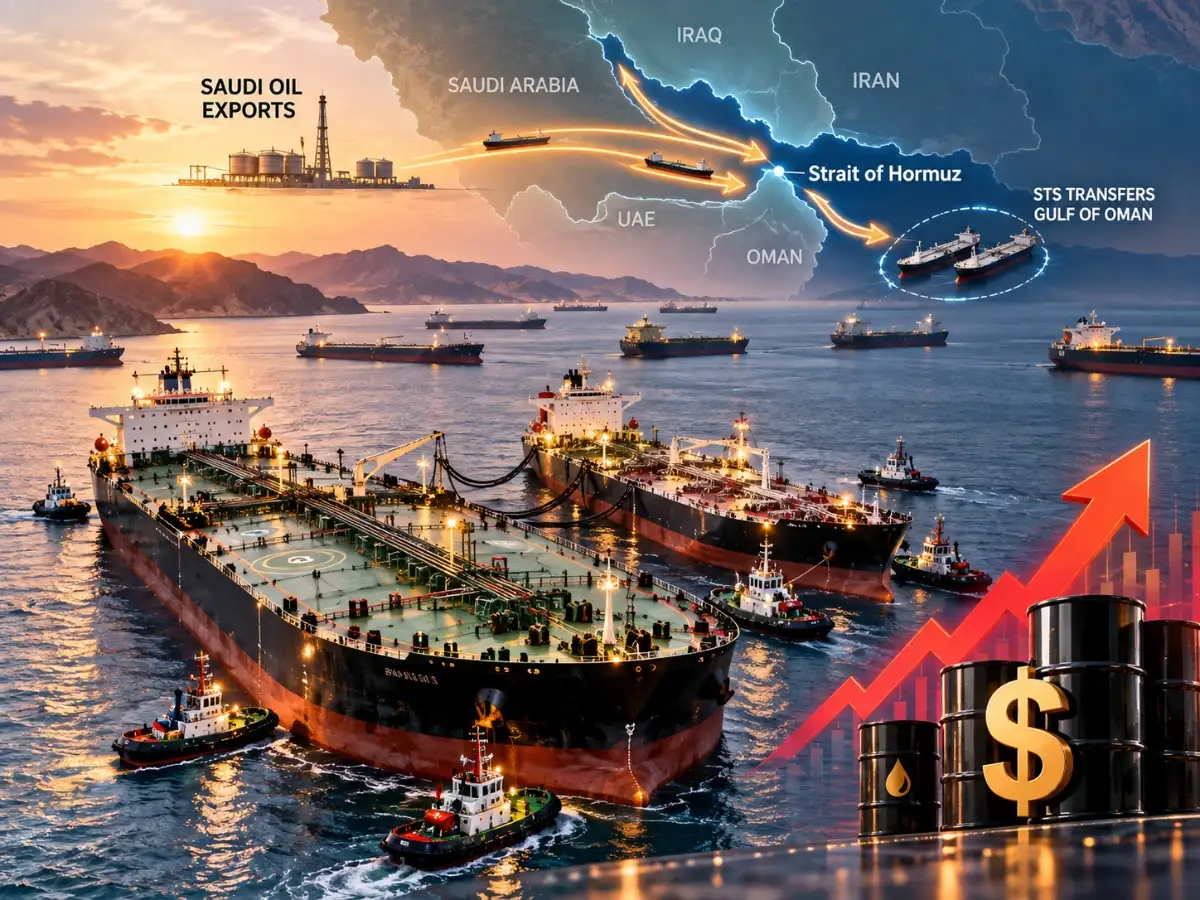
Rising Saudi crude shipments through the Strait of Hormuz have filled ship-to-ship transfer capacity in the Gulf of Oman, tightening tanker availability and pushing very large crude carrier rates to records.
6:18 AMEconomic Times
War-related supply pressures have driven fuel costs sharply higher across Europe, with gasoline exceeding the equivalent of $12 a gallon in some areas. Governments are responding with tax cuts, subsidies and relaxed energy rules.
9:41 AMFortuneEni cut pump prices for at least a month as Prime Minister Giorgia Meloni tries to limit the impact of rising fuel costs ahead of next year’s general election.
7:54 AMBloomberg MarketsA second federal judge overturned the cancellation of the $7 billion Solar for All program in a case brought by Harris County, Texas. The ruling follows a similar decision issued the previous week.
10:13 AMUtility DiveThe Federal Energy Regulatory Commission rejected Oklo’s complaint seeking to return a 750-megawatt mixed-technology project in Virginia to PJM’s current interconnection study cycle. Oklo said missing the cycle would delay the project by at least 18 months.
9:46 AMUtility DiveSummary
Iran's foreign minister says Tehran has proposed reopening the Strait of Hormuz within seven days, but only if the United States approves the plan. He says the decision now rests with Washington.
The reopening of the world's crucial energy chokepoint remains conditional on a US decision, leaving
Unlock the full First Pass Analysis to get a better understanding of why this story mattersWhy it matters
A credible reopening could ease pressure on global energy supplies, while rejection or delay would prolong the risk of higher prices and disrupted shipping.
Summary
Iran has proposed a seven-day plan to reopen the Strait of Hormuz as high fuel prices intensify pressure on the Trump administration. The offer links access through the waterway to broader political and security conditions.
Tehran is using control of a critical energy route as leverage in negotiations, turning shipping
Unlock the full First Pass Analysis to get a better understanding of why this story mattersWhy it matters
The plan links the global energy market directly to the conflict’s diplomatic timeline and US political pressures.
Summary
Iran has proposed rapidly implementing a failed ceasefire agreement and reopening the Strait of Hormuz if regional conflicts are halted. The roadmap seeks to connect de-escalation across several fronts to an end to hostilities with the United States.
Tehran is offering a conditional off-ramp that bundles maritime access, regional ceasefires and direct conflict
Unlock the full First Pass Analysis to get a better understanding of why this story mattersWhy it matters
A rapid diplomatic opening exists, but its tightly coupled conditions make collapse as likely as progress.
Summary
US and Iranian negotiators are exploring a phased agreement under which Iran would reopen the Strait of Hormuz and the US would lift its blockade of Iranian ports. The proposal resembles a memorandum of understanding reached in June.
The prospect of reopening Hormuz reduces the immediate risk of a prolonged disruption to one
Unlock the full First Pass Analysis to get a better understanding of why this story mattersWhy it matters
A credible US-Iran deal could ease a major global oil supply risk and lower energy costs.
Summary
Oil prices fell about 2% as the United States and Iran explored a diplomatic path that could ease pressure on the Strait of Hormuz. Prices also faced competing forces from possible US diesel-export restrictions, Houthi attacks affecting Saudi supply, and continued Russia-Ukraine talks.
The prospect of de-escalation is now outweighing immediate supply risks in oil pricing, pulling crude
Unlock the full First Pass Analysis to get a better understanding of why this story mattersWhy it matters
Oil's decline shows how quickly diplomatic signals can alter energy prices, even while physical supply risks remain unresolved.
Summary
U.S. crude prices fell nearly 8% for the week after Iran and the United States held talks at the United Nations. Iran said it wants Washington to accept the conditions in a June 17 memorandum of understanding.
The talks reduced the immediate risk of a wider U.S.-Iran confrontation, prompting traders to price
Unlock the full First Pass Analysis to get a better understanding of why this story mattersWhy it matters
Lower oil prices could ease inflation and fuel costs, while a breakdown in talks would quickly restore the geopolitical risk premium.
Summary
Saudi Arabia’s crude exports reached their highest level since the conflict with Iran began, even as attacks by Iran-backed militants in Yemen and Iraq targeted Saudi infrastructure and a pipeline outage disrupted operations.
The increase shows that Saudi Arabia has so far preserved export capacity despite a worsening
Unlock the full First Pass Analysis to get a better understanding of why this story mattersWhy it matters
Saudi export continuity is containing oil-market pressure, but the security premium is likely to rise if attacks persist.
Summary
Rising Saudi crude shipments through the Strait of Hormuz have filled ship-to-ship transfer capacity in the Gulf of Oman, tightening tanker availability and pushing very large crude carrier rates to records.
The bottleneck is raising transport costs and complicating deliveries to Asian refineries even as Saudi
Unlock the full First Pass Analysis to get a better understanding of why this story mattersWhy it matters
The episode shows how a logistical choke point can disrupt oil markets even when physical crude supply is rising.
Summary
War-related supply pressures have driven fuel costs sharply higher across Europe, with gasoline exceeding the equivalent of $12 a gallon in some areas. Governments are responding with tax cuts, subsidies and relaxed energy rules.
The price shock is now imposing a direct daily burden on households and businesses, especially
Unlock the full First Pass Analysis to get a better understanding of why this story mattersWhy it matters
Europe's fuel shock is raising transport costs, weakening purchasing power and forcing governments into expensive intervention.
Summary
Eni cut pump prices for at least a month as Prime Minister Giorgia Meloni tries to limit the impact of rising fuel costs ahead of next year’s general election.
The move shifts part of the short-term inflation burden onto Italy’s largest energy company rather
Unlock the full First Pass Analysis to get a better understanding of why this story mattersWhy it matters
Fuel-price intervention can buy political time, but it is not a durable response to energy-cost volatility.
Summary
A second federal judge overturned the cancellation of the $7 billion Solar for All program in a case brought by Harris County, Texas. The ruling follows a similar decision issued the previous week.
The second ruling strengthens the legal challenge to the administration’s attempt to terminate the program
Unlock the full First Pass Analysis to get a better understanding of why this story mattersWhy it matters
Repeated court defeats make the program’s cancellation harder to sustain and preserve a major source of funding for distributed solar.
Summary
The Federal Energy Regulatory Commission rejected Oklo’s complaint seeking to return a 750-megawatt mixed-technology project in Virginia to PJM’s current interconnection study cycle. Oklo said missing the cycle would delay the project by at least 18 months.
FERC’s decision leaves the project exposed to another interconnection queue and extends the timeline for
Unlock the full First Pass Analysis to get a better understanding of why this story mattersWhy it matters
An 18-month delay would postpone planned capacity and underscores the grid-access bottleneck facing large new power projects.
A curated list of other prominent stories from this day.

Crusoe no longer plans to use Boom Supersonic's stationary power plants for its AI data centers in the near term. Boom CEO Blake Scholl confirmed the change, putting the proposed $1.25 billion deployment on hold.
7:11 PMTechCrunch
Energy experts warn that a US ban on diesel exports could raise fuel costs both inside the country and across international markets. The effects would depend on how much supply leaves the global market and how quickly other producers can respond.
5:28 PMAl Jazeera
Africa's richest man is helping finance a $660 million fuel pipeline linking landlocked Ethiopia with Djibouti. The project is intended to improve Ethiopia's access to energy while generating jobs around Djibouti's port.
10:24 AMBBCThe Henry Hub natural gas spot price averaged $2.93 per million British thermal units from June through August, down 6% from the same period last year. Prices fell despite exceptionally hot weather that lifted electricity demand for air conditioning.
10:00 AMU.S. Energy Information Administration
The article tracks the current oil price as of September 25, 2026, and explains how changes in crude markets affect household energy bills and the prices of everyday goods.
9:00 AMFortuneOil exploration across South America has accelerated since Exxon’s major discovery in Guyana, turning the continent into a central target for global producers.
7:46 AMBloomberg MarketsZambia plans to restore open access to its only fuel-import pipeline by January, according to a senior official, delaying a measure sought by the International Monetary Fund.
6:33 AMBloomberg Markets
Jefferies strategist Christopher Wood identified India’s energy sector as a leading long-term growth opportunity, driven by renewable investment and rising electricity demand. Hitachi Energy India was highlighted as a supplier of the infrastructure needed to support that expansion.
4:46 AMEconomic TimesThe Netherlands wants the European Union to scrap mandatory gas storage targets as Brussels revises its energy security rules. The proposal follows nearly €1 billion in spending this year to refill Dutch reserves.
2:13 AMBloomberg Markets
Roland Garros airport on Réunion uses ceiling design and the island's tropical breezes to cool its terminal without conventional air conditioning. Large windows and a ventilation system channel outdoor airflow through the building.
1:00 AMThe Guardian Art and DesignScott Sheffield has criticized Exxon after the oil major acquired Pioneer Natural Resources in 2024. His remarks add a public dispute to one of the shale industry's biggest recent consolidations.
12:00 AMFinancial Times
The number of ships sailing under the Russian flag has grown by a third as Moscow works to keep fossil fuel exports moving despite Western sanctions. The expansion comes as authorities intensify efforts to crack down on vessels operating without clear national registration.
12:00 AMFinancial TimesSummary
Crusoe no longer plans to use Boom Supersonic's stationary power plants for its AI data centers in the near term. Boom CEO Blake Scholl confirmed the change, putting the proposed $1.25 billion deployment on hold.
The decision removes a major near-term customer for Boom's stationary power technology and weakens the
Unlock the full First Pass Analysis to get a better understanding of why this story mattersWhy it matters
The reversal shows that demand from power-hungry AI infrastructure is not guaranteed to translate into contracts for emerging generation technologies.
Summary
Energy experts warn that a US ban on diesel exports could raise fuel costs both inside the country and across international markets. The effects would depend on how much supply leaves the global market and how quickly other producers can respond.
A US export ban would redirect or strand some domestic diesel supply while tightening availability
Unlock the full First Pass Analysis to get a better understanding of why this story mattersWhy it matters
The policy would trade an uncertain domestic benefit for a clear risk of tighter fuel markets and higher costs abroad.
Summary
Africa's richest man is helping finance a $660 million fuel pipeline linking landlocked Ethiopia with Djibouti. The project is intended to improve Ethiopia's access to energy while generating jobs around Djibouti's port.
The pipeline would reduce Ethiopia's dependence on costly overland fuel transport and strengthen Djibouti's role
Unlock the full First Pass Analysis to get a better understanding of why this story mattersWhy it matters
The project targets a critical infrastructure bottleneck that constrains energy access and trade across the Horn of Africa.
Summary
The Henry Hub natural gas spot price averaged $2.93 per million British thermal units from June through August, down 6% from the same period last year. Prices fell despite exceptionally hot weather that lifted electricity demand for air conditioning.
Abundant gas supply or subdued demand outside the power sector offset the summer's stronger cooling
Unlock the full First Pass Analysis to get a better understanding of why this story mattersWhy it matters
Cheaper gas reduced power-generation costs during a period of peak electricity demand.
Summary
The article tracks the current oil price as of September 25, 2026, and explains how changes in crude markets affect household energy bills and the prices of everyday goods.
The key transmission channel is crude oil's effect on transport fuels, freight and production costs.
Unlock the full First Pass Analysis to get a better understanding of why this story mattersWhy it matters
Oil prices remain a broad cost signal for transport, consumer goods and inflation.
Summary
Oil exploration across South America has accelerated since Exxon’s major discovery in Guyana, turning the continent into a central target for global producers.
Guyana’s find has shifted exploration capital toward a region once considered secondary to established oil
Unlock the full First Pass Analysis to get a better understanding of why this story mattersWhy it matters
A new South American oil boom could reshape future supply growth and the balance of power between producers, investors, and regional governments.
Summary
Zambia plans to restore open access to its only fuel-import pipeline by January, according to a senior official, delaying a measure sought by the International Monetary Fund.
The delay keeps Zambia’s fuel-import system concentrated and limits competition among suppliers. It could complicate
Unlock the full First Pass Analysis to get a better understanding of why this story mattersWhy it matters
The timetable affects both Zambia’s energy resilience and the credibility of its economic reform program.
Summary
Jefferies strategist Christopher Wood identified India’s energy sector as a leading long-term growth opportunity, driven by renewable investment and rising electricity demand. Hitachi Energy India was highlighted as a supplier of the infrastructure needed to support that expansion.
The investment case rests on demand growth as much as on the renewable transition, with
Unlock the full First Pass Analysis to get a better understanding of why this story mattersWhy it matters
India’s power buildout creates a broad infrastructure opportunity beyond renewable-generation stocks.
Summary
The Netherlands wants the European Union to scrap mandatory gas storage targets as Brussels revises its energy security rules. The proposal follows nearly €1 billion in spending this year to refill Dutch reserves.
The Netherlands is challenging a policy that shifts the cost of regional supply security onto
Unlock the full First Pass Analysis to get a better understanding of why this story mattersWhy it matters
The dispute could reshape how Europe pays for and manages gas security after the energy crisis.
Summary
Roland Garros airport on Réunion uses ceiling design and the island's tropical breezes to cool its terminal without conventional air conditioning. Large windows and a ventilation system channel outdoor airflow through the building.
The terminal shows how building form and local climate can replace some mechanical cooling demand
Unlock the full First Pass Analysis to get a better understanding of why this story mattersWhy it matters
Airports that reduce air conditioning can cut operating emissions and limit exposure to rising cooling costs.
Summary
Scott Sheffield has criticized Exxon after the oil major acquired Pioneer Natural Resources in 2024. His remarks add a public dispute to one of the shale industry's biggest recent consolidations.
Sheffield's criticism puts the post-acquisition relationship between Exxon's management and Pioneer's former leadership under scrutiny.
Unlock the full First Pass Analysis to get a better understanding of why this story mattersWhy it matters
The clash offers a window into whether Exxon can turn its enlarged shale position into the returns investors were promised.
Summary
The number of ships sailing under the Russian flag has grown by a third as Moscow works to keep fossil fuel exports moving despite Western sanctions. The expansion comes as authorities intensify efforts to crack down on vessels operating without clear national registration.
Russia is building more control over the maritime infrastructure that supports its sanctioned energy trade.
Unlock the full First Pass Analysis to get a better understanding of why this story mattersWhy it matters
A larger Russian-flagged fleet could make energy sanctions harder to enforce and increase maritime security risks.
Make it yours
Pick your topics, set your cadence, and receive your personalized First Pass in your inbox. It’s that simple!