Oil prices fell after U.S. crude inventories unexpectedly increased, outweighing concerns over Saudi Arabia's suspension of Yanbu loadings after an East-West pipeline attack. Protests disrupted some Libyan oil operations, but national production remained broadly stable.
10:37 PMEconomic Times48 stories from 14 sources
Energy security risks widen as infrastructure faces mounting strain
Day’s Recap
Supporting Articles

Saudi Arabia has cancelled some oil deliveries to European buyers after attacks shut its East-West pipeline to the Red Sea. The disruption has also affected loadings from the Yanbu export terminal.
9:53 PMAl Jazeera
A senior Iraqi source has blamed a splinter group within the resistance camp for the September attack on Saudi Arabia's East-West pipeline. The incident has exposed Prime Minister Mohammed Shia al-Sudani's difficulty in controlling armed factions operating in Iraq's security environment.
9:35 PMAl Jazeera
Oil prices declined after a disruption-driven rally appeared overstretched. A US industry report indicating higher crude inventories added pressure to prices.
6:03 PMBloomberg Markets
Saudi Arabia closed the East-West pipeline after it was damaged in a drone attack launched from Iraq. The U.S. energy secretary described the disruption as temporary and expected it to last only days.
2:29 PMCNBC
Satellite imagery shows major damage to a critical oil pipeline that has been shut down. Experts estimate the closure could reduce available oil supplies by as much as 3.6 million barrels per day.
10:21 AMBBC
Analysts estimate that oil inventories provide only five to seven days of protection if Saudi Arabia's key pipeline remains offline. Prices could rise sharply once that cushion is exhausted.
7:25 AMCNBC
Two sailors are missing after the oil tanker El Gaia caught fire in the Strait of Hormuz. Iran said the vessel struck mines, while the US said it was hit by a missile and then a drone.
12:13 PMBBC
The EPA is scrapping Biden-era greenhouse gas rules for power plants and moving to eliminate additional emissions standards. The Edison Electric Institute supports repealing the carbon capture and storage-based requirements.
1:00 PMUtility Dive
The EPA has rolled back emissions rules for power plants, allowing older coal facilities to remain online longer. The change could support electricity supply for data centers while increasing climate and pollution risks.
3:06 AMFortune
The House will vote on bipartisan legislation creating a regulatory framework that states could use to stop data center operators from shifting AI-driven energy costs onto consumers.
11:01 PMCNBC
Rapid data-center construction driven by AI could make US facilities one of the world's largest consumers of natural gas by 2035. The projected demand reflects the power required to run and expand AI computing infrastructure.
2:29 PMTechCrunch
China's gasoline and diesel inventories are falling as refiners face tighter domestic supply. The squeeze increases the possibility that Beijing will restrict fuel exports again.
8:10 PMBloomberg Markets
Fuel shortages and price increases have triggered protests and blackouts in countries including Indonesia, Guatemala, and Syria.
11:01 AMThe New York Times
Cheniere Energy completed the Corpus Christi Liquefaction Stage 3 project in Texas on August 28, 2026, taking control of its seventh and final LNG train. The expansion makes the Corpus Christi facility the second-largest LNG export site in the United States.
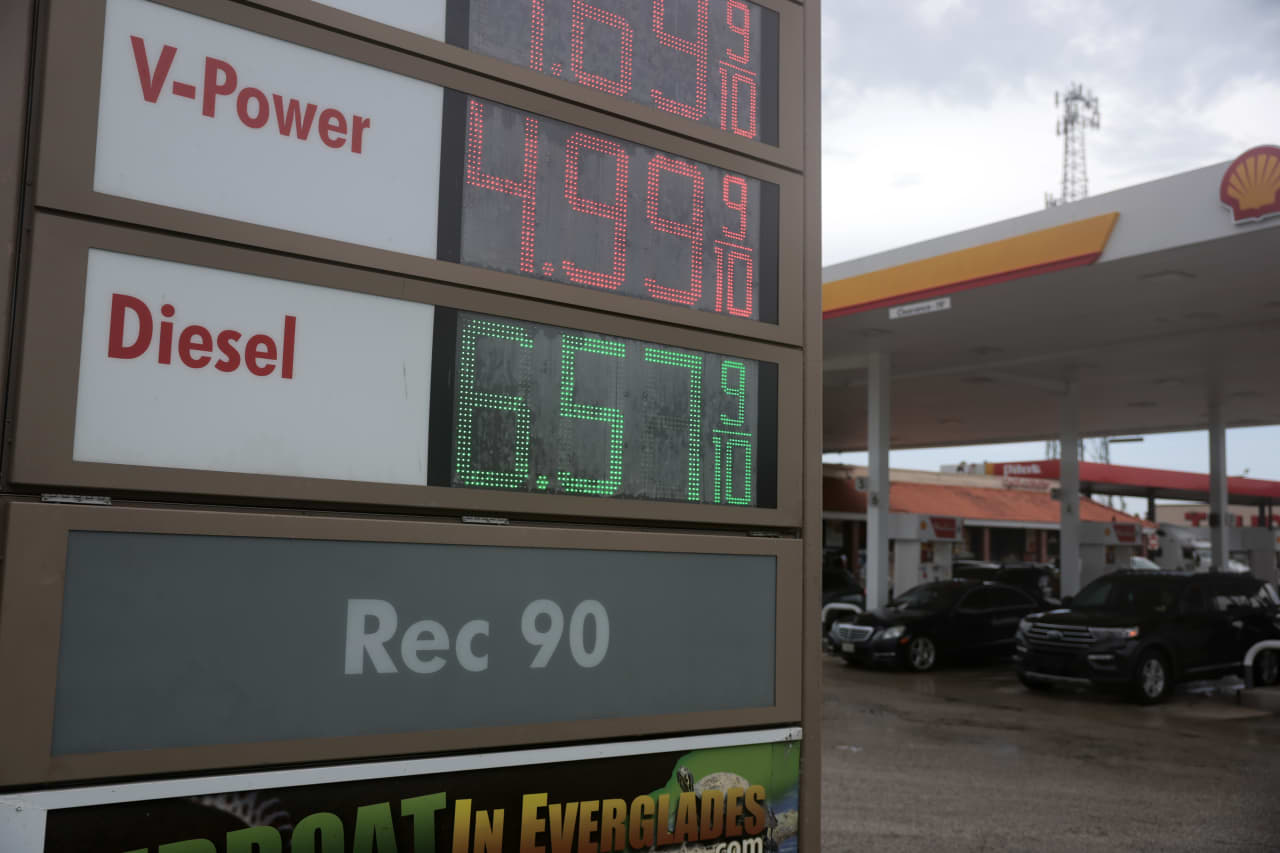
10:00 AMU.S. Energy Information AdministrationWith diesel prices reaching a reported record of $6.27 per gallon, a leading Senate Republican is considering a ban on diesel exports. Analysts warn that the measure could worsen supply pressures rather than reduce prices.
4:36 PMMarketWatchOil falls as US crude inventories rise despite Saudi supply concerns
Summary
Oil prices fell after U.S. crude inventories unexpectedly increased, outweighing concerns over Saudi Arabia's suspension of Yanbu loadings after an East-West pipeline attack. Protests disrupted some Libyan oil operations, but national production remained broadly stable.
The price decline shows that near-term U.S. supply data currently carries more weight than the
Unlock the full First Pass Analysis to get a better understanding of why this story mattersWhy it matters
The market is treating the Saudi disruption as manageable for now, leaving the duration of the outage as the key price variable.

Saudi Arabia cancels oil to Europe over East-West pipeline blast
Summary
Saudi Arabia has cancelled some oil deliveries to European buyers after attacks shut its East-West pipeline to the Red Sea. The disruption has also affected loadings from the Yanbu export terminal.
The outage reduces Saudi Arabia's ability to move crude around the Arabian Peninsula and increases
Unlock the full First Pass Analysis to get a better understanding of why this story mattersWhy it matters
Damage to a key Saudi export link has converted a security incident into a direct test of global spare supply and transport flexibility.

Attacks on Saudi oil expose Iraqi PM’s struggle to control armed factions
Summary
A senior Iraqi source has blamed a splinter group within the resistance camp for the September attack on Saudi Arabia's East-West pipeline. The incident has exposed Prime Minister Mohammed Shia al-Sudani's difficulty in controlling armed factions operating in Iraq's security environment.
The reported attribution points to a gap between Baghdad's formal authority and the autonomy of
Unlock the full First Pass Analysis to get a better understanding of why this story mattersWhy it matters
Iraq's inability to contain armed factions can create cross-border energy disruptions while weakening its diplomatic control over regional security.

Latest Oil Market News and Analysis for Sept. 16
Summary
Oil prices declined after a disruption-driven rally appeared overstretched. A US industry report indicating higher crude inventories added pressure to prices.
The immediate market shift is from scarcity fears to a test of whether physical balances
Unlock the full First Pass Analysis to get a better understanding of why this story mattersWhy it matters
Inventory data is limiting the market's ability to price geopolitical risk as a one-way bullish signal.

Saudi pipeline closure is a brief interruption that will last days, U.S. Energy secretary tells CNBC
Summary
Saudi Arabia closed the East-West pipeline after it was damaged in a drone attack launched from Iraq. The U.S. energy secretary described the disruption as temporary and expected it to last only days.
The immediate supply impact appears limited because the closure is expected to be brief, but
Unlock the full First Pass Analysis to get a better understanding of why this story mattersWhy it matters
A short outage may be manageable, but repeated attacks could raise oil-risk premiums and disrupt global supply.

Satellite image reveals major damage that shut crucial Saudi oil pipeline
Summary
Satellite imagery shows major damage to a critical oil pipeline that has been shut down. Experts estimate the closure could reduce available oil supplies by as much as 3.6 million barrels per day.
A disruption of that scale would remove a substantial volume of crude from global markets
Unlock the full First Pass Analysis to get a better understanding of why this story mattersWhy it matters
The pipeline closure could turn infrastructure damage into a global oil supply crisis.

Oil’s safety net is fraying as Saudi Arabia races to restart a key pipeline
Summary
Analysts estimate that oil inventories provide only five to seven days of protection if Saudi Arabia's key pipeline remains offline. Prices could rise sharply once that cushion is exhausted.
The decisive risk is the market's shrinking time to absorb a transport disruption. Saudi Arabia's
Unlock the full First Pass Analysis to get a better understanding of why this story mattersWhy it matters
The inventory cushion gives Saudi Arabia only a narrow window to restore a critical safeguard before oil volatility could accelerate.

Two sailors missing after tanker attacked in Strait of Hormuz, Oman says
Summary
Two sailors are missing after the oil tanker El Gaia caught fire in the Strait of Hormuz. Iran said the vessel struck mines, while the US said it was hit by a missile and then a drone.
The attack adds a direct threat to commercial shipping in the world's most important oil
Unlock the full First Pass Analysis to get a better understanding of why this story mattersWhy it matters
The safety of crews and cargoes is becoming a central driver of energy prices and supply diversification.

EPA scraps Biden power plant GHG rules, moves to eliminate other standards
Summary
The EPA is scrapping Biden-era greenhouse gas rules for power plants and moving to eliminate additional emissions standards. The Edison Electric Institute supports repealing the carbon capture and storage-based requirements.
The shift removes federal pressure for utilities to deploy carbon capture or other measures to
Unlock the full First Pass Analysis to get a better understanding of why this story mattersWhy it matters
The rollback changes the economics of coal and gas generation while weakening the federal framework for power-sector decarbonization.

Trump’s ‘largest deregulatory action ever’ in the power sector will keep old coal plants online longer to fuel the AI boom
Summary
The EPA has rolled back emissions rules for power plants, allowing older coal facilities to remain online longer. The change could support electricity supply for data centers while increasing climate and pollution risks.
The policy shifts the power sector's near-term tradeoff toward reliability and faster data-center growth, at
Unlock the full First Pass Analysis to get a better understanding of why this story mattersWhy it matters
The rollback lowers a near-term power constraint for AI infrastructure while making the energy transition more expensive and politically contested.

House advances bill to rein in AI data center utility costs
Summary
The House will vote on bipartisan legislation creating a regulatory framework that states could use to stop data center operators from shifting AI-driven energy costs onto consumers.
The bill targets a growing cost transfer as data centers place heavier demands on local
Unlock the full First Pass Analysis to get a better understanding of why this story mattersWhy it matters
The economics of AI infrastructure could shift from a shared utility burden toward greater accountability for data center operators.

US data centers could consume more natural gas than Germany and Japan combined by 2035
Summary
Rapid data-center construction driven by AI could make US facilities one of the world's largest consumers of natural gas by 2035. The projected demand reflects the power required to run and expand AI computing infrastructure.
The constraint on AI expansion is increasingly energy supply, not just chips or data-center space.
Unlock the full First Pass Analysis to get a better understanding of why this story mattersWhy it matters
AI infrastructure is becoming a major force in US energy markets and climate policy.

Shrinking China Fuel Stockpiles Raise Chance of Export Curbs
Summary
China's gasoline and diesel inventories are falling as refiners face tighter domestic supply. The squeeze increases the possibility that Beijing will restrict fuel exports again.
China may prioritize domestic availability over overseas sales if inventories continue to decline. Export curbs
Unlock the full First Pass Analysis to get a better understanding of why this story mattersWhy it matters
A shift in China's export policy could turn a domestic stockpile problem into a broader regional fuel-supply shock.

Rising Fuel Prices Set Off Anger and Protests Around the World
Summary
Fuel shortages and price increases have triggered protests and blackouts in countries including Indonesia, Guatemala, and Syria.
Higher fuel costs are now producing political unrest as governments struggle to maintain supplies or
Unlock the full First Pass Analysis to get a better understanding of why this story mattersWhy it matters
Energy prices can quickly become a test of government legitimacy, not just an economic problem.

Corpus Christi LNG expansion makes facility the second-largest in the United States
Summary
Cheniere Energy completed the Corpus Christi Liquefaction Stage 3 project in Texas on August 28, 2026, taking control of its seventh and final LNG train. The expansion makes the Corpus Christi facility the second-largest LNG export site in the United States.
The completed train adds US export capacity at a time when buyers are seeking alternatives
Unlock the full First Pass Analysis to get a better understanding of why this story mattersWhy it matters
A larger Corpus Christi gives the US more capacity to absorb global LNG demand and geopolitical supply shocks.
Top Senate Republican floats a diesel export ban as prices soar. It might not work.
Summary
With diesel prices reaching a reported record of $6.27 per gallon, a leading Senate Republican is considering a ban on diesel exports. Analysts warn that the measure could worsen supply pressures rather than reduce prices.
The proposal responds to a price shock but risks shrinking refiners' flexibility and disrupting fuel
Unlock the full First Pass Analysis to get a better understanding of why this story mattersWhy it matters
The debate pits immediate political pressure over fuel costs against the risk of making a tight market less stable.
Other Developments
A curated list of other prominent stories from this day.
Oil prices rose more than $3 after Saudi Arabia suspended loadings at Yanbu and Libya halted production at three oil fields. Falling traffic through the Strait of Hormuz and attacks on energy infrastructure in Russia and Ukraine added to supply concerns, pushing U.S. diesel futures to a more than four-year high.
2:35 PMEconomic TimesCrude oil remained below $109 as investors assessed how long Saudi Arabia's East-West pipeline would remain shut after drone strikes. Saudi Aramco has delayed some September deliveries to European buyers, according to the report.
10:24 PMEconomic Times
Argentina says it will file new legal complaints against companies exploring for oil near the Falkland Islands. The campaign extends Buenos Aires's longstanding sovereignty dispute into offshore energy development.
7:03 PMAl Jazeera
Blackstone is seeking at least $8 billion for a private credit fund targeting renewable energy and digital infrastructure investments, according to people familiar with the plans.
5:55 PMBloomberg MarketsRising oil prices are exerting greater influence over global financial markets and increasing investor anxiety. The market’s sensitivity reflects oil’s broad impact on inflation, growth and corporate costs.
5:00 PMMarketWatch
Electric-vehicle sales in Australia surpassed those of gasoline-powered cars for the first time as rising oil prices pushed more buyers toward EVs. The shift occurred despite Australia’s strong driving culture and long-distance travel habits.
4:30 PMThe New York TimesA Brooklyn firm is set to add more than 600 electric-vehicle charging points at curbside locations across New York City. The Transportation Department is accepting public comments through September 30.
3:22 PMGothamist
Ukraine and Russia said no energy truce had been reached, contradicting President Trump’s claims. The Kremlin called such an agreement desirable but said it would have limited influence on fuel markets.
2:44 PMThe New York Times
B2U is developing its second project in ERCOT to reuse EV batteries for stationary energy storage. A supply agreement with Waymo and rising EV adoption should expand the company's access to used batteries that remain suitable for grid applications.
10:51 AMUtility Dive
NERC CEO Jim Robb argues that building a more resilient US grid requires changing four entrenched industry mindsets, alongside addressing the practical obstacles to new infrastructure. The piece frames institutional habits and risk aversion as barriers to faster grid expansion.
10:49 AMUtility Dive
The article explains how shifts in oil prices affect energy bills and the cost of everyday products.
9:00 AMFortune
China's clean-energy production and infrastructure have expanded beyond current market demand, creating an oversupply problem. Experts believe AI could help manage and balance that excess energy more effectively.
3:36 AMFortune
The city has hired a company to install electric-car charging posts in public space, beginning a limited expansion of charging infrastructure. The rollout forms part of a broader plan to dedicate more public space to automobiles.
12:01 AMStreetsblog New York CityOil jumps over $3 as Saudi export halt, Libya outages stoke supply fears
Summary
Oil prices rose more than $3 after Saudi Arabia suspended loadings at Yanbu and Libya halted production at three oil fields. Falling traffic through the Strait of Hormuz and attacks on energy infrastructure in Russia and Ukraine added to supply concerns, pushing U.S. diesel futures to a more than four-year high.
Multiple disruptions are tightening the market at the same time, increasing the risk that temporary
Unlock the full First Pass Analysis to get a better understanding of why this story mattersWhy it matters
The concentration of supply and transit risks leaves oil and diesel prices vulnerable to another sharp jump.
Oil Price Today (September 16): Crude oil hovers below $109 despite rising Saudi supply concerns. $120 soon?
Summary
Crude oil remained below $109 as investors assessed how long Saudi Arabia's East-West pipeline would remain shut after drone strikes. Saudi Aramco has delayed some September deliveries to European buyers, according to the report.
The market is pricing a risk premium without assuming a prolonged global shortage. A rapid
Unlock the full First Pass Analysis to get a better understanding of why this story mattersWhy it matters
The pipeline's downtime, rather than the initial attack alone, will determine whether the disruption becomes a temporary scare or a sustained oil-market shock.

Argentina steps up legal campaign against Falkland Islands oil firms
Summary
Argentina says it will file new legal complaints against companies exploring for oil near the Falkland Islands. The campaign extends Buenos Aires's longstanding sovereignty dispute into offshore energy development.
Argentina is raising the legal and political costs for firms operating in contested waters. The
Unlock the full First Pass Analysis to get a better understanding of why this story mattersWhy it matters
Offshore oil exploration is turning a dormant sovereignty dispute into a more active commercial and diplomatic confrontation.

Blackstone Seeks $8 Billion for Green Infrastructure Credit Fund
Summary
Blackstone is seeking at least $8 billion for a private credit fund targeting renewable energy and digital infrastructure investments, according to people familiar with the plans.
The fundraising would expand private credit's role in financing infrastructure projects that require large, long-duration
Unlock the full First Pass Analysis to get a better understanding of why this story mattersWhy it matters
A fund of this size would channel more private capital into the energy and digital infrastructure buildout.
How the Iran war is transforming the relationship between stocks, bonds and oil
Summary
Rising oil prices are exerting greater influence over global financial markets and increasing investor anxiety. The market’s sensitivity reflects oil’s broad impact on inflation, growth and corporate costs.
Oil has become a larger macroeconomic risk because price swings now transmit quickly into inflation
Unlock the full First Pass Analysis to get a better understanding of why this story mattersWhy it matters
Oil volatility can reshape expectations across nearly every major asset market.

How Electric Cars Took Hold in Australia
Summary
Electric-vehicle sales in Australia surpassed those of gasoline-powered cars for the first time as rising oil prices pushed more buyers toward EVs. The shift occurred despite Australia’s strong driving culture and long-distance travel habits.
Higher fuel costs helped overcome practical concerns that had slowed EV adoption in a country
Unlock the full First Pass Analysis to get a better understanding of why this story mattersWhy it matters
Australia’s shift shows that fuel economics can move EV adoption beyond the markets where urban driving dominates.
Brooklyn firm to add over 600 EV charging points to NYC curbside spots
Summary
A Brooklyn firm is set to add more than 600 electric-vehicle charging points at curbside locations across New York City. The Transportation Department is accepting public comments through September 30.
The proposal would materially expand public charging access, but it also puts hundreds of curbside
Unlock the full First Pass Analysis to get a better understanding of why this story mattersWhy it matters
More chargers could accelerate electric-vehicle adoption while intensifying pressure on scarce curb space.
2 stories · 2 sources

Ukraine and Russia Say There Is No Energy Truce, Despite Trump’s Claims
Summary
Ukraine and Russia said no energy truce had been reached, contradicting President Trump’s claims. The Kremlin called such an agreement desirable but said it would have limited influence on fuel markets.
The claimed truce has no confirmed operational basis, so energy infrastructure remains exposed to the
Unlock the full First Pass Analysis to get a better understanding of why this story mattersWhy it matters
The dispute shows how uncertain diplomatic claims can undermine expectations about energy security and market stability.

‘Second-life’ battery project is B2U’s second in ERCOT, with more on the way
Summary
B2U is developing its second project in ERCOT to reuse EV batteries for stationary energy storage. A supply agreement with Waymo and rising EV adoption should expand the company's access to used batteries that remain suitable for grid applications.
The project links the growth of electric vehicles to a larger pool of lower-cost grid
Unlock the full First Pass Analysis to get a better understanding of why this story mattersWhy it matters
Second-life batteries could lower storage costs while creating a larger market for EV packs after their automotive use.

Change 4 mindsets to build a more resilient US grid: NERC CEO Jim Robb
Summary
NERC CEO Jim Robb argues that building a more resilient US grid requires changing four entrenched industry mindsets, alongside addressing the practical obstacles to new infrastructure. The piece frames institutional habits and risk aversion as barriers to faster grid expansion.
The core constraint is not only the cost or complexity of new infrastructure, but the
Unlock the full First Pass Analysis to get a better understanding of why this story mattersWhy it matters
Grid resilience depends as much on planning and decision-making reform as on new wires, plants, and storage.

Current price of oil as of Sept. 15, 2026
Summary
The article explains how shifts in oil prices affect energy bills and the cost of everyday products.
The supplied account does not identify a day-to-day price change, leaving the broader cost pass-through
Unlock the full First Pass Analysis to get a better understanding of why this story mattersWhy it matters
Daily oil movements can shape inflation even when consumers do not follow energy markets.

China may have a green energy overcapacity problem. Experts think AI can help solve it
Summary
China's clean-energy production and infrastructure have expanded beyond current market demand, creating an oversupply problem. Experts believe AI could help manage and balance that excess energy more effectively.
AI could improve forecasting, grid coordination and industrial demand management, but it cannot by itself
Unlock the full First Pass Analysis to get a better understanding of why this story mattersWhy it matters
The case shows that AI may help absorb clean-energy oversupply, but infrastructure and policy will determine whether that capacity is usable.

Exclusive: City Hires Company To Install E-Car Charging Posts In Public Space
Summary
The city has hired a company to install electric-car charging posts in public space, beginning a limited expansion of charging infrastructure. The rollout forms part of a broader plan to dedicate more public space to automobiles.
The city is converting public space into permanent or semi-permanent support for private electric vehicles.
Unlock the full First Pass Analysis to get a better understanding of why this story mattersWhy it matters
Electric vehicles still require a curb policy, and charging infrastructure can lock in car-oriented uses of public space.
Make it yours
Build Your First Pass.
Pick your topics, set your cadence, and receive your personalized First Pass in your inbox. It’s that simple!