
Berkshire Hathaway ended a more than three-year streak of net stock selling under Greg Abel, investing roughly $20 billion in equities. The move puts a substantial portion of the company's accumulated cash back into markets.
11:36 AMFinancial Times8 stories from 4 sources
Supporting Articles
Berkshire Hathaway ended a more than three-year streak of net stock selling under Greg Abel, investing roughly $20 billion in equities. The move puts a substantial portion of the company's accumulated cash back into markets.
11:36 AMFinancial Times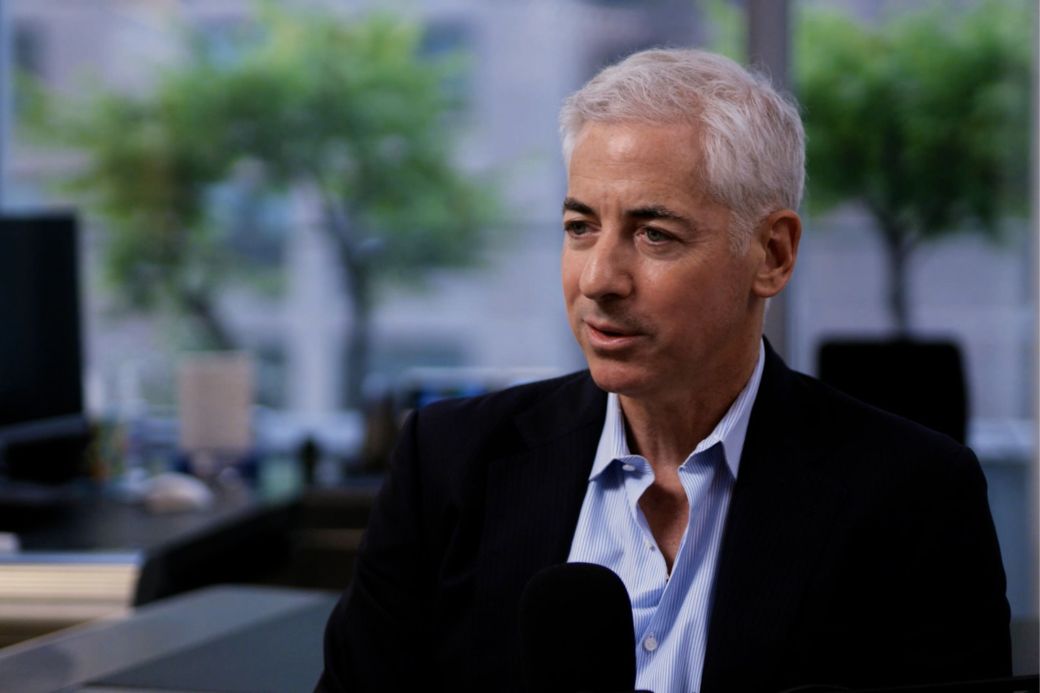
Bill Ackman's roughly $35 billion hedge fund employs fewer than 50 people, and employees across the organization receive company stock worth millions of dollars. Ackman says the equity awards, along with benefits such as summer remote work, help build loyalty.
7:30 AMFortune
IWG CEO Mark Dixon predicts that commuting will largely disappear by 2040 as workers operate from home or nearby flexible workspaces. He says future generations will find it bizarre that employees once traveled long distances simply to work at a computer.
4:00 AMFortuneSummary
Berkshire Hathaway ended a more than three-year streak of net stock selling under Greg Abel, investing roughly $20 billion in equities. The move puts a substantial portion of the company's accumulated cash back into markets.
The decisive change is Berkshire's return to net buying, which gives Abel a visible test
Unlock the full First Pass Analysis to get a better understanding of why this story mattersWhy it matters
Abel is replacing Buffett's wait-and-see posture with a measurable bet on deploying capital now.
3 stories · 3 sources
Summary
Bill Ackman's roughly $35 billion hedge fund employs fewer than 50 people, and employees across the organization receive company stock worth millions of dollars. Ackman says the equity awards, along with benefits such as summer remote work, help build loyalty.
The firm uses broad equity ownership to align every employee with the value of the
Unlock the full First Pass Analysis to get a better understanding of why this story mattersWhy it matters
Ackman is treating equity ownership as an operating system for talent, extending founder-style incentives beyond senior executives.
Summary
IWG CEO Mark Dixon predicts that commuting will largely disappear by 2040 as workers operate from home or nearby flexible workspaces. He says future generations will find it bizarre that employees once traveled long distances simply to work at a computer.
The decisive shift is from centralized offices to distributed work, which would reduce demand for
Unlock the full First Pass Analysis to get a better understanding of why this story mattersWhy it matters
If the prediction is even partly right, companies will treat office space and commuting as strategic costs rather than fixed necessities.
A curated list of other prominent stories from this day.

Ted Leonsis connects his experience sending the first AIM message with his ownership of three Washington, D.C., sports teams to argue that America’s durable advantage is its ability to adapt. His career illustrates how technological change and shifting consumer behavior can create new opportunities.
6:30 AMFortune
Kelley Blue Book Homes CEO John Liss is targeting consumers at major housing transitions, including boomers moving closer to grandchildren and millennials selling their first homes. He argues that buyers and sellers lack effective tools for one of the largest financial decisions of their lives.
6:00 AMFortuneSainsbury’s, the UK’s second-largest supermarket, has delivered limited returns over the past two decades. The argument is that the company needs to adopt the bolder, more ambitious approach associated with leading technology companies.
12:00 AMFinancial TimesSummary
Ted Leonsis connects his experience sending the first AIM message with his ownership of three Washington, D.C., sports teams to argue that America’s durable advantage is its ability to adapt. His career illustrates how technological change and shifting consumer behavior can create new opportunities.
Adaptation, rather than technological invention alone, is the central business lesson Leonsis draws from both
Unlock the full First Pass Analysis to get a better understanding of why this story mattersWhy it matters
Leadership advantage increasingly depends on recognizing change early and reorganizing around it.
Summary
Kelley Blue Book Homes CEO John Liss is targeting consumers at major housing transitions, including boomers moving closer to grandchildren and millennials selling their first homes. He argues that buyers and sellers lack effective tools for one of the largest financial decisions of their lives.
The strategy treats demographic movement and housing turnover as a product opportunity, not just a
Unlock the full First Pass Analysis to get a better understanding of why this story mattersWhy it matters
Housing businesses that pair demographic insight with better decision tools could capture value as families relocate and generations enter new financial stages.
Summary
Sainsbury’s, the UK’s second-largest supermarket, has delivered limited returns over the past two decades. The argument is that the company needs to adopt the bolder, more ambitious approach associated with leading technology companies.
Sainsbury’s long record of modest performance points to a strategy built around incremental improvement rather
Unlock the full First Pass Analysis to get a better understanding of why this story mattersWhy it matters
Sainsbury’s must decide whether cautious retail management can deliver growth or whether it needs to take larger strategic risks.
Make it yours
Pick your topics, set your cadence, and receive your personalized First Pass in your inbox. It’s that simple!
