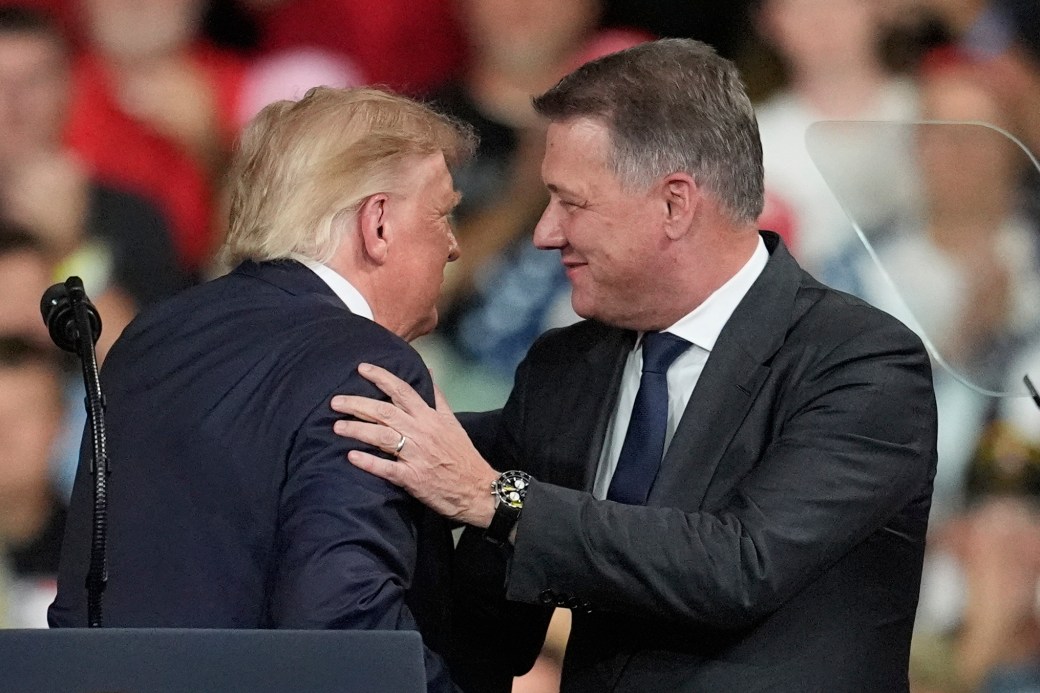
Audi CEO Gernot Döllner appeared with Donald Trump at a Republican campaign rally, where Trump announced Audi's planned $4.2 billion investment near Macon, Georgia. The factory is expected to produce 200,000 vehicles annually.
5:08 PMFortune5 stories from 4 sources
Supporting Articles
Audi CEO Gernot Döllner appeared with Donald Trump at a Republican campaign rally, where Trump announced Audi's planned $4.2 billion investment near Macon, Georgia. The factory is expected to produce 200,000 vehicles annually.
5:08 PMFortune
Audi's CEO defended the planned $4 billion Georgia factory as a business decision aimed at expanding U.S. sales and reducing the company's exposure to tariffs.
12:42 PMCNBC
The tariff pause has increased uncertainty for U.S. ranchers and supported more Brazilian beef imports just as American cattle producers were bringing their animals to market.
12:42 PMAl Jazeera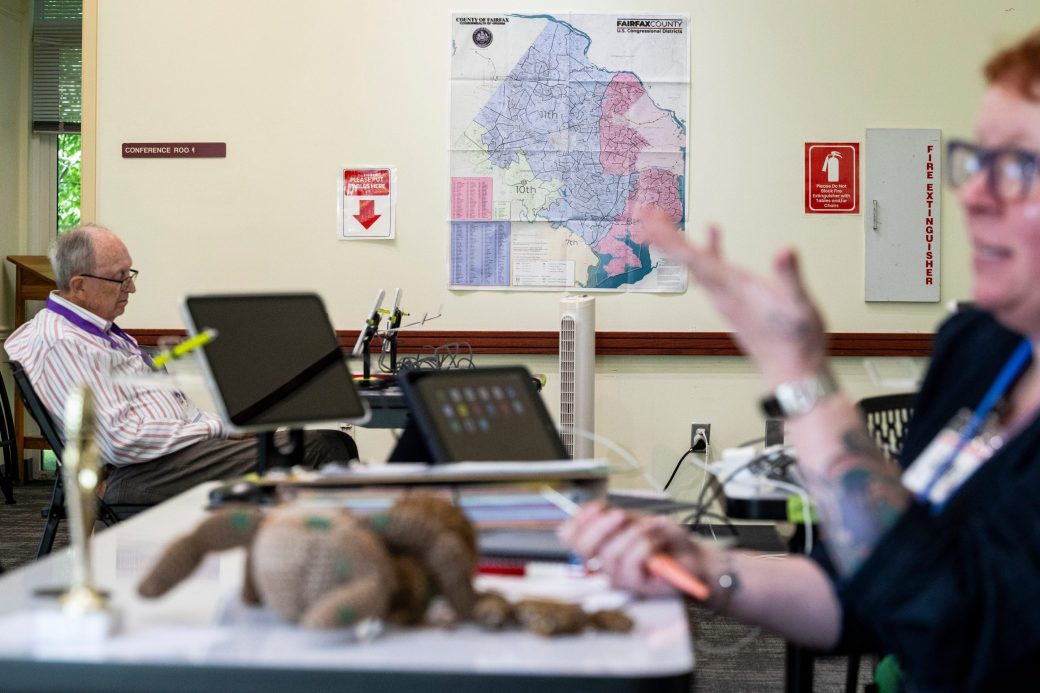
Consumer confidence has fallen to its lowest level since 2014, even as household spending increased in August. The gap shows that negative economic sentiment and actual consumer behavior can diverge, much as election polling can fail to predict outcomes.
6:00 AMFortuneSummary
Audi CEO Gernot Döllner appeared with Donald Trump at a Republican campaign rally, where Trump announced Audi's planned $4.2 billion investment near Macon, Georgia. The factory is expected to produce 200,000 vehicles annually.
Audi is tying a major US manufacturing investment to Trump's political platform before construction begins.
Unlock the full First Pass Analysis to get a better understanding of why this story mattersWhy it matters
The announcement links Audi's US expansion, Georgia's industrial base, and Trump's campaign claims about attracting manufacturing investment.
Summary
Audi's CEO defended the planned $4 billion Georgia factory as a business decision aimed at expanding U.S. sales and reducing the company's exposure to tariffs.
Audi is moving ahead with a major U.S. investment even as parent company Volkswagen restructures
Unlock the full First Pass Analysis to get a better understanding of why this story mattersWhy it matters
The project shows how tariffs are pushing automakers to shift production closer to customers, even during broader corporate cutbacks.
2 stories · 2 sources
Summary
The tariff pause has increased uncertainty for U.S. ranchers and supported more Brazilian beef imports just as American cattle producers were bringing their animals to market.
The pause changes the competitive balance at a sensitive point in the cattle cycle, giving
Unlock the full First Pass Analysis to get a better understanding of why this story mattersWhy it matters
Trade policy is now affecting ranchers' income and the price and sourcing of beef across the U.S. market.
Summary
Consumer confidence has fallen to its lowest level since 2014, even as household spending increased in August. The gap shows that negative economic sentiment and actual consumer behavior can diverge, much as election polling can fail to predict outcomes.
Weak confidence has not yet stopped consumers from supporting economic activity through higher spending. That
Unlock the full First Pass Analysis to get a better understanding of why this story mattersWhy it matters
The economy may remain stronger than public mood suggests, but spending is the harder indicator to sustain.
Make it yours
Pick your topics, set your cadence, and receive your personalized First Pass in your inbox. It’s that simple!
