
Whatnot raised $545 million in a Series G round, lifting its valuation to $20 billion from $11.5 billion in October 2025. The company plans to use the funding to expand its live commerce platform and accelerate AI development.
9:57 AMPYMNTS8 stories from 5 sources
Supporting Articles
Whatnot raised $545 million in a Series G round, lifting its valuation to $20 billion from $11.5 billion in October 2025. The company plans to use the funding to expand its live commerce platform and accelerate AI development.
9:57 AMPYMNTS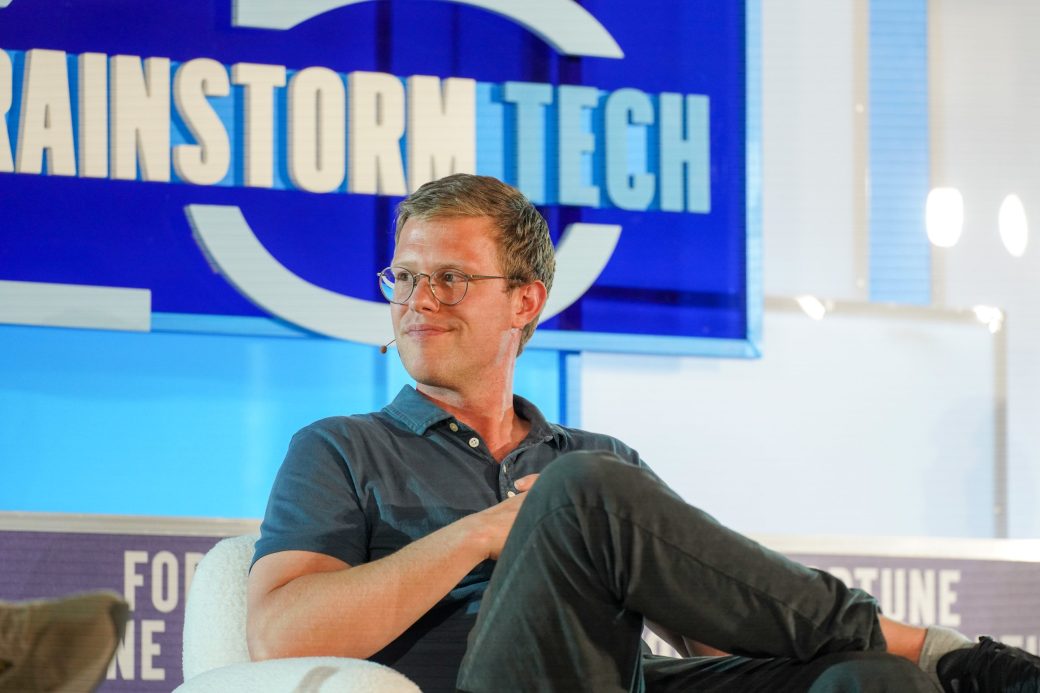
Whatnot raised $545 million in a Series G round that nearly doubled its valuation to $20 billion. The deal marks an unusual consumer-marketplace breakout as venture funding remains heavily concentrated in artificial intelligence.
7:17 AMFortune
Legal AI startup Harvey is reportedly seeking $500 million at a $15.5 billion valuation, up from the $11 billion valuation it reached in March after raising $200 million. Its annualized revenue has reportedly climbed above $350 million.
7:51 PMPYMNTS
A $400 million investment by Situational Awareness went to chip manufacturing startup Source Foundry, according to people familiar with the matter. The investment came days after the hedge fund appeared close to collapse.
11:26 PMBloomberg MarketsSummary
Whatnot raised $545 million in a Series G round, lifting its valuation to $20 billion from $11.5 billion in October 2025. The company plans to use the funding to expand its live commerce platform and accelerate AI development.
The decisive shift is Whatnot's 74% valuation jump in less than a year, giving the
Unlock the full First Pass Analysis to get a better understanding of why this story mattersWhy it matters
Whatnot's round shows that investors are still willing to fund consumer commerce platforms at premium valuations when AI offers a credible path to scale.
Summary
Whatnot raised $545 million in a Series G round that nearly doubled its valuation to $20 billion. The deal marks an unusual consumer-marketplace breakout as venture funding remains heavily concentrated in artificial intelligence.
The decisive shift is that investors are still willing to fund a non-AI consumer company
Unlock the full First Pass Analysis to get a better understanding of why this story mattersWhy it matters
Whatnot's valuation shows that exceptional consumer platforms can still command massive venture rounds despite the AI funding boom.
Summary
Legal AI startup Harvey is reportedly seeking $500 million at a $15.5 billion valuation, up from the $11 billion valuation it reached in March after raising $200 million. Its annualized revenue has reportedly climbed above $350 million.
Harvey's proposed valuation would rise sharply in a matter of months, driven by rapid revenue
Unlock the full First Pass Analysis to get a better understanding of why this story mattersWhy it matters
Harvey's fundraising target shows how quickly strong commercial traction can reset valuations for enterprise AI startups.
Summary
A $400 million investment by Situational Awareness went to chip manufacturing startup Source Foundry, according to people familiar with the matter. The investment came days after the hedge fund appeared close to collapse.
The investment links a near-collapse at the hedge fund to a large, concentrated bet on
Unlock the full First Pass Analysis to get a better understanding of why this story mattersWhy it matters
The deal could reveal how much risk remained inside Situational Awareness as it approached collapse and whether Source Foundry can access the capital it was promised.
A curated list of other prominent stories from this day.

Chinese AI startup Moonshot is restructuring its business as it seeks approval for a Hong Kong stock-market listing. The debut would provide fresh funding for its next phase of development.
7:00 PMFinancial Times
Whatnot’s founders faced roughly 100 investor rejections before building a live-shopping platform that grew into a company valued at $20 billion.
1:46 PMFortune
A biotech founder with deep ties to Boston chose California to launch his startup. The decision reflects growing concerns about Boston's rising costs, high taxes, and business climate, even as the region remains a major biotech center.
4:30 AMStat NewsThe UK's weak initial public offering market is limiting exit options for private equity and venture capital firms. PitchBook data show investors are increasingly relying on sales to other buyout firms or large corporations to realize returns.
12:00 AMBloomberg MarketsSummary
Chinese AI startup Moonshot is restructuring its business as it seeks approval for a Hong Kong stock-market listing. The debut would provide fresh funding for its next phase of development.
The listing effort puts regulatory approval at the center of Moonshot's financing strategy. A successful
Unlock the full First Pass Analysis to get a better understanding of why this story mattersWhy it matters
Moonshot's listing would test whether Beijing is ready to support public-market financing for high-profile AI startups.
Summary
Whatnot’s founders faced roughly 100 investor rejections before building a live-shopping platform that grew into a company valued at $20 billion.
The decisive shift was from investor skepticism about the founders’ early pitch to demonstrated demand
Unlock the full First Pass Analysis to get a better understanding of why this story mattersWhy it matters
Whatnot’s trajectory shows that early fundraising consensus can badly misprice unconventional consumer startups.
Summary
A biotech founder with deep ties to Boston chose California to launch his startup. The decision reflects growing concerns about Boston's rising costs, high taxes, and business climate, even as the region remains a major biotech center.
The decisive shift is that Boston's scientific advantages no longer guarantee that startups will form
Unlock the full First Pass Analysis to get a better understanding of why this story mattersWhy it matters
Boston's challenge is no longer attracting scientific talent alone, but keeping the companies that talent creates.
Summary
The UK's weak initial public offering market is limiting exit options for private equity and venture capital firms. PitchBook data show investors are increasingly relying on sales to other buyout firms or large corporations to realize returns.
The stalled IPO market has shifted more exit risk onto private-market investors and their portfolio
Unlock the full First Pass Analysis to get a better understanding of why this story mattersWhy it matters
A prolonged IPO drought could constrain both returns and fresh capital across the UK startup and private-equity ecosystem.
Make it yours
Pick your topics, set your cadence, and receive your personalized First Pass in your inbox. It’s that simple!